Buy Zofran (Ondansetron 4/8mg) Online - Revolutionary Selective 5 HT3 Antagonist Gold Standard for Chemotherapy and PONV

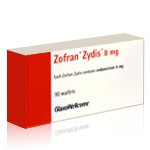
Zofran (Ondansetron 4/8mg) represents the revolutionary selective 5-HT3 receptor antagonist that transformed cancer chemotherapy nausea management — the first-in-class medication providing effective antiemetic therapy since Glaxo Wellcome (now GlaxoSmithKline) received FDA approval in 1991. Before ondansetron, chemotherapy-induced nausea and vomiting represented a major dose-limiting toxicity often forcing treatment delays, dose reductions, or discontinuation. Zofran established selective serotonin blockade as the gold standard antiemetic mechanism providing 85-95% complete response rates for chemotherapy and post-surgical nausea with the cleanest safety profile among antiemetics. Manufactured by Healing Pharma India as bioequivalent generic under WHO-GMP quality standards, Zofran offers proven efficacy with no EPS or anticholinergic effects.
Ondansetron works through highly selective 5-HT3 (serotonin type 3) receptor antagonism at both peripheral and central sites. Chemotherapy and radiation cause release of serotonin from gastrointestinal enterochromaffin cells. Serotonin binds to 5-HT3 receptors on vagal afferent nerves in the intestinal wall, sending nausea signals to the vomiting center and chemoreceptor trigger zone. Ondansetron selectively blocks these 5-HT3 receptors preventing the entire vomiting cascade before it begins. Critically, ondansetron does not affect dopamine, histamine, muscarinic, or alpha-adrenergic receptors — meaning no EPS risk, no tardive dyskinesia, no sedation, no anticholinergic side effects. This clean selectivity produces complete nausea and vomiting prevention, maintained alertness and cognition, and no risk of movement disorders. Clinical response: onset within 30-60 minutes oral, peak effect at 1-2 hours, consistent 8-12 hour antiemetic control.
Zofran serves the highest-emetogenic clinical scenarios. Primary uses include chemotherapy-induced nausea and vomiting (CINV) as first-line therapy for highly emetogenic chemotherapy regimens including cisplatin doxorubicin cyclophosphamide; radiation-induced nausea particularly abdominal and total body irradiation; post-operative nausea and vomiting (PONV) prevention and treatment; pediatric CINV and PONV where clean safety profile essential; hyperemesis gravidarum (off-label but widely used); and refractory nausea from various causes when D2 antagonists inadequate or contraindicated.
Zofran typically dosed 3 times daily (8 mg TID for chemotherapy, 4-8 mg per dose for PONV). Peak at 1-2 hours, 3-6 hour half-life. Monitor QT interval in cardiac patients. Healing Pharma India manufactures under WHO-GMP standards.


Free prescription
Discrete packaging
Have questions?
Quality Assurance

- CINV: Chemotherapy-induced nausea and vomiting as gold standard first-line therapy;
- Chemotherapy Vomiting Prevention: Acute vomiting prevention 24 hours post-chemotherapy administration;
- Highly Emetogenic Chemotherapy: Cisplatin doxorubicin cyclophosphamide regimens requiring 5-HT3 antagonism;
- Radiation Induced Nausea: Radiotherapy nausea particularly abdominal and total body irradiation;
- Total Body Irradiation Nausea: Bone marrow transplant preparation TBI-related nausea;
- Post Surgical Nausea and Vomiting: PONV prevention and treatment as first-line therapy;
- PONV Prevention: Post-operative nausea vomiting prevention in high-risk surgical patients;
- Anesthesia Related Nausea: General anesthesia-induced nausea responding to selective 5-HT3 blockade;
- Pediatric Chemotherapy Nausea: Children on chemotherapy where clean safety profile essential;
- Pediatric Post Surgical Nausea: Pediatric post-operative nausea benefits from ondansetron safety;
- Hyperemesis Gravidarum: Severe pregnancy nausea as off-label but widely used therapy;
- Refractory Nausea: Nausea unresponsive to D2 antagonists or when EPS risk contraindicates;
- Selective 5-HT3 Antagonist Class: Cleanest antiemetic class with no EPS or anticholinergic effects;
- Cancer Treatment Support: Enables patients to tolerate chemotherapy without treatment delays;
- Chemotherapy Adherence Support: Effective antiemetic prevents chemotherapy dose delays or discontinuation;
- Post Operative Recovery Support: Enables faster surgical recovery and earlier hospital discharge;
- Non Sedating Antiemetic: Preserves alertness essential for post-surgical and outpatient use;
- No EPS Risk Antiemetic: Safe alternative to phenothiazines and metoclopramide with no movement disorder risk;
- Generic Zofran Therapy: Bioequivalent generic alternative to brand-name Zofran at substantially lower cost.
- Better Chemotherapy Tolerance: Enables patients to complete full chemotherapy courses without delays;
- Better Cancer Treatment Adherence: Effective antiemetic prevents chemo dose delays or discontinuation;
- Better Post Operative Recovery: PONV prevention improves surgical outcomes and early discharge;
- Less Vomiting Episodes: Vomiting frequency dramatically decreases with selective 5-HT3 blockade;
- No Extrapyramidal Side Effects: Unlike phenothiazines and metoclopramide no EPS or tardive dyskinesia;
- No Sedation Effect: Preserves alertness for post-surgical recovery and daily function;
- No Anticholinergic Effects: No dry mouth constipation urinary retention or cognitive effects;
- Better Cognitive Function Preservation: No CNS impairment allows normal cognition during therapy;
- Better Radiation Therapy Tolerance: Radiotherapy nausea controlled enabling treatment completion;
- Better Bone Marrow Transplant Support: Total body irradiation nausea managed enabling BMT completion;
- Better Pediatric Safety Profile: Safe pediatric use where phenothiazine or metoclopramide EPS risks concerning;
- Better Hyperemesis Gravidarum Control: Severe pregnancy nausea often responds when other agents fail;
- Better Sustained 8-12 Hour Control: Long duration allows convenient TID dosing schedule;
- Better Nutritional Intake: Reduced nausea allows proper nutrition during cancer treatment;
- Better Rehydration Support: Nausea control enables oral fluid intake preventing dehydration;
- Better Refractory Nausea Solution: Effective when other antiemetics have failed;
- Better Contraindication Alternative: Preferred when Parkinson EPS risk or dementia contraindicate D2 antagonists;
- Better Generic Affordability: 85-95% lower cost than brand Zofran makes gold standard therapy accessible;
- Better Quality of Life: Cancer patients maintain daily wellbeing during chemotherapy without debilitating nausea.
Generic Zofran (Ondansetron 4 mg) Medication guide:
💊 Zofran overview — gold-standard antiemetic
Zofran (ondansetron) is a selective 5HT3 receptor antagonist and the most widely used antiemetic in modern medicine. First approved in the 1990s, it transformed chemotherapy nausea management and became the gold standard for many antiemetic indications. Unlike older antiemetics (Compazine, Maxolon), Zofran does not block dopamine receptors, which means no extrapyramidal symptoms, no tardive dyskinesia, and minimal sedation — a transformative safety profile.
💊 At a glance — what Zofran is
- Class: Selective 5HT3 receptor antagonist (serotonin receptor blocker)
- Primary use: Chemotherapy, postoperative, radiation, pregnancy nausea
- Available forms: 4 mg and 8 mg tablets; orally disintegrating tablets (ODT); oral solution; IV/IM injection
- Typical adult dose: 4-8 mg every 8 hours; max 24 mg/day
- Onset: 30-60 minutes orally; 10-15 minutes IV
- Duration: 8-12 hours
- Prescription: Required in most countries
- Generic availability: Yes — widely available
👩⚕️ Doctor pearl — Dr. Priya Krishnan
"Zofran changed cancer care more than any single antiemetic that came before it. Patients who dreaded chemotherapy for its vomiting could suddenly tolerate the same drugs with manageable nausea. The safety profile is remarkable — no dystonic reactions, no tardive dyskinesia, no significant sedation. For nausea indications where it works, Zofran is almost always first-line now. The limitations are the drugs that work on different pathways, like motion sickness and vestibular nausea."
Zofran works by blocking serotonin (5HT3) receptors on vagal nerve endings in the gut and in the chemoreceptor trigger zone (CTZ) of the brainstem. These receptors are activated by serotonin release during chemotherapy, surgery, radiation, GI irritation, and some drug exposures. By blocking the receptors, Zofran prevents the signal cascade that leads to nausea and vomiting.
The biggest limitation of Zofran is that it does not work well for motion sickness, vestibular nausea, or vertigo-driven nausea because those pathways use different receptor systems (histamine, acetylcholine). For those indications, dimenhydrinate (Dramamine) or meclizine work better. For everything else involving nausea — chemo, surgery, radiation, pregnancy, gastroenteritis, migraine — Zofran is usually first-line.
🧬 How Zofran works — 5HT3 receptor blockade
Zofran (ondansetron) is a highly selective 5HT3 receptor antagonist. The 5HT3 receptor is a ligand-gated ion channel found on vagal nerve endings in the gut and on neurons in the chemoreceptor trigger zone (CTZ). Serotonin (5HT) released from enterochromaffin cells in response to GI irritants (chemo, toxins, radiation) activates these receptors, triggering the vomiting reflex. Zofran blocks the receptor, breaking the signaling chain.
🧬 Receptor profile
- 5HT3 selective antagonism — the only clinically significant action
- No dopamine blockade — no EPS, no TD, no prolactin elevation
- No histamine or acetylcholine blockade — no sedation, no dry mouth
- No alpha-adrenergic effect — no significant hypotension
- Mild QT prolongation — dose-related, modest
🌊 How Zofran interrupts the vomiting cascade
Because Zofran's action is limited to 5HT3 receptors, it has remarkably few side effects compared to older antiemetics. The main side effect is headache (about 20-30% of patients), followed by constipation and mild fatigue. The absence of sedation and movement effects makes Zofran usable for ambulatory patients who need to drive, work, or care for children — a huge advantage over Compazine or Maxolon.
⚠️ Why Zofran does not work for motion sickness
Motion sickness arises from vestibular signaling using histamine and acetylcholine pathways — not serotonin. 5HT3 antagonists like Zofran have been studied for motion sickness and consistently show minimal to no benefit. For motion sickness, use dimenhydrinate (Dramamine), meclizine, or scopolamine. Patients who get little relief from Zofran for seasickness or car sickness are not failing the drug — they are using it for an indication it cannot address.
🎯 Indications — where Zofran works
Zofran has broad indications across many nausea-causing situations. Its key limitation is that serotonin-mediated nausea is the sweet spot — chemotherapy, surgery, radiation, GI inflammation. Motion sickness, vertigo, and vestibular nausea respond poorly.
| 🎯 Indication | Typical use | Effectiveness |
|---|---|---|
| Chemotherapy nausea (acute) | 8 mg IV or oral 30 min before chemo | Excellent — first line |
| Postoperative nausea (PONV) | 4 mg IV at end of surgery | Excellent — first line |
| Radiation-induced nausea | 8 mg oral 1-2 hours before treatment | Very good |
| Hyperemesis gravidarum | 4-8 mg every 8 hours; often IV in hospital | Very good |
| Severe gastroenteritis | 4-8 mg oral or ODT every 8 hours | Very good |
| Pediatric vomiting from gastro | Weight-based ODT; often single dose | Excellent — well-tolerated |
| Opioid-induced nausea | 4-8 mg as needed | Good |
| Migraine nausea | 4-8 mg as adjunct | Moderate — Compazine often preferred |
| Motion sickness | Not recommended | Poor — use dimenhydrinate |
| Vestibular vertigo nausea | Not first choice | Poor — use meclizine or Compazine |
✅ Where Zofran really shines
The sweet spot for Zofran is chemotherapy and postoperative nausea — the serotonin-driven pathways it was designed for. For a cancer patient receiving moderately or highly emetogenic chemotherapy, Zofran combined with dexamethasone (and often aprepitant) controls nausea in the vast majority of patients. For post-surgical patients emerging from anesthesia, a single 4 mg IV dose at end of surgery dramatically reduces PACU nausea. For pediatric gastroenteritis with vomiting, a single ODT dose often lets the child start taking oral fluids and avoid IV rehydration.
🚨 Where Zofran struggles
- Pure motion sickness — use dimenhydrinate
- Vestibular vertigo nausea — use meclizine
- Gastroparesis-driven nausea — add Maxolon for prokinetic
- Delayed CINV (days 2-5 after chemo) — loses some efficacy; dexamethasone and aprepitant more useful
- Anticipatory CINV — benzodiazepines better
📏 Dosing by route and age
Zofran dosing is reasonably standardized across indications: typical adult doses are 4-8 mg every 8 hours, max 24 mg daily. The orally disintegrating tablet (ODT) form is especially useful because it dissolves on the tongue in seconds — no water needed, no risk of vomiting it back up. For hospital use, IV is the fastest route (10-15 min onset).
| 📏 Form / route | Adult dose | Max daily |
|---|---|---|
| Oral tablet 4 mg | 4-8 mg every 8 hours | 24 mg (16 mg if elderly or hepatic) |
| Oral tablet 8 mg | 8 mg every 8-12 hours | 24 mg |
| ODT 4 mg or 8 mg | 4-8 mg every 8 hours | 24 mg |
| Oral solution 4 mg/5 mL | 4-8 mg every 8 hours | 24 mg |
| IV slow push | 4 mg over 2-5 min for PONV; 8 mg for chemo | 16 mg single dose (FDA removed 32 mg) |
| IM injection | 4 mg IM | 16 mg daily |
⚠️ FDA 32 mg IV dose removed
In 2012 the FDA removed the 32 mg single IV dose of ondansetron from labeling due to QT prolongation and torsades de pointes concerns at that dose. The current maximum single IV dose is 16 mg; for chemotherapy, divided doses (8 mg + 8 mg later) replace the former single 32 mg dose. Oral doses up to 24 mg are still acceptable for chemotherapy use. This is a significant practical change that older protocols sometimes still reference.
| 👶 Pediatric (weight-based) | Dose |
|---|---|
| 8-15 kg | 2 mg ODT or oral |
| 15-30 kg | 4 mg ODT or oral |
| Over 30 kg | 4-8 mg (adult-like) |
| Chemo pediatric IV | 0.15 mg/kg (max 16 mg per dose) every 8 hours |
💡 Practical dosing tips
- Take 30 min before expected trigger (chemo, meal that triggers nausea)
- Food has minimal effect — take with or without food
- ODT dissolves on tongue — works when oral tablets would be vomited
- Hepatic impairment: max 8 mg daily (severe) due to slower clearance
- Older adults start lower (4 mg)
- Pre-chemo dose 30 min before
- Scheduled dosing works better than PRN for severe nausea
- No tolerance development with chronic use
🕐 Timing, administration, and ODT technique
Timing matters for Zofran because the drug works prophylactically much better than as rescue. Taking Zofran 30 minutes to 1 hour before a known trigger (chemotherapy infusion, radiation session, procedure) produces dramatically better outcomes than waiting for nausea to start. For acute unexpected nausea (gastroenteritis), the ODT form works quickly even during active vomiting.
- 30-60 min before chemotherapy
- End of surgery (anesthesia team)
- 1-2 hours before radiation
- At first sign of nausea (ODT)
- Scheduled during chemo cycles every 8 hours
- During pregnancy nausea as needed
- With water or on empty tongue (ODT)
- Waiting until vomiting starts (harder to catch up)
- Chewing or swallowing ODT whole (defeats the point)
- Combining with other QT-prolonging drugs same time
- Rapid IV push over less than 2 minutes
- Skipping doses in scheduled chemo coverage
- Using ONLY Zofran for high-risk CINV (multimodal is better)
| 🛣️ Route | Onset | Best use |
|---|---|---|
| Oral tablet | 30-60 min | Outpatient; chronic use; stable patients |
| ODT (orally disintegrating) | 30-60 min | Active vomiting; children; patients who cannot swallow pills |
| Oral solution | 30-45 min | Children; precise dosing |
| IM injection | 15-30 min | ER setting; cannot take oral |
| IV slow | 10-15 min | Hospital; chemo infusion; PACU |
✅ ODT technique
- Dry hands — ODT dissolves on contact with moisture
- Peel back blister — do not push through
- Place on tongue — let it dissolve (10-30 seconds)
- Do not chew or swallow whole — defeats the ODT purpose
- Swallow with saliva after dissolution
- No water needed — absorbs through oral mucosa
- Works even if patient is vomiting because absorption bypasses stomach
- Store in original blister — moisture-sensitive
👥 Who should and should not use Zofran
Zofran is widely usable because of its excellent safety profile. Most patients with nausea tolerate it well. The main groups needing caution are those with significant cardiac QT prolongation history, specific drug interactions (apomorphine), and severe hepatic impairment. There are no absolute age or population exclusions.
- Chemotherapy patients
- Postoperative patients
- Radiation therapy patients
- Pregnancy with severe nausea
- Children with gastroenteritis (ODT)
- Patients with Parkinson disease (avoids dopamine blockers)
- Older adults with dementia (avoids anticholinergic)
- Occupational drivers (minimal sedation)
- Breastfeeding mothers (short course)
- Congenital long QT syndrome
- Concurrent apomorphine (contraindicated)
- Known hypersensitivity to 5HT3 antagonists
- Severe hepatic impairment (dose reduce)
- Serotonin syndrome risk (SSRIs + MAOIs + tramadol)
- Phenylketonuria (ODT contains phenylalanine)
- Prolonged QTc greater than 500 ms
- Severe electrolyte abnormalities
| 🤔 Patient profile | Approach |
|---|---|
| Young adult, severe gastroenteritis | ODT 4 mg; often single dose enables rehydration |
| Pregnant woman, hyperemesis | 4-8 mg every 8 hours; MFM coordination; after doxylamine-pyridoxine failed |
| Chemotherapy patient | 8 mg IV before chemo + dexamethasone + aprepitant for high-emetogenic |
| Older adult with migraine | 4 mg ODT; good choice (no sedation or EPS) |
| Child with gastro, dehydration starting | Weight-based ODT; often avoids IV admission |
| Parkinson patient with nausea | Excellent choice; no dopamine blockade |
| Patient with long QT on multiple QT drugs | Caution; ECG monitoring; lower doses; alternatives considered |
⚠️ QT monitoring in high-risk patients
Patients at higher risk for QT prolongation include those with: congenital long QT syndrome, hypokalemia, hypomagnesemia, bradycardia, concurrent QT-prolonging drugs (methadone, haloperidol, antiarrhythmics, some antibiotics), heart failure, elderly, or female sex. For these patients, baseline ECG before high-dose Zofran use is reasonable, and electrolyte correction before dosing prevents trouble. Oral doses are generally safer than IV from a QT standpoint.
🚀 Starting Zofran — first-dose approach
Starting Zofran is usually straightforward because of its favorable safety profile. The approach differs for acute single-dose use (gastroenteritis, migraine, procedure), planned prophylactic chemotherapy use, and chronic recurring use (hyperemesis, gastroparesis). Each has its own starting pattern.
🏁 Before the first dose
- Medication list reviewed for QT prolonging drugs and serotonergic drugs
- Allergy history — prior 5HT3 antagonist reactions
- Cardiac history — particularly long QT, arrhythmias
- Hepatic function if significant impairment suspected
- Electrolyte status for high-dose IV use
- Pregnancy status if applicable (discuss benefits vs mild risk signals)
- Phenylketonuria status for ODT (contains aspartame)
- Set expectations: headache common; constipation possible
👩⚕️ Doctor pearl — Dr. Francesco De Luca
"For postoperative nausea prevention, I give 4 mg Zofran IV at the end of surgery as part of a multimodal antiemetic protocol. The combination of dexamethasone 4 mg at induction, Zofran 4 mg at end of surgery, and total intravenous anesthesia when possible produces excellent PACU nausea control. Single-drug prophylaxis is less effective than this three-pronged approach, which is why modern anesthetic practice has moved toward multimodal strategies rather than higher doses of single agents."
| 🚀 Scenario | Starting approach |
|---|---|
| Acute viral gastroenteritis | 4 mg ODT; often single dose enables oral fluids |
| Chemo prophylaxis (moderate emetogenic) | 8 mg IV 30 min before chemo + dexamethasone |
| Chemo prophylaxis (highly emetogenic) | 8 mg IV + dex + aprepitant +/- olanzapine |
| PONV prophylaxis | 4 mg IV at end of surgery |
| Hyperemesis gravidarum | 4-8 mg every 8 hours; often start IV in hospital |
| Pediatric gastroenteritis | Weight-based ODT; often single dose; rehydrate within 30-60 min |
| Older adult, mild to moderate nausea | 4 mg ODT; well-tolerated across ages |
✅ First-dose checklist
- Patient aware headache is most common side effect (not failure)
- Patient knows constipation is possible with multiple doses
- Patient knows ODT technique if that form is used
- Hydration encouraged alongside
- Follow-up timing clear
- Multimodal antiemetic plan documented (chemo/surgery)
- No concerning drug interactions identified
- QT risk assessed if applicable
📅 Daily routine with Zofran
Zofran is usually taken around specific trigger events (chemo day, post-surgery, during illness episode) rather than as a daily chronic medication. For cancer patients during chemo cycles, Zofran becomes part of the chemo-day and days-after routine. For hyperemesis patients, it is part of daily living during the affected weeks of pregnancy.
📅 Example schedule — chemotherapy day
| 🏃 Activity | Zofran consideration |
|---|---|
| Driving | Usually fine — minimal sedation; underlying illness may limit |
| Work | Compatible — patients often work while on Zofran |
| Exercise | OK if nausea controlled; underlying illness matters |
| Hydration | Encouraged; Zofran lets patients drink; prevent dehydration |
| Food | Start light; progress as tolerated; small frequent meals |
| Social events | Usually compatible; alcohol OK in moderation |
| Travel | Standard supply; ODT good for travel; no sedation concern |
| Child care | Compatible — alertness preserved |
👩⚕️ Doctor pearl — Dr. Priya Krishnan
"The quality-of-life advantage of Zofran over older antiemetics for chemotherapy is enormous. Patients on scheduled Zofran during chemo cycles report maintaining their work, driving to appointments, caring for family, and participating in social events in ways that were impossible with Compazine-era regimens. Side effects (headache, constipation) are mild and manageable. The main daily routine adjustment is to schedule the doses before meals and keep water nearby for the common headache."
💧 Hydration and feeding during nausea
Nausea and vomiting rapidly produce dehydration and electrolyte disturbance. Zofran controls the symptoms, but the underlying fluid losses still need active replacement. The approach combines frequent small sips rather than large volumes, electrolyte-containing fluids, and gradual return to solid food once vomiting is controlled.
15-30 mL every 10-15 min initially; larger as tolerated
Pedialyte, oral rehydration salts, or diluted sports drink
Bananas, rice, applesauce, toast when nausea controlled
| 🕔 Timeline | Fluid strategy | Food strategy |
|---|---|---|
| Give Zofran ODT, wait 30 min | Nothing; let drug work | Nothing |
| 30-60 min after dose | Ice chips if tolerated; tiny sips | Nothing yet |
| Hours 1-2 | Oral rehydration solution 30 mL every 15 min | Dry crackers if tolerated |
| Hours 2-6 | Larger sips; broth; diluted juice | BRAT foods; small portions |
| Day 2+ | Normal fluid intake; monitor urine color | Expand diet gradually |
🚨 Signs of dangerous dehydration
- Minimal urine for 8+ hours (adults); 6+ hours (children)
- Dark concentrated urine
- Dizziness or near-fainting when standing
- Rapid heart rate at rest
- Sunken eyes or dry mucous membranes
- Confusion or lethargy
- Children: no tears when crying; dry diapers
- → Emergency department for IV fluids
✅ Zofran enables oral rehydration
One of the most valuable uses of Zofran in emergency departments and pediatric practices is enabling oral rehydration for vomiting patients who would otherwise need IV fluids. A single ODT dose typically allows the patient to tolerate small sips of oral rehydration solution within 30-60 minutes, often avoiding hospitalization. For pediatric gastroenteritis specifically, this is a transformative use that has become standard practice in many centers.
💉 Zofran for chemotherapy nausea — the main use
Chemotherapy-induced nausea and vomiting (CINV) is the original and still primary indication for Zofran. The drug revolutionized chemo care by making previously intolerable regimens survivable. Modern CINV management is multimodal: Zofran forms the foundation, with dexamethasone, aprepitant (NK1 antagonist), and olanzapine added depending on emetogenic risk.
| 💉 Emetogenic risk | Standard regimen |
|---|---|
| Highly emetogenic (cisplatin, AC) | Zofran + dex + aprepitant + olanzapine |
| Moderately emetogenic | Zofran + dex +/- aprepitant |
| Low emetogenic | Zofran OR dex (one agent) |
| Minimal emetogenic | No prophylaxis; rescue only |
| Acute phase (0-24 h) | Zofran most effective; dose day 1 |
| Delayed phase (days 2-5) | Zofran less effective; dex + aprepitant lead |
| Breakthrough | Add different class (Compazine, Maxolon, olanzapine) |
| Anticipatory | Benzodiazepine (lorazepam) — Zofran does not help |
📊 Classic CINV protocols with Zofran
- Highly emetogenic day 1: Zofran 8-16 mg IV + dex 12 mg IV + aprepitant 125 mg PO
- Days 2-3: Dex 8 mg + aprepitant 80 mg; Zofran as needed
- Day 4: Dex 8 mg; Zofran as needed
- Olanzapine 5 mg daily days 1-4 added for refractory or hard-to-control
- Oral Zofran 8 mg every 12 hours for home use through day 5
- ODT form for patients who may vomit tablets
- Scheduled dosing works better than PRN during active chemo
👩⚕️ Doctor pearl — Dr. Priya Krishnan
"For chemotherapy breakthrough nausea, do not just repeat Zofran — patients who have already failed Zofran need a different receptor class. Adding Compazine (dopamine), olanzapine (multiple), or Maxolon (prokinetic+dopamine) often works where more Zofran would not. The practical rule: if Zofran prophylaxis has failed, the receptor system it targets is already blocked; adding a different mechanism is the way forward."
⚠️ Cancer patient considerations
- Constipation is predictable with scheduled Zofran + opioids + chemo
- Prophylactic bowel regimen (senna, polyethylene glycol) should start day 1
- Headache may occur; usually mild; standard analgesics help
- QT monitoring in high-risk patients (electrolytes, concurrent QT drugs)
- Delayed CINV is where Zofran loses efficacy; dex + aprepitant lead
- Communication with oncology about breakthrough events
🩺 Zofran for postoperative nausea
Postoperative nausea and vomiting (PONV) is one of the most common and distressing complications of surgery. Zofran has become the standard prophylactic antiemetic for most surgical cases because of its excellent efficacy, lack of sedation (does not slow emergence), and minimal interaction with anesthetic agents.
| 🩺 Perioperative phase | Zofran use |
|---|---|
| Preoperative | Not routine; some high-risk patients get oral 4-8 mg |
| End of surgery (induction protocol) | 4 mg IV — standard prophylaxis |
| PACU breakthrough | Additional 4 mg IV if needed |
| Ward postoperative | 4-8 mg oral or ODT every 8 hours |
| Day-case discharge | Oral or ODT home supply as needed |
📊 High-risk PONV patients (Apfel score)
- Female sex (1 point)
- Non-smoker (1 point)
- History of PONV or motion sickness (1 point)
- Postoperative opioid use (1 point)
- Risk 10% / 21% / 39% / 61% / 79% for 0 / 1 / 2 / 3 / 4 points
- Multimodal prophylaxis for scores 2+
- Higher scores warrant Zofran + dex + total IV anesthesia
✅ Multimodal PONV prophylaxis
- Dexamethasone 4-8 mg IV at induction
- Zofran 4 mg IV at end of surgery
- Total IV anesthesia (TIVA) when possible (less emetogenic than volatiles)
- Minimize opioids — regional anesthesia; NSAID-based analgesia
- Scopolamine patch for high-risk patients, applied night before
- Haloperidol low-dose as additional agent
- Adequate hydration intraoperatively
- Postoperative Zofran as scheduled dosing in first 24 hours
👩⚕️ Doctor pearl — Dr. Francesco De Luca
"The single most impactful PONV intervention beyond Zofran is minimizing opioids. Patients who receive regional anesthesia (spinal, epidural, nerve blocks) or NSAID-based pain management have dramatically less postoperative nausea than those on heavy opioid regimens. Zofran plus dexamethasone covers much of the remaining risk. The combination of multimodal analgesia and multimodal antiemetic prophylaxis has transformed day-case surgery for nausea-prone patients."
🤰 Zofran in pregnancy and hyperemesis
Zofran use during pregnancy has been studied extensively, with mixed signals in the data. The drug is widely used for severe nausea in pregnancy and hyperemesis gravidarum, though it is not first-line for routine morning sickness. A very small signal for cleft palate and septal cardiac defects has been debated for over a decade; the consensus now is that any risk is small and typically outweighed by the benefit for women with severe hyperemesis.
| 🤰 Period | Zofran approach |
|---|---|
| Pregnancy planning | No restriction; counseling about pregnancy options |
| First trimester (morning sickness) | Doxylamine-pyridoxine first-line; Zofran if that fails |
| First trimester (hyperemesis) | Reasonable use for severe cases; discuss risk-benefit |
| Second and third trimester | Reasonable use for persistent severe nausea |
| Hyperemesis gravidarum severe | Common choice; often IV in hospital setting |
| Breastfeeding | Small amounts transfer; usually compatible with monitoring |
⚠️ The cleft palate signal
Some observational studies have reported a small increased risk of cleft palate (absolute risk approximately 1 per 1000 exposed vs 1 per 1500 unexposed) and cardiac septal defects (approximately 1 per 100 vs 0.8 per 100 unexposed) with first-trimester Zofran exposure. Other studies have not confirmed these associations. Current obstetric consensus: for severe hyperemesis, the maternal and fetal risks of ongoing severe vomiting typically outweigh the small signal, and Zofran remains a reasonable choice. Informed consent should cover the uncertainty.
✅ Pregnancy antiemetic ladder
- Step 1: Lifestyle (small meals, ginger, acupressure, hydration)
- Step 2: Doxylamine-pyridoxine (Diclegis/Diclectin)
- Step 3: Dimenhydrinate OR Zofran (after discussion)
- Step 4: Combination therapy; metoclopramide
- Step 5: Hospitalization, IV fluids, parenteral antiemetics for hyperemesis
- Severe hyperemesis: Corticosteroids may be added as adjunct
👩⚕️ Doctor pearl — Dr. Olga Volkov
"The cleft palate signal with Zofran in pregnancy is real but very small, and often misunderstood by patients. I show them the actual numbers: baseline cleft palate risk is about 1 per 1500 pregnancies; with first-trimester Zofran exposure, maybe 1 per 1000. Severe hyperemesis has its own risks — weight loss, dehydration, hospitalization, maternal depression, preterm labor. For a woman losing weight and unable to keep anything down, Zofran is almost always the right choice. The informed consent is about understanding uncertainty, not avoiding treatment."
👶 Breastfeeding considerations
Zofran passes into breast milk in small amounts. For brief maternal use during an acute illness, breastfeeding is generally compatible — monitor the infant for sedation or constipation. For chronic maternal use, cumulative infant exposure matters; alternatives sometimes preferred. Many lactation experts consider Zofran compatible with breastfeeding at usual doses.
👶 Pediatric Zofran use
Zofran is widely used in pediatric practice and is one of the few antiemetics with established pediatric safety and efficacy. The orally disintegrating tablet is particularly useful because it works even in actively vomiting children, enables oral rehydration, and often avoids IV admission for gastroenteritis. For pediatric chemotherapy, Zofran is first-line.
| 👶 Age / weight | Dose | Form |
|---|---|---|
| Under 4 kg or under 1 month | Not recommended routinely | Specialist decision only |
| 8-15 kg | 2 mg | ODT or oral solution |
| 15-30 kg | 4 mg | ODT or oral solution |
| Over 30 kg | 4-8 mg | ODT or tablet |
| Pediatric chemo IV | 0.15 mg/kg every 8 hours; max 16 mg per dose | IV infusion |
👶 Pediatric gastroenteritis protocol
- Child vomiting from acute gastroenteritis
- Weight-based ODT single dose (often 2 or 4 mg)
- Wait 30 minutes
- Attempt oral rehydration with small volumes
- If tolerating oral intake: continue rehydration; usually no further Zofran needed
- If still vomiting: IV fluids and admission
- Follow-up next day for dehydration status
👩⚕️ Doctor pearl — Dr. Chidinma Okafor
"The pediatric emergency use of Zofran for gastroenteritis is one of the most important antiemetic innovations in modern pediatric practice. In my ER, a single ODT dose weight-adjusted to 2-4 mg typically lets a child start taking small sips of oral rehydration solution within 30-60 minutes. Admissions for IV fluid rehydration dropped substantially after we adopted this approach. Parents go home with a prescription for a few more ODT doses to use at home if vomiting recurs. Simple, well-tolerated, effective."
⚠️ Pediatric cautions
- Infants under 1 month: specialist decision only; limited data
- Congenital long QT: screen family history
- Severe dehydration first: IV fluids before relying on oral Zofran
- Red flag symptoms: bilious vomiting, severe abdominal pain, altered mental status need evaluation before Zofran
- Child looks very sick: do not mask with Zofran; evaluate first
- Prolonged vomiting over 24 hours: look for cause beyond gastroenteritis
👩👩👧 Family communication
Family members often help manage patients using Zofran, particularly for chemotherapy support, surgical recovery, severe illness episodes, and pediatric gastroenteritis. The caregiver's awareness of what Zofran does, side effects (especially headache and constipation), and when to seek more help affects outcomes.
👩👩👧 Family briefing — what to tell loved ones
- What it is: Modern antiemetic for severe nausea; serotonin blocker
- How it works: Blocks the signal that triggers vomiting
- Takes 30-60 minutes to start working orally
- Expected effects: Nausea stops; headache common; some constipation possible
- Watch for: Severe headache not relieved by Tylenol; no bowel movement for 3+ days; rash
- Help with: ODT technique (dry hands); water for headache; fiber for constipation
- Compatible with: Driving, work, normal activities (unlike older antiemetics)
- Alcohol: Moderate OK (unlike Compazine or Dramamine)
- Call doctor: No improvement in 2 hours; severe allergic reaction; palpitations
- Call 911: Severe allergic reaction; chest pain; fainting
| 📞 Situation | Family action |
|---|---|
| Taking ODT at home | Dry hands; peel back blister; place on tongue; let dissolve |
| Child needs ODT, resistant | Explain it dissolves like candy; dry mouth helps; often works first try |
| Nausea not better in 1 hour | Wait another 30 min; try sip of oral rehydration solution; call provider if no improvement by 2 hours |
| Child looks dehydrated despite dose | ER evaluation; IV fluids may be needed |
| Headache after dose | Expected; acetaminophen or ibuprofen; hydration; usually mild |
| Constipation on multiple days | Fluids, fiber, prunes; stool softener if persisting |
| Rash, itching | Stop drug; call provider; antihistamines; evaluate for allergy |
| Chest pain or palpitations | Call 911 or emergency department |
✅ Why Zofran is family-friendly
Unlike older antiemetics (Compazine, Maxolon, Dramamine), Zofran rarely produces the dramatic reactions that families worry about: no dystonic reactions, no akathisia, no significant sedation, no delirium in older adults. The main side effects (headache, constipation) are predictable and manageable. For families supporting a cancer patient through chemo cycles or caring for a child with gastroenteritis, this safety profile makes Zofran much easier to use than its predecessors.
🧠 Mental health advantages of Zofran
Zofran has a remarkably clean mental health profile compared to older antiemetics. The drug does not block dopamine or histamine receptors, so there is no akathisia, no significant sedation, no cognitive clouding, no mood effects at usual doses. For patients with pre-existing psychiatric conditions, Zofran is often the preferred antiemetic precisely because it does not disturb mental status or interact with psychiatric medications significantly.
✅ Mental health advantages
- No akathisia — unlike Compazine, Maxolon
- No dystonic reactions
- No tardive dyskinesia risk
- Minimal sedation — unlike Dramamine
- No delirium in older adults
- No mood effects at usual doses
- No prolactin elevation — preserves libido and mood
- Compatible with most psychiatric medications
| 🤔 Mental health patient | Zofran approach |
|---|---|
| Depression | Preferred over Maxolon (no depression black box); monitor SSRIs for serotonin syndrome theoretical |
| Anxiety | Preferred over Compazine (no akathisia misdiagnosis trap) |
| Schizophrenia on antipsychotics | Preferred; no additive EPS/TD risk |
| Bipolar disorder on lithium | Compatible; no NMS risk amplification |
| Dementia | Preferred over anticholinergic antiemetics; no delirium risk |
| Parkinson disease | Preferred — no dopamine blockade |
| Prior EPS from any dopamine blocker | Preferred alternative |
⚠️ Serotonin syndrome — rare but worth knowing
Zofran acts on serotonin receptors, so there is a theoretical risk of serotonin syndrome when combined with other serotonergic drugs (SSRIs, SNRIs, tramadol, MAOIs, triptans, St John wort). In practice, this is very rare at usual doses — the vast majority of cancer patients on Zofran also take antidepressants without problems. However, in patients on multiple serotonergic drugs or using high doses, awareness of the signs (agitation, confusion, tremor, hyperreflexia, hyperthermia, autonomic instability) prevents missed diagnosis. Treatment is supportive and stopping the serotonergic drugs.
💡 Zofran as the safer choice
For patients with any history of EPS, NMS, akathisia, tardive dyskinesia, or anticholinergic sensitivity, Zofran is the safer antiemetic choice. These patients should have their Zofran preference documented in medical records so that future prescribers do not reflexively give Compazine or Maxolon for nausea. Many hospitals have adopted Zofran as the default antiemetic in formularies specifically to prevent iatrogenic EPS reactions.
🚶 Physical activity on Zofran — largely unrestricted
Physical activity on Zofran is largely unrestricted. Unlike sedating antiemetics (Dramamine) or antiemetics causing EPS/dystonia (Compazine, Maxolon), Zofran preserves normal alertness, coordination, and movement. Most limitations come from the underlying illness being treated (chemotherapy fatigue, post-surgical recovery) rather than from the drug itself.
Walking, exercise, work, driving, child care
Chemo fatigue, post-surgical recovery, severe gastro
If headache severe, if constipation significant, if palpitations
| 🏃 Activity | Zofran consideration |
|---|---|
| Driving | No restriction; alertness preserved; underlying illness may limit |
| Work | Compatible; many cancer patients work during chemo cycles |
| Exercise | Light to moderate OK; progress as nausea controlled |
| Running | OK if headache tolerable; hydrate well |
| Weight lifting | OK; underlying illness considerations primary |
| Swimming | OK; no sedation concern |
| Hiking | OK; hydrate; cancer patients may tire sooner |
| Commercial driving | Usually acceptable — one of few antiemetics compatible with driving work |
| Operating machinery | Usually fine; monitor for individual sedation response |
✅ Zofran preserves active life
One of Zofran's most valuable features for cancer patients is that it allows continued participation in meaningful activities during treatment. Patients maintain work, exercise routines, family responsibilities, and social engagement in ways that older antiemetics did not permit. The minimal sedation means driving to and from appointments remains possible. The lack of movement side effects means exercise routines continue. For quality of life during a difficult period, Zofran enables far more than its predecessors.
📓 Symptom diary during treatment cycles
For patients using Zofran during chemotherapy cycles or chronic nausea situations, a brief diary helps optimize dose timing, identify breakthrough patterns, and inform decisions about adding other antiemetic classes.
📓 Example chemo cycle diary
Chemo day: Oct 18 (Cycle 3)
Pre-chemo meds: Zofran 8 mg IV, Dex 12 mg IV, Aprepitant 125 mg PO
Chemo: AC regimen (highly emetogenic)
Day 1 nausea (0-10): 2 at worst; no vomiting
Day 2: Dex 8 mg, Aprepitant 80 mg, Zofran 8 mg q12h; nausea 1-2
Day 3: Dex 8 mg, Aprepitant 80 mg, Zofran prn (used x1); nausea 2
Day 4: Dex 8 mg, Zofran prn (used x2); nausea 3
Day 5: no scheduled; Zofran prn (used x2); nausea 2
Side effects: mild headache days 1-2; constipation day 3-5
Function: worked from home days 3-5; normal activities day 7
Lessons: current regimen working well; continue plan next cycle
| 📊 What to track | Why it matters |
|---|---|
| Daily nausea severity | Response to regimen; dose adequacy |
| Vomiting episodes | Clearest outcome measure |
| Zofran doses used | Guides scheduling vs PRN decisions |
| Other antiemetic doses | Reveals multimodal regimen effectiveness |
| Headache frequency and severity | Zofran's main side effect; dose adjustment option |
| Bowel movements | Constipation prevention; need for laxatives |
| Food intake | Nutrition adequacy during treatment |
| Functional status | Return to normal activities |
| Breakthrough triggers | Identifies patterns across cycles |
✅ Diary benefits across chemo cycles
Chemotherapy patients often undergo 4-8 cycles. A cycle-by-cycle diary helps the oncology team refine the antiemetic regimen: identifying which days see breakthrough, whether delayed CINV is a problem, whether additional agents are needed. Patients who show up to clinic with specific data get better care than those who describe outcomes vaguely. "Day 3 was the worst, I had 2 episodes of vomiting despite Zofran" leads to more specific regimen changes than "I felt sick."
😴 Sleep considerations on Zofran
Zofran has minimal sedation, so it does not significantly promote or disrupt sleep. For patients with nausea disrupting sleep, scheduled Zofran can indirectly improve sleep by controlling the underlying nausea. Headache (Zofran's main side effect) can occasionally affect sleep, as can the constipation and resulting discomfort with prolonged use.
😴 Sleep considerations on Zofran
- Nausea control enables sleep — a positive effect
- No sedation effect — unlike Dramamine or Compazine
- Headache may disrupt sleep — manage with acetaminophen or ibuprofen
- Dose timing flexibility — no "morning hangover" concern
- Night-time nausea can be managed with evening dose
- Bedtime ODT at symptom onset works even if patient asleep
- Compatible with sleep aids if needed
| 🌙 Sleep problem | Approach |
|---|---|
| Nausea waking patient at night | Keep ODT at bedside; take at symptom onset |
| Headache from Zofran at night | Acetaminophen at bedtime; hydration; usually mild |
| Chemo-related insomnia (dex-driven) | Common from dexamethasone, not Zofran; morning dex if possible |
| Constipation discomfort at night | Bowel regimen; stool softeners; polyethylene glycol |
| Underlying illness causing sleep issues | Address underlying cause; cancer anxiety, pain, etc. |
| Anticipatory anxiety before chemo | Lorazepam at bedtime night before; relaxation techniques |
⚠️ Dexamethasone is the sleep disrupter in CINV regimens
When cancer patients on Zofran + dexamethasone report sleep problems during chemo cycles, the dexamethasone is almost always the cause, not the Zofran. Steroids are classically energizing and can produce insomnia. Strategies: take dexamethasone in the morning when possible; shorter courses; short-acting sleep aid (zolpidem) during chemo weeks if needed. Switching to a non-steroid regimen is sometimes considered for patients with severe steroid-induced insomnia.
⚠️ Side effects: headache, constipation, QT
Zofran side effects fall into three main categories: common and mild (headache, constipation, fatigue), uncommon (dizziness, elevated LFTs, hiccups), and rare but serious (QT prolongation leading to arrhythmia, serotonin syndrome, severe allergic reactions). The overall safety profile is remarkably clean compared to older antiemetics.
📊 Side effect frequency on Zofran (approximate)
- Mild to moderate headache
- Constipation (preventable)
- Mild fatigue
- Occasional dizziness
- Flushing after IV dose
- Mild LFT elevation
- Severe headache not relieved by analgesics
- Palpitations or chest pain
- Syncope or near-syncope
- Severe allergic reaction
- Signs of serotonin syndrome
- Severe constipation with obstruction symptoms
- Jaundice or dark urine
- Hyperkalemia or hypokalemia symptoms
🚨 Red flags — stop drug or seek emergency care
- Severe allergic reaction (anaphylaxis, severe rash) — 911
- Chest pain or palpitations with syncope — cardiac evaluation
- Signs of torsades de pointes — emergency department
- Serotonin syndrome (agitation, tremor, hyperreflexia, fever) — 911
- Bowel obstruction symptoms from severe constipation — emergency department
- Severe jaundice or hepatic dysfunction — prompt evaluation
👩⚕️ Doctor pearl — Dr. Henrik Bergmann
"Most Zofran-related QT prolongation is modest and clinically inconsequential. The patients who get into trouble are those with multiple additive factors: concurrent methadone or antipsychotic, hypokalemia, hypomagnesemia, bradycardia, structural heart disease. For these patients, baseline ECG and electrolyte correction before high-dose IV Zofran prevents torsades de pointes. For routine use at 4-8 mg oral doses in otherwise healthy patients, no monitoring is needed."
🤾 Managing Zofran-related headache
Headache is Zofran's most common side effect, affecting about 20-30% of patients. The headache is typically mild to moderate, develops within 1-2 hours of dosing, and responds to standard analgesics. For patients using Zofran chronically or in high doses, headache management becomes part of the daily routine.
Acetaminophen 500-1000 mg; ibuprofen 400-800 mg; works for most
Dehydration worsens headaches; steady fluid intake helps
Dim lighting; quiet environment; often resolves within hours
| 🤔 Scenario | Approach |
|---|---|
| Mild headache after dose | Acetaminophen 500-1000 mg; hydration; usually resolves in 2-4 hours |
| Moderate headache | Ibuprofen 400-800 mg; rest in quiet dim room |
| Severe or recurring with each dose | Consider dose reduction; longer dosing interval; alternative antiemetic if persistent |
| Patient with migraine history | Zofran occasionally triggers migraine; usual migraine abortive if needed |
| Thunderclap or worst-ever headache | Emergency evaluation — rule out hemorrhage; not expected Zofran effect |
| Fever + headache + confusion | Emergency evaluation — rule out meningitis and serotonin syndrome |
💡 Preventive strategies
- Hydrate adequately throughout the day
- Pre-medicate with acetaminophen if headache is predictable with each dose
- Lowest effective Zofran dose — try 4 mg before 8 mg if headache issue
- Longer intervals between doses (12 hours vs 8 hours) if adequate control
- Caffeine moderation — caffeine withdrawal headaches can confuse picture
- Regular sleep — sleep deprivation lowers headache threshold
- Switch to palonosetron (longer-acting 5HT3 antagonist, less headache) for chronic use
✅ When headache persists despite management
If Zofran-related headache is significantly affecting quality of life despite analgesics and hydration, consider: switching to palonosetron (a longer-acting 5HT3 antagonist with less headache reports), switching to a different class (NK1 antagonist, olanzapine) if indication permits, or reducing Zofran dose if nausea control allows. The majority of patients tolerate Zofran-related headache with standard analgesics; a smaller group needs the alternative strategies.
🚽 Managing Zofran-related constipation
Constipation is Zofran's second-most common side effect, affecting about 10-25% of patients. The 5HT3 blockade slows gut motility and reduces stool water content. Constipation is more common with scheduled chronic dosing than with occasional use. For chemotherapy patients also on opioids and chemo (both constipating), prophylactic bowel regimen is essential from day 1.
🚽 Prevention and management ladder
- Step 1: Fluids and fiber — dietary measures first
- Step 2: Prunes, prune juice, kiwi — natural laxatives
- Step 3: Senna 1-2 tablets at bedtime (stimulant laxative)
- Step 4: Polyethylene glycol (Miralax) 17 g daily (osmotic)
- Step 5: Combination senna + Miralax
- Step 6: Bisacodyl, suppositories if needed
- Step 7: Enema for impaction
- Severe: Manual disimpaction; medical evaluation
| 🤔 Scenario | Approach |
|---|---|
| Occasional Zofran use (acute illness) | Fluids and fiber usually adequate; no specific prevention needed |
| Chemo patient on scheduled Zofran | Prophylactic bowel regimen from day 1: senna + Miralax |
| Chemo + opioid + Zofran | Aggressive bowel regimen; monitor daily |
| 3 days without bowel movement | Add stimulant laxative; consider suppository |
| 5+ days without bowel movement | Medical evaluation; consider abdominal exam, imaging |
| Severe abdominal pain or vomiting | Emergency department — rule out obstruction |
✅ Dietary measures
- Fluid intake: 2-3 liters daily if not restricted
- Fiber: fruits, vegetables, whole grains; aim for 25-30 g daily
- Prunes: 4-6 daily often works
- Kiwi: 2 per day has evidence for constipation
- Warm fluids in morning: often stimulate bowel movement
- Walking after meals: stimulates peristalsis
- Avoid: dairy excess, cheese, bananas (constipating), low-fiber foods
- Probiotic yogurt or supplement for some patients
⚠️ Opioid-induced constipation overlay
Cancer patients on Zofran + opioids have constipation from both drugs. The opioid component is often the dominant driver, and opioid-induced constipation may need specific treatments beyond general laxatives: methylnaltrexone, naloxegol, or naldemedine (peripherally acting mu-opioid antagonists that reverse the GI effect of opioids without reversing analgesia). These medications are specifically for patients where general laxatives are inadequate.
🚗 Driving on Zofran — usually unrestricted
Driving on Zofran is generally unrestricted because the drug has minimal sedation. This is a major advantage over older antiemetics (Dramamine, Compazine, Maxolon) that significantly impair driving. The limitations usually come from the underlying illness rather than from Zofran itself.
- Most patients, most doses
- Before and after chemo if alert
- Commercial driving at usual doses
- Older adults (unlike with other antiemetics)
- Patients on scheduled Zofran chronic use
- Combined with non-sedating medications
- Combined with opioids (opioid-related sedation)
- Combined with benzodiazepines
- Combined with alcohol
- Severe headache from Zofran
- Severe underlying illness (chemo fatigue, post-surgery)
- Very first dose if unknown response
| 🕐 Scenario | Driving appropriateness |
|---|---|
| Standard Zofran dose alone | Full driving OK |
| Day of chemo, Zofran plus dex | OK after infusion if alert; have driver for first cycle |
| Zofran + aprepitant day 1 | Usually OK; aprepitant has little sedation |
| Zofran + opioid pain regimen | Caution; opioid is the sedating component |
| Post-surgical with Zofran | Depends on surgery and anesthesia; usually not driving same day |
| Chemo fatigue phase | Fatigue limits driving, not Zofran specifically |
| With alcohol | Standard alcohol driving rules apply; Zofran does not amplify |
✅ Zofran preserves driving ability
For cancer patients, pregnant women with hyperemesis, patients recovering from surgery, and parents caring for a sick child, Zofran's compatibility with driving is a major quality-of-life advantage. The ability to drive oneself to appointments, to the pharmacy, and to normal daily activities during treatment is something older antiemetics did not provide. Commercial drivers (truckers, pilots, bus drivers) can usually continue work on standard Zofran doses — a distinction from other antiemetics that would be disqualifying.
👨🦳 Older adults — Zofran is preferred
Older adults using Zofran generally do very well. The absence of sedation, anticholinergic effects, EPS, and cognitive effects makes Zofran the preferred antiemetic for older patients, particularly those with cognitive impairment, falls history, or Parkinson disease. The main geriatric considerations are mild dose reduction, QT monitoring in high-risk cardiac patients, and awareness of constipation.
| 👴 Age-related consideration | Adjustment |
|---|---|
| Mild dose reduction | Start at 4 mg; titrate as needed; max 16 mg oral daily for very elderly |
| QT prolongation risk | ECG and electrolytes for high-risk cardiac patients |
| Constipation | Prophylactic bowel regimen; important in older adults |
| Hepatic dysfunction | Max 8 mg daily for severe impairment |
| Dementia | Preferred antiemetic — no delirium risk |
| Parkinson disease | Preferred antiemetic — no motor worsening |
| Polypharmacy | Review for QT-prolonging drugs; otherwise few interactions |
| Falls risk | No contribution from Zofran — preferred over sedating alternatives |
✅ Zofran is NOT on Beers Criteria for geriatric avoidance
The American Geriatrics Society Beers Criteria lists older antiemetics (Compazine, Maxolon, Dramamine, promethazine) as potentially inappropriate for older adults due to falls, delirium, EPS, and tardive dyskinesia risks. Zofran is NOT on these lists. For most geriatric nausea indications, Zofran is the first-choice antiemetic specifically because it does not carry the risks that limit the older agents.
📋 Older adult Zofran considerations
- ECG review if long QT risk factors
- Electrolyte check before high-dose IV use
- Starting dose 4 mg for frail elderly
- Medication review for QT prolongers and serotonergic drugs
- Hepatic function if significant impairment suspected
- Bowel regimen prophylactically with scheduled dosing
- Monitor headache at older patient tolerance
- Hydration aggressive to prevent constipation and headache
❤️ QT prolongation and cardiac monitoring
Zofran causes modest dose-related QT prolongation. For most patients at usual oral doses, this is clinically inconsequential. For patients with pre-existing long QT, electrolyte abnormalities, concurrent QT-prolonging drugs, or cardiac disease, the combination can occasionally produce torsades de pointes, a potentially fatal arrhythmia. QT risk assessment and monitoring in high-risk patients is standard care.
🚨 High-risk patients for QT prolongation
- Congenital long QT syndrome
- Hypokalemia (potassium less than 3.5 mEq/L)
- Hypomagnesemia (magnesium less than 1.8 mg/dL)
- Bradycardia (heart rate less than 50)
- Concurrent QT-prolonging drugs (methadone, haloperidol, azoles, quinolones)
- Heart failure with reduced ejection fraction
- Older age
- Female sex (slightly higher baseline QT)
- Hepatic impairment (slower clearance)
| ❤️ Risk category | QT monitoring approach |
|---|---|
| Low risk (healthy, young) | No ECG; standard dosing |
| Moderate risk (elderly, some meds) | Baseline ECG; electrolyte check; standard dose or 4 mg |
| High risk (long QT, multiple risk factors) | ECG; correct electrolytes; cardiology input; consider alternatives |
| Already on QT-prolonging drugs | Review each drug; adjust where possible; monitor |
| Pre-dose QTc greater than 500 ms | AVOID Zofran; use alternative |
| Pre-dose QTc 460-500 ms | Caution; lower dose; correct electrolytes first |
| High-dose IV for chemo | ECG and electrolytes; max 16 mg single IV dose |
🚨 Torsades de pointes signs
- Palpitations
- Lightheadedness or presyncope
- Syncope
- Cardiac arrest
- → Emergency department immediately
- → Stop all QT-prolonging drugs
- → IV magnesium 2 g; correct electrolytes
- → Overdrive pacing if needed
⚠️ Common QT-prolonging drugs to watch
- Methadone (significant)
- Haloperidol (significant)
- Antipsychotics (variable)
- Azole antifungals (fluconazole, voriconazole)
- Fluoroquinolones (ciprofloxacin, moxifloxacin)
- Macrolides (erythromycin, clarithromycin)
- Antiarrhythmics (amiodarone, sotalol)
- Antidepressants (citalopram, escitalopram at high dose)
- Resources: CredibleMeds.org has current lists
👶 Pediatric Zofran — detailed guidance
Pediatric Zofran use is well-established and the drug is one of the few antiemetics with specific pediatric dosing, pediatric efficacy data, and pediatric safety data. The ODT form has transformed pediatric emergency practice for gastroenteritis-related vomiting. Below are detailed pediatric considerations beyond the dosing basics.
| 👶 Pediatric scenario | Approach |
|---|---|
| Acute gastroenteritis vomiting | Single weight-based ODT; attempt oral rehydration 30 min later |
| Pediatric chemotherapy | 0.15 mg/kg IV every 8 hours; max 16 mg per dose; multimodal protocol |
| Postoperative nausea in children | Weight-based IV at end of surgery |
| Post-concussion nausea | Single dose if needed; evaluate for red flags |
| Migraine with vomiting | Weight-based ODT at onset |
| Pediatric functional nausea | Not first-line; psychological approaches primary |
| Infant under 1 month | Specialist decision only; limited safety data |
🚨 Red flags before giving pediatric Zofran
- Bilious vomiting — suggests obstruction
- Blood in vomit — GI bleed workup
- Severe abdominal pain — appendicitis, intussusception
- Altered mental status — meningitis, head injury, metabolic
- Signs of severe dehydration — IV fluids first
- Signs of sepsis — emergency workup
- Vomiting beyond 24-48 hours — investigate cause
- Testicular pain in boys — torsion
🏫 School-age considerations
- School nurse can administer ODT if needed
- Teachers informed about treatment
- Compatible with school attendance once nausea controlled
- No sedation effect on learning
- No cognitive effects at usual doses
- ODT fits in child-friendly packaging
- Weight checks for appropriate dosing
- Hydration encouragement alongside
💊 Drug interactions
Zofran has relatively few clinically important drug interactions compared to older antiemetics. The main concerns are QT-prolonging drugs (additive effect), serotonergic drugs (theoretical serotonin syndrome), apomorphine (absolute contraindication due to severe hypotension), and strong CYP3A4 inducers (reduce Zofran levels).
| 💊 Drug / class | Interaction | Significance |
|---|---|---|
| Apomorphine | Severe hypotension and syncope | CONTRAINDICATED — absolute |
| Methadone | Additive QT prolongation | Caution; ECG monitoring |
| Antipsychotics (haloperidol) | Additive QT prolongation | Caution; monitor |
| Fluoroquinolones | Additive QT prolongation | Caution with ciprofloxacin, moxifloxacin |
| Azole antifungals | QT effect; also raise Zofran levels | Caution |
| SSRIs/SNRIs | Theoretical serotonin syndrome | Usually fine; aware of rare syndrome |
| MAOIs | Serotonin syndrome risk | Caution; avoid if possible |
| Tramadol | Reduces tramadol analgesic effect; serotonin syndrome theoretical | Minor clinical significance usually |
| Rifampin | Strong CYP3A4 induction; reduces Zofran levels | Higher Zofran doses may be needed |
| Phenytoin, carbamazepine | CYP3A4 induction; reduces levels | May need higher doses |
| Alcohol | No significant interaction | Compatible in moderation |
| Oral contraceptives | No significant interaction | Compatible |
🚨 Apomorphine contraindication
The combination of Zofran and apomorphine (used for Parkinson disease off periods) is absolutely contraindicated due to case reports of profound hypotension and syncope. Patients taking apomorphine should use domperidone or trimethobenzamide for apomorphine-induced nausea, not Zofran. The mechanism is thought to involve synergistic effects on cardiovascular reflexes.
✅ Zofran safe combinations
- Opioids — standard combination; monitor constipation
- Dexamethasone — synergistic antiemetic effect (chemo)
- Aprepitant — synergistic (chemo)
- Benzodiazepines — compatible; monitor sedation
- NSAIDs — compatible
- Acetaminophen — compatible
- Antihypertensives — compatible
- Insulin, diabetes drugs — compatible
🌀 Serotonin syndrome — rare but worth knowing
Serotonin syndrome is a rare but potentially fatal reaction that can occur when multiple serotonergic drugs are combined. Zofran acts on 5HT3 receptors, so there is a theoretical risk, though it is very rare in practice at usual doses. Awareness of the signs prevents missed diagnosis in patients on multiple serotonergic medications.
🚨 Serotonin syndrome symptoms (triad)
- Mental status changes: agitation, confusion, delirium, coma
- Autonomic hyperactivity: hyperthermia, tachycardia, diaphoresis, hypertension or hypotension, dilated pupils, flushed skin
- Neuromuscular abnormalities: tremor, hyperreflexia, clonus (especially legs), rigidity (lower-limb predominant), ataxia
- Hyperthermia can be severe, driving multisystem organ failure
- Onset: hours after initiation or dose increase
- Resolution: hours to days after stopping serotonergic drugs
| 🌀 Serotonergic drugs | Combination risk with Zofran |
|---|---|
| SSRIs (fluoxetine, sertraline, citalopram) | Theoretical; clinically very rare at usual doses |
| SNRIs (venlafaxine, duloxetine) | Theoretical; clinically very rare |
| MAOIs (phenelzine, linezolid) | Higher risk; caution; avoid if possible |
| Tramadol | Reported cases; monitor |
| Triptans (sumatriptan, etc.) | Rare reports; usually compatible |
| St John wort | Herbal supplement; adds to burden |
| Lithium | May increase risk when combined with other serotonergics |
| Fentanyl, meperidine | Reported with serotonergic combinations |
🚨 Treatment of serotonin syndrome
- Stop all serotonergic drugs
- Supportive care in appropriate setting (often ICU for moderate-severe)
- IV fluids
- Cooling for hyperthermia
- Benzodiazepines for agitation and muscle hyperactivity
- Cyproheptadine as serotonin antagonist for moderate-severe cases
- Mechanical ventilation if respiratory compromise
- Monitor for rhabdomyolysis and acute kidney injury
⚠️ Keep perspective
Serotonin syndrome from Zofran is very rare. Hundreds of thousands of cancer patients each year take Zofran along with SSRIs or SNRIs without any serotonin syndrome. The theoretical risk should not prevent appropriate antiemetic use in patients on antidepressants. Awareness of the symptoms matters so that when it does happen, it is recognized and treated promptly rather than missed. Most Zofran-related serotonin syndrome occurs in patients on multiple serotonergic drugs plus high-dose Zofran, not routine combinations.
🍷 Alcohol and Zofran — compatible in moderation
Alcohol and Zofran have no significant pharmacologic interaction. Zofran does not add to alcohol's sedating effects, and alcohol does not change Zofran levels significantly. The main consideration is that alcohol can worsen the underlying nausea being treated, and heavy alcohol use produces its own GI and liver issues.
✅ Alcohol on Zofran — compared to other antiemetics
- Zofran: No significant interaction; moderate alcohol OK
- Dramamine, Compazine, Maxolon: Significant additive sedation; avoid
- Driving on Zofran + alcohol: Follow standard alcohol driving rules
- Alcohol during chemo cycles: Minimize; dehydration risk
- Alcohol in pregnancy: Avoid regardless of Zofran use
- Alcohol use disorder: Address independently; Zofran still compatible
| 🍷 Scenario | Approach |
|---|---|
| Occasional social drinker on Zofran | Standard moderate alcohol OK (1-2 drinks) |
| Chemo patient wanting a glass of wine | Usually OK during stable periods; avoid during active nausea phase |
| Pregnant woman on Zofran | Zero alcohol — pregnancy rule, not Zofran interaction |
| Postoperative patient | Avoid alcohol first 24-48 hours (surgery recovery, not Zofran) |
| Patient with alcohol use disorder | Zofran safe; address alcohol use disorder separately |
| Hangover nausea | Zofran effective; usually self-resolves with hydration and time |
💡 Zofran compatibility with alcohol is a quality-of-life win
For cancer patients, pregnant women (though alcohol itself is contraindicated), and others on antiemetics, the ability to have a glass of wine at a social event without worrying about drug interactions is a quality-of-life benefit. Older antiemetics (Compazine, Maxolon, Dramamine) all require strict alcohol avoidance due to additive sedation. Zofran is one of the few antiemetics where moderate occasional alcohol is reasonable.
🩺 Surgery and perioperative Zofran
Patients on Zofran around surgery or procedures rarely need special management. Zofran is used for perioperative nausea prevention and treatment. For chronic use (chemotherapy, hyperemesis), continuing through the perioperative period is usually fine. Anesthesia teams are familiar with Zofran and often administer it during surgery.
| 🩺 Scenario | Approach |
|---|---|
| Chronic Zofran use, routine surgery | Continue; inform anesthesia team |
| Standard surgery PONV prophylaxis | 4 mg IV Zofran at end of surgery (anesthesia administers) |
| High PONV risk surgery | Multimodal prophylaxis including Zofran |
| Day case discharge | Oral Zofran prescription for home use |
| Cardiac surgery with concern for QT | ECG monitoring; electrolyte correction; usually still safe |
| Dental procedures with sedation | Continue Zofran if used chronically; no specific hold |
📋 Pre-surgical Zofran considerations
- Inform anesthesia about chronic Zofran use (if applicable)
- Note any prior adverse effects (headache severity, constipation issues)
- QT history and current ECG for cardiac surgery
- Electrolyte status for high-dose IV use
- Postoperative plan for continued use
- Multimodal antiemetic strategy based on PONV risk
- Opioid-sparing analgesia when possible
✅ Zofran is anesthesia-friendly
Unlike older antiemetics that can cause problematic reactions perioperatively, Zofran is well-tolerated by anesthesia teams and does not interfere with anesthetic drugs, muscle relaxants, or recovery from anesthesia. It does not sedate (so does not delay emergence), does not cause EPS (so does not confuse the postoperative exam), and does not cause significant hypotension (so does not complicate hemodynamics). For these reasons, Zofran has become the standard perioperative antiemetic in most modern operating rooms.
🏠 Storage, travel, and ODT handling
Zofran storage is simple: room temperature (15-30°C), protected from moisture and light, in the original container. The ODT form is particularly moisture-sensitive and must stay in its blister pack until use. Travel adds considerations around international legal status, maintaining the dosing schedule, and keeping ODT dry.
- Room temperature 15-30°C
- Protected from direct sunlight
- Low-humidity area (not bathroom)
- Original pharmacy container
- ODT: keep in blister until use (moisture-sensitive)
- Secure from children
- Check expiration dates
- Keep schedule reminders handy
- Full trip supply plus 3-5 extra days
- Original labeled container
- Carry-on luggage
- Prescription letter for international travel
- ODT in protective pouch (humidity concern)
- Backup supply in checked bag
- Pharmacy information at destination
- Time zone dose timing plan
| 🌍 Travel scenario | Approach |
|---|---|
| Short domestic trip | Continue normal schedule; carry supply |
| International travel | Verify legal status; prescription documentation; brand names vary |
| Cruise with cancer patient | Full supply plus buffer; ship doctor also stocks |
| Humid tropical climate | ODT in sealed container with desiccant |
| Backpacking | Blister packs in waterproof pouch |
| Time zone shift (chemo patient) | Adjust gradually; maintain pre-trigger timing for prophylaxis |
📌 International brand names
Ondansetron is sold under many brand names internationally: Zofran (US, UK), Zuplenz (US ODT), Setronon (various), Emeset (India), Vomiof (various), Danac (various), Osetron (various). The active ingredient ondansetron is the same; strengths vary. Read the active ingredient on packages when buying abroad.
🏥 Overdose recognition and response
Zofran overdose is relatively uncommon because the drug has a wide therapeutic window and few severe side effects at usual doses. When overdose occurs, the main concerns are severe QT prolongation leading to torsades de pointes, significant hypotension, severe headache, visual disturbances, and rare serotonin syndrome. Treatment is supportive since there is no specific antidote.
🚨 Overdose symptoms
- Severe hypotension
- QT prolongation leading to palpitations
- Torsades de pointes (fatal arrhythmia)
- Severe headache
- Visual disturbances (transient blindness reported)
- Confusion
- Severe constipation or ileus
- Serotonin syndrome (rare, with other serotonergic drugs)
- Dizziness, syncope
| 🏥 Treatment component | Approach |
|---|---|
| Cardiac monitoring | Continuous ECG; watch for QT prolongation and torsades |
| Electrolyte correction | Correct potassium, magnesium aggressively |
| Hemodynamic support | IV fluids; vasopressors if hypotensive |
| Torsades de pointes treatment | IV magnesium 2 g; cardioversion if hemodynamically unstable; overdrive pacing |
| Decontamination | Activated charcoal if recent oral ingestion |
| Serotonin syndrome treatment | Stop serotonergic drugs; cyproheptadine; supportive |
| Headache | Standard analgesics; dark room |
| Observation | 24-48 hours cardiac monitoring; longer if arrhythmia occurred |
🚨 Call Poison Control or emergency services
- Any suspected overdose
- Accidental pediatric ingestion
- Severe headache with visual changes
- Palpitations or chest pain
- Syncope
- Signs of serotonin syndrome
- Any intentional overdose
⚠️ Overdose prevention
- Child-resistant containers
- Secure storage; particular care around chemo supplies
- Clear schedule reminders
- Review medication list regularly
- Mental health support if having concerning thoughts
- Awareness that OTC form in some countries does not mean no overdose risk
📞 When to call the doctor
Zofran has a favorable safety profile, so emergency calls are uncommon. The decision rules below reflect common scenarios and help patients distinguish expected side effects from warning signs.
| 📞 Scenario | What to do |
|---|---|
| Mild headache after dose | Expected; acetaminophen or ibuprofen; hydration |
| Mild constipation | Self-management; fluids, fiber, laxatives as needed |
| Mild fatigue | Usually underlying illness; rest; mention at visit |
| Nausea not improving | Call provider; may need dose adjustment or additional agent |
| Severe headache not relieved by analgesics | Call provider; consider dose reduction or alternative |
| No bowel movement 4-5 days | Call provider; may need prescription laxative |
| Severe abdominal pain or vomiting new onset | Emergency department — rule out obstruction |
| Palpitations or chest pain | Urgent cardiac evaluation |
| Syncope or near-syncope | Emergency department |
| Severe allergic reaction | Call 911 |
| Signs of serotonin syndrome | Call 911 |
| Suspected overdose | Call Poison Control or 911 |
📑 Information to have ready
- Current Zofran dose and schedule
- Underlying condition being treated
- How long on current dose
- Other current medications
- Specific symptoms and timeline
- Response to home measures
- Any cardiac history or QT concerns
- Multimodal antiemetic regimen if applicable
🚨 Contraindications and when alternatives are better
Zofran has few absolute contraindications — a reflection of its favorable safety profile. The main absolute contraindication is concurrent apomorphine. Relative contraindications involve QT risk, severe hepatic impairment, and specific patient groups where alternatives may be preferred.
🚨 Absolute contraindications
- Known hypersensitivity to ondansetron or 5HT3 antagonists
- Concurrent apomorphine — severe hypotension risk
- Congenital long QT syndrome
- Phenylketonuria (PKU) for ODT form — contains phenylalanine (not for the tablet or IV form)
| 🚫 Relative contraindication | Approach |
|---|---|
| Significant QT prolongation (QTc greater than 500 ms) | Correct electrolytes; consider alternatives; cardiology input |
| Multiple QT-prolonging drugs | Review regimen; ECG monitoring; cardiology input |
| Severe hepatic impairment | Max 8 mg daily; monitor |
| Significant electrolyte abnormalities | Correct before high-dose IV use |
| Severe bradycardia | Caution; ECG monitoring |
| Multiple serotonergic drugs | Awareness of serotonin syndrome; monitor |
| Pregnancy first trimester (routine use) | Doxylamine-pyridoxine first; use after that fails |
| GI obstruction (incomplete) | Caution; constipation worsens obstruction |
| Motion sickness | Not effective; use dimenhydrinate |
| Vestibular vertigo primary nausea | Not first choice; meclizine better |
✅ When Zofran is a good choice (which is most of the time)
- Chemotherapy-induced nausea — first-line
- Postoperative nausea — first-line
- Radiation-induced nausea — first-line
- Severe gastroenteritis vomiting — first-line (ODT)
- Pediatric gastroenteritis — first-line (ODT)
- Hyperemesis gravidarum — reasonable
- Patients with Parkinson disease — preferred over dopamine antagonists
- Older adults with dementia — preferred over anticholinergic
- Patients needing to drive and work — preferred over sedating
- Patients with prior EPS — preferred
- No contraindicating conditions
Zofran — Frequently Asked Questions
-
What is Zofran (Ondansetron)?
Zofran is a medication used to prevent nausea and vomiting caused by cancer chemotherapy, radiation therapy, or surgery. -
How does Zofran work?
It works by blocking the actions of chemicals in the body that trigger nausea and vomiting. -
What conditions does Zofran treat?
It's used to prevent nausea and vomiting from chemotherapy, radiation therapy, and postoperative recovery. -
How quickly does Zofran start working?
Zofran typically starts working within 30 minutes of administration. -
How long do the effects of Zofran last?
Its effects can last for several hours, depending on the dose and individual response. -
Can Zofran be used for general nausea?
Zofran is most effective for nausea related to chemotherapy, radiation, or surgery, rather than general nausea. -
What are the side effects of Zofran?
Common side effects include headache, drowsiness, constipation, and sometimes diarrhea.
📚 Drug Description Sources:
The information in this Zofran (ondansetron) guide is compiled from authoritative pharmaceutical, oncology, pediatric, obstetric, and regulatory sources covering 5HT3 receptor antagonist pharmacology, the clinical trial evidence that established ondansetron as the gold standard antiemetic for chemotherapy-induced and postoperative nausea, QT prolongation safety data, and pregnancy exposure outcomes.
🏛️ Regulatory and government agencies
- U.S. Food and Drug Administration (FDA) - Zofran (ondansetron) prescribing information including 2012 removal of the 32 mg single IV dose due to QT concerns and current cardiac monitoring recommendations.
- European Medicines Agency (EMA) - Ondansetron safety reviews and pregnancy exposure assessments.
- Health Canada - Ondansetron safety advisories including cardiac monitoring guidance.
- MedlinePlus Drug Information - U.S. National Library of Medicine patient-facing summary of ondansetron indications and precautions.
📚 Professional societies and clinical guidelines
- American Society of Clinical Oncology (ASCO) - Antiemetic guidelines for chemotherapy-induced nausea and vomiting, with Zofran as foundation of multimodal regimens.
- Multinational Association of Supportive Care in Cancer (MASCC) - International consensus on antiemetic therapy.
- Society for Ambulatory Anesthesia (SAMBA) - PONV guidelines including Zofran prophylaxis.
- American College of Obstetricians and Gynecologists (ACOG) - Guidelines on hyperemesis gravidarum management.
🔬 Landmark clinical research
- Marty M, Pouillart P, Scholl S, et al. - Pivotal early trials establishing ondansetron efficacy in cisplatin-based chemotherapy.
- Gan TJ, Apfel CC, et al. - Consensus statements on PONV management including ondansetron.
- Pasternak B, Svanstrom H, Hviid A - Danish registry study on ondansetron pregnancy exposure and birth outcomes.
- Freedman SB, Adler M, Seshadri R, Powell EC - Pediatric emergency ondansetron for acute gastroenteritis trials.
📖 Medical references and textbooks
- Goodman and Gilman The Pharmacological Basis of Therapeutics - Core pharmacology reference on 5HT3 antagonists.
- DeVita Cancer Principles and Practice of Oncology - Standard oncology reference on CINV management.
- Miller Anesthesia - Reference anesthesiology text on PONV prevention.
- DRUGDEX System (Micromedex) - Peer-reviewed drug monograph for ondansetron.
Note: This information is educational and does not replace consultation with qualified healthcare providers. Ondansetron is generally well-tolerated but has specific contraindications (apomorphine) and QT prolongation considerations; dosing and prescription decisions should be made by a licensed clinician familiar with the patient condition, concurrent medications, and cardiac risk factors.
🩺 Medical Expert Review:
Content based on the published research and clinical practice of medical oncology, anesthesiology, obstetrics, pediatric emergency medicine, and cardiac electrophysiology authorities with expertise in ondansetron therapy and the chemotherapy, perioperative, obstetric, pediatric, and cardiac safety considerations that define modern antiemetic practice.
Dr. Priya Krishnan, MD
Medical Oncologist and Supportive Care Specialist, Royal Prince Alfred Hospital — Sydney, Australia
Clinical research on multimodal antiemetic strategies for chemotherapy-induced nausea including delayed-phase management and breakthrough nausea protocols.
Dr. Francesco De Luca, MD
Anesthesiologist and Perioperative Medicine Specialist, Ospedale San Raffaele — Milan, Italy
Expert in multimodal PONV prophylaxis combining ondansetron with dexamethasone and opioid-sparing analgesia strategies.
Dr. Olga Volkov, MD
Maternal-Fetal Medicine Specialist, Alexandrovska University Hospital — Sofia, Bulgaria
Clinical focus on hyperemesis gravidarum management and the balanced interpretation of ondansetron pregnancy exposure data.
Dr. Chidinma Okafor, MD
Pediatric Emergency Medicine Specialist, Lagos University Teaching Hospital — Lagos, Nigeria
Focuses on pediatric emergency ondansetron use for acute gastroenteritis, enabling oral rehydration and reducing hospitalization needs.
Dr. Henrik Bergmann, MD, PhD
Cardiac Electrophysiologist, Amsterdam University Medical Centers — Amsterdam, Netherlands
Research on QT prolongation from antiemetics and the risk stratification approach that identifies which patients need baseline ECG monitoring.
Disclosure: Expert names and credentials are cited for educational reference. This content is not endorsed by named experts. Content prepared by RXshop editorial team based on published literature and clinical guidelines.
More Nausea and Vomiting Medications