Buy Indocin (Indomethacin 25/50/75mg) Online - Foundational Potent Indoleacetic Acid NSAID for Severe Arthritis and Gout

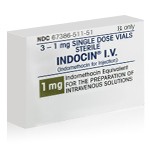
Indocin (Indomethacin 25/50/75mg) represents the foundational potent indoleacetic acid NSAID — one of the earliest and most powerful synthetic anti-inflammatory medications ever developed. Established by Merck Sharp & Dohme with original FDA approval in 1965, indomethacin defined the indoleacetic acid NSAID class and remains the gold standard therapy for acute gout attacks and severe inflammatory conditions requiring potent anti-inflammatory action. Manufactured by IPCA Laboratories India as bioequivalent generic under WHO-GMP and US FDA-inspected standards, Indocin offers proven potent anti-inflammatory efficacy across severe rheumatoid arthritis, moderate-to-severe osteoarthritis, gouty arthritis, ankylosing spondylitis, bursitis, and tendinitis. Available in three dose strengths including immediate release (25 mg and 50 mg capsules) and sustained release (75 mg) providing flexibility for different clinical scenarios and dosing requirements.
Indomethacin works through non-selective inhibition of cyclooxygenase (COX-1 and COX-2) enzymes — as a particularly potent prostaglandin synthesis inhibitor. Compared to newer NSAIDs, indomethacin demonstrates especially strong prostaglandin blockade which translates to superior anti-inflammatory effect for severe inflammatory conditions where lesser NSAIDs prove inadequate. Additional mechanisms include leukocyte migration inhibition, reduced neutrophil aggregation, and suppression of prostaglandin-mediated inflammatory cascade. This produces potent anti-inflammatory action, rapid pain relief, reduced joint inflammation, dramatic gout attack resolution, and improved joint mobility. Clinical response: pain relief within 30 minutes, peak effect at 1-2 hours, anti-inflammatory action within hours, and consistent therapeutic effect with regular dosing.
Indocin serves severe inflammatory pain conditions where potent NSAID therapy is required. Primary uses include rheumatoid arthritis with severe symptoms; moderate to severe osteoarthritis particularly hip and knee; acute gouty arthritis as gold standard therapy providing rapid attack resolution; ankylosing spondylitis and other spondyloarthropathies; bursitis and tendinitis particularly resistant to lesser NSAIDs; musculoskeletal pain from various causes; and specialized uses including PDA closure in neonates (patent ductus arteriosus in premature infants).
Indocin typically dosed 25-50 mg 2-3 times daily (or 75 mg SR once-twice daily) with food. Peak at 1-2 hours, 4-5 hour half-life. Higher CNS side effect profile than newer NSAIDs. IPCA Laboratories India manufactures under WHO-GMP, US FDA standards.


Free prescription
Discrete packaging
Have questions?
Quality Assurance

- Moderate to Severe Osteoarthritis: OA symptomatic treatment for severe cases particularly hip and knee;
- Gouty Arthritis: Acute gout attacks as gold standard NSAID therapy;
- Acute Gout Attack: Severe joint inflammation from urate crystal deposition;
- Ankylosing Spondylitis: Chronic inflammatory back disease responding to potent NSAID;
- Bursitis: Superficial joint bursa inflammation particularly resistant to other NSAIDs;
- Tendinitis: Tendon inflammation from various causes;
- Severe Joint Pain: Chronic joint pain requiring potent anti-inflammatory action;
- Musculoskeletal Pain: Muscle and joint pain from various inflammatory causes;
- Reactive Arthritis Reiter Syndrome: Reactive arthritis with joint inflammation;
- Psoriatic Arthritis: Psoriasis-associated arthritis responding to potent NSAID;
- Enteropathic Arthritis: IBD-associated arthritis;
- Hip Osteoarthritis: Severe hip OA responding to potent NSAID therapy;
- Knee Osteoarthritis: Severe knee OA responding to potent NSAID therapy;
- Patent Ductus Arteriosus Closure: Premature infant PDA closure (specialized pediatric use);
- Refractory Inflammatory Pain: Severe pain not responding to lesser NSAIDs;
- Indoleacetic Acid NSAID Class: Drug class with potent anti-inflammatory action;
- Foundational NSAID: 60 years clinical experience since FDA approval 1965;
- Potent Prostaglandin Inhibitor: Strong COX inhibition for severe inflammation;
- Generic Indocin Therapy: Bioequivalent generic alternative to brand-name Indocin at lower cost.
- Potent Anti Inflammatory Action: Strong prostaglandin inhibition provides superior inflammation control;
- Less Joint Pain: Severe arthritis pain decreases substantially with potent anti-inflammatory action;
- Less Joint Swelling: Active joint inflammation and swelling reduces through prostaglandin blockade;
- Less Joint Stiffness: Morning stiffness improves with potent anti-inflammatory therapy;
- Better Joint Mobility: Range of motion improves as severe inflammation decreases;
- Better Gout Attack Resolution: Acute gout attacks resolve dramatically often within 24-48 hours;
- Better Ankylosing Spondylitis Relief: Chronic back inflammation improves with potent NSAID;
- Better Rheumatoid Arthritis Control: Severe RA responds to potent anti-inflammatory action;
- Better Severe Osteoarthritis Management: Severe OA benefits from potent NSAID therapy;
- Better Bursitis Relief: Bursa inflammation improves even when resistant to lesser NSAIDs;
- Better Tendinitis Response: Tendon inflammation responds to potent anti-inflammatory therapy;
- Better Refractory Case Efficacy: Effective when other NSAIDs prove inadequate;
- Better Sustained Release Convenience: 75 mg SR provides 1-2 times daily dosing;
- Better Three Dose Flexibility: 25/50/75 mg strengths enable careful titration;
- Better Long Clinical Track Record: 60 years clinical experience since 1965;
- Better Uricosuric Effect: Minor uric acid excretion effect adjunctive for gout patients;
- Better Neonatal PDA Treatment: Specialized use for premature infant patent ductus arteriosus closure;
- Better Generic Cost: 85-95% lower cost than brand Indocin makes potent therapy accessible;
- Better Quality of Life: Daily wellbeing improves dramatically as severe inflammation resolves.
Generic Indocin (Indomethacin 25 mg) Medication guide:
💊 Indocin Indomethacin Potent Indoleacetic Acid NSAID Deep Introduction
Indocin is the Merck brand name for indomethacin, one of the oldest and most potent nonsteroidal anti-inflammatory drugs in continuous clinical use. The molecule was synthesized in 1963, received FDA approval in 1965, and has outlived most of the drugs that came after it because it does several things no other NSAID does as well. Among them: the ability to abort certain rare headache syndromes within hours, the ability to close a persistent fetal blood vessel in premature infants, the ability to settle acute pericarditis, and the ability to shut down the most severe gout attacks when colchicine alone would not have been enough.
Indomethacin belongs to the indoleacetic acid class of NSAIDs. The chemical structure gives it two features that shape how it is used. First, it is a very potent inhibitor of cyclooxygenase at both the COX-1 and COX-2 isoforms, more potent on a molar basis than ibuprofen or naproxen. Second, it has significant central nervous system penetration, which other common NSAIDs lack. That CNS exposure explains both the signature side effect profile (headache, dizziness, confusion, vivid dreams in some patients) and the ability to treat the central headache syndromes.
💡 What makes Indocin different
Compared with other NSAIDs, indomethacin is more potent per milligram, has a shorter half-life (4-5 hours vs. 12-50 hours for naproxen or piroxicam), penetrates the brain more readily, and has a broader indication list that includes pediatric cardiac uses, pericarditis, and rare headache disorders. The flip side: higher rates of CNS adverse effects, prominent GI toxicity, and a need for more frequent dosing of the immediate-release form.
Indocin is supplied in three oral strengths and one intravenous formulation. The oral forms are:
- Immediate-release capsule 25 mg - the standard dose for chronic inflammatory arthritis and the usual starting dose for most adults
- Immediate-release capsule 50 mg - the acute attack dose for gout and the maintenance dose for moderate to severe arthritis
- Sustained-release capsule 75 mg (Indocin SR) - the twice-daily option for chronic use, with slower release and more predictable blood levels
- Intravenous powder for reconstitution - the neonatal formulation used for patent ductus arteriosus closure in premature infants
The oral capsules are what most patients hold in their hand. The usual adult pattern depends on indication: 25 to 50 mg two to three times daily for chronic conditions, up to 150-200 mg daily split across the day for severe disease. For acute gout, the traditional pattern is 50 mg three times daily for 48 hours, then taper over 3-5 days. For hemicrania continua, the dose that identifies and treats the syndrome is typically 25 to 75 mg three times daily for a trial period, with maintenance adjusted individually.
⚠️ Indocin is not an everyday painkiller
Indomethacin was never designed to replace ibuprofen for routine headaches, muscle aches, or minor pain. The side effect profile is heavier, the CNS adverse effects are more frequent, and the GI risk is higher than with safer alternatives. The drug earns its continued presence by doing specific jobs well: severe inflammatory arthritis, acute gout, pericarditis, rare headache disorders, and neonatal cardiac use. Using it as a general-purpose analgesic exposes patients to risk without benefit.
Modern NSAID prescribing has moved toward safer alternatives for everyday use. Indomethacin has stayed in clinical use because the alternatives do not match it for the specific indications above. A rheumatologist might reach for Indocin once a week for a severe gout attack. A neurologist might prescribe it once a month for a suspected indomethacin-sensitive headache. A neonatologist might use the intravenous form twice a day for a week. The drug is a specialist tool rather than a general-practice NSAID, and this guide reflects that reality by giving each indication the depth it deserves.
The sections that follow walk through indomethacin pharmacology, the specific indications where it earns its place, the side effect profile that demands attention, and the practical details of dose timing, food interaction, drug combinations, and monitoring. Patients taking Indocin for an acute condition should read sections 6, 7, 9, 17, 18, and 32 first. Patients taking it chronically should also read 10, 11, 19, 20, 21, 25, and 33. The whole guide is organized to help readers find the parts most relevant to their situation.
🧠 Why Indomethacin CNS Penetration Changes Its Side Effect Profile
Most NSAIDs barely cross the blood-brain barrier. Ibuprofen reaches brain concentrations around 1-2 percent of plasma. Naproxen is similar. Indomethacin reaches cerebrospinal fluid concentrations of roughly 20-30 percent of plasma levels, which is enough to produce measurable central effects. The practical consequences run in both directions: Indocin causes more CNS side effects than any other common NSAID, and it treats some rare central headache disorders that other NSAIDs cannot touch.
🧠 What CNS penetration produces
At therapeutic doses, Indocin causes CNS-related effects in 25 to 50 percent of users depending on the dose. The most common pattern is a diffuse pressure headache (confusingly, since the drug can also treat headaches), lightheadedness or vertigo, and a sense of mental fogginess that patients describe as feeling "slower" or "fuzzy." Less common but documented effects include vivid dreams, insomnia, depressed mood, anxiety, and in rare cases hallucinations, particularly in older patients.
📊 CNS effects by frequency
Common (10-30%) → headache, dizziness, mental dullness or difficulty concentrating
Less common (3-10%) → vertigo, drowsiness or insomnia, vivid dreams, mild mood changes
Uncommon (1-3%) → depression, anxiety, confusion in older patients
Rare (less than 1%) → hallucinations, psychosis, seizures (particularly in overdose or in epilepsy patients)
🌀 The indomethacin headache paradox
Patients starting Indocin often develop a headache in the first days of therapy. The same drug, at the same dose, dramatically relieves hemicrania continua, paroxysmal hemicrania, and related rare headaches. How can one molecule do both?
The explanation is mechanistic. The side effect headache is thought to be a vascular response to central prostaglandin inhibition, similar to the headache produced by vasodilators like nitrates. The therapeutic effect in hemicrania continua works through a different pathway involving trigeminal autonomic activation, where indomethacin disrupts the specific neural circuit that drives those rare syndromes. The two effects do not compete; a patient with hemicrania continua starting indomethacin may feel the general drug-headache during titration while watching their specific hemicrania pain disappear.
🎯 Who gets more CNS effects
- Older adults (over 65) - roughly double the rate of confusion and dizziness
- Patients on other centrally acting medications - benzodiazepines, opioids, tricyclic antidepressants, antihistamines
- Patients with pre-existing cognitive impairment or Parkinson disease
- Patients with migraine or primary headache disorders - the drug-induced headache can trigger migraine attacks
- Patients at higher doses (150-200 mg daily split dosing)
🚫 Who should avoid or use with caution
Several groups should think twice about indomethacin and consider alternatives:
- Patients with active depression or significant mood disorders - risk of worsening
- Patients with Parkinson disease - risk of hallucinations and confusion
- Patients with established psychosis or psychotic illness history
- Older adults with any cognitive concern - the dementia-like fog can be mistaken for progression
- Patients taking lithium - indomethacin raises lithium levels and the combined CNS effects compound
- Drivers of commercial vehicles, pilots, operators of heavy machinery - the mental fog is subtle but measurable
In these groups, if an NSAID is needed, naproxen or ibuprofen is usually a safer choice. The potency advantage of indomethacin does not translate to meaningful clinical gain when the specific indications (gout, pericarditis, hemicrania) are not in play.
⚠️ When CNS symptoms require stopping the drug
Mild headache and dizziness in the first week often settle within 7-10 days as the body adjusts. If new confusion, significant mood change, hallucinations, or severe persistent headache develop at any point, stop Indocin and call the prescriber. Switching to a different NSAID or non-NSAID approach usually resolves these effects within 2-3 days of discontinuation.
Indocin CNS penetration is both the signature strength and the signature weakness of the drug. In the right patient with the right indication, it is a tool nothing else can replace. In the wrong patient, the mental and emotional effects can appear within days and persist as long as the drug does. Honest conversation with the prescriber about the first week experience lets patients recognize what belongs to the drug and what belongs to them.
🔬 Mechanism of Action COX Inhibition and Specific Potency of Indomethacin
Indomethacin blocks cyclooxygenase enzymes more potently than most other NSAIDs. The pharmacological significance is practical: lower doses produce stronger anti-inflammatory effects, which is why 25 mg of Indocin produces an effect comparable to 400-600 mg of ibuprofen. The same potency, however, drives the broad side effect profile. The dose that controls inflammation sits close to the dose that produces GI, CNS, and renal effects.
🔬 The COX inhibition profile
Both COX-1 and COX-2 are inhibited by indomethacin. The inhibition is reversible but strong, with a half-maximal concentration (IC50) lower than ibuprofen or naproxen by roughly 10-fold on the standard assays. In the inflammation setting, the molecule converges on arachidonic acid metabolism and shuts down the production of prostaglandins, prostacyclin, and thromboxane A2 across the body. In the brain, where indomethacin reaches meaningful concentrations, the same enzyme inhibition reduces central prostaglandin signaling that contributes to pain amplification.
🧬 What indomethacin blocks
COX-1 (constitutive) → stops baseline prostaglandin production in the stomach, platelets, and kidneys; this is where most of the toxicity comes from
COX-2 (inducible) → stops the surge of prostaglandin production at sites of inflammation; this is where most of the clinical benefit comes from
Phospholipase A2 → some evidence that indomethacin at higher doses inhibits upstream production of arachidonic acid, giving it some glucocorticoid-like features
Lipoxygenase pathway → modest effect; produces some leukotriene reduction at high doses
💡 Why potency matters for specific indications
Potent COX inhibition is what makes indomethacin useful in situations where weaker NSAIDs underperform:
- Severe acute gout attack - the prostaglandin surge is dramatic; indomethacin is strong enough to stop it, often where ibuprofen alone is not
- Acute pericarditis - inflammation of the pericardial sac is prostaglandin-driven; indomethacin at 50 mg three times daily settles it within days
- Severe ankylosing spondylitis - continuous indomethacin dosing produces anti-anginal relief greater than most other NSAIDs
- Patent ductus arteriosus - prostaglandin E2 is what keeps the ductus patent in a fetus; blocking it closes the vessel
- Hemicrania continua - the central mechanism remains incompletely understood but is tightly linked to indomethacin pharmacology
🌟 The specific case of patent ductus arteriosus
The ductus arteriosus is a fetal blood vessel that bypasses the lungs. In the fetus, it is held open by circulating prostaglandin E2. After birth, PGE2 levels fall and the vessel closes within 2-3 days in most term infants. In premature infants, the mechanism often fails and the vessel remains patent, which causes heart failure and lung injury. Giving indomethacin suppresses PGE2 and triggers the vessel to close, with closure rates of 70-80 percent in appropriate neonates.
This neonatal application is the only common clinical use where a drug side effect (prostaglandin inhibition in the fetal circulation) is converted into a therapeutic goal. In adults, the same prostaglandin suppression is what causes the stomach damage, platelet dysfunction, and kidney effects. The pharmacology is identical. The context flips the sign on whether it is good or bad.
⚠️ Mechanism and the third trimester warning
The same mechanism that closes the patent ductus arteriosus in a born premature infant can close the ductus arteriosus prematurely in the womb. For this reason, indomethacin and all other non-selective NSAIDs are absolutely contraindicated in the third trimester of pregnancy from 30 weeks onward, with avoidance earlier (around 24-26 weeks) given the long tissue effects. See the pregnancy section for more detail.
📈 Pharmacokinetics in brief
- Oral absorption is 90-100 percent for immediate-release; the sustained-release form is slightly lower at 85-90 percent
- Peak plasma level at 1-2 hours for immediate-release, 2-4 hours for sustained-release
- Half-life approximately 4-5 hours for both forms (SR extends dosing interval via slower release, not slower elimination)
- Metabolism primarily hepatic, with enterohepatic recirculation that modestly extends effect
- Elimination mostly renal, with 60 percent of a dose appearing in urine within 48 hours
- CNS penetration 20-30 percent of plasma level, considerably higher than most oral NSAIDs
The short half-life explains why standard dosing is multiple times per day for immediate-release, and why the SR form was developed to simplify chronic use. The high CNS penetration explains why Indocin has unique therapeutic and adverse CNS effects. The strong COX inhibition explains why 25 mg is a meaningful dose. All three features flow from the molecular structure, which is why the sister indoleacetic acid NSAIDs (sulindac, etodolac) share some features but not all.
📋 FDA-Approved Indications and Where Indocin Fits in 2026 Practice
Indomethacin has one of the broadest indication lists in the NSAID family. The breadth reflects decades of accumulated use and the particular capabilities that other NSAIDs do not match. Some indications sit on strong randomized evidence; others sit on long clinical experience; a few sit on tradition that modern practice has partly abandoned. Reviewing the list clarifies where indomethacin fits in 2026 clinical practice and where it is being replaced by safer or more targeted alternatives.
📋 Indications with strong current evidence
| Indication | Typical dose | Role |
|---|---|---|
| Acute gout attack | 50 mg three times daily for 2-3 days, taper | First-line NSAID option, well-established |
| Ankylosing spondylitis | 25-50 mg three times daily, long-term | Effective but higher side effect burden than naproxen |
| Acute pericarditis | 50 mg three times daily for 1-2 weeks | First-line NSAID option with colchicine adjunct |
| Patent ductus arteriosus (premature infants) | 0.2 mg/kg IV, 2 further doses 0.1 mg/kg | Pharmacological closure, 70-80 percent success |
| Hemicrania continua, paroxysmal hemicrania | 25-75 mg three times daily, individualized | Diagnostic test and treatment; nothing else works as well |
📖 Indications with historical use, now with alternatives
- Rheumatoid arthritis - still labeled, used adjunctively with DMARDs; many rheumatologists prefer other NSAIDs because of the side effect profile
- Moderate to severe osteoarthritis (hip and knee particularly) - effective but the Beers Criteria flag it for older adults; topical NSAIDs or safer oral alternatives are often preferred
- Psoriatic arthritis, enteropathic arthritis, reactive arthritis - inflammatory arthropathies that respond to indomethacin but increasingly managed with DMARDs and biologics
- Bursitis and tendinitis - responds to indomethacin; also responds to safer alternatives at lower doses
- Refractory inflammatory pain - a label for severe pain not controlled by other NSAIDs; a reasonable indication when the alternatives have been tried
🛑 Indications that have fallen out of use
- Simple headache - never a good indication; the CNS side effects make it worse
- Simple musculoskeletal pain after minor injury - ibuprofen or naproxen are safer
- Dysmenorrhea - some older labels; mefenamic acid or ibuprofen are preferred
- Febrile illnesses - never standard; acetaminophen or safer NSAIDs for fever
- Postoperative pain (routine) - CNS effects and bleeding risk limit use
🌟 Specific niche uses outside standard labeling
Bartter syndrome → a rare kidney disorder with high prostaglandin production; indomethacin reduces renal prostaglandin synthesis and improves symptoms
Preterm labor tocolysis → before 32 weeks gestation, short courses of indomethacin have been used to delay delivery; this is specialist obstetric use with careful fetal monitoring
Chronic hiccups → some case reports and small series suggest indomethacin works for refractory hiccups, probably through CNS prostaglandin effects
Cerebral edema → the drug has been used as adjunct in some cases of elevated intracranial pressure, through prostaglandin-mediated vasodilation reduction
Idiopathic intracranial hypertension → occasionally used to reduce cerebrospinal fluid production; largely replaced by acetazolamide
💡 How prescribers choose
For a general inflammatory arthritis or musculoskeletal condition, indomethacin is rarely the first NSAID chosen in 2026. Safer alternatives include naproxen (better cardiovascular profile), ibuprofen (lower overall toxicity), topical diclofenac (minimal systemic exposure), and the COX-2 selective agents like celecoxib (lower GI risk). Indomethacin earns a prescription when the clinical scenario matches one of its specific strengths: a severe gout attack, acute pericarditis, a suspected indomethacin-sensitive headache, a neonatal PDA, or an ankylosing spondylitis patient who has not responded to naproxen.
Patients can and should ask their prescriber why Indocin specifically. A thoughtful answer ties the choice to the clinical picture. A vague answer or "it is what I usually prescribe" suggests the decision deserves a second review, particularly if the patient has risk factors that make the Indocin side effect profile especially concerning.
💉 Indocin Capsules IR 25mg 50mg vs SR 75mg vs IV Formulation
Indocin exists in three oral forms and one injectable form. Each has a specific role and the forms are not interchangeable without consideration. The sustained-release capsule simplifies chronic dosing but is not suitable for acute attacks. The immediate-release capsule gives faster onset but requires three times daily dosing. The intravenous powder serves only the neonatal indication. Knowing which form the prescription names matters.
💊 Immediate-release 25 mg capsule
The 25 mg immediate-release capsule is the workhorse for chronic inflammatory arthritis and the lowest dose unit. The pattern on this strength:
- Peak plasma level at 1-2 hours after swallowing
- Half-life 4-5 hours
- Standard adult dose for arthritis - 25 to 50 mg two or three times daily
- Standard dose for mild indomethacin-responsive headaches - 25 mg three times daily during the diagnostic trial
- Can be taken with food, antacid, or with a PPI - absorption is reduced slightly by food but the clinical effect is similar
💊 Immediate-release 50 mg capsule
The 50 mg immediate-release capsule is the acute attack strength. Used for:
- Acute gout - 50 mg three times daily for the first 48 hours, then taper over 3-5 days
- Acute pericarditis - 50 mg three times daily for 1-2 weeks
- Severe inflammatory arthritis flare - 50 mg three times daily until symptom control, then step down to 25 mg
- Hemicrania continua at higher doses - some patients need 75 mg three times daily; achieved by combining a 50 mg and a 25 mg capsule
📊 Dosing cap
Maximum daily dose for the immediate-release form is 200 mg per day across all doses, usually split as 50 mg four times daily or 75 mg two to three times daily. Doses above this ceiling do not add benefit and sharply increase GI, CNS, and renal toxicity.
Typical maintenance for chronic conditions settles at 50-100 mg total per day across 2-3 doses. Patients on 200 mg daily chronically are usually those with severe disease that has not been adequately controlled by a safer regimen.
💊 Sustained-release 75 mg capsule (Indocin SR)
The Indocin SR 75 mg capsule uses an extended-release matrix to deliver drug over 8-12 hours. The result is twice-daily dosing with blood level stability that immediate-release three-times-daily cannot match. Used for:
- Chronic inflammatory arthritis maintenance - rheumatoid arthritis, osteoarthritis, ankylosing spondylitis
- Patients who struggle with the thrice-daily schedule on IR
- Patients who get breakthrough pain between IR doses
The SR form is not suitable for:
- Acute gout attack - the slower release means suboptimal peak levels when fast action is needed
- Acute pericarditis - similar reason
- Indomethacin-sensitive headache diagnostic trial - the specific response pattern uses immediate-release
- Patients who need dose titration in small steps - the capsule is not scored and should not be opened
⚠️ Do not crush, chew, or open the SR capsule
The sustained-release matrix is what makes the capsule last 12 hours. Crushing or opening releases the full dose at once, producing a sharp blood level spike with intensified CNS and GI effects, followed by a shortened effect window. Patients who cannot swallow capsules should ask about alternative forms (the suppository exists in some countries, or the IR capsule twice daily). Never improvise.
💉 Intravenous indomethacin (neonatal use)
The intravenous powder for reconstitution is used only in neonatal intensive care units for pharmacological closure of patent ductus arteriosus. The usual protocol:
- First dose 0.2 mg/kg IV
- Second dose 0.1 mg/kg IV 12 hours later
- Third dose 0.1 mg/kg IV 12 hours after second
- Rescue course if the first course fails to close the ductus, before considering surgical closure
This formulation is not available for outpatient use, is not interchangeable with the oral capsules, and is prepared and administered exclusively in neonatal units with cardiac echocardiographic monitoring.
🤝 Choosing between IR and SR
📈 When to pick which oral form
IR 25 mg three times daily → starting chronic arthritis therapy; gentle introduction; indomethacin-sensitive headache diagnostic trial
IR 50 mg three times daily → acute gout attack; acute pericarditis; severe arthritis flare
SR 75 mg twice daily → stable chronic arthritis maintenance where the patient tolerates the drug but prefers simpler dosing
Switching from IR to SR → after 2-4 weeks of successful IR titration, if daily dose equivalence works (75 mg SR twice daily approximates 50 mg IR three times daily)
Switching from SR to IR → for acute events (new gout attack in a patient on SR for arthritis); the SR dose that day may be paused
Patients should ask the prescriber specifically which form has been prescribed and read the label carefully. The 50 mg immediate-release capsule and the 75 mg sustained-release capsule can look similar on a pharmacy shelf. One mix-up turns a 150 mg daily chronic dose into a 225 mg daily chronic dose, well above the ceiling. Pharmacies usually catch this but the patient is the last line of defense.
📅 Variable Dosing Schedules by Indication for Indocin Therapy
Indocin dosing is more complicated than most NSAIDs because the schedule changes significantly depending on the indication. There is no single "correct" dose; there are several correct doses for several different conditions. Below is the practical schedule for each major use.
🔥 Acute gout attack
Historically the first-line NSAID for severe gout. The protocol:
- Day 1-2 - 50 mg three times daily (150 mg total) with food, starting at the first sign of attack
- Day 3-5 - 25 mg three times daily (75 mg total)
- Day 6-7 - 25 mg twice daily (50 mg total)
- Day 8 - stop
Total course usually 5-7 days. Some patients need a longer taper if symptoms rebound; others resolve by day 4 and stop earlier. The attack typically breaks by day 2-3 at the full dose.
💓 Acute pericarditis
Combined with colchicine for the first episode, usually in the hospital or ambulatory cardiology clinic:
- Weeks 1-2 - 50 mg three times daily
- Weeks 3-4 - 25 mg three times daily
- Taper over 2-4 weeks based on symptom resolution and CRP normalization
- Colchicine 0.5-1 mg daily continued for at least 3 months to prevent recurrence
Total indomethacin course for a first pericarditis episode is usually 4-6 weeks. Recurrent pericarditis extends longer with specialist supervision.
🦴 Ankylosing spondylitis
Long-term continuous use for symptom control and possibly to slow radiographic progression:
- IR schedule - 25-50 mg three times daily, or
- SR schedule - 75 mg twice daily
- Review every 3-6 months with the rheumatologist
- Dose escalation to 200 mg daily only if lower doses do not control symptoms and the risk-benefit review supports it
🧊 Rheumatoid arthritis (adjunctive to DMARD)
Symptomatic add-on alongside methotrexate or biologic therapy:
- 25 mg twice or three times daily as needed for breakthrough pain
- Not daily chronic use - review every 2-3 months whether still needed
- Lower doses preferred given safer alternatives in RA
🧠 Indomethacin-sensitive headache syndromes
The diagnostic and treatment schedule for hemicrania continua or paroxysmal hemicrania:
- Trial dose - 25 mg three times daily for 3 days, then 50 mg three times daily for 3 days, then 75 mg three times daily for 3 days if no response
- Complete relief within hours to days at the effective dose is diagnostic
- Maintenance - the lowest effective dose, often 25-50 mg daily, titrated by headache control
- Specialist supervision - neurology or headache clinic, with gastroprotection and periodic review
📅 Timing across the day
Three-times-daily IR - typical pattern is 8am, 2pm, 8pm with food each time
Twice-daily SR - 8am and 8pm, 12 hours apart, with food
Avoid late-night dosing - the CNS effects can disrupt sleep; last dose at least 2-3 hours before bedtime where possible
Consistency matters - take at approximately the same times each day
👶 Pediatric arthritic conditions (specialist use)
Juvenile idiopathic arthritis occasionally treated with indomethacin in older children (over 14) and adolescents under specialist supervision:
- Weight-based - 1.5-3 mg/kg per day, divided into 2-3 doses, maximum 150 mg per day
- Alternatives preferred - naproxen has more pediatric evidence
- Specialist only - pediatric rheumatology
🛑 Dose adjustments for specific situations
- Age over 65 - start at the lower end of range; 25 mg twice or three times daily rather than 50 mg
- Mild renal impairment (eGFR 30-59) - start lower; monitor creatinine
- Moderate renal impairment (eGFR 15-29) - avoid or use briefly only
- Severe renal impairment or dialysis - do not use
- Hepatic impairment - avoid in moderate to severe disease; use short courses in mild
- Weight below 50 kg - lower end of adult range
⚠️ Dosing errors to avoid
Taking an extra dose because the pain returned early - the short half-life means some rebound between doses is normal; adding a dose shortens the gap between effects and raises side effects without extending coverage. Wait for the next scheduled dose or use an alternative short-term analgesic.
Combining IR and SR formulations on the same day without specific guidance - this can double the intended daily dose.
Treating "any" headache with Indocin - the drug can treat specific syndromes but usually makes general tension headache or migraine worse.
The dosing schedule for Indocin is more active prescribing work than most NSAIDs. Patients benefit from writing down their regimen and reviewing it with the pharmacist. The schedule matters because the drug can over-shoot or under-shoot the target depending on how the daily doses are distributed.
🍽️ Taking Indocin with Food Antacids and Proton Pump Inhibitors
Indocin food interactions matter more than for most NSAIDs because of the GI risk profile and the prominent CNS effects. The key principles: take with food, consider a proton pump inhibitor (PPI) for anyone over 50 or with any GI risk, avoid antacids within 2 hours of the dose. Below is the practical detail.
🍽️ Food and the Indocin capsule
Food slows absorption modestly and reduces peak plasma concentration by 10-20 percent, but the total exposure (AUC) is similar fed or fasting. The practical consequences:
- Take with food - a meal, a snack, or at minimum a glass of milk; the stomach lining is protected and nausea is reduced
- Avoid empty stomach dosing once any GI symptom has been noticed
- Heavy fatty meal slows absorption a bit; this is usually irrelevant at steady state but can soften the first dose peak
- Small snack is enough; a full meal is not required
🍞 Food options that pair well with Indocin
Mild foods → toast, oatmeal, yogurt, bananas, soft bread, scrambled eggs - gentle on stomach, enough to coat the mucosa
Avoid taking with → alcohol, strong spicy food, high-fat fast food, acidic citrus juice - these can irritate the stomach alongside the drug
Hydration → a full glass of water with the capsule; keeps the drug moving through the stomach and reduces mucosal contact time
💊 Proton pump inhibitors (PPIs)
PPIs are the most effective gastroprotection for Indocin users. The common agents and their standard doses:
- Omeprazole 20 mg once daily, 30 minutes before the first meal
- Esomeprazole 20 mg once daily, same timing
- Lansoprazole 15-30 mg once daily
- Pantoprazole 40 mg once daily
- Rabeprazole 20 mg once daily
The PPI is taken separately from Indocin (usually 30 minutes before breakfast, with Indocin itself with the meals through the day). PPIs do not reduce Indocin absorption. The combination reduces NSAID ulcer complications by 60-80 percent in trials.
✅ Who needs a PPI with Indocin
A PPI is recommended for any Indocin user with:
- Age over 60 or any age over 65 (near universal recommendation)
- History of peptic ulcer or GI bleeding at any point
- Any current dyspepsia or acid reflux
- Concurrent anticoagulant (warfarin, apixaban, rivaroxaban, dabigatran)
- Concurrent oral corticosteroid (even low-dose prednisone)
- Concurrent SSRI antidepressant
- Concurrent low-dose aspirin
- Long courses expected (more than 2 weeks of continuous therapy)
- H2 receptor antagonists like famotidine are a less effective alternative; PPIs are preferred
🚫 Antacids - timing matters
Antacids containing aluminum, magnesium, or calcium can reduce Indocin absorption by 20-30 percent if taken simultaneously. The practical rule:
- Separate antacids and Indocin by at least 2 hours
- Common antacids affected - Maalox, Mylanta, Tums, Rolaids, Gaviscon
- Sucralfate similarly reduces absorption; separate by 2 hours
- PPIs and H2 blockers are not antacids and do not reduce absorption meaningfully
🩸 H. pylori screening
For patients starting long-term Indocin therapy, screening for and treating Helicobacter pylori infection is sensible. The two conditions together produce a particularly high ulcer rate; eradication cuts the ulcer risk roughly in half. A stool antigen test or urea breath test costs little and takes a few days. The eradication course is 10-14 days of combination antibiotic therapy with a PPI.
⚠️ What to tell the gastroenterologist
If any of these develop while on Indocin, call the prescriber or gastroenterologist same day: new abdominal pain that is more than mild, any dark or tarry stool, vomiting of blood or coffee-grounds material, unexplained new fatigue (possible slow blood loss). These signs can appear even on a PPI, which reduces but does not eliminate ulcer risk.
🍸 What not to take with the capsule
Beyond antacids, several items affect the drug effect or stomach impact:
- Alcohol - direct mucosal irritant on top of the NSAID; even moderate consumption raises bleeding risk
- Grapefruit juice - minor effect on indomethacin metabolism; usually not clinically meaningful but worth noting
- Strong caffeine - no interaction with the drug, but can worsen the Indocin headache in some patients
- Herbal supplements - fish oil, ginkgo, garlic, turmeric all have theoretical bleeding risk when stacked with an NSAID
- Other oral NSAIDs - never combine; the risk doubles without benefit
Topical NSAIDs (diclofenac gel) have very low systemic exposure and can be used alongside oral Indocin for a specific joint. This is the one NSAID combination that is reasonable in practice.
The food and antacid rules on Indocin are simple to follow and make a real difference in tolerance. Patients who take the capsule with meals and a PPI (where indicated) rarely have serious GI issues. Those who ignore both are the ones who end up in the emergency department with upper GI bleeding or ulcer symptoms. Prevention is cheap.
⚖️ Indomethacin Compared with Ibuprofen Naproxen Diclofenac and Piroxicam
Indomethacin has specific pharmacologic strengths that keep it in use, but for most inflammatory conditions in 2026 it is not the first NSAID choice. The honest comparison with the alternatives sits on three dimensions: potency per dose, side effect profile, and the special indications where indomethacin wins. Below is the practical ranking.
⚖️ Head-to-head with the common alternatives
| Drug | Half-life | GI risk | CNS effects | Best fit |
|---|---|---|---|---|
| Indomethacin (Indocin) | 4-5 hours | High | Prominent (25-50%) | Gout, pericarditis, hemicrania, PDA |
| Ibuprofen | 2-4 hours | Low to moderate | Minimal | Short, intermittent pain |
| Naproxen | 12-17 hours | Moderate | Minimal | Chronic use with CV concern |
| Diclofenac | 1-2 hours | Moderate to high | Minimal | Topical gel use is main role |
| Piroxicam | 50 hours | High | Minimal | Chronic arthritis, once daily |
| Celecoxib (COX-2 selective) | 11 hours | Low | Minimal | Chronic use with prior ulcer |
| Sulindac (indomethacin cousin) | 7-16 hours | Moderate | Mild to moderate | Twice-daily indoleacetic acid alternative |
🎯 When indomethacin specifically wins
Not all NSAIDs are equally effective in every situation. Indomethacin has specific wins:
- Severe acute gout - the potency gets attacks under control faster than ibuprofen at standard doses
- Acute pericarditis - well-studied in randomized trials with colchicine
- Hemicrania continua and paroxysmal hemicrania - no other drug reliably treats these
- Patent ductus arteriosus in premature infants - essentially the only pharmacological closure option alongside ibuprofen IV
- Ankylosing spondylitis in some patients - the response is sometimes clearly better than with naproxen
- Severe inflammatory arthritis flare that has not settled on first-line NSAID choices
🚫 When another NSAID is simply better
For most everyday inflammatory and painful conditions, the alternatives have a cleaner profile:
- Simple osteoarthritis - topical diclofenac, acetaminophen, or ibuprofen first
- Mild to moderate rheumatoid arthritis - naproxen if NSAID needed; DMARDs are the real treatment
- Occasional musculoskeletal pain - ibuprofen or naproxen
- Dysmenorrhea - mefenamic acid or ibuprofen
- Routine headache - acetaminophen or ibuprofen; Indocin can worsen general headache
- Chronic use with cardiovascular risk - naproxen (safest CV profile among non-selective NSAIDs)
- Chronic use with GI risk - celecoxib + PPI
💡 How prescribers typically choose
The clinical reasoning for picking Indocin over alternatives usually goes:
- Does this condition have a strong indomethacin signal? (gout, pericarditis, hemicrania, PDA)
- Has the patient failed first-line NSAIDs for this condition?
- Is the side effect profile acceptable for this patient?
- Can gastroprotection and monitoring be arranged?
If the answers are yes-yes-yes-yes, Indocin is a reasonable choice. If the first answer is no, another NSAID is almost always a better match.
🤝 A note on patient preference
Some patients come to the prescriber specifically asking for Indocin because they have used it before, remember it worked well, or were told by a family member it is the "strongest" NSAID. The strongest NSAID is the one that controls the specific inflammation at the lowest total risk, not the one with the highest potency per milligram. A patient on naproxen with good symptom control is better off than a patient on Indocin with the same symptom control plus daily headache and dyspepsia.
Honest conversation with the prescriber about why a specific NSAID is being chosen clarifies the thinking. Patients can and should ask. The best outcomes come from matching drug to condition, not from stacking the strongest option available.
🔥 Acute Gout Attack and the Classical Indomethacin Protocol
Acute gout is the oldest and still one of the strongest indications for indomethacin. The attack is driven by urate crystals triggering an intense inflammatory response in the joint, and the response is prostaglandin-mediated. A potent, fast-acting NSAID at full dose can abort the attack within 24-48 hours. Indomethacin was the first NSAID widely used this way, starting in the late 1960s, and it remains in the first-line options alongside colchicine and oral corticosteroids per the 2020 ACR gout guideline.
🔥 The classical indomethacin protocol
The traditional dosing pattern for acute gout has been consistent since the 1970s:
- 50 mg three times daily for the first 48 hours (150 mg total daily)
- Reduce to 25 mg three times daily for the next 3-5 days (75 mg daily)
- Stop when the attack has fully resolved for 24 hours
- Take with food at every dose; a PPI alongside for anyone with GI risk
- Total course usually 5-7 days
The attack typically breaks within 24-48 hours of the full dose. Pain, swelling, and redness drop progressively, and most patients can bear weight on the affected joint by day 3. The taper to 25 mg prevents the common rebound that happens if full-dose indomethacin is stopped abruptly.
🚨 Who should NOT use indomethacin for acute gout
Many gout patients have comorbidities that make high-dose indomethacin unsafe. Reach for colchicine or oral corticosteroids instead if any of these apply:
- Significant chronic kidney disease (eGFR under 60)
- Active peptic ulcer disease or recent GI bleeding
- Significant heart failure
- Anticoagulation (warfarin, apixaban, rivaroxaban, dabigatran)
- Age over 75 with multiple risk factors
- Severe hypertension that is not controlled
📊 How indomethacin compares with other acute gout options
| Agent | Typical dose | Pros | Cons |
|---|---|---|---|
| Indomethacin | 50 mg TID 2 days, taper | Fast; well-known; cheap | High side effect burden; many contras |
| Naproxen | 500 mg BID for 5 days | Comparable efficacy; fewer CNS effects | Still an NSAID with GI and renal risk |
| Colchicine | 1 mg then 0.5 mg at 1 h, 0.5 mg BID | Not an NSAID; works in CKD and heart failure | GI side effects; drug interactions |
| Oral prednisolone | 30-40 mg daily for 5 days | Rapid; usable in CKD and bleeding risk | Hyperglycemia; mood effects |
| Intra-articular corticosteroid | Triamcinolone 20-40 mg into the joint | Single-joint attacks; very targeted | Needs procedure; infection must be excluded |
💡 Doctor pearl - start indomethacin at first sign
Doctor pearl
The gold standard move for patients with known gout and prior indomethacin success is to keep a small supply at home and start it at the first twinge of a familiar attack. Early initiation (within hours of symptom onset) produces faster resolution than waiting until the joint is fully inflamed. The usual 5-day prescription left over from a previous attack is often enough to interrupt the next one at a fraction of the full attack intensity. This is a conversation to have with the rheumatologist, who may provide an "attack kit" prescription specifically for home use.
🔄 Important: do not change urate-lowering therapy during attack
If a patient is on allopurinol or febuxostat for chronic gout prevention, continue it at the same dose during an acute attack. Stopping or changing urate-lowering therapy during a flare prolongs the attack. If the patient is not on urate-lowering therapy, this conversation happens 2-4 weeks after the acute attack has resolved, not during.
Indomethacin for gout is one of the few indications where the drug has a crisp, well-defined role that modern alternatives have not displaced. Patients who match the risk profile and tolerate the short course usually do well. Those with the comorbidities above are better served by colchicine or steroids. The decision is quick when the risk factors are known upfront.
💓 Acute Pericarditis Treatment with Indomethacin and Colchicine
Acute pericarditis is inflammation of the pericardial sac around the heart. The classic presentation is sharp chest pain that worsens with lying flat, improves with sitting forward, and often radiates to the trapezius ridge. ECG shows widespread ST elevation and PR depression. The condition is driven by prostaglandin release from the inflamed pericardium, which is why NSAIDs including indomethacin are first-line treatment alongside colchicine.
💓 The modern pericarditis protocol
Treatment of acute pericarditis follows the ESC 2015 guidelines updated by subsequent trials. The two-drug combination:
- Indomethacin 50 mg three times daily for 1-2 weeks, tapering over 2-4 weeks
- Colchicine 0.5 mg twice daily (or 1 mg daily) for at least 3 months
- Both continued together through the acute phase and tapered sequentially
- PPI (omeprazole 20 mg daily) alongside for gastroprotection
- Exercise restriction during acute phase and until symptom resolution plus normal CRP
The combination of indomethacin plus colchicine was validated in the ICAP trial (Imazio et al., NEJM 2013) in 240 patients, showing that adding colchicine to NSAID therapy halved the rate of recurrent pericarditis compared with NSAID alone. This changed practice. Pericarditis without colchicine as adjunct is now an outlier approach.
📈 Typical course on treatment
Day 1-3 → chest pain starts to settle; still noticeable with deep breaths and lying flat
Day 4-7 → pain mostly gone; CRP falling; ECG abnormalities starting to resolve
Week 2 → most patients asymptomatic; indomethacin may start tapering
Week 3-4 → indomethacin stopped; colchicine continues
Month 3 → colchicine stopped if no recurrence
📋 Why indomethacin specifically for pericarditis
Several NSAIDs work for pericarditis. The ESC guideline lists aspirin, ibuprofen, and indomethacin as equally first-line options. In practice, the choice depends on the clinical context:
- Aspirin is preferred after a recent myocardial infarction (post-MI pericarditis, Dressler syndrome) because the cardioprotective effect is already indicated
- Ibuprofen is a reasonable choice when the patient has not responded or tolerated other NSAIDs
- Indomethacin is often used when the inflammation is severe, when pain is prominent, or when ibuprofen has not worked
- Colchicine alone is sometimes chosen in patients with contraindications to NSAIDs
🔁 Recurrent pericarditis
About 20-30 percent of patients have a recurrence within 18 months of a first episode. The CORP and CORP-2 trials established that continued colchicine for 6 months after a recurrence reduces further recurrence. For patients with multiple recurrences:
- Repeat the full NSAID course at onset of each recurrence
- Extend colchicine to 6-12 months
- Add low-dose prednisone if recurrences continue despite colchicine
- Consider rilonacept or anakinra (IL-1 inhibitors) for colchicine-resistant recurrent pericarditis
- Specialist referral for recurrent pericarditis to cardiology or specialty pericardial clinic
⚠️ Red flags during pericarditis therapy
Call cardiology or go to emergency assessment if:
- Chest pain changes character - becomes crushing, radiates differently, or persists at rest for hours
- Breathlessness worsens - may indicate pericardial effusion developing
- Fever returns after initial resolution
- Fainting or near-fainting - possible tamponade
- Leg swelling, ascites - possible constrictive pericarditis evolving
- GI bleeding signs on indomethacin
🛑 Myopericarditis - a specific caveat
When pericarditis involves the heart muscle itself (myopericarditis), the treatment approach shifts. NSAIDs including indomethacin should be used cautiously or avoided because they may worsen the myocardial inflammation. Troponin elevation during pericarditis treatment should prompt review of the regimen. Specialist cardiology involvement is standard in myopericarditis.
Pericarditis is a condition where indomethacin earns its place with clear evidence and specific protocols. Patients who present with acute pericarditis in the US or Europe typically leave the hospital on indomethacin plus colchicine plus a PPI. The recovery is usually rapid and complete when the protocol is followed. The patients who have trouble are those who stop the colchicine early, those with recurrent episodes, and those with myopericarditis variants that need different handling.
👶 Patent Ductus Arteriosus Closure in Premature Infants with IV Indocin
Patent ductus arteriosus is a persistent fetal blood vessel between the aorta and the pulmonary artery. In term infants, it closes within 2-3 days of birth. In premature infants, it often remains open, causing significant left-to-right shunting that leads to heart failure, pulmonary edema, and worsened respiratory distress. Indomethacin is one of two pharmacological options (alongside ibuprofen IV) that can close a patent ductus in a premature infant.
👶 Who gets it
The clinical scenario is specific:
- Premature infant (usually under 32 weeks gestation at birth)
- Weight 500-1750 grams at the time of treatment
- Hemodynamically significant patent ductus on echocardiography (large shunt, heart dilation, pulmonary overflow)
- Age under 14 days for highest closure rate
- No major contraindications (necrotizing enterocolitis, intracranial hemorrhage, severe renal failure, severe thrombocytopenia)
💉 The intravenous protocol
The IV indomethacin dosing used in neonatal intensive care units:
📊 Standard three-dose protocol
Dose 1 → indomethacin 0.2 mg/kg IV, slow infusion over 30 minutes
Dose 2 → 0.1 mg/kg IV, 12-24 hours after dose 1
Dose 3 → 0.1 mg/kg IV, 12-24 hours after dose 2
Dose adjustments for infants over 7 days or over 1250 grams: higher subsequent doses of 0.2 and 0.25 mg/kg
📈 Closure rates and alternatives
Indomethacin IV closes the ductus in 70-80 percent of appropriate neonates after the first course. If the first course fails, a second course can be given with similar success rates, bringing cumulative closure to around 85 percent.
The main alternatives:
- Ibuprofen IV - similar closure rates with lower renal and GI side effect profile; increasingly preferred in some NICUs
- Acetaminophen IV - emerging option with promising data; mechanism involves peroxidase inhibition rather than COX
- Surgical ligation - reserved for cases where pharmacological closure fails and the ductus remains hemodynamically significant
- Conservative management - some centers now manage small to moderate PDAs expectantly, with pharmacological or surgical closure reserved for symptomatic cases
⚠️ Side effects specific to premature infants
Indomethacin in premature infants carries specific risks that are closely monitored:
- Transient oliguria - reduced urine output from COX-mediated renal effects; usually self-limiting
- Elevated creatinine - monitored; dose may be held if significant rise
- Spontaneous intestinal perforation - rare but established risk; particularly concerning in combination with corticosteroids
- Reduced cerebral blood flow - the slow infusion over 30 minutes mitigates this
- Platelet dysfunction - watch for bleeding, including intraventricular hemorrhage
🛑 Contraindications in neonates
- Active intracranial hemorrhage or evolving intraventricular hemorrhage grade 3-4
- Necrotizing enterocolitis active or recent
- Severe thrombocytopenia (platelets under 50,000)
- Severe renal dysfunction with urine output under 1 mL/kg/hour
- Coagulopathy that is not corrected
- Bowel perforation suspected
🏥 Monitoring during treatment
The neonatal intensive care protocol includes:
- Echocardiography before, during, and after treatment to confirm ductal closure
- Urine output monitoring at least every 4-6 hours during the course
- Daily creatinine for 2-3 days after course completion
- Clinical assessment for signs of GI, cerebral, or bleeding complications
- Platelet count if any bleeding signs
📖 Context for parents
Parents of a premature infant receiving indomethacin for PDA are often anxious about the drug. The practical reality is that it is a well-studied agent with 40 years of neonatal experience and a specific role. The risk-benefit calculation strongly favors treatment when the ductus is hemodynamically significant - the alternative is ongoing left-to-right shunting that worsens the respiratory and cardiac picture. The side effects are closely monitored and usually transient. The parents who ask the neonatologist to explain the plan tend to feel more comfortable; those who seek anecdotes online often find themselves worried about rare complications that the medical team is actively watching for.
This indication is one that outpatient readers of this guide will rarely encounter personally, but understanding that the same drug has such a different role in neonatal cardiology helps appreciate the breadth of indomethacin pharmacology. The adult tablet in the medicine cabinet and the IV infusion in the NICU are the same molecule doing different jobs.
🧠 Hemicrania Continua Paroxysmal Hemicrania the Indomethacin Diagnostic Test
Hemicrania continua and paroxysmal hemicrania are two of the rarest primary headache syndromes in the International Classification of Headache Disorders (ICHD-3). They share two defining features: strictly one-sided head pain and complete response to indomethacin. The response is so reliable that complete relief within hours to days of starting the drug is part of the diagnostic criteria. No other medication produces the same effect, which is why indomethacin remains in use even for patients whose other NSAID options are safer.
🧠 Hemicrania continua
Hemicrania continua is a continuous, strictly one-sided headache with exacerbations. The clinical picture:
- Daily headache without pain-free periods for at least 3 months
- Always on the same side (right or left, never switching)
- Mild to moderate baseline pain with episodes of severe exacerbation
- Autonomic features during exacerbations - tearing, nasal stuffiness, eyelid drooping, facial sweating, forehead redness, restlessness
- Complete response to indomethacin - the diagnostic hallmark
Patients with hemicrania continua are often misdiagnosed with migraine, chronic tension headache, or sinus headache for years. The indomethacin trial is what cuts through the uncertainty.
🧠 Paroxysmal hemicrania
Paroxysmal hemicrania is an episodic pattern of severe one-sided headaches:
- Multiple attacks per day (typically 5-30, often shorter but more frequent than cluster headache)
- Attack duration 2-30 minutes
- Severe pain at the peak of each attack
- Same autonomic features as hemicrania continua
- Complete response to indomethacin - again diagnostic
The pattern looks superficially like cluster headache but has shorter attacks, more frequent attacks per day, and responds to indomethacin where cluster headache does not.
🔬 The indomethacin diagnostic trial
The protocol published by Goadsby and others:
- Day 1-3 → indomethacin 25 mg three times daily
- Day 4-6 → 50 mg three times daily if no response at 25 mg
- Day 7-9 → 75 mg three times daily if still no response
- Day 10 → if no response at 225 mg daily, the diagnosis is unlikely to be an indomethacin-sensitive headache
- Positive response → complete or near-complete relief within 24-72 hours of the effective dose; the diagnosis is confirmed and maintenance treatment begins
The trial should be done with gastroprotection (a PPI alongside) because the full-dose test course exposes a potentially fragile stomach to prolonged NSAID.
📊 What a positive indomethacin test looks like
Patients who have had daily or near-daily one-sided headache for months or years often describe the response to indomethacin as dramatic. Within hours of the first effective dose, the baseline pain fades. Within days, the autonomic features and exacerbations settle. For the first time in a long time, the patient can go a full day without the familiar pain. Many describe it as transformational, which is why the diagnostic test is worth doing even when the drug is not an ideal long-term fit.
🔄 Maintenance therapy
After a positive diagnostic trial, maintenance is individualized:
- Lowest effective dose - often 25-50 mg once or twice daily, titrated down from the trial dose
- Scheduled dosing, not as-needed, because the headache will return without steady drug levels
- PPI alongside for long-term gastroprotection
- Monitoring for CNS, GI, renal, and cardiovascular effects every 3-6 months
- Periodic drug holiday trials - some patients can taper off after a year or two of control; others relapse quickly
⚠️ The long-term dilemma
Hemicrania continua and paroxysmal hemicrania are typically lifelong conditions. The pharmacology demands sustained indomethacin therapy, which conflicts with the general goal of using NSAIDs at the lowest dose for the shortest time. The compromise accepted by headache specialists is: indomethacin at the lowest effective maintenance dose with aggressive gastroprotection and monitoring. Some newer approaches use adjunctive medications (verapamil, melatonin, lamotrigine) to allow dose reduction. Occipital nerve stimulation has shown benefit in refractory cases.
🏃 Related indomethacin-sensitive disorders
Several other rare headache syndromes have been described as indomethacin-responsive:
- Hypnic headache - a rare headache that occurs only during sleep in older adults; some respond to indomethacin, though lithium or caffeine are also considered
- Cough headache - headaches triggered by coughing; indomethacin often works for primary cough headache (not secondary from structural lesions)
- Exertional headache - benign exercise-triggered headache; indomethacin can prevent episodes
- Primary stabbing headache - brief sharp jabs of pain; some respond to indomethacin
In all these conditions, an indomethacin trial is a reasonable step after structural causes have been ruled out with imaging. A specialist headache clinic is the usual setting because the diagnostic process requires detailed symptom tracking and expert judgment about what constitutes a positive response.
Hemicrania continua was first described in 1984. For decades it was treated by trial and error until the specific indomethacin response became part of the diagnostic framework. Patients who have been through years of migraine misdiagnosis and finally find relief on indomethacin are the clearest advocates for having a short diagnostic trial even in patients who otherwise might not seem like candidates for indomethacin therapy.
🧊 Rheumatoid Arthritis Ankylosing Spondylitis and Indomethacin Role
Indomethacin is still used for several common inflammatory arthropathies, though it has been displaced from first-line therapy in most of them by safer or more targeted drugs. The current role is as a potent anti-inflammatory for severe flares, as an adjunct to disease-modifying therapy, or as a second-line choice when ibuprofen or naproxen has not provided adequate relief. Below is the practical picture across the major conditions.
🧌 Rheumatoid arthritis
In 2026 rheumatology practice, rheumatoid arthritis is treated with disease-modifying antirheumatic drugs (DMARDs) as the central strategy - methotrexate, sulfasalazine, hydroxychloroquine, leflunomide, and the biologic agents like TNF inhibitors, JAK inhibitors, and IL-6 inhibitors. NSAIDs including indomethacin have become symptomatic adjuncts rather than core therapy. The EULAR 2023 recommendations state that NSAIDs should be used at the lowest effective dose for the shortest necessary time.
Where indomethacin fits in RA:
- Breakthrough pain on a stable DMARD regimen - 25 mg two or three times daily as needed
- Short course during a flare - 50 mg three times daily for 3-5 days
- Alternative to naproxen or ibuprofen when they have not controlled symptoms
- Not daily long-term use in most cases - the risk-benefit shifts toward other NSAIDs
📋 What the rheumatologist watches
- DAS28 or similar disease activity scores - the real measure of RA control
- CRP and ESR - inflammation markers; indomethacin does not change these
- Joint erosions on imaging - influenced by DMARDs, not by NSAIDs
- Patient-reported pain, stiffness, and function - where NSAIDs help
🧍 Ankylosing spondylitis
Ankylosing spondylitis is one of the inflammatory conditions where NSAID therapy including indomethacin has a particularly strong role. The ASAS-EULAR 2023 recommendations place continuous NSAID therapy as first-line pharmacology, before biologics. Indomethacin at 25-50 mg three times daily (or SR 75 mg twice daily) is a reasonable choice for patients who respond to it.
The specific appeal in AS:
- Strong anti-inflammatory potency fits the severe spinal and sacroiliac inflammation
- Overnight coverage when the IR dose is scheduled at bedtime, helping the characteristic early-morning stiffness
- Possible impact on radiographic progression with continuous use (debated evidence)
- Alternative when naproxen or diclofenac have not fully controlled symptoms
The downside is the usual: CNS effects, GI risk, and the renal profile. Patients who tolerate indomethacin for AS can do well on it long-term. Those who do not often rotate to naproxen before moving to biologics.
🧊 Psoriatic arthritis, reactive arthritis, enteropathic arthritis
These spondyloarthropathy variants respond to NSAIDs including indomethacin as symptomatic therapy. Standard practice:
- NSAID monotherapy for mild disease
- NSAID plus DMARD or biologic for moderate to severe disease
- Indomethacin as an alternative when first-line NSAIDs underperform
- Dose similar to AS - 25-50 mg three times daily or SR 75 mg twice daily
🦵 Osteoarthritis (hip and knee, moderate to severe)
Indomethacin is approved for moderate to severe OA but is rarely a first-line choice in 2026. The reasoning:
- Topical NSAIDs (diclofenac gel) are strongly recommended first for hand and knee OA
- Oral NSAIDs with cleaner profiles (naproxen, ibuprofen) are preferred when oral is needed
- Beers Criteria flag indomethacin specifically for OA in older adults because of GI, cardiovascular, and CNS effects
- Patients who tried alternatives and need more potent anti-inflammatory may still benefit from Indocin
⚠️ OA and the age factor
OA is overwhelmingly a disease of older adults. The same group that benefits most from NSAID anti-inflammatory effect also tolerates indomethacin least well. The CNS side effects (confusion, dizziness, mood effects) stack with the usual aging changes to produce functional decline. For OA in a patient over 70, topical diclofenac or acetaminophen is almost always a better move than oral indomethacin. The exception is a patient who has tried the alternatives and specifically responds to indomethacin without side effects, which is a minority.
🏃 Bursitis and tendinitis
Localized soft tissue inflammation responds to NSAID therapy. For bursitis (shoulder, trochanteric, olecranon) and tendinitis (rotator cuff, lateral epicondylitis, patellar), the modern approach:
- Rest and relative activity modification
- Ice during acute phase
- Topical NSAID if accessible to the inflamed tissue
- Oral NSAID short course if symptoms are severe - ibuprofen or naproxen typically first
- Indomethacin for severe inflammation not responding to standard NSAIDs
- Local corticosteroid injection as second-line when NSAIDs have not worked
- Physical therapy as the real long-term solution
🔄 The general pattern
Across inflammatory arthropathies, the role of indomethacin in 2026 is as a potent second-line NSAID. First-line is usually naproxen (chronic use with good CV profile), ibuprofen (short-term, mild effects), or topical diclofenac (localized OA). When these have not controlled symptoms, indomethacin is a reasonable step up. The patients who do best on it are those with severe disease where potency matters and who do not have the comorbidities that make the drug risky.
Patients can and should ask their rheumatologist why indomethacin specifically. A good answer references the severity of the inflammation, prior NSAID response, and the patient-specific risk-benefit. A vague answer suggests the choice deserves review.
🧬 Bartter Syndrome and Rare Renal Prostaglandin Disorders
Bartter syndrome is a rare inherited kidney disorder characterized by salt wasting, hypokalemia, metabolic alkalosis, and high renal prostaglandin production. Because prostaglandin excess drives much of the clinical phenotype, blocking prostaglandin synthesis with indomethacin reduces symptoms. The drug is one of the few off-label uses where the mechanism matches the condition precisely enough that the response is predictable and durable.
🧬 Why indomethacin works
In Bartter syndrome, defective sodium reabsorption in the thick ascending limb of the loop of Henle triggers compensatory responses that include massive renal prostaglandin E2 production. The prostaglandins cause:
- Further sodium loss through natriuresis
- Potassium wasting that worsens the hypokalemia
- Renin-angiotensin activation producing more aldosterone and more potassium loss
- Vasodilation that contributes to the characteristic low blood pressure
Indomethacin at 1-3 mg/kg per day in children and adults blocks this prostaglandin production, interrupting the amplification loop. The improvement is often dramatic:
- Serum potassium rises toward normal
- Growth catches up in affected children
- Fatigue, muscle weakness, and cramping improve
- Blood pressure normalizes
- Urinary potassium loss decreases
📋 Typical regimen for Bartter syndrome
Pediatric dose → 1-3 mg/kg per day, divided into 2-3 doses, titrated by symptom response
Adult dose → 25-50 mg two or three times daily, often 100 mg total daily
Combined with → potassium supplementation, spironolactone or amiloride, and ACE inhibitor in some patients
Monitoring → serum potassium, creatinine, growth parameters in children, GI tolerance
Lifelong use is standard because the underlying defect does not resolve
🏥 Gitelman syndrome - a related condition
Gitelman syndrome is a milder sister disorder with mutations in the distal convoluted tubule rather than the loop of Henle. Prostaglandin production is less elevated than in Bartter syndrome, and the response to indomethacin is more modest. Most Gitelman patients are managed with potassium and magnesium supplementation alone. Indomethacin is reserved for patients with persistent symptoms despite supplementation.
🛑 Antenatal Bartter syndrome
The severe antenatal variant of Bartter syndrome presents in utero with polyhydramnios (excess amniotic fluid) and sometimes premature delivery. Postnatally, affected infants have massive salt wasting and failure to thrive. Indomethacin starting in the first weeks of life, dosed carefully, is often part of the management. Pediatric nephrology supervises because the standard neonatal cautions apply - renal perfusion, GI complications, platelet effects.
💡 A specialist condition
Bartter syndrome is rare (prevalence around 1 per million) and is managed by nephrology specialists. The indomethacin use in this condition is lifelong, carefully dosed, and monitored with regular labs. Patients and families usually have a good understanding of the regimen because they live with the condition every day.
For readers of this guide not affected by Bartter syndrome, the significance is mostly that it illustrates how indomethacin pharmacology can fit a rare specific condition precisely - and that for conditions where the mechanism matches, long-term use at carefully chosen doses is both reasonable and effective. The same cautions about GI, cardiovascular, and renal monitoring that apply to all chronic indomethacin use apply here too, with the added nuance that renal function monitoring is particularly important in a condition where the kidneys are the primary site of disease.
📖 One takeaway
The breadth of indomethacin indications reflects the breadth of prostaglandin involvement in disease. Where prostaglandins drive the problem - gout crystals, pericardial inflammation, patent ductus, Bartter syndrome, specific headache circuits - blocking prostaglandin synthesis helps. Where prostaglandins are not the main driver (most everyday pain), the drug offers no advantage over safer alternatives. Matching the drug to the mechanism is what makes the difference between a well-chosen indomethacin prescription and an unnecessary one.
🚪 Indomethacin for Preterm Labor Tocolysis Specialist Use
Preterm labor is contractions and cervical change that start before 37 weeks of pregnancy. If labor progresses, delivery before 34 weeks produces significant neonatal morbidity. Tocolytic therapy aims to delay delivery to allow administration of corticosteroids for fetal lung maturation and transfer to a center with neonatal intensive care. Indomethacin is one of several tocolytic options, used in specific windows of gestational age under specialist obstetric supervision.
👶 How indomethacin stops contractions
Uterine contractions are mediated in part by prostaglandins. Blocking prostaglandin synthesis reduces contractility and can delay delivery. Indomethacin crosses the placenta and reaches fetal circulation, so the fetal effects are also pertinent to the dosing decision.
📅 The gestational age window
Indomethacin for tocolysis is used almost exclusively between 24 and 32 weeks of gestation. The reasoning:
- Below 24 weeks - delivery outcomes are too poor regardless; some centers extend indomethacin use further
- 24-32 weeks - the sweet spot where tocolysis provides meaningful benefit and fetal risks are relatively manageable
- Above 32 weeks - indomethacin becomes risky because the fetal ductus arteriosus is more mature and more sensitive to premature closure, and because neonatal outcomes at this age are much better
- Above 34 weeks - tocolysis is generally not offered; delivery outcomes are good
📊 The protocol
🚪 Typical regimen
Loading dose → indomethacin 50-100 mg orally or rectally
Maintenance → 25-50 mg orally every 6-8 hours
Maximum duration → 48 hours in most protocols; some centers extend to 72 hours
Combined with → betamethasone or dexamethasone for fetal lung maturation; magnesium sulfate for fetal neuroprotection; sometimes nifedipine for continued tocolysis
Fetal monitoring → serial echocardiography if continued beyond 48 hours to check ductus arteriosus and amniotic fluid volume
🚨 Fetal and neonatal risks
Indomethacin crosses the placenta and can produce significant fetal effects:
- Premature constriction or closure of the ductus arteriosus - the risk rises sharply after 32 weeks gestation; this is why timing is strict
- Reduced fetal urine output and oligohydramnios - fetal renal prostaglandin blockade mirrors the adult effect
- Pulmonary hypertension of the newborn if the ductus closes prematurely in utero
- Increased risk of intraventricular hemorrhage in extremely preterm infants, possibly related to platelet effects
- Increased risk of necrotizing enterocolitis in neonates, probably related to intestinal prostaglandin effects
🛑 Contraindications in pregnancy
Beyond the gestational age window, indomethacin for tocolysis is contraindicated when:
- Oligohydramnios is already present
- Fetal congenital heart disease dependent on ductal patency
- Severe fetal growth restriction or renal anomaly
- Maternal contraindications to NSAIDs apply
⚠️ Alternatives to indomethacin for tocolysis
Several agents compete with indomethacin for the tocolysis role:
- Nifedipine - calcium channel blocker; often preferred as first-line because of simpler fetal profile
- Atosiban - oxytocin receptor antagonist; approved in Europe; targeted mechanism
- Magnesium sulfate - older tocolytic; mainly used now for fetal neuroprotection
- Beta-adrenergic agonists (terbutaline, ritodrine) - historically used; cardiovascular side effects limit use
The choice depends on gestational age, maternal factors, local obstetric practice, and the specific trade-offs the obstetric team is willing to accept. Indomethacin remains a reasonable option in the 24-32 week window when other options have limitations.
👨⚕️ A specialist decision
Indomethacin for tocolysis is prescribed and managed by maternal-fetal medicine specialists, not by general obstetricians or primary care doctors. The decision involves weighing the maternal benefits (short course, oral or rectal administration, generally well-tolerated), the fetal risks (ductus arteriosus, amniotic fluid, neonatal outcomes), and the alternative tocolytic options available at the specific institution. The pregnant patient facing this decision benefits from asking the specialist to explain the thinking in detail.
For most pregnant patients, indomethacin as a tocolytic will never be relevant. The information is included here because the context changes the usual rules about indomethacin in pregnancy. Short, specialist-managed use between 24 and 32 weeks is accepted practice. The usual third-trimester prohibition on indomethacin (and other NSAIDs) still applies in all other circumstances, including a pregnant patient reaching for her usual Indocin for a flare of arthritis. The two situations are not interchangeable.
🧎 Niche Indications Idiopathic Intracranial Hypertension Cough Headache Hypnic
Several less well-known conditions have small but recognized indomethacin niches. These are mostly specialist indications where the drug is a second or third-line option or where it is used experimentally. Together they add up to a few percent of total Indocin prescriptions but illustrate the breadth of prostaglandin involvement in disease.
🧎 Idiopathic intracranial hypertension (pseudotumor cerebri)
This condition involves elevated intracranial pressure without a structural cause, producing headache, visual disturbance, and papilledema. First-line therapy is weight loss and acetazolamide. Indomethacin has been used in a subset of patients, probably through reduced cerebrospinal fluid production, with modest evidence. Specialist neurology or neuro-ophthalmology decides. The drug is not typically used alone and is often considered when acetazolamide is not tolerated.
🧏 Chronic refractory hiccups
Hiccups that last more than 48 hours and have not responded to standard measures (breath holding, cold water, carbon dioxide rebreathing) occasionally respond to indomethacin. The mechanism is probably central, through prostaglandin modulation of the hiccup reflex arc. Dosing is empirical, usually 25 mg three times daily for a short trial. Baclofen, chlorpromazine, and gabapentin are other options. Specialist review is standard for persistent hiccups because they can indicate serious underlying pathology.
🌊 Cerebral edema in specific contexts
In some neurosurgical settings, indomethacin has been used adjunctively to reduce cerebral blood flow and intracranial pressure in refractory cerebral edema. Mannitol and hypertonic saline are first-line; corticosteroids for specific causes; indomethacin remains an experimental or off-label addition in highly selected cases.
🧙 Primary dysmenorrhea
Severe menstrual pain is driven by uterine prostaglandins and responds to NSAIDs. Indomethacin at 25-50 mg three times daily during the first 2-3 days of menstruation can be effective, but ibuprofen and mefenamic acid are much more commonly used because they have cleaner profiles for this short-term use. Indomethacin is reserved for severe dysmenorrhea not controlled by first-line NSAIDs, which is uncommon.
🏃 Exercise-induced headache
Benign exertional headache is a short, severe headache triggered by vigorous exercise. For predictable triggers (specific intense workouts, athletic competitions, sexual activity in some patients), indomethacin 25 mg 30-60 minutes before the activity can prevent episodes. Secondary causes must be ruled out first with imaging, because serious conditions (vascular lesions, Chiari malformation) can present similarly. Specialist neurology or headache clinic is the usual setting for the diagnosis.
🧠 Hypnic headache
Hypnic headache is a rare primary headache disorder of older adults, with attacks that occur only during sleep, often waking the patient at the same time each night. Lithium, caffeine before bed, and indomethacin are the three main options. Indomethacin 25-100 mg at bedtime stops attacks in a subset of patients, though not as reliably as in hemicrania continua.
🎵 Primary cough headache
Severe headache precipitated by coughing or Valsalva maneuver. The primary form (after structural causes like Chiari malformation have been excluded) responds to indomethacin at 50-100 mg daily in roughly half of patients. The response can be sustained with ongoing low-dose therapy.
🧪 Autosomal dominant polycystic kidney disease
Some early research suggested indomethacin might reduce the growth of renal cysts in autosomal dominant polycystic kidney disease, through its effects on renal prostaglandin and vasopressin signaling. The evidence has not supported routine use, and the renal safety concerns in a kidney disease population make this an experimental or avoided indication rather than a standard one.
🚫 Not an indication
Several conditions appear in older textbooks or lay literature as potential indomethacin uses but should not be:
- Simple tension headache - makes it worse through drug-induced headache
- Common migraine - triptans or CGRP antagonists are specific; indomethacin does not treat migraine
- Routine viral illness or fever - acetaminophen or safer NSAID
- Chronic low back pain without inflammatory cause - weaker NSAIDs or non-NSAID approaches
- Chronic daily headache without specific features - indomethacin can trigger medication-overuse headache
💡 The common thread
Across all these niche indications, the pattern is the same: indomethacin works where prostaglandins are centrally involved in the disease mechanism and where other NSAIDs have proven inadequate. The breadth of these uses reflects the pervasiveness of prostaglandin signaling in physiology, not a general-purpose role for the drug. For most patients with everyday pain, indomethacin is not the right tool. For the specific minority with these particular conditions, it may be the only tool that works.
Patients prescribed indomethacin for a condition not covered in the main sections of this guide should ask the prescriber specifically about the indication, the expected response, the monitoring plan, and the exit criteria. The off-label and niche uses are legitimate but should be deliberate rather than casual. A well-explained indomethacin prescription for one of these conditions makes sense; a vaguely explained one deserves a second conversation.
🚨 Indocin Side Effects CNS Prominent GI Serious and Warning Signs
Indomethacin has a broader side effect profile than most oral NSAIDs. Three features define the picture: CNS effects that other NSAIDs do not share, GI toxicity that ranks among the highest for oral NSAIDs, and renal effects that develop faster than with naproxen or ibuprofen. Patients who understand these upfront manage them better. The groupings below sort by response urgency rather than by frequency.
🚨 Emergency warning signs - call doctor or go to ER
- Vomiting blood or dark coffee-grounds material
- Black, tarry, or bloody stools
- Severe abdominal pain that does not settle within an hour
- Chest pain, pressure, or arm/jaw pain that is new
- Signs of a stroke - one-sided weakness, slurred speech, severe sudden headache different from the usual
- Confusion, hallucinations, or seizures - rare but documented
- Severe skin reaction with blistering, mouth sores, peeling - possible Stevens-Johnson syndrome
- Significant swelling of face, lips, tongue, or difficulty breathing - allergic reaction
- Minimal urine output over 8 hours, especially with ankle swelling or weight gain
- Jaundice (yellow eyes or skin) or confusion with liver signs
🧠 CNS effects (the signature group)
Covered in detail in section 2. The common pattern:
- Headache - 25-30 percent of users; usually subsides over 1-2 weeks
- Dizziness - 10-15 percent; mild in most
- Mental fogginess or difficulty concentrating - 5-10 percent
- Vertigo - 2-5 percent
- Vivid dreams or disturbed sleep - 3-5 percent
- Mild mood changes - 2-5 percent, more in those with existing mood disorders
- Depression - 1-3 percent in some case series
- Confusion in older adults - up to 10 percent in patients over 75
- Hallucinations - rare (less than 1 percent) but documented, particularly in older adults
- Seizures - very rare, usually in overdose or in patients with epilepsy
🩸 GI effects (the dangerous group)
Common and important:
- Dyspepsia or heartburn - 20-30 percent of users
- Nausea - 10-15 percent
- Abdominal pain - 5-10 percent
- Diarrhea - 3-8 percent
- Constipation - 3-5 percent
- Peptic ulcer (silent in many cases) - 2-4 percent per year of chronic use
- Upper GI bleeding - 1-2 percent per year of chronic use, higher with risk factors
- Esophagitis - occasional, usually with reclined dosing
- Bowel perforation - rare but documented
💛 Renal effects
The second-most-common serious effect:
- Mild elevation of creatinine - 10-20 percent of chronic users, usually self-limiting
- Significant acute kidney injury - 1-3 percent in high-risk patients (older, on ACE inhibitors or diuretics, dehydrated)
- Fluid retention and edema - 3-5 percent
- Hyperkalemia - occasional, more in CKD and on potassium-sparing diuretics
- Hypertension or worsening of controlled hypertension - 5-10 percent
- Papillary necrosis - rare, with chronic high-dose use
- Nephrotic syndrome - rare
- Interstitial nephritis - rare, usually after weeks to months of use
❤️ Cardiovascular effects
- Elevated blood pressure - common, 5-10 mmHg systolic rise typical
- Fluid retention worsening heart failure in susceptible patients
- Myocardial infarction or stroke - small but real elevation with chronic use (class effect for non-selective NSAIDs)
- Palpitations - occasional
🍀 Dermatologic effects
- Pruritus or mild rash - 3-5 percent, usually settles
- Urticaria - 1-2 percent
- Photosensitivity - 1-2 percent
- Severe skin reactions (SJS, TEN) - rare but reported
- Angioedema - rare, usually with pre-existing NSAID sensitivity
🩺 Hematologic effects
- Platelet dysfunction and increased bleeding time - mild in most
- Thrombocytopenia - uncommon
- Agranulocytosis - rare but reported, can be fatal
- Aplastic anemia - very rare
- Iron deficiency anemia from chronic occult GI bleeding - common with long-term use
💚 Hepatic effects
- Mild transaminase elevation - 5-10 percent of chronic users, usually clinically insignificant
- Clinical hepatitis - rare
- Hepatic failure - very rare
- Jaundice - rare
💡 Managing side effects by severity
Mild and expected (headache, mild dyspepsia, dizziness) → adjust timing with food, add PPI, hydrate, wait 1-2 weeks for tolerance
Persistent after 2 weeks → call prescriber; dose reduction or switch may be needed
Moderate (BP rise, mild swelling, mild rash, mood change) → call prescriber within days; may need testing or drug switch
Severe (bleeding signs, chest pain, hallucinations, severe rash, swelling of face) → stop drug immediately, same-day medical attention
The side effect profile is why indomethacin is a specialist tool rather than a general-purpose NSAID. Patients who match the clinical indication and tolerate the drug can do well on it for years. Those who develop meaningful side effects usually should rotate to a different NSAID or non-NSAID approach. The honest conversation with the prescriber about tolerability happens at the first follow-up visit, not after months of silent coping.
🧠 Managing Indomethacin Headache Mental Fog and Sleep Effects
The CNS side effects of indomethacin are the single most distinctive feature of the drug. Patients taking ibuprofen, naproxen, or celecoxib rarely experience headache, mental fogginess, or disturbed sleep from the medication itself. Patients on indomethacin encounter these effects regularly, particularly in the first weeks. Understanding what to expect, how long it lasts, and when to call the prescriber keeps the first weeks tolerable and the drug useful.
👩⚕️ The typical onset pattern
- First dose - most patients notice something within 2-4 hours - headache, mild dizziness, or a feeling of mental dullness
- Days 1-3 - CNS effects peak; some patients describe this as feeling "like the first day of a cold"
- Week 1 - most patients adapt; headache intensity drops, mental fog clears
- Week 2-3 - the drug feels normal; CNS effects usually minimal
- Chronic use - occasional residual mild symptoms in about 10 percent of long-term users
The pattern is predictable enough that a cardiologist starting Indocin for pericarditis will often warn patients about it specifically. "You will feel a bit off for a week; take it with food, hydrate, and the drug will settle." Patients who are told this ahead of time ride through the first week. Those who are not often stop the drug on day 3 convinced something is wrong.
🌀 The paradoxical headache
Indocin treats specific headache syndromes dramatically. It also causes general headache as a side effect. The two are not contradictory - the therapeutic effect in hemicrania continua works through central trigeminal pathways, while the side effect headache is a vascular response to central prostaglandin inhibition.
Practical consequences:
- Patients with migraine history may have their migraines triggered by Indocin
- Patients with tension headache often find them worse during the first weeks
- Patients with hemicrania continua see the hemicrania resolve but may still have a background drug-headache for a week before full accommodation
- Patients with cluster headache get no benefit for the cluster itself
- Patients without any headache history develop a drug-headache in the first week in 25-30 percent of cases
💊 Managing the Indocin headache
Acetaminophen 500-1000 mg at the first sign of headache, up to 4 times daily within the usual daily acetaminophen ceiling
Hydration - a full glass of water with each Indocin dose and continued through the day
Caffeine can help some patients; a cup of coffee or tea with the morning dose
Dim quiet environment during peak hours if practical
Avoid adding another NSAID - ibuprofen on top of Indocin adds risk without more benefit for the headache
Avoid triptans or ergot in patients with cardiovascular disease being treated with Indocin
🌚 Mental fogginess and work performance
The mental dullness some patients describe is subtle but measurable. Specific features:
- Slower word finding - the word is on the tip of the tongue a bit more often
- Reduced attention span - focus requires more effort
- Mild short-term memory lapses - the "why did I come into this room" moments increase
- Fatigue that feels different from physical tiredness - more mental dampness
- Reduced driving confidence - not frank impairment, but less sharpness
Patients in cognitively demanding jobs (programmers, physicians, lawyers, teachers) sometimes find these effects particularly bothersome. The usual response:
- Dose at bedtime or evening if the schedule allows - the fog peaks within hours of the dose and may be gone by morning
- Lower total daily dose if possible - the effect is dose-dependent
- Short course if the indication allows - 5-day gout course vs. years of maintenance
- Switch to a different NSAID if the mental effects persist and the indication does not require Indocin specifically
😘 Sleep and dreams
Indocin can produce vivid, sometimes disturbing dreams, difficulty falling asleep, or early-morning awakening. The pattern is more common in older patients and with higher doses. Management:
- Last dose at least 3 hours before bedtime if the dosing schedule allows
- Avoid late-night dosing unless specifically for a condition that peaks overnight (early-morning spondylitis stiffness)
- Melatonin 1-3 mg at bedtime for sleep aid - well tolerated with Indocin
- Avoid combining with other sleep-affecting drugs (diphenhydramine, benzodiazepines) if possible
- Report persistent sleep disturbance - the drug may not be the right fit
🚨 CNS warning signs - stop and call doctor
- Hallucinations - seeing or hearing things that are not there
- Significant confusion - new disorientation, inability to recognize familiar people
- Severe depression or thoughts of self-harm
- Seizures or seizure-like episodes
- Severe persistent headache that is different from the usual drug-headache
- Significant personality change noticed by family members
These effects almost always reverse within days of stopping the drug. Call the prescriber the same day. For severe acute symptoms, go to emergency assessment.
💡 Doctor pearl - the dose-splitting trick
Doctor pearl
For patients who need chronic Indocin but struggle with CNS effects, splitting the daily dose into smaller more frequent doses often helps. Someone on 50 mg three times daily feeling foggy may do better on 25 mg five times daily (same total 125 mg). The lower peak blood level per dose reduces the acute CNS impact while maintaining steady-state exposure. This is a reasonable discussion with the rheumatologist or headache specialist before giving up on the drug entirely.
The CNS profile is a trade-off, not a surprise. Patients who understand this and plan for the first weeks adapt well. Those who do not often misinterpret the symptoms as "something wrong" and stop too early. For the indications where Indocin is uniquely effective, pushing through the adjustment period is usually the right choice. For general-use indications, moving to an NSAID without CNS effects is usually a better choice.
🩸 GI Bleeding Risk and Mandatory Gastroprotection on Indocin
Indomethacin ranks near the top of oral NSAIDs for serious upper gastrointestinal complications. The Henry 1996 meta-analysis placed indomethacin alongside piroxicam, ketorolac, and tolmetin in the highest-risk tier, with an adjusted relative risk for upper GI bleeding roughly 6-7 fold compared with non-users. The mechanism is the same as other non-selective NSAIDs - COX-1 inhibition in the stomach lining reduces protective prostaglandin production - but the strong COX-1 inhibition by indomethacin produces more mucosal damage per milligram than most alternatives.
🩸 Where the damage happens
Indomethacin ulcers follow a specific pattern:
- Mostly in the stomach rather than duodenum (opposite of H. pylori ulcers)
- Often silent until they bleed - up to 60 percent of serious bleeds happen without warning dyspepsia
- Can appear within weeks of starting therapy, not only after years
- Also affect the small bowel (NSAID enteropathy) - ulcers, strictures, chronic bleeding leading to iron deficiency anemia
- Colon occasionally - diverticular bleeding is more common in NSAID users
🔒 Mandatory gastroprotection for most patients
Unlike for ibuprofen or naproxen, where PPI co-prescription depends on risk factors, chronic indomethacin use should include a PPI in nearly every patient. The reasoning: the baseline ulcer risk is high enough that PPI prophylaxis makes sense for most, and the PPI is cheap, well-tolerated, and highly effective at reducing complications.
✅ Standard gastroprotection on Indocin
Omeprazole 20 mg once daily, 30 minutes before the first meal of the day
Alternatives - esomeprazole 20 mg, lansoprazole 15-30 mg, pantoprazole 40 mg, rabeprazole 20 mg
Duration - throughout the Indocin course; stop the PPI 1-2 weeks after Indocin is stopped
Not recommended as substitutes - H2 blockers (famotidine, ranitidine) are less effective at preventing NSAID ulcers; antacids are symptomatic only
⚠️ High-risk groups where attention is extra
- Age over 60 - roughly doubles the baseline risk
- History of peptic ulcer or GI bleeding - strongest single predictor
- Concurrent anticoagulant (warfarin, apixaban, rivaroxaban, dabigatran) - sharply raises bleeding risk
- Concurrent SSRI antidepressant - moderate added risk
- Concurrent oral corticosteroid - multiplies risk
- Concurrent low-dose aspirin - additive effect
- H. pylori infection - stacks with NSAID
- Heavy alcohol use - direct mucosal irritant
- Smoking - impairs ulcer healing
For patients with two or more of these risk factors, the usual approach is to use a safer NSAID (naproxen plus PPI) or a COX-2 selective agent (celecoxib plus PPI) rather than indomethacin. If indomethacin is specifically needed, the PPI is non-negotiable and the course should be as short as possible.
🩸 Signs of GI bleeding - the critical list
🚨 Stop Indocin and seek emergency assessment
- Black, tarry, or dark red stools - digested blood from upper GI
- Vomiting blood or coffee-grounds material
- Sudden pallor, dizziness, weakness - may indicate unseen blood loss
- Unexplained fatigue over days with pale skin - possible slow bleed with anemia
- Severe or new epigastric pain
- Fainting episode after any of the above
GI bleeds from NSAIDs can be rapid and significant. Go to emergency assessment the same day. Do not wait to see if things improve.
🧪 Monitoring during chronic therapy
For patients on Indocin for more than a few weeks:
- Baseline complete blood count - hemoglobin, platelets
- Repeat CBC at 4-6 weeks to catch early anemia from occult bleeding
- Then every 3-6 months for stable long-term users
- Iron studies if hemoglobin drops or if unexplained fatigue develops
- Stool occult blood testing can be considered but has limitations
- Endoscopy for any upper GI symptoms that do not settle with PPI
🩺 H. pylori eradication before chronic use
For patients starting chronic indomethacin, H. pylori testing (stool antigen or breath test) is reasonable. Eradication of positive patients before starting the NSAID reduces subsequent ulcer rates by roughly half. The eradication course is 10-14 days of combination antibiotic therapy with a PPI. This is a one-time investment that pays off across the subsequent years of NSAID exposure.
⚠️ Lower GI effects are often missed
PPIs protect the stomach well but do not protect the small bowel or colon from NSAID damage. Patients on long-term indomethacin can develop unexplained iron-deficiency anemia from slow lower GI bleeding, chronic diarrhea from NSAID enteropathy, or diverticular bleeding. If anemia develops despite a normal upper endoscopy, a colonoscopy and sometimes capsule endoscopy to look at the small bowel are the next steps.
The GI profile is the main reason indomethacin is reserved for specific indications rather than used as general-purpose NSAID. Patients who match the indication, take the PPI consistently, and report new symptoms promptly do well. Those who skip the PPI "because I feel fine" are the ones who end up in the emergency department. Prevention is well-studied, cheap, and effective; the only trick is actually doing it.
💓 Cardiovascular Risk Blood Pressure and Heart Failure on Indocin
Indocin shares the cardiovascular class warning that applies to all non-aspirin NSAIDs. The 2015 FDA boxed warning update, driven by cumulative evidence of elevated myocardial infarction and stroke rates with chronic NSAID use, applies to indomethacin. The signal is modest in absolute terms but matters in patients with pre-existing cardiovascular disease. The combination of CV risk and GI risk is why indomethacin for chronic use requires honest patient selection.
💓 The thrombotic signal
The CNT Collaboration meta-analysis in Lancet 2013 found that high-dose non-selective NSAIDs increase vascular events by approximately one third compared with placebo. Among NSAIDs:
- Diclofenac and the discontinued rofecoxib have the strongest CV signals
- Indomethacin sits in the moderate tier - similar to or slightly below diclofenac
- Ibuprofen at high doses also shows the signal
- Naproxen has the mildest CV signal and is often preferred when chronic NSAID therapy is needed in CV patients
The absolute increase in CV event risk from indomethacin in a healthy adult without CV disease is small - probably 1-2 per thousand per year above baseline. In a patient with established coronary artery disease, prior MI, or heart failure, the same relative increase translates to a materially higher absolute risk.
💓 Patients who should think carefully
- Established coronary artery disease - prior MI, prior stent, angina
- Heart failure with reduced or preserved ejection fraction
- Prior stroke or TIA
- Peripheral artery disease
- Uncontrolled hypertension
- Diabetes with cardiovascular risk factors
- Family history of early cardiovascular disease plus other risk factors
In these groups, naproxen is often preferred over indomethacin when chronic NSAID therapy is needed. Short courses (gout attack, pericarditis) of indomethacin are usually still acceptable because the duration limits total exposure.
🩸 Blood pressure effects
Indomethacin raises blood pressure by 3-8 mmHg systolic on average, through fluid retention and reduced renal prostaglandin signaling. The effect is more pronounced in:
- Patients already on antihypertensive therapy - the NSAID partially counteracts the medication
- Patients on ACE inhibitors or ARBs specifically - the interaction is additive
- Patients on diuretics - the "triple whammy" renal risk also applies
- Older adults - more sensitive BP response
- Patients with existing hypertension - may need antihypertensive dose increase during Indocin course
⚠️ Blood pressure monitoring on Indocin
Baseline home BP measurements over 3-5 days before starting. Week 2 repeat measurements and compare. If systolic has risen more than 10 mmHg from baseline, the drug deserves a review. For patients already on antihypertensive therapy with borderline control, this rise can push them into uncontrolled territory.
💓 Heart failure
NSAIDs including indomethacin cause sodium and water retention through kidney effects. In patients with heart failure, this can precipitate decompensation - new or worse ankle swelling, breathlessness, weight gain over a few days, orthopnea. The ESC 2021 heart failure guidelines list NSAIDs as drugs to avoid in heart failure patients when possible. If indomethacin is used in a heart failure patient (occasionally for a severe gout attack where colchicine and steroids are also contraindicated), the shortest course, lowest dose, and tightest monitoring are mandatory.
🦓 Aspirin interaction
Patients on low-dose aspirin for cardioprotection face a specific concern with indomethacin. The non-selective NSAID can reduce aspirin cardioprotection by competing for the COX-1 site on platelets. The practical rule:
- Take aspirin at least 2 hours before indomethacin if both are needed
- Or take indomethacin at least 30 minutes after aspirin
- Review the regimen with the cardiologist if long-term indomethacin is planned
- Consider alternatives if cardioprotective aspirin is essential - naproxen has less impact on aspirin pharmacology
🏃 A note on short vs chronic use
Most of the CV concern applies to chronic indomethacin use over months to years. Short courses (5-7 days for gout, 2-4 weeks for pericarditis) carry a small CV risk that is usually acceptable even in patients with cardiovascular disease. The cumulative exposure is what matters, not any single week. For patients who use indomethacin only occasionally for defined episodes, the CV concern is modest.
🎯 Reasonable framing
Healthy adult under 60 with normal BP - small absolute increase in CV event risk from indomethacin; monitor BP
Over 65 with controlled hypertension, no prior event - modest increase; shorter course, close BP monitoring
Prior MI, stroke, heart failure, or active CAD - avoid chronic use; short courses acceptable with cardiology input
Age over 75 with any CV risk factor - prefer naproxen or non-NSAID approach for most indications
Cardiovascular risk is not a reason to refuse indomethacin in low-risk patients and not a reason to accept it uncritically in high-risk ones. The decision rests on which bucket you fall into and what the alternative looks like. For gout in a healthy 50-year-old, a 5-day indomethacin course is reasonable. For osteoarthritis in a 78-year-old with heart failure, oral indomethacin is not the right choice.
💛 Kidney and Liver Function Watch During Indomethacin Therapy
Indomethacin kidney effects are faster and more pronounced than with most NSAIDs. The strong COX inhibition reduces renal prostaglandin production, which is normally a key regulator of blood flow and sodium balance in stressed kidneys. In healthy adults with well-perfused kidneys, the effect is minor and clinically silent. In older adults, patients on ACE inhibitors or diuretics, or anyone with underlying kidney disease, the effect can produce measurable acute kidney injury within days.
💛 What indomethacin does to the kidney
- Reduces renal blood flow by blocking prostaglandin-mediated vasodilation in the afferent arteriole
- Reduces glomerular filtration as a consequence
- Promotes sodium and water retention - the mechanism behind fluid retention and BP rise
- Reduces potassium excretion - can raise serum potassium
- Can produce interstitial nephritis rarely, usually after weeks to months
- Can produce papillary necrosis rarely, with chronic high-dose use
💛 Patients at highest risk for renal effects
- Older adults, especially over 75
- Patients with any pre-existing CKD at stage 3 or worse (eGFR under 60)
- Patients on ACE inhibitors or ARBs for hypertension or heart failure
- Patients on diuretics - loop or thiazide
- Patients with heart failure on volume-dependent perfusion
- Dehydrated patients - acute illness, hot weather, inadequate fluid intake
- Patients with cirrhosis or ascites - already vulnerable renal perfusion
🚨 The triple whammy
The classic cardiology-nephrology risk pattern is the combination of ACE inhibitor or ARB + diuretic + NSAID. All three affect kidney perfusion, and together they can produce rapid acute kidney injury, particularly during acute illnesses that add dehydration. Indomethacin is one of the stronger NSAID offenders in this combination.
If a patient on all three develops a GI illness with vomiting or diarrhea, the usual move is to pause all three drugs and resume once hydration and renal function are stable. This is a specific instruction worth giving the patient at the start of therapy and reminding them at each follow-up visit.
🛑 Warning signs of kidney injury on Indocin
🚨 Call doctor same day
- Reduced urine output - noticeably less urine, or no urine passed in 8 hours
- New ankle swelling or facial swelling
- Unexplained weight gain of 1-2 kg over a few days
- New or worse breathlessness
- Fatigue with pale skin, cold hands, dizziness
- Dark concentrated urine that does not clear with hydration
- Nausea or confusion with new onset - uremic features
🧪 Laboratory monitoring
For chronic Indocin users:
- Baseline creatinine, eGFR, electrolytes
- Week 2-4 repeat; this catch is one of the most useful tests in Indocin therapy
- Every 3 months during stable chronic use
- Any acute illness - check creatinine before continuing Indocin
- Hemoglobin alongside; chronic anemia from GI blood loss or renal dysfunction has similar presentation
A rise in creatinine of 30 percent or more from baseline, or a drop in eGFR into or across a CKD stage boundary, is a signal to reduce dose or stop. These changes can be subtle and often reverse quickly if the drug is stopped early.
💚 Liver effects
Indomethacin can also affect the liver, though less dramatically than the kidney. The common pattern:
- Mild transaminase elevation (ALT, AST up to 2-3 times normal) - 5-10 percent of chronic users; usually clinically silent and resolves without stopping
- Clinically significant hepatitis - rare, less than 1 percent, usually with symptoms (fatigue, nausea, jaundice)
- Acute liver failure - very rare, documented in case reports
Baseline liver function tests (ALT, AST, bilirubin, alkaline phosphatase) and repeat at 4-6 weeks of chronic therapy are reasonable. More frequent monitoring is needed in:
- Patients with pre-existing liver disease
- Patients on other hepatotoxic drugs (methotrexate, isoniazid, certain antifungals)
- Patients with chronic hepatitis B or C
- Heavy alcohol users
⚠️ Liver warning signs
- Yellowing of eyes or skin (jaundice)
- Severe fatigue with reduced appetite
- Right upper quadrant pain
- Dark urine with pale stools
- Easy bruising or bleeding (coagulopathy from liver dysfunction)
- Confusion or altered mental status (hepatic encephalopathy)
Any of these in a patient on indomethacin should trigger urgent assessment with liver function tests and ultrasound.
💡 Reversibility
Most indomethacin-related renal and hepatic effects are reversible if caught early. Stopping the drug and allowing a washout of a few days usually restores creatinine or transaminase values to baseline. The challenge is catching the shift before symptoms appear, which is why periodic blood tests matter in chronic therapy. Patients who feel fine often have blood work that is drifting; patients who feel unwell often have blood work that has already shifted significantly.
The renal and hepatic profiles are the main non-GI concerns of indomethacin therapy. Patients who are monitored have very few serious events. Those who are not monitored are the ones who present with established acute kidney injury or clinical hepatitis that could have been caught weeks earlier. The monitoring is cheap and the labs usually take minutes.
🍀 Skin Reactions Photosensitivity and Severe Cutaneous Risks
Skin reactions on indomethacin are less common than with piroxicam or sulfonamides, but they do occur and some are serious. The spectrum ranges from mild rash and photosensitivity to the rare but potentially fatal Stevens-Johnson syndrome and toxic epidermal necrolysis. Awareness of warning features lets patients catch problems early.
🍀 Common mild reactions
- Pruritus (itch) without rash - 3-5 percent of users; usually settles
- Mild rash on trunk or arms - 2-3 percent
- Urticaria (hives) - 1-2 percent
- Photosensitivity - 1-2 percent; sunburn-like reaction on sun-exposed skin
- Mild dermatitis - occasional
Most mild reactions settle with antihistamines (cetirizine, loratadine) and do not require stopping the drug. If the rash spreads, worsens, or is accompanied by systemic symptoms, stop the drug and seek assessment.
🚨 Serious skin reactions
The spectrum of severe cutaneous adverse reactions (SCAR) to NSAIDs includes:
- Stevens-Johnson syndrome (SJS) - painful rash with mucous membrane involvement; mortality 1-5 percent
- Toxic epidermal necrolysis (TEN) - more severe form with greater than 30 percent body surface involvement; mortality 25-50 percent
- Drug reaction with eosinophilia and systemic symptoms (DRESS) - rash with fever, lymphadenopathy, organ involvement
- Acute generalized exanthematous pustulosis (AGEP) - rapid-onset pustular rash
- Erythema multiforme - target lesions, usually self-limited
Indomethacin SCAR events are rare in absolute terms (probably 1-5 per million exposed patients), but the condition is life-threatening and essentially unpredictable. Oxicams (piroxicam, meloxicam) have higher absolute rates. Indomethacin sits in the middle tier for NSAID SCAR risk.
🚨 Stop Indocin immediately and seek emergency care
- Painful spreading rash, especially with blisters
- Mouth sores or ulcers inside the mouth
- Red, painful eyes with crusting or discharge
- Fever, body aches, sore throat with rash
- Peeling of lips, genital skin, or palms/soles
- Difficulty swallowing or breathing
- Facial swelling with the rash
These symptoms suggest SJS, TEN, or DRESS. Stop the drug, go to emergency assessment within hours. Specialist dermatology and intensive care may be needed.
🍀 Timing of serious skin reactions
Most SCAR events to NSAIDs appear within the first 2-8 weeks of starting the drug. A patient who has been on indomethacin for 6 months without a rash is not at zero risk, but the acute window of highest risk is early. Any new rash in the first 2 months of therapy deserves attention.
🌞 Photosensitivity
Indomethacin can produce photosensitivity reactions - a sunburn-like rash on sun-exposed skin at usual UV exposure. Severity varies:
- Mild - mild redness after extended sun; manageable with sun protection
- Moderate - sunburn-like reaction at usual exposure; may need temporary drug pause
- Severe - blistering sunburn; stop drug and avoid sun
Practical precautions:
- SPF 30 or higher sunscreen on exposed skin, applied generously and reapplied
- Long sleeves and wide-brimmed hats in strong sun
- Avoid peak midday sun in the first weeks of therapy
- Tanning beds should be avoided
- Caution at altitude or near reflective surfaces (water, snow)
🤝 Cross-reactivity
Patients with known serious skin reactions to other NSAIDs should not take indomethacin. The cross-reactivity between non-selective NSAIDs is incomplete but real. If a patient had SJS, TEN, or DRESS on another NSAID, indomethacin is not a safe fallback. Non-NSAID approaches or specific low-risk alternatives in consultation with allergy or dermatology are the right path.
❄️ Aspirin-exacerbated respiratory disease (AERD)
A specific subset of patients with asthma, nasal polyps, and NSAID hypersensitivity (Samter triad or aspirin-exacerbated respiratory disease) can develop severe bronchospasm after NSAID exposure. This includes indomethacin. Patients with any history of worsening asthma on aspirin or other NSAIDs should not take indomethacin. Specialist allergy clinics can perform desensitization in selected cases, but routine indomethacin use is not safe in AERD patients.
⚠️ Allergic reactions during the course
Mild rash alone - continue with caution, antihistamine, watch for progression
Rash with any systemic symptom (fever, mouth sores, eye involvement) - stop immediately
Breathing difficulty, facial swelling, severe generalized rash - emergency, call ambulance
History of serious reaction to any NSAID - do not re-expose; alternative pain strategy
Skin reactions on indomethacin are usually mild and manageable. The serious reactions are rare but recognizable, and prompt action (stop the drug, same-day assessment) saves lives when they do occur. For most patients, the skin profile is a minor concern compared with the GI, CNS, and renal effects. For the small subset who develop a serious reaction, early recognition is the whole point.
🕰️ CNS Effects in Older Adults Dementia and Mood Disorders
Older adults, patients with mood disorders, patients with cognitive impairment, and patients on multiple medications are more sensitive to the central nervous system effects of indomethacin than the general population. The CNS profile that produces headache and mild fogginess in a healthy 40-year-old can produce frank confusion, falls, or depression in a 75-year-old. Managing CNS effects in these higher-risk groups requires specific attention.
🕰️ Older adults (over 65)
Age-related changes amplify CNS effects:
- Reduced blood-brain barrier integrity - more drug reaches the brain
- Slower drug clearance - blood levels run higher for longer
- More sensitive cognitive baseline - small decrements show more clinically
- Concurrent anticholinergic burden from other medications adds to the fog
- Fall risk from the combined dizziness and cognitive effects
The Beers Criteria list indomethacin specifically as potentially inappropriate in older adults because of CNS effects (not just GI and renal). The reasoning is that safer NSAIDs exist for most indications, and the CNS burden of indomethacin tips the risk-benefit against it for most routine use in this age group.
📋 Indocin in older adults - practical rules
Start low → 25 mg twice or three times daily rather than 50 mg; some rheumatologists use 25 mg once daily initially
Avoid chronic use if a safer NSAID would do the job
Short courses preferred - 5-day gout course is acceptable; 6-month arthritis maintenance is not ideal
Family or caregiver involvement during the first weeks; subtle cognitive changes are easier to spot from outside
Review falls history and recent falls; add fall prevention measures
Watch for behavioral change - new agitation, withdrawal, confusion, hallucinations
🛑 Dementia and mild cognitive impairment
In patients with established dementia or mild cognitive impairment:
- Indomethacin can mimic worsening dementia - the mental fog is misread as disease progression
- Patients may be labeled with "progression" or "sundowning" when the real cause is the NSAID
- Caregivers notice subtle changes that patients cannot report themselves
- Alternative NSAID or non-NSAID approach is usually the right move for pain management in dementia
- Hallucinations in dementia patients on Indocin can be striking and prompt unnecessary psychiatric workup when stopping the drug would resolve them
⚠️ A specific trap in dementia care
An older patient with dementia starting indomethacin for arthritis who develops increased confusion, agitation, or hallucinations should have the drug stopped before adding antipsychotic therapy. The symptoms often reverse within 2-3 days of stopping Indocin. Starting an antipsychotic adds its own CNS burden and does not treat the underlying problem. Family members and primary care doctors should be alert to this sequence.
😮💨 Mood disorders and depression
Patients with pre-existing depression or anxiety can have symptoms worsen on indomethacin:
- Low mood can intensify within 1-2 weeks of starting
- Anxiety can increase, with specific worry about physical symptoms
- Sleep disturbance from the drug compounds mood effects
- Suicidal thoughts are a signal to stop and get urgent psychiatric input
- Patients on SSRIs or SNRIs are not fully protected against this; the mechanism is CNS prostaglandin modulation, not serotonin
Alternative NSAIDs (naproxen, ibuprofen) rarely cause mood effects. For a patient with active depression needing an NSAID, these are safer choices unless the specific indication (hemicrania, pericarditis) requires indomethacin.
🎾 Parkinson disease
Patients with Parkinson disease are particularly vulnerable to:
- Hallucinations - the dopamine therapy pre-sensitizes to this effect
- Worsened cognitive fluctuations if Parkinson dementia is present
- Falls - the Indocin dizziness compounds Parkinson postural instability
- Interaction with Parkinson medications is minimal pharmacokinetically, but functional interaction is real
Indocin should be avoided in Parkinson patients when a safer NSAID would do. If specifically needed (gout attack, pericarditis), short courses with close monitoring are the compromise.
🐘 Psychiatric history
Patients with any history of psychosis, significant anxiety disorder, or bipolar disorder deserve a conversation before starting Indocin:
- Hallucinations on Indocin are rare in general but more likely with psychotic history
- Mania or hypomania have been described in bipolar patients on Indocin
- Panic attacks can appear or worsen
- Alternative NSAID or non-NSAID approach is usually safer
💡 Doctor pearl - the first-week check-in call
Doctor pearl
For older patients or patients with mental health risk factors starting Indocin, I ask them to call the office at day 5-7 for a quick check-in, even if they feel fine. This catches the subtle shifts that patients would not call about on their own ("I feel a bit off" or "sleep has been odd") but that signal a problem brewing. Early intervention at this stage usually just means adjusting the dose or extending the taper of other medications; late intervention after a fall or an acute confusion episode means hospital.
The CNS profile is why indomethacin is not a general-use NSAID. For the right indication in the right patient, it earns its place. For routine pain in a vulnerable patient, it adds risk without proportional benefit. Honest patient selection at the start of therapy prevents most of these problems from ever appearing.
📒 Tracking Response to Indomethacin During the First Weeks
Patients who respond well to Indocin often ask how to track whether the drug is doing its job. Unlike blood pressure drugs or diabetes medications where numbers tell the story, NSAID effectiveness is measured by symptoms and function. A simple symptom log over the first 4-6 weeks of therapy makes the picture concrete and gives the prescriber something to review.
📒 What to track
The useful data points depend on the indication:
For acute gout: daily pain score (0-10), swelling (visual observation), ability to bear weight on the joint, and days until return to baseline function. Course is usually 5-7 days.
For acute pericarditis: chest pain presence and intensity, breathlessness, exercise tolerance, fever, and weekly CRP values from the lab. Course is 2-4 weeks.
For chronic arthritis: morning stiffness duration (in minutes), average pain score, number of rescue analgesic doses, functional milestones (ability to climb stairs, open jars, walk distance). Review at 4-6 weeks.
For hemicrania continua: headache presence and intensity through the day, autonomic feature severity, and days with complete relief. Review at 1-2 weeks for diagnostic trial, then monthly during maintenance.
For PDA or Bartter syndrome: specialist-managed with specific objective markers (echocardiography, electrolytes, growth parameters in children).
📊 Example daily log for chronic arthritis
Date: 15 November 2026
Doses taken: Indocin 50 mg at 8am, 2pm, 8pm with food
Morning pain (0-10): 3 after waking, 1 after an hour of movement
Morning stiffness: 20 minutes
Afternoon pain: 1
Evening pain: 2
Side effects: mild headache morning only, no stomach issues
Function: climbed 2 flights of stairs, walked 30 minutes
Notes: best day in a week
📈 Expected trajectory on treatment
For most inflammatory indications, the pattern should be:
- Day 1-2 - CNS effects (headache) peak; indication symptoms may already be improving
- Day 3-7 - CNS effects fading; indication symptoms clearly improving
- Week 2 - most CNS effects gone; indication symptoms substantially better
- Week 4 - steady state; the picture at this point is what the drug can deliver long-term
- Week 6-8 - stable response or stable gap between symptoms and goal; time to decide continuation
Patients who are not clearly better at week 4 on an adequate indomethacin dose usually need a different approach - a different NSAID, a non-NSAID adjunct, or a different diagnosis. The drug is not shy about showing what it can do; a muted response is usually a signal that the match is not quite right.
📱 Format options for the log
- Paper notebook - cheap and reliable
- Simple spreadsheet on a phone or computer
- Dedicated apps (several free pain tracking apps work)
- Reminder - a photograph of the daily entries at the next clinic visit
🚨 When the log tells a worrying story
Patterns that need attention:
- Symptoms getting worse over time rather than better
- Side effects persisting or new side effects appearing
- Rescue analgesic use increasing rather than decreasing
- Function dropping rather than returning
- New symptoms that were not in the initial picture (new chest pain, breathlessness, swelling)
Each of these patterns is a reason to call the prescriber rather than wait for the next appointment.
🎯 What success looks like at week 4
- Pain reduced by at least 30 percent from pre-treatment baseline
- Function restored for at least one activity previously limited by the condition
- Rescue medication use dropping or stable at low level
- CNS and GI side effects manageable or absent
- Blood pressure and labs stable at follow-up
- Patient and clinician agree the trade-off is worth continuing
Tracking is not an elaborate exercise. A few quick entries each day for 4-6 weeks produce enough information to guide the next clinical decision. Patients who track honestly often find that the picture is clearer than they expected - either definitely helpful or definitely not. Either answer informs the plan better than a vague sense of how things are going.
🔗 Indomethacin Drug Interactions Lithium Methotrexate Anticoagulants
Indomethacin has a longer and more specific drug interaction list than most NSAIDs. The high-stakes interactions involve lithium, methotrexate at chemotherapy doses, anticoagulants, and ACE inhibitors with diuretics. The clinical practice: review the complete medication list before starting Indocin, and know which combinations need dose adjustment, monitoring, or outright avoidance.
🚫 High-stakes interactions
| Drug or class | What happens | What to do |
|---|---|---|
| Lithium | Indomethacin raises lithium levels 20-50 percent; toxicity possible | Monitor lithium level within 3-5 days of starting; dose reduction often needed |
| Methotrexate at chemotherapy doses | Reduced methotrexate clearance; myelotoxicity risk | Avoid combination; indomethacin fine with low-dose weekly methotrexate for RA |
| Warfarin | Platelet effects plus possible INR effect; sharp bleeding risk rise | Avoid combination; if essential, PPI plus close INR monitoring |
| DOACs (apixaban, rivaroxaban, dabigatran, edoxaban) | Additive bleeding risk especially GI | Avoid routine combination; PPI mandatory if combined |
| Low-dose aspirin | Reduces aspirin cardioprotection; additive GI risk | Space doses by at least 2 hours; add PPI; review with cardiologist |
| ACE inhibitors / ARBs | Reduced BP control; renal risk especially with dehydration | Monitor BP and creatinine; pause Indocin during acute illness |
| Loop and thiazide diuretics | Reduced diuretic effect; renal risk (triple whammy) | Avoid Indocin if possible in volume-dependent conditions |
| Potassium-sparing diuretics (spironolactone, eplerenone, amiloride) | Hyperkalemia risk raised | Monitor potassium; may need dose adjustment |
| Oral corticosteroids | Multiplies GI ulcer and bleeding risk | PPI mandatory; monitor closely |
| SSRI antidepressants | Moderate added GI bleeding risk | Add PPI; monitor for GI symptoms |
| Cyclosporine, tacrolimus | Additive renal toxicity | Avoid routine combination; close monitoring if used |
| Other NSAIDs | Additive toxicity without additive benefit | Never combine oral NSAIDs; topical NSAID is acceptable |
| Digoxin | Mildly raised digoxin level | Monitor digoxin if combined |
💡 Doctor pearl - the lithium check
Doctor pearl
When a bipolar patient on lithium needs an NSAID, I ask the question: is indomethacin really the right drug? Lithium levels can rise significantly on Indocin, and the combined CNS effects (lithium cognitive effects plus Indocin mental fog) can be dramatic. For most indications, sulindac is the better choice because its interaction with lithium is weaker, or naproxen with careful lithium monitoring. The patient on lithium who absolutely needs indomethacin (hemicrania continua, severe pericarditis) deserves a lithium level within 5-7 days of starting, and the psychiatrist should know.
🛑 The triple whammy
The combination of ACE inhibitor or ARB + diuretic + indomethacin is responsible for a disproportionate share of hospital admissions for acute kidney injury. All three affect renal blood flow or sodium balance, and together with any dehydration they can produce rapid kidney failure. Specific countermeasures:
- Check baseline creatinine before starting Indocin in anyone on ACE inhibitor plus diuretic
- Repeat at 2 weeks after starting
- Instruct the patient to pause all three during acute illness with vomiting or diarrhea
- Resume once well and after a creatinine check if there was any concern
- Consider alternative NSAIDs (naproxen) or non-NSAID approaches for chronic use
✅ Safe combinations
- PPIs and H2 blockers - often prescribed together with Indocin
- Acetaminophen - different mechanism, no bleeding or GI stacking
- Low-dose weekly methotrexate for RA (not chemotherapy doses) - standard combination with monitoring
- Hydroxychloroquine, sulfasalazine, biologics for RA - no direct interactions
- Statins - no clinically relevant interaction
- Metformin and most oral antidiabetics - no interaction
- Thyroid hormones - no interaction
- Topical NSAIDs - low systemic contribution; usually safe to combine
⚠️ Over-the-counter and herbal
Patients on Indocin should check before adding:
- Decongestants (pseudoephedrine, phenylephrine) in cold remedies - raise blood pressure
- Sleep aids with diphenhydramine - anticholinergic burden plus Indocin CNS effects
- St John wort - unpredictable; discuss with pharmacist
- Ginkgo, ginseng, garlic, high-dose fish oil, turmeric - theoretical bleeding risk when stacked
- Weight loss supplements with stimulants - cardiovascular stacking
- Topical steroids on same skin area as topical NSAID - no systemic interaction but local skin effects
The drug interaction list for Indocin is longer than for ibuprofen or naproxen. The practical defense is a complete medication reconciliation at the start of therapy and at every new prescription afterward. The dangerous combinations (lithium, high-dose methotrexate, warfarin without monitoring, triple whammy without caution) are the ones to prevent upfront. Most other interactions are manageable with monitoring and dose adjustment.
🍸 Alcohol on Indocin Why Combination Multiplies CNS and GI Risk
Alcohol and indomethacin share a mucosal irritation profile and compound the CNS effects of each other. The GI bleeding risk roughly doubles with regular drinking on top of Indocin. The sleep effects, mental fogginess, and mood effects all worsen with alcohol. For most Indocin indications, drinking alcohol while on the drug is a bad trade - more side effects without more benefit. For chronic Indocin therapy, moderate alcohol is manageable with sensible timing; heavy drinking is incompatible.
🟢 What is safe
For most adults on Indocin:
- Up to one standard drink per day for women, up to two for men, in line with public health guidance
- Not every day - rest days each week reduce cumulative GI exposure
- Not within 2 hours of the Indocin dose - reduces peak gastric exposure to both irritants at once
- Food with the alcohol - a meal buffers the stomach impact
- Hydrate before and after - alcohol dehydrates and dehydration multiplies NSAID renal risk
🔴 Patterns that raise risk sharply
Three drinking patterns move alcohol from manageable to dangerous on Indocin:
- Daily 2+ drinks - GI ulcer rate rises steeply; most Indocin-related upper GI bleeds involve this pattern
- Binge drinking (4+ drinks on a single occasion) - acute mucosal injury plus Indocin exposure; CNS effects also compound
- Alcohol use disorder with daily heavy use - incompatible with Indocin; the GI, liver, and CNS effects stack
🚨 GI bleeding risk by drinking pattern on Indocin
- No alcohol - baseline Indocin GI risk (already high)
- Occasional 1-2 drinks - risk roughly similar to baseline
- Daily 1-2 drinks - risk increased by about 50-100 percent
- Daily 3+ drinks or binge pattern - risk increased 3-5 fold
- Heavy daily drinking - unacceptable combination with Indocin
🧠 Alcohol and the CNS effects
Alcohol worsens all the CNS effects of Indocin:
- Mental fogginess - the two drugs compound; concentration becomes noticeably worse
- Dizziness and falls - the vestibular and postural effects stack; falls more likely
- Sleep disturbance - alcohol fragments the second half of sleep; Indocin disturbs sleep onset; combined effect worse than either alone
- Mood effects - alcohol lowers mood over the following days; combined with the Indocin mood effects, this can be significant
- Memory - both affect short-term memory; combination can produce the "where did my evening go" effect even with modest drinking
💛 Alcohol and the liver
Chronic alcohol consumption plus daily Indocin adds up on the liver. For patients with pre-existing liver disease (fatty liver, hepatitis, cirrhosis), the combination should be avoided entirely. For healthy drinkers, moderate alcohol with occasional Indocin courses is usually fine. The honest conversation to have:
- What is the total weekly alcohol intake, not just the average per day?
- Any history of liver abnormalities on blood tests?
- Any family history of liver disease?
- What is the duration of planned Indocin therapy?
🍸 Timing matters
If alcohol is consumed, timing reduces the overlap:
- Morning Indocin dose and evening drinking is the safer pattern
- Avoid alcohol in the 2 hours after any Indocin dose
- Food with both - the capsule with breakfast, alcohol with dinner
- Water alongside - helps dilute the gastric exposure to both
🍸 Alcohol dose-tempering on Indocin
- Alternate alcohol days with alcohol-free days
- Water between drinks
- Lower-strength drinks - a glass of wine instead of a cocktail
- Social drinking only - avoiding solitary drinking is protective
- Reassess every 3 months during chronic therapy
🚫 When to avoid alcohol entirely
For some situations, zero alcohol is the right rule:
- During an acute gout attack course - 5-7 days of indomethacin + abstinence; alcohol can trigger a gout attack independently and compound GI risk
- During an acute pericarditis course - the heart condition deserves respect
- In patients with any GI symptom on the current Indocin course
- In patients with any renal function concern
- In patients with mood symptoms on Indocin
- In patients with liver abnormalities
- In older adults with falls history
Patients with heavy alcohol intake who are prescribed Indocin should be honest with the prescriber about the drinking pattern. The prescriber may choose a different NSAID, add tighter monitoring, or make the Indocin course shorter. Underreporting alcohol intake, which is common, puts patients on a drug combination more dangerous than they were told.
🚗 Driving Exercise and Daily Life on Indocin First Weeks
Driving on indomethacin requires attention that most NSAIDs do not. The CNS effects can produce measurable (if subtle) impairment in reaction time, attention, and judgment during the first weeks of therapy and sometimes beyond. The practical message: pause driving during active CNS symptoms, be especially careful in the first week, and discuss commercial driving with occupational health.
🚗 First-week driving guidance
The first week is the highest-risk window:
- Days 1-3 - avoid driving if any dizziness, mental fogginess, or significant headache has occurred; use alternative transport if possible
- Days 4-7 - resume routine driving if the first days have been uneventful; keep windows cracked, avoid long highway drives
- Week 2 onward - normal driving usually fine; ongoing dizziness or fogginess should prompt a prescriber call
Patients should never drive during an active angina episode or acute illness. On Indocin specifically, driving should be paused if the person feels mentally slower than usual - the subtle impairment is harder to notice from inside.
💼 Occupational driving
Patients whose work involves driving need to disclose Indocin to occupational health:
- Commercial truck drivers, taxi drivers, bus drivers, delivery drivers - most jurisdictions require medical clearance after a new CNS-affecting prescription
- Train operators, aviation personnel, maritime workers - specific regulatory requirements usually apply
- Heavy machinery operators - occupational health review
- Emergency services workers - specific protocols
The usual outcome is a stand-down during the first 1-2 weeks of therapy, then clearance to resume if side effects have settled. Non-disclosure is a liability issue if an accident happens.
⚠️ Red flags that mean no driving
- Any confusion or disorientation
- Hallucinations
- Significant dizziness that persists more than briefly
- Severe or disabling headache
- Significant drowsiness or difficulty staying alert
- New mood symptoms that could affect judgment (severe depression, agitation)
Any of these means stop driving and call the prescriber. Resumption can be discussed once symptoms have settled.
🏋️ Exercise and physical activity
Exercise on Indocin is generally safe and often beneficial for the underlying inflammatory conditions. The practical cautions:
- Hydrate adequately - the renal effects of Indocin stack with dehydration
- Avoid high-impact activities in the first week while adjusting to CNS effects
- Progress gradually - the pain relief can let you do more than the condition can safely tolerate
- Stop and reassess if pain patterns change (new location, new quality)
- Avoid very hot environments - heat exposure plus NSAID renal effects produce clinically meaningful acute kidney injury in some patients
- Pre-emptive sublingual nitroglycerin for angina patients is unaffected by Indocin
💪 Exercise on Indocin by indication
Acute gout course → rest the affected joint; walk if tolerated; no need for full exercise cessation
Pericarditis course → restricted exercise during acute phase; resume gradually once symptom-free and CRP normal
Chronic arthritis → exercise encouraged; low-impact (walking, swimming, cycling) ideal
Hemicrania continua → exercise is often protective; usually fine on treatment
Spondyloarthritis → movement is central to management; stretching and strengthening important
🎯 Daily activity considerations
Beyond driving and exercise, several everyday situations deserve a pause:
- Mental work requiring sustained concentration - allow for the first-week fog; difficult projects may need rescheduling
- Important meetings or decisions - do not schedule the day of starting Indocin
- Travel - fine with planning; see the storage and travel section
- Social events with alcohol - space the dose from the drinking; have a non-driver
- Childcare of young children - the sedation and fogginess do not usually prevent childcare but caregivers should know about the medication
- Operating power tools or climbing ladders - avoid in the first week
💡 A practical approach
Starting Indocin on a Friday evening is often the easiest way to manage the first-week effects. The patient has the weekend to adjust at home without work pressures, and by Monday the sharpest CNS effects are often fading. This is a small logistical nudge that pays off for many patients, particularly those on acute courses for pericarditis or spondylitis flares.
The daily life impact of Indocin is more than for most NSAIDs. Patients who understand this and plan the first weeks accordingly adapt well. Those who treat the start of therapy as a routine medication change often find themselves surprised by the mental fog and dizziness. A conversation about expectations at the start of therapy makes the first weeks easier.
🏥 Surgery Dental Procedures and Pausing Indocin Safely
Indocin and surgery have the same basic rules as other NSAIDs - stop before procedures with meaningful bleeding risk, continue through minor dental work, inform the surgical team always. The specific features of Indocin (short half-life, high potency, prominent CNS effects) make the perioperative management slightly different from piroxicam or naproxen.
🏥 General surgery
For most surgery that involves meaningful tissue cutting, Indocin should be stopped 72 hours before the procedure. This is shorter than the piroxicam washout (10-14 days) because of the short half-life. Specific scenarios:
| Procedure | Pause | Resume |
|---|---|---|
| Major joint replacement (hip, knee) | 72 hours before | After acute bleeding risk settles, often 1-2 weeks post-op |
| Abdominal or thoracic surgery | 72 hours before | Once wound is stable |
| Cardiac bypass or valve surgery | 7-10 days before (cardiology precaution) | Only after cardiac team approval |
| Elective hernia repair | 72 hours | 1 week post-op |
| Cataract surgery | Often not needed; ask surgeon | Usually within days |
| Skin biopsy or minor procedure | Usually not needed | Continue |
| Endoscopy with biopsy | Usually not needed | Continue unless advised otherwise |
🦷 Dental procedures
Dental work follows similar logic:
- Routine cleaning, exam, simple filling - continue Indocin
- Deep scaling, root planing - usually continue, inform dentist
- Simple extraction - usually continue; local hemostasis handles the modest extra bleeding
- Multiple extractions or surgical extraction - consider stopping 72 hours before
- Dental implants, bone grafting, periodontal surgery - stop 72 hours before
- Root canal procedure - continue
💬 What to tell the dentist
- I take indomethacin [dose and schedule]
- For [indication]
- I also take [other medications]
- My prescriber is [name]
- Any history of bleeding problems
🏥 Perioperative notes
Preoperative evaluation → disclose Indocin at the pre-surgical visit; it may need to be stopped
Day of surgery → if Indocin has been stopped, continue the pause; if not stopped, inform the anesthesiologist
Postoperative pain → usually managed with acetaminophen, local anesthetic blocks, and limited opioids; Indocin may be resumed when bleeding risk has settled
Fracture surgery → some orthopedic teams delay NSAIDs including Indocin for 2-4 weeks post-fracture surgery because of theoretical bone healing concerns
💓 Cardiac catheterization
For planned cardiac catheterization or percutaneous intervention, Indocin is usually continued through the morning of the procedure. The procedure team knows about NSAID exposure; the baseline platelet effect does not usually change the operative plan. If major cardiac surgery is anticipated after the catheterization, the surgical team will advise on Indocin management.
🛑 Emergency surgery
For urgent surgery while on Indocin without time for a 72-hour washout, tell the surgical team. The team can proceed with extra attention to hemostasis and may use blood products if needed. Serious outcomes are uncommon even without washout; what matters is that the team knows about the drug. Non-disclosure is where problems happen.
🔄 Resuming Indocin after surgery
Indocin is often restarted once bleeding risk has settled. Timing depends on the procedure:
- Most elective procedures - restart at 1 week post-op if the surgeon confirms no bleeding concerns
- Procedures with slow drainage (knee replacement, hip replacement) - delay restart until drainage has settled
- Cardiac surgery - cardiology input on timing
- Fracture surgery - orthopedic team decision, often 2-4 weeks
Communication is the main thing. The surgeon, the anesthesiologist, the primary care doctor, and the dentist all need to be on the same page about Indocin management. One phone call before the procedure saves confusion on surgery day.
🌡️ Storage Travel and Missed Dose Management for Indocin
Indomethacin storage is straightforward. Capsules are stable at room temperature, do not degrade quickly, and travel without special precautions. The practical issues are more about handling and awareness than about climate control.
🌡️ Standard storage
- Room temperature, 15-30 degrees Celsius (59-86 Fahrenheit)
- Original container with the cap tight; the container protects from moisture and light
- Avoid humid locations like bathrooms; a bedroom drawer or kitchen cupboard works better
- Keep out of direct sunlight and away from heat sources
- Check expiration date; discard expired capsules
- Store out of reach of children and pets - a locked cabinet is best in households with young children
The silica gel packet in the bottle is for moisture control; leave it in the bottle until empty. Transferring Indocin to a weekly pill organizer is fine for the current week; keeping the main supply in the original container is better.
✈️ Travel
Indocin travels easily:
- Original labeled container, especially for international travel
- Split between carry-on and checked bag for long trips
- Prescription copy or doctor letter for international borders
- Extra days worth - 7-day trip benefits from 10-day supply
- Phone alarms for dose times in new time zones
⏰ Time zone handling
Short shifts (1-3 hours) → adjust gradually; the short half-life means a dose can shift modestly without major impact
Medium shifts (4-8 hours) → shift the dose times over 2-3 days to local morning/afternoon/evening pattern
Large shifts (9+ hours) → shift to local schedule; one slightly short or long interval does not harm
Three times daily is harder than once daily when shifting time zones; plan carefully
☀️ Hot climates
Hot climates do not damage Indocin capsules but produce specific risks:
- Dehydration - the renal effects of Indocin stack with heat-related fluid loss; drink more water
- Photosensitivity - may be more apparent; use sun protection
- Store capsules in shade - do not leave the bottle in a hot car on the dashboard
- Consider pausing on extreme heat days if exertion is high and fluid intake uncertain
❄️ Cold climates
Cold weather is a minor issue. Capsules can freeze and warm without damage. The practical concern is cardiovascular workload in cold - shoveling snow, outdoor physical work - which adds to the small CV risk of chronic Indocin.
⚠️ Signs of degraded Indocin
Capsules that feel soft, show discoloration, or have an unusual smell have been stored poorly or have expired. Discard them and get fresh supply. Normal Indocin capsules are firm, uniform in color, and odorless.
🚮 Disposal
Expired or unneeded Indocin should be disposed of responsibly:
- Pharmacy take-back programs - preferred
- Household trash after mixing with coffee grounds or kitty litter in a sealed bag
- Do not flush down the toilet unless specifically instructed
- Do not share with family or friends; prescription NSAIDs are not casual gifts
🏥 Missed dose
Indocin is dosed multiple times daily for most indications, which means missed doses are more common than for once-daily drugs. Rules:
- Within 2 hours of the usual time - take the dose
- 2 to 4 hours late - still reasonable to take if symptoms require
- More than 4 hours late (and close to the next dose) - skip; resume at the next scheduled time
- Never double up on a missed dose
- Multiple missed doses - restart at the usual pattern; no loading needed
📱 Strategies to avoid missed doses
- Phone alarms for each dose time
- Pill with meals - the dose rides along with a daily habit
- Weekly pill organizer with sections for each dose time
- Pill tracking apps - useful for patients on multiple medications
- Written log - a tick mark next to the pill bottle
Storage and travel on Indocin are usually non-issues. The short-acting nature of the drug makes time zone shifts easier than for long-acting NSAIDs. The main practical attention goes to the dose timing within the day rather than to the climate or location.
🚨 Indocin Overdose Child Ingestion and Pet Exposure Response
Indomethacin overdose is uncommon but can be serious. The combination of CNS effects, GI bleeding, kidney injury, and cardiovascular impact at high doses produces a syndrome that needs emergency assessment. Accidental ingestion by children is particularly dangerous because the dose per kilogram is higher.
🚨 Overdose signs
Clinical features of significant indomethacin overdose:
- Severe nausea, vomiting, abdominal pain
- GI bleeding - may appear hours after ingestion
- Severe headache, dizziness, confusion
- Lethargy or coma in severe cases
- Seizures - uncommon but documented
- Severe hypotension or shock
- Acute kidney injury within hours
- Hepatic dysfunction
- Pulmonary edema in massive overdose
- Hallucinations and psychotic features
🚨 Overdose response
- Call emergency services or poison control immediately
- Bring the pill bottle and note the time of ingestion
- Do not induce vomiting unless specifically instructed by poison control
- Keep the patient lying down if hypotension or dizziness
- Monitor consciousness - do not leave them alone
- In the emergency department, activated charcoal may be given if recent ingestion (within 1-2 hours); supportive care with IV fluids, correction of hypotension, treatment of any seizure, GI monitoring, and renal function assessment follow
👶 Accidental ingestion by children
A single 50 mg capsule in a 2-year-old can produce severe symptoms. For small children:
- Any suspected ingestion - call poison control immediately
- Go to emergency department even if the child seems well
- Note the dose and timing as closely as you can
- Bring the pill bottle
- Prevention - locked storage out of reach; child-resistant containers are helpful but not absolute
🐾 Pet exposure
Dogs and cats are more sensitive to NSAID toxicity than humans. A single indomethacin capsule can cause serious kidney injury or GI bleeding in a medium-sized dog, and smaller doses are dangerous in cats:
- Call the veterinarian or an animal poison helpline immediately
- Do not wait for symptoms - early veterinary decontamination can prevent toxicity
- Bring the pill container so the veterinarian knows the exact drug and dose
- Note the time of ingestion
- Prevention - keep Indocin in a container pets cannot open and in a location they cannot reach
📞 When to call the prescriber (non-emergency)
Many Indocin issues can wait for office hours:
- Side effects persisting beyond 2-3 weeks
- Blood pressure consistently elevated on home readings
- New medication prescribed by another doctor that may interact
- Lifestyle changes that affect the regimen (new exercise, travel, pregnancy planning)
- Supply or prescription renewal
- Modest symptom changes that are not acutely worrying
- Lab result questions
🚨 When to call emergency services or go to ER
- Severe chest pain or symptoms suggesting a heart attack
- Signs of a stroke
- Vomiting blood or dark coffee-grounds material
- Black, tarry stools or bright red blood in stool
- Severe abdominal pain
- Severe allergic reaction - facial swelling, difficulty breathing
- Seizures
- Severe confusion, hallucinations, or new psychosis
- Severe skin reaction with mouth sores or peeling
- Known overdose - intentional or accidental
- Suspected child or pet ingestion
📲 Phone numbers worth having
- Emergency services (911 in US, 112 in Europe)
- Prescriber office for same-day urgent calls
- Primary care doctor for routine questions
- Pharmacist for medication questions
- Poison control for suspected overdose or accidental ingestion
- Animal poison helpline for pet exposure
Keeping these numbers accessible in the phone, in a wallet card, and on the refrigerator covers most emergency scenarios. One minute of preparation now saves hours of confusion when they are needed.
💡 One prevention
Most Indocin overdoses are not intentional. They happen when a confused older patient takes extra doses, when a child reaches an unsecured bottle, or when a pet eats a dropped capsule. The common thread is storage. A locked cabinet in households with children or confused family members, child-resistant containers used correctly, and never leaving capsules unattended on counters prevent most incidents. The cost of good storage is zero; the cost of a bad incident is a hospital visit.
🌱 Pregnancy Breastfeeding Fertility and Pediatric Indocin Use
Indomethacin in pregnancy follows the same general NSAID rules with some specific nuances. The third trimester is an absolute no, the first and second trimesters are relative, and there are specific obstetric uses (preterm labor tocolysis, polyhydramnios reduction) where indomethacin is actively prescribed in specialist settings.
🚨 Third trimester - absolute contraindication
From 30 weeks of pregnancy onward, indomethacin is absolutely contraindicated for the usual reasons:
- Premature closure of the fetal ductus arteriosus - the same mechanism used therapeutically after birth is dangerous before birth
- Reduced fetal urine output and oligohydramnios
- Prolonged labor and increased bleeding at delivery
- Pulmonary hypertension of the newborn if the ductus closes prematurely
In many obstetric practices, the practical cutoff is 24-26 weeks to allow adequate washout before the ductus becomes sensitive to NSAID exposure.
⛔ Never in late pregnancy except specialist tocolysis
Any Indocin use between 24 and 32 weeks is a specialist obstetric decision for defined indications. Routine use for arthritis or pain is contraindicated. If pregnancy is confirmed while on Indocin, stop the drug and seek obstetric review immediately.
🚧 First and second trimester
Indocin is relatively contraindicated in the first and second trimester and should only be used when the benefit clearly outweighs the risk:
- No clear teratogenicity signal in the available human data
- Theoretical concern about miscarriage with NSAID exposure in early pregnancy
- Acetaminophen is preferred for most pain in pregnancy
- If NSAID is needed, naproxen or ibuprofen are usually preferred over indomethacin
- Short courses with specialist supervision may be acceptable for specific indications
👶 Breastfeeding
Indomethacin passes into breast milk in small amounts. The usual references classify it as compatible with breastfeeding at usual doses, though several considerations apply:
- Modest transfer to the infant - infant plasma levels remain low with standard maternal doses
- Ibuprofen is often preferred for breastfeeding mothers because of simpler profile
- If Indocin is used during breastfeeding, watch for unusual drowsiness, poor feeding, or jaundice in the infant
- Timing - dose immediately after a feed to maximize the time before next nursing
- Short courses are safer than long-term use
👶 Pediatric Indocin use beyond preemies
Beyond the IV neonatal use for PDA closure, oral Indocin has limited pediatric use:
- Juvenile idiopathic arthritis - specialist pediatric rheumatology use; naproxen often preferred
- Specific inflammatory conditions - rare settings
- Not for routine fever or pain in children
- Age restrictions vary by country - most formularies restrict to adolescents and older children
The oral capsule starting at 25 mg is often too much for small children in weight-based dosing terms. Pediatric specialists use liquid formulations where available or specific weight-based regimens.
📋 Pediatric use situations
Infants under 14 days (IV) → PDA closure in NICU; not oral use
Children under 14 (oral) → generally not recommended; alternative NSAIDs or non-NSAID approaches
Adolescents 14-17 → may be used for specific inflammatory conditions under specialist supervision; dosing often weight-based
Young adults 18+ → standard adult dosing and indications apply
🛑 Fertility
Chronic NSAID use including indomethacin may modestly delay ovulation and conception in women trying to become pregnant. The mechanism involves prostaglandin effects on follicular rupture. The effect is modest and reversible. For women actively trying to conceive, pausing Indocin for a cycle or two is reasonable.
Male fertility effects are less well-characterized. Some evidence suggests NSAIDs may transiently reduce sperm quality parameters, but clinical significance is unclear.
🌱 Pregnancy and reproductive health framework
Trying to conceive → discuss with prescriber; consider pausing Indocin for a cycle
First or second trimester → avoid if possible; acetaminophen or safer NSAID preferred
Third trimester (from 30 weeks) → absolute contraindication; stop by 24-26 weeks
Specialist tocolytic use 24-32 weeks → obstetric specialist only, with monitoring
Breastfeeding → usually compatible; alternatives often preferred for routine use
Postpartum, not breastfeeding → usual adult rules
Women on Indocin for chronic conditions who are planning pregnancy should discuss the regimen with their rheumatologist, headache specialist, or primary prescriber before trying to conceive. For most indications, a switch to a safer agent during the pregnancy and lactation period is the right move. For specific indications (hemicrania continua, for example), the balance may favor careful continued use with specialist supervision.
🕰️ Indocin for Older Adults Over 65 CNS GI and Fall Risks
Older adults are the largest group of chronic Indocin users and also the group that tolerates it least well. The CNS effects, GI risk, cardiovascular signal, and renal profile all compound with age. Thoughtful prescribing in older patients means lower doses, shorter courses when possible, close monitoring, and willingness to switch if the drug does not fit.
🕰️ Age-related shifts
- Reduced kidney function - lower eGFR means slower drug clearance and higher sensitivity to NSAID renal effects
- Thinner gastric mucosa - higher baseline ulcer risk amplified by Indocin
- Higher baseline cardiovascular disease burden - more hypertension, coronary disease, heart failure
- More concurrent medications - ACE inhibitors, diuretics, anticoagulants, SSRIs, opioids
- Reduced cognitive reserve - CNS side effects are more noticeable and more disabling
- Higher fall risk - the Indocin dizziness compounds age-related balance issues
- Slower drug clearance - plasma levels higher for longer
👨⚕️ Indocin in older adults - practice points
Starting dose → 25 mg twice daily rather than 50 mg three times daily; some patients do well on 25 mg once daily
Target → the lowest dose that provides symptom control
Duration → shortest effective; prefer intermittent short courses to chronic daily use
PPI → mandatory for anyone over 65; near-universal recommendation
Lab monitoring → baseline + 2-4 weeks + every 3 months (creatinine, electrolytes, hemoglobin)
BP monitoring → home readings weekly during initial months
Fall assessment → before starting; medication review for other fall-risk drugs
🛑 Beers Criteria context
The American Geriatrics Society Beers Criteria list indomethacin as a drug to avoid in older adults in most circumstances, with specific concern about CNS effects. The Beers list is a guide, not an absolute prohibition - "avoid" in Beers means that alternatives are usually preferred, but specific indications may still justify use.
For common older-adult scenarios:
- Osteoarthritis - topical NSAID or acetaminophen first; naproxen if oral needed; Indocin last resort
- Rheumatoid arthritis - DMARD-based regimen; NSAID adjunct should be naproxen rather than Indocin where possible
- Acute gout attack - Indocin 25 mg three times daily course is reasonable for 5 days; colchicine or steroid are often preferred in frail elderly
- Pericarditis - Indocin remains first-line; the acute 2-4 week course is tolerable in most
- Hemicrania continua - Indocin is the only effective treatment; dose is kept as low as possible; careful monitoring
🛑 Fall prevention
Falls in older Indocin users have serious consequences. Prevention measures:
- Home review - rugs, lighting, bathroom grab bars
- Footwear - low-heeled, non-slip
- Mobility aids if indicated - cane, walker
- Medication review - benzodiazepines, antihistamines, antipsychotics, muscle relaxants all raise fall risk and should be minimized
- Hydration - older adults often under-drink; keep water visible
- Family or caregiver involvement during the first weeks of titration
- Alert bracelet or ID card - noting Indocin
⚠️ Specific red flags in older adults
- New confusion or disorientation within 1-2 weeks of starting Indocin
- Hallucinations - rare but documented, more common in older patients
- Significant mood change or new depression
- Fall or near-fall
- Any GI symptom - especially new epigastric pain or any dark stool
- New or worse ankle swelling or breathlessness
- Decline in function that family members notice
Any of these should prompt a prescriber call. Early intervention (dose reduction or drug switch) usually resolves the issue; late intervention often means hospital.
🔄 Review and withdrawal plan
Chronic Indocin in older adults benefits from planned medication review at 3 months and 6 months. The questions to ask at each review:
- Is the drug still working for the original indication?
- Are side effects acceptable at the current dose?
- Could the dose be reduced without losing effect?
- Could an alternative drug be substituted with better profile?
- Is the indication still active or has the condition stabilized enough to stop?
Patients who no longer clearly benefit from Indocin should have a planned taper trial. The withdrawal is usually easy - the drug does not produce dependence - but inflammatory conditions may flare without it, which is useful information for the next planning cycle.
💡 Family involvement matters
For older adults on Indocin, family members or caregivers who are aware of the medication and know what to watch for catch problems earlier. The subtle cognitive effects, mood changes, and functional decline are easier to spot from outside than from inside. A 30-second conversation at each clinic visit with a family member often adds information the patient alone cannot provide.
Indocin in older adults is a careful decision. For specific indications where the drug is uniquely effective, careful use at low doses with close monitoring can work. For general indications, safer alternatives usually serve this age group better. The honest conversation at the start, framed around the specific trade-offs, is the clinically important step.
⛔ Indocin Contraindications When Indomethacin Must Be Avoided
The contraindications and relative cautions for Indocin fall into categories based on which organ system or clinical situation would be most compromised. The absolute contraindications are usually clear from the medical history; the relative ones require clinical judgment about risk versus benefit for the specific indication.
⛔ Absolute contraindications - never use Indocin
⛔ These rule out Indocin
- Known hypersensitivity to indomethacin or any component of the formulation
- History of serious NSAID hypersensitivity - SJS, TEN, DRESS to any NSAID
- Aspirin-exacerbated respiratory disease - severe asthma triggered by aspirin or NSAIDs
- Active peptic ulcer disease or recent GI bleeding
- Severe heart failure (NYHA class IV or decompensated)
- Severe liver failure or active hepatitis
- Severe kidney failure (eGFR under 30, dialysis, acute kidney injury)
- Third trimester of pregnancy (from 30 weeks); avoidance earlier given long tissue effects
- Recent coronary artery bypass surgery within 2 weeks post-op
- Bleeding disorders - hemophilia, severe thrombocytopenia, active hemorrhage
- History of psychosis in some protocols - CNS effects can trigger reactivation
- Children under 14 (oral form) - region-dependent; most countries restrict
⚠️ Relative contraindications - use with caution
⚠️ Indocin may be used but needs careful consideration
- Age over 65 - mandatory gastroprotection, lower doses, close monitoring
- History of peptic ulcer disease - PPI mandatory
- Chronic kidney disease stage 3 (eGFR 30-59) - lab monitoring, dose adjustment
- Controlled heart failure - lowest dose, shortest duration
- Hypertension not fully controlled - home BP monitoring, regular review
- Previous myocardial infarction or stroke - prefer naproxen when possible
- Concurrent anticoagulation - avoid if possible; if combined, PPI mandatory and anticoagulation monitoring
- First or second trimester of pregnancy - only if benefit clearly outweighs risk
- Breastfeeding - alternatives often preferred for routine use
- Active alcohol use disorder - resolve first
- Inflammatory bowel disease - NSAIDs can trigger flares
- Pre-existing cognitive impairment or Parkinson disease - CNS effects compound
- Pre-existing severe depression or history of psychiatric hospitalization - mood effects compound
- Patients on lithium - level monitoring required; dose adjustment often needed
- Patients taking methotrexate at chemotherapy doses - different from RA dosing; interaction significant
✅ What is NOT a contraindication
Several misconceptions:
- Mild acid reflux without ulcer disease - a reason for PPI, not a block
- Age 65-74 with good health - a reason for monitoring, not a block
- Family history of heart disease - a reason for conversation
- Occasional light alcohol - compatible with Indocin
- Diabetes without renal involvement - compatible
- History of mild drug rash to a different drug class - usually not a block
- Prior tolerance of ibuprofen or naproxen - positive signal but not a guarantee for Indocin
- Low-dose weekly methotrexate for RA - different from chemotherapy doses; combination acceptable with monitoring
💡 Doctor pearl - the contraindication conversation
Doctor pearl
When a patient tells me "I did fine on Indocin 10 years ago", I remind them that past tolerance does not equal present safety. Kidney function, GI mucosal integrity, cardiovascular risk, and cognitive reserve all drift with age. The patient who did well on indomethacin at 55 may be the patient who develops confusion or a GI bleed on the same drug at 70. The contraindication list is for the person you are now, not the person you were.
🔄 Reviewing contraindications over time
Patient status changes. A patient on chronic Indocin who develops new heart failure, new chronic kidney disease, a new peptic ulcer, or new psychiatric symptoms has shifted into the contraindication list for that condition. The review at 3-6 month intervals catches these shifts. The sensible rule: new serious diagnosis should prompt a review of all chronic medications.
Patients can help by:
- Maintaining an up-to-date medication list
- Reporting new diagnoses promptly
- Asking at every new prescription whether it is compatible with Indocin
- Bringing a complete medication list to every clinical encounter
- Carrying an alert card or bracelet noting the Indocin
🛑 What to do if a contraindication is discovered after starting
If a patient has started Indocin and realizes that a condition on the list applies (prior ulcer not mentioned, new heart failure, newly discovered kidney disease), call the prescriber promptly. Depending on the issue, the plan may be:
- Stop Indocin and switch to an alternative
- Continue Indocin with added monitoring and gastroprotection
- Reduce the dose
- Shorten the planned course duration
- Add specialist input
Patients should not simply stop the drug on their own without discussion. Some conditions need a plan for symptom control that was not previously in place.
🔒 What to carry
An Indocin patient should always carry:
- Current medication list, printed or on phone, with Indocin named
- Emergency contact and prescriber name
- Allergies and major conditions
- Note about any specific drug sensitivities
- Pharmacist and poison control numbers
The contraindication list is a practical map of where Indocin fits and where it does not. Patients who match the pharmacology to their specific situation can use the drug for years. The mismatches tend to show themselves within weeks, which is why cardiology and rheumatology follow-up at month 1 and month 3 is a standard that persists through decades of practice. The patients who stay well on Indocin are those who match correctly, monitor sensibly, and communicate pattern changes to their prescriber early.
Indocin — Frequently Asked Questions
-
What is Indocin (Indomethacin)?
Indocin is a nonsteroidal anti-inflammatory drug (NSAID) used to treat moderate to severe pain, inflammation, and stiffness caused by various conditions, including arthritis and gout. -
How does Indocin work?
It works by blocking the production of certain chemicals in the body (prostaglandins) that cause inflammation and pain. -
What conditions does Indocin treat?
Indocin is used to treat rheumatoid arthritis, osteoarthritis, ankylosing spondylitis, gout, and other inflammatory conditions. -
How quickly does Indocin start working?
It usually begins to relieve pain within a few hours of taking the medication. -
How long do the effects of Indocin last?
The effects can last for 4-6 hours, depending on the dose and formulation. -
Can Indocin be used for headaches?
While not a primary use, Indocin may be prescribed off-label for certain types of headaches, like migraines, under a doctor's supervision. -
What are the side effects of Indocin?
Common side effects include gastrointestinal issues, dizziness, headache, and drowsiness. More serious side effects can include heart and kidney problems.
See all Indocin questions (32)
📚 Drug Description Sources:
The information in this Indocin (indomethacin) guide is compiled from authoritative pharmacology, rheumatology, headache medicine, and neonatology sources covering the use of this indoleacetic acid NSAID, which has been in clinical use since FDA approval in 1965. Indomethacin occupies a unique position among NSAIDs because of its central nervous system penetration, specific responsiveness in rare headache syndromes, and ongoing role in neonatal patent ductus arteriosus closure. The breadth of its indications demands a correspondingly broad evidence base.
🏛️ Regulatory and government agencies
- FDA NDA 016059 (Indocin oral capsules, Merck Sharp & Dohme, approved March 1965) - the original approval dossier for 25 mg and 50 mg immediate-release capsules, followed by the 75 mg sustained-release Indocin SR formulation approved under NDA 018332 in 1979 for twice-daily dosing in chronic rheumatic conditions.
- FDA NDA 020647 (Indocin IV, intravenous indomethacin lyophilized powder, approved 1996) - the parenteral formulation licensed specifically for closure of hemodynamically significant patent ductus arteriosus in premature infants weighing between 500 and 1750 grams who require medical closure.
- FDA Boxed Warning on cardiovascular and gastrointestinal risk (class labeling update, July 2015) - the strengthened warning applying to all non-aspirin NSAIDs including indomethacin, after cumulative evidence that chronic use increases myocardial infarction and stroke risk.
- EMA Article 31 Referral on non-selective NSAIDs (2012) - the European review that affirmed indomethacin remains available but should be used at the lowest effective dose for the shortest necessary duration, with explicit gastroprotection in high-risk patients.
📚 Professional societies and clinical guidelines
- ACR Guideline for the Management of Gout (FitzGerald et al., Arthritis Rheumatol 2020;72:879-895) - the US recommendation for NSAIDs including indomethacin as first-line therapy for acute gout attacks, with the 50 mg three times daily protocol as a traditional pattern that remains effective.
- EULAR Evidence-Based Recommendations for Gout Management (Richette et al., Ann Rheum Dis 2017;76:29-42) - the European framework placing full-dose NSAIDs including indomethacin among the first-line options for acute attacks, alongside colchicine and oral glucocorticoids.
- International Classification of Headache Disorders, 3rd Edition (ICHD-3, Cephalalgia 2018;38:1-211) - the IHS classification establishing complete response to indomethacin as a defining diagnostic feature of hemicrania continua, paroxysmal hemicrania, and the related indomethacin-sensitive headache syndromes.
- ESC Guidelines for the Diagnosis and Management of Pericardial Diseases (Adler et al., Eur Heart J 2015;36:2921-2964) - the European framework recommending indomethacin alongside aspirin and ibuprofen as first-line NSAID therapy for acute pericarditis, with 50 mg three times daily as a standard dose.
🔬 Landmark clinical research
- Clyman Trial of Indomethacin for PDA Closure (Clyman et al., Pediatrics 2007;119:710-716 and subsequent cohort analyses) - the long-running UCSF research program that established indomethacin as the pharmacological standard for closing hemodynamically significant patent ductus arteriosus in premature infants, with closure rates of 70-80 percent in trials of 1,500 infants.
- ICAP Trial (Imazio et al., N Engl J Med 2013;369:1522-1528) - the 240-patient study that demonstrated adjunctive colchicine added to NSAID therapy including indomethacin reduces recurrent pericarditis rates by half, forming the basis of current combination treatment.
- Goadsby and Lipton Classification of Indomethacin-Sensitive Headaches (Brain 1997;120:193-209 and subsequent work) - the seminal classification of the rare headache syndromes defined by their complete response to indomethacin, including hemicrania continua, paroxysmal hemicrania, and the probable related disorders.
- MUCOSA Trial and Related Studies on NSAID GI Toxicity (Silverstein et al., Ann Intern Med 1995;123:241-249 and Henry et al., BMJ 1996;312:1563-1566) - the serial studies that quantified indomethacin among the highest-risk oral NSAIDs for serious upper GI complications, with an adjusted relative risk around 6-7 compared with non-users.
📖 Medical references and textbooks
- Goodman and Gilman The Pharmacological Basis of Therapeutics, 14th edition (2023), Chapter 42 Anti-inflammatory, Antipyretic, and Analgesic Agents - the authoritative pharmacology reference describing indomethacin high COX inhibitory potency, significant CNS penetration, and pharmacokinetics underlying its 4-5 hour half-life.
- Kelley and Firestein Textbook of Rheumatology, 11th edition (2020), Chapters 61 NSAIDs and 97 Treatment of Crystal Arthropathies - the rheumatology reference work addressing indomethacin positioning in acute gout, chronic inflammatory arthritis, and spondyloarthritis protocols.
- Headache in Clinical Practice (Silberstein, Lipton, Dalessio, 2nd edition, 2002, and current updates) - the specialist headache reference establishing indomethacin-responsive headache syndromes as a distinct diagnostic group with specific therapeutic implications.
- Avery Diseases of the Newborn, 10th edition (2018), Chapter on Patent Ductus Arteriosus - the neonatology reference covering indomethacin pharmacology in premature infants, including intravenous dosing protocols and alternatives in failed closure.
Note: This information is educational and does not replace consultation with qualified healthcare providers. Indomethacin is a potent NSAID with a broader side effect profile than many alternatives, particularly central nervous system effects not shared by other common NSAIDs. Any new daily use of Indocin should be discussed with a prescriber who can match the drug to the specific indication and arrange appropriate monitoring.
🩺 Medical Expert Review:
Content based on the published research and clinical practice of authorities with particular expertise in indomethacin pharmacology, acute inflammatory arthropathies, indomethacin-sensitive headache syndromes, pericardial disease, and neonatal patent ductus arteriosus management. The following experts represent authoritative research and clinical practice perspectives across the broad indication list for which indomethacin remains in clinical use.
Prof. Peter J. Goadsby, MD, PhD, FAHS, FRCP
Professor of Neurology, University of California Los Angeles; Director, NIHR Headache Group, Kings College London — London, UK and Los Angeles, USA
Professor Goadsby authored the foundational classification of indomethacin-responsive headache syndromes including hemicrania continua, paroxysmal hemicrania, and SUNCT. His 400-plus peer-reviewed papers established the clinical and pathophysiological framework for these rare disorders. The complete response to indomethacin remains part of the diagnostic criteria in the ICHD-3 classification he helped develop. His work shapes how neurologists worldwide approach suspected indomethacin-sensitive headaches.
Prof. Robert Terkeltaub, MD, FACR
Professor of Medicine, University of California San Diego; Chief, Rheumatology-Allergy-Immunology Section, VA San Diego Healthcare System — San Diego, California, USA
Professor Terkeltaub chairs clinical and translational gout research at UCSD with over 250 peer-reviewed publications on crystal arthropathy mechanisms and treatment. His writing on indomethacin as first-line therapy for acute gout dates from the 1980s and continues to inform the ACR guideline. He has served as principal investigator for multiple industry and NIH-sponsored gout trials and chaired international consensus statements on anti-inflammatory therapy for crystal diseases.
Prof. Massimo Imazio, MD, FESC
Professor of Cardiology, University of Udine; Director, Cardiothoracic Department, University Hospital Santa Maria della Misericordia — Udine, Italy
Professor Imazio led the ICAP trial (NEJM 2013) establishing colchicine as adjunctive therapy for acute pericarditis combined with NSAIDs including indomethacin, and the subsequent CORP, CORP-2, and ICAP-2 trials extending the evidence to recurrent and incessant pericarditis. He chaired the 2015 ESC Guidelines for the Diagnosis and Management of Pericardial Diseases, which continue to list indomethacin as a first-line NSAID choice for acute pericarditis at 50 mg three times daily.
Prof. Ronald I. Clyman, MD
Professor Emeritus of Pediatrics, University of California San Francisco School of Medicine — San Francisco, California, USA
Professor Clyman spent four decades investigating pharmacological closure of the patent ductus arteriosus in premature infants, with foundational contributions on the physiology of ductal closure, the pharmacokinetics of indomethacin and ibuprofen in neonates, and the clinical consequences of persistent ductal shunting. His 200-plus publications include the trials establishing indomethacin dosing protocols still in use in neonatal intensive care units worldwide, and his writing on the risk-benefit of pharmacological versus surgical closure continues to shape practice.
Prof. Byron Cryer, MD, AGAF
Professor of Internal Medicine, UT Southwestern Medical Center — Dallas, Texas, USA
Professor Cryer has published extensively on NSAID-related gastrointestinal injury, with particular depth on the differential GI risk among indomethacin, ketorolac, piroxicam, and other high-risk NSAIDs. His work on proton pump inhibitor co-prescription patterns and on the lower gastrointestinal effects of chronic NSAID use informs current gastroprotection practice. He has chaired consensus statements for the American College of Gastroenterology on NSAID management in high-risk patients.
Disclosure: Expert names and credentials are cited for educational reference. This content is not endorsed by named experts. Content prepared by RXshop editorial team based on published literature and clinical guidelines.
More Pain Medicine Medications