Buy Voltaren (Diclofenac 50/75/100mg) Online - World Most Widely Used Oral NSAID Brand for Arthritis and Pain

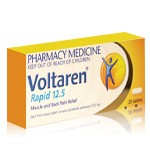
Voltaren (Diclofenac 50/75/100mg) represents the world most widely-used oral NSAID brand — the phenylacetic acid diclofenac medication that has become synonymous with anti-inflammatory therapy globally since Ciba-Geigy Pharmaceuticals (now Novartis) received original FDA approval in 1988 and marketed the medication across 170+ countries. Also known as Voltarol (UK) and Cataflam (US immediate release form), Voltaren established diclofenac as a preferred oral NSAID through balanced potency, modest COX-2 preference, and multiple dose strengths for treatment flexibility. Manufactured by Cipla and German Remedies India as bioequivalent generic under WHO-GMP standards (same dual manufacturers producing topical Jonac gel on rxshop.md), oral Voltaren provides systemic diclofenac therapy distinct from topical formulations — reaching all inflamed tissues throughout the body for conditions where localized topical therapy is inadequate. Available in three dose strengths (50 mg, 75 mg, 100 mg) enabling careful titration from acute pain management to chronic arthritis therapy.
Diclofenac works through non-selective cyclooxygenase (COX-1 and COX-2) enzyme inhibition with modest COX-2 preference — approximately 4-fold selectivity for COX-2 over COX-1 at therapeutic concentrations. This positions diclofenac between traditional non-selective NSAIDs (ibuprofen, naproxen) and highly selective coxibs (celecoxib). Reduced prostaglandin synthesis produces standard NSAID triad effects: anti-inflammatory action, analgesia, and antipyretic action. Additional mechanisms include reduced leukocyte migration, decreased inflammatory mediator release, and modest antipyretic effect at hypothalamic centers. Unlike topical diclofenac gel (Jonac, Emulgel) which reaches only application site tissues with under 10 percent systemic absorption, oral Voltaren provides full systemic diclofenac exposure — essential for widespread inflammatory conditions, migraine, and pain requiring central action. Clinical response: pain relief within 30 minutes, peak effect at 1-2 hours, consistent 6-8 hour analgesic action.
Voltaren serves broad indications including rheumatoid arthritis and osteoarthritis; ankylosing spondylitis; mild to moderate pain from various causes; menstrual pain (primary dysmenorrhea); post-surgical pain; migraine relief; dental pain; sports injuries; back pain; and acute pain syndromes.
Voltaren typically dosed 50 mg 2-3 times daily or 75-100 mg once daily for chronic conditions. Peak at 1-2 hours, 1-2 hour half-life. Cipla and German Remedies India under WHO-GMP standards.


Free prescription
Discrete packaging
Have questions?
Quality Assurance

- Osteoarthritis: OA symptomatic treatment of degenerative joint disease;
- Ankylosing Spondylitis: Chronic inflammatory back disease;
- Mild to Moderate Pain: Acute pain from various causes;
- Chronic Joint Pain: Persistent arthritis pain requiring systemic NSAID;
- Menstrual Pain: Primary dysmenorrhea painful periods;
- Migraine Relief: Acute migraine treatment through systemic action;
- Dental Pain Management: Toothache and post-dental procedure pain;
- Sports Injuries: Athletic musculoskeletal injuries with pain and inflammation;
- Back Pain Relief: Acute and chronic back pain;
- Post Surgical Pain: Post-operative pain management;
- Musculoskeletal Pain: Muscle and joint pain from various inflammatory causes;
- Bursitis and Tendinitis: Soft tissue inflammation requiring systemic action;
- Post Traumatic Inflammation: Injury-related widespread inflammation;
- Systemic Anti Inflammatory Therapy: When localized topical therapy inadequate;
- Phenylacetic Acid NSAID Class: Balanced potency with modest COX-2 preference;
- Multi Dose Flexibility: 50/75/100 mg strengths enable careful titration;
- Foundational NSAID Therapy: World most widely-used oral NSAID brand since 1988;
- Post Operative Inflammation: Surgical inflammation and pain management;
- Generic Voltaren Therapy: Bioequivalent generic alternative to brand-name Voltaren at substantially lower cost.
- Less Joint Pain: Arthritis pain decreases substantially with systemic anti-inflammatory action;
- Less Joint Inflammation: Active joint inflammation reduces through COX blockade;
- Less Joint Stiffness: Morning stiffness improves with anti-inflammatory action;
- Better Joint Mobility: Range of motion improves as inflammation decreases;
- Less Menstrual Pain: Primary dysmenorrhea decreases through prostaglandin blockade;
- Better Migraine Relief: Acute migraine responds to systemic diclofenac action;
- Less Dental Pain: Toothache and post-procedure dental pain improve;
- Better Sports Injury Recovery: Athletic injuries with widespread inflammation improve;
- Less Back Pain: Acute and chronic back pain responds substantially;
- Better Post Surgical Recovery: Post-operative pain and inflammation managed;
- Better Rheumatoid Arthritis Control: RA disease control improves with systemic therapy;
- Better Osteoarthritis Management: OA symptomatic improvement across affected joints;
- Better Ankylosing Spondylitis Relief: Chronic back inflammation improves;
- Better Multi Site Pain Control: Systemic action reaches all affected areas simultaneously;
- Better Three Dose Strength Flexibility: 50/75/100 mg enables careful titration;
- Better World's Most Trusted Brand: Sold in 170+ countries with proven track record;
- Better Established Track Record: 35+ years clinical experience since FDA approval 1988;
- Better Generic Cost: 85-95% lower cost than brand Voltaren makes proven therapy accessible;
- Better Quality of Life: Daily wellbeing improves as arthritis pain and inflammation resolve.
Generic Voltaren (Diclofenac 50 mg) Medication guide:
💊 Introduction to Voltaren and the Diclofenac Family
Voltaren is one of the oldest and most recognised prescription anti-inflammatories in modern medicine. The drug it contains, diclofenac, was synthesised at Geigy Pharmaceuticals in Switzerland in 1965 and reached European markets in 1973 under the trade name Voltaren. More than fifty years later, it remains a reference non-steroidal anti-inflammatory drug worldwide, dispensed as oral tablets, enteric-coated tablets, sustained-release tablets, potassium immediate-release tablets, powder sachets for migraine, topical gel, patch, ophthalmic drops, and injectable solution. Few drugs in this class have taken so many pharmaceutical forms.
What matters clinically is that Voltaren is a moderately COX-2-preferring NSAID. Its selectivity sits between non-selective agents such as ibuprofen and highly selective COX-2 inhibitors such as celecoxib. That middle position gives Voltaren strong anti-inflammatory potency per milligram and distinguishes it from both ends of the NSAID shelf, with consequences for both effectiveness and cardiovascular profile that this guide examines in depth.
The reason the United Kingdom moved diclofenac from pharmacy sale to prescription-only in 2015 is the same reason the European Medicines Agency added cardiovascular contraindications in 2013: a very large body of evidence suggests the vascular risk at anti-inflammatory doses is closer to that of coxibs than to that of ibuprofen or naproxen. This is one of the most important modern facts about Voltaren, and it drives much of the current prescribing approach.
🎯 Where Voltaren fits in treatment today
- 🦵 Osteoarthritis of the knee and hand - the headline indication; most patients benefit from the topical gel first, with oral tablets reserved for inadequate response.
- 🦾 Rheumatoid arthritis and ankylosing spondylitis - oral tablets for symptomatic relief while disease-modifying therapy takes effect.
- 👩 Primary dysmenorrhea - short-course potassium tablets starting the day before bleeding begins.
- 🧠 Acute migraine - the diclofenac potassium powder sachet (Cambia) dissolved in water at the first sign of a migraine.
- 🏃 Acute musculoskeletal strains and sprains - short course of gel, patch, or oral tablets.
- 👁️ Ophthalmic inflammation - 0.1 percent eye drops after cataract surgery.
- 🩸 Post-dental and post-surgical pain - short-course potassium tablets.
The practical reading of this guide is that Voltaren is not a single pill but a family of related products with different speeds, durations, and routes of administration. Choosing the right form matters as much as choosing the right drug. A patient with hand osteoarthritis who tries the gel typically never needs the oral tablet; a patient with ankylosing spondylitis who tries the gel typically gets nothing from it. The sections that follow walk through the pharmacology that makes this true, the regulatory decisions that shape current use, and the practical choices that make Voltaren a useful tool when it is matched to the right problem.
💡 The one-sentence summary: Voltaren is a half-century-old reference NSAID whose chief modern lesson is that the form matters as much as the molecule, and that the cardiovascular signal at full oral doses is real and manageable but not negligible.
🔬 How Diclofenac Blocks the Inflammation Enzymes
Diclofenac works like other NSAIDs by blocking cyclooxygenase, the enzyme that converts arachidonic acid into prostaglandins. Prostaglandins are the chemical messengers that sensitise pain receptors, drive the heat and swelling of inflammation, and keep platelets from clumping. Block the enzyme and you blunt the signal.
What makes diclofenac interesting is how it balances the two cyclooxygenase isoforms. The body makes two versions of the enzyme: COX-1, which runs continuously in the stomach, kidney, and platelets, and COX-2, which turns on at sites of injury and inflammation. A drug that spares COX-1 is kinder to the stomach; a drug that spares COX-1 while blocking COX-2 is also, by a quirk of vascular biology, somewhat harder on blood vessels.
Diclofenac is a moderately selective COX-2 inhibitor. On the whole-blood COX-2:COX-1 inhibition ratio, diclofenac sits around 3 to 4, meaning it blocks COX-2 three to four times more strongly than COX-1 at the same concentration. Ibuprofen sits around 0.4 (slightly COX-1 preferring); naproxen is approximately 0.6 (balanced); celecoxib and etoricoxib are 7-30 (strongly COX-2 selective). That places diclofenac on the COX-2 side of the family, closer to the coxibs than to ibuprofen in receptor terms.
📊 COX-2 selectivity of common NSAIDs (whole-blood ratio)
A ratio above 1 means the drug blocks COX-2 more than COX-1. Diclofenac sits in the middle of the family: more COX-2-leaning than ibuprofen or naproxen, less so than true coxibs.
The clinical consequences of this profile run in both directions. In the stomach, the COX-2 lean of diclofenac means somewhat less erosion of the gastric lining than ibuprofen at equivalent anti-inflammatory potency. In the vascular bed, the same lean reduces prostacyclin (a vessel-protective prostaglandin) without reducing thromboxane as much, which tilts the balance toward clot formation. This is the biology behind the 2013 EMA restriction and the 2015 UK prescription-only decision.
Diclofenac also has a second, less well-known action: it mildly inhibits the lipoxygenase pathway and may interfere with substance P release at nerve terminals. These secondary effects are modest and probably contribute little to analgesia at standard doses, but they are sometimes cited to explain diclofenac somewhat broader anti-inflammatory signature compared with pure COX inhibitors.
💡 The key practical rule: diclofenac blocks the inflammation enzyme with a mild bias toward the inflamed-tissue form, which gives it strong anti-arthritis effect but also places its cardiovascular profile closer to coxibs than to older NSAIDs.
📦 The Nine Oral and Topical Forms of Voltaren
Voltaren is sold around the world under many names, and even in a single country several forms coexist on pharmacy shelves. Understanding what each form is for prevents the common mistake of using the wrong tool for the job. A patient prescribed an enteric-coated tablet for chronic knee pain is in a different situation from a patient prescribed a potassium tablet for a migraine attack, and the two tablets do not behave the same way.
At the most basic level there are three oral chemical variants: diclofenac sodium (the standard tablet), diclofenac potassium (an immediate-release form for acute pain), and diclofenac epolamine (used primarily in the topical patch). Each has its reason for existing.
| 💊 Form | Typical strength | Onset | Primary role |
|---|---|---|---|
| Enteric-coated sodium tablet | 25, 50, 75 mg | 2-3 hours | Chronic arthritis - the classic Voltaren tablet |
| Sustained-release sodium tablet (Retard) | 75, 100 mg SR | 3-4 hours | Once-daily chronic use; nighttime pain |
| Potassium immediate-release tablet (Cataflam) | 25, 50 mg | 20-30 minutes | Acute musculoskeletal pain, dysmenorrhea |
| Potassium powder sachet (Cambia) | 50 mg | 15-25 minutes | Acute migraine with or without aura |
| Topical gel 1% (Voltaren Gel) | 1% gel, 100 g tube | 1-2 hours (local) | Hand, knee, foot, elbow, wrist OA |
| Topical patch (Flector epolamine) | 180 mg patch | 2-3 hours (local) | Acute sprains and strains |
| Topical solution (Pennsaid 2%) | 2% drops | 1-2 hours (local) | Knee OA (DMSO-vehicle penetration) |
| Ophthalmic drops 0.1% | 0.1% solution | Minutes | Post-cataract macular edema prevention |
The pattern is clear: potassium forms are faster because the salt dissolves and absorbs rapidly from the stomach; enteric-coated sodium forms are slower because the coating delays dissolution until the small intestine; sustained-release forms sacrifice speed for duration and smooth out the peak-and-trough cycle of twice-daily dosing. Topical forms deliver drug through the skin to local tissue with low systemic exposure.
💡 A simple decision rule
If pain started today and you want it gone within an hour, think potassium. If pain is a long-term companion and you want smooth control through the day, think enteric-coated sodium or sustained-release. If pain is in a single joint you can touch, think gel or patch first and oral only if the topical fails.
One more point about the oral forms: enteric coating is not the same as sustained release. The coating only protects the stomach by delaying dissolution; once the tablet reaches the small intestine, the drug releases quickly. A sustained-release tablet uses a matrix that releases drug over several hours regardless of location in the GI tract. This matters when a prescriber switches from a 50 mg immediate-release tablet three times daily to a 100 mg Retard once daily and the patient wonders why the sensation of relief feels different.
💡 The practical rule in one line: match the form to the problem - fast potassium for sudden pain, enteric sodium for chronic use, SR for once-daily convenience, topical for a single accessible joint.
⏱️ Diclofenac Pharmacokinetics - Fast In Fast Out
Everything a patient notices about Voltaren - how fast it starts, how long it lasts, how much food matters - traces back to its pharmacokinetics. Diclofenac is absorbed well, cleared quickly, and metabolised extensively, and these three facts shape most dosing decisions.
The oral tablet is roughly 50 to 60 percent bioavailable after first-pass liver metabolism. That is lower than ibuprofen or naproxen because diclofenac extraction by the liver is efficient. The peak blood concentration arrives at 2 to 3 hours for enteric-coated sodium but at 20 to 30 minutes for potassium immediate-release, which is why the two forms serve different clinical roles.
Once in circulation, diclofenac is more than 99 percent bound to albumin. The free fraction is the small part that reaches tissues and does the work. Protein binding this high means that a few interactions matter - warfarin, methotrexate, phenytoin, and sulfonylureas can all be displaced slightly from albumin by diclofenac, raising their effective concentration.
| 📊 Parameter | Value |
| Oral bioavailability | 50-60% after first-pass metabolism |
| Protein binding | more than 99% to albumin |
| Peak concentration time | 20-30 min potassium IR; 2-3 h enteric sodium; 4-6 h SR |
| Elimination half-life | 1-2 hours (plasma) |
| Synovial fluid half-life | 3-6 hours (longer than plasma because joint fluid is slow to clear) |
| Primary metabolising enzyme | CYP2C9 (also CYP3A4 to a lesser degree) |
| Excretion | 65% urine (metabolites) and 35% bile |
| Topical gel systemic exposure | approximately 6% of equivalent oral dose |
The 1-2 hour plasma half-life raises an obvious question: why does a 50 mg tablet taken three times daily keep arthritis under control for an entire day? The answer lies in synovial fluid partitioning. Diclofenac accumulates in inflamed joint fluid and leaves it slowly, so the pharmacologically meaningful tissue concentration lasts 6 hours or more after the plasma level has fallen. This disconnect between blood and joint is one of the drug useful quirks.
Food modifies absorption but not total exposure. A meal delays the peak by about 2 hours without changing the area under the concentration curve. For chronic arthritis this makes little difference. For acute pain or migraine, taking potassium forms on an empty stomach when possible speeds onset.
The CYP2C9 metabolism explains why patients on fluconazole, voriconazole, or amiodarone may see higher diclofenac blood levels, and why genetic poor metabolisers of CYP2C9 (about 2 to 3 percent of white and 1 percent of Asian populations) run higher plasma concentrations at standard doses. These are small effects for most patients but can matter when liver disease or multiple inhibitors stack up.
💡 The pharmacokinetic bottom line: diclofenac is quickly absorbed, briefly in blood, slow to leave inflamed joints, metabolised by a single main liver enzyme, and almost entirely excreted as metabolites by the kidneys and bile.
🔄 Why Voltaren Retard Exists - The SR Formulation
If diclofenac leaves the blood in 1 to 2 hours, how does anyone manage with twice-daily or once-daily dosing? The answer is Voltaren Retard, the sustained-release tablet that extends the delivery window to 10 to 12 hours per dose. The design is simple and the reason it exists is practical.
The problem with immediate-release diclofenac for chronic arthritis is the daily grind of three or four tablets. Chronic patients forget doses, run into peak-trough swings that leave gaps of discomfort, and sometimes stop treatment because the schedule is tiresome. A sustained-release formulation turns the day into one or two decisions instead of four.
Immediate-release 50 mg x 3
Peak concentration arrives sharp and clears within hours. Patients feel the medication come and go. Easy to miss doses; peak-trough gaps common.
Retard SR 100 mg x 1
Lower peak concentration but longer duration. Fewer dose decisions. Smooth level of relief suited to continuous arthritis pain.
The trade-off is real. Sustained-release forms deliver less peak drug per dose. For patients whose pain requires a visible, fast-acting spike of medication (acute flares, procedure days), immediate-release tablets or potassium forms work better. For patients with steady daily pain who want set-and-forget treatment, sustained-release matters more.
⚖️ What Retard gives up and what it offers
✅ Advantages
- 📅 Once-daily dosing simplifies long-term use
- 🌊 Smoother blood level reduces peak side effects
- 🛏️ Nighttime pain cover with evening dose
- 🛡️ Better adherence in chronic disease
❌ Disadvantages
- ⏱️ Slower onset not suited to acute flares
- 🛑 Must swallow whole (crushing destroys release)
- 💥 Dose dumping risk if coating damaged
- 🔄 Hard to fine-tune dose with 100 mg jumps
One rule governs all SR tablets: do not crush, split, chew, or dissolve them. The sustained-release matrix is engineered as a single piece. Breaking it defeats the purpose and may release the entire dose in minutes, which risks a stomach-side-effect spike without the day-long cover. Patients with swallowing difficulty should ask about immediate-release or potassium alternatives rather than modify the Retard tablet.
💡 When to pick SR over IR
Chronic osteoarthritis, chronic rheumatoid arthritis, chronic ankylosing spondylitis, nighttime awakenings from pain, or any situation where a steady level of relief matters more than a quick peak. For dysmenorrhea, migraine, acute strain, or dental pain, an immediate-release or potassium form is almost always the better choice.
💡 The SR formulation in one line: Voltaren Retard trades a sharp peak for a long plateau, which fits chronic arthritis better than acute pain and should be swallowed whole every time.
🎯 Approved Voltaren Indications and the Off-Label Edge
Voltaren is approved for a wider range of indications than most NSAIDs because it has been studied for so long and across so many formulations. The approved uses span rheumatology, pain medicine, gynaecology, headache medicine, and ophthalmology, with slightly different forms and regimens for each.
Below is the full list of FDA, EMA, and UK-licensed indications arranged by setting. Not every form is approved for every indication, and country-to-country differences exist.
| 🎯 Indication | Preferred form | Typical course |
|---|---|---|
| 🦵 Osteoarthritis knee or hand | Topical gel 1% first; oral 100-150 mg if needed | Long-term as symptoms require |
| 🦾 Rheumatoid arthritis | Oral 100-150 mg daily, divided | Long-term alongside disease-modifying drug |
| 🦴 Ankylosing spondylitis | Oral SR 100 mg daily, often at night | Long-term with physical therapy |
| 🏃 Acute musculoskeletal pain | Potassium 50 mg or gel | 3-7 days |
| 👩 Primary dysmenorrhea | Potassium 50 mg three times daily | 2-3 days per cycle |
| 🧠 Acute migraine (with or without aura) | Potassium powder sachet 50 mg | Single dose per attack |
| 🦷 Post-dental pain | Potassium 50 mg | 2-5 days |
| 👁️ Post-cataract macular edema | Ophthalmic drops 0.1% | 4-6 weeks post-surgery |
| 🩸 Bursitis and tendinitis | Topical gel or short oral course | 1-2 weeks |
| 🦾 Juvenile idiopathic arthritis | Oral 1-3 mg per kg per day divided (specialist only) | Variable |
Several indications are commonly used off-label but are not FDA-approved for every form:
- 💥 Renal colic pain - diclofenac is widely used in emergency medicine; strong evidence base; approved in some European countries, off-label in the US.
- 🩺 Post-operative pain - oral or injectable diclofenac for first few days after surgery.
- 🎾 Soft tissue sports injuries - gel is the common choice; evidence base is strong.
- ❄️ Gout flares - acceptable NSAID choice but not first line; naproxen or indomethacin more traditional.
- 🚬 Actinic keratosis - topical diclofenac 3% gel (Solaraze) is approved for this skin indication in some countries, which is a separate product with a different formulation.
The common thread across indications is that diclofenac works best where the problem is predominantly inflammatory pain. For pure nerve pain, pure cancer pain, or chronic non-inflammatory low back pain, NSAIDs including diclofenac typically underperform other agents. For arthritis, menstrual cramps, migraine, and acute musculoskeletal injury, the match is good.
💡 The scope of use in one line: Voltaren covers roughly a dozen approved indications across arthritis, acute pain, menstrual pain, migraine, and ophthalmology, and the form (gel, tablet, SR, potassium) matters as much as the indication itself.
🦾 Rheumatoid Arthritis - Where Oral Diclofenac Fits
Rheumatoid arthritis is one of the original indications for diclofenac and still a common one. The role of Voltaren in rheumatoid arthritis has changed since the 1970s because disease-modifying antirheumatic drugs (DMARDs) and biologics now carry the main treatment burden. NSAIDs including diclofenac are used alongside those agents to control symptoms during the weeks or months it takes for DMARDs to work and during flares.
The typical oral dose for rheumatoid arthritis is 100 to 150 mg per day divided into two or three doses, or 100 mg sustained-release once daily. The clinical goal is reduction in morning stiffness, joint tenderness count, and the painful nighttime awakening that is characteristic of inflammatory arthritis. Response typically appears within two to three days and plateaus by week two.
💡 What NSAIDs do and do not do in rheumatoid arthritis
✅ What they do - reduce pain, swelling, morning stiffness, and nighttime awakening; make daily function possible while DMARDs ramp up.
❌ What they do not do - slow joint damage, prevent erosion, modify long-term disease course, or substitute for DMARDs; the X-ray and the inflammatory markers do not improve from NSAID use alone.
Because rheumatoid arthritis affects younger adults as well as older ones, prescribers have to weigh the cardiovascular and gastrointestinal risks of long-term NSAID exposure. The CNT 2013 meta-analysis found that diclofenac 150 mg daily approximately doubles the rate of major vascular events compared with placebo and triples the rate of upper GI complications. These are small absolute numbers in a 30-year-old patient but become clinically important in a 65-year-old with hypertension and a history of GI bleeding.
“Diclofenac has an intermediate position in the family of NSAIDs with respect to COX selectivity. The vascular signal is driven mostly by the prostacyclin reduction that follows from COX-2 inhibition, and this signal is unavoidable with any sustained anti-inflammatory dose. In rheumatoid arthritis the clinical rule is to use the shortest effective course and reassess cardiovascular risk at every visit, especially after age 55 or in the presence of hypertension.”
Based on published views in Circulation 2014;129:907-916 and the ESC NSAID task force reviews.
The pattern of use that most rheumatologists follow is short-course on, short-course off: use NSAID coverage during flares or for the three to six months it takes a new DMARD (methotrexate, leflunomide, hydroxychloroquine) to reach full effect, then taper the NSAID as the DMARD takes over. Patients in deep remission on biologic therapy often need no NSAID at all. The 20th-century picture of continuous NSAID monotherapy for rheumatoid arthritis is outdated and now considered inadequate care.
For patients who do need chronic NSAID coverage alongside DMARDs, several practical rules reduce risk:
- 🛏️ Co-prescribe a proton pump inhibitor (omeprazole, pantoprazole) if the patient is over 60, has prior GI bleeding, or takes aspirin or warfarin.
- ❤️ Check blood pressure at every visit; diclofenac raises blood pressure by an average of 3-5 mm Hg systolic and can unmask previously controlled hypertension.
- 💛 Check liver enzymes at 4-8 weeks, then every 6 months; diclofenac has the highest hepatic signal among traditional NSAIDs.
- 🧪 Check kidney function and electrolytes; especially if the patient also takes an ACE inhibitor, ARB, or diuretic (the "triple whammy" pattern of AKI).
- 🔄 Review the ongoing need at every visit; patients in disease remission often do not need NSAIDs anymore.
💡 The rheumatoid arthritis takeaway: Voltaren covers symptoms while DMARDs do the heavy lifting; the modern standard is intermittent short-course use, not continuous NSAID monotherapy, and cardiovascular and GI risk assessment belongs at every visit.
🦵 Osteoarthritis - The Oral vs Topical Decision
Osteoarthritis is the single most common reason diclofenac is prescribed anywhere in the world. The disease affects joint cartilage and the surrounding structures, producing pain, stiffness, and reduced function in the knees, hands, hips, and spine of adults as they age. Diclofenac does not slow the disease, but it blunts the pain and inflammation enough that daily life stays possible.
The key practical question in osteoarthritis is oral versus topical. Both forms work, but their safety profiles differ sharply, and current guidelines favour the topical route for most patients with hand, knee, foot, or elbow OA.
🔀 A decision tree for OA pharmacotherapy
Single accessible joint (knee, hand, foot, elbow, wrist, ankle)?
✅ Start topical gel 1% 2-4 g four times daily to the painful joint
Hip OA or widespread polyarticular OA?
🟡 Oral NSAID (diclofenac 100-150 mg daily or SR 100 mg once daily)
High CV risk, prior GI bleed, or kidney disease?
🛑 Avoid oral diclofenac; prefer topical, acetaminophen, duloxetine, or intra-articular steroid
The topical first approach is not an opinion. Every major 2019-2022 osteoarthritis guideline - OARSI, ACR, EULAR, NICE - places topical NSAIDs ahead of oral NSAIDs for knee and hand OA in patients who have any cardiovascular, gastrointestinal, or renal risk factor, and in older adults generally. The TOIB trial from Nottingham (BMJ 2008;336:138-142) comparing topical ibuprofen and oral ibuprofen in knee OA found equivalent pain relief with substantially fewer systemic side effects.
| ⚖️ Feature | Topical gel 1% | Oral 100-150 mg daily |
|---|---|---|
| Pain reduction (WOMAC) | About 8-12 points | About 10-14 points |
| Systemic exposure | About 6% of oral equivalent | 100% |
| GI side effect rate | Similar to placebo | Clearly raised |
| CV event signal | Not detectable | Clearly raised at 150 mg daily |
| Kidney effect | Minimal | Measurable; limits in CKD |
| Common local effect | Mild skin reaction (5-10%) | Dyspepsia (10-15%) |
| Suitable for hip OA | No (too deep) | Yes |
The hip is the standard exception. The hip joint sits too deep below subcutaneous fat and muscle for a topical formulation to reach the capsule in meaningful concentration. Hip osteoarthritis almost always needs oral treatment. The knee, hand, foot, elbow, wrist, and ankle are all accessible enough for the gel to work.
One useful practical point: the topical gel is under-used because patients and prescribers underestimate the dose required. The product information specifies 2 to 4 grams per application four times daily for the knee, which is a significant quantity (a line of gel the length of the dosing card provided with each tube). Smaller amounts rubbed in casually tend to disappoint. When the gel is used at the right dose for 2 to 3 weeks, response rates match oral NSAIDs in most knee OA studies.
💡 The OA decision rule in one line: start topical for any accessible joint; move to oral only for hip, polyarticular disease, or inadequate response, and screen the cardiovascular and GI risk before committing to oral.
🦴 Ankylosing Spondylitis - The NSAID With Structural Impact
Ankylosing spondylitis is a chronic inflammatory arthritis that attacks the sacroiliac joints at the base of the spine and over years can fuse the vertebrae into a rigid column. The disease begins typically in young adulthood, affects men more often than women, and runs for decades. Diclofenac has a well-defined and relatively specific role in managing it.
Unlike most other arthritis, ankylosing spondylitis responds to NSAIDs in a way that goes beyond symptomatic relief. Clinical experience and some older evidence suggest that continuous NSAID therapy may slow radiographic progression in this disease, which is one of the few places where a conventional NSAID is thought to influence long-term joint damage, not only pain. The 2003 Wanders trial (Arthritis Rheum 2005;52:1756-1765) first reported this effect, and later guidelines gave diclofenac and other NSAIDs a disease-modifying role in AS.
🕚 A typical day on diclofenac for ankylosing spondylitis
The standard adult dose is SR 100 mg once daily at night, which times the peak concentration to cover the hours of worst stiffness. Some patients need an additional 50 mg immediate-release dose during the day. Response typically appears within 2 to 4 weeks of consistent dosing.
🎯 What ankylosing spondylitis patients should expect
- 🌟 Night pain and morning stiffness ease first; often within 2-3 days of starting consistent therapy.
- 🚶 Spinal flexibility improves gradually over 4-8 weeks as inflammation subsides.
- 😴 Sleep quality rises because the 2-4 AM wake-ups fade; this is a reliable marker of therapeutic effect.
- 🎛️ Fine-tuning can involve switching between morning and evening dosing to match pain pattern.
- 🏃 Exercise and physical therapy work better when pain is controlled; this is the real long-term win.
For AS patients who need treatment beyond NSAIDs - about 30 percent inadequate response or intolerance after a 2-4 week trial - the next step is a biologic agent, typically a tumor necrosis factor inhibitor (adalimumab, etanercept, infliximab) or an IL-17 inhibitor (secukinumab, ixekizumab). The NSAID role shrinks but does not vanish on biologics; many patients continue a low-dose NSAID for breakthrough stiffness.
💡 Why NSAIDs work especially well in ankylosing spondylitis
The pathology of AS involves inflammation at the entheses - the places where tendons and ligaments attach to bone. Prostaglandins drive both the pain and the subsequent bone-forming response. Blocking prostaglandin production addresses both the symptomatic end and some of the structural end, which is why continuous NSAID therapy appears to slow spinal fusion in a way it does not in rheumatoid arthritis.
💡 The AS takeaway in one line: diclofenac SR 100 mg at night is one of the few NSAID uses where continuous therapy may slow long-term structural damage, not just blunt pain.
👩 Primary Dysmenorrhea - Catching the Prostaglandin Surge Early
Primary dysmenorrhea - the painful cramping of menstruation that is not caused by another disease - affects more than half of women of reproductive age and is severe enough to interfere with daily life in about 20 percent. The pain is driven by prostaglandin release in the uterine lining, which is exactly what NSAIDs block. For this reason diclofenac works unusually well in this setting.
The practical approach to menstrual pain with diclofenac is a short, pre-emptive course. The potassium 50 mg immediate-release tablet (Cataflam in the US, Voltaren Rapid elsewhere) peaks in blood in 20 to 30 minutes, which lets a patient catch the prostaglandin surge as it begins. Starting the day before expected flow, or at the first twinge, works better than waiting for severe pain to arrive.
🔄 Typical dosing pattern across a cycle
Head-to-head trials of diclofenac versus other NSAIDs in dysmenorrhea show rough equivalence. Diclofenac 150 mg daily reduces pain by about 80 percent compared with placebo, which is similar to naproxen 500 mg twice daily and mefenamic acid 500 mg three times daily. The Cochrane review of NSAIDs in dysmenorrhea (2015) found no clinically meaningful difference between agents, so the choice usually comes down to the fastest form available.
Several practical points separate menstrual-pain use from chronic arthritis use:
- ⏱️ Start early - the day before predicted flow or at the first symptom; prostaglandins are easier to prevent than to treat once they peak.
- 🏃 Short course - 2-3 days of use per cycle avoids the cumulative GI and CV risk of chronic therapy.
- 🌊 Potassium not sodium - the 20-30 minute peak of Cataflam-type potassium formulations matches the acute nature of menstrual cramps better than the 2-3 hour peak of enteric-coated sodium.
- 🕝 Food is optional - taking with food slows the peak slightly; most patients prefer an empty stomach for faster relief and accept the small GI trade-off.
- 🛑 Stop at the right time - once bleeding is more than 48 hours in and cramping is settling, further NSAID use adds risk without more benefit.
For adolescents, the potassium immediate-release form at 50 mg three times daily is the typical starting choice for primary dysmenorrhea. Doses above 150 mg daily rarely add efficacy and increase side effects. For patients who continue to have severe cramps despite NSAIDs, options include combined oral contraceptives (which block ovulation and reduce prostaglandin production over months), levonorgestrel IUD, or evaluation for secondary causes such as endometriosis.
🚨 When menstrual pain is not primary dysmenorrhea
If cramps started in adulthood after years of comfortable periods, if the pain worsens cycle after cycle, if intercourse is painful, or if bleeding is unusually heavy, the problem may be endometriosis, adenomyosis, fibroids, or pelvic inflammatory disease. NSAIDs will blunt the pain but will not treat these conditions. A gynaecologic evaluation is the right next step.
💡 The dysmenorrhea rule in one line: start potassium diclofenac 50 mg early, three times daily, for 2-3 days per cycle only; stop when cramps settle, do not continue through the whole period.
🏃 Acute Musculoskeletal Pain - Picking Form by Injury
Sprains, strains, acute low-back pain, tendinitis, bursitis, and overuse injuries from sport or work are the everyday reasons people reach for diclofenac. The drug has evidence in all these settings and three formulations that fit them: oral tablets, the topical gel, and the Flector patch. Choosing between these is less about efficacy (they all work) than about anatomic location, duration, and patient preference.
The acute musculoskeletal case usually resolves in days to a couple of weeks regardless of treatment, so the aim is comfortable function during the recovery window, not permanent change. Short courses reduce the systemic risk that would attend chronic use.
📋 Picking the right form for an acute injury
Tier 1 - Localised, accessible, mild to moderate
🤚 Ankle sprain, tennis elbow, wrist strain, patellar tendinitis, Achilles tendinitis. Topical gel 2-4 g four times daily for 7-14 days. Minimal systemic exposure; low interaction risk; works well for most of these injuries.
Tier 2 - Localised, moderate, needs sustained delivery
🥩 Significant strain of a large muscle (hamstring, quadriceps), shoulder bursitis, back strain near the surface. Flector patch 180 mg every 12 hours or heavy gel use. The patch is useful when a patient does not want to reapply gel repeatedly.
Tier 3 - Diffuse, deep, severe
💥 Acute low back pain, deep muscle contusion, polytrauma pain, pain that interferes with sleep. Oral potassium 50 mg three times daily or SR 100 mg once daily for 5-10 days. Add a short course of a muscle relaxant for low back pain if indicated.
Combining topical and oral forms is sometimes done but is not usually necessary. If pain is severe enough to need the oral tablet, the gel on top adds little. If pain is mild enough that the gel works, oral exposure is unnecessary.
| 🏃 Injury type | Form | Expected course |
|---|---|---|
| 🤚 Ankle sprain (grade I-II) | Gel 2-4 g four times daily | 7-10 days |
| 🎾 Tennis elbow (lateral epicondylitis) | Gel 2 g four times daily | 2-4 weeks + rehab |
| 🏃 Hamstring strain | Patch or gel + rest | 7-14 days |
| 🦴 Acute low back pain | Oral potassium 50 mg x3 daily | 5-10 days |
| 🦾 Rotator cuff tendinitis | Gel 2 g four times daily | 2-6 weeks + physical therapy |
| 🤷 Trochanteric bursitis | Oral tablet (hip is too deep for gel) | 2-3 weeks |
A frequent patient question is whether to use ice or heat alongside the gel. Both are helpful at different stages. Ice reduces swelling and acute pain in the first 48 hours; heat helps muscle tightness after the acute swelling settles. The gel can be applied around but not under either ice or heat packs. Applying the gel then waiting 20 minutes before applying heat is a reasonable sequence.
For soft-tissue injuries that are not improving at 2-3 weeks despite correct treatment, the next step is physical therapy or an imaging study to check for structural damage (ligament tear, meniscal tear, rotator cuff tear). Continuing to escalate NSAID exposure in a condition that is actually a mechanical problem rarely helps and adds risk.
💡 The acute injury rule in one line: gel for anything you can touch, oral for anything you cannot or that is severe, and 7-14 days of either is usually the whole therapy.
🧠 Acute Migraine and the Potassium Powder Sachet
Among the many diclofenac formulations, the potassium powder-for-oral-solution sachet (marketed in the US as Cambia, 50 mg sachet) is the one designed specifically for acute migraine. It is dissolved in 30-60 mL of water and taken at the first sign of an attack. The design reflects what migraine researchers learned the hard way: oral absorption during a migraine attack is impaired, and the fastest-dissolving form is the one most likely to abort the headache.
The clinical trials behind the migraine indication showed that 26 percent of patients were pain-free at 2 hours after a single 50 mg sachet, compared with 12 percent on placebo (Lipton et al., Headache 2010;50:819-833). Those numbers look modest, but they match triptan response rates and come without the vasoconstrictor concerns that limit triptan use in patients with cardiovascular disease.
📊 Migraine response at 2 hours (diclofenac 50 mg sachet vs placebo)
Pooled data from Cambia FDA registration trials. Comparable to sumatriptan 50-100 mg response in head-to-head analyses.
Several features make the powder sachet different from a regular diclofenac tablet in the migraine context:
- 💧 The buffered potassium form dissolves instantly in water, bypassing the slow gastric emptying that gastroparesis of migraine causes.
- ⏱️ Peak plasma concentration at 15-25 minutes, which beats triptan oral tablets (30-60 minutes) and matches sumatriptan injection.
- 🦠 Suspended in sodium bicarbonate so the drug moves past the stomach quickly even when nausea is severe.
- 🚫 No vasoconstriction, which means it is one of the few migraine-specific therapies safe in patients with coronary disease, stroke history, or peripheral artery disease.
- 🔄 Can be repeated once after 2 hours if the headache has not resolved; maximum 100 mg per attack and 150 mg per 24 hours.
For migraine prevention (daily use to reduce attack frequency), diclofenac does not have an evidence-based role. The migraine indication is strictly for the acute attack. Patients with 4 or more migraine days per month should be evaluated for preventive therapy with beta-blockers, topiramate, candesartan, amitriptyline, or the newer CGRP antagonists.
⚠️ Medication-overuse headache risk
Using any acute migraine drug - NSAID, triptan, or combination analgesic - on 10 or more days per month for 3 or more consecutive months can convert episodic migraine to chronic daily headache. Diclofenac is not immune to this effect. If a patient needs an acute migraine drug more than 2 days per week on average, the next conversation is about prevention, not another refill.
A practical note on the sachet: it tastes like a weak lemon-lime solution and most patients tolerate it well, but a few describe aftertaste or bloating from the bicarbonate. Taking it fast rather than sipping avoids the lingering flavor and seems to speed absorption.
💡 The migraine rule in one line: diclofenac potassium powder sachet dissolved at the first sign of an attack is as fast as oral triptans without the vasoconstrictor cautions, but only for the attack itself - not for prevention.
📋 Voltaren Oral Dosing Across the Approved Indications
Diclofenac dosing is more condition-specific than most NSAIDs because the approved indications span acute pain, chronic arthritis, migraine, and dysmenorrhea, each with a different pattern of use. The table below summarises the common adult oral regimens; dose adjustments for kidney and liver disease are covered later in this guide.
| 🎯 Indication | Starting dose | Maximum daily | Duration |
|---|---|---|---|
| 🦵 Osteoarthritis knee or hand | 50 mg twice daily EC | 150 mg | As needed; reassess periodically |
| 🦾 Rheumatoid arthritis | 50 mg three times daily EC | 200 mg | Short courses + DMARDs |
| 🦴 Ankylosing spondylitis | 25 mg four times daily or 100 mg SR nightly | 125 mg (IR) or 100 mg (SR) | Long-term |
| 🏃 Acute musculoskeletal pain | 50 mg K three times daily | 150 mg | 5-10 days |
| 👩 Primary dysmenorrhea | 50 mg K at onset | 150 mg | 2-3 days per cycle |
| 🧠 Acute migraine (potassium powder) | 50 mg sachet at onset | 100 mg per attack; 150 mg per day | Single dose per attack |
| 🦷 Post-dental or post-surgical pain | 50 mg K three times daily | 150 mg | 2-5 days |
Three general rules cut across all indications:
🎯 Use the lowest effective dose
Diclofenac cardiovascular and GI risks are dose-dependent. The jump from 100 mg daily to 150 mg daily adds roughly 50 percent more vascular risk. For most patients 100 mg daily is enough.
⏱️ Keep the course short
For acute conditions, 5-10 days of therapy almost always covers the useful window. Continuing beyond that rarely adds benefit and keeps the risk clock running.
🔄 Reassess chronic use
Chronic therapy for OA or RA deserves a review every 3-6 months. Patients who have moved into disease remission on DMARDs or who no longer have pain often continue NSAIDs by habit.
A missed oral dose is taken as soon as the patient remembers if it is still well within the dosing interval. If the next scheduled dose is close, the missed one is skipped - doubling up to catch up raises blood levels and side-effect risk. For acute pain this matters little; for arthritis the dose can simply resume at the next scheduled time.
For patients using multiple forms of diclofenac at once - gel plus oral, or sachet plus tablet - the total daily diclofenac dose should still fit within the oral maximum of 150 mg per day for most indications. Topical gel contributes about 6 percent systemic exposure, so a patient on 4 grams of 1% gel four times daily (160 mg topical) is adding roughly 10 mg of systemic diclofenac - small but not nothing.
🛑 Doses that need medical review
If a prescription asks for more than 200 mg of diclofenac daily, or if the patient is combining diclofenac with another NSAID (which is contraindicated), or if the planned duration is more than 3 months without reassessment, the regimen needs to be checked against current guidelines. These patterns almost always need adjustment.
💡 The dosing rule in one line: lowest dose, shortest course, correct form for the condition - these three choices do most of the safety work.
🍴 Taking Voltaren With Food or on an Empty Stomach
Taking diclofenac with or without food affects both the time to peak concentration and the stomach-side-effect profile. The clinical rule depends on the indication and the form.
For chronic arthritis the dominant concern is gastric tolerance. Taking the tablet with a meal reduces the local contact between tablet surface and gastric lining and lowers dyspepsia and ulcer risk somewhat. The small delay in peak absorption (about 2 hours) does not matter when the goal is a steady level of relief throughout the day.
For acute pain and migraine the dominant concern is speed. Taking the potassium immediate-release form on an empty stomach brings the peak forward by 20 to 30 minutes, which translates to faster relief. The small GI trade-off is acceptable for 2 to 5 day courses.
| 🍴 Situation | Food recommendation | Why |
|---|---|---|
| 🦾 Chronic arthritis (oral tablet) | With a meal | Reduces dyspepsia and gastric mucosal contact |
| 🏃 Acute musculoskeletal pain (potassium IR) | Empty stomach preferred | Faster peak means faster relief |
| 👩 Primary dysmenorrhea (potassium IR) | Empty stomach preferred | Catches the prostaglandin surge sooner |
| 🧠 Acute migraine (powder sachet) | Empty stomach ideal | Dissolves and absorbs fastest; food slows gastric emptying |
| 🦴 Ankylosing spondylitis (SR 100 mg nightly) | With evening meal | Timing improves overnight cover; food reduces GI contact |
| 💦 Patient with history of dyspepsia | Always with food | Delay in peak less important than tolerability |
What is not required is a specific meal composition. Fat content, dairy content, and meal size do not meaningfully change absorption of diclofenac - a snack and a glass of water, a sandwich, or a full meal all work. The one food interaction worth knowing is grapefruit juice, which modestly inhibits CYP3A4 and may raise diclofenac levels slightly; it is not a hard contraindication but regular grapefruit consumption while taking high-dose diclofenac deserves a mention to the prescriber.
💡 A simple working rule
If the goal is fast relief for an acute problem, take the potassium form on an empty stomach. If the goal is steady relief for a chronic problem, take the tablet with meals. If you have ever had an ulcer or stomach bleeding, always with food, regardless of the form.
Alcohol with meals is a separate question (covered later in this guide). The short version is that alcohol increases both the GI bleeding risk and the liver stress of diclofenac, so a glass of wine with the evening dose is not inherently forbidden but repeated or heavier drinking is a clear concern.
💡 The food timing rule: chronic tablets with meals, acute potassium forms on an empty stomach, migraine sachet always on an empty stomach for fastest effect.
🤚 Applying the Voltaren Gel - Dosing Card and Technique
The Voltaren Gel 1% comes with a dosing card - a plastic strip with gram markings printed in centimeters, used to measure the correct amount of gel for each application. Most patients who find the gel disappointing turn out to be using far less gel than the label recommends. Getting the dose right is the single biggest determinant of whether topical diclofenac works.
The approved dose depends on which joint is being treated. The gel label specifies two amounts: 2 grams per application for small joints and 4 grams per application for large joints, in both cases four times daily for up to several weeks.
| 🤚 Joint | Dose per application | Length on dosing card | Daily total (4 applications) |
|---|---|---|---|
| 🤚 Hand or wrist | 2 g | 2.25 inches / 5.7 cm | 8 g |
| 🦿 Elbow | 2 g | 2.25 inches / 5.7 cm | 8 g |
| 🦶 Ankle or foot | 4 g | 4.5 inches / 11.4 cm | 16 g |
| 🦵 Knee | 4 g | 4.5 inches / 11.4 cm | 16 g |
The maximum total daily use is 32 grams across all joints combined. A 100 g tube lasts about three days at full dose on one knee or roughly two weeks on one hand.
📋 Step-by-step application
⚠️ Things to avoid during gel use
🔦 Direct sun on the treated area - some patients develop photosensitivity; cover with clothing or use sunscreen when outdoors.
🌡️ Heating pads over the gel site - raises skin blood flow and absorption; defeats the point of a topical.
🚰 Showering within an hour of application - washes off a meaningful fraction of the dose; time applications around the shower schedule.
🟦 Broken skin, cuts, or active rash - absorption rises dramatically; wait for skin to heal before resuming gel on that spot.
Response to the gel typically appears within 1 to 2 weeks of consistent use at the full dose. If three weeks of correct dosing produces no benefit, the gel is unlikely to work for that joint and the next step is either an oral trial or a change of approach entirely. Some patients continue to benefit from the gel for years with intermittent flare-based use.
💡 The gel application rule in one line: measure every dose on the card, apply over the whole joint four times daily, and give it 2-3 weeks before judging whether it works.
🩹 The Flector Patch - When a 12-Hour Patch Fits Better
The Flector Patch is a 180 mg diclofenac epolamine transdermal patch applied every 12 hours to an acute pain site. It occupies a specific niche: a localised injury that would otherwise call for frequent gel reapplication, where a patient prefers a once-twice-daily patch to repeated rubs. The patch is FDA-approved for acute musculoskeletal strains, sprains, and contusions, not for chronic arthritis.
Each patch is 10 cm by 14 cm and delivers about 15 mg of diclofenac over 12 hours. Compared with the gel, the patch gives a steadier local concentration and does not need reapplication through the day; the trade-off is that the patch covers a defined area, while the gel can be spread over any shape of surface.
| ⚖️ Feature | Flector Patch | Voltaren Gel 1% |
|---|---|---|
| Diclofenac form | Epolamine (hydroxyethylpyrrolidine salt) | Sodium (as 1% gel base) |
| Approved for | Acute strains, sprains, contusions | Osteoarthritis of accessible joints |
| Dosing frequency | Every 12 hours (2 patches per day) | 4 times daily |
| Local concentration | Steady over 12 hours | Peaks after each rub, falls between |
| Convenience | High (no reapplication) | Lower (4 applications daily) |
| Visibility | Visible under thin clothing | Invisible after rubbing in |
| Adhesion issues | Can detach with sweat or shower | No adhesion needed |
| Suitable for hairy skin | Less suitable | Fine |
| Cost per treatment week | Higher | Lower |
The Flector Patch is best for a defined area of acute injury - a hamstring, a shoulder strain, an ankle sprain - where a patient prefers to apply and forget for 12 hours. The gel is better for an osteoarthritis knee or hand that needs daily, long-term treatment where the surface shape varies or where clothing would hide the gel.
Application of the patch is straightforward:
- 🧼 Clean dry skin - no lotion, oil, or sweat; wait a few minutes after showering so the surface is fully dry.
- ✌️ Peel the backing and press firmly onto the painful area; smooth from the center outward to remove air bubbles.
- 🕚 Keep in place for 12 hours, then remove and discard; apply the next patch to the opposite side or a slightly different location if the skin shows irritation.
- 🚰 No bathing during patch wear - the patch tolerates brief water exposure but will detach with sustained wetness.
- 🌞 Avoid direct sun on the patched area; photosensitivity is uncommon but can occur.
🛑 Skin reactions from the patch
About 5 to 10 percent of patients develop a mild local rash under the adhesive. Severe allergic contact dermatitis is rare but has been reported. If a rash spreads beyond the patch outline, becomes blistered, or is intensely itchy, remove the patch, do not reapply, and discuss alternatives with the prescriber.
Children under 18 and patients with aspirin or NSAID allergy should not use the patch. Pregnant women in the third trimester are contraindicated because of fetal ductus arteriosus concerns, consistent with all NSAID restrictions in late pregnancy.
💡 The patch rule in one line: Flector is a 12-hour localised anti-inflammatory for acute strains, convenient but visible and more expensive than the gel; the gel wins for long-term joint use.
🕰️ Older Adults and the Age-Shifted Risk Balance
Patients over 65 take more NSAIDs than any other age group, carry more cardiovascular and gastrointestinal risk, and have less reserve to absorb an adverse event. For diclofenac specifically, age shifts the risk-benefit calculation enough that current guidelines treat older adults as a distinct population with different first-line choices.
Three physiologic changes drive the shift. First, kidney function declines by roughly 1 mL per minute per year after age 40, and NSAIDs rely on healthy kidney blood flow. Second, the gastric mucosa thins and ulcer healing slows. Third, cardiovascular reserve shrinks, so any pressor effect from an NSAID matters more.
The result is that topical diclofenac becomes the default in older adults with any accessible joint pain. The gel delivers roughly 6 percent of oral exposure to the bloodstream, which skips most of the cardiovascular, GI, and renal signal. The ACR 2020 and OARSI 2019 guidelines both make this specific recommendation for patients over 65 with knee or hand osteoarthritis.
When an oral NSAID is still necessary in an older adult - severe pain, hip OA, polyarticular disease - the common adjustments are:
🕰️ Oral diclofenac in older adults
Start low
Begin at 50 mg twice daily rather than three times daily; many patients get adequate relief at the lower total dose.
Add gastroprotection
Routine co-prescription of a proton pump inhibitor (omeprazole 20 mg daily, pantoprazole 40 mg daily, or similar) in anyone over 65 taking continuous oral diclofenac. The number-needed-to-treat to prevent one serious GI event is small.
Watch the kidney
Baseline creatinine and electrolytes, repeat at 2-4 weeks after starting, then every 3-6 months during continued use. If the patient also takes an ACE inhibitor, ARB, or diuretic, the triple-whammy acute kidney injury risk is well recognised and worth avoiding entirely.
Watch blood pressure
A chronic 5 mm Hg rise matters at age 75. Blood pressure measurement at every visit; antihypertensive adjustment if needed.
Review every 3-6 months
Ongoing need is reassessed; if pain is controlled or the joint has stabilised, step down or stop. Set-and-forget prescribing in this age group drives most of the long-term harm.
The Beers Criteria (American Geriatrics Society list of medications to avoid in older adults) places diclofenac on the list as a potentially inappropriate medication for chronic use in patients over 65. The listing does not mean never - it means the clinician should document why the oral NSAID is the best choice given the alternatives.
💡 What a reasonable older-adult plan looks like
For a 72-year-old with knee OA: topical gel 4 g four times daily for 2-3 weeks; if inadequate, add short courses of oral potassium 50 mg twice daily for 5-7 days during flares; co-prescribe a PPI; check BP and creatinine quarterly; reassess the regimen every 6 months. Continuous oral SR 100 mg daily is reserved for inadequate response to this stepwise approach.
💡 The older-adult rule in one line: topical first, oral in short courses only, gastroprotection built in, and quarterly checks of blood pressure and kidney function.
👶 Children and the Narrow Paediatric Indications
Diclofenac has a limited role in paediatric practice. Unlike ibuprofen, which is studied and used extensively in children down to infancy, diclofenac is only approved for juvenile idiopathic arthritis (JIA) and used almost exclusively by paediatric rheumatologists. For routine fever, viral illness, or minor pain in children, ibuprofen or acetaminophen are the standard choices.
The reasons for the narrower paediatric role are a combination of regulatory conservatism, less evidence base, and some specific concerns about Reye-like syndromes in viral illness that applied to all salicylate-related anti-inflammatories at one time.
✅ Where diclofenac fits in children
- 🦾 Juvenile idiopathic arthritis (specialist initiation only)
- 🏃 Post-operative pain under specialist supervision (older children)
- 🦴 Specific inflammatory conditions under paediatric rheumatology care
❌ Where it does not belong
- 🌡️ Routine fever reduction
- 🤒 Viral illness, cold, or flu symptoms
- 👶 Children under 6 unless a paediatric rheumatologist initiates
- 🏫 Everyday headache, growing pains, minor sprains at home
- 🦠 Chickenpox or any suspected viral exanthem
For juvenile idiopathic arthritis, the dose is 1 to 3 mg per kg per day divided into 2 or 3 doses, up to a maximum of 150 mg daily. The regimen looks the same across paediatric rheumatology practice, with the same cardiovascular, gastrointestinal, and hepatic monitoring the adult version requires. These patients are followed closely by a specialist team.
| 👶 Age group | Diclofenac approval | Preferred alternative |
|---|---|---|
| 🍼 Under 6 months | Not approved | Acetaminophen only |
| 👶 6 months - 2 years | Not approved | Ibuprofen or acetaminophen |
| 🧒 2 - 6 years | Not approved except JIA (specialist) | Ibuprofen or acetaminophen |
| 🧒 6 - 12 years | JIA, specialist indications | Ibuprofen for home use; diclofenac for specialist use only |
| 👨 Adolescent 12 - 17 | Approved for appropriate adult indications under supervision | Diclofenac acceptable; prefer short courses |
Topical diclofenac gel is not approved for children under 18 in the US and UK, although the systemic exposure is low. Paediatricians who need topical anti-inflammatory therapy in children typically use alternative products or defer to a specialist. Adolescent sports injuries occasionally see off-label gel use with low systemic concern.
🛑 Never use diclofenac in a child with a possible viral illness
Children with a fever of unclear cause, flu-like illness, or any suspicion of varicella (chickenpox) should receive acetaminophen rather than any NSAID. Reye syndrome has not been strongly linked to diclofenac specifically, but the historical association of NSAIDs with viral illnesses in children makes ibuprofen or acetaminophen the clearer first choice.
Dental and post-tonsillectomy pain in children is a separate conversation that depends on local practice. Some countries use diclofenac suppositories in paediatric post-operative pain protocols. In most settings, acetaminophen plus a weak opioid or ibuprofen remains the first choice.
💡 The paediatric rule in one line: ibuprofen or acetaminophen for everyday use; diclofenac is a specialist drug reserved for juvenile idiopathic arthritis and specific inflammatory conditions.
🚨 Voltaren Side Effects From Mild to Serious
Diclofenac produces predictable side effects that trace back to its mechanism. The common ones affect the stomach, the fluid balance, and the brain; the serious ones affect the heart, the liver, the kidney, and the skin. Knowing which end of this spectrum a symptom belongs to helps a patient decide whether to continue, call the prescriber, or stop immediately.
Roughly 10 to 20 percent of patients on chronic oral diclofenac report some side effect during the first month, most of them mild and transient. Fewer than 5 percent stop therapy for intolerance, and well under 1 percent experience a serious adverse event in a given year of use.
| 📊 Frequency | Side effect | What to do |
|---|---|---|
| 🟢 Common (5-15%) | Dyspepsia, heartburn, nausea, mild abdominal pain | Take with food; try an antacid; discuss PPI if persistent |
| 🟢 Common (5-15%) | Headache, dizziness, mild drowsiness | Usually settles in first week; keep hydrated |
| 🟢 Common (5-10%) | Mild fluid retention, slight ankle swelling | Monitor weight; call if marked swelling or breathlessness |
| 🟡 Occasional (1-5%) | Diarrhoea or constipation, rash, mild tinnitus | Watch for pattern; stop if rash worsens |
| 🟡 Occasional (1-3%) | Blood pressure rise, mild LFT elevation | Routine monitoring picks this up; dose or drug change |
| 🔴 Serious (less than 1%) | GI bleeding or perforation | Emergency - black stools or vomiting blood |
| 🔴 Serious (less than 1%) | Myocardial infarction, stroke | Emergency - chest pain, weakness, speech trouble |
| 🔴 Serious (less than 1%) | Severe hepatitis, jaundice | Stop; medical review; yellow eyes or skin is urgent |
| 🔴 Serious (rare) | Acute kidney injury | Routine blood tests; symptoms of marked swelling or reduced urine |
| 🔴 Serious (very rare) | Stevens-Johnson syndrome, toxic epidermal necrolysis | Emergency - widespread blistering rash, mouth sores, fever |
The side effects of the topical gel are different in both frequency and type. About 5 to 10 percent of patients experience mild local reactions - redness, dryness, or a slight itch at the application site. Systemic effects (dyspepsia, blood pressure change, kidney function change) occur at a fraction of the oral rate and are usually seen only in patients using large amounts over many joints.
The side effects of the Flector patch are chiefly skin-related: adhesive reactions, mild rash, occasional photosensitivity. The patch rarely produces systemic effects at usual dosing.
⚠️ Symptoms worth calling about soon
⚫ Dark or black stools - possible GI bleeding; stop and seek care.
🟡 Yellow eyes or skin, unusual fatigue - possible liver injury; stop and get LFTs.
💥 Chest pain, sudden weakness, speech trouble - emergency; call for help immediately.
🔦 Widespread skin rash with fever or mouth sores - stop drug; emergency assessment.
🥊 Marked swelling in legs, breathlessness - possible heart or kidney strain; stop and get checked.
The common side effects almost always respond to small adjustments: taking the tablet with food, adding a proton pump inhibitor for dyspepsia, lowering the dose, or switching to the topical gel for appropriate indications. Patients should not have to tolerate persistent nausea, headache, or stomach discomfort through weeks of therapy; those symptoms are a signal to speak with the prescriber about adjustments.
💡 The side-effect bottom rule: stomach, headache, and mild swelling are common and manageable; chest pain, bleeding, jaundice, or widespread rash are emergencies and reason to stop immediately.
❤️ Cardiovascular Risk - The Diclofenac Signal
The single most defining fact about diclofenac in 2026 is its cardiovascular safety signal. Among the traditional NSAIDs sold on both sides of the Atlantic, diclofenac at anti-inflammatory doses (100-150 mg daily) carries a vascular event rate that approaches selective COX-2 inhibitors and clearly exceeds naproxen or low-dose ibuprofen. This fact has driven regulatory decisions in Europe since 2013 and underpins current prescribing caution.
The reasons trace to the biology discussed earlier. Diclofenac is moderately COX-2 preferring. Prostacyclin, a vascular prostaglandin produced largely by COX-2, protects endothelium and inhibits platelet aggregation. Thromboxane, produced by platelet COX-1, promotes aggregation. A COX-2 lean reduces prostacyclin more than thromboxane, tilting the balance toward clot formation. This explains why coxibs and diclofenac share a signal that non-selective agents do not.
📊 Relative risk of major vascular events vs placebo (CNT 2013 meta-analysis)
From Bhala N et al., Coxib and Traditional NSAID Trialists Collaboration, Lancet 2013;382:769-779. Numbers reflect pooled relative risk vs placebo across 639 trials.
The absolute numbers behind these percentages are what prescribers use to counsel patients. In a cohort of patients similar to those studied, continuous diclofenac 150 mg daily for one year produced an excess of roughly 3 major vascular events per 1000 patients compared with placebo. In healthy middle-aged adults with no risk factors this is a small absolute number; in patients with established coronary disease, prior stroke, or peripheral artery disease it is clinically meaningful.
“What the CNT meta-analysis showed was that the vascular risk of diclofenac at 150 mg daily is of the same magnitude as that of selective COX-2 inhibitors. For patients without known vascular disease the absolute risk is small, but for patients with established atherosclerosis, prior myocardial infarction, prior stroke, or heart failure, diclofenac is simply not a good choice. In those patients, naproxen remains the oral NSAID with the lowest vascular signal when one is needed.”
Based on published statements in Lancet 2013;382:769-779 and subsequent reviews on NSAID cardiovascular safety.
Based on this evidence, the European Medicines Agency added hard contraindications in 2013 for diclofenac in patients with:
- ❤️ Established ischaemic heart disease
- 🧠 Prior stroke or transient ischaemic attack
- 🦵 Peripheral arterial disease
- 💔 Congestive heart failure (NYHA class II-IV)
The UK MHRA followed in 2015 by making diclofenac prescription-only - patients can no longer buy it from a pharmacy without a prescription in the UK. Several other European countries have similar restrictions. The United States has not formally restricted sale, but the FDA strengthened the NSAID class cardiovascular warning in July 2015 to apply the same precautions.
Three practical points for patients and prescribers:
🎯 Dose matters
The CV signal rises with dose. 50 mg twice daily is better than 50 mg three times daily when the lower dose controls pain. SR 100 mg daily may be safer than 150 mg daily total.
⏱️ Duration matters
Risk accrues over time. Short courses for acute problems carry much lower absolute risk than continuous therapy for chronic conditions.
🤚 Topical escapes most of it
Gel systemic exposure of about 6 percent produces no detectable CV signal in long-term use data. For patients with cardiovascular disease and accessible joint pain, topical is the better route.
💡 The CV takeaway in one line: diclofenac 150 mg daily carries vascular risk similar to coxibs and clearly higher than naproxen; the dose, duration, and route of administration all matter in managing that risk.
💛 Hepatotoxicity and LFT Monitoring Through Treatment
Diclofenac has the highest hepatotoxicity signal among traditional NSAIDs. Mild liver enzyme elevation during therapy occurs in about 15 percent of patients, significant elevation (more than three times the upper limit of normal) in 2-5 percent, and clinically important hepatitis in roughly 1 to 10 per 100,000 patient-years of use. Rare fatal cases have been reported. Routine monitoring picks up problems early enough that most liver injury is reversible on stopping.
The pattern of injury is usually hepatocellular - transaminase (ALT, AST) rises predominate over bilirubin or alkaline phosphatase. Onset is typically within the first 6 months of therapy, though cases after years of use occur. The reaction is idiosyncratic rather than dose-dependent, meaning it can appear at any dose and in any patient without warning.
💛 Routine liver monitoring schedule
What the clinician looks for is a trend. A one-off mild rise is common and often returns to baseline without changing therapy. A persistent elevation above three times the upper limit of normal, or any elevation accompanied by symptoms (fatigue, nausea, right-upper-quadrant discomfort, dark urine, jaundice), means stop and investigate.
| 📊 ALT value | Interpretation | Action |
|---|---|---|
| Normal or less than 1.5x upper limit | Expected variation | Continue; repeat per schedule |
| 1.5-3x upper limit | Mild elevation | Repeat in 2-4 weeks; often returns to normal |
| 3-5x upper limit | Significant elevation | Review with prescriber; usually lower dose or stop |
| More than 5x upper limit | Clinically important injury | Stop immediately; evaluate |
| Any elevation + jaundice | Hy law criterion for serious injury | Stop immediately; urgent review |
Several factors raise the hepatotoxicity risk and prompt tighter monitoring:
- 🍺 Pre-existing liver disease (chronic hepatitis B or C, alcoholic liver disease, non-alcoholic steatohepatitis)
- 📉 Low albumin or elevated bilirubin at baseline
- 💊 Concomitant hepatotoxic drugs (acetaminophen in high doses, methotrexate, isoniazid, antiretrovirals)
- 🏁 Autoimmune disease background (autoimmune hepatitis makes hepatocyte injury more likely)
- 👩 Female sex (small but consistent higher risk signal)
🚨 Call urgently if any of these occur
🟡 Yellowing of the whites of the eyes or skin - jaundice is never a routine finding and needs same-day evaluation.
🟤 Dark urine (tea-colored) and pale stools - suggests biliary involvement.
😫 Severe fatigue, nausea, right-sided upper abdominal pain - especially if new on diclofenac.
💬 Unexplained itching - can precede jaundice by days.
In practice, the recovery from diclofenac hepatitis is good when the drug is stopped promptly - transaminases usually normalise within 2 to 3 months. Rechallenge with diclofenac after a hepatic reaction is strongly discouraged; the pattern often recurs more severely.
💡 The hepatotoxicity rule in one line: diclofenac has the highest liver signal among traditional NSAIDs; baseline LFTs, a check at 4-8 weeks, and every 6 months thereafter catch most problems while they are still reversible.
🏮 GI Effects - Oral Risk and the Topical Advantage
The gastrointestinal side effects of oral diclofenac follow the general NSAID pattern: common upper GI symptoms (dyspepsia, heartburn, nausea), occasional ulcer formation, and rare but serious upper GI bleeding or perforation. Diclofenac sits in the middle of the NSAID family for GI risk - lower than ketoprofen or piroxicam, higher than ibuprofen at low dose, roughly comparable to naproxen.
The gel and the patch produce negligible systemic GI effects at usual doses because the drug mostly stays local. This is the single biggest safety reason for the topical-first guideline position in osteoarthritis.
✅ GI advantages of topical
- 🤚 No systemic ulcer risk at usual dose
- 💀 No bleeding events in long-term studies
- 💊 No PPI co-prescription needed
- 🤴 Safe in prior ulcer or GI bleed history when careful (consult prescriber)
❌ GI concerns with oral
- 🏮 Dyspepsia 10-15% rate
- 🩸 Ulcer risk rises 3-4 fold
- 🚰 Serious bleeding 0.5-1% per year chronic use
- 🛑 Perforation rare but not zero
Several factors raise the GI risk and prompt gastroprotection:
| 📊 Risk factor | Approximate increase in GI bleed risk |
|---|---|
| 👴 Age over 65 | 4-fold |
| 💀 Prior ulcer or GI bleed | 5-fold |
| 💉 Concomitant aspirin (even low-dose) | 2-3 fold |
| 💊 Concomitant corticosteroid | 2-fold |
| 🩸 Concomitant anticoagulant (warfarin, DOAC) | 3-5 fold |
| 🦠 Helicobacter pylori infection | 2-fold (test and treat if known) |
| 🍻 Chronic heavy alcohol use | 2-3 fold |
| 🏃 Higher dose (150 mg vs 100 mg) | 1.5-fold |
The proton pump inhibitor (omeprazole 20 mg daily, pantoprazole 40 mg daily, lansoprazole 30 mg daily) reduces GI ulcer risk by about 60 percent in NSAID users and is the first-line gastroprotection choice. Misoprostol works but is poorly tolerated (abdominal cramping, diarrhoea). H2 blockers (famotidine) are less effective than PPIs for NSAID-associated ulcers.
Who should receive PPI gastroprotection alongside oral diclofenac:
- 👴 Age over 65 on chronic therapy
- 💀 Any prior ulcer or GI bleed
- 💉 Patient also on aspirin, warfarin, DOAC, or corticosteroid
- 🏃 Dose 150 mg daily or above
- 😫 Dyspepsia symptoms during the first weeks of therapy
- 🏥 Prior hospitalisation for GI event of any cause
💡 A simple working rule
Over 65, over 100 mg daily, or on any blood-thinning drug - add a PPI. Under 65 and under 100 mg daily for a short course - PPI is optional. Patients who develop dyspepsia on any dose should start a PPI or switch to topical.
Lower-GI effects (diarrhoea, lower abdominal discomfort, rare colitis) occur in 1-3 percent of long-term users. These usually settle on dose reduction or switching to a topical form. Chronic unexplained anaemia in a patient on long-term oral diclofenac warrants investigation for slow upper GI blood loss.
💡 The GI rule in one line: add a PPI for anyone over 65, on blood thinners, or taking 150 mg daily; otherwise take with food, watch for dyspepsia, and switch to topical if the stomach complains.
⚠️ Rare But Serious Reactions - SJS and Beyond
Beyond the common and frequent side effects there are a handful of serious reactions that occur rarely but can be devastating when they do. They are worth knowing about because early recognition saves lives.
The most feared is Stevens-Johnson syndrome (SJS) and toxic epidermal necrolysis (TEN) - severe skin reactions with widespread blistering, mouth and eye involvement, and skin loss. The reaction can occur within days to weeks of starting diclofenac and progresses quickly. Mortality for TEN is 25 to 40 percent even with intensive care.
🌡️ Severity gauge of rare serious reactions
Marker shows SJS and TEN - rare but life-threatening skin reactions requiring immediate drug cessation and emergency assessment.
The warning signs for SJS or TEN appear in a recognisable sequence:
- 🌡️ Fever, flu-like feeling, sore throat - often 1-3 days before the rash begins.
- 🔴 Painful red skin spots that spread across trunk and face, sometimes with target-like lesions.
- 💧 Blisters forming on red skin, especially where skin bends (groin, armpits).
- 👅 Mouth, lip, or eye involvement - ulcers, raw red surfaces, difficulty eating or opening eyes.
- 🛑 Skin peeling or sloughing in sheets - this is the TEN end of the spectrum.
Any of these in the first weeks of diclofenac therapy means stop immediately and seek emergency assessment. The combination of a rash with mouth or eye involvement and fever is a specific alarm pattern. Rechallenge after any suspected SJS or TEN reaction is never done.
🚨 Other rare but serious reactions
💔 Angioedema and anaphylaxis - swelling of face, lips, throat; wheeze; shock. Immediate emergency; cross-reactivity with aspirin and other NSAIDs is common.
🫁 Aspirin-exacerbated respiratory disease - patients with the triad of asthma, nasal polyps, and aspirin sensitivity can develop severe bronchospasm after diclofenac. The Samter triad is a contraindication to any NSAID including diclofenac.
🩸 Agranulocytosis and aplastic anaemia - very rare bone marrow effects presenting as unexplained bruising, infection, or fatigue. Blood count checks pick these up when done.
🧠 Aseptic meningitis - rare, more common in patients with lupus; headache, neck stiffness, fever, confusion.
💛 Fulminant hepatitis - very rare acute liver failure requiring transplant; usually in the first 6 months.
Although these reactions are rare in population terms, they occur often enough that every regular diclofenac user should know the specific pattern that would prompt a hospital visit. The rash with mucosal involvement is the one worth memorising because it is treatable only if caught very early.
Patients with the following histories should not take diclofenac because the probability of a serious reaction is clearly raised:
- 🛑 Prior severe reaction to any NSAID (SJS, TEN, DRESS)
- 🛑 Known aspirin-sensitive asthma with nasal polyps (Samter triad)
- 🛑 Prior anaphylaxis to any COX inhibitor
- 🛑 History of agranulocytosis on any NSAID
- 🛑 Documented severe hepatic reaction to another NSAID
💡 The rare-reactions rule in one line: a rash with fever and mouth or eye sores in the first weeks is a surgical emergency; stop the drug immediately and go to the hospital rather than wait to see what happens.
🔄 Long-Term Monitoring During Chronic Use
Chronic oral diclofenac - defined here as continuous use for more than 3 months - deserves a structured monitoring plan. The plan is not elaborate, but skipping it is where most preventable adverse events arise. Short-course users (dysmenorrhea, migraine, acute injury) do not need the same monitoring because the exposure window is too brief for most late effects to emerge.
The monitoring plan tracks the four organ systems where diclofenac can cause trouble: heart (blood pressure, vascular events), stomach (dyspepsia, bleeding), liver (transaminases, bilirubin), and kidney (creatinine, electrolytes, blood pressure).
📋 Long-term monitoring checklist
📅 At every visit (every 3-6 months during chronic therapy)
✅ Review ongoing indication - is this still the right drug and dose for the condition today?
✅ Blood pressure measurement - compare with baseline; adjust antihypertensives if drift upward.
✅ Dyspepsia or GI symptoms assessment - any new discomfort; dark stools or weight loss as warning signs.
✅ Peripheral oedema check - ankle swelling; new breathlessness; weight gain.
✅ Chest or neurologic symptom review - ask about new angina, dyspnoea, or TIA-like events.
🧪 At blood test intervals (every 6 months at minimum)
✅ Liver function tests - ALT, AST, bilirubin; trend from baseline.
✅ Kidney function - creatinine, eGFR; alert if drop of more than 20 percent from baseline.
✅ Potassium - NSAIDs raise serum potassium slightly, especially with ACE inhibitor or ARB co-therapy.
✅ Full blood count - yearly haemoglobin check for occult blood loss; platelet count if any bruising.
🔄 Once a year
✅ Cardiovascular risk reassessment - age, BP, lipids, diabetes, family history; if risk has risen, reconsider the drug choice.
✅ Alternative review - topical NSAID, duloxetine, intra-articular steroid, physical therapy, or weight loss may now be adequate alone.
✅ Deprescribing trial - at least once a year, consider a 2-week break to see if pain actually returns; some patients discover they no longer need the drug.
| 📊 Parameter | Baseline | First check | Then |
|---|---|---|---|
| ❤️ Blood pressure | Before start | Week 4 | Every visit |
| 💛 ALT, AST | Before start | Week 4-8 | Every 6 months |
| 🧪 Creatinine, eGFR | Before start | Week 2-4 | Every 3-6 months |
| 🌊 Potassium | Before start | Week 4 | Every 6 months |
| 🩸 Haemoglobin | Before start | Not routine | Yearly or on symptoms |
Patients with specific baseline risk - prior ulcer, mild kidney disease, hypertension, liver disease, prior cardiovascular event - deserve tighter intervals. The schedule above is for average-risk chronic users.
💡 The deprescribing conversation
One of the most useful conversations in long-term NSAID care is a planned trial off the drug. If a patient has been on diclofenac for 2 years for osteoarthritis, 2 weeks off the drug (with a topical gel for break-through symptoms) often reveals the underlying trajectory. Some patients find their pain is less than they thought; others confirm the ongoing need. Either outcome is useful information.
💡 The long-term monitoring rule in one line: BP every visit, LFTs and renal function every 6 months, review the ongoing need every year, and plan a deprescribing trial once a year for every patient on chronic oral NSAID.
🍺 Alcohol and Voltaren - Three Separate Interactions
Alcohol and diclofenac interact in three separate ways, each worth understanding before deciding on a drink. The combined effect is higher stomach bleeding risk, more liver stress, and modest blood pressure elevation. None of these makes a single drink dangerous for a healthy adult on short-course therapy, but the cumulative effect of regular drinking during chronic diclofenac use is a clear concern.
The first interaction is gastric. Alcohol thins the gastric mucus layer and increases acid secretion. Diclofenac already reduces the mucosal protection by blocking the prostaglandins that maintain it. The two together produce higher ulcer and bleeding rates than either alone, with the effect roughly multiplicative rather than additive.
The second interaction is hepatic. Alcohol is metabolised through CYP2E1 and generates reactive intermediates that stress the liver. Diclofenac has an idiosyncratic hepatotoxic signal of its own. Patients drinking more than modest amounts while on diclofenac have a higher rate of transaminase elevation and a non-zero rate of fulminant hepatitis cases in post-marketing reports.
The third is cardiovascular. Chronic heavy drinking raises blood pressure and worsens the small-but-real pressor effect of diclofenac. The combination can unmask previously stable hypertension in middle-aged patients.
| 🟢🟡🔴 Drinking level | Short course (less than 2 weeks) | Chronic use (more than 1 month) |
|---|---|---|
| 🟢 Occasional (1-2 drinks a week) | Acceptable; take with food | Generally acceptable; monitor LFTs |
| 🟡 Moderate (1 drink per day men, half for women) | Acceptable with caution | Discuss with prescriber; consider topical |
| 🔴 Heavy (more than 2 drinks daily) | Significant risk; avoid combination | Contraindicated; find a different pain plan |
| 🔴 Binge pattern (4+ drinks in one session) | Avoid on days of use | Pattern is incompatible with chronic NSAID |
The timing of drinking matters less than the pattern. Taking diclofenac at breakfast and a glass of wine with dinner is a different exposure profile from taking diclofenac at the same time as the drink, but the daily cumulative stress is what drives risk. Avoid taking a tablet directly with alcohol and keep a minimum of several hours between the two if drinks are planned.
🛑 Alcohol-related warning signs that need a call
- ⚫ Dark or black stools after a drinking episode on diclofenac - possible GI bleed
- 🟡 Yellow eyes or skin - possible hepatic reaction
- 😫 Severe nausea, confusion, or right-upper-quadrant pain after mixing
- 🩸 Easy bruising or spontaneous nosebleeds - raise concern for liver function
- ❤️ New rise in blood pressure in a previously controlled patient
A specific point worth making: patients who have been diagnosed with alcohol use disorder, cirrhosis, or any form of chronic liver disease should not take oral diclofenac at all. The topical gel is acceptable in most of these patients because the systemic exposure is low, though a hepatologist should sign off in advanced liver disease.
💡 The alcohol rule in one line: occasional drinks are fine with short courses; chronic use plus regular drinking is incompatible, and heavy or binge drinking never pairs with diclofenac.
🚘 Driving and Operating Heavy Machinery on Diclofenac
Diclofenac does not typically cause the sharp sedation that benzodiazepines or opioids produce, but it is not entirely benign for drivers or heavy-machinery operators either. About 5 to 10 percent of patients report mild dizziness, drowsiness, or difficulty concentrating during the first days of therapy. These effects usually settle within a week but matter for anyone who drives a bus, flies a plane, operates a crane, or handles heavy tools.
The most common pattern is a mild foggy feeling early in treatment that resolves by day 5-7 as the patient adjusts. A smaller number of patients experience vertigo or genuine imbalance that persists; these should prompt a prescriber conversation and often a drug change.
✅ When driving is usually fine
- 🚘 After the first week on a stable dose with no symptoms
- 🤚 On topical gel only (minimal CNS effect)
- 💊 With daytime single-dose SR 100 mg once the morning fog has settled
- 🏃 After short-course potassium for mild acute pain
❌ When to avoid driving
- 😴 First 1-2 days after starting if dizziness or drowsiness is present
- 🌀 Any vertigo, imbalance, or tinnitus affecting equilibrium
- 🍀 Combination with other sedating drugs (opioids, muscle relaxants)
- 🍺 Any alcohol intake that same day
- 🤩 Marked blurred vision or light-headedness
For commercial drivers (truck, bus, taxi, train, aviation) the rules are stricter in most jurisdictions. In the United States the DOT medical standards require that drivers using any prescription medication not be impaired by the drug. Diclofenac is not on prohibited lists but a safety-sensitive driver with new dizziness or drowsiness should ground themselves until symptoms clear. In the United Kingdom the DVLA treats this similarly - drivers must self-report if a medication affects driving.
For heavy-equipment operators and workers at heights (construction, warehouse, roofing, electrical lineman) the practical rule is the same: new mental fog from the drug is a reason to pause the task until it clears. Most people are fine after the first few days.
⚠️ Vision complaints deserve a quick check
Blurred vision, flashes, or sudden changes in colour perception are rare but reported with diclofenac. Any new visual complaint during therapy should prompt stopping the drug until an eye examination rules out a retinal effect. A patient driving at the time of symptoms should stop driving immediately.
💡 The driving rule in one line: wait a week to see if any dizziness clears; if it does not, discuss with the prescriber before driving long distances or operating heavy equipment.
🔗 Voltaren Drug Interactions by Risk Tier
Diclofenac has a predictable pattern of drug interactions driven by three mechanisms: high protein binding (displaces other highly bound drugs), CYP2C9 metabolism (interacts with CYP2C9 inhibitors and inducers), and renal prostaglandin blockade (reduces the effect of drugs that depend on kidney blood flow). The practical interactions worth knowing fall into three risk tiers.
🔗 High-impact interactions - plan ahead or avoid
| 🎯 Drug or class | What happens | What to do |
|---|---|---|
| 🩸 Warfarin | Protein-binding displacement + GI effect = bleeding risk up to 4-fold | Avoid combination; use topical or non-NSAID alternative |
| 🩸 DOACs (apixaban, rivaroxaban, dabigatran) | GI bleeding rate rises 2-3 fold | Avoid oral; topical acceptable |
| 🧪 Lithium | Reduced renal clearance; lithium levels rise 20-40% | Avoid if possible; if combined, check lithium level at 4-7 days |
| 💊 High-dose methotrexate | Reduced methotrexate clearance; toxicity risk | Avoid NSAIDs with MTX doses above 15 mg weekly |
| 💊 Other NSAIDs (including aspirin for pain) | Additive GI and renal toxicity; no analgesic gain | Never combine |
🟡 Moderate-impact interactions - monitor and adjust
| 🎯 Drug or class | What happens | What to do |
|---|---|---|
| ❤️ ACE inhibitors, ARBs | Blunted BP effect + raised AKI risk, especially with diuretic (triple whammy) | Monitor BP and creatinine; stop NSAID if AKI appears |
| 🌊 Thiazide and loop diuretics | Reduced diuretic effect; potassium shift | Monitor fluid balance and electrolytes |
| 🧠 SSRIs (fluoxetine, sertraline, escitalopram) | GI bleeding risk doubles | Add PPI if combination is unavoidable |
| 💊 Corticosteroids | Doubled GI ulcer risk | Add PPI; shortest NSAID course possible |
| 💊 Fluconazole, voriconazole, amiodarone | CYP2C9 inhibition raises diclofenac levels 30-50% | Lower diclofenac dose; monitor side effects |
| 🏃 Cyclosporine, tacrolimus | Additive nephrotoxicity | Transplant patients avoid oral NSAIDs |
🟢 Low-impact or theoretical - usually proceed with awareness
- 💊 Beta-blockers - mild blunting of antihypertensive effect; routine BP monitoring is enough
- 💊 Sulfonylureas (gliclazide, glipizide) - small risk of hypoglycaemia at high diclofenac doses
- 💊 Phenytoin - theoretical rise in free phenytoin; rarely clinically relevant
- 💊 Digoxin - small rise in digoxin levels in renal impairment
- 🍃 Grapefruit juice (regular daily) - CYP3A4 contribution is minor; usually not clinically important
- 💊 Antacids - may slow absorption slightly; not usually significant
💡 A practical check before starting diclofenac
Review the current medication list for: anticoagulants, antiplatelet drugs, ACE inhibitors or ARBs, diuretics, SSRIs, oral steroids, and methotrexate. If any of these are present, discuss the specific plan with the prescriber - a dose adjustment, gastroprotection, or a switch to topical diclofenac often resolves the problem without losing the pain treatment.
The topical gel participates in interactions only weakly because systemic exposure is low. The major exception is combination with another oral NSAID (including over-the-counter ibuprofen), which should still be avoided because the oral NSAID carries the full systemic risk.
💡 The interactions rule in one line: never with another NSAID or warfarin; adjust for ACE inhibitors, diuretics, SSRIs, lithium, and methotrexate; most everything else is manageable with routine monitoring.
🍼 Breastfeeding Mothers Taking Voltaren
Diclofenac passes into breast milk in very small amounts - roughly 0.1 to 0.2 percent of the maternal dose on a weight-adjusted basis. The relative infant dose is low enough that most authorities consider diclofenac compatible with breastfeeding, with sensible precautions. The topical gel passes into milk at even lower concentrations and is widely regarded as safe for lactating mothers.
The Hale Lactation Risk Category places diclofenac at L2 (safer), meaning limited data suggest it is compatible with nursing with minimal infant exposure. The British National Formulary notes that short-term use at usual doses is unlikely to pose risk to a breastfed infant.
🍼 Practical rules for breastfeeding mothers
✅ Short-course oral use (less than 2 weeks) - acceptable for acute pain, dysmenorrhea, or post-procedural pain while breastfeeding.
✅ Topical gel - preferred route if the breastfeeding mother has accessible-joint pain; systemic exposure negligible.
☑️ Immediately after a feed is the preferred timing of an oral dose; the plasma peak is lower by the next feed.
⚠️ Chronic therapy (over 4 weeks) - discuss with the clinician; the cumulative infant exposure is small but data are limited.
❌ Premature infants and newborns - more conservative approach; prefer topical, acetaminophen, or ibuprofen for maternal pain in the first weeks.
Infants of mothers on oral diclofenac rarely show symptoms, but reports include fussiness and poor feeding. Any new infant symptom during maternal NSAID use deserves a review of timing and dose rather than automatic drug cessation.
For comparison, ibuprofen is the NSAID with the longest breastfeeding track record and remains the first choice when a nursing mother needs an oral anti-inflammatory. Diclofenac is a reasonable second choice. Celecoxib has lower milk transfer than diclofenac but less safety data in breastfeeding.
- 🐷 Prefer ibuprofen for a breastfeeding mother needing a routine NSAID
- 🤚 Prefer topical diclofenac gel if the problem is a specific accessible joint
- 💊 Short-course potassium diclofenac acceptable for 3-5 day courses
- ⏰ Time oral doses to immediately after a feed when possible
- 📋 Avoid aspirin in breastfeeding entirely (Reye concern) - different drug but worth mentioning
💡 The breastfeeding rule in one line: topical gel is preferred; short oral courses are acceptable; ibuprofen is the first-choice oral NSAID if any is needed.
🧪 Kidney Safety by CKD Stage and the Triple Whammy
Diclofenac depends on kidney blood flow to leave the body, and it reduces that same blood flow by blocking prostaglandins that keep renal arterioles open. In a healthy kidney the effect is small. In a kidney already stressed by age, diabetes, hypertension, or heart failure, the effect can tip the balance toward acute kidney injury within days of starting the drug.
The chronic kidney disease (CKD) stage matters. The general rule is avoid chronic oral NSAIDs below eGFR 60 mL/min, use with caution 60-90 mL/min, and favour topical in any patient with known renal impairment. Short courses in otherwise healthy patients at eGFR 45-60 are sometimes acceptable but need monitoring.
🧪 CKD stage and diclofenac prescribing
| 📊 CKD stage | eGFR (mL/min) | Oral diclofenac | Topical gel |
|---|---|---|---|
| 🟢 Stage 1-2 (normal to mild) | 90+ (normal) or 60-89 (mild) | Acceptable with monitoring | Safe |
| 🟡 Stage 3a (mild-moderate) | 45-59 | Short courses only; renal monitoring | Safe |
| 🟠 Stage 3b (moderate) | 30-44 | Avoid chronic use; emergency short course only | Acceptable with awareness |
| 🔴 Stage 4-5 (severe to failure) | below 30 | Contraindicated | Use only if specialist agrees |
The specific pattern of injury is pre-renal acute kidney injury - the kidney blood flow drops, the glomerular filtration rate falls, and the creatinine rises within days. If the drug is stopped, kidney function usually returns to baseline over 1-2 weeks. If the drug continues through sustained renal stress, acute tubular injury can occur.
The triple whammy is worth highlighting:
🚨 The NSAID + ACE inhibitor + diuretic triple whammy
The combination of an NSAID (diclofenac), an ACE inhibitor or ARB (lisinopril, losartan), and a diuretic (furosemide, hydrochlorothiazide, bendroflumethiazide) is a well-documented cause of acute kidney injury, especially in older adults during dehydrating illness (vomiting, diarrhoea, hot weather). The three drugs together block three different mechanisms that normally protect the kidney from low blood flow.
💡 What to do - avoid the triple combination if possible; if unavoidable, hold the NSAID during any dehydrating illness; keep hydration up; check creatinine every 1-2 weeks for the first month.
Other kidney effects worth knowing:
- 🌊 Sodium and water retention - most patients retain some fluid; worsens hypertension and heart failure
- 🦠 Hyperkalaemia - small potassium rise, especially with ACE inhibitor or ARB
- 🚧 Interstitial nephritis - rare delayed hypersensitivity causing drug fever, eosinophilia, declining kidney function
- 🥴 Analgesic nephropathy - very long-term heavy NSAID use (years) linked to chronic kidney damage
- 🩸 Renal papillary necrosis - rare; typically after years of combined NSAID and acetaminophen use
💡 Dehydration days are NSAID holiday days
On a day of vomiting, diarrhoea, severe sweating, or anything else that reduces fluid intake, pause the oral NSAID. One or two missed days do not undo the therapeutic effect for chronic conditions, and the pause prevents the acute kidney injury that would otherwise follow. Resume once eating and drinking are back to normal.
💡 The kidney rule in one line: topical for most patients with CKD; short-course oral for stage 1-2; avoid oral below eGFR 30; always pause during dehydrating illness.
✈️ Travel With Voltaren and Storage Across Climates
Voltaren is not a controlled substance anywhere in the world, which simplifies international travel. The main travel questions are how to carry it, how to store it in heat, and how to replace it if the trip extends beyond the home prescription.
✈️ Packing diclofenac for travel
- 💼 Original pharmacy packaging - makes customs inspections quick and confirms the drug if a replacement is needed abroad.
- 📄 Prescription copy or a doctor letter - useful but not required for most countries; helpful if asked.
- 💼 Carry-on bag - checked baggage can be lost or exposed to extreme temperatures; keep daily medications on your person.
- 📊 Enough for the trip plus 1-2 days extra - buffer for flight delays and lost luggage.
- 📱 Pharmacist contact or electronic record - helpful if a replacement is needed abroad.
Diclofenac is available by prescription in nearly every country but under different brand names. A short list of what to ask for abroad:
| 🌍 Country or region | Common brand name | Access |
|---|---|---|
| 🇺🇸 United States | Voltaren, Cataflam, Cambia, Flector, Pennsaid | Prescription for oral; some gel OTC since 2020 |
| 🇬🇧 United Kingdom | Voltarol, Econac | Prescription since 2015; some topical OTC |
| 🇪🇺 European Union | Voltaren, Diclac, Dicloflex | Prescription for oral; topical available in pharmacies |
| 🇮🇳 India | Voveran, Jonac, Dicloflam | Widely available; some OTC |
| 🇦🇺 Australia | Voltaren Rapid, Fenac | Prescription (schedule 4) for oral; some topical OTC |
| 🇨🇦 Canada | Voltaren Emulgel, Voltaren Rapide | Prescription for oral; topical available OTC |
🌡️ Storage
- 🏠 Room temperature (15-25 degrees Celsius) is the standard - avoid storage above 30 degrees for extended periods.
- 🏝️ Car dashboards and sunny windowsills can reach 50 degrees in summer; diclofenac tablets degrade; the gel can separate.
- 🚿 Bathrooms with high humidity are not ideal for tablet storage; a bedside drawer is better.
- 🧊 Refrigeration is not required for any form and may actually be harmful for the gel.
- 🚬 The Flector patch needs the original sealed sachet to retain adhesive; opened sachets lose their adhesive within hours.
- 📅 Check the expiry date and replace tubes of gel older than 6 months after opening.
⚠️ Travel with the migraine sachet
The Cambia powder sachet is best protected in the original box; it has a short tolerance to high humidity because the dry powder clumps in damp conditions. Patients who travel to tropical destinations might consider carrying the sachets in a resealable waterproof bag.
Flying with diclofenac creates no specific concern. The drug does not affect altitude tolerance, pressure changes, or jet lag. Patients with vestibular issues already affected by the drug may find flights more uncomfortable; discuss with the prescriber if that applies.
💡 The travel rule in one line: original packaging in carry-on; keep below 30 degrees; the generic name diclofenac works at most international pharmacies even if the brand name differs.
🛑 Stopping Voltaren - No Taper But Plan the Rescue
Diclofenac can be stopped without a taper. There is no physiologic dependence and no withdrawal syndrome. A patient who has been on 150 mg daily for years can stop today and tomorrow without blood-level problems, physical symptoms, or rebound. The practical questions on stopping are about pain management, not about the drug itself.
The two situations where discontinuation planning matters are: a chronic user ending therapy because the condition has improved, and an urgent stop because of a side effect. The approaches differ.
🔄 Planned discontinuation for chronic users
For a patient who has been using diclofenac for arthritis or chronic pain and whose condition has improved, the useful pattern is:
- 📅 Pick a quiet 2-week window - not during a work trip, not during a sports event, not during a stressful personal period
- 🤚 Have the topical gel on hand as rescue for break-through pain during the trial
- 💧 Keep acetaminophen or paracetamol for occasional use (1000 mg per dose, up to 3000 mg daily for short periods)
- 🚶 Continue the usual exercise, physical therapy, and other non-drug measures
- 📝 Keep a brief pain diary - rate pain 0-10 twice daily to see whether it genuinely returns or stays manageable
- 📅 Reassess at 2 weeks - some patients find they do not need the oral drug anymore; others confirm the ongoing need
This structured deprescribing trial is one of the more valuable interventions in chronic NSAID use. A meaningful fraction of patients discover their condition has evolved and they no longer need the medication.
🛑 Urgent discontinuation for side effects
Stop immediately and seek care if any of these occur
Chest pain, stroke symptoms, GI bleeding, severe skin reaction, jaundice, significant kidney function change, severe allergic reaction, or marked blood pressure rise. In these cases there is no taper. The drug stops today. Alternative pain management can be discussed when the acute concern has been assessed.
Several practical replacements for diclofenac in different scenarios:
| 🎯 Reason for stopping | Common replacement |
|---|---|
| ❤️ New cardiovascular event | Topical NSAID, acetaminophen, duloxetine, intra-articular steroid |
| 💀 GI bleed or ulcer | Topical NSAID, acetaminophen, celecoxib + PPI with specialist advice |
| 💛 Liver reaction | Topical NSAID, acetaminophen (at usual doses), physical therapy |
| 🧪 Kidney injury | Topical NSAID, acetaminophen, duloxetine for OA; nephrology referral if AKI |
| ⚠️ Severe allergic reaction | Avoid all NSAIDs; acetaminophen, duloxetine, opioid short course if needed |
| 🏁 Condition resolved | No replacement needed; keep gel on hand for occasional flares |
Patients who stop diclofenac after prolonged use sometimes notice a brief return of symptoms over the first week, which can be mistaken for withdrawal. This is almost always the underlying inflammatory condition becoming visible again rather than any physical dependence effect. It usually settles with non-NSAID measures.
💡 The stopping rule in one line: no taper is needed; plan a quiet window for a trial off the drug and keep the topical gel ready for break-through pain.
⚖️ Voltaren vs Other NSAIDs - A Decision Guide
Voltaren is one of several NSAIDs that can control the same pain, and the choice between them matters. The decision depends on cardiovascular risk, gastrointestinal risk, the pattern of pain, and whether a topical option fits. The honest answer is that no single NSAID is the right answer for every patient; matching the drug to the patient is where the clinical skill shows.
The simplest frame is to think about which NSAID carries the lowest total risk for a specific patient at the dose that will control their pain. The CNT 2013 meta-analysis gives the broad shape; individual patient factors shape the final answer.
⚖️ A decision table across the common NSAID options
| 🎯 Patient profile | Best first choice | Why |
|---|---|---|
| 🤚 Accessible joint OA, no other risk | Topical diclofenac gel | Low systemic exposure; strong evidence; guideline first-line |
| ❤️ Known cardiovascular disease, needs oral | Naproxen 500 mg twice daily + PPI | Lowest CV signal among traditional NSAIDs |
| 💀 High GI risk, needs oral | Celecoxib + PPI | Lower upper GI effect than diclofenac |
| 🦾 Rheumatoid arthritis without CV disease | Diclofenac + DMARDs or naproxen + DMARDs | Potent anti-inflammatory; either acceptable; shortest course |
| 🦴 Ankylosing spondylitis | Diclofenac SR 100 mg nightly or indomethacin | Possible structural benefit of continuous NSAID in this disease |
| 👩 Primary dysmenorrhea | Diclofenac potassium 50 mg or naproxen 500 mg | Both effective; short course blunts cumulative risk |
| 🧠 Acute migraine | Diclofenac powder sachet or sumatriptan | Sachet is non-vasoconstrictor; triptan is faster relief |
| 👴 Age over 75, chronic OA | Topical NSAID + acetaminophen | Lowest systemic risk; adequate for most patients |
| 🏃 Acute strain, young adult | Diclofenac gel or ibuprofen 400 mg | Short course; convenience and cost both reasonable |
“The 2014 and 2019 OARSI guidelines placed topical NSAIDs ahead of oral NSAIDs for knee osteoarthritis in patients with any comorbidity, and this remains the right default. Diclofenac has strong evidence in knee and hand osteoarthritis; the topical form gives most of the benefit with a fraction of the systemic risk. For patients who need an oral NSAID, the choice between diclofenac, naproxen, and celecoxib depends on the specific risk profile of the patient, not on blanket superiority of one agent.”
Based on published statements in Osteoarthritis Cartilage 2014;22:363-388 and later OARSI guideline reviews.
Three practical rules distill most of this decision territory:
🤚 Topical first
Any accessible joint pain starts topical. The gel does most of what the tablet does without most of the risk. This is the single highest-impact rule in modern NSAID prescribing.
🎯 Match the risk
High CV risk - naproxen. High GI risk - celecoxib + PPI. Ankylosing spondylitis - diclofenac SR. Migraine - diclofenac powder sachet or triptan. The right NSAID is condition-specific.
⏱️ Keep it short
Short courses have small cumulative risk regardless of the specific NSAID. The chronic daily user is where drug choice matters most. Review the ongoing need regularly.
Finally, a note on combining NSAIDs: never. Taking diclofenac plus ibuprofen plus naproxen does not add analgesia but doubles or triples the GI, CV, and renal risk. Patients on diclofenac should avoid over-the-counter ibuprofen or naproxen for an unrelated headache. Acetaminophen is the safe add-on choice for break-through pain.
💡 The choice rule in one line: topical first, match the systemic NSAID to the patient risk profile, keep the course short, and never combine two NSAIDs.
⛔ Voltaren Contraindications - Absolute and Relative
Voltaren has a clear set of contraindications that trace to its mechanism and known adverse effects. Some are absolute - the drug should never be used - and some are relative - the drug may still be used with specialist judgement and extra care. Knowing the distinction keeps patients from being over-restricted when they could safely benefit.
⛔ Absolute contraindications - do not use Voltaren at all
🔴 These rule out any form of Voltaren oral or injectable
- 💔 Established ischaemic heart disease (EMA 2013 contraindication)
- 🧠 Prior stroke or transient ischaemic attack
- 🦵 Peripheral arterial disease
- ❤️ Congestive heart failure, NYHA class II-IV
- 💀 Active peptic ulcer disease or recent GI bleed
- 💔 Severe hepatic impairment (Child-Pugh C)
- 🧪 Severe renal impairment, eGFR below 30 mL per min
- 🛑 Known hypersensitivity to diclofenac or any NSAID (including aspirin-sensitive asthma, Samter triad)
- 🤢 Third trimester of pregnancy (fetal ductus arteriosus concern; EMA black box since 2020)
- 🧒 Children under 14 for routine use (specialist exceptions only)
- 💥 Perioperative use in coronary artery bypass graft surgery (bleeding and CV risk)
⚠️ Relative contraindications - use with caution and specialist review
🟡 These need extra screening, dose adjustment, or alternative choice
- ❤️ Uncontrolled hypertension - defer until BP is controlled; monitor during therapy
- 🏃 Multiple cardiovascular risk factors (age over 65, diabetes, smoking, high cholesterol)
- 🌞 Moderate chronic kidney disease (eGFR 30-60) - topical preferred; short oral courses only
- 💛 Mild to moderate hepatic impairment (Child-Pugh A or B) - lower dose; monitor LFTs
- 👩 First and second trimesters of pregnancy - use only if truly necessary; prefer acetaminophen
- 🍼 Breastfeeding - acceptable but limit to short courses; ibuprofen is first choice
- 😴 Chronic heavy alcohol use - raises GI and hepatic risk; address drinking first
- 🦠 Active Helicobacter pylori infection - test and treat before chronic therapy
- 🛑 History of GI bleed on another NSAID - avoid chronic oral; topical is still an option
- 🩸 Known coagulopathy or on anticoagulant - avoid oral; topical acceptable
- 👴 Age over 75 for chronic oral use - topical and short-course potassium preferred
✅ What is NOT a contraindication - common misconceptions
🟢 These do not rule out Voltaren at usual doses
- 🤚 Osteoarthritis in an older adult - topical gel is acceptable at any age without renal or hepatic problems
- 🫥 Well-controlled hypertension on treatment - continue BP monitoring but therapy is fine
- 👩 Primary dysmenorrhea in healthy young women - short-course potassium is the right drug
- 🦿 Mild asthma without aspirin sensitivity - most asthmatics tolerate diclofenac fine; the restriction is specific to NSAID-sensitive asthma
- 🏃 Routine sports injuries in healthy adults - gel or short-course oral is appropriate
- 🏮 Occasional heartburn without ulcer history - take with food, consider short-term PPI
- 👩 Breastfeeding mother needing a short course - acceptable with timing around feeds
The absolute versus relative distinction matters because the alternatives are not always better. A patient with mild hypertension who cannot tolerate acetaminophen and has osteoarthritis pain severe enough to limit function has a legitimate indication for Voltaren even though BP watching is required. Blanket avoidance misses this nuance.
💡 The pre-prescribing checklist
Before starting any oral Voltaren course, confirm:
- ✅ No prior cardiovascular event in the last 12 months
- ✅ No active ulcer or recent GI bleed
- ✅ LFTs within acceptable range
- ✅ eGFR above 30 mL per minute (above 60 for chronic use)
- ✅ Not pregnant third trimester
- ✅ Review of other medications for high-impact interactions
- ✅ Blood pressure measured in the last 3 months
- ✅ Appropriate indication for an oral NSAID (not topical-suitable)
💡 The contraindications rule in one line: hard no in established cardiovascular disease, active GI bleed, severe liver or kidney failure, third-trimester pregnancy, and known NSAID allergy; everything else needs individual judgement and the right form choice.
Voltaren — Frequently Asked Questions
-
What is Voltaren used for?
Voltaren is used to relieve pain, reduce inflammation, and lower fever. It's effective for conditions like arthritis, menstrual pain, migraines, and dental pain. -
How does Voltaren work?
It works by inhibiting enzymes (COX-1 and COX-2) that produce prostaglandins, substances that cause inflammation and pain in the body. -
How should I take Voltaren?
Take Voltaren exactly as prescribed by your healthcare provider. It's often recommended to take it with food or milk to reduce stomach upset. -
Can I use Voltaren gel for muscle pain?
Yes, Voltaren gel is effective for treating muscle pain due to strains, sprains, and other injuries by reducing inflammation at the application site. -
Is Voltaren safe for children?
The safety and effectiveness of Voltaren in children vary by age and formulation; consult a healthcare provider for advice specific to your child's condition. -
Can Voltaren be used for headaches?
While Voltaren is not primarily marketed for headaches, it can be effective in treating migraines and severe headache pain for some individuals. -
How long does it take for Voltaren to work?
Oral forms can start working within an hour, while topical forms (gels, creams) may take longer to notice effects at the site of application.
See all Voltaren questions (32)
📚 Drug Description Sources:
The information in this Voltaren (diclofenac) guide is compiled from authoritative pharmacologic, regulatory, and rheumatology sources covering a traditional non-steroidal anti-inflammatory drug first marketed by Ciba-Geigy in 1973 and now distributed in more than 120 countries as oral tablets, enteric-coated tablets, sustained-release tablets, potassium immediate-release tablets, powder for migraine, topical gel, topical patch, ophthalmic drops, and injectable forms. Sources were chosen to reflect the pharmacology, the full breadth of regulatory decisions (including the UK prescription-only reclassification of 2015), the landmark cardiovascular safety signals that distinguish diclofenac from other traditional NSAIDs, and the current osteoarthritis and rheumatoid arthritis treatment guidelines.
🏛️ Regulatory and government agencies
- FDA NDA 019201 (Voltaren tablet, 1988) - original New Drug Application for diclofenac sodium 50 mg and 75 mg enteric-coated tablets, approved to Ciba-Geigy; the label carries the NSAID class boxed warning on cardiovascular and gastrointestinal risk.
- FDA NDA 022122 (Voltaren Gel 1%, 2007) - the first prescription topical NSAID approved in the United States for osteoarthritis of joints amenable to topical treatment (hand, elbow, wrist, knee, ankle, foot).
- FDA NDA 020998 (Pennsaid 1.5% topical solution, 2009; Pennsaid 2% in 2014) - diclofenac topical solution for knee osteoarthritis, developed with the DMSO vehicle to improve skin penetration.
- FDA NDA 022165 (Cambia powder for oral solution, 2009) - diclofenac potassium 50 mg sachets specifically approved for acute migraine with or without aura in adults.
- FDA Drug Safety Communication (July 2015) - strengthening of the NSAID cardiovascular warning for all NSAIDs including diclofenac, including the finding that risk begins within the first weeks of use.
- MHRA UK Drug Safety Update (January 2015) - diclofenac reclassified from pharmacy medicine to prescription-only in the United Kingdom; cited the Coxib and Traditional NSAID Trialists Collaboration meta-analysis showing the cardiovascular risk profile.
- EMA Pharmacovigilance Risk Assessment Committee (PRAC, June 2013) - European review concluded diclofenac has a cardiovascular risk profile similar to selective COX-2 inhibitors; contraindications added for established heart disease, stroke, and peripheral arterial disease.
- Health Canada Advisory (2014) - echoed the EMA restrictions on patients with established cardiovascular disease.
📚 Professional societies and clinical guidelines
- OARSI 2019 Guidelines for Non-Surgical Management of Knee, Hip, and Polyarticular Osteoarthritis (Bannuru RR et al., Osteoarthritis Cartilage 2019;27:1578-1589) - recommend topical NSAIDs as first-line pharmacotherapy for knee osteoarthritis ahead of oral NSAIDs because of the systemic safety advantage.
- ACR 2020 Guideline for the Management of Osteoarthritis of the Hand, Hip, and Knee (Kolasinski SL et al., Arthritis Care Res 2020;72:149-162) - strong recommendation for oral NSAIDs in knee and hip OA; topical NSAIDs preferred for hand OA.
- EULAR 2019 Recommendations for Hand Osteoarthritis Management (Kloppenburg M et al., Ann Rheum Dis 2019;78:16-24) - topical NSAIDs preferred over oral NSAIDs for symptomatic treatment of hand OA.
- NICE NG226 Osteoarthritis in Over 16s (2022) - specifically names topical NSAIDs as the first pharmacologic choice for knee OA, with oral NSAIDs reserved for inadequate response.
- British Society for Rheumatology Rheumatoid Arthritis Management Guideline (2018) - NSAIDs including diclofenac for symptomatic management while disease-modifying therapy takes effect.
- International Headache Society Diagnostic Criteria (ICHD-3, 2018) - clinical context for diclofenac potassium as acute migraine therapy.
🔬 Landmark clinical research
- Bhala N, Emberson J, Merhi A et al. for the Coxib and Traditional NSAID Trialists Collaboration (Lancet 2013;382:769-779) - the 639-trial, 353,809-patient meta-analysis that established diclofenac 150 mg daily increases major vascular events to a degree similar to selective COX-2 inhibitors; this analysis drove the 2015 UK prescription-only decision.
- Trelle S, Reichenbach S, Wandel S et al. (BMJ 2011;342:c7086) - earlier network meta-analysis of 31 trials and 116,429 patients that first ranked diclofenac among the highest cardiovascular risk NSAIDs.
- Patrono C, Baigent C (Circulation 2014;129:907-916) - the mechanistic review tying diclofenac COX-2 preference to the vascular signal.
- Simon LS, Weaver AL, Graham DY et al. (JAMA 1999;282:1921-1928) - diclofenac vs celecoxib head-to-head in rheumatoid arthritis establishing comparable analgesia.
- Deeks JJ, Smith LA, Bradley MD (BMJ 2002;325:619) - early systematic review of diclofenac oral vs placebo in osteoarthritis establishing the effect size (approximately 11-point WOMAC pain reduction on a 100-point scale).
- Barthel HR, Haselwood D, Longley S et al. (Semin Arthritis Rheum 2009;39:203-212) - the foundational trial of Voltaren Gel 1% in hand OA showing minimal systemic absorption (about 6 percent of equivalent oral dose) with meaningful pain reduction.
📖 Medical references and textbooks
- Goodman and Gilman - The Pharmacological Basis of Therapeutics, 14th edition (2023), Chapter 42 - NSAID chapter with the diclofenac pharmacology and COX selectivity data including the moderate COX-2 preference that may underlie the cardiovascular signal.
- Katzung Basic and Clinical Pharmacology, 15th edition (2021), Chapter 36 - NSAID pharmacology including diclofenac disposition and the hepatotoxicity concern.
- Hochberg Rheumatology, 7th edition (2019) - clinical rheumatology placement of diclofenac in osteoarthritis and rheumatoid arthritis algorithms.
- Firestein Kelley Textbook of Rheumatology, 11th edition (2020) - NSAID chapter covering diclofenac in inflammatory arthritis.
- Wall and Melzack Textbook of Pain, 6th edition (2013) - diclofenac disposition and the rationale for topical delivery in musculoskeletal pain.
Note: This information is educational and does not replace consultation with qualified healthcare providers. Voltaren is a prescription NSAID in the United Kingdom, European Union, and increasingly in other countries; appropriate diagnosis, cardiovascular and gastrointestinal risk assessment, hepatic function screening, and ongoing monitoring during long-term use belong in the hands of a clinician familiar with the risks of this drug class.
🩺 Medical Expert Review:
Content reviewed against the published work of five international authorities on NSAID pharmacology, cardiovascular safety, and the clinical use of diclofenac in osteoarthritis and inflammatory arthritis. These experts represent the foundational cardiovascular safety meta-analyses, the mechanistic pharmacology of COX inhibition, and the current osteoarthritis guideline evidence base that governs diclofenac prescribing in 2026.
Prof. Peter Jüni, MD, FESC
Professor of Medicine, University of Toronto; Director of the Applied Health Research Centre, St Michael Hospital; former Director Clinical Trials Unit University of Bern — Toronto, Canada
Prof. Jüni was senior author of the Coxib and Traditional NSAID Trialists Collaboration meta-analysis (Lancet 2013;382:769-779), the 639-trial, 353,809-patient individual-patient-data analysis that established diclofenac 150 mg daily carries a cardiovascular risk profile similar to selective COX-2 inhibitors. The analysis drove the 2015 UK MHRA reclassification of diclofenac to prescription-only. He also led the earlier Trelle BMJ 2011 network meta-analysis of 31 NSAID trials. His current research covers vascular medicine and the safety of chronic drug therapy.
Prof. Christian Patrono, MD, FESC
Chair of Pharmacology, Catholic University School of Medicine, Rome; member of the European Society of Cardiology NSAID task force — Rome, Italy
Prof. Patrono authored the defining NEJM 2001 review of COX-1 and COX-2 inhibitors (N Engl J Med 2001;344:1888-1899), still cited as the mechanistic basis for NSAID pharmacology, and co-authored the Circulation 2014 review tying diclofenac COX-2 preference to the vascular signal. He chaired the ESC working group on NSAIDs in cardiovascular disease and has published more than 400 papers on prostaglandin biology, aspirin, and NSAID safety. His laboratory established the biochemical basis for antiplatelet therapy.
Prof. Timothy McAlindon, MD, MPH
Chief of Rheumatology, Tufts Medical Center; Professor of Medicine, Tufts University School of Medicine — Boston, Massachusetts, USA
Prof. McAlindon chaired the 2014 OARSI Non-Surgical Management of Knee Osteoarthritis guideline (Osteoarthritis Cartilage 2014;22:363-388), the panel that first elevated topical NSAIDs ahead of oral NSAIDs as first-line pharmacotherapy for knee OA in patients with comorbidities. He has run the Tufts Osteoarthritis Study for over two decades and leads NIH-funded osteoarthritis trials of pharmacologic and non-pharmacologic treatments. His 2017 JAMA chondroitin trial reshaped the osteoarthritis supplement conversation.
Prof. Michael Doherty, MD, FRCP
Emeritus Professor of Rheumatology, University of Nottingham; former EULAR osteoarthritis task force member — Nottingham, United Kingdom
Prof. Doherty led the Nottingham topical NSAID trials that established the clinical equivalence of topical diclofenac to oral ibuprofen in knee osteoarthritis (BMJ 2008;336:138-142, TOIB Study, 585 patients). This evidence underpins the current OARSI, ACR, EULAR, and NICE recommendations placing topical NSAIDs first in knee and hand OA. He has published over 500 papers on crystal arthritis, osteoarthritis, and NSAID use, and was elected to the Royal College of Physicians fellowship for contributions to rheumatology.
Prof. Nicholas Moore, MD, PhD
Professor of Pharmacology, Université de Bordeaux; former Director of the Bordeaux Pharmacoepidemiology Unit — Bordeaux, France
Prof. Moore led the CADEUS cohort (BMJ 2010;340:c306) on NSAID gastrointestinal risk in general practice, following over 44,000 patients taking non-selective NSAIDs including diclofenac. His group has published more than 300 papers on NSAID pharmacoepidemiology, including the comparative kidney and liver signals that inform current prescribing. He contributed to the French national NSAID safety reviews that shaped European regulatory decisions.
Disclosure: Expert names and credentials are cited for educational reference based on published literature and public affiliations. This content is not endorsed by the named experts. Content prepared by the RXshop editorial team.
More Pain Medicine Medications