Buy Naprosyn (Naproxen 250mg) Online - Long Acting Propionic Acid NSAID with Lowest Cardiovascular Risk

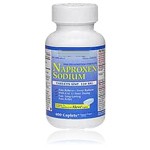
Naprosyn (Naproxen 250mg) represents the long-acting propionic acid NSAID with the lowest cardiovascular risk profile among all commonly used NSAIDs. Originally developed by Syntex Corporation (now part of Roche/Genentech) and FDA-approved in 1976, naproxen established the long-acting NSAID paradigm through its distinctive 12-15 hour half-life enabling twice-daily dosing convenience — a major advantage over shorter-acting propionic acid NSAIDs like ibuprofen requiring 3-4 times daily administration. In 1994, naproxen became available over-the-counter as Aleve (Bayer), further cementing its widespread use. Manufactured as bioequivalent generic under WHO-GMP quality standards, Naprosyn offers proven analgesic, antipyretic, and anti-inflammatory efficacy across a broad range of conditions with the added advantage of CV-safer prescribing — particularly valuable for patients with cardiovascular risk factors requiring NSAID therapy. Available as 250 mg oral tablets — the standard starting and maintenance dose used for arthritis and chronic inflammatory conditions.
Naproxen works through non-selective inhibition of cyclooxygenase (COX-1 and COX-2) enzymes — reducing prostaglandin synthesis at inflammation sites, in the hypothalamic thermoregulation center, and at peripheral pain nociceptors. This produces the classic NSAID triad: analgesia, antipyretic action, and anti-inflammatory action. However, naproxen distinctive advantage lies in its balanced COX-1 and COX-2 inhibition pattern that produces sustained thromboxane A2 blockade — providing mild antiplatelet effect similar to aspirin but reversible. Combined with its long half-life, this pattern translates to a cardiovascular thrombotic event risk that is essentially neutral, distinguishing naproxen from other NSAIDs where CV risk is a concern. Clinical response: pain relief within 1 hour, peak effect at 2-4 hours, consistent 12-hour anti-inflammatory action requiring only twice-daily dosing.
Naprosyn serves broad indications including rheumatoid arthritis, osteoarthritis, ankylosing spondylitis; juvenile idiopathic arthritis; gouty arthritis acute attacks; tendinitis, bursitis, myalgia, arthralgia, neuralgia, ossalgia, radicular pain; primary dysmenorrhea (menalgia); toothache and headache; fever from various causes; upper respiratory tract inflammatory conditions; and adnexitis (pelvic inflammation).
Naprosyn typically dosed 250-500 mg twice daily with food. Peak at 2-4 hours, 12-15 hour half-life. Manufactured under WHO-GMP standards.


Free prescription
Discrete packaging
Have questions?
Quality Assurance

- Osteoarthritis: OA symptomatic treatment of degenerative joint disease;
- Ankylosing Spondylitis: Chronic inflammatory back disease responding to long-acting NSAID;
- Juvenile Chronic Arthritis: Pediatric chronic arthritis in children 2 years and older;
- Gouty Arthritis: Acute gout attacks responding to NSAID therapy;
- Tendinitis: Tendon inflammation from overuse or injury;
- Bursitis: Joint bursa inflammation;
- Myalgia: Muscle pain from various causes;
- Arthralgia: Joint pain from various causes;
- Neuralgia: Nerve pain responding to anti-inflammatory therapy;
- Ossalgia: Bone pain responding to NSAID therapy;
- Radicular Pain: Nerve root pain from radiculopathy;
- Toothache: Dental pain responding to NSAID therapy;
- Headache: Tension and other headache types;
- Primary Dysmenorrhea Menalgia: Painful menstrual periods responding to prostaglandin inhibition;
- Adnexitis: Pelvic inflammatory disease adjunctive therapy;
- Fever Reduction: Fever from various infectious and inflammatory causes;
- Upper Respiratory Tract Inflammatory Conditions: URI-related symptoms;
- Cardiovascular Safer NSAID Option: Preferred for CV-risk patients requiring NSAID;
- Generic Naprosyn Therapy: Bioequivalent generic alternative to brand-name Naprosyn at substantially lower cost.
- Less Joint Pain: Arthritis pain decreases substantially with anti-inflammatory action;
- Less Joint Inflammation: Active joint inflammation reduces through COX blockade;
- Less Joint Stiffness: Morning stiffness improves with sustained anti-inflammatory action;
- Better Joint Mobility: Range of motion improves as inflammation decreases;
- Less Menstrual Pain: Primary dysmenorrhea decreases substantially with prostaglandin blockade;
- Less Muscle Pain: Myalgia from various causes improves;
- Less Tendinitis and Bursitis: Soft tissue inflammation responds well;
- Better Fever Reduction: Antipyretic action effectively reduces fever from various causes;
- Better Twice Daily Convenience: Long half-life enables twice-daily vs 3-4 times daily other NSAIDs;
- Better Medication Adherence: Twice-daily dosing improves compliance;
- Less Cardiovascular Risk: Lowest CV risk NSAID per PRECISION trial - preferred CV-risk patient choice;
- Better Sustained 12 Hour Action: Long duration provides consistent coverage between doses;
- Better Overnight Coverage: Evening dose provides morning stiffness relief;
- Better Osteoarthritis Management: OA patients gain sustained pain and inflammation control;
- Better Rheumatoid Arthritis Control: RA anti-inflammatory therapy improves disease control;
- Better Ankylosing Spondylitis Relief: Chronic back inflammation improves;
- Better Gout Attack Resolution: Acute gouty arthritis responds to NSAID therapy;
- Better Generic Affordability: 85-95% lower cost than brand Naprosyn makes therapy accessible;
- Better Quality of Life: Daily wellbeing improves as arthritis pain and inflammation resolve.
Generic Naprosyn (Naproxen 250 mg) Medication guide:
💊 Naprosyn Long-Acting NSAID With CV Safety Signal
Naprosyn is the brand name for naproxen, a propionic acid class NSAID that occupies a specific and valuable spot in the pain and inflammation toolkit. It is the long-acting cousin of ibuprofen within the same chemical family, with a half-life of about 14 hours rather than 2. That single difference reshapes every practical decision around dosing, missed doses, surgical washout, and daily routine.
What sets Naprosyn apart from every other common oral NSAID is its cardiovascular safety signal. Across the 2013 CNT Collaboration meta-analysis of 280 trials and the 2016 PRECISION Trial of 24,081 arthritis patients, naproxen was the only common NSAID that did not raise major vascular events compared with no NSAID. For patients with existing coronary artery disease, stroke history, or heart failure who still need an oral NSAID, this makes Naprosyn the default comparator rather than ibuprofen or diclofenac.
💊 The Naprosyn family at a glance
Naproxen base (Naprosyn) - 250 mg, 375 mg, 500 mg tablets; prescription use
Naproxen sodium (Anaprox, Aleve) - 220 mg OTC, 275 mg and 550 mg prescription; faster onset
EC-Naprosyn - enteric-coated 375 mg and 500 mg tablets; reduced upper GI exposure
Naprosyn SR - 750 mg sustained release in some global markets; once-daily option
Three facts shape the practical experience of taking Naprosyn. First, the half-life is 12 to 17 hours, which is six to seven times longer than ibuprofen. This supports a twice-daily dosing schedule that is noticeably easier to follow than the three or four doses of ibuprofen. Second, the drug reaches steady-state blood level after 2 to 3 days of consistent dosing, so day one of therapy often feels weaker than day three. Third, the long half-life also means a longer surgical washout (typically 72 hours) and a longer time to clear the drug if a side effect appears.
| 🎯 What Naprosyn treats | Typical adult dose | Response time |
|---|---|---|
| Acute gout flare | 750 mg loading then 250 mg every 8 hours | 2 to 4 hours relief, 48 to 72 hours full control |
| Ankylosing spondylitis | 500 to 1000 mg daily, divided | 1 to 2 weeks for stiffness |
| Rheumatoid arthritis | 500 to 1000 mg daily, twice | 1 to 2 weeks for inflammation |
| Osteoarthritis | 500 to 1000 mg daily, twice | Days to weeks for symptom relief |
| Menstrual cramps | 500 mg loading then 250 mg every 6 to 8 hours | 30 to 60 minutes |
| Tendinitis or bursitis | 500 mg twice daily for 7 to 10 days | Days |
Where Naprosyn earns its reputation most clearly is in chronic inflammatory arthritis. The 12-hour coverage pattern suits conditions where symptoms build overnight and need steady suppression rather than quick redosing. Patients with ankylosing spondylitis who describe severe morning back stiffness often rate naproxen as the most helpful of all the common NSAIDs because an evening dose carries them through the night and into a more mobile morning.
✅ Why Naprosyn remains the specialist choice for CV-risk patients
- CV event-neutral in large meta-analyses (CNT 2013, PRECISION 2016)
- Twice-daily schedule easier to follow than three-times-daily ibuprofen
- Does not interfere with low-dose aspirin cardioprotection the way ibuprofen does
- Lower BP rise than ibuprofen in head-to-head trials
- Covers overnight stiffness windows that short-acting NSAIDs leave open
What Naprosyn does not do well is single-dose acute pain where speed is everything. The slower absorption of the base form (peak at 2 to 4 hours) means naproxen is a slower starter than ibuprofen. For a one-off headache or acute dental pain, ibuprofen or naproxen sodium (the faster-absorbing cousin, discussed in the next section) usually wins. The naproxen base shines in daily inflammatory management, not in the first-tablet-of-the-day race.
⏱️ Why Naproxen Half-Life Stretches to Fourteen Hours
The 14-hour half-life of naproxen is the single most useful number to understand about this drug. It explains the twice-daily dosing. It explains the steady-state ramp. It explains the longer washout and the smoother response. And it is unusual because every other common propionic acid NSAID clears in a fraction of this time.
Half-life describes how long the body takes to eliminate half of a given dose. For ibuprofen the number is about 2 hours, which means blood level falls off quickly and dosing must repeat every 4 to 6 hours to keep the enzyme blocked. For naproxen the half-life stretches to 12 to 17 hours in a healthy adult, which means a single dose at 8 am still has a therapeutic concentration at bedtime. One evening dose keeps the enzyme blocked through the night.
⏱️ Naproxen blood level across a day with 500 mg twice daily
Naproxen never falls into a deep trough. Even at 8 am before the next tablet, blood level sits in the therapeutic range. Compare with ibuprofen, where level would be essentially zero by that time.
Why does the half-life differ so much between two drugs in the same chemical family? Three structural factors. First, naproxen is more strongly protein-bound than ibuprofen, which keeps more drug circulating in blood for longer. Second, naproxen is metabolized more slowly by liver enzymes. Third, naproxen is excreted more slowly through the kidneys because of how it is renally handled. The combination triples the exposure window from a single dose.
🔄 What the long half-life means in daily practice
1. Steady-state in 2 to 3 days. First few doses feel weaker than later ones because the enzyme is still catching up to blocking state
2. Missed-dose forgiveness. If you forget the morning dose by 4 hours, you still have therapeutic drug on board; the catch-up dose carries less penalty than with ibuprofen
3. Night coverage. Patients with morning stiffness benefit most because an evening dose remains active through 7 am
4. Longer surgical hold. The flip side; expect 3 days of hold before surgery rather than the 24 hours for ibuprofen
5. Delayed off-switch. If a side effect appears, blood level takes 2 to 3 days to drop to negligible once you stop
The steady-state concept deserves one more sentence because it affects how patients perceive the drug. On day one of 500 mg twice daily, blood naproxen rises but has not yet accumulated. By day three it is at its full therapeutic plateau. Patients who stop the drug after one or two doses because it is not working yet are stopping before the drug has fully arrived. A proper trial of naproxen for inflammatory arthritis is at least a week at a steady dose.
Food and antacids barely change the shape of this curve. Taking naproxen with a meal pushes the peak out slightly but does not reduce total exposure. For patients with GI tolerance issues, this means food-timing adjustments help without reducing effectiveness, which is a different relationship than with some other NSAIDs where food meaningfully reduces potency.
🔄 Naproxen Base Versus Naproxen Sodium Formulations
Naproxen comes in two chemical forms that look similar but behave meaningfully differently. The free acid form (sold as Naprosyn) is the standard prescription product and the one covered through most of this guide. The sodium salt form (sold as Anaprox in prescription and Aleve over the counter) is the same active drug paired with a sodium ion, which changes how fast it hits the bloodstream and how it feels in the first hour.
The underlying active molecule is the same in both forms. Naproxen base and naproxen sodium are converted into the same circulating drug after absorption. The only pharmacological difference is onset speed, which comes from how each form dissolves in the stomach and small intestine.
🧬 Naproxen base versus naproxen sodium
Naproxen base (Naprosyn 250, 375, 500) - peak blood level at 2 to 4 hours, onset of analgesia at 60 to 90 minutes
Naproxen sodium (Anaprox 275, 550 / Aleve 220) - peak blood level at 1 to 2 hours, onset of analgesia at 30 to 60 minutes
Dose equivalence: 220 mg sodium = 200 mg base; 275 mg sodium = 250 mg base; 550 mg sodium = 500 mg base
The faster onset of naproxen sodium matters for acute pain scenarios: tension headache, menstrual cramps, acute dental pain. For these the sodium form is a better pick because the first hour is where it earns its keep. For chronic inflammatory conditions such as ankylosing spondylitis or rheumatoid arthritis, the difference evaporates. At steady state after 2 to 3 days of twice-daily dosing, blood levels look identical from either form.
Patients who buy Aleve over the counter often do not realize they are taking the sodium form, and prescribers sometimes miss that a patient on daily OTC Aleve is already on naproxen when they prescribe Naprosyn on top. This is one of the most common double-dosing mistakes with this drug class. A patient taking 220 mg Aleve twice daily plus 500 mg Naprosyn twice daily is at 1440 mg naproxen daily, which approaches the prescription ceiling.
| Formulation | Status | Primary use | Daily maximum |
|---|---|---|---|
| Aleve 220 mg (sodium) | OTC | Occasional pain, menstrual cramps, headache | 660 mg (3 tablets, OTC limit) |
| Naprosyn 250 mg (base) | Rx | Mild arthritis, pediatric JIA (weight-based) | 1500 mg prescription ceiling |
| Naprosyn 375 mg (base) | Rx | OA, mild RA | 1500 mg |
| Naprosyn 500 mg (base) | Rx | RA, AS, gout flare, moderate OA | 1500 mg |
| Anaprox 275, 550 (sodium) | Rx | Acute pain, dysmenorrhea with fast onset | 1650 mg sodium = 1500 mg base |
| EC-Naprosyn 375, 500 | Rx | Daily use with upper GI sensitivity | 1500 mg |
⚠️ Why the sodium content matters for some patients
A single 500 mg tablet of naproxen sodium (Anaprox 550 or two Aleve 220) contains roughly 50 mg of sodium. For patients on sodium-restricted diets for heart failure, cirrhosis, or chronic kidney disease, this can matter over the course of a day. Patients on a 2000 mg daily sodium limit who are also on naproxen sodium twice daily are consuming about 5 percent of their daily sodium from the medication alone. For strict sodium restriction, switch to the naproxen base form (Naprosyn).
Enteric-coated naproxen (EC-Naprosyn) is a third variation worth knowing about. The coating protects the tablet from stomach acid and releases the drug in the small intestine. This reduces upper GI complaints such as heartburn and dyspepsia but does not reduce the systemic ulcer risk, which comes from COX-1 blockade in the bloodstream, not from direct tablet contact. EC-Naprosyn is useful for patients whose main complaint is stomach discomfort rather than true ulcer risk; for ulcer risk the right answer is still PPI co-therapy.
🔬 How Naproxen Blocks COX Enzymes and Platelets
Naproxen blocks the same two enzymes as every other common NSAID: cyclooxygenase-1 (COX-1) and cyclooxygenase-2 (COX-2). These are the two forms of the enzyme that converts the fatty acid building blocks of cell membranes into prostaglandins, the family of signaling molecules that drive pain, swelling, and fever. The blockade is reversible and competitive, which means naproxen sits in the enzyme pocket for several hours and then leaves as the drug clears.
What makes naproxen different from ibuprofen or diclofenac is not the enzyme target. The target is identical. The difference is in how long and how balanced the blockade is at the two enzyme forms, and in how the blood-level profile shapes effect on platelets and vascular prostaglandins.
🔬 The three COX-related effects worth tracking
COX-2 blockade in inflamed tissue — what you want: pain down, swelling down, fever reset
COX-1 blockade in platelets — naproxen suppresses thromboxane A2 across the dosing interval, which is why it does not raise CV events the way shorter NSAIDs do
COX-1 blockade in the stomach lining — the price: more GI exposure than ibuprofen for the same analgesic strength
The platelet piece is the critical insight into why naproxen is CV-neutral in large trials. Platelets have no nucleus and depend on COX-1 to make thromboxane A2, a molecule that promotes clotting. Blocking COX-1 reduces thromboxane output and dampens platelet activation. The irreversible aspirin effect does this permanently; naproxen does it reversibly, but because the drug is on board for 12 hours of a 12-hour dosing cycle, platelet function stays suppressed across almost the entire interval. The result is a mild aspirin-like effect that is thought to protect against vascular events.
The vascular endothelium piece is the other half of the story. Endothelial COX-2 produces prostacyclin, which keeps blood vessels relaxed and platelets quiet. Short-acting NSAIDs can unbalance this ratio by blocking endothelial prostacyclin at some times and letting platelet thromboxane recover at others, which is thought to drive the CV risk seen with diclofenac and high-dose ibuprofen. Naproxen keeps both sides suppressed in a more balanced way across the dosing window.
💡 Doctor Pearl
Naproxen is often described as having a mild aspirin-like antiplatelet effect during the dosing interval, but it is not a substitute for daily aspirin in patients with established coronary artery disease. The reversible nature of the blockade means that the moment naproxen is held (for surgery, illness, missed dose), platelet function recovers within 24 to 48 hours. Patients who need durable antiplatelet protection for CV disease should stay on aspirin or clopidogrel, with naproxen added for pain if needed.
The practical window of blockade in a steady-state naproxen user looks very different from an ibuprofen user. Blood level peaks 2 to 4 hours after each dose, holds therapeutic concentration for most of the 12-hour interval, and dips only shortly before the next tablet. The patient feels this as smooth coverage without troughs, which is the single most useful functional advantage of the drug.
Reversibility applies to every effect of naproxen. If the drug is stopped, platelet function recovers within 2 to 3 days, kidney prostaglandin production recovers in the same window, and GI mucosal defense returns to baseline over about a week. This is why the washout math is longer than for ibuprofen but still bounded; nothing about naproxen is permanent.
💊 Naprosyn Strengths Formulations and EC-Naprosyn
Naprosyn tablets exist in several strengths worldwide. In the United States the prescription forms are 250 mg, 375 mg, and 500 mg of naproxen base. In other markets you may encounter 275 mg and 550 mg of naproxen sodium (Anaprox strengths), 220 mg sodium over the counter (Aleve), and 750 mg sustained-release tablets. Each strength targets a specific use and the right pick depends on the condition, not habit.
The step-up ladder below shows the most useful adult strengths and when each one fits. Note that the daily ceiling of 1500 mg naproxen base (or about 1650 mg naproxen sodium) applies across the entire range. More does not mean better; the risk-benefit curve tilts steeply upward above this ceiling.
| Strength | Primary use | Schedule |
|---|---|---|
| Aleve 220 mg (sodium) | Occasional headache, menstrual pain, muscle ache | 1 tablet every 8 to 12 hours, OTC cap 660 mg daily |
| Naprosyn 250 mg | Mild OA, pediatric JIA (weight-based) | 250 mg twice daily to 250 mg three times daily |
| Naprosyn 375 mg | OA, mild RA | 375 mg twice daily |
| Naprosyn 500 mg | RA, AS, gout flare, moderate OA | 500 mg twice daily; gout flare opens with 750 mg loading |
| Anaprox 550 (sodium) | Acute pain, dysmenorrhea, dental pain | 550 mg twice daily, faster onset than base |
| EC-Naprosyn 500 | Chronic daily use with heartburn or dyspepsia | 500 mg twice daily, released in small intestine |
| Naprelan 750 (SR) | Patients who struggle with twice-daily schedule | 750 mg once daily (not available in all markets) |
The starting dose for most inflammatory arthritis conditions is 500 mg twice daily, which lands squarely in the therapeutic sweet spot. Lower doses (500 mg daily or 250 mg twice daily) are reasonable for occasional pain or in older adults. Higher doses (750 mg twice daily) are off-label and should not be used without specialist supervision.
🔄 How dose and schedule interact
500 mg twice daily (1000 mg total) is the most common adult dose and the one tested across every major naproxen trial
500 mg three times daily (1500 mg total) is the maximum and only used for acute severe flares
Three times daily above 1500 mg total is above the ceiling and should not be used
Once-daily SR (Naprelan 750) works but is harder to find; blood level peaks and troughs are slightly deeper
EC-Naprosyn deserves specific mention because patients often confuse upper GI protection with ulcer protection. The enteric coating prevents the drug from dissolving in the stomach, which reduces direct contact irritation. It does not change the systemic COX-1 blockade that drives most clinically important GI complications. Patients with heartburn and dyspepsia often feel better on EC-Naprosyn; patients with prior ulcer disease still need PPI co-therapy regardless of the formulation.
Pediatric naproxen is used almost exclusively for juvenile idiopathic arthritis under rheumatology care. The dose is 10 mg per kg per day in two divided doses, up to 1000 mg daily, with the oral suspension (125 mg per 5 mL) as the usual delivery form. This indication is covered in detail in a dedicated section later in the guide.
🎯 PRECISION Trial Twenty-Four Thousand Patient Head-to-Head
The 2016 PRECISION Trial is one of the most useful pieces of evidence in the modern NSAID world. The trial was designed to settle a long-running question: does celecoxib (a COX-2 selective drug long suspected of raising CV events) carry more CV risk than ibuprofen or naproxen (the two most used nonselective NSAIDs)? The answer was more complicated and more useful than anyone expected.
The design was clean. 24,081 arthritis patients with elevated CV risk were randomized to celecoxib 100 to 200 mg twice daily, ibuprofen 600 to 800 mg three times daily, or naproxen 375 to 500 mg twice daily, with mean follow-up of 20 months. Primary endpoint: CV death, non-fatal MI, or non-fatal stroke. Every patient received standard-of-care PPI co-therapy to protect the stomach so that CV risk could be assessed cleanly.
🎯 PRECISION Trial headline CV findings
Celecoxib (100 to 200 mg BID)
Naproxen (375 to 500 mg BID)
Ibuprofen (600 to 800 mg TID)
Both celecoxib and naproxen tracked lower for cardiovascular events than ibuprofen in a trial of CV-risk arthritis patients. The headline for naproxen was that it held CV risk at essentially background levels.
Three secondary findings from PRECISION shaped the modern naproxen position. First, BP control was better on naproxen than on ibuprofen at steady state. Naproxen patients had a lower rate of new-onset hypertension and smaller systolic rises. Second, GI serious events were higher on naproxen than on celecoxib even with PPI co-therapy, which is the counterpart trade. Third, renal adverse events were lowest on celecoxib, intermediate on naproxen, and highest on ibuprofen.
The practical interpretation is a three-way trade-off, which is why clinicians now discuss NSAIDs in terms of CV risk, GI risk, and renal risk for each patient:
| Patient profile | PRECISION-informed choice |
|---|---|
| Prior MI, CAD, or elevated CV risk; no major GI history | Naproxen with PPI co-therapy |
| Prior GI ulcer or bleed; mild CV picture | Celecoxib with PPI co-therapy |
| CKD stage 3 or diuretic-dependent; mixed other factors | Celecoxib preferred, or avoid oral NSAID |
| Low risk across the board; short course needed | Any class acceptable; ibuprofen often used by default |
✅ What PRECISION did not conclude
PRECISION did not show that any NSAID is safe for all patients. The absolute event rates were low but non-zero across all three drugs
PRECISION did not compare high-dose ibuprofen (2400 mg daily) against higher-dose naproxen. The ibuprofen arm averaged 2045 mg daily, below the usual OTC cap patients cross on their own
PRECISION did not cover patients younger than 55 or with low CV risk; the findings extrapolate but have not been tested there
PRECISION did not support short-term NSAID use decisions; it addresses the daily-use population
The one more useful piece of context: PRECISION was criticized at publication for including a lot of participants who stopped the study drug or switched arms. The intent-to-treat analysis still showed the pattern described above, but the magnitude of the differences may be understated in populations who stay strictly on their assigned therapy. If anything, this strengthens rather than weakens the naproxen signal.
📊 CNT Collaboration Two Hundred Eighty Trial Analysis
The 2013 CNT Collaboration meta-analysis is the second large body of evidence that places naproxen in a different CV safety category from the rest of the NSAID class. Where PRECISION was a single large trial, CNT was an individual-patient data meta-analysis of 280 trials and 353,809 person-years of exposure. The scale and the method (individual patient data rather than summary estimates) make it the most authoritative source on NSAID vascular safety.
The analysis was coordinated by the Oxford CNT (Coxib and traditional NSAID Trialists) group and published in Lancet 2013 (382:769-779). It compared each major NSAID against placebo and against the other NSAIDs for the following vascular endpoints: major vascular events (CV death, non-fatal MI, non-fatal stroke), major coronary events, stroke subtype, and vascular death. The findings were striking in their asymmetry.
📊 CNT Collaboration vascular event increases versus placebo
Diclofenac 150 mg daily
Ibuprofen 2400 mg daily
Coxibs (celecoxib, etoricoxib)
Naproxen 1000 mg daily
Naproxen stood out as the only common NSAID that did not increase major vascular events compared with placebo. The absolute event difference per 1000 patients per year was close to zero.
The mechanism behind the naproxen difference is thought to come back to the long half-life. Because naproxen suppresses platelet COX-1 across almost the entire 12-hour dosing interval, platelet thromboxane generation stays low, and the drug behaves somewhat like a mild reversible aspirin at the vascular level. Diclofenac, ibuprofen, and coxibs do not maintain this platelet suppression consistently through their dosing cycles, which is thought to leave windows where thromboxane recovers and the vascular balance tips toward thrombosis.
Two implications follow directly for practice. First, when an NSAID is required for daily use in a patient with established CV disease, naproxen is the default comparator rather than ibuprofen or diclofenac. Clinicians who prescribe differently should have a specific reason that outweighs the vascular signal. Second, when a patient on daily ibuprofen or diclofenac develops a cardiac event or has an elevated CV risk score reassessed, switching to naproxen is a defensible step that may reduce exposure to repeat events.
💡 The CNT finding in one sentence
Across 280 randomized trials covering more than 350,000 person-years of exposure, naproxen was the only common NSAID that did not raise the risk of major vascular events compared with no NSAID. The other NSAIDs raised risk by about one third at usual doses.
Important caveats. The CNT analysis mostly covered chronic daily use at trial doses. It does not strictly extrapolate to short-term NSAID use for a weekend sprain, which carries much lower absolute risk from any NSAID. It also compared steady-state daily use, so the signal reflects what happens when a drug is taken for weeks or months, not what happens with occasional dosing.
A separate signal from CNT worth mentioning: all NSAIDs including naproxen raised heart failure hospitalization by about one third. This is a prostaglandin-and-fluid-retention effect that applies across the class. The CV safety of naproxen does not extend to heart failure, which is why patients with Class III or IV heart failure should not use any oral NSAID including naproxen without specialist review.
🎯 What Naprosyn Is FDA-Approved to Treat
Naprosyn carries one of the broader FDA indication lists in the NSAID class, reflecting decades of trial work in inflammatory arthritis, acute pain, and crystalline arthropathies. The approved uses are listed below, grouped by category, with typical adult doses as orientation rather than individual prescriptions.
🎯 FDA-approved adult indications
Rheumatoid arthritis - symptom relief, 250 to 500 mg twice daily (1000 to 1500 mg daily maximum)
Osteoarthritis - symptom relief, 250 to 500 mg twice daily
Ankylosing spondylitis - inflammatory back and axial symptoms, 500 to 1000 mg daily in divided doses
Acute gout flare - 750 mg loading dose then 250 mg every 8 hours until symptoms resolve
Acute tendinitis and bursitis - 500 mg twice daily for 7 to 10 days
Primary dysmenorrhea - 500 mg loading dose then 250 mg every 6 to 8 hours
Mild to moderate pain - 500 mg initial then 250 mg every 6 to 8 hours
Fever reduction - 500 mg initial then 250 mg every 6 to 8 hours
For pediatric patients, FDA approval covers juvenile idiopathic arthritis at 10 mg per kg per day in two divided doses, up to 1000 mg daily. The oral suspension (125 mg per 5 mL) is the usual form for children. This JIA indication is one of the few places where oral naproxen is used routinely in children; pediatric fever and pain are generally better covered by acetaminophen or ibuprofen because of the long half-life and GI exposure of naproxen.
| Common off-label use | Evidence quality | Typical dose |
|---|---|---|
| Migraine without aura | Strong (several randomized trials) | 500 mg at onset, repeat at 2 hours if needed |
| Pericarditis | Moderate (ICAP trial family) | 500 to 750 mg every 12 hours with colchicine |
| Chronic low back pain flare | Moderate (NSAID class benefit) | 500 mg twice daily for 1 to 2 weeks |
| Psoriatic arthritis symptom control | Strong (NSAID adjunct to DMARDs) | 500 mg twice daily |
| Reactive arthritis | Moderate | 500 mg twice daily |
| Preventive migraine | Weak; not first-line | 250 mg twice daily, specialist-directed |
Where naproxen is not the right NSAID is in two specific areas. First, fast-onset single-dose acute pain: ibuprofen or naproxen sodium (not naproxen base) absorbs faster and reaches analgesic effect sooner. For a one-off headache or a dental extraction, naproxen base lags by 30 to 60 minutes compared to the sodium form. Second, pediatric fever management: ibuprofen and acetaminophen are better suited to febrile children because of their shorter half-life, pediatric OTC availability, and larger safety database in young children.
🚫 What Naprosyn does not treat
- Nerve pain (sciatica, trigeminal neuralgia, diabetic neuropathy) as monotherapy
- Visceral pain of unknown origin until the cause is identified
- Chronic headache syndromes (hemicrania continua responds to indomethacin, not naproxen)
- Infection — it lowers fever but does not treat the underlying bacteria or virus
- Depression, anxiety, insomnia — despite rare experimental use for mood
The sections ahead walk through the dosing schedule, the condition-specific uses that make Naprosyn distinctive (acute gout, ankylosing spondylitis, tendinitis), the full safety profile including the famous lithium interaction, and the practical daily routine for a patient on long-term naproxen. The CV safety and long half-life themes from the opening sections will keep appearing because they shape almost every practical rule.
⏰ Naprosyn Twice-Daily Schedule and When to Deviate
The naproxen dosing schedule is one of the cleanest in the NSAID class. Twice daily, 12 hours apart, with meals. That is the backbone that works for most adult indications. The variations around this baseline come from acute flares (which may need an opening loading dose), older adults (who often do well on once daily), and specific conditions where thrice-daily dosing is justified for a limited window.
The 500 mg twice daily standard regimen gives 1000 mg of naproxen base per day. This is the dose tested across most osteoarthritis, rheumatoid arthritis, and ankylosing spondylitis trials. It fits most adults, maintains the long-half-life advantage, and keeps the daily total well below the 1500 mg prescription ceiling.
⏰ The naproxen schedule logic in four points
1. Twelve-hour spacing matches the half-life; blood level stays therapeutic across the interval
2. Fixed clock times (8 am and 8 pm, or 7 am and 7 pm) beat as-needed dosing for chronic conditions
3. Take with food for GI tolerance; absorption shape is unchanged by meals
4. Steady state at day 3 — do not judge effectiveness before day 3 of consistent dosing
| Condition | Opening dose | Maintenance | Duration |
|---|---|---|---|
| Osteoarthritis flare | 500 mg twice daily | 250 to 500 mg twice daily | 2 to 4 weeks or ongoing |
| Rheumatoid arthritis | 500 mg twice daily | 500 mg twice daily with PPI | Months during DMARD ramp-up |
| Ankylosing spondylitis | 500 mg twice daily | 500 mg twice daily with evening dose heavier | Chronic |
| Acute gout flare | 750 mg loading | 250 mg every 8 hours | 5 to 7 days |
| Menstrual cramps | 500 mg loading | 250 mg every 6 to 8 hours | 2 to 3 days per cycle |
| Tendinitis or bursitis | 500 mg twice daily | Same | 7 to 10 days |
The loading dose deserves a note because it is specific to naproxen among the common NSAIDs. For acute conditions where fast suppression matters (gout flare, severe menstrual cramps, acute tendinitis), the opening dose is usually double the maintenance dose. The loading dose accelerates the climb to steady state and shortens the time to meaningful relief by roughly half a day. After the loading dose, the schedule reverts to twice-daily or three-times-daily maintenance.
Missed-dose rules differ from short-acting NSAIDs because of the half-life. If a scheduled dose is missed by under 4 hours, take it and continue the schedule. If more than 4 hours have passed but less than 8 hours before the next scheduled dose, skip it and resume at the next scheduled time. The remaining blood level is still therapeutic in most cases, so skipping once a day is less punishing than it would be with ibuprofen.
🔄 The three-times-daily option
For acute severe flares (gout, pericarditis, severe tendinitis), 250 mg every 8 hours for a limited window gives slightly smoother coverage than 500 mg every 12 hours and lets you reach the 1500 mg daily ceiling if the condition demands it. Three times daily is not a maintenance schedule for naproxen; the long half-life makes it unnecessary beyond the first 5 to 7 days of an acute condition.
For patients who need an even simpler schedule, Naprelan 750 (sustained release) provides once-daily dosing. The 750 mg sustained-release tablet releases drug over several hours and matches the exposure of two 375 mg doses. Blood level peaks slightly deeper than twice-daily dosing but holds therapeutic concentration across the full 24 hours. The trade is availability (not sold in every market) and slightly higher cost compared with generic naproxen base.
🍽️ Taking Naprosyn With Food Water and Antacids
Taking naproxen with food is one of those pieces of advice that has drifted over the years. Early labels said always take with food. More recent clinical experience says take with food for comfort, not for safety, because the systemic ulcer risk is driven by COX-1 blockade in the bloodstream rather than by direct tablet contact with the stomach lining.
Food affects naproxen in two measurable ways. First, it slows absorption slightly: peak blood level shifts from 2 hours (fasting) to about 3 to 4 hours (with a meal). Second, it reduces upper GI symptoms such as heartburn and dyspepsia because the stomach is not empty when the tablet dissolves. What food does not change is total exposure, which stays the same with or without a meal.
✅ Practical rules for taking Naprosyn
With food if you have any history of dyspepsia or heartburn — this reduces local discomfort
Full glass of water (240 mL) with every dose — keeps the tablet from sitting in the esophagus
Do not lie down for 10 minutes after taking a dose — prevents reflux-related irritation
For acute pain where speed matters (gout flare, dental pain), you can take the first dose on an empty stomach for faster onset and switch to food-timing after that
Milk and dairy neither accelerate nor interfere with naproxen absorption meaningfully. Antacids containing magnesium hydroxide can slow naproxen absorption by about 30 percent if taken simultaneously, but they do not block it. If you take antacids for other reasons, space them at least 2 hours from the naproxen dose for maximum effect of each.
Enteric-coated Naprosyn (EC-Naprosyn) is designed to pass through the stomach without dissolving. For this form, food timing does not matter for the stomach because the drug does not release until the small intestine. The usual rule to take with food still applies for general tolerance, but patients on EC-Naprosyn can be more flexible than patients on the standard tablet. One warning: do not crush, chew, or split enteric-coated tablets, because that destroys the coating and defeats the purpose.
⚠️ Signs that food timing alone is not enough
If you develop the following despite taking naproxen with food, the problem is not timing and food will not fix it:
- Pain or burning that wakes you from sleep
- Nausea that progresses over several days
- Dark stool or coffee-ground vomit (emergency)
- Unexplained fatigue or paleness (possible slow bleed)
These signals indicate a possible ulcer or GI bleed, which is a systemic COX-1 effect that food timing does not prevent. Stop the drug and see a clinician promptly.
Alcohol is covered in a dedicated section later in the guide, but one food-related point fits here: taking naproxen with a glass of wine or a beer at a meal is not strictly a food issue, but it compounds the GI stress on the stomach lining. The combination is tolerable for most occasional users and should be avoided when daily high-dose naproxen is on board. If you drink regularly with meals, keep PPI co-therapy in the daily routine.
One last practical note: caffeine does not interact meaningfully with naproxen. Coffee, tea, and most caffeinated drinks are fine. Some combined headache remedies pair naproxen sodium with caffeine (not a Naprosyn-brand product but a common OTC category), and the combination is reasonable for migraine when caffeine withdrawal is one of the triggers.
🚨 Naprosyn for Acute Gout Flare Management
Acute gout flare is one of the most painful conditions in internal medicine. The attack starts suddenly, often overnight, with intense red swelling in a single joint, usually the big toe. The underlying cause is monosodium urate crystals precipitating in the joint and triggering a dramatic inflammatory response. Naprosyn is one of three first-line options for stopping the attack, listed alongside colchicine and oral corticosteroids by the 2020 ACR Gout Guideline.
What makes naproxen especially useful for gout is the combination of fast steady-state climb, strong anti-inflammatory potency, and CV safety signal. Gout patients disproportionately have CV comorbidity, so a short course of naproxen avoids the heart risk that comes with high-dose diclofenac or ibuprofen while still breaking the flare.
🎯 The ACR 2020 naproxen gout flare protocol
Hour 0 - 750 mg loading dose with a full glass of water and a snack
Hour 8 - 250 mg (first maintenance dose)
Hour 16 - 250 mg
Continue 250 mg every 8 hours for a total of 5 to 7 days or until symptoms resolve plus 48 hours
Taper off abruptly; no gradual reduction needed because the half-life handles it
The 750 mg loading dose is specific to gout and worth understanding. Standard twice-daily dosing takes 2 to 3 days to reach steady state, which is too slow for a gout flare that peaks at 24 to 48 hours. The loading dose jumps the patient to therapeutic blood level in the first few hours, which is the window where the inflammation is still escalating. Pain usually eases within 4 hours of the loading dose, with meaningful swelling reduction by 24 hours.
💡 Doctor Pearl
Start naproxen at the first twinge of a gout flare, not when it has fully developed. Patients who have had previous flares know the early warning: a vague ache, warm feeling, or stiffness in the usual joint, hours before full pain hits. Taking the 750 mg loading dose at that first signal can abort the flare before it fully develops in about half of cases.
Three practical considerations shape naproxen use for gout. First, do not start allopurinol during an acute flare; it can prolong the attack by shifting urate crystal balance. Allopurinol or febuxostat is for prevention, not for the acute window. Second, colchicine 0.6 mg once or twice daily can be combined with naproxen if the flare is severe and starts within the first 36 hours. Third, if a patient on daily low-dose aspirin develops gout, keep the aspirin going and add naproxen; the two coexist safely with the usual timing considerations.
| When naproxen is NOT the right choice for gout | Alternative |
|---|---|
| Severe chronic kidney disease (eGFR under 30) | Oral prednisone 30 to 40 mg daily, 5-day course |
| Active peptic ulcer or recent GI bleed | Intra-articular corticosteroid or oral prednisone |
| Severe heart failure (NYHA Class III to IV) | Oral prednisone, specialist supervision |
| On therapeutic warfarin or DOAC | Oral prednisone or colchicine alone |
| Pregnancy at any trimester after 20 weeks | Oral prednisone (safest in pregnancy) |
Expectation setting for patients: a typical naproxen course for gout breaks the flare over 24 to 72 hours and then the drug is continued for 2 to 3 more days to prevent rebound. The joint may remain mildly swollen for a week after naproxen stops because resolving a gout flare is a slow process even after inflammation is suppressed. Full return to normal mobility often takes 7 to 10 days from flare onset.
Recurrent gout patients should discuss uric-acid-lowering therapy (allopurinol or febuxostat) with their clinician once the acute flare has fully resolved. Naproxen is for the attack; it does not prevent the next one. Patients with two or more flares a year, or with uric acid above 7 mg per dL, are candidates for daily prevention that reduces attack frequency to near zero over 6 to 12 months of consistent therapy.
🦴 Naprosyn for Ankylosing Spondylitis and Axial Disease
Ankylosing spondylitis (AS) is a chronic inflammatory arthritis of the spine and sacroiliac joints. Unlike peripheral arthritis, which attacks hands and knees, AS attacks the axial skeleton: the lower back, the pelvis, and sometimes the chest wall and neck. The hallmark feature is inflammatory back pain that is worst in the early morning after a night of rest and improves with movement during the day. Naproxen is the preferred NSAID for this condition.
The ASAS-EULAR 2022 recommendations rank NSAIDs including naproxen as first-line pharmacological therapy for AS. The reasoning: in multiple head-to-head and placebo trials, continuous NSAID therapy slows radiographic progression of ankylosing spondylitis in addition to controlling symptoms. Few other drug classes do this; biologics (anti-TNF, IL-17 blockers) are the other main option but are reserved for patients who do not respond adequately to NSAIDs.
🦴 The AS naproxen regimen
Standard dose: 500 mg twice daily, 12 hours apart, with meals
Evening-weighted dose: 500 mg at 8 am, 750 mg at 8 pm — covers overnight inflammation window
Flare dose: 500 mg three times daily during severe flares, maximum 1500 mg daily
PPI co-therapy: standard practice because the course is chronic
Minimum trial: 4 weeks at adequate dose before judging whether NSAID is working for this patient
The evening-weighted dose is one of the specific advantages that naproxen offers for AS. Patients with AS describe their worst symptoms in the early morning: back stiffness lasting more than 30 minutes, trouble getting out of bed, difficulty bending to put on shoes. An evening dose at 7 pm or 8 pm, loaded slightly heavier than the morning dose, bridges the overnight inflammation window and often cuts morning stiffness noticeably.
What AS patients should expect from a proper naproxen trial: pain and stiffness improvement within 1 to 2 weeks, better range of motion in the lower back within 2 to 4 weeks, and reduced flare frequency over several months. Patients who do not respond adequately after a 4-week trial of 500 mg twice daily can consider dose escalation to 500 mg three times daily for another 4 weeks before switching NSAID class or escalating to biologic therapy.
💡 Doctor Pearl
For AS patients, continuous NSAID use often beats as-needed use for slowing radiographic progression. This is one of the few conditions where daily NSAID beyond symptom control is justified. The trade is lifelong PPI co-therapy and periodic monitoring of BP, kidney function, and GI symptoms. A conversation about this trade-off is the right path, not a default to take it only when it hurts.
Supportive therapy multiplies the benefit of naproxen in AS. The two most useful adjuncts are daily spine stretching and physical therapy, which maintain flexibility and reduce the long-term risk of spinal fusion, and smoking cessation, because smoking accelerates AS progression independent of any medication. Patients on naproxen for AS who also do daily stretching and have quit smoking usually report meaningfully better function than medication-only patients.
| AS-specific marker | Why it matters | Monitoring interval |
|---|---|---|
| BASDAI (Bath AS Disease Activity Index) | Patient-reported activity score 0 to 10 | Every 3 months |
| Modified Schober test | Objective measure of spinal flexion | Every 6 months |
| CRP (C-reactive protein) | Lab marker of systemic inflammation | Every 3 to 6 months |
| HLA-B27 (one-time) | Confirms AS diagnosis; present in 90% of AS | Once at diagnosis |
If BASDAI remains above 4 after a proper NSAID trial, or CRP remains elevated despite symptom improvement, that is the signal for the rheumatologist to escalate to a biologic agent. Naproxen alone cannot carry severe AS indefinitely, and continuing beyond the point of inadequate response is not a kindness. The clean handoff from NSAID to biologic therapy is one of the strengths of modern AS care.
💊 Naprosyn for Rheumatoid Arthritis Daily Management
Rheumatoid arthritis (RA) is a chronic autoimmune disease that attacks joint linings and produces persistent symmetric inflammation, typically starting in the hands and wrists before spreading to larger joints. The modern RA treatment strategy relies on disease-modifying antirheumatic drugs (DMARDs) such as methotrexate and biologics such as adalimumab or rituximab to stop the underlying disease process. Naproxen does not alter the course of RA. What it does is manage the symptomatic pain and inflammation between DMARD effects.
Where naproxen fits in the RA toolkit is as a bridge drug. It covers the first weeks of a DMARD ramp-up when the disease-modifying effect has not yet taken hold. It covers acute flares that break through DMARD therapy. It covers the chronic low-grade joint pain in patients whose RA is otherwise well controlled but who still have damaged joints that ache with activity.
💊 The RA naproxen regimen
Starting dose: 500 mg twice daily with meals
Taper target: drop to 250 mg twice daily once DMARDs take hold (typically 8 to 12 weeks)
Flare dose: return to 500 mg three times daily for 5 to 7 days during an acute flare
PPI co-therapy: standard at these doses, especially over age 55 or on daily corticosteroid
Hold before weekly methotrexate: 12 hours before and 12 hours after the methotrexate dose
The EULAR 2023 Recommendations for rheumatoid arthritis treat NSAIDs as symptomatic adjuncts, not primary therapy, and single out naproxen for CV-safer long-term use. The guidance language is deliberate: use the lowest effective dose for the shortest necessary time, with the understanding that chronic NSAID use carries measurable GI and renal risk even when the CV signal is minimal.
Where naproxen earns its keep in RA is morning stiffness. RA stiffness lasts more than 30 minutes after waking and often more than an hour. An evening naproxen dose carries through the night and reduces the stiffness window substantially by morning. Patients who build this into a 7 pm or 8 pm dose often rate it as one of the most useful functional interventions they have made.
💡 Doctor Pearl
If an RA patient on methotrexate is also on daily naproxen, hold the naproxen for 12 hours before and 12 hours after the weekly methotrexate dose. NSAIDs reduce methotrexate renal clearance and can double its blood level, which raises bone marrow toxicity. The one-day gap is short enough to be practical and reliable enough to be meaningful.
Several interactions matter particularly in the RA population. Low-dose aspirin (common in RA patients over 60 for CV prevention) does not have the timing problem with naproxen that it has with ibuprofen, because naproxen keeps COX-1 blocked across most of the dosing interval. Corticosteroids (prednisone 5 to 10 mg daily is common in RA) multiply the GI risk when combined with naproxen, and the combination strongly benefits from PPI protection. Biologic DMARDs do not interact pharmacokinetically with naproxen but share immune suppression, which can mask the fever of an infection.
| RA situation | Naproxen position |
|---|---|
| Newly diagnosed, DMARD not yet started | 500 mg twice daily as bridging therapy |
| DMARD working, mild residual pain | 250 mg twice daily or as-needed |
| RA flare on established DMARD | 500 mg three times daily for 7 days |
| Elderly patient with mild RA plus CV disease | Prefer naproxen over other NSAIDs; add PPI |
| RA plus daily aspirin for CV prevention | Naproxen OK; no timing concern unlike ibuprofen |
| RA plus active peptic ulcer disease | Switch to celecoxib or avoid NSAID entirely |
Patients should not use naproxen to hide RA flare progression. If more and more drug is needed to control symptoms, the right conversation is with the rheumatologist about DMARD adjustment, not with the pharmacist about higher naproxen doses. A flare that cannot be controlled on 1000 mg daily naproxen within a week is a signal that the underlying disease needs attention, not that the NSAID needs to be stronger.
🦾 Naprosyn for Osteoarthritis Mobility and Function
Osteoarthritis (OA) is a mechanical joint wear condition rather than an autoimmune one. Cartilage breaks down over years of use, the underlying bone remodels, and secondary inflammation amplifies the pain. Naproxen helps with the inflammatory component rather than the structural problem. For most OA patients the drug is a tool to maintain daily function and mobility, not a cure.
The ACR 2019 Osteoarthritis Guideline places oral NSAIDs including naproxen as a conditional recommendation, meaning useful when other options are inadequate. The guideline specifically favors topical NSAID gels first for knee and hand OA because they deliver the drug locally with less systemic exposure. Oral naproxen is reserved for OA that is not controlled with topical therapy or that involves multiple joints or axial structures.
✅ The OA naproxen regimen
Starting dose: 250 to 500 mg twice daily with meals
Common maintenance: 500 mg twice daily (1000 mg daily)
Dose range: 500 to 1000 mg daily total; 1500 mg only for severe polyarticular flares
PPI co-therapy: advised over age 60 or with any GI history
Trial length: 2 weeks before concluding naproxen is or is not working
Compared with ibuprofen in OA, naproxen offers two meaningful advantages. First, the twice-daily schedule is easier to sustain over months and years than four-times-daily ibuprofen. Second, the CV safety matters more for the typical OA population (older adults often with coronary disease, hypertension, or heart failure risk factors). The GI exposure is slightly higher for naproxen at equivalent anti-inflammatory doses, which is handled with PPI co-therapy.
Patients with unilateral knee or hip OA often do just as well on topical diclofenac gel 1 percent applied four times daily to the affected joint, with much less systemic exposure. The right first step for isolated joint OA is topical therapy. Oral naproxen is for OA that involves hands plus knees, multiple spine levels, or systemic symptoms that topical therapy cannot reach.
🔄 Non-drug measures that reinforce naproxen in OA
Weight loss — even 5 kg of weight reduction halves symptomatic knee OA for most patients
Low-impact exercise — swimming, cycling, and walking build the muscle support that reduces joint load
Appropriate footwear and canes — mechanical support in hip or knee OA
Physical therapy — targeted strengthening of quadriceps, glutes, and hip stabilizers
Heat and cold therapy — heat before activity, cold after acute flares
Patients often ask whether naproxen helps with the progression of OA. The honest answer is: probably not. NSAIDs reduce inflammation and pain, which keeps joints moving and reduces disuse atrophy of surrounding muscle. In that indirect way they slow functional decline. They do not reverse cartilage damage or regrow joint surface, and they do not change the eventual trajectory toward joint replacement in patients with severe disease.
What naproxen does change is the timing of joint replacement. Good NSAID management can delay surgery by years in moderate OA, which matters because joint replacements have a limited lifespan (typically 15 to 25 years) and younger patients are more likely to need revision surgery later. Pushing joint replacement toward age 60 to 70 instead of age 50 to 55 is a meaningful win that NSAIDs contribute to.
If OA pain is not controlled on 1000 mg naproxen daily plus physical therapy plus weight management, the right next steps are: intra-articular corticosteroid injection for a specific flared joint, referral to rheumatology or orthopedics for imaging and surgical evaluation, or duloxetine 30 to 60 mg daily added to naproxen for chronic knee OA. The step is rarely higher NSAID dose, which hits the ceiling of benefit and raises the risk curve.
🏃 Naprosyn for Tendinitis Bursitis and Soft-Tissue Flares
Localized soft-tissue inflammation (tendinitis, bursitis, tenosynovitis) is one of the clearest wins for naproxen. These conditions involve a specific inflamed structure: a tendon, a bursa, a tendon sheath. Blocking the prostaglandin signal with naproxen for a defined period lets the tissue settle, which is often all that is needed if the mechanical cause (overuse, poor ergonomics, specific sport) has been addressed.
Classic indications in this category include rotator cuff tendinitis in the shoulder, lateral epicondylitis (tennis elbow), de Quervain tenosynovitis in the thumb, trochanteric bursitis in the hip, Achilles tendinitis in the heel, and plantar fasciitis in the foot. For each one, a 7 to 10 day course of naproxen 500 mg twice daily plus mechanical rest and (where appropriate) physical therapy is the standard opener.
🏃 The soft-tissue naproxen protocol
Day 0 to 3: rest the structure, apply ice, take 500 mg naproxen twice daily
Day 3 to 7: continue naproxen; add gentle range-of-motion exercises
Day 7 to 14: taper naproxen to 250 mg twice daily or as-needed; start progressive strengthening
Day 14 onward: stop naproxen; continue strengthening and address the underlying mechanical cause
No naproxen past 2 weeks without reassessment; chronic tendinitis responds better to physical therapy than to extended NSAID
Where NSAIDs including naproxen can backfire is in chronic tendinopathy, which is a different beast from acute tendinitis. Tendons that have been inflamed for more than 3 months develop structural changes called tendinosis: disorganized collagen, failed healing attempts, often minimal active inflammation. In this setting, continued naproxen does little and may actually delay healing by suppressing the controlled inflammatory signaling needed for tendon remodeling.
The practical distinction between acute tendinitis and chronic tendinopathy matters because the treatment is different. Acute (0 to 3 weeks): NSAID plus rest. Subacute (3 weeks to 3 months): physical therapy with eccentric loading, NSAID only for breakthrough pain. Chronic (over 3 months): physical therapy or targeted procedures (shockwave, PRP, surgery), NSAID generally not helpful.
| Soft-tissue condition | Naproxen role | Length of course |
|---|---|---|
| Rotator cuff tendinitis | 500 mg twice daily, confirms inflammation | 7 to 10 days |
| Lateral epicondylitis (tennis elbow) | 500 mg twice daily or topical NSAID gel | 7 to 10 days |
| De Quervain tenosynovitis | 500 mg twice daily plus wrist splint | 10 to 14 days |
| Trochanteric bursitis | 500 mg twice daily plus side-lying modification | 7 to 14 days |
| Achilles tendinitis (acute) | 500 mg twice daily plus activity modification | 7 to 10 days |
| Chronic Achilles tendinopathy | Limited role; eccentric loading program is primary | Only for breakthrough pain |
| Plantar fasciitis | 500 mg twice daily plus night splint and stretching | 10 to 14 days |
⚠️ Red flags that point beyond simple tendinitis
- Sudden snap or pop during activity — suspect tendon rupture, not tendinitis
- Visible or palpable gap in the tendon — rupture requires surgical evaluation
- Fever plus red hot swollen joint — suspect septic arthritis, not inflammatory tendinitis
- Night pain that wakes you from sleep — suspect calcific tendinitis, bone pathology, or malignancy
- Numbness or weakness beyond pain — suspect nerve involvement, not pure soft tissue
Patients who have had multiple episodes of the same tendinitis within a year should look harder at mechanics and biomechanics than at pharmacotherapy. A tennis player with recurring lateral epicondylitis likely needs grip and racquet changes; a runner with recurring Achilles tendinitis needs gait analysis and training volume review. Naproxen can break each individual episode, but it does not change the pattern that produced them.
🔄 Naprosyn for Menstrual Pain and Heavy Bleeding
Primary dysmenorrhea (menstrual cramps without an underlying pelvic pathology) affects roughly half of menstruating women to some degree. The pain is driven by one specific mechanism: uterine prostaglandins. During the second half of the menstrual cycle, the uterine lining produces prostaglandin F2-alpha, which forces the uterus to contract and shed. In sensitive uteruses, the contractions are strong enough to compress blood vessels and produce the cramping, aching pain that defines dysmenorrhea.
Naproxen blocks prostaglandin production directly in the uterine lining. For menstrual pain the sodium form (Anaprox or Aleve) is often preferred over the base form (Naprosyn) because of its faster onset: the first hour matters when cramps have already started. For patients who want the longer coverage, the base form at 500 mg twice daily works well too.
✅ The classic dysmenorrhea protocol with naproxen
Start early. Begin naproxen 24 hours before expected menstruation if the cycle is predictable, or at the first twinge if it is not
Load the first dose. 500 mg initial dose, then 250 mg every 6 to 8 hours
Alternative: naproxen sodium (Aleve 220 or Anaprox 275) 1 to 2 tablets at onset, then 1 tablet every 8 to 12 hours
Take with food because at this schedule the GI exposure is higher than for occasional single doses
Taper over 2 to 3 days as cramps subside; naproxen is active for a while after the last dose because of the long half-life
The long half-life is a specific advantage for menstrual pain because it reduces missed doses during a time when sleep, work, and daily routine are already disrupted. A woman who takes naproxen in the morning and misses her afternoon dose still has therapeutic blood level into the evening. This forgiveness often makes naproxen the preferred choice over short-acting ibuprofen for women whose menstrual pain disrupts their day enough that they cannot track dosing precisely.
Early administration remains the single biggest advantage women can give themselves. Prostaglandin levels build in the uterine lining in the days before menstruation. If naproxen is on board when the first wave of release happens, the enzyme is already blocked and the pain never fully develops. If the patient waits until the pain is in full swing, the drug has to catch up with an already-escalated prostaglandin level, and the first dose feels weaker.
⚠️ When menstrual pain is not primary dysmenorrhea
Dysmenorrhea that worsens over time, that starts after age 25, that produces pain outside the menstrual window, or that spreads to the bowel or bladder may be secondary dysmenorrhea from endometriosis, fibroids, or adenomyosis. These conditions still respond to naproxen as a bridge but the underlying diagnosis changes the treatment plan. If naproxen 500 mg twice daily is not controlling the pain by cycle three, the next step is a pelvic exam and imaging, not a higher dose.
Heavy menstrual bleeding (menorrhagia) also responds to naproxen. The same prostaglandin suppression that eases cramps reduces menstrual blood volume by roughly 25 to 35 percent over the duration of the cycle. Women with heavy periods benefit from scheduled naproxen through the first 3 to 4 days of flow, both for cramps and for volume. The long half-life advantage applies here too: naproxen provides steadier coverage across the bleeding days than short-acting ibuprofen.
Women on combined oral contraceptive pills often need less naproxen for menstrual pain because the pills suppress ovulation and the natural prostaglandin surge is dampened. If a woman starts a combined pill for other reasons and finds her menstrual cramps improve, that is the mechanism. The reverse is also true: women who stop a combined pill may see dysmenorrhea return and may need to resume naproxen for the first few cycles off the pill.
💡 Doctor Pearl
For women who have severe dysmenorrhea plus heavy bleeding and no need for contraception, scheduled naproxen 500 mg twice daily for the first 3 to 4 days of the cycle can be a simpler, hormone-free solution than oral contraceptives. The GI and renal risks are small over this short monthly exposure, and the long half-life means two doses a day covers 24 hours of symptoms reliably.
💚 Naprosyn Does Not Block Daily Aspirin Protection
The aspirin interaction question is one place where naproxen behaves meaningfully better than ibuprofen. For patients on daily low-dose aspirin for cardiovascular prevention, the question of whether an NSAID interferes with aspirin cardioprotection matters because getting the pairing wrong effectively cancels one of the drugs. Naproxen manages this pairing much more smoothly than ibuprofen does.
The mechanism is a matter of timing and continuity. Low-dose aspirin (81 mg daily) works by permanently inactivating platelet COX-1. Platelets have no nucleus, so once aspirin has modified their COX-1 enzyme, those platelets stay unable to make thromboxane A2 for their entire 7 to 10 day lifespan. The daily aspirin dose keeps the platelet population quietly suppressed by inactivating any new platelets as they enter circulation.
✅ Why naproxen does not block aspirin cardioprotection
1. Naproxen holds the COX-1 enzyme blocked across most of the 12-hour dosing interval because of its long half-life
2. The blockade behaves aspirin-like at the platelet level — the vascular effect of naproxen plus daily aspirin stacks rather than competes
3. No special timing is required between daily aspirin and naproxen doses
4. In large meta-analyses, naproxen plus aspirin showed better CV outcomes than ibuprofen plus aspirin because of this stacking
Contrast this with ibuprofen. Ibuprofen has a half-life of only 2 hours, which means it drops into deep troughs between doses. If ibuprofen happens to be in the platelet COX-1 enzyme pocket at the moment the daily aspirin tablet arrives, aspirin cannot reach its target. By the time ibuprofen clears a few hours later, the aspirin dose has been metabolized and is gone. Daily cardioprotection is lost for that day. The Catella-Lawson 2001 NEJM study documented this and the FDA 2006 timing advisory formalized it into patient counseling.
With naproxen the problem never arises. Because the drug sits in the enzyme pocket essentially continuously, it does not compete with aspirin in the way ibuprofen does; both drugs contribute to COX-1 suppression and the net effect is at least as strong as aspirin alone. For patients who need both daily aspirin for CV prevention and an oral NSAID for arthritis, naproxen is the preferred NSAID choice and no special timing of the two drugs is needed.
| Combination | Status | Timing instruction |
|---|---|---|
| Daily aspirin 81 mg + Naprosyn 500 mg BID | Safe pairing | Any time of day, with meals |
| Daily aspirin 81 mg + Aleve 220 BID (sodium) | Safe pairing | Any time of day, with meals |
| Daily aspirin 81 mg + daily ibuprofen 400 TID | Timing-sensitive | Aspirin first, wait 1 to 2 hours for ibuprofen |
| Daily aspirin 325 mg (full dose, pain or inflammation) | No CV protection to lose | Not applicable |
💡 Doctor Pearl
When transitioning a patient from daily ibuprofen to daily naproxen, the ibuprofen-aspirin timing issue resolves immediately. There is no washout concern. On the first day of naproxen, the patient can take the morning aspirin and the morning naproxen together with no special spacing. Clinically this often simplifies a chaotic morning pill schedule down to a single routine.
One group deserves specific mention. Patients on P2Y12 inhibitors (clopidogrel, ticagrelor, prasugrel) in place of or in addition to aspirin are a different story. These drugs work through a different platelet receptor and have no overlap with COX-1 pharmacology. Naproxen does not interfere with P2Y12 blockade, and patients on dual antiplatelet therapy can combine their regimen with naproxen if an NSAID is needed. The bleeding risk still stacks, so this is a situation where PPI co-therapy and the lowest effective naproxen dose are important.
The aspirin story is one of the strongest reasons that cardiologists prefer naproxen for arthritis patients with established coronary artery disease. The patient keeps full aspirin cardioprotection, gets symptom control from the NSAID, and avoids the daily puzzle of timing two drugs around each other. The GI exposure of the combination is managed with a PPI.
🧪 The Classic Naproxen-Lithium Pharmacology Interaction
The naproxen-lithium interaction is one of the classic teaching cases in clinical pharmacology. Lithium is a mood stabilizer used in bipolar disorder, and it has a narrow therapeutic index: the gap between a therapeutic blood level (0.6 to 1.2 mEq per L) and a toxic blood level (above 1.5 mEq per L) is small. Naproxen can push lithium levels upward enough to tip a stable patient into toxicity within a few days.
The mechanism is renal. Lithium is cleared almost entirely by the kidneys, and the clearance depends on how the proximal tubule handles sodium. Naproxen reduces renal prostaglandins, which reduces renal blood flow and reduces lithium clearance. The result: lithium blood level rises by 20 to 50 percent when naproxen is added to a stable regimen, often within 3 to 7 days of consistent dosing.
⚠️ Lithium toxicity warning signs on added naproxen
If any of these appear in a lithium patient starting naproxen, check lithium level immediately:
- Fine tremor that worsens or becomes a coarse tremor
- Nausea, vomiting, or diarrhea that is new since starting naproxen
- Unusual drowsiness or difficulty concentrating
- Slurred speech or unsteady walking
- Muscle twitching or jerking movements
- Confusion, agitation, or any mental status change
Any of these in a lithium patient on new naproxen is a clinical emergency. Stop naproxen and call the prescribing clinician immediately.
The practical response to a patient on lithium who needs an NSAID is one of two paths. Path one: use acetaminophen instead of an NSAID whenever possible, because acetaminophen does not raise lithium levels. Path two: if an NSAID is truly needed, check baseline lithium level before starting, repeat at 5 to 7 days, and adjust the lithium dose based on the new reading. The lithium dose typically needs to drop by 25 to 50 percent while naproxen is on board.
Short courses of naproxen (under 48 hours) in a lithium patient are usually safe without level checking because the drug has not reached steady state and the effect on lithium clearance has not fully developed. The problem is specifically with chronic daily use or with courses that stretch past 72 hours. Occasional single-dose Aleve for a headache in a lithium patient does not need the full monitoring protocol.
| Scenario | Management |
|---|---|
| Lithium patient needs single-dose naproxen for headache | Acceptable; prefer acetaminophen when possible |
| Lithium patient needs 3 to 5 day naproxen course | Check level day 3; alert for toxicity symptoms |
| Lithium patient needs chronic daily naproxen | Reduce lithium dose by 25 to 50%; recheck weekly for 2 weeks |
| Lithium patient on naproxen develops gastro symptoms | Treat as possible toxicity until proven otherwise |
| Patient stops naproxen after chronic use | Lithium level drops over 3 to 5 days; may need lithium dose increase |
💡 Doctor Pearl
The lithium interaction applies to every NSAID in the class, not just naproxen. Ibuprofen, celecoxib, diclofenac, and the oxicams all raise lithium levels by similar magnitudes. The lithium conversation is not an argument for switching between NSAIDs; it is an argument for lithium level monitoring and dose adjustment whenever any oral NSAID is added to a stable lithium regimen.
Related interactions in the same category: methotrexate (raised 20 to 40 percent by NSAID co-therapy), digoxin (raised modestly), warfarin (INR rises unpredictably), and some sulfonylurea diabetes drugs (hypoglycemia risk rises). The lithium story is the most commonly tested in medical boards because the toxicity window is so narrow and the symptoms are specific enough to pin down. The other interactions follow similar principles but with different endpoints to monitor.
Patient-side, the right level of knowledge for a lithium patient is never take any NSAID without telling your psychiatrist first. The pharmacist filling an OTC Aleve purchase is not necessarily tracking the lithium prescription, especially if the two prescriptions are at different pharmacies. The simple rule of calling the mental health clinician before starting an NSAID catches almost every risky combination before it causes harm.
🚨 Naprosyn Side Effects Across GI Renal and CV Systems
Naprosyn side effects split cleanly into three groups by the mechanism that drives them. GI effects come from COX-1 blockade in the stomach lining. Renal and blood pressure effects come from COX blockade in the kidneys. Hematological effects such as mild platelet suppression come from the sustained COX-1 blockade in platelets, which is also the mechanism behind the CV safety signal. Each group has its own severity gradient from mild and reversible to serious and dose-related.
Common side effects are not emergencies. Most patients taking occasional naproxen will never notice them, and most patients taking daily naproxen will see at most one or two from the mild tier. The uncommon and serious side effects deserve attention because they are what make NSAIDs the drug class with a formal Boxed Warning from the FDA.
| Frequency | Side effect | Timing | Usual response |
|---|---|---|---|
| Common (10 to 30%) | Upset stomach, heartburn, mild nausea | First week | Take with food, add PPI |
| Common (5 to 10%) | Headache, dizziness, drowsiness | First 2 weeks | Reduce dose or switch class |
| Common (3 to 5%) | Mild fluid retention, ankle swelling | After 2 to 4 weeks | Monitor; limit sodium intake |
| Uncommon (1 to 3%) | Elevated BP, mild liver enzyme rise, tinnitus | After weeks of daily use | BP check, LFT if persistent |
| Rare (0.1 to 1%) | Peptic ulcer with bleeding, severe asthma flare | Weeks to months | Stop drug, hospital evaluation |
| Rare (under 0.1%) | Stevens-Johnson rash, acute kidney injury, agranulocytosis | Any time, usually early | Emergency evaluation |
The GI side effects are the ones patients notice most. Stomach discomfort, heartburn, and mild nausea in the first week are the body signaling that COX-1 is being blocked at the stomach lining. These usually settle with food, with a PPI such as omeprazole, and sometimes just with time as the stomach adjusts. The serious GI event (peptic ulcer with bleeding) is somewhat more common with naproxen than with ibuprofen at equivalent anti-inflammatory doses because of the sustained COX-1 blockade across the dosing interval, which is why PPI co-therapy matters.
🚨 Signals that need immediate medical attention
- Black tarry stool or vomiting blood or coffee-ground material — active GI bleed
- Severe abdominal pain that is new, especially upper abdomen
- Chest pain, severe shortness of breath, slurred speech or one-sided weakness — possible cardiac or stroke event
- Hives, swelling of face or throat, difficulty breathing — anaphylaxis
- Skin blistering with mucosal involvement (lips, eyes, genitals) — Stevens-Johnson syndrome
- Markedly reduced urine output with ankle or face swelling — acute kidney injury
- Dark urine, yellow eyes, severe fatigue — acute liver injury
- Severe sudden-onset tinnitus or hearing loss — rare but documented NSAID effect
Blood pressure elevation on naproxen deserves its own callout because it is subtle. Daily naproxen can raise systolic BP by 2 to 4 mmHg on average, less than ibuprofen (3 to 5 mmHg) and less than diclofenac. Over months of daily use this adds measurable cardiovascular risk. Any patient on long-term naproxen should check their BP a few times in the first month of therapy and know their baseline for comparison.
The asthma trigger effect of naproxen matters in a specific population. Patients with asthma, nasal polyps, and chronic sinusitis (the Samter triad) can have severe bronchospasm within minutes of a dose. Patients with asthma who have never had this reaction can usually take naproxen safely, but if any wheeze develops after the first dose, stop and avoid all NSAIDs permanently. The reaction tends to recur and intensify with each exposure.
Tinnitus (ringing in the ears) is a quietly common naproxen side effect worth knowing about. It is dose-dependent, reversible, and usually mild. In patients taking 1000 to 1500 mg daily, up to 5 percent describe some auditory symptom. Stopping the drug or reducing to 500 mg daily usually resolves it within 48 hours. Persistent tinnitus after naproxen stops is unusual and warrants an ENT referral.
Dizziness, drowsiness, and mild cognitive effects on naproxen are modestly more common than most patients realize. They are not emergency effects, but they do shift the risk calculus around driving, operating machinery, and complex work tasks. Most patients adjust within a few days; those who do not should consider dose reduction or a different NSAID.
🩸 GI Risk and PPI Co-Therapy on Naproxen
The GI story with naproxen matters more than for most NSAIDs because the long half-life keeps COX-1 blocked almost continuously across the dosing cycle. That continuous suppression is good for the CV signal but hard on the stomach lining. For patients on daily naproxen, GI protection is not optional; it is a parallel part of the regimen.
The ACG 2009 Guideline on NSAID GI complications stratifies patients into three risk tiers for ulcer complications, and the PPI co-therapy decision follows the tier directly. For naproxen specifically, the tier threshold tends to drop one step compared with ibuprofen because of the sustained exposure.
📋 The ACG GI risk tiers applied to naproxen
Low risk — no history of GI bleeding, no other factors, age under 60. Short-course naproxen without PPI is acceptable.
Moderate risk — age 60 or older, OR daily dose 1000 mg or more, OR concurrent corticosteroid, OR concurrent anticoagulant. Add a PPI such as omeprazole 20 mg daily.
High risk — prior GI ulcer with or without bleeding, OR multiple moderate factors. Switch to celecoxib plus PPI is the first option; if naproxen is required, use the lowest effective dose with PPI.
PPI co-therapy is the backbone of ulcer prevention in daily naproxen users. The evidence is strong: omeprazole 20 mg or pantoprazole 40 mg daily reduces NSAID-induced ulcer risk by roughly 70 to 80 percent. Taking the PPI 30 minutes before the first naproxen dose of the day gives maximum benefit. H2 blockers such as famotidine help with symptom relief but are weaker for ulcer prevention than PPIs at these doses.
What is not protective: taking naproxen with milk, taking it with antacids, enteric-coated tablets, or spacing doses apart. These may reduce the local irritation of the drug on the stomach lining but they do not prevent the systemic COX-1 inhibition that drives most clinically important GI complications. The ulcer forms because of prostaglandin suppression, not because the tablet physically irritates the stomach wall.
Patient-side factors raise the risk picture in known ways:
| Risk factor | Approximate risk multiplier | Practical response |
|---|---|---|
| Age over 60 | 2 to 4 times | PPI mandatory for daily use |
| Prior GI ulcer history | 4 to 7 times | Switch to celecoxib + PPI if possible |
| Daily corticosteroid (e.g., prednisone 5 to 10 mg) | 2 to 3 times | PPI co-therapy |
| Anticoagulant (warfarin, DOAC) | 3 to 5 times | Avoid if possible, PPI if essential |
| Low-dose aspirin | 1.5 to 2 times | PPI co-therapy |
| H. pylori infection | 2 to 3 times | Test and treat before starting NSAID |
| SSRI (sertraline, escitalopram) | 1.5 to 2 times | PPI co-therapy, lowest effective dose |
💡 Doctor Pearl
The classic NSAID ulcer is painless until it bleeds. Naproxen itself masks ulcer pain by blocking the prostaglandins that would otherwise signal the discomfort. This is why GI bleeding on NSAIDs often presents as unexplained anemia or sudden black stool rather than as the warning burning stomach that patients expect. Any patient on daily naproxen with unexplained fatigue or paleness deserves a CBC check and iron studies.
If a patient on daily naproxen develops any of the classic bleeding signs (black stool, vomiting blood, iron-deficiency anemia on routine labs), stop the drug immediately and arrange urgent evaluation. The usual workup includes upper endoscopy within 24 hours if the bleed is active, and a decision about whether to resume NSAIDs is made jointly with gastroenterology.
For patients who need daily NSAID therapy indefinitely but who have GI contraindications, celecoxib is the main alternative. Its COX-2 selectivity reduces ulcer complications substantially, though not to zero. Topical NSAID gels (diclofenac or ibuprofen) are another route for joint-localized pain that avoids systemic exposure entirely.
📉 Blood Pressure and Fluid Retention on Naproxen
Blood pressure elevation and fluid retention are quiet side effects of chronic naproxen that patients and clinicians sometimes miss until they add up. The mechanism is renal: prostaglandins keep the afferent arteriole relaxed and support sodium excretion. Block them with naproxen and the kidney holds slightly more sodium and water, which pushes BP up and expands fluid volume by a small but measurable amount.
Daily naproxen raises systolic BP by an average of 2 to 4 mmHg, which is lower than ibuprofen (3 to 5 mmHg) and lower than diclofenac (4 to 6 mmHg). This modest increase is the structural reason why naproxen is better tolerated in hypertensive patients than other common NSAIDs. The caveat: patients who are already borderline or whose BP control is marginal still need to monitor.
📉 Expected BP changes on daily naproxen
Normotensive adult: small or no measurable change
Treated hypertensive on monotherapy: systolic +2 to +4 mmHg; usually tolerable
Treated hypertensive on 2 to 3 drugs: systolic +3 to +6 mmHg; may need antihypertensive adjustment
Salt-sensitive or renal-impaired patient: systolic +5 to +10 mmHg; often needs BP medication change
Fluid retention shows up as 1 to 2 kg of weight gain in the first few weeks of daily naproxen, often paired with mild ankle swelling by day end. The weight is water, not fat. It responds to sodium restriction (aim for under 2000 mg daily), to diuretics if already prescribed for BP, and to body position changes (elevating legs at the end of the day). For most patients it is a cosmetic nuisance, not a medical problem.
Where fluid retention becomes dangerous is in patients with pre-existing heart failure. The 2013 CNT meta-analysis showed that all NSAIDs including naproxen raise heart failure hospitalization by about one third compared with placebo. The sodium and water retention tips the balance in patients whose cardiac reserve is already borderline. Patients with Class III or IV heart failure should not use any oral NSAID including naproxen without specialist supervision.
🚨 Fluid retention signs that warrant stopping naproxen
- Weight gain over 2 kg in a week that is not from dietary change
- New shortness of breath with mild exertion or when lying flat
- New or worsening ankle swelling that does not resolve overnight
- Pink or frothy sputum — emergency pulmonary edema sign
- Chest tightness or palpitations paired with any of the above
- Markedly reduced urine output
BP monitoring recommendations for daily naproxen users: baseline check before starting, weekly for 4 weeks, then monthly for 6 months, then at usual routine visits. Any single systolic reading more than 10 mmHg above baseline deserves attention. Any persistent rise of 5 mmHg or more that holds across multiple readings is a signal to adjust antihypertensive therapy or switch NSAIDs.
Antihypertensive interaction matters here. Naproxen reduces the BP-lowering effect of several common classes: ACE inhibitors (lisinopril, enalapril), ARBs (losartan, valsartan), beta blockers (metoprolol, bisoprolol), and diuretics (hydrochlorothiazide). If a stable hypertensive patient on an ACE inhibitor sees BP climb 10 mmHg after starting naproxen, the answer is usually not a higher ACE dose but a conversation about whether the NSAID is worth the added BP management.
💡 Doctor Pearl
A patient on amlodipine or another calcium channel blocker handles added naproxen better than one on an ACE inhibitor or diuretic, because the CCB mechanism does not depend on renal prostaglandins. For arthritis patients who need both BP control and daily NSAID, amlodipine is often the easier antihypertensive partner.
The daily routine for a hypertensive patient on naproxen looks like: morning BP check once a week for the first month, home monitor with a known-accurate cuff, log readings for the next clinic visit, and a low threshold to call if a reading sits above the usual range for two days running. This is not fussy; it is just the simple feedback loop that catches the quiet BP rise before it becomes a bigger problem.
💦 Naproxen Kidney Function Across Patient Groups
The kidneys depend on prostaglandins when they are under stress. In a healthy adult with normal blood volume, kidney blood flow is maintained by multiple parallel systems, and prostaglandins play a minor role. In a dehydrated patient, in heart failure, in cirrhosis, or in anyone on diuretics or ACE inhibitors, prostaglandins become the main defender of kidney blood flow. Block them with naproxen in that setting and the kidneys can tip into acute injury within hours.
This mechanism explains almost every kidney problem seen with any NSAID. For naproxen specifically, the long half-life means that the blockade is sustained across the full dosing interval, which gives the kidney less recovery time between doses than ibuprofen does. In healthy adults this does not matter. In vulnerable kidneys it can.
💦 Three kidney scenarios naproxen affects differently
Scenario 1 - healthy adult, hydrated, occasional naproxen: essentially no kidney risk
Scenario 2 - healthy adult, daily naproxen 1000 mg for months: small gradual eGFR decline, usually reversible
Scenario 3 - older adult on diuretic plus ACE inhibitor plus mild dehydration plus naproxen: classic acute kidney injury within days
The third scenario is known in nephrology as the triple whammy: diuretic (reduces blood volume) plus ACE inhibitor or ARB (reduces efferent arteriole tone) plus NSAID (reduces afferent arteriole dilation). Each one alone is often fine. Together they strip the kidneys of their protective mechanisms and acute kidney injury can appear within 24 to 72 hours of starting the third drug. The combination is one of the most common causes of drug-induced acute kidney injury in older adults, and the longer half-life of naproxen makes it slightly more dangerous in this scenario than ibuprofen.
| Kidney situation | Naproxen status | Monitoring |
|---|---|---|
| Normal eGFR, no risk factors | Standard dosing acceptable | BP a few times in first month if daily |
| eGFR 60 to 90, no risk factors | Short courses OK; limit chronic use | Baseline + 4-week eGFR for chronic use |
| eGFR 30 to 60 | Avoid daily use; short course only | eGFR before and 2 weeks after |
| eGFR under 30 or on dialysis | Avoid; use acetaminophen | N/A |
| On diuretic + ACE/ARB | Avoid routine use entirely | Hydration check before any dose |
| Hospitalized dehydrated patient | Hold until rehydrated | Daily eGFR until stable |
🚨 Signs of kidney trouble on naproxen
- Reduced urine output or urine that looks darker, smaller volume per bathroom trip
- New ankle, foot, or face swelling suggesting fluid retention
- Unexplained fatigue or shortness of breath
- Rising creatinine on a routine blood test even if the patient feels fine
- Nausea paired with reduced appetite over several days
- Metallic taste in the mouth or ammonia breath (uremia signals)
The reassuring part of the kidney story: naproxen-induced kidney injury in a previously healthy kidney is usually reversible within days of stopping the drug and rehydrating. The reversal takes slightly longer than with ibuprofen (2 to 3 days versus 1 to 2 days) because of the long half-life. Permanent injury happens mainly when the drug has been continued for weeks after symptoms appeared, or when the triple whammy produced severe acute injury that was not caught promptly.
💡 Doctor Pearl
For older adults needing an NSAID who have CKD stage 3a (eGFR 45 to 59), the topical NSAID route is a specific escape valve. Topical diclofenac gel delivers 5 to 10 percent of the systemic exposure of oral naproxen while providing meaningful joint pain control. For localized hand or knee OA in a frail elderly patient with declining kidney function, this is often the better path than any oral NSAID.
Hydration is the single most useful habit for patients on daily naproxen. The target is roughly 2 liters of water-equivalent fluid per day, more in hot weather or during exercise. Coffee and tea count toward the total. Alcohol does not count and actively subtracts from hydration status. During illness with vomiting or diarrhea, pause naproxen until oral intake has been reliable for 24 hours.
Routine labs for daily naproxen users should include a basic metabolic panel with eGFR at baseline, at 4 weeks, and then yearly. Any rise in creatinine of more than 20 percent above baseline deserves a conversation about dose reduction or switching to acetaminophen. The decline is usually gradual, so routine labs catch it before symptoms appear.
💛 Naprosyn Liver Monitoring and Hepatic Safety
The liver takes a smaller hit from naproxen than the kidneys do, but it is not blameless. Elevated liver enzymes on routine labs appear in roughly 1 to 3 percent of chronic naproxen users, and clinically important liver injury is rare but documented. Understanding when and why naproxen touches the liver helps distinguish a harmless lab blip from a signal that needs attention.
Naproxen is metabolized by CYP2C9 in the liver with the metabolites excreted through the kidneys. The clearance process itself does not usually damage the hepatocyte, which is why most naproxen users show no change in ALT and AST on labs. When liver enzymes rise, the pattern is usually a mild asymptomatic ALT elevation within the first few weeks that often resolves on its own even if the drug continues. Clinically meaningful injury (ALT above 3 times the upper limit of normal, or with jaundice) is rare at under 1 in 10,000 courses.
💛 Liver patterns on chronic naproxen
No change - the majority of patients, no action needed
Mild asymptomatic elevation (ALT 1 to 3 times normal) - monitor, often self-resolves
Moderate elevation (ALT 3 to 5 times normal) - stop the drug, repeat in 2 weeks
Severe elevation (ALT more than 5 times normal) or jaundice - stop immediately, hepatology referral
Patient-side factors that raise liver sensitivity are not surprising: pre-existing liver disease of any kind, heavy alcohol intake, chronic hepatitis B or C infection, and daily acetaminophen on top of naproxen. Alcohol in particular shifts naproxen from near-zero liver risk to measurable risk because ethanol metabolism uses the same enzyme machinery and depletes glutathione reserves.
The classic warning pattern for serious NSAID hepatotoxicity, when it happens, is unexplained fatigue plus loss of appetite plus right upper quadrant discomfort, with or without yellowing of the eyes. These symptoms deserve prompt lab testing (ALT, AST, bilirubin, INR) and stopping the drug while results come back. Most episodes resolve within weeks of discontinuation; a minority of cases progress to acute liver failure, usually in patients who continue the drug despite warning symptoms.
⚠️ When to screen liver function
Baseline before chronic therapy if the patient has any chronic liver condition, heavy alcohol use, or hepatitis history
At 4 to 6 weeks after starting daily naproxen
At any time symptoms appear: unexplained fatigue, nausea, loss of appetite, yellowing of eyes or skin, dark urine, light-colored stool
With any dose increase in a patient with known mild baseline elevation
Patients with established cirrhosis should avoid naproxen as a rule. The combination of impaired clearance, reduced synthesis of clotting factors, and portal hypertension creates a set of risks that reduced-dose acetaminophen (below 2000 mg daily) handles much better. The old teaching that patients with liver disease should avoid acetaminophen was never quite right; in cirrhosis, naproxen and other NSAIDs are more dangerous than carefully dosed acetaminophen.
💡 Doctor Pearl
In alcoholic liver disease with elevated AST and ALT, the trap is to assume that any new elevation on naproxen is the drug. Often the alcohol is still the main driver. The right action is to stop both alcohol and naproxen, repeat labs in 2 weeks, and interpret the trajectory. If labs normalize with alcohol cessation while naproxen continues at a short course, naproxen was innocent. If labs stay elevated with alcohol out and naproxen in, naproxen is contributing and needs to come out.
For patients on daily naproxen for arthritis or chronic pain, the pragmatic liver surveillance is a basic metabolic panel plus liver enzymes once a year as part of routine care. This is not a special NSAID monitoring protocol; it is just annual bloodwork that catches the uncommon drug-induced enzyme rise alongside other age-related labs. If ALT is mildly elevated, the response is a conversation about dose reduction, alcohol intake, and whether the drug is still earning its place.
One liver-related interaction worth remembering: fluconazole (a common antifungal) is a strong inhibitor of CYP2C9, the enzyme that clears naproxen. Patients prescribed fluconazole for a vaginal yeast infection or oral thrush will have naproxen blood levels rise by about 30 to 50 percent while fluconazole is on board. For a short fluconazole course this is usually tolerable; for a 2-week fluconazole course for systemic candidiasis, reducing the naproxen dose by half is the usual response.
📋 Naproxen Interactions With Common Prescription Drugs
Naproxen interacts with several drug classes seriously, with several more mildly, and sits neutrally with most of the medicine cabinet. The important interactions sort into three categories: drugs that naproxen weakens, drugs that stack their side effects with naproxen, and drugs whose blood levels naproxen changes.
The lithium story in a dedicated section earlier covered the most striking interaction. The rest are important but less dramatic. The table below shows the most commonly encountered ones in practice.
🔗 The naproxen interaction landscape
Drugs naproxen weakens: ACE inhibitors, ARBs, diuretics, beta blockers for BP control
Drugs that stack with naproxen for GI bleeding: warfarin, DOACs (apixaban, rivaroxaban, dabigatran), corticosteroids, SSRIs
Drugs whose levels naproxen raises: lithium, methotrexate, digoxin, cyclosporine
Drugs that raise naproxen levels: fluconazole, amiodarone, probenecid
| Interacting drug | Direction of effect | Clinical response |
|---|---|---|
| Warfarin | INR unpredictable, bleeding risk up | Avoid NSAID; use acetaminophen |
| Apixaban, rivaroxaban, dabigatran | GI and intracranial bleeding up | Avoid if possible, PPI if essential |
| SSRIs (sertraline, escitalopram, fluoxetine) | GI bleeding risk doubled | PPI co-therapy, shortest course |
| Lithium | Lithium level up 20 to 50% | Reduce lithium dose, check level day 5 |
| Methotrexate (high dose) | MTX level up, toxicity risk | Hold naproxen 12 hours before and after dose |
| Cyclosporine | Nephrotoxicity risk up substantially | Avoid in transplant patients |
| Digoxin | Digoxin level up slightly | Watch for toxicity signs |
| ACE inhibitor, ARB, diuretic | BP effect weakened, kidney risk up | Monitor BP and eGFR |
| Fluconazole | Naproxen level up 30 to 50% | Reduce naproxen dose during azole therapy |
| Probenecid | Naproxen clearance reduced, levels up | Rare combination; reduce naproxen |
The SSRI interaction deserves specific attention because the drugs feel unrelated. SSRIs reduce platelet serotonin, which impairs platelet function in a small but measurable way. Add an NSAID and the two effects stack: GI bleeding risk roughly doubles compared with either drug alone. For patients on sertraline or escitalopram who need regular naproxen, PPI co-therapy is strongly recommended.
The cyclosporine interaction matters almost exclusively in transplant patients. Both drugs can cause kidney injury through different mechanisms, and together they can cause severe reversible kidney damage within days. Transplant patients should avoid naproxen entirely except in rare specialist-supervised situations; acetaminophen is the preferred alternative.
Herbal and over-the-counter products deserve a mention. Ginkgo biloba, high-dose fish oil, and garlic supplements all have mild antiplatelet properties and can stack with naproxen for bleeding risk. The clinical importance is usually small for occasional naproxen but worth considering for daily users on multiple of these supplements. A patient on daily naproxen plus daily fish oil 3 g plus daily aspirin plus an SSRI is accumulating four antiplatelet effects, which is a scenario worth reviewing with a pharmacist.
✅ What interacts minimally with naproxen
- Statins (atorvastatin, rosuvastatin, simvastatin)
- Metformin and most oral diabetes drugs other than sulfonylureas
- Thyroid hormone replacement
- Allergy medications (fexofenadine, cetirizine, loratadine)
- Birth control pills
- Most antibiotics (except fluconazole which raises naproxen levels)
- Topical creams and most inhalers
- Low-dose aspirin (no timing concern, unlike ibuprofen)
The practical takeaway: before starting daily naproxen, hand your prescriber or pharmacist a complete list of every medication, supplement, and OTC drug you take. The important interactions are mostly predictable from this list, and the small adjustments (lithium level check, holding methotrexate on dose day, adding a PPI) take only a minute to work out when the full picture is visible.
🍷 Alcohol and Naprosyn - Why Timing Matters Less Here
Alcohol and naproxen are a combination most patients encounter at some point. The twice-daily schedule means the drug is on board for essentially the entire day, which makes any drinking occasion a moment where the two meet. Most occasional drinkers on short-course naproxen have no problem. The reasons to be careful anyway are specific and worth knowing.
Three mechanisms link alcohol with naproxen risk. First, ethanol directly damages the stomach lining and adds to the GI stress that naproxen already produces. Because naproxen keeps COX-1 blocked continuously, the combined damage to the gastric mucosa is more sustained than with short-acting ibuprofen. Second, ethanol raises blood pressure acutely and the two drugs together produce a bigger BP bump than naproxen alone. Third, chronic heavy drinking reduces the liver reserve for naproxen metabolism and shifts the clearance pattern.
⚠️ What the FDA Boxed Warning actually says
The FDA naproxen label warns that drinking three or more alcoholic drinks every day while taking naproxen may increase the risk of stomach bleeding. The warning is about chronic daily combination, not about an occasional drink alongside a short course.
| Pattern | Risk level | Practical response |
|---|---|---|
| Occasional naproxen plus occasional drink | Low | No special precaution for most adults |
| Daily naproxen 1000 mg plus 1 to 2 drinks daily | Moderate | Add PPI, limit drinks |
| Weekend binge (4 or more drinks) plus daily naproxen | Moderate to high | Skip binge days; reduce total drinking |
| Daily heavy drinking (3+ drinks) plus daily naproxen | High | Avoid NSAIDs while drinking at this level |
| Known cirrhosis or hepatitis plus any naproxen | Very high | Avoid; use reduced-dose acetaminophen |
Because naproxen is on board continuously, there is no clean drink window the way there is with ibuprofen. A patient who takes 500 mg naproxen at 8 am still has therapeutic blood level at 10 pm when the dinner wine arrives, and still has substantial level at 2 am. The drug and the drink spend the whole evening together. This is why cumulative chronic use of alcohol plus naproxen is riskier than the same alcohol pattern plus intermittent ibuprofen.
💡 The practical rules for most patients
Most adults on short-course naproxen (under 2 weeks) can safely have an occasional drink without special precaution. Patients on daily long-term naproxen should keep alcohol to 1 drink or fewer per day, add PPI protection, and periodically review the arrangement with their clinician. Patients with any chronic liver condition, chronic kidney disease, prior GI ulcer, or current anticoagulant should treat the naproxen-alcohol combination as a rare exception, not a routine.
Hangover management is a situation where acetaminophen beats naproxen for most people. The hangover problem is dehydration, inflammation, and ethanol metabolites. Naproxen handles the inflammation part but adds to the dehydration-induced kidney stress. For most healthy adults a single naproxen dose for a hangover headache is fine, but for anyone over 60, on blood pressure medications, or with kidney history, acetaminophen with electrolyte-rich fluids is the lower-risk route.
The timing between drinking and next naproxen dose is less flexible than with ibuprofen. The drug does not clear between drinks and the next dose; blood level stays therapeutic. Patients who want to minimize risk can take the next naproxen dose when they are reliably hydrated (several hours after the last drink, with water in between), but they cannot escape the stacked exposure the way short-acting NSAIDs allow.
🌱 Naprosyn Through Pregnancy and Breastfeeding
Naproxen behaves similarly to other NSAIDs in pregnancy. In early pregnancy occasional use is generally considered acceptable but not ideal. In mid pregnancy there is a specific safety window that most patients and clinicians have moved away from using. In late pregnancy (20 weeks and beyond) naproxen is contraindicated because of fetal risks documented in a 2020 FDA safety communication.
The FDA guidance was clear: avoid NSAIDs including naproxen from 20 weeks of pregnancy onward. The reason is fetal kidney function. Fetal kidneys produce much of the amniotic fluid in late pregnancy, and that production depends on prostaglandins. Block them with naproxen and amniotic fluid volume can fall (oligohydramnios), sometimes within days. The condition reverses after stopping the drug but can threaten the pregnancy if not caught promptly.
🚫 Pregnancy and naproxen - the official rules
First trimester (0 to 12 weeks): occasional use generally considered acceptable, but acetaminophen preferred
Second trimester (13 to 20 weeks): occasional use may be considered after clinician discussion
20 to 30 weeks: avoid — oligohydramnios risk documented
30 weeks to delivery: avoid — adds risk of premature closure of ductus arteriosus
In the third trimester the second risk layer appears. Naproxen can cause premature closure of the ductus arteriosus, the fetal vascular shortcut that bypasses the still-developing lungs. Closing it before birth creates pulmonary hypertension in the newborn and is a serious outcome. The long half-life of naproxen makes this risk slightly higher than with ibuprofen because the drug stays on board even after the mother stops taking it.
What this leaves for pregnancy pain is a narrower toolbox. Acetaminophen remains the first-line pain and fever drug at any trimester, at 500 to 1000 mg every 6 to 8 hours as needed, up to 3000 mg daily. Physical measures (rest, heat, cold, massage, physical therapy) carry more weight than they usually do outside pregnancy.
🌱 Single dose situation
A patient who took one or two doses of naproxen before realizing she was pregnant does not need to panic. Isolated early exposure has not been linked with major malformations. The right action is to stop the drug, let the obstetrician know, and continue with normal prenatal care. Because of the long half-life, blood level takes 2 to 3 days to clear fully, which is still a short exposure in the pregnancy timeline.
Breastfeeding is where naproxen behaves well, with a specific caveat. The amount transferred to breast milk is under 1 percent of the maternal weight-adjusted dose, which is a very small exposure. The LactMed database classifies naproxen as acceptable in breastfeeding, but with a preference for ibuprofen when the baby is under 1 month old because of ibuprofen is shorter half-life. For older infants and routine maternal use, naproxen is a reasonable choice.
The practical advice for breastfeeding mothers on naproxen: take the dose immediately after a feed rather than before, which lets blood level peak during the window between feeds and come down somewhat by the next feed. Over several weeks this makes essentially no difference, but for anxious new mothers it is a simple timing adjustment that reduces the perceived exposure. Watch the baby for unusual drowsiness or feeding changes, though these are very rare at normal maternal doses.
Trying to conceive is a related question. The evidence that occasional naproxen interferes with ovulation is weak, but chronic daily high-dose NSAID use may reduce ovulation rates in some women. Couples who have been trying to conceive for several months and who regularly take daily NSAIDs for other reasons should discuss a trial off the drug with their obstetrician. In most cases a few weeks of acetaminophen substitution answers the question.
🕰️ Naprosyn Dosing in Older Adults and CV Patients
Older adults are the group where naproxen often earns its place as the preferred NSAID. The CV safety signal from CNT and PRECISION matters most in patients with established cardiovascular disease, who are disproportionately older. The twice-daily schedule is easier to sustain than the three or four daily doses of ibuprofen in patients with memory or routine challenges. And the overnight coverage from the long half-life helps with morning stiffness that is more common with age.
The flip side is that everything that could go wrong with any NSAID (GI bleeding, kidney injury, blood pressure rise, drug interactions) is also more common and more consequential in patients over 65. Getting the balance right matters more here than at any other life stage.
⚠️ Four age-related changes that reshape naproxen risk
1. eGFR decline — average kidney function falls by about 1 mL per minute per year after age 40
2. GI mucosal thinning — the stomach lining is thinner and recovers slower from NSAID injury
3. BP sensitivity — a 4 mmHg rise means more at age 75 than at age 45 because baseline is often higher
4. Polypharmacy — the average 70-year-old takes 5 to 7 daily medications, each a potential interaction
The American Geriatrics Society Beers Criteria list naproxen and other NSAIDs as drugs to avoid or use with caution in older adults. The reasoning is not that the drug does not work in older patients; it works fine. The reasoning is that the side effect profile is amplified by age-related changes. Where naproxen often does better than other NSAIDs in this age group is the CV side, which is why cardiologists and rheumatologists sometimes specifically pick naproxen for older patients with coronary disease.
The practical dosing adjustment for older adults is step down from the start. Rather than opening at 500 mg twice daily, open at 250 mg twice daily and titrate up only if needed. Many older adults do just as well on 250 mg twice daily (500 mg daily) as on the standard 500 mg twice daily, with meaningfully less side effect burden.
| Scenario | Preferred approach for age 65+ |
|---|---|
| Occasional headache or minor pain | Acetaminophen 500 to 1000 mg; naproxen second-line |
| Daily osteoarthritis pain | Topical diclofenac first; oral naproxen 250 to 500 mg BID if needed, with PPI |
| Rheumatoid arthritis flare | Scheduled naproxen 500 mg BID with PPI; limit course |
| Acute gout flare, mild CV picture | Naproxen loading 750 then 250 TID for 5 days (preferred over ibuprofen) |
| Established CAD on daily aspirin | Naproxen preferred over ibuprofen; no timing issue |
| On daily aspirin plus diuretic plus ACE | Avoid oral NSAIDs entirely; use acetaminophen or topical |
💡 Doctor Pearl
In an older adult with established coronary artery disease who needs an oral NSAID for arthritis, the comparative choice between naproxen and ibuprofen tilts toward naproxen specifically because of the aspirin pairing. Many older adults are on daily low-dose aspirin, and the timing dance required for ibuprofen plus aspirin fails in real-world adherence. Naproxen plus aspirin needs no timing choreography.
Falls are an often-missed NSAID risk in older adults. Dizziness and mild cognitive effects are modestly more common in this age group, and the combination with other sedating medications can tip a borderline mobility picture into a fall. Patients over 75 who report new unsteadiness after starting naproxen should have the drug trial-stopped and reviewed. The signal is subtle and easy to blame on age alone.
The reassuring part of this section: older adults who tolerate naproxen well on routine monitoring can continue the drug for its benefits. Age alone is not a contraindication, and well-managed daily NSAID use remains one of the useful tools in geriatric pain management. The key is treating the age-related risk amplification with respect and keeping the dose at the lowest effective level.
🦴 Pediatric Naproxen for Juvenile Idiopathic Arthritis
Pediatric naproxen is a specialist drug, not a household drug. Unlike ibuprofen, which fills the shelf of every pediatric pharmacy for fever and pain, naproxen in children is used almost exclusively for juvenile idiopathic arthritis (JIA) under rheumatology care. The FDA approval covers this indication from age 2 years and above.
JIA is the umbrella diagnosis for several childhood inflammatory arthritis subtypes: oligoarticular JIA (few joints, usually knee or ankle), polyarticular JIA (many joints, resembling adult RA), systemic JIA (joint plus fever and rash), psoriatic JIA, enthesitis-related JIA (similar to spondyloarthritis). Each has its own treatment ladder but NSAIDs including naproxen are the first-line symptomatic therapy while DMARDs or biologics take hold.
🦴 Pediatric JIA naproxen dosing protocol
Dose: 10 mg per kg per day, divided into two doses, 12 hours apart
Maximum: 1000 mg per day
Form: oral suspension 125 mg per 5 mL for younger children, tablets for older children able to swallow
Timing: twice-daily with meals; the long half-life supports consistent schedule
Trial length: 4 to 6 weeks at adequate dose before judging response
| Child weight | Target total daily dose | 125 mg per 5 mL suspension (each dose) | Approximate age |
|---|---|---|---|
| 12 to 17 kg | 120 to 170 mg | 2.5 to 3.5 mL twice daily | 2 to 4 years |
| 18 to 25 kg | 180 to 250 mg | 4 to 5 mL twice daily | 5 to 7 years |
| 26 to 35 kg | 260 to 350 mg | 5 to 7 mL twice daily (or 1 tablet 250 mg BID) | 8 to 10 years |
| 36 to 50 kg | 360 to 500 mg | 1 tablet 250 mg BID or 1 tablet 375 mg BID | 11 to 13 years |
| Over 50 kg | 500 to 1000 mg | 1 tablet 500 mg BID (adult dose) | 14+ years |
Three cautions sit at the top of pediatric naproxen use. First, never give to children under 2 without specific specialist guidance; the kidney function and GI maturity are not well suited to the long half-life. Second, never give to a dehydrated child because volume depletion plus NSAID can tip the kidneys into acute injury within hours. If the child has been vomiting, has had little intake, or looks dry, rehydrate before any dose. Third, pseudoporphyria is a specific pediatric naproxen reaction (vesicles and scars on sun-exposed skin, especially fair-skinned children on long-term naproxen) that needs photoprotection and sometimes drug switching.
⚠️ Pediatric naproxen pseudoporphyria
About 10 to 20 percent of children on long-term naproxen develop a specific skin reaction: small blisters and shallow scars on sun-exposed skin (face, back of hands), especially in fair-skinned children. The reaction looks like porphyria but is not real porphyria. Response:
- Use SPF 50 sunscreen daily on exposed skin
- Hats and long sleeves during outdoor play
- If scars persist or spread, switch to a different NSAID (ibuprofen or celecoxib)
- Scars usually fade over months after naproxen is stopped, but can be permanent in severe cases
Pediatric monitoring on daily naproxen for JIA includes CBC, basic metabolic panel with eGFR, and liver enzymes every 3 to 6 months, done at the rheumatology visits. BP is checked at each visit. Ophthalmology screening for uveitis (a common JIA complication unrelated to the drug) is scheduled by the rheumatologist on a disease-specific timeline, usually every 3 to 6 months in the first 4 years after diagnosis.
Supportive therapy multiplies the benefit of naproxen in JIA. Daily movement and physical therapy prevent joint contractures. Weight management supports lower-extremity joint function. School accommodations around morning stiffness make the school day feasible. The medication is one piece of a wider plan under pediatric rheumatology care.
Expectations for parents: a proper naproxen trial for JIA takes 4 to 6 weeks to judge effectiveness. In that window, the child should have less morning stiffness, better range of motion in the affected joints, and more comfortable movement during the day. If improvement is modest after 6 weeks at adequate dose, the rheumatologist will usually add methotrexate or escalate to a biologic agent rather than push naproxen higher.
🔧 Naprosyn Pre-Surgery Hold Is Three Days Not One
Naproxen before surgery is a longer conversation than it is for ibuprofen because of the half-life. Where ibuprofen clears in 24 hours and platelet function recovers quickly, naproxen clears in 2 to 3 days and platelet function takes 3 days or more to fully normalize. Every pre-operative hold calculation for naproxen is longer than for the equivalent ibuprofen hold.
Naproxen has an elimination half-life of about 14 hours and platelet function recovery takes about 72 hours after the last dose. By 3 days after stopping naproxen, platelet function is essentially normal and the drug is undetectable. Compare this with ibuprofen (24 hours), celecoxib (48 hours), piroxicam (5 to 7 days), and naproxen comes out intermediate but closer to the longer end.
🔧 Standard pre-operative holds for naproxen
Minor outpatient procedure (small skin lesion, superficial biopsy) - stop naproxen 48 hours before
Dental extraction - stop 48 hours before, resume same day evening
Moderate surgery (laparoscopic, orthopedic, outpatient general) - stop 72 hours before
Major surgery (open abdominal, cardiac, neurosurgery) - stop 72 to 96 hours before per surgeon preference
Spinal or epidural anesthesia planned - stop at least 72 hours before, confirm with anesthesia
Dental work is where the hold is specific to the procedure. For routine fillings and cleanings, no hold at all is needed. For simple single-tooth extractions, most dentists ask patients to skip the morning naproxen dose only and resume afterward. For multiple extractions, implants, or periodontal surgery, the full 48-hour hold applies. Communicating the specific procedure to the dental team is more important than following a generic rule.
The post-operative resumption is often more important than the pre-operative hold. Naproxen is excellent for post-dental and post-orthopedic pain, so getting back on the drug promptly after the procedure matters. For most procedures naproxen can resume 6 to 24 hours after wound closure once the risk of fresh bleeding has fallen. Some orthopedic surgeons hold NSAIDs for the first 2 weeks after bone surgery because of concerns about NSAIDs delaying bone healing; this varies by surgeon and procedure type.
| Procedure | Pre-op hold | Resume post-op |
|---|---|---|
| Dental cleaning | No hold needed | Continue through procedure |
| Dental extraction (single tooth) | Skip morning dose | Same day evening |
| Multiple extractions, implants | 48 hours | Same day evening |
| Skin biopsy or minor derm procedure | 48 hours | Same day after procedure |
| Hernia repair, laparoscopic cholecystectomy | 72 hours | Day of discharge |
| Knee or hip arthroplasty | 72 hours | Per surgeon; often held 2 weeks |
| Cardiac surgery (CABG, valve) | 96 hours or more | Case-by-case per cardiac team |
⚠️ Specific procedures where naproxen is held longer
- CABG surgery - NSAIDs including naproxen contraindicated for pain control within 10 to 14 days of coronary artery bypass
- Fracture repair with internal fixation - some surgeons hold NSAIDs for 2 weeks to protect bone healing
- Spinal fusion surgery - held for 2 to 4 weeks post-op in some protocols
- Any surgery with planned regional anesthetic block - follow anesthesia instructions precisely
- Transplant surgery - naproxen is contraindicated with cyclosporine in the immediate post-transplant period
The one area to flag before any procedure is other medications in the mix. If a patient is on daily aspirin plus naproxen plus a DOAC for atrial fibrillation, the perioperative plan has to account for all three. The anesthesia preoperative visit is the right moment to list every daily drug (prescription and OTC) and work out the hold schedule for each.
Short-course naproxen for post-operative pain (not daily chronic use) can usually resume on the day of discharge or the day after, provided wound bleeding is controlled. Patients benefit from scheduled dosing for the first 48 hours of recovery because the pain window is predictable and the drug keeps blood level in therapeutic range.
📅 Daily Routine Monitoring on Chronic Naprosyn Therapy
Patients on daily or near-daily naproxen for arthritis, chronic pain, or long-term inflammation benefit from a short routine that catches side effects before they become serious. None of it is complicated, and most of it is already part of good general health habits.
Hydration is the single most useful habit. The kidney story earlier showed how dehydration multiplies NSAID risk, especially in older adults, and the sustained COX blockade of naproxen makes this more consistent than with short-acting NSAIDs. The target is roughly 2 liters of water-equivalent fluid per day, more in hot weather or during exercise. Coffee and tea count toward the total despite their mild diuretic effect. Alcohol does not count and actively subtracts from hydration status.
✅ A daily routine for a Naprosyn patient
Morning (7 to 8 am): aspirin 81 mg if prescribed, taken together with naproxen 500 mg (no timing separation needed)
PPI (if prescribed): omeprazole 20 mg 30 minutes before the morning naproxen dose
Evening (7 to 8 pm): second naproxen 500 mg with dinner
BP check: once a week for the first month, then monthly
Hydration: glass of water with each dose, plus steady intake across the day
Blood pressure matters more than most patients realize. Daily naproxen can raise systolic BP by 2 to 4 mmHg on average and more in some patients. If the baseline was 128/82, the on-naproxen reading of 132/85 looks reasonable but represents a measurable shift. Over months this adds CV risk. The practical response: know your off-naproxen baseline, check periodically on-naproxen, and talk to a clinician if the number has climbed meaningfully.
Weight gain of 1 to 2 kg in the first few weeks of daily naproxen is often fluid retention from the renal prostaglandin effect. It is not usually dangerous but it is a signal worth noticing. Pair it with any ankle swelling or shortness of breath and the picture becomes concerning for heart failure or kidney compromise. Isolated mild weight gain alone, in a patient who otherwise feels fine, is usually just fluid.
| Monitoring item | Baseline | Follow-up |
|---|---|---|
| Blood pressure | Before starting daily use | Weekly first month, then monthly |
| Weight | Before starting | Weekly first month, then as needed |
| Basic metabolic panel with eGFR | Before chronic use | 4 weeks then yearly |
| Complete blood count (CBC) | Before chronic use | Yearly or if fatigue develops |
| Liver enzymes (ALT, AST) | Before chronic use if risk factors | Yearly or if symptoms appear |
Patients who travel to high altitudes, hot climates, or regions with limited access to clean water should take extra care with hydration while on naproxen. The combination of mild dehydration and acute altitude or heat stress raises kidney risk out of proportion to each factor alone. Naproxen for altitude headache (common among trekkers at 3000+ meters) is reasonable in small doses but should be paired with aggressive hydration and no other kidney-stressing drugs.
The best signal that daily naproxen is still earning its place is a working baseline that has stayed stable for months. If BP, weight, labs, and symptoms are stable and the drug continues to control the underlying pain or inflammation, the arrangement is working. If any of those have drifted, that is the moment to review with a clinician whether the dose, the drug class, or the overall pain plan needs adjustment.
One quietly useful habit: a brief medication review every 6 months. Patients on daily naproxen for years tend to accumulate other medications over time (BP drugs, antidepressants, supplements) and the interaction landscape shifts. A quick walkthrough of the full medication list with a pharmacist or clinician catches new overlaps before they become problems.
✈️ Naprosyn Travel Storage and Expiration Guidelines
Naprosyn travels well. The tablet form is stable, does not need refrigeration, and keeps for years in a reasonable storage environment. The sodium form (Anaprox or Aleve) behaves the same way. Pediatric suspensions have more constraints. Both forms deserve a few practical rules for travel and household storage.
The standard storage conditions for naproxen tablets are controlled room temperature of 15 to 30 degrees Celsius (59 to 86 Fahrenheit), with protection from moisture. In practice this means a dry cupboard or medicine cabinet in a normally climate-controlled home. A bathroom medicine cabinet is often not the right place because shower steam creates humidity cycles. A kitchen drawer away from the stove and dishwasher is usually a better choice.
✈️ Travel checklist for Naprosyn
Carry-on, not checked luggage — cargo hold temperatures can swing from freezing to tropical
Original packaging with legible manufacturer label; essential if customs or security asks
Keep an extra few days worth beyond your trip length in case of delays
For long trips, split supply between carry-on and personal bag so a lost bag does not strand you
For twice-daily dosing, bring enough for the full trip plus a buffer; naproxen may not be sold in the same strength abroad
Hot cars kill medication effectiveness in a way that most patients underestimate. A car dashboard in direct summer sun can reach 70 degrees Celsius (160 Fahrenheit) within an hour. Naproxen tablets exposed to that heat for a few hours lose potency and may show visible deformation. The practical rule: do not leave Naprosyn in a car during summer, and if you must transport in heat, use an insulated bag.
Cold weather is less damaging. Freezing a tablet does not degrade it the way heat does. The main cold-weather concern is for liquid pediatric suspensions, which can lose homogeneity if frozen and thawed. For a winter car trip with children, keep the suspension inside your coat pocket rather than in the trunk.
⚠️ Signs that a naproxen tablet or suspension should be discarded
- Visible discoloration, chipping, or stuck-together tablets
- Strong vinegar or unusual chemical smell
- Suspension that will not re-suspend after vigorous shaking
- Any sign of insect activity or moisture inside the bottle
- Expiration date passed more than a year ago
Expiration dates on naproxen are generally conservative. Most naproxen formulations retain full or near-full potency years past the printed expiration date when stored properly. For personal use this is not a license to ignore the date, but it is a reason not to panic over a 6-month-expired tablet in an emergency. Discard tablets that are more than a year past expiration or that show any physical change.
International travel can complicate the naproxen picture. Different countries sell different brand names, different strengths, and different package sizes. Naproxen is widely available but under different trade names (Naproxyn, Napron, Prosaid, Nycopren depending on country), and the prescription-OTC line varies. Some European countries sell 500 mg over the counter, which can confuse travelers used to the US where that strength needs a script. Checking the label strength when buying abroad is a basic habit.
Air travel itself does not change naproxen pharmacokinetics. The cabin pressure (equivalent to about 2000 meters elevation) and dry air do, however, modestly dehydrate passengers. A long-haul flight on daily naproxen is a situation where extra water intake pays off directly against the kidney risk. One extra glass of water per hour of flight is a reasonable rough target.
💡 Doctor Pearl
For patients crossing more than 6 time zones, the question of how to adjust the twice-daily naproxen schedule has a simple answer: stay on a 12-hour spacing based on local time, even if that means the first few doses are 10 or 14 hours apart during the transition. The long half-life forgives these shifts easily and after 2 days of local-time dosing the schedule is back to normal steady state.
⚖️ Picking Between Naproxen Celecoxib and Ibuprofen
Modern clinical practice treats the choice between the three most used oral NSAIDs (naproxen, ibuprofen, celecoxib) as a three-way trade-off rather than a single-best answer. Each drug wins on one axis and loses on others, and the right pick depends on the specific patient. This section pulls the comparison into one place.
The three axes to compare on are CV risk, GI risk, and renal risk. The 2016 PRECISION Trial and the 2013 CNT meta-analysis provide the main data. The headline is that each drug is relatively best on one axis.
| Risk axis | Best | Middle | Worst |
|---|---|---|---|
| Cardiovascular events | Naproxen | Celecoxib | Ibuprofen 2400 mg daily |
| GI ulcer and bleeding | Celecoxib | Ibuprofen | Naproxen |
| Renal (eGFR decline, BP rise) | Celecoxib | Naproxen | Ibuprofen |
| Dosing convenience | Naproxen (BID) | Celecoxib (BID) | Ibuprofen (TID or QID) |
| Pediatric availability | Ibuprofen (OTC) | Naproxen (Rx, JIA) | Celecoxib (Rx, limited) |
| Cost (generic) | Ibuprofen / Naproxen (equal) | — | Celecoxib (more expensive) |
Translating this trade-off into daily practice gives the following common choices. These are not rigid rules; they are reasonable starting points for a shared decision between patient and clinician.
🎯 Common clinical scenarios
Patient with prior MI, needs daily NSAID for OA: naproxen with PPI
Patient with prior GI ulcer, mild coronary disease: celecoxib with PPI
Patient with CKD stage 3, mild RA: celecoxib if NSAID is needed; otherwise acetaminophen
Young patient, no risk factors, occasional acute pain: ibuprofen (OTC, cheap, fast)
Young patient with ankylosing spondylitis: naproxen (long coverage, radiographic benefit)
Child with juvenile idiopathic arthritis: naproxen (JIA indication, twice daily)
Older adult on daily aspirin: naproxen (no timing conflict)
Why not just use celecoxib for everyone? Because celecoxib still raises CV risk compared with naproxen in some analyses, costs more than generic naproxen or ibuprofen, and does not provide the same ankylosing spondylitis benefit. For patients without specific GI concerns, celecoxib offers no clear advantage.
Why not just use naproxen for everyone? Because GI exposure is highest with naproxen among the three, which matters in patients with ulcer history. Because naproxen is prescription-only in many markets while ibuprofen is OTC. And because the long half-life complicates surgical planning in a way that ibuprofen does not.
Why not just use ibuprofen for everyone? Because CV risk is higher with ibuprofen at daily doses than with naproxen or celecoxib. Because the four-times-daily schedule is harder to sustain. Because of the aspirin-timing problem for CV patients.
💡 Doctor Pearl
If a patient fails one NSAID, trying another from the same chemical class usually fails too. The useful switch is between classes: ibuprofen (propionic acid) to naproxen (also propionic acid but with CV safety) might work for CV reasons but not for GI; the more useful switch is to celecoxib (COX-2 selective) or to acetaminophen plus topical NSAID. One failed NSAID is a signal to think about the mechanism of failure, not just the next prescription.
Topical NSAIDs deserve one more mention here. Topical diclofenac gel 1 percent delivers 5 to 10 percent of the systemic exposure of oral naproxen while providing meaningful joint pain control for localized OA. For a patient with isolated knee OA, topical is often a better first step than any oral NSAID, including naproxen. For multi-joint arthritis the oral route becomes necessary, and the three-way choice between naproxen, ibuprofen, and celecoxib comes back into focus.
⛔ Naprosyn Contraindications When Not to Take Naproxen
Contraindications to Naprosyn split into two groups. The absolute contraindications are situations where naproxen should not be given at any dose, by any route, for any reason. The relative contraindications are situations where the drug may be used with caution, usually at reduced dose, usually with monitoring, and ideally with alternatives considered first.
The absolute group is short and specific. Patients in these situations face high risk of serious harm from even single doses, and acetaminophen or other non-NSAID alternatives are available for pain and fever.
⛔ Absolute contraindications to Naprosyn
- Known allergy to naproxen or other NSAIDs — hives, angioedema, anaphylaxis
- Samter triad (asthma, nasal polyps, aspirin-sensitive bronchospasm) with any prior NSAID reaction
- Active GI bleeding or perforation
- Severe heart failure (NYHA Class IV, decompensated)
- Recent CABG surgery within 10 to 14 days (FDA Boxed Warning)
- Severe liver dysfunction or active hepatic failure
- Severe kidney disease (eGFR under 30 mL per minute) or on dialysis
- Third trimester of pregnancy (30 weeks onward) or any pregnancy at 20+ weeks
- Children under 2 years of age without specific specialist indication
- Concurrent cyclosporine therapy in transplant patient
The relative group is larger and more judgmental. Each situation in the relative list has conditions under which naproxen can still be used, but the conversation with a clinician is essential. Short courses may be acceptable; chronic high-dose use is usually not.
⚠️ Relative contraindications - use with caution and monitoring
- Prior peptic ulcer without active bleeding - PPI co-therapy required, consider celecoxib instead
- Moderate kidney disease (eGFR 30 to 60) - short courses only, monitor eGFR
- Established coronary artery disease - naproxen is often preferred over other NSAIDs here but still needs PPI
- Daily warfarin or DOAC therapy - prefer acetaminophen, PPI if NSAID essential
- Uncontrolled hypertension (BP above 160/100) - control BP first
- Older adult over 75 on multiple medications - start low dose, monitor labs
- Chronic liver disease without acute failure - prefer acetaminophen at reduced dose
- Patient on lithium - check level before and after, adjust lithium dose
- Patient on daily SSRI - PPI co-therapy
- Second trimester of pregnancy - case-by-case with obstetrician
- History of asthma with prior NSAID tolerance - careful observation of first dose
Not every warning is a contraindication. Many patients worry about naproxen in the following situations where the drug is actually fine with normal precautions: controlled hypertension on standard therapy, mild chronic kidney disease (eGFR 60 to 90) with intact hydration, stable coronary artery disease (where naproxen is often the preferred NSAID), mild stable asthma without prior NSAID reaction, and breastfeeding at normal maternal doses.
✅ What is NOT a contraindication to Naprosyn
- Age over 65 by itself (relative caution, not absolute)
- Controlled hypertension on standard regimen
- Mild chronic kidney disease (eGFR above 60) in a hydrated patient
- Stable coronary artery disease on daily aspirin (naproxen is often preferred here)
- Stable asthma without prior NSAID bronchospasm
- History of diabetes with normal kidney function
- Breastfeeding at normal maternal doses
- Family history of allergy to naproxen (but not personal history)
- Recent minor dental or outpatient procedure (resume once bleeding risk settles)
Before stopping naproxen on a self-perceived contraindication, a patient should confirm the specific concern with a clinician or pharmacist. Many perceived contraindications are misunderstandings of general cautions. For instance, patients with Type 2 diabetes often believe they cannot take naproxen; the actual concern is kidney function, which depends on individual labs, not on the diabetes diagnosis alone.
When naproxen is genuinely not an option, the alternatives are: acetaminophen for most mild to moderate pain and all fever; topical NSAID gel (diclofenac 1% or ibuprofen 5%) for localized joint pain; celecoxib for patients needing a daily NSAID with GI contraindications; colchicine for acute gout flares when NSAIDs are contraindicated; and short courses of opioid analgesics under supervision for post-surgical pain where NSAIDs are contraindicated. The right alternative depends on the specific contraindication driving the choice.
The last section-level reminder for the whole guide: naproxen is a durable long-acting NSAID with the best CV safety signal in the class, and most of the risk discussed across these 33 sections never materializes in a given individual. The point of the guide is to let patients and families take the drug as it was designed: at the lowest effective dose, for the shortest necessary time, with awareness of what to watch for and when to seek help. Used that way Naprosyn keeps its place as one of the most useful tools in the chronic arthritis and acute inflammation toolkit.
Naprosyn — Frequently Asked Questions
-
What is Naprosyn (Naproxen)?
Naprosyn is an NSAID used to reduce inflammation and pain in conditions like arthritis, tendinitis, bursitis, and menstrual cramps. -
How does Naprosyn work?
It works by blocking the production of certain substances in the body that cause inflammation and pain. -
What conditions does Naprosyn treat?
Naprosyn is used for rheumatoid arthritis, osteoarthritis, ankylosing spondylitis, menstrual cramps, and acute pain. -
How quickly does Naprosyn start working?
Pain relief typically begins within 1 hour, with full effects in 2-4 hours after intake. -
How long do the effects of Naprosyn last?
The effects can last from 8 to 12 hours, depending on the dosage form. -
Can Naprosyn be used for headaches?
While not a primary indication, Naprosyn can be effective for certain types of headaches, including migraines. -
What are the side effects of Naprosyn?
Common side effects include gastrointestinal discomfort, headache, dizziness, and rash.
See all Naprosyn questions (32)
📚 Drug Description Sources:
The information in this Naprosyn (naproxen) guide is drawn from authoritative pharmacological, regulatory, and clinical research sources covering the only common NSAID with cardiovascular safety data equivalent to no NSAID, confirmed across 280 trials and more than 24,000 patients in large meta-analyses and head-to-head comparisons.
🏛️ Regulatory and government agencies
- FDA NDA 017581 (Naprosyn, approved 1976) - original Syntex prescription approval, followed by NDA 018164 (Anaprox naproxen sodium, 1980) and NDA 020067 (EC-Naprosyn enteric-coated, 1996)
- FDA OTC switch 1994 (Aleve, naproxen sodium 220 mg) - approval of over-the-counter 220 mg strength for occasional pain and fever in adults
- DailyMed Naprosyn prescribing information (last revised 2023) - current full prescribing text covering indications, 1500 mg daily maximum, Boxed Warning for CV and GI risk, pediatric JIA dosing
- FDA Drug Safety Communication (July 2015) - strengthened CV warning for all nonselective NSAIDs with naproxen noted as the agent with the least CV signal
📚 Professional societies and clinical guidelines
- ACR Osteoarthritis Guideline (2019, Kolasinski et al., Arthritis Care Res 72:149-162) - conditional recommendation for oral NSAIDs with naproxen singled out as the preferred option for patients with elevated CV risk
- EULAR Rheumatoid Arthritis Recommendations (2023 update, Smolen et al., Ann Rheum Dis 82:3-18) - NSAIDs as symptomatic adjuncts with naproxen cited as the lower CV-risk choice
- ACR Gout Guideline (2020, FitzGerald et al., Arthritis Care Res 72:744-760) - naproxen listed as a first-line option for acute gout flares at 500 mg twice daily
- ASAS-EULAR Ankylosing Spondylitis Recommendations (2022 update, Ramiro et al., Ann Rheum Dis 82:19-34) - naproxen as a preferred NSAID in axial spondyloarthritis management
🔬 Landmark clinical research
- PRECISION Trial (Nissen et al., N Engl J Med 2016;375:2519-2529) - 24,081 arthritis patients head-to-head across celecoxib, ibuprofen, and naproxen; naproxen non-inferior for CV events and best for BP control
- CNT Collaboration (Bhala et al., Lancet 2013;382:769-779) - 280 trial individual-patient meta-analysis showed naproxen as the only common NSAID that did not raise major vascular events, unlike diclofenac, ibuprofen, and coxibs
- SUCCESS-I Trial (Singh et al., Am J Med 2006;119:255-266) - 13,274 OA patients comparing celecoxib with naproxen and diclofenac; established the GI versus CV trade-off framing
- Francis Chan GI Protection Trials (NEJM 2002;347:2104, 2007;356:2538) - established the role of PPI co-therapy and the celecoxib-naproxen choice for patients with GI versus CV risk layers
📖 Medical references and textbooks
- Goodman and Gilman, 14th edition, Chapter 38 (Grosser, Smyth, FitzGerald) - naproxen placed as the long-acting propionic acid NSAID with the most favorable CV profile
- Firestein and Kelley Textbook of Rheumatology, 11th edition, Chapter 65 - detailed naproxen chapter covering dosing in OA, RA, ankylosing spondylitis, and gout
- Micromedex and Lexicomp drug monographs (2024) - current drug interaction tables covering lithium, methotrexate, warfarin, SSRIs, and antihypertensives
- UpToDate monograph on naproxen (updated 2024) - clinician reference for dosing adjustments in renal impairment, elderly, and pediatric JIA
Note: This information is educational and does not replace consultation with qualified healthcare providers. Treatment decisions should be made in partnership with your physician based on your individual medical history, current medications, and specific health conditions.
🩺 Medical Expert Review:
Content based on the published research and clinical practice of cardiovascular meta-analysis, gastroenterology, and rheumatology authorities with documented research on naproxen vascular safety, GI protection, and inflammatory arthritis management. The following experts represent the evidence base behind every dosing choice in this guide.
Prof. Colin Baigent, FMedSci, FRCP
Professor of Epidemiology, Director of the MRC Population Health Research Unit, Nuffield Department of Population Health, University of Oxford — Oxford, United Kingdom
Coordinator of the Coxib and traditional NSAID Trialists Collaboration (CNT), whose 2013 Lancet individual-patient meta-analysis of 280 trials and 353,809 person-years established that naproxen was the only common NSAID without a significant increase in major vascular events. The analysis reshaped how global guidelines rank CV risk across the NSAID class.
Prof. Francis K. L. Chan, MD, FRCP
Dean of Medicine, Choh-Ming Li Professor of Medicine and Therapeutics, The Chinese University of Hong Kong — Hong Kong SAR
Lead investigator on multiple NEJM-published trials defining PPI co-therapy and the celecoxib-naproxen choice in patients with GI versus CV risk layers. His 2002 and 2007 NEJM studies on NSAID ulcer prevention form the basis of the modern tier-based protection strategy used by rheumatologists worldwide.
Prof. Hyon K. Choi, MD, DrPH
Professor of Medicine, Director of the Clinical Epidemiology and Health Outcomes Program, Harvard Medical School and Massachusetts General Hospital — Boston, Massachusetts, United States
Author of more than 400 peer-reviewed papers on gout and hyperuricemia, including the epidemiology and treatment work cited across the 2020 ACR Gout Guideline. His research established naproxen 500 mg twice daily as a first-line regimen for acute gout flares and shaped the modern NSAID-colchicine-corticosteroid flare approach.
Prof. Peter Juni, MD, FESC
Professor of Medicine and Clinical Epidemiology, University of Toronto, Director of Applied Health Research Centre — Toronto, Canada
Author of the influential BMJ 2011 network meta-analysis (342:c7086) of 31 trials and 116,429 patients comparing CV risk across NSAIDs, which independently identified naproxen as the lowest-CV-risk option. His work has shaped NSAID selection in post-infarct patients and in frail older adults with coexisting arthritis.
Prof. Marc C. Hochberg, MD, MPH
Professor of Medicine, Head of the Division of Rheumatology and Clinical Immunology, University of Maryland School of Medicine — Baltimore, Maryland, United States
Senior author on multiple editions of the ACR Osteoarthritis Guideline (2000, 2012, 2019) and the EULAR OA recommendations. His decades of trial work on naproxen in osteoarthritis provide the dosing baselines (500 to 1000 mg daily in divided doses) now used in both North American and European practice.
Disclosure: Expert names and credentials are cited for educational reference. This content is not endorsed by named experts. Content prepared by RXshop editorial team based on published literature and clinical guidelines.
More Pain Medicine Medications