Buy Naprosyn (Naproxen 250mg) Online - Long Acting Propionic Acid NSAID with Lowest Cardiovascular Risk

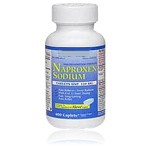
Naprosyn (Naproxen 250mg) represents the long-acting propionic acid NSAID with the lowest cardiovascular risk profile among all commonly used NSAIDs. Originally developed by Syntex Corporation (now part of Roche/Genentech) and FDA-approved in 1976, naproxen established the long-acting NSAID paradigm through its distinctive 12-15 hour half-life enabling twice-daily dosing convenience — a major advantage over shorter-acting propionic acid NSAIDs like ibuprofen requiring 3-4 times daily administration. In 1994, naproxen became available over-the-counter as Aleve (Bayer), further cementing its widespread use. Manufactured as bioequivalent generic under WHO-GMP quality standards, Naprosyn offers proven analgesic, antipyretic, and anti-inflammatory efficacy across a broad range of conditions with the added advantage of CV-safer prescribing — particularly valuable for patients with cardiovascular risk factors requiring NSAID therapy. Available as 250 mg oral tablets — the standard starting and maintenance dose used for arthritis and chronic inflammatory conditions.
Naproxen works through non-selective inhibition of cyclooxygenase (COX-1 and COX-2) enzymes — reducing prostaglandin synthesis at inflammation sites, in the hypothalamic thermoregulation center, and at peripheral pain nociceptors. This produces the classic NSAID triad: analgesia, antipyretic action, and anti-inflammatory action. However, naproxen distinctive advantage lies in its balanced COX-1 and COX-2 inhibition pattern that produces sustained thromboxane A2 blockade — providing mild antiplatelet effect similar to aspirin but reversible. Combined with its long half-life, this pattern translates to a cardiovascular thrombotic event risk that is essentially neutral, distinguishing naproxen from other NSAIDs where CV risk is a concern. Clinical response: pain relief within 1 hour, peak effect at 2-4 hours, consistent 12-hour anti-inflammatory action requiring only twice-daily dosing.
Naprosyn serves broad indications including rheumatoid arthritis, osteoarthritis, ankylosing spondylitis; juvenile idiopathic arthritis; gouty arthritis acute attacks; tendinitis, bursitis, myalgia, arthralgia, neuralgia, ossalgia, radicular pain; primary dysmenorrhea (menalgia); toothache and headache; fever from various causes; upper respiratory tract inflammatory conditions; and adnexitis (pelvic inflammation).
Naprosyn typically dosed 250-500 mg twice daily with food. Peak at 2-4 hours, 12-15 hour half-life. Manufactured under WHO-GMP standards.
Free prescription
Discrete packaging
Have questions?
Quality Assurance


- Osteoarthritis: OA symptomatic treatment of degenerative joint disease;
- Ankylosing Spondylitis: Chronic inflammatory back disease responding to long-acting NSAID;
- Juvenile Chronic Arthritis: Pediatric chronic arthritis in children 2 years and older;
- Gouty Arthritis: Acute gout attacks responding to NSAID therapy;
- Tendinitis: Tendon inflammation from overuse or injury;
- Bursitis: Joint bursa inflammation;
- Myalgia: Muscle pain from various causes;
- Arthralgia: Joint pain from various causes;
- Neuralgia: Nerve pain responding to anti-inflammatory therapy;
- Ossalgia: Bone pain responding to NSAID therapy;
- Radicular Pain: Nerve root pain from radiculopathy;
- Toothache: Dental pain responding to NSAID therapy;
- Headache: Tension and other headache types;
- Primary Dysmenorrhea Menalgia: Painful menstrual periods responding to prostaglandin inhibition;
- Adnexitis: Pelvic inflammatory disease adjunctive therapy;
- Fever Reduction: Fever from various infectious and inflammatory causes;
- Upper Respiratory Tract Inflammatory Conditions: URI-related symptoms;
- Cardiovascular Safer NSAID Option: Preferred for CV-risk patients requiring NSAID;
- Generic Naprosyn Therapy: Bioequivalent generic alternative to brand-name Naprosyn at substantially lower cost.
- Less Joint Pain: Arthritis pain decreases substantially with anti-inflammatory action;
- Less Joint Inflammation: Active joint inflammation reduces through COX blockade;
- Less Joint Stiffness: Morning stiffness improves with sustained anti-inflammatory action;
- Better Joint Mobility: Range of motion improves as inflammation decreases;
- Less Menstrual Pain: Primary dysmenorrhea decreases substantially with prostaglandin blockade;
- Less Muscle Pain: Myalgia from various causes improves;
- Less Tendinitis and Bursitis: Soft tissue inflammation responds well;
- Better Fever Reduction: Antipyretic action effectively reduces fever from various causes;
- Better Twice Daily Convenience: Long half-life enables twice-daily vs 3-4 times daily other NSAIDs;
- Better Medication Adherence: Twice-daily dosing improves compliance;
- Less Cardiovascular Risk: Lowest CV risk NSAID per PRECISION trial - preferred CV-risk patient choice;
- Better Sustained 12 Hour Action: Long duration provides consistent coverage between doses;
- Better Overnight Coverage: Evening dose provides morning stiffness relief;
- Better Osteoarthritis Management: OA patients gain sustained pain and inflammation control;
- Better Rheumatoid Arthritis Control: RA anti-inflammatory therapy improves disease control;
- Better Ankylosing Spondylitis Relief: Chronic back inflammation improves;
- Better Gout Attack Resolution: Acute gouty arthritis responds to NSAID therapy;
- Better Generic Affordability: 85-95% lower cost than brand Naprosyn makes therapy accessible;
- Better Quality of Life: Daily wellbeing improves as arthritis pain and inflammation resolve.
Generic Naprosyn (Naproxen 250 mg) Medication guide:
Naprosyn (Naproxen 250mg) is the long-acting propionic acid NSAID with the lowest cardiovascular risk profile among all commonly used NSAIDs. Originally developed by Syntex Corporation (now part of Roche/Genentech) and FDA-approved in 1976, naproxen established the long-acting NSAID paradigm through its distinctive 12-15 hour half-life enabling twice-daily dosing convenience. The PRECISION trial (2016) definitively confirmed naproxen essentially neutral cardiovascular thrombotic event risk, making it the preferred NSAID for patients with cardiovascular risk factors requiring anti-inflammatory therapy. This comprehensive medication guide covers every aspect of Naprosyn therapy from NSAID chemistry through mechanism, pharmacology, cardiovascular safety advantage, safety considerations, drug interactions, patient selection, dosing strategies, and long-term management recommendations.

💊 Introduction to Naprosyn
Naprosyn is a prescription oral medication containing naproxen as its active ingredient. Naproxen was developed by Syntex Corporation (a pioneering pharmaceutical company later acquired by Roche/Genentech) and received FDA approval in the United States in 1976 as a prescription medication. In 1994, lower-dose naproxen sodium became available over-the-counter as Aleve (Bayer), dramatically expanding accessibility. Higher-strength naproxen 275 mg and 550 mg formulations are marketed as Anaprox, and enteric-coated versions as EC-Naprosyn. These various brand-name formulations reflect the widespread clinical use and importance of naproxen in modern pain management.
The medication is manufactured worldwide by numerous generic pharmaceutical companies. Available as 250 mg oral tablets — the standard starting and maintenance dose used for arthritis and chronic inflammatory conditions. Additional strengths available in various global markets include 375 mg, 500 mg, and 750 mg extended release, though the 250 mg tablet remains the most commonly prescribed strength for chronic arthritis management with twice-daily dosing.
Naprosyn occupies a distinctive position among NSAIDs primarily through two key advantages. First, its long 12-15 hour half-life enables twice-daily dosing — a major convenience advantage over shorter-acting NSAIDs like ibuprofen (3-4 times daily) or diclofenac (2-3 times daily). This simplified regimen improves medication adherence particularly important for chronic arthritis therapy. Second, and perhaps more significantly, naproxen has been consistently shown to have the lowest cardiovascular thrombotic event risk among common NSAIDs. The landmark PRECISION trial (2016) — a large randomized cardiovascular outcomes trial comparing celecoxib, ibuprofen, and naproxen in over 24,000 patients — confirmed naproxen essentially neutral cardiovascular safety profile. This positions naproxen as the preferred NSAID for patients with pre-existing cardiovascular disease, hypertension, prior myocardial infarction, or elevated cardiovascular risk factors who still require NSAID therapy for arthritis management.
🔬 Understanding NSAIDs and the Propionic Acid Class
Understanding naproxen in the context of NSAID chemistry explains its position and characteristics.
The Propionic Acid Class
Naproxen belongs to the propionic acid class of NSAIDs — the same class as ibuprofen (Motrin) with which it shares many characteristics but with important pharmacokinetic differences. Class members include:
Propionic acid NSAIDs comparison:
- Ibuprofen (Motrin, Advil): Short-acting (2-4 hour half-life), 3-4 times daily dosing
- Naproxen (Naprosyn, Aleve): Long-acting (12-15 hour half-life), twice-daily dosing
- Ketoprofen (Orudis): Medium half-life, 3 times daily
- Flurbiprofen (Ansaid): Short-medium half-life, 2-3 times daily
- Oxaprozin (Daypro): Very long half-life, once daily
- Fenoprofen (Nalfon): Short half-life, 4 times daily
Class Advantages
- Reversible platelet effects unlike aspirin permanent inhibition
- Better GI tolerability than indoleacetic acid class
- Well-established safety profile from decades of use
- Multiple formulations available (immediate release, extended release, enteric coated)
- Effective for broad range of conditions
❤️ Cardiovascular Safety Advantage — PRECISION Trial
Naproxen distinctive cardiovascular safety profile is perhaps its most important clinical advantage.
Background — NSAID CV Risk Concerns
Following the Vioxx (rofecoxib) withdrawal in 2004 due to cardiovascular thrombotic events, the entire NSAID class came under intense cardiovascular safety scrutiny. Multiple meta-analyses and observational studies suggested that most NSAIDs increase risk of myocardial infarction and stroke, particularly with long-term use. However, naproxen consistently emerged with the most favorable CV profile.
The PRECISION Trial (2016)
PRECISION trial design and results:
- Design: Randomized double-blind trial of 24,081 patients with CV risk factors
- Comparators: Celecoxib 100 mg BID, ibuprofen 600 mg TID, naproxen 375 mg BID
- Duration: Mean follow-up 34 months (about 3 years)
- Primary outcome: Composite of CV death, MI, or stroke
- Results: No significant differences among the three NSAIDs
- Naproxen positioning: Numerically lowest event rates in most sub-analyses
- GI safety: Celecoxib superior; naproxen better than ibuprofen
Mechanism of CV Safety
Naproxen unique cardiovascular safety appears related to its sustained platelet thromboxane A2 inhibition pattern. Naproxen produces near-complete COX-1 inhibition throughout its dosing interval — providing continuous antiplatelet effect similar to aspirin (though reversible rather than permanent). This platelet inhibition may counterbalance the increased thrombotic risk that other NSAIDs produce through COX-2 inhibition without adequate compensating platelet effect.
Clinical Implications
- Preferred NSAID for CV disease patients requiring anti-inflammatory therapy
- Recommended by cardiology guidelines when NSAID needed post-MI or in coronary artery disease
- Consider naproxen first in patients with hypertension, heart failure, prior stroke
- May allow NSAID therapy in patients where other NSAIDs contraindicated for CV risk
🧬 Chemistry and Pharmacology of Naproxen
Naproxen has the chemical formula C14H14O3 with molecular weight approximately 230.3 g/mol. Structurally, naproxen is (S)-(+)-6-methoxy-alpha-methyl-2-naphthaleneacetic acid — a naphthalene-containing propionic acid NSAID. Unlike ibuprofen which is administered as racemic mixture, naproxen is administered as the pure S(+) enantiomer providing more predictable pharmacokinetics.
Mechanism of Action
Naproxen mechanism cascade:
- Naproxen absorbed from GI tract distributes widely throughout body
- Reversible competitive inhibition of both COX-1 and COX-2 enzymes
- Sustained COX-1 blockade throughout dosing interval (unique among NSAIDs)
- Reduced prostaglandin synthesis at inflammation sites
- Reduced prostaglandins in hypothalamic thermoregulation
- Reduced peripheral pain nociceptor sensitization
- Sustained thromboxane A2 inhibition provides antiplatelet effect
- Result: coordinated triad of analgesia, antipyresis, anti-inflammation with CV safety
Pharmacokinetic Profile
| Parameter | Value | Clinical Significance |
|---|---|---|
| Onset of pain relief | Within 1 hour | Fast onset for acute pain |
| Time to peak (Tmax) | 2 to 4 hours | Peak analgesic effect timing |
| Duration of effect | Up to 12 hours | Enables twice-daily dosing |
| Half-life | 12 to 15 hours | Long among common NSAIDs |
| Time to steady state | 4 to 5 days | Full effect requires several days |
| Oral bioavailability | Approximately 95 percent | Excellent absorption |
| Protein binding | Approximately 99 percent | Very high displacement potential |
| Metabolism | Hepatic CYP2C9 (major) CYP1A2 | Multiple pathways |
| Food effect | Delays absorption reduces GI upset | Take with food or milk |
| Elimination | Primarily renal (as metabolites) | Renal function affects clearance |
🎯 Approved Indications

FDA Approved Indications
- Rheumatoid arthritis - anti-inflammatory therapy in adults
- Osteoarthritis - symptomatic treatment
- Juvenile idiopathic arthritis - children 2 years and older
- Ankylosing spondylitis - chronic inflammatory back disease
- Tendinitis and bursitis - inflammatory soft tissue conditions
- Acute gout - acute gouty arthritis attacks
- Primary dysmenorrhea - painful menstrual periods
- Mild to moderate pain - various causes
Additional Uses
- Pain syndromes: arthralgia, myalgia, ossalgia, neuralgia
- Radicular pain: radiculopathy from various causes
- Toothache and dental pain
- Headache and tension headache
- Fever reduction from various causes
- Upper respiratory tract inflammatory conditions
- Adnexitis: Pelvic inflammatory disease adjunctive
- Sports injuries and soft tissue trauma
Off-Label Uses
- Migraine treatment: Can be effective for acute migraine
- Post-operative pain
- Chronic pain syndromes
- Various rheumatic conditions
Ideal Patient Selection
Naprosyn therapy is particularly appropriate for:
- Patients with cardiovascular disease requiring NSAID therapy (preferred choice)
- Patients with CV risk factors (hypertension, prior MI, stroke)
- Patients preferring twice-daily dosing over 3-4 times daily
- Chronic arthritis patients requiring sustained anti-inflammatory therapy
- Patients without significant GI risk factors
- Patients without severe renal or hepatic impairment
- Adults tolerant of typical NSAID adverse effect profile
- Patients who take medication with food (essential for GI tolerance)
🚫 Contraindications

Absolute contraindications include:
- Hypersensitivity to naproxen or other NSAIDs
- Aspirin or NSAID-induced asthma or urticaria (aspirin triad)
- Active peptic ulcer disease or GI bleeding
- Recent coronary artery bypass graft (CABG) surgery
- Severe hepatic impairment (Child-Pugh Class C)
- Severe renal impairment
- Third trimester pregnancy
Use with caution in:
- Cardiovascular disease - despite lower CV risk still monitor
- Hypertension - fluid retention effects
- Heart failure - fluid retention concerns
- Elderly patients over 65 - increased sensitivity
- Renal impairment particularly with dehydration
- Peptic ulcer disease history
- Concurrent anticoagulants - monitor closely
- Concurrent corticosteroids - additive GI risk
- Pregnancy first and second trimester
- Lactation - passes into breast milk
- Children under 2 years - not established
- Asthma patients - potential bronchospasm
⚠️ FDA Black Box Warnings
Cardiovascular Risk Warning
FDA Black Box Warning - Cardiovascular Events:
While all NSAIDs including naproxen carry FDA Black Box warning for increased risk of serious cardiovascular thrombotic events, extensive research including the PRECISION trial has established that naproxen has the lowest CV risk among common NSAIDs. This makes naproxen the preferred choice when NSAID therapy is needed in patients with cardiovascular concerns, though the Black Box warning remains applicable to the class.
Gastrointestinal Risk Warning
FDA Black Box Warning - Gastrointestinal Events:
NSAIDs cause an increased risk of serious GI adverse events including bleeding, ulceration, and perforation of the stomach or intestines, which can be fatal. Naproxen has similar GI risk to other traditional NSAIDs. Risk higher in elderly and those with prior peptic ulcer disease. Consider PPI gastroprotection for high-risk patients.
💉 Dosage and Administration

Standard Dosing by Indication
Adult standard dosing:
- Rheumatoid arthritis, OA, ankylosing spondylitis: 250-500 mg twice daily
- Acute pain, dysmenorrhea: 500 mg initial, then 250 mg every 6-8 hours (max 1250 mg/day day 1, 1000 mg/day thereafter)
- Acute gout: 750 mg initial, then 250 mg every 8 hours until attack subsides
- Tendinitis, bursitis: 500 mg initial, then 250 mg every 6-8 hours
- Juvenile arthritis (children 2+ years): 10 mg/kg/day divided twice daily
- Maximum daily dose: 1000-1250 mg for chronic use
- Elderly consideration: Start at 250 mg twice daily; monitor closely
Timing and Twice-Daily Convenience
- Morning dose: Provides day-time coverage
- Evening dose: Provides overnight coverage and morning stiffness relief
- 12-hour interval: Maintains stable therapeutic levels
- Consistent timing: Take at same times each day
- Twice-daily advantage: Superior adherence vs 3-4 times daily regimens
Administration Guidelines
- Take with food or milk to reduce GI upset
- Take with full glass of water
- Swallow tablets whole - do not crush or split
- Maintain consistent 12-hour dosing interval
- Do NOT combine with other NSAIDs
- Do NOT exceed maximum daily dose
- Use lowest effective dose for shortest duration when possible
- Full anti-inflammatory effect requires 4-5 days steady state
- Consider PPI gastroprotection for high-risk chronic use
📊 Clinical Effectiveness Data
| Indication | Response Rate |
|---|---|
| Osteoarthritis pain relief | Equivalent to other NSAIDs (~70-80 percent) |
| Rheumatoid arthritis symptom control | Equivalent to other NSAIDs |
| Ankylosing spondylitis improvement | Significant improvement in majority |
| Acute gout attack resolution | Effective within 24-48 hours |
| Primary dysmenorrhea pain relief | 75-85 percent significant improvement |
| Cardiovascular safety (PRECISION trial) | Lowest CV event rate among NSAIDs studied |
| Twice-daily compliance advantage | Superior vs 3-4 times daily NSAIDs |
| Long-term arthritis tolerability | Well-established safety profile |
⚠️ Side Effect Profile
Common Side Effects
- Dyspepsia and heartburn: Common (3-9 percent)
- Nausea: Common (3-9 percent)
- Abdominal pain: Common
- Diarrhea: Common (2-6 percent)
- Constipation: Occasional
- Headache: Common (2-9 percent)
- Dizziness: Common (3-9 percent)
- Tinnitus: Occasional
- Drowsiness: Occasional
- Fluid retention and edema: Common with prolonged use
- Blood pressure elevation: Common
- Rash: Occasional (2 percent)
- Elevated liver enzymes: Occasional
Serious Side Effects
Seek immediate medical attention for:
- Chest pain - even with naproxen lower CV risk profile
- Sudden severe headache, weakness, speech difficulty possibly suggesting stroke
- Signs of GI bleeding: black tarry stools, vomiting blood, severe abdominal pain
- Severe allergic reactions: hives, facial swelling, difficulty breathing
- Severe skin reactions: rash with fever, blistering, Stevens-Johnson syndrome
- Bronchospasm in aspirin-sensitive asthmatics
- Signs of kidney injury: decreased urine output, swelling in legs
- Signs of liver injury: yellowing skin, dark urine, unusual fatigue
- Signs of heart failure: shortness of breath, ankle swelling
- Aseptic meningitis: particularly in SLE patients
- Severe hypertension with headache and vision changes
🔄 Drug Interactions

| Drug | Interaction |
|---|---|
| Low-dose aspirin | Less interference than ibuprofen due to naproxen own antiplatelet effect |
| Warfarin, DOACs | Increased bleeding risk - monitor INR |
| Other NSAIDs | Additive GI and CV risk - avoid combination |
| Corticosteroids | Additive GI toxicity |
| ACE inhibitors, ARBs | Reduced antihypertensive effect increased renal risk |
| Diuretics | Reduced diuretic effect increased renal risk |
| Lithium | Increased lithium levels risk of toxicity |
| Methotrexate | Increased methotrexate levels toxicity risk |
| SSRIs and SNRIs | Additive GI bleeding risk |
| Cholestyramine | Delayed naproxen absorption - separate doses |
| Cyclosporine, tacrolimus | Increased nephrotoxicity risk |
| Probenecid | Increased naproxen levels - monitor |
🛡️ Special Populations
- Elderly Patients Over 65
- Preferred NSAID choice in elderly with CV risk factors due to favorable CV profile. However, still increased sensitivity to GI, renal effects. Start at 250 mg twice daily. Monitor closely.
- Pediatric Population
- FDA approved for juvenile idiopathic arthritis in children 2 years and older. Weight-based dosing 10 mg/kg/day divided BID. Available as oral suspension for younger children.
- Pregnancy
- First and second trimester: Category C - use only if benefit justifies risk. Third trimester: contraindicated due to premature ductus arteriosus closure.
- Lactation
- Passes into breast milk. Alternative NSAIDs (ibuprofen) generally preferred during breastfeeding due to shorter half-life.
- Cardiovascular Disease
- Preferred NSAID choice for CV-risk patients. PRECISION trial confirmed lowest CV events. Still monitor BP and CV status. Contraindicated post-CABG.
- Post-MI Patients
- If NSAID therapy required post-MI, naproxen is generally preferred. Combined with aspirin for cardioprotection - naproxen less interference than ibuprofen. Still requires careful monitoring.
- Hypertension
- Monitor BP. Naproxen may modestly elevate BP. Consider PPI for GI protection with concurrent antihypertensives.
- Renal Impairment
- NSAIDs worsen renal function. Not recommended in severe impairment. Use lowest effective dose in mild-moderate with monitoring.
- Hepatic Impairment
- Mild-moderate: use with caution. Severe (Child-Pugh C): contraindicated.
- GI Ulcer History
- Use with PPI gastroprotection. Consider celecoxib alternative if severe risk.
🔬 Comparison with Other NSAIDs
| Property | Naprosyn (Naproxen) | Motrin (Ibuprofen) | Celebrex (Celecoxib) |
|---|---|---|---|
| Class | Propionic acid | Propionic acid | Coxib (selective COX-2) |
| Half-life | 12-15 hours | 2-4 hours | 11 hours |
| Dosing frequency | Twice daily | 3-4 times daily | Once or twice daily |
| CV risk (moderate dose) | Lowest (essentially neutral) | Moderate | Similar to naproxen (per PRECISION) |
| GI risk | Higher (long half-life) | Standard | Lowest |
| Aspirin interference | Less interference | Significant - timing needed | Minimal |
| Sulfa allergy consideration | No sulfonamide | No sulfonamide | Contraindicated (sulfonamide) |
| Best for | CV-risk patients twice-daily convenience | Broad utility acute pain | GI-safest choice |
📆 Long-Term Use Considerations
Chronic Naprosyn therapy monitoring:
- Blood pressure monitoring: At each visit
- Renal function assessment: Annually or more often in elderly
- Liver function tests: Baseline and periodically
- Complete blood count: Periodically to monitor for GI blood loss
- GI symptom assessment: At each visit
- Cardiovascular risk assessment: Even with lowest CV NSAID
- Consider PPI gastroprotection: For high-risk patients
- Reassess ongoing need: Try dose reduction or holidays
- DMARD combination for RA: Reducing NSAID requirements
- Non-pharmacologic therapy optimization: PT, exercise, weight loss
📦 Storage and Handling
- Store at room temperature between 15°C and 30°C (59°F and 86°F)
- Keep in original blister packaging to protect from light and moisture
- Avoid storage in bathrooms where humidity fluctuates significantly
- Keep out of reach of children and pets
- Do not use tablets past the expiration date printed on packaging
- Return unused or expired medication to pharmacy for proper disposal
- Do not share naproxen with others as safety considerations vary
- Maintain adequate supply for chronic therapy

👨⚕️ When to Contact Your Doctor
- Signs of cardiovascular events even with naproxen lower CV risk
- Signs of GI bleeding: black stools, vomiting blood, severe abdominal pain
- Signs of allergic reaction: rash, swelling, difficulty breathing
- Signs of severe skin reactions
- Bronchospasm particularly if asthmatic
- Signs of kidney problems: decreased urine, ankle swelling, unexplained fatigue
- Signs of liver problems: jaundice, dark urine, right upper abdominal pain
- Blood pressure elevations or worsening hypertension
- Signs of heart failure: shortness of breath, rapid weight gain, ankle swelling
- Aseptic meningitis signs particularly in SLE
- Persistent GI upset despite dietary measures
- Persistent arthritis pain despite adequate therapy trial
- Starting new medications especially warfarin, lithium, methotrexate
- Pregnancy planning or confirmed pregnancy
- Upcoming surgery including CABG
- Development of new medical conditions
🌟 Key Takeaways
Essential points about Naprosyn (naproxen) therapy:
- Naprosyn is long-acting propionic acid NSAID FDA-approved in 1976 by Syntex
- Same chemical class as ibuprofen but with 12-15 hour half-life vs 2-4 hours
- Enables convenient twice-daily dosing vs 3-4 times daily for ibuprofen
- Lowest cardiovascular risk among common NSAIDs (PRECISION trial 2016)
- Preferred NSAID choice for patients with cardiovascular disease or risk factors
- Provides balanced analgesic, antipyretic, and anti-inflammatory action
- Take 250-500 mg twice daily with food for chronic arthritis therapy
- Full therapeutic effect requires 4-5 days steady state
- Effective for RA, OA, ankylosing spondylitis, gout, dysmenorrhea, pain
- FDA-approved for juvenile idiopathic arthritis in children 2 years and older
- Less interference with aspirin cardioprotection than ibuprofen
- FDA Black Box warnings for CV events (though naproxen has lowest CV risk) and GI bleeding
- Consider PPI gastroprotection for high-risk chronic use patients
- Third trimester pregnancy contraindicated
- Not sulfonamide - safe in sulfa allergy patients
Important Medical Disclaimer: This medication guide provides general information about Naprosyn (naproxen) and does not constitute individualized medical advice. Every patient situation is unique and requires evaluation by a qualified healthcare provider before starting continuing adjusting or discontinuing any medication. Do not use Naprosyn without prescription from a qualified healthcare professional who has evaluated your specific medical situation and confirmed appropriate patient selection. While naproxen has the lowest cardiovascular risk among common NSAIDs, FDA Black Box warnings for cardiovascular thrombotic events and GI bleeding apply. Report immediately any chest pain, signs of stroke, GI bleeding, severe skin reactions, or severe allergic reactions. If you experience concerning symptoms contact your healthcare provider promptly. The information provided here should complement but never replace direct professional medical guidance.
Naprosyn — Frequently Asked Questions
-
What is Naprosyn (Naproxen)?
Naprosyn is an NSAID used to reduce inflammation and pain in conditions like arthritis, tendinitis, bursitis, and menstrual cramps. -
How does Naprosyn work?
It works by blocking the production of certain substances in the body that cause inflammation and pain. -
What conditions does Naprosyn treat?
Naprosyn is used for rheumatoid arthritis, osteoarthritis, ankylosing spondylitis, menstrual cramps, and acute pain. -
How quickly does Naprosyn start working?
Pain relief typically begins within 1 hour, with full effects in 2-4 hours after intake. -
How long do the effects of Naprosyn last?
The effects can last from 8 to 12 hours, depending on the dosage form. -
Can Naprosyn be used for headaches?
While not a primary indication, Naprosyn can be effective for certain types of headaches, including migraines. -
What are the side effects of Naprosyn?
Common side effects include gastrointestinal discomfort, headache, dizziness, and rash.
See all Naprosyn questions (32)
More Pain Medicine Medications