Buy Ponstel (Mefenamic Acid 250/500mg) Online - Fenamate NSAID Gold Standard for Menstrual Pain and Dysmenorrhea

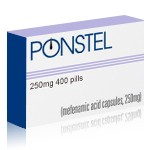
Ponstel (Mefenamic Acid 250/500mg) represents the fenamate class NSAID considered gold standard therapy for primary dysmenorrhea (painful menstrual periods) and moderate pain requiring specific anti-prostaglandin action. Originally developed by Parke-Davis Pharmaceuticals (now Pfizer) and FDA-approved in 1967, mefenamic acid established the anthranilic acid NSAID class with distinctive dual mechanism combining prostaglandin synthesis inhibition and direct antagonism of prostaglandin action at receptor sites — providing particularly potent efficacy for menstrual pain where uterine prostaglandins drive symptoms. Manufactured by Blue Cross Pharma Industry India as bioequivalent generic under WHO-GMP quality standards, Ponstel offers proven efficacy for menstrual cramps, mild to moderate acute pain, and various inflammatory conditions with 58 years of established clinical use. Available in two dose strengths — 250 mg (standard maintenance dose) and 500 mg (loading dose for menstrual pain protocol).
Mefenamic acid works through dual mechanism unique among NSAIDs. First, standard non-selective COX-1 and COX-2 inhibition reduces prostaglandin synthesis at inflammation sites. Second, distinctive to fenamates, mefenamic acid directly antagonizes prostaglandin action at receptor sites — providing additional pain relief mechanism beyond simple synthesis blockade. This dual action makes mefenamic acid particularly effective for conditions where prostaglandins are primary mediators — most notably primary dysmenorrhea where uterine PGF2-alpha and PGE2 drive severe menstrual cramping. Standard anti-inflammatory, analgesic, and antipyretic effects also occur. Clinical response: pain relief within 1-2 hours, peak effect at 2-4 hours, dramatic dysmenorrhea response often superior to standard NSAIDs, and 4-6 hour analgesic duration requiring 3-4 times daily dosing.
Ponstel serves multiple pain and inflammatory conditions with primary focus on menstrual pain. Primary uses include primary dysmenorrhea as gold standard NSAID therapy (500 mg loading, then 250 mg every 6 hours for up to 3 days); mild to moderate pain from various causes; toothache and dental pain; headache; degenerative joint and bone diseases; rheumatoid arthritis and osteoarthritis anti-inflammatory therapy; flu and upper respiratory tract infection symptoms; post-operative pain; post-partum aches; and traumatic injuries.
Ponstel dosed 500 mg initial, then 250 mg every 6 hours with food. Peak at 2-4 hours, 2 hour half-life. Maximum 7 days for dysmenorrhea per FDA labeling. Blue Cross Pharma India under WHO-GMP standards.


Free prescription
Discrete packaging
Have questions?
Quality Assurance

- Menstrual Cramps: Severe menstrual cramping from uterine prostaglandin overproduction;
- Painful Periods: Debilitating monthly menstrual pain requiring effective therapy;
- Mild to Moderate Pain: Acute pain from various causes;
- Toothache: Dental pain and post-procedure pain;
- Headache: Tension and other headache types;
- Post Operative Pain: Post-surgical pain management;
- Post Partum Pain: After-birth pain and cramping;
- Degenerative Joint Diseases: OA and other degenerative joint disorders;
- Rheumatoid Arthritis: RA anti-inflammatory therapy;
- Osteoarthritis: OA symptomatic treatment;
- Bone Diseases: Various bone pain conditions;
- Traumatic Injuries: Sports injuries with pain and inflammation;
- Flu Symptoms: Influenza-related body aches fever pain;
- Upper Respiratory Infections: URI-related pain fever;
- Prostaglandin Driven Pain Conditions: Conditions where prostaglandins primary mediator;
- Fenamate NSAID Class Therapy: Unique class with dual COX inhibition and receptor antagonism;
- Short Term Pain Management: Acute pain up to 7 days for dysmenorrhea;
- Foundational NSAID Therapy: 58 years of clinical experience since 1967;
- Generic Ponstel Therapy: Bioequivalent generic alternative to brand-name Ponstel at substantially lower cost.
- Better Menstrual Cramp Relief: Superior efficacy for dysmenorrhea vs standard NSAIDs;
- Less Painful Periods: Debilitating menstrual pain decreases dramatically with dual mechanism;
- Better Dual Mechanism Action: COX inhibition plus prostaglandin receptor antagonism;
- Less Inflammation: Active tissue inflammation reduces through prostaglandin blockade;
- Less Joint Pain: Arthritis pain decreases with anti-inflammatory action;
- Less Toothache Pain: Dental pain responds to NSAID therapy;
- Less Headache Pain: Various headache types improve;
- Less Muscle Aches: Body aches from flu URI or trauma improve;
- Better Post Operative Pain Control: Post-surgical pain managed effectively;
- Better Post Partum Pain Relief: After-birth cramping and pain improve;
- Better Trauma Recovery: Traumatic injuries with pain and inflammation improve;
- Better Rheumatoid Arthritis Control: RA responds to anti-inflammatory therapy;
- Better Osteoarthritis Symptoms: OA pain improves with NSAID;
- Better Rapid Onset: Fast onset for acute pain scenarios;
- Better Two Dose Strengths: 250/500 mg enables loading dose protocol for dysmenorrhea;
- Better Established Clinical Track Record: 58 years since FDA approval 1967;
- Better Fenamate Class Benefit: Unique mechanism among NSAID classes;
- Better Generic Cost: 85-95% lower cost than brand Ponstel makes therapy accessible;
- Better Quality of Life: Menstrual pain and other acute pain no longer restrict activities.
Generic Ponstel (Mefenamic Acid 250 mg) Medication guide:
💊 Introduction to Ponstel and What Mefenamic Acid Does
Ponstel is the American brand name for mefenamic acid, a prescription non-steroidal anti-inflammatory drug approved by the FDA in 1967 for the short-term relief of mild-to-moderate pain in patients aged 14 and older, and for the treatment of primary dysmenorrhea (painful menstrual periods). The capsule is a familiar yellow and ivory 250 mg strength, taken four times a day with food for no longer than one week per course. In many countries outside the United States it is sold as Ponstan, Mefac, or Meftal, and it is one of the oldest menstrual pain medications still in routine prescription practice.
What sets Ponstel apart from the ibuprofen and naproxen family is chemistry. Mefenamic acid belongs to the fenamate class of NSAIDs (anthranilic-acid derivatives), a small group that includes meclofenamate and tolfenamic acid. Fenamates do two things to prostaglandins instead of one. They block the cyclooxygenase enzymes that produce prostaglandins (like all NSAIDs), and they also partially block prostaglandin receptors on tissue cells. That second action is the reason mefenamic acid tends to work very well in the uterus, where prostaglandin levels spike dramatically during menstruation and drive both cramping and heavy flow.
🎯 What Ponstel is actually prescribed for
Primary dysmenorrhea - Painful menstrual cramps without an underlying pelvic condition. This is the single most common reason women take mefenamic acid.
Mild-to-moderate pain - Short-term relief from headache, dental pain, muscle pain, or soft-tissue injury, limited to seven days.
Heavy menstrual bleeding - An off-label but widely accepted use, reducing menstrual blood loss by 20 to 50 percent (NICE Guideline NG88).
Ponstel is a short-course medication by design. The FDA label caps continuous use at seven days. That restriction is not arbitrary. Fenamates carry a higher rate of gastrointestinal side effects than ibuprofen or naproxen, and the once-rare but serious reactions (haemolytic anaemia, severe diarrhea, kidney injury) climb with duration. For most women the natural usage pattern fits inside this limit: start Ponstel the day before a period or at the first cramp, continue three or four times daily for three to five days, stop when the pain stops.
The drug is not a chronic pain medicine. It is not a substitute for arthritis NSAID therapy, not an ergonomic alternative to acetaminophen for daily headaches, and not meant for patients who need months of continuous analgesia. Thinking of Ponstel as a focused tool for cyclical pain and short pain spikes is the most honest way to understand its place in modern practice.
💡 The key idea in one sentence: Ponstel is a short-course, fenamate-class NSAID whose dual action on prostaglandin production and prostaglandin receptors makes it particularly suited to menstrual pain and heavy periods, with a strict seven-day cap on continuous use.
🧬 Fenamate Family - How Ponstel Differs From Ibuprofen
Not all NSAIDs are the same chemical family. Over-the-counter familiarity with ibuprofen and naproxen can mislead people into thinking every NSAID behaves alike, when in fact there are five chemical groups and each has its own quirks. Ponstel sits in the fenamate group, which is small, older, and clinically distinctive in a few ways that matter.
| 🧬 NSAID chemical class | Common members | Clinical signature |
|---|---|---|
| Fenamates (anthranilic acids) | Mefenamic acid (Ponstel), meclofenamate | Dual action on COX and PG receptors, favoured for menstrual pain, more diarrhea |
| Propionic acids | Ibuprofen, naproxen, ketoprofen | Most familiar, lowest GI risk among older NSAIDs, over-the-counter options |
| Acetic acids | Indomethacin, diclofenac, ketorolac | Strong analgesia, higher central-nervous-system effects (headache, dizziness) |
| Oxicams (enolic acids) | Piroxicam, meloxicam | Very long half-life, once-daily dosing, higher cumulative GI risk |
| Coxibs (selective COX-2) | Celecoxib, etoricoxib | Lower GI bleeding, higher cardiovascular risk, prescription-only |
The fenamate chemistry has one feature the propionic-acid NSAIDs do not share. Mefenamic acid acts directly on prostaglandin receptors in addition to blocking the enzyme that makes prostaglandins. In the uterus during a period, that double hit matters: it dampens both the production of pain-driving prostaglandins and their action on the uterine muscle, even if some prostaglandin has already been released.
🔵 Where fenamates earn their place
Head-to-head trials show mefenamic acid is at least as effective as ibuprofen for primary dysmenorrhea pain, with some studies suggesting slightly better menstrual-blood-loss reduction. The payoff for the extra receptor action is a higher rate of diarrhea, which can cause 10 to 20 percent of users to stop treatment early.
The practical takeaway for a patient choosing between NSAIDs is simple. For general muscle aches, headache, or a sprain, ibuprofen or naproxen is usually a cleaner tool. For painful periods or heavy menstrual flow where the goal is to reduce both the cramping and the volume of bleeding, mefenamic acid has a mechanistic edge that other NSAIDs do not match.
Fenamates are also reversible COX inhibitors like most NSAIDs. The exception in the family is aspirin, which binds COX permanently. That matters when you combine Ponstel with low-dose cardiac aspirin: timing can affect how well the aspirin protects the heart.
🔬 The Dual Mechanism Behind Mefenamic Acid Pain Relief
💡 In plain language: Mefenamic acid turns down the chemicals that cause cramps in two different ways at once, which is why it works especially well for menstrual pain and heavy bleeding.
Every NSAID shares one core trick: it blocks the cyclooxygenase enzymes (COX-1 and COX-2) that convert arachidonic acid into prostaglandins. Prostaglandins are tiny signalling molecules that drive inflammation, pain sensitivity, fever, and in the uterus, the smooth-muscle contractions of menstruation. Mefenamic acid is a non-selective COX inhibitor, which means it blocks both COX-1 (the housekeeping version in the stomach lining and kidneys) and COX-2 (the inducible version that ramps up during inflammation and menstruation).
So far mefenamic acid looks like ibuprofen. But fenamates do something extra that ibuprofen does not. They partially block the receptors on cells where prostaglandins land to exert their effect. If you imagine prostaglandins as keys and receptors as locks, ibuprofen stops the factory from making the keys. Mefenamic acid stops the factory and partially jams the locks. That is the pharmacological reason fenamates often beat simple COX inhibitors in uterine tissue, where prostaglandin receptors are densely packed on the smooth-muscle cells.
🔬 The dual-action pathway in six steps
- Arachidonic acid is released from cell membranes during tissue stress or during the menstrual cycle.
- COX-1 and COX-2 enzymes would normally convert it into prostaglandin precursors.
- Mefenamic acid binds both enzymes, cutting prostaglandin production sharply within one to two hours.
- The prostaglandins already made would normally bind receptors (EP1, EP2, EP3, EP4, FP) on uterine, gastric, and nerve cells.
- Mefenamic acid also partially blocks these receptors, so prostaglandins that escape still have less effect.
- Result: less uterine contraction, less bleeding, less pain signalling to the brain, less inflammation.
The receptor action helps explain two bedside observations. First, mefenamic acid often works within one to two hours of the first dose for menstrual cramps, which is comparable to ibuprofen but noticeably faster than acetaminophen. Second, it is better at reducing menstrual blood volume than NSAIDs that lack the receptor effect, which is why NICE recommends it specifically for heavy menstrual bleeding.
The downside of the dual mechanism shows up in the gut. The gastrointestinal lining relies heavily on prostaglandins (especially PGE2) to maintain mucus production, bicarbonate secretion, and healthy blood flow. When Ponstel blocks both the enzyme and partially the receptors, those protective signals drop further than they would with ibuprofen, and that is one reason diarrhea is a signature side effect for this drug family.
None of this mechanism makes mefenamic acid dangerous in a short course. It just explains why the seven-day cap exists and why food (which buffers the stomach) matters more for Ponstel than for many other NSAIDs.
⏱️ Ponstel Pharmacokinetics and the Short Half-Life
Pharmacokinetics means what the body does to a drug once it is swallowed - absorption, distribution, metabolism, elimination. For Ponstel, the key number to remember is a plasma half-life of about two hours. That is short, and it drives the four-times-daily dosing schedule that puts Ponstel apart from naproxen (half-life 14 hours, twice daily) and from meloxicam (half-life 20 hours, once daily).
| ⏱️ Pharmacokinetic parameter | Value for mefenamic acid | What it means for the patient |
|---|---|---|
| Oral bioavailability | Approximately 90 percent | Almost everything swallowed reaches the bloodstream |
| Peak plasma concentration | 2 to 4 hours after a dose | Pain relief is usually noticeable inside the first hour |
| Protein binding | Greater than 90 percent (bound to albumin) | Can displace warfarin and other highly bound drugs |
| Elimination half-life | About 2 hours (range 1 to 4) | Dosing every 6 hours maintains pain cover; a missed dose wears off quickly |
| Primary metabolism | Liver, via CYP2C9 enzyme | Slow CYP2C9 metabolisers may have higher drug levels |
| Elimination route | Urine (approximately 50 percent) and feces (20 percent) | Kidney function matters; severe kidney disease is a contraindication |
A short half-life has two consequences that patients notice. The first is practical: dosing has to be regular. If you take a 250 mg capsule at 8 a.m. and skip the 2 p.m. dose because you felt fine, the drug level drops below the effective range by late afternoon and the cramps return. The second is reassuring: if Ponstel bothers your stomach, stopping clears the drug from your bloodstream in about ten hours, so side effects fade quickly.
The CYP2C9 pathway is worth a brief mention. About 10 percent of people of European descent carry a slow-metaboliser variant of CYP2C9. In those patients mefenamic acid lingers longer and side effects (especially GI symptoms) are more common. This does not usually require genetic testing before a 7-day course, but it is one of the reasons an unexpected poor tolerance is sometimes genetic rather than psychological.
🟡 What a short half-life does not do
A short half-life does not mean Ponstel is weak or that it leaves no residue in tissue. Prostaglandin suppression lasts a few hours after the drug itself is gone, which is why dosing every six hours is enough to hold pain down even though the half-life is two hours.
Older adults, people with reduced kidney function, and patients on warfarin, lithium, or methotrexate all need the pharmacokinetic picture understood because mefenamic acid interacts with these drugs through plasma-protein binding and renal clearance. Those interactions get their own section later in the guide.
📦 Ponstel Formulations and Dose Strengths Available Today
Ponstel is a small-portfolio medication. Unlike the dozen formulations ibuprofen enjoys (tablets, liquid gels, pediatric drops, chewables, infant drops, patches), mefenamic acid is sold in just a few forms worldwide. In the United States only the capsule exists. Internationally the oral suspension appears in markets where paediatric and adolescent dysmenorrhea prescribing has local tradition.
The capsule is the one you will encounter in American and European community pharmacies. Each capsule contains 250 mg of mefenamic acid as the active ingredient, along with lactose, starch, and magnesium stearate as inactive ingredients. The capsule shell is ivory and yellow for the original Pfizer product and plain white for most generics. There is no extended-release version; mefenamic acid does not need one because dosing fits the natural meal pattern of the day.
📦 Forms you may see at the pharmacy
- Ponstel 250 mg capsules (Pfizer, United States) - the FDA-approved product, dispensed in blister packs of 20 or bottles of 50.
- Ponstan 250 mg and 500 mg capsules (United Kingdom, Ireland, Australia, Hong Kong) - the 500 mg strength is used for loading doses and heavy-period dosing.
- Meftal 250 and 500 mg (India, South Asia) - common Blue Cross and Dr. Reddys generics; also combined with other agents in locally popular fixed-dose tablets.
- Mefac oral suspension (50 mg per 5 mL, selected markets) - used in paediatric dysmenorrhea where age-appropriate dosing is permitted; not available in the United States.
- Generic mefenamic acid 250 mg capsules - identical to Ponstel in dose and bioavailability; the lower cost makes it the most common form globally.
No topical, injectable, or sublingual mefenamic acid exists. Attempts to formulate a transdermal fenamate for menstrual pain have remained in research without reaching the market. This matters when a patient asks whether a cream exists to apply over the lower abdomen - the honest answer is no.
Capsule integrity matters more than for a scored tablet. Do not open or crush the capsule. The capsule shell is there to protect the stomach from direct exposure to the acidic drug powder; opening it increases the chance of gastritis and defeats the whole point of the formulation.
🔴 Combination products to avoid
A few international markets sell mefenamic acid combined with paracetamol or with antispasmodics (dicyclomine, drotaverine). These products are not approved in the United States and the FDA has specifically warned against unregulated combinations because the fixed-dose makes it impossible to adjust one drug without the other and because duplicate paracetamol can occur if the patient also takes a cold medicine.
Storage is unglamorous: a dry place, room temperature (15 to 30 C or 59 to 86 F), away from the bathroom cabinet where humidity accelerates capsule degradation. Expiration dates are usually two to three years from manufacture; mefenamic acid does not become toxic after expiry, but it does lose potency.
📅 The Seven-Day Cap - Why Ponstel Is Short-Course
The seven-day cap is the single most important rule in Ponstel practice. Every FDA-approved mefenamic acid label since 1967 has carried this restriction, and the limit is written into both the ACOG and NICE guidelines. Patients who come to the pharmacy expecting a bottle of 90 capsules for daily use are correct to be surprised: that volume is not what mefenamic acid is for.
The reason for the cap is cumulative risk. Short courses of fenamates are well tolerated for most adults, but the probabilities of serious side effects (GI bleeding, kidney injury, haemolytic reactions) rise with duration in a way the manufacturers deliberately kept below 7 days of continuous use. Clinical trials beyond 7 days of continuous mefenamic acid have never been part of the regulatory package, and real-world cohort data suggest the complication curve starts to bend upward in the second week.
📋 What the seven-day limit means in daily life
Per episode - One menstrual period, one dental procedure, one soft-tissue injury. Not calendar days per year.
Not cumulative - Two separate 5-day courses two months apart are fine. The limit refers to continuous use in one bout.
Dentistry and surgery - If pain persists past day 5, switch to a different analgesic rather than extending Ponstel.
Heavy periods - Even for menorrhagia, the clinical convention is to treat for the days of actual flow (usually 3 to 5), not through the whole cycle.
Experienced clinicians sometimes bend the rule modestly for heavy menstrual bleeding where the natural period runs 6 or 7 days. In those cases the dose is still stopped the moment bleeding tapers to spotting. Nobody takes Ponstel on cycle day 14 for prophylaxis, and nobody takes it as a background daily analgesic for arthritis.
The cap is also why Ponstel is never the right drug for the following situations:
🚫 Problems that need a different NSAID or a different class
Osteoarthritis - Needs long-term daily therapy; ibuprofen, naproxen, celecoxib or acetaminophen are appropriate choices.
Rheumatoid arthritis flare - Needs disease-modifying agents plus NSAIDs that can be continued; mefenamic acid duration is too short.
Chronic back pain - Needs physical therapy and either a long-acting NSAID or non-opioid alternatives.
Daily headache - Needs headache-specific prophylaxis; using any NSAID daily risks medication overuse headache.
💡 The pearl for pharmacists: If a patient asks for a Ponstel refill before the next menstrual period, that is appropriate. If they ask for a bottle to keep going until spring, redirect them to their prescriber - that is the signal that mefenamic acid is being used outside its lane.
📋 FDA-Approved Uses of Ponstel in Current Practice
Ponstel has three categories of use in modern practice: the FDA-approved indications, the FDA-labelled restrictions, and a well-studied off-label use that is embedded in international guidelines.
🟢 Formally FDA-approved uses
Mild-to-moderate pain - In patients 14 years and older when therapy will not exceed one week. Covers dental pain, musculoskeletal pain, headache, and post-procedural pain.
Primary dysmenorrhea - Painful menstruation without underlying pelvic pathology. The approval is for symptomatic treatment starting with the onset of menses or with the first symptoms.
These two indications cover the vast majority of real prescribing. In the United States, approximately 80 percent of mefenamic acid prescriptions are for menstrual pain. The remainder is for short dental and musculoskeletal courses. A smaller fraction of patients receive it for mixed symptoms that overlap with premenstrual syndrome, where mefenamic acid can also damp the bloating and headache associated with the premenstrual week.
📖 Guideline-supported off-label use
Heavy menstrual bleeding (menorrhagia) is the biggest off-label use of mefenamic acid, backed by foundational trials (Fraser 1981) and by the NICE Guideline NG88, which recommends it as a second-line non-hormonal option for women who prefer to avoid intrauterine devices or hormonal therapy. The dose is 500 mg three times daily during the days of actual flow, which reduces menstrual blood loss by 20 to 50 percent.
Important: the FDA label does not approve mefenamic acid for menorrhagia in the United States, even though the clinical evidence is strong and international guidelines endorse the use. American prescribers who treat heavy menstrual bleeding with Ponstel do so off-label and should document the rationale.
Other uses that appear in older literature but are not currently supported:
| 🚫 Use no longer recommended | Why practice moved away |
|---|---|
| Chronic rheumatic conditions | 7-day limit makes it unsuitable; better long-course NSAIDs exist |
| Postpartum pain in bleeding mothers | Replaced by ibuprofen because of GI tolerance and clearer breastfeeding data |
| Children under 14 for routine pain | Not FDA-approved; paediatric paracetamol or ibuprofen preferred |
| Fever reduction as the primary purpose | Mefenamic acid has antipyretic activity but paracetamol or ibuprofen are safer first choices |
💬 What to ask the prescriber: If you are offered Ponstel, understand which category your use falls into. For primary dysmenorrhea, you are inside the label and the evidence base is excellent. For heavy menstrual bleeding, you are off-label but inside a major international guideline. For anything else lasting more than a week, there is probably a better option.
⚖️ Ponstel vs Other NSAIDs - When Fenamates Are Picked
When should a prescriber or an informed patient pick mefenamic acid instead of the more familiar ibuprofen or naproxen? The decision rests on three things: the primary symptom, the duration of the planned course, and the patients bleeding and GI history.
| ⚖️ Clinical scenario | Likely best NSAID | Reason |
|---|---|---|
| Painful periods, moderate flow | Ibuprofen or mefenamic acid | Both work well; ibuprofen is cheaper and over-the-counter |
| Painful periods with heavy flow | Mefenamic acid preferred | Reduces pain and blood volume; NICE second-line option |
| General muscle sprain | Ibuprofen or naproxen | Longer half-life and OTC availability; mefenamic acid offers no advantage |
| Dental extraction, 3-5 days | Ibuprofen; mefenamic acid is an option | Similar efficacy; prescriber preference |
| Osteoarthritis of the knee | Not mefenamic acid | 7-day cap unsuitable; naproxen or celecoxib for daily use |
| History of IBD (Crohn or UC) | Not mefenamic acid | Fenamate colitis risk; prefer paracetamol |
| History of G6PD deficiency | Not mefenamic acid | Haemolysis risk higher with fenamates |
| Patient already using daily aspirin | Paracetamol first; mefenamic acid only short-term | NSAIDs blunt aspirin cardioprotection, GI risk compounds |
Beyond the obvious cases, three patient profiles tilt the choice toward Ponstel in menstrual pain specifically:
🔵 When mefenamic acid is the preferred fenamate
Documented poor response to ibuprofen - Different NSAID chemistry sometimes rescues the pain response because the fenamate acts on receptors as well as the enzyme.
Heavy periods with cramps - Mefenamic acid cuts bleeding by 20 to 50 percent in addition to cramp relief; most other NSAIDs do not match this.
Need for prescription supervision - A woman managing severe dysmenorrhea often benefits from a prescriber-reviewed plan rather than an open shelf of OTC painkillers.
Finally, there is a practical pharmacy question. Price matters. Generic ibuprofen is pennies per capsule; generic mefenamic acid is a few cents to a dollar depending on the market. For a short 7-day course the cost difference is minor, but for a woman buying it monthly the generic cost of mefenamic acid is still reasonable in most European and South Asian pharmacies.
💡 The honest clinical summary: Mefenamic acid is not the universal NSAID. It is the right tool for a narrow but important niche - painful periods, heavy menstrual bleeding, short-course mild to moderate pain - where its dual mechanism and GI timing fit the problem. For long courses, chronic conditions, or patients with the specific exclusions, there are better choices on the shelf.
🩸 Primary Dysmenorrhea - The Main Role of Ponstel
Primary dysmenorrhea is the technical name for painful periods without an underlying pelvic condition. It affects somewhere between 50 and 90 percent of menstruating women at some point in their lives and is severe enough to interfere with school or work in roughly 20 to 30 percent. Ponstel sits at the clinical heart of this problem.
The pain comes from uterine prostaglandins, chiefly PGF2-alpha. During the days around menstruation the endometrial lining synthesises large amounts of prostaglandins, which force the uterine muscle to contract strongly in order to shed the lining. Those contractions can squeeze the uterine arteries so hard that the muscle itself becomes briefly ischaemic, and ischaemic muscle hurts. Women with painful periods have been shown to produce two to seven times more PGF2-alpha in their menstrual fluid than women without pain.
🔵 Why mefenamic acid fits dysmenorrhea so well
Lower uterine prostaglandin levels - By blocking COX in the endometrium, Ponstel directly cuts the chemical that drives cramps.
Blocks receptors already activated - The fenamate receptor action helps even if some prostaglandin was released before the first dose.
Fast onset - Peak effect in two to four hours matches the typical duration of a bad cramp cluster.
Short enough course - Three to five days of dosing covers the symptomatic days without leaving the body exposed longer than needed.
The Cochrane 2015 meta-analysis (Marjoribanks and colleagues, 80 trials, 5,820 women) found NSAIDs to be significantly more effective than placebo for primary dysmenorrhea with an odds ratio of about 4.5 for pain relief. Mefenamic acid, naproxen, and ibuprofen all performed similarly on direct comparison. Where mefenamic acid pulled ahead was in women whose pain had not responded well to ibuprofen in prior cycles - about 30 percent of such women responded on switching, which is consistent with the extra receptor-blocking action.
Not every painful period is primary dysmenorrhea. The warning signs that call for a gynaecologic evaluation before relying on Ponstel for years include severe pain starting after age 25, pain outside the menstrual window, pain during sex, abnormal bleeding, infertility, or any pain that fails to respond to NSAIDs. These point toward secondary dysmenorrhea - endometriosis, fibroids, adenomyosis, or pelvic inflammatory disease - which require their own treatment plan.
| 🎯 Dysmenorrhea feature | Primary | Suggesting secondary |
|---|---|---|
| Age of first pain | Adolescence, within 1-2 years of first period | After age 25, or sudden change in a pattern that was mild |
| Timing of pain | 1-2 days before and during flow, improving by day 3 | Pain outside the menstrual window, chronic pelvic ache |
| Response to NSAIDs | Good relief with ibuprofen or mefenamic acid | Partial or absent relief; needs further workup |
| Bleeding pattern | Normal cycle length and volume | Very heavy or very long periods, intermenstrual bleeding |
| Pelvic exam | Normal | Tender uterus, nodules on the uterosacral ligaments, enlarged uterus |
💡 Pearl for a first-time Ponstel user: If you have been through two full cycles on mefenamic acid at the correct dose and still have severe pain, that is a signal to ask for a pelvic ultrasound and a conversation about secondary causes. Do not simply raise the dose.
📉 Heavy Menstrual Bleeding and Mefenamic Acid Dosing
Heavy menstrual bleeding, called menorrhagia in older texts and heavy menstrual bleeding (HMB) in current guidelines, is defined as blood loss great enough to interfere with physical, emotional, or social quality of life. Objectively it is more than 80 mL per cycle, but almost nobody measures that. The practical definition in clinic is flooding, soaking through protection in an hour, frequent large clots, iron-deficiency anaemia, or missing work and school because of the flow.
Ponstel reduces menstrual blood loss by 20 to 50 percent when taken during the days of flow. The landmark Fraser trial from 1981 (American Journal of Obstetrics and Gynecology) measured blood loss by the alkaline-haematin method before and after a cycle on mefenamic acid 500 mg three times daily and found an average reduction of 29 percent across 29 women. Later trials confirmed the effect size.
📊 How much is 20 to 50 percent in daily life
- Someone using 25 to 30 tampons or pads per cycle typically drops to 15 to 22 after a cycle on Ponstel.
- A woman flooding through protection every two hours on the heaviest day often extends to every three or four hours.
- Clot size and clot number fall, often more dramatically than overall volume because fibrin stabilisation improves.
- Iron markers (ferritin, haemoglobin) climb over several cycles because the body is losing less blood each month.
Why does mefenamic acid work for heavy periods when hormonal methods are the most prescribed treatment? Because heavy bleeding in otherwise healthy women is driven in large part by increased prostaglandin production in the endometrium together with impaired vasoconstriction of the uterine arterioles after the lining sheds. Fenamates reduce prostaglandin production and improve clotting at the endometrial surface by nudging the balance toward thromboxane. Women who prefer not to use the hormonal intrauterine device or combined oral contraceptive have in mefenamic acid a legitimate non-hormonal choice.
📖 What the NICE guideline recommends in heavy menstrual bleeding
NICE Guideline NG88 places mefenamic acid as a non-hormonal second-line option after the levonorgestrel-releasing intrauterine system. First-line non-hormonal choice is often tranexamic acid 1 g three times daily during flow. Mefenamic acid is particularly useful when the woman also has significant pain alongside the heavy flow, because tranexamic acid does not treat cramps.
Comparing the three main medical options for heavy bleeding:
| ⚖️ Treatment | Blood loss reduction | Pain relief | Hormonal |
|---|---|---|---|
| Mefenamic acid 500 mg x3/day | 20-50 percent | Yes, strong | No |
| Tranexamic acid 1 g x3/day | 40-50 percent | No direct effect on cramps | No |
| Combined oral contraceptive pill | 30-50 percent | Yes, moderate | Yes |
| Levonorgestrel IUS (Mirena) | 70-90 percent | Yes, strong | Yes (local) |
💡 Clinical pearl: Mefenamic acid can be combined with tranexamic acid during the flow days in women with severe HMB. The two drugs work by different mechanisms (prostaglandin suppression plus antifibrinolysis) and additive reductions of 50 to 70 percent are often reported. Both are stopped when the heavy flow ends.
Mefenamic acid is not a treatment for bleeding caused by fibroids, polyps, uterine cancer, bleeding disorders like von Willebrand disease, or pregnancy-related bleeding. For those causes the drug may still help the cramping but will not control the underlying bleeding, and investigation is needed first.
⏰ Preemptive Dosing - Starting Ponstel Before Period Begins
Timing matters more with mefenamic acid than with over-the-counter analgesics. Prostaglandins are produced in advance of and during menstruation, so starting Ponstel before the cramps peak lets the drug block the production machinery while it is ramping up. Starting after a bad cramp has already set in means the drug is fighting the receptor action of prostaglandins that have already been released. Both approaches work, but the preemptive one works better.
The practical approach depends on how predictable the cycle is and whether cramps or heavy bleeding is the main problem.
⏰ Timing options for the first dose
If cycles are regular - Start Ponstel 24 to 48 hours before the expected period, or at the first ache of day 1. This gives maximum prostaglandin suppression.
If cycles are irregular - Start with the first symptoms (back ache, pelvic heaviness, spotting). Keep a packet in a bag or desk drawer.
If the main problem is heavy flow - Start on day 1 of bleeding, continue through the heaviest days (usually days 1 through 3 or 4).
If late to start - A larger loading dose (500 mg instead of 250 mg) at the first dose helps catch up.
The second practical point is the interval between doses. Because the half-life is roughly two hours, the drug concentration drops to half every two hours after a dose. Four doses a day at roughly six-hour intervals keep a steady enough level to blunt the pain signals. Three doses a day works for lighter days but may let pain break through.
A reasonable schedule for a typical dysmenorrhea user:
| 📅 Cycle day | Suggested Ponstel pattern | Notes |
|---|---|---|
| Day -1 (evening before expected period) | 500 mg loading dose at bedtime | Preemptive, only if cycles are predictable |
| Day 1 (first day of flow) | 250 mg every 6 hours with food | Four doses in 24 hours is the maximum |
| Day 2 | 250 mg every 6-8 hours | Spread as the pain gets more controlled |
| Day 3-4 | 250 mg every 8-12 hours or as needed | Taper as cramps settle; stop when pain gone |
| Day 5 and later | Usually stop | If still needed, consider a different diagnosis |
💡 The field tip that matters: One of the commonest reasons women say Ponstel did not help is that they took the first capsule only after they were already doubled over in pain. In that situation the receptor-blocking action is working against prostaglandins already flooding the tissue. Try the same drug starting the day before next cycle - most women notice the difference on the first attempt.
If you remember a dose late (say three hours after the planned time), take it right away. If you remember within an hour of the next scheduled dose, skip the missed one and take the regular one. Never double up to compensate; the risk of GI upset outweighs the small gain in coverage.
💊 The 500 mg Loading Dose and 250 mg Maintenance
Ponstel dosing is weight-independent for adults, which is unusual for a medication but reflects the way mefenamic acid is used in short courses rather than for sustained systemic effect. The standard dosing comes in two flavours: the pain regimen and the heavy menstrual bleeding regimen.
📋 Standard adult dosing (FDA label)
Loading dose - 500 mg (two 250 mg capsules) at the first symptom, taken with food.
Maintenance dose - 250 mg (one capsule) every 6 hours, with food.
Maximum daily dose - 1500 mg (6 capsules) on day 1 (500 mg loading plus three 250 mg maintenance), then 1000 mg per day.
Maximum duration - 7 days continuous.
For heavy menstrual bleeding the dose is somewhat higher because the goal is to blunt uterine prostaglandin synthesis rather than brain pain signalling.
🟢 HMB dosing (NICE Guideline NG88)
Dose - 500 mg three times daily (1500 mg per day total).
Duration - From day 1 of menstruation through the heaviest days, typically 3 to 5 days per cycle.
Repetition - One course per cycle, each menstrual period. Not a daily or weekly medication.
Food - Mandatory. Take with breakfast, lunch, and dinner, never on an empty stomach.
Three practical points about the dose matter.
First, the loading dose principle. Taking 500 mg at the start gets the drug concentration into the therapeutic range faster than taking 250 mg and waiting. For a woman starting at the first ache, the loading dose shaves 30 to 60 minutes off the time to relief and that often makes a real difference.
Second, food is not optional. Mefenamic acid directly irritates gastric mucosa, and the fenamate class is somewhat worse at this than the propionic-acid class. Food in the stomach reduces direct contact between drug and lining and buffers the irritation. Yogurt, a slice of bread, a sandwich, cereal - any solid food within 30 minutes of the dose is enough. Water alone is not.
Third, the maximum. Never take more than 1500 mg in 24 hours. Doubling up because a dose was missed, taking a second capsule because the pain is still there, or stacking Ponstel with other NSAIDs (ibuprofen, aspirin, naproxen, diclofenac) are the three ways the daily dose creeps past safety. If 250 mg every 6 hours does not control the pain, the answer is to reassess the diagnosis, not to raise the dose.
🔴 Do not do this
Do not take two Ponstel capsules at once to catch up on a late dose. Do not combine Ponstel with ibuprofen, aspirin, or naproxen (any dose of any other NSAID). Do not continue past day 7 of continuous use. Do not take Ponstel on an empty stomach. Each of these multiplies the chance of GI bleeding or kidney stress.
💡 A simple patient reminder: First capsule with the first ache (or breakfast of day 1). One capsule every six hours after that, always with food, for no more than seven days.
⌛ How Soon Ponstel Starts Working for Period Pain
Patients want to know, more than almost anything else, how fast will this work. For Ponstel the honest answer is: faster than paracetamol, roughly as fast as ibuprofen, and the second dose matters.
Absorption of mefenamic acid starts in the stomach and small intestine, with peak plasma concentrations reached 2 to 4 hours after a dose. Pain relief, however, begins before peak levels because partial COX inhibition and receptor blockade can start the moment the drug reaches tissue. For typical dysmenorrhea pain, the first noticeable easing comes 30 to 60 minutes after a dose taken with food, with full effect over the following hour.
⌛ What to expect by the clock
- 0-30 minutes after a dose - Capsule dissolves in the stomach, drug is absorbing. Pain still present.
- 30-60 minutes - First softening of the cramps, often described as the pain going from a solid wave to a background ache.
- 60-120 minutes - Peak symptom relief; many women say they can function normally again.
- 2-4 hours - Peak plasma level; sustained relief for most of the dosing interval.
- 4-6 hours - Drug level dropping; pain may start to creep back toward the end.
- 6 hours - Next dose due.
A few things can slow this timeline. A large fatty meal around the dose delays peak concentration by about 30 to 60 minutes without changing the total amount absorbed. Antacids (calcium carbonate, aluminium hydroxide) can slow absorption similarly and should be separated by two hours. Nausea with vomiting may cost the dose if it comes up in the first hour; in that case the dose can be repeated once.
By the second cycle on Ponstel most women can predict their own timing. The onset tends to be consistent for a given person and a given dose. If a particular cycle feels different (slower onset, less relief), the usual culprits are a missed loading dose, a bigger meal than usual, or a different kind of pain altogether that needs looking into.
| 🔄 Onset comparison | Time to first relief | Peak | Duration |
|---|---|---|---|
| Ponstel 250 mg | 30-60 minutes | 2-4 hours | 6 hours |
| Ibuprofen 400 mg | 30-45 minutes | 1-2 hours | 4-6 hours |
| Naproxen 500 mg | 60-90 minutes | 2-4 hours | 8-12 hours |
| Paracetamol 1000 mg | 45-60 minutes | 1-2 hours | 4-6 hours |
If Ponstel is not helping after the first full dose cycle (loading dose plus three maintenance doses in 24 hours) and food was taken with each dose, the most likely explanations are secondary dysmenorrhea (something other than ordinary period cramps), insufficient dose, or - rarely - the slow CYP2C9 metaboliser status where absorption and metabolism are atypical. Any of these calls for a conversation with the prescriber rather than more capsules.
🍽️ Taking Ponstel With Food - Why It Is Required
The take with food instruction appears on every Ponstel label and is one of the most commonly ignored directions in pharmacy practice. Food matters more for mefenamic acid than for most NSAIDs because the fenamate molecule is directly irritating to gastric mucosa on contact. Food provides a physical and chemical buffer that keeps direct contact to a minimum.
What counts as food? Any solid or semi-solid meal containing some fat or protein - a slice of toast with butter, a bowl of cereal with milk, a sandwich, a plate of pasta, a piece of fruit with yogurt. Water, coffee, or tea alone are not enough. A single cracker is not enough. The goal is to have something in the stomach that holds the capsule in a mix of food rather than letting it dissolve directly against the lining.
🍽️ Pairing Ponstel with meals through the day
Breakfast dose - With cereal, oatmeal, eggs, or toast; even a small breakfast works.
Mid-morning or midday dose - With a snack if the next meal is far - a yogurt, a granola bar, a banana.
Dinner dose - With the main meal of the evening.
Night dose (if a fourth is needed) - With a glass of milk and a small snack before bed; never on an empty stomach.
The reason this instruction is specifically more important for Ponstel than for ibuprofen comes back to pharmacology. Fenamates deplete gastric prostaglandins more completely because of the dual action (enzyme plus receptors). Prostaglandins keep the stomach lining healthy by maintaining mucus production, bicarbonate secretion, and blood flow. When those protective signals are suppressed, direct chemical irritation from the capsule contents has a higher chance of causing erosions.
What happens if you skip the food? For most people a single empty-stomach dose causes nothing worse than mild nausea or a sense of warmth in the upper abdomen. Repeated empty-stomach dosing over several days is a different story and is the usual recipe for the Ponstel user who develops dyspepsia, upper abdominal pain, or (in a worst case) a stress erosion that bleeds.
🟡 Antacids and acid reducers
Routine antacids (Tums, Rennie, Gaviscon) can be taken on different hours from Ponstel if dyspepsia develops. Separate them by two hours to avoid slowing drug absorption. Proton pump inhibitors (omeprazole, esomeprazole, pantoprazole) can be used alongside Ponstel in women who have had a past GI ulcer or who are on anticoagulants, and this is standard protective practice in prescribing. Discuss with the prescriber if indigestion is persistent.
Dairy products are fine with mefenamic acid; there is no significant interaction with calcium like there is for certain antibiotics. Alcohol with the meal is a separate problem (covered in the alcohol section).
💡 The food rule in one line: If there is no food in your stomach, there should be no mefenamic acid in your stomach either.
🍼 Pediatric Age Limits for Mefenamic Acid Use
The FDA label for Ponstel limits use to patients 14 years of age and older. This is a drug-specific restriction that is not shared by all NSAIDs. Ibuprofen is approved for infants over 6 months; paracetamol is used from birth. Mefenamic acid is deliberately restricted, and the reason worth understanding.
Three considerations drive the age cut-off. First, the pharmacokinetic data in young children are limited; the half-life, dosing, and clearance have not been studied in infants or young children in the way they have for ibuprofen. Second, the dose cannot be weight-adjusted conveniently; mefenamic acid comes in 250 mg capsules, which cannot be split, and the oral suspension is not available in the United States. Third, children have a higher background rate of viral illnesses that cause fever, and the preferred antipyretics for children have cleaner safety profiles.
🍼 What should families use instead for pain or fever in younger children
Infants under 6 months - Paracetamol only (acetaminophen); never ibuprofen or any other NSAID.
Children 6 months to 12 years - Paracetamol or ibuprofen (weight-dosed), both widely studied and safe when used correctly.
Children 12 to 14 years - Paracetamol or ibuprofen; mefenamic acid not routinely used.
Adolescents 14 and older - All three can be considered; mefenamic acid becomes an option particularly for dysmenorrhea once menstruation is established.
For adolescent dysmenorrhea specifically, the picture is different. Girls aged 14 to 18 are the single most common group taking Ponstel for primary dysmenorrhea, and the FDA label explicitly supports this use. The dose is the same as for adult women: 500 mg loading, 250 mg every 6 hours, with food, for the days of flow.
Parents and prescribers sometimes worry that an adolescent is too young for an NSAID stronger than ibuprofen. The honest answer is that mefenamic acid at label-dose is not substantially more dangerous than ibuprofen, and in some girls it is more effective. The usual reason to start a teenager on Ponstel is poor response to ibuprofen after two or three cycles, severe pain that interferes with school attendance, or a desire for a prescription product that encourages adherence to a routine.
🔴 Age-related cautions that still apply
Even for teenagers at or above the label age, Ponstel should not be used if the adolescent has a bleeding disorder, asthma with aspirin sensitivity, previous NSAID-associated gastritis, chronic kidney disease, or if there is any concern about possible pregnancy. These are the same cautions that apply to adult women, applied with somewhat lower threshold because adolescent physiology still has some developmental considerations.
💡 For parents of a 14- or 15-year-old with painful periods: Ponstel is a reasonable prescription option after ibuprofen has been tried and found insufficient. The dose is the same as for adults. Take with food, maximum 7 days per cycle, and if pain stops responding or the period becomes very heavy, see the paediatrician or an adolescent gynaecologist. Severe adolescent dysmenorrhea can sometimes be the first sign of endometriosis, which deserves its own workup.
🌱 Ponstel During Pregnancy and Conception Planning
Pregnancy and mefenamic acid is a story in three acts, each with a different answer. The honest short version: avoid Ponstel in pregnancy, especially after week 20, and particularly in the third trimester. Here is why.
🚫 Mefenamic acid in pregnancy by trimester
First trimester (weeks 1-13) - Possibly associated with miscarriage risk; most reviews recommend avoidance; use paracetamol instead for aches.
Second trimester (weeks 14-27) - Fetal kidney development is active; FDA 2020 warned about NSAID use from 20 weeks onward because of oligohydramnios risk.
Third trimester (weeks 28-birth) - Clearly contraindicated. Can cause premature closure of the ductus arteriosus in the fetal heart, oligohydramnios, and prolonged labour.
The FDA 2020 Drug Safety Communication changed NSAID practice during pregnancy. The agency warned that use of NSAIDs including mefenamic acid at or after 20 weeks of pregnancy may cause low amniotic fluid (oligohydramnios) and in rare cases premature closure of the fetal ductus arteriosus. The ductus is a short vessel in the fetal circulation that stays open before birth and depends on prostaglandins to remain patent. NSAIDs block prostaglandin production and can cause early closure, leading to fetal heart problems. For this reason, mefenamic acid use after 20 weeks is now explicitly discouraged.
Before 20 weeks the picture is softer but still cautious. Several large cohort studies have examined NSAIDs in early pregnancy and found a small but detectable increase in miscarriage risk, especially for use around the time of conception. The absolute increase is small; the recommendation is to use paracetamol for aches and pains during pregnancy and to reserve NSAIDs for situations where no alternative works.
🟢 What to use instead during pregnancy
Headache or mild pain - Paracetamol 500-1000 mg up to 4 times daily; current ACOG opinion supports short-term use.
Back pain - Rest, warm compresses, maternity support belt, physical therapy, paracetamol.
Dental pain - Short course of paracetamol; see the dentist for the underlying cause.
Fever - Paracetamol; fever itself in early pregnancy may be concerning and warrants medical review.
Preconception planning is a separate question. Women actively trying to conceive sometimes ask whether Ponstel at their usual menstrual-pain dose should be stopped. Current practice: it is reasonable to continue mefenamic acid during menstruation in women trying to conceive, because by definition the drug is only taken during the days of flow (when pregnancy is not possible that cycle). The drug clears from the bloodstream within one to two days of stopping. However, if a woman has very irregular cycles or is unsure of ovulation timing, it is safer to shift to paracetamol or a non-pharmacological approach during attempts.
For a woman who takes mefenamic acid for heavy menstrual bleeding and discovers she is pregnant, the drug should be stopped immediately. There is no evidence that short exposure during the first missed period causes lasting harm, but the ongoing use through pregnancy is clearly inappropriate.
🟡 If pregnancy is suspected while on Ponstel
Stop the drug and take a pregnancy test. Contact the prescribing clinician for guidance on next-step analgesia. A single missed dose or a day of exposure in very early pregnancy is extremely unlikely to cause lasting harm, but ongoing use must not continue.
💡 The clean rule to remember: If pregnancy is possible or confirmed, mefenamic acid is not the right drug. Paracetamol first, physical measures, and medical review for anything that paracetamol does not solve.
🕰️ Older Adults - Fenamate Risks After Sixty-Five
Older adults are a group where mefenamic acid becomes trickier for three reasons that stack on each other. Age-related changes in kidney function are nearly universal: by age 70 the average glomerular filtration rate is 25 to 40 percent lower than at age 30, and NSAIDs stress the kidneys most in people whose reserve is already reduced. Age-related gastric mucosal thinning and higher rates of silent gastritis mean the stomach is less able to buffer direct NSAID irritation. And older adults are statistically more likely to be on cardiovascular medications that interact with NSAIDs (ACE inhibitors, ARBs, diuretics, warfarin, antiplatelet drugs).
🟡 Why fenamates specifically concern geriatrics
GI complication rate - Age over 65 doubles the risk of NSAID-associated GI bleeding compared with younger adults; mefenamic acid sits at the higher end of the GI-risk spectrum within the NSAID family.
Kidney effect - Reduced renal blood flow in the elderly combined with prostaglandin suppression can tip a borderline kidney into acute injury within days.
Falls risk - Dizziness, headache, and mild confusion are more common in older users, and these are predictors of falls.
Drug interactions - Older patients are typically on five to ten regular medications; the chance of a clash is higher.
The Beers Criteria (American Geriatrics Society list of medications potentially inappropriate for older adults) specifically caution against chronic use of non-selective NSAIDs including mefenamic acid in people aged 65 and older. The caution is about chronic use; short courses still have a place when a specific indication exists, but the duration should be shorter and the dose adjusted downward if there is any kidney compromise.
Practically, a woman in her late 60s or 70s with ongoing dysmenorrhea is uncommon (menopause removes the indication), but older adults may receive mefenamic acid for other reasons: postoperative pain, dental pain, acute musculoskeletal flare. In those cases:
| 🕰️ Older adult factor | Modification |
|---|---|
| Age 65-74 with normal kidneys | Standard dose, course limited to 3-5 days, strict food rule, PPI co-prescription considered |
| Age 75 and older | Prefer paracetamol first; mefenamic acid only if specific indication, 2-3 day course |
| Reduced eGFR (60-89) | Caution; monitor kidney function; shorter course |
| eGFR 30-59 | Avoid or use with specialist input |
| eGFR below 30 | Contraindicated |
| On ACE inhibitor or ARB plus diuretic | The triple whammy; avoid mefenamic acid |
| Prior GI bleed or ulcer | Avoid; use paracetamol or topical NSAID instead |
💡 The clinical reality: For most older adults, if a short course of NSAID is really needed and there is no better option, ibuprofen 400 mg three times daily with a PPI is a less risky choice than mefenamic acid. The fenamate class offers no clear advantage in this age group outside the narrow indications where it was studied.
🦷 Postoperative and Dental Short Courses of Ponstel
Postoperative and dental pain are two common short-term indications for mefenamic acid outside the menstrual arena. A tooth extraction, a dental implant procedure, or a small day-case surgery often leaves pain that is too much for paracetamol alone but does not warrant opioid prescriptions. Fenamate NSAIDs sit comfortably in that middle ground.
For dental pain, the evidence base is older but consistent. Mefenamic acid at 250 mg every 6 hours after a dental extraction provides pain relief comparable to ibuprofen 400 mg or naproxen 500 mg. The usual course is 2 to 4 days, well inside the 7-day cap. Many dentists prefer ibuprofen because it is cheaper and over-the-counter, but mefenamic acid is a legitimate alternative when ibuprofen has not controlled dental pain in the past.
🦷 Dental use pattern
Procedure day - First Ponstel 250 mg with food shortly after the procedure, as local anaesthesia wears off.
Day 1-2 - 250 mg every 6 hours as needed, with meals or snacks.
Day 3-4 - Taper as swelling and pain settle; most patients stop by day 4.
Combined with paracetamol - Alternating mefenamic acid and paracetamol every 3 hours is a well-established pattern for stronger pain, as long as neither drug exceeds its daily maximum.
For postoperative pain after day surgery (hernia repair, small gynaecologic procedures, soft-tissue surgery), mefenamic acid can be prescribed as part of a multimodal analgesic plan. The pattern is typically mefenamic acid plus paracetamol with as-needed opioid rescue for the first 48 hours. Beyond 5 days most surgical pain is settling and the NSAID can usually be stopped.
🟡 When mefenamic acid is not the right postoperative NSAID
Mefenamic acid is not preferred after bariatric surgery (reduced stomach lining and altered absorption), after gastrointestinal surgery, after urologic surgery with impaired kidney function, or after cardiac surgery. In those settings paracetamol with cautious short opioid or a different NSAID class (parenteral ketorolac inpatient) is the usual pattern.
Spinal anaesthesia and NSAID use after major surgery is a separate consideration. NSAIDs can impair platelet function modestly for several days; this is relevant if an epidural catheter was placed. The anaesthesia team usually gives guidance on timing of mefenamic acid relative to catheter removal, typically with a 24-hour window of clearance.
Minor outpatient procedures - skin biopsies, mole excisions, small lacerations - rarely need prescription NSAIDs. Paracetamol or ibuprofen OTC is usually enough, and mefenamic acid in this context would be prescribing-overkill unless the patient has a specific reason to prefer it.
💡 Note for the patient after surgery: If you were given mefenamic acid for post-op pain, take it with each meal, do not add other NSAIDs (including over-the-counter ibuprofen) to it, keep paracetamol as the add-on if pain is incomplete, and reach back to your surgical team if pain is increasing on day 3 to 5 rather than decreasing.
🚨 Ponstel Side Effects Common and Serious Reactions
Every NSAID carries side effects, and mefenamic acid has a side-effect profile that is mostly predictable and mostly reversible. The important distinction, as with any drug, is between the common and manageable and the rare but serious. This section lays out the full picture; the next sections drill into the specifics.
Across 50 years of use and the Cochrane 2015 meta-analysis of 80 dysmenorrhea trials, the pattern is remarkably stable. Roughly 10 to 20 percent of users experience some gastrointestinal symptom (nausea, diarrhea, dyspepsia). Serious adverse events (GI bleed, kidney injury, hypersensitivity) occur in less than 1 percent of short-course users, with the frequency rising if the drug is used past 7 days or in combination with other risk factors.
🟡 Common Ponstel side effects (greater than 1 in 100 users)
Diarrhea - Up to 20 percent of users; usually mild, occasionally forces discontinuation.
Nausea and dyspepsia - 10 to 15 percent; reduced by taking with food.
Abdominal pain or discomfort - 5 to 10 percent.
Headache - 5 to 10 percent, often mild and self-resolving.
Dizziness - 3 to 5 percent, usually transient.
Drowsiness or fatigue - 2 to 5 percent.
Skin rash (mild) - 1 to 3 percent.
🔵 Less common but reported (1 in 1,000 to 1 in 100)
Mild asthma worsening - In aspirin-sensitive patients; absolute contraindication in known aspirin-exacerbated asthma.
Visual disturbance - Blurred vision, usually transient.
Fluid retention and ankle swelling - Mild, resolves on stopping.
Elevated liver enzymes - Usually asymptomatic, found on blood tests.
Insomnia or nightmares - Infrequent, resolves on stopping.
🚨 Serious but rare - seek urgent care
- Severe or bloody diarrhea that does not stop within 24 hours of discontinuation
- Black tarry stools or vomiting blood (sign of upper GI bleed)
- Severe skin reaction - spreading rash, blistering, fever, sore mouth or eyes (possible Stevens-Johnson)
- Shortness of breath, chest pain or sudden weakness (possible cardiovascular event)
- Yellowing of skin or eyes (possible drug-induced hepatitis)
- Severe fatigue with dark urine (possible haemolytic anaemia)
- No urine output or severe swelling (possible acute kidney injury)
- Face or throat swelling, hives, difficulty breathing (allergic reaction)
Side effects usually appear within the first 48 hours of starting. If you have taken mefenamic acid without problem through several menstrual cycles, a sudden new side effect in a later cycle is uncommon and worth attention; it may reflect an interaction with a new medication or a change in your clinical state.
Most adverse effects resolve within 24 to 48 hours of stopping the drug because mefenamic acid clears quickly. This is one of the practical advantages of a short half-life: when something goes wrong, the solution is usually simply to stop.
💡 Side-effect threshold rule: Any new symptom that would make you call a doctor if it happened on its own (sudden shortness of breath, chest pain, severe rash, significant GI bleeding, severe diarrhea with dehydration) is reason to stop Ponstel and get medical attention regardless of whether you think it is drug-related.
🍱 The Diarrhea Signal - Ponstel Most Distinctive Effect
Of all the side effects of mefenamic acid, diarrhea is the single most distinctive. Rates reported across trials range from 5 to 20 percent, higher than any other common NSAID. Ibuprofen diarrhea rates sit at 2 to 5 percent, naproxen at 3 to 6 percent. For a woman who tries Ponstel after years of ibuprofen, loose stools are often the first unwelcome surprise.
The mechanism matches the pharmacology. Fenamates suppress prostaglandins everywhere, including the small-intestinal and colonic mucosa where prostaglandins regulate secretion and motility. The receptor-blocking action adds to this. The result is increased fluid secretion into the gut lumen and faster transit, which show up as loose stools and sometimes frank watery diarrhea.
🍱 Diarrhea pattern on Ponstel
- Day 1-2 of dosing - Mild loose stools, often one episode after the second dose.
- Day 3-5 - More established pattern; usually two to four loose stools per day in affected users.
- Day 6-7 and after stopping - Rapid return to baseline within 24 to 48 hours.
- Recurrence next cycle - Users who had diarrhea on cycle 1 usually have it again on cycle 2 at the same intensity.
Most Ponstel-associated diarrhea is self-limited and manageable. Mild diarrhea does not require stopping the drug if the pain relief outweighs the inconvenience. Hydration (water, electrolyte solution if more than three loose stools in a day), avoiding caffeine and alcohol during the days of use, and taking the drug consistently with food reduce symptom severity.
🔴 When Ponstel diarrhea becomes serious
Stop immediately and seek care if diarrhea is bloody, contains mucus, is accompanied by fever above 38.5 C, causes severe cramping distinct from menstrual pain, lasts more than 24 hours after the last dose, or causes signs of dehydration (dizziness on standing, dark urine, dry mouth, confusion). Severe diarrhea on an NSAID can also point to drug-induced colitis, a rare but recognised fenamate complication.
Loperamide (Imodium) can be used for symptom control of mild diarrhea on mefenamic acid in adults only if the diarrhea is non-bloody and there is no fever. It should not be used in children, in anyone with suspected infection, or in the presence of GI alarm signs.
Several groups are more likely to have diarrhea on Ponstel: slow CYP2C9 metabolisers (higher drug levels), people with pre-existing irritable bowel syndrome, people with lactose intolerance (because the capsule contains lactose), and anyone on antibiotics simultaneously. In these groups it may be worth starting with the smallest effective dose and watching the first cycle carefully before committing to repeated use.
Switching from mefenamic acid to a different NSAID (ibuprofen 400 mg every 6 hours or naproxen 500 mg twice daily) is a reasonable step for women whose main problem with Ponstel is diarrhea rather than pain control. The fenamate chemistry is what drives the diarrhea rate, and propionic-acid NSAIDs are chemically different enough that most women tolerate them without the same effect.
💡 The decision rule on diarrhea: Mild and tolerable - stay on Ponstel and manage with hydration. Interfering with work or daily life - talk to the prescriber about dose reduction or a switch. Bloody, with fever, or persisting after the drug is stopped - stop and seek medical attention.
🛡️ GI Bleeding Risk - The NSAID Family Trait
All non-aspirin NSAIDs carry some risk of gastrointestinal bleeding and ulceration, and mefenamic acid is at the higher end of this risk among the family. The absolute risk in short courses of less than 7 days in a healthy adult is small (under 1 per 1,000 users), but the risk is not zero and it rises sharply with duration and with specific risk factors.
The mechanism is both chemical and local. NSAIDs suppress prostaglandins that keep the stomach lining healthy (COX-1 effect) and also irritate the mucosa through direct contact (physical effect from the capsule itself). For most NSAIDs these effects produce dyspepsia; for a minority of users they produce erosions or ulcers that can bleed.
🟡 Who is at higher risk of NSAID-related GI bleeding
Prior history of peptic ulcer or GI bleed - Highest single risk factor. Prefer paracetamol or topical NSAID.
Age 65 and older - Doubles the baseline risk; shorter courses and PPI co-therapy are standard practice.
Concurrent anticoagulant - Warfarin, apixaban, rivaroxaban multiply the bleeding risk; avoid or use with specialist input.
Concurrent corticosteroid - Prednisone or dexamethasone with an NSAID is a bleeding-risk amplifier.
Concurrent SSRI - Antidepressants of the SSRI class modestly raise bleeding risk; relevant for longer courses.
Heavy alcohol use - Independent risk factor for gastritis and bleeding.
Helicobacter pylori infection - Interacts with NSAID effect to increase ulcer rates.
The warning signs of an NSAID-related GI bleed are specific and worth remembering: black tarry stools (melena, from bleeding higher in the gut), vomiting blood or coffee-ground material, sudden light-headedness or fainting, unexplained drop in haemoglobin on a routine blood test, abdominal pain that worsens over hours rather than fading between doses.
🚨 Suspect GI bleeding - stop Ponstel and seek emergency care
- Black, sticky, foul-smelling stools (melena)
- Fresh blood in vomit or dark coffee-ground vomit
- Fresh blood in stool outside normal menstrual flow
- Sudden faintness or racing heart with abdominal pain
- Rapid onset of severe fatigue and pallor
Mitigation when Ponstel is clinically necessary in someone at higher risk:
| 🛡️ Risk factor | Protective step |
|---|---|
| History of ulcer | Prefer paracetamol; if mefenamic acid is used, add omeprazole 20 mg daily |
| Age over 65 | Shortest effective course, consider PPI co-therapy |
| On anticoagulant | Specialist input; usually avoid; INR monitoring if used |
| On low-dose aspirin | Short course only; PPI; time aspirin and NSAID separately |
| Known H. pylori | Eradicate before NSAID course if time permits |
💡 The practical ulcer rule: A short course of mefenamic acid in a healthy adult without the risk factors above is safe. Add two or more risk factors (age, prior ulcer, anticoagulant, steroid) and the drug moves from safe to risky, and alternatives should be considered.
🩸 Rare But Serious - Autoimmune Hemolytic Anemia
Among NSAIDs, mefenamic acid carries a rare but distinctive adverse effect that few other NSAIDs share: autoimmune haemolytic anaemia. This is one of the reasons the drug has its own niche in the family rather than being a straightforward ibuprofen alternative.
Autoimmune haemolytic anaemia on mefenamic acid is thought to arise through a drug-related antibody mechanism. The drug or one of its metabolites binds to red cell surface components, forms an antigenic complex, and the immune system then produces antibodies that destroy the coated red cells. Case reports have accumulated since the 1960s, with distinctive features: anaemia developing after weeks or months of continuous use, not immediately. Short 7-day courses almost never cause this reaction. It is one of the clearest arguments for the 7-day cap.
🩸 Rare haematologic effects reported with mefenamic acid
Autoimmune haemolytic anaemia - Case reports with chronic or repeated use; distinct from NSAID GI blood loss.
Thrombocytopenia - Rare drop in platelet count; usually reversible on stopping.
Agranulocytosis - Very rare drop in white cells; serious if it occurs.
Mild anaemia from chronic GI blood loss - Not uncommon in long-term users; different mechanism, still worth checking.
Signs that would suggest haemolytic anaemia include severe fatigue and pallor out of proportion to menstrual blood loss, dark cola-coloured urine, yellowing of the eyes or skin (jaundice from red cell breakdown), and rapid heart rate. These usually appear gradually over weeks of continuous or near-continuous use.
🔴 What a prescriber does if haemolytic anaemia is suspected
Immediate discontinuation of mefenamic acid, full blood count, reticulocyte count, direct antiglobulin (Coombs) test, lactate dehydrogenase, bilirubin, haptoglobin. A positive direct Coombs test with the clinical picture is the diagnostic pattern. Supportive care with hydration is usually enough; serious cases may require steroids. The drug should not be used again in the same patient.
G6PD deficiency is a separate but related consideration. Glucose-6-phosphate dehydrogenase deficiency is an inherited red cell enzyme defect that affects roughly 400 million people worldwide, especially in Mediterranean, African, and South Asian populations. Mefenamic acid is listed on most G6PD-caution drug lists because fenamates can trigger haemolysis in deficient patients. If a patient has known G6PD deficiency, mefenamic acid should not be used.
For most patients taking Ponstel for the short courses that the FDA label allows, these haematologic reactions are vanishingly rare. The relevance of the information is for the patient who takes it monthly for years for menstrual pain or heavy bleeding. In that pattern of use the cumulative exposure is high enough that an annual check of blood counts is worth doing, especially if any of the warning signs appear.
💡 Pearl for women using mefenamic acid monthly for menstrual indications: Mention the drug to your clinician at your annual review and ask for a full blood count. The purpose is not routine screening but a baseline that would catch an unexpected drop.
🧪 Kidney and Liver Monitoring During Ponstel Use
The kidneys and the liver are the two main organs that bear the metabolic cost of any NSAID. For mefenamic acid, which is metabolised in the liver by CYP2C9 and excreted both by kidney and bile, the loads on both organs are modest in a short course but can become significant in specific situations.
The kidney story is the more clinically relevant one. Normal kidneys use prostaglandins to maintain adequate blood flow when they are under stress - dehydration, low blood pressure, heart failure. NSAIDs block that prostaglandin production and remove the kidneys ability to protect themselves. In a well-hydrated healthy person this does not matter; in a dehydrated person on blood pressure medication, it can tip the kidney into acute injury within days.
🟡 Three settings where kidney stress is greatest
Dehydration - Fever, vomiting, hot weather with inadequate fluids, intense exercise without replacement. Hold the Ponstel until hydration is restored.
The triple whammy - ACE inhibitor or ARB plus diuretic plus NSAID. Each cuts a different leg of the kidney protective tripod; stacking all three can cause acute kidney injury in days.
Pre-existing kidney disease - Any patient with chronic kidney disease stage 3 or worse should not routinely use mefenamic acid.
Warning signs of kidney injury on NSAID: reduced urine output over 24 to 48 hours, new ankle or face swelling, new high blood pressure, unexplained fatigue with reduced urine, flank pain (uncommon). A single blood test for creatinine and urea tells the story clearly. For a routine 5-day Ponstel course in a healthy adult, no routine kidney tests are needed; the test matters when there are symptoms or when the use is prolonged or repeated.
The liver story is quieter. Mefenamic acid is metabolised in the liver through CYP2C9, and liver enzymes (ALT, AST) can rise mildly during therapy. These rises are usually asymptomatic and resolve on stopping. Significant drug-induced liver injury on mefenamic acid is rare, but has been reported in long-term users and in people with pre-existing liver disease.
💛 Liver considerations in brief
Mild liver enzyme rise - Common in long-term users; monitored if dosing is prolonged. Jaundice or dark urine with Ponstel - Rare; stop immediately and seek testing. Pre-existing chronic hepatitis or cirrhosis - Caution; prefer paracetamol in modest doses; avoid Ponstel if liver function is significantly impaired. Alcohol-related liver disease - Avoid mefenamic acid; the alcohol-NSAID combination is particularly rough on both liver and gut.
Monitoring in long-term or repeated monthly use is not formally required, but a reasonable practice is to check a basic renal panel and liver enzymes once a year if a woman is taking mefenamic acid five days per cycle for ongoing dysmenorrhea or heavy menstrual bleeding. If any symptoms appear in between, the test is done sooner.
Dose adjustment is not required for mild liver impairment, but in moderate to severe liver impairment the drug should either be avoided or dose-reduced under specialist guidance. The 7-day cap applies more strictly in liver impairment, with 3 to 5 days usually preferred.
💡 Kidney-and-liver summary: One short course in a healthy adult: no routine blood tests needed. Repeated monthly use over the long term: annual basic blood test is a sensible habit. Any clinical warning sign (reduced urine, jaundice, swelling): stop and get tested without delay.
🚨 Mefenamic Acid Overdose and Warning Signs
Mefenamic acid overdose is uncommon but has characteristic features that distinguish it from ibuprofen or paracetamol overdose. The signature of fenamate overdose is early neurologic involvement, specifically convulsions, in addition to the general NSAID picture of gastrointestinal and metabolic effects.
Case series published in Clinical Toxicology through the 1980s and 1990s documented that seizures occur in about 30 percent of mefenamic acid overdoses, which is unusual for NSAIDs. The seizure mechanism is thought to involve altered central-nervous-system prostaglandin and glutamate balance. Doses above 6 grams (24 capsules) in a single ingestion carry a significant seizure risk; doses above 10 grams are usually symptomatic within a few hours.
🟡 Features of mefenamic acid overdose
Early (within hours) - Nausea, vomiting, abdominal pain, drowsiness.
Progressing (2-8 hours) - Confusion, muscle twitching, blurred vision.
Severe (greater doses) - Convulsions (characteristic feature), coma, metabolic acidosis.
Delayed (12-72 hours) - Acute kidney injury, GI bleeding, raised liver enzymes.
🚨 Any suspected mefenamic acid overdose - emergency department now
- Call emergency services or go to the nearest emergency department
- Bring the medication bottle so the dose and timing can be checked
- Do not try to induce vomiting at home
- Do not give the person fluids or food if they are drowsy
- If convulsions begin, place the person on their side and call emergency help
Hospital management focuses on supportive care: activated charcoal if presentation is within one hour of ingestion, benzodiazepines for seizures, intravenous fluids for hydration and kidney protection, and monitoring of electrolytes and acid-base status. There is no specific antidote for mefenamic acid; the drug is not dialysable because it is highly protein-bound. Most patients recover fully within 24 to 72 hours if treated promptly.
Accidental overdose - taking an extra capsule or two by mistake - is not an emergency unless there are symptoms. A single extra 250 mg capsule brings the total daily dose to around 1250 mg, still within the maximum. Two or three extra capsules push toward the daily maximum but rarely cause more than mild GI symptoms if the patient is otherwise healthy. Nausea, mild upper abdominal pain, or an episode of loose stool is the expected mild overdose picture.
Deliberate overdose, by contrast, is a medical emergency regardless of symptoms at presentation. The toxicology service should be called and the patient observed for at least 6 to 8 hours with cardiac monitoring, bloods for renal and acid-base status, and clear criteria for intensive care if seizures or metabolic acidosis develop.
🟢 Prevention is the real safety measure
Keep Ponstel in its original packaging, away from children, in a secure location separate from other NSAIDs or paracetamol to avoid confusion. Blister packs are safer than bottles for people living alone with mental health concerns, because they slow the pace of ingestion. If a household has anyone with a history of overdose or active suicidal ideation, keep only small amounts of any medication at a time and discuss safer prescribing with the clinician.
💡 Overdose rule for the household: Any mefenamic acid intake clearly above the daily maximum, especially if any neurologic symptoms appear, is a reason for emergency assessment. The seizure risk is the specific feature that separates this drug from most other NSAIDs and justifies the lower threshold for emergency care.
🍷 Alcohol and Ponstel - What You Should Know
Alcohol and mefenamic acid is one of those drug-food questions that pharmacists hear every month and dentists get every time they prescribe a short course after an extraction. The short honest answer: a small glass of wine with dinner is unlikely to cause harm on a 5-day Ponstel course. Heavier drinking, binge drinking, or anyone with a history of GI bleeding or liver disease should abstain entirely during the course and for 24 hours after the last dose.
The interaction has three mechanisms. First, both alcohol and NSAIDs irritate the gastric mucosa directly. Together they increase the chance of gastritis and GI bleeding more than either alone. Second, chronic heavy alcohol intake induces liver enzymes (particularly CYP2E1) and can alter mefenamic acid metabolism modestly. Third, alcohol has mild antiplatelet effects which, stacked on NSAID antiplatelet effects, prolong bleeding time slightly.
🟡 Practical limits during a Ponstel course
Light drinking - One standard drink with a meal is generally considered acceptable in a healthy adult on a short course. A standard drink is roughly 150 mL of wine, 350 mL of beer, or 40 mL of spirits.
Heavier drinking - Two or more standard drinks in a sitting, or daily drinking: avoid while on Ponstel. Save the drinking for after the course.
Binge drinking - Avoid entirely during and 48 hours after a Ponstel course.
Timing within the day - If a small drink is taken, do so with food, and not within an hour of a Ponstel dose.
🔴 Never combine alcohol and Ponstel if
History of GI bleeding or peptic ulcer - Alcohol accelerates mucosal damage; the combination has caused significant bleeds in reported cases.
Chronic liver disease - Both alcohol and NSAID stress hepatic clearance; the combination raises liver injury risk.
Taking warfarin or another anticoagulant - Bleeding risk is multiplied; alcohol affects INR control.
Known alcohol use disorder - Independent risk factor for gastritis, hepatitis, bleeding; mefenamic acid is a bad fit.
A specific red flag: mefenamic acid plus alcohol plus skipped meals. Many Ponstel users are young women who may drink socially during a weekend, skip breakfast, and take the morning dose on an empty stomach with a hangover. This combination is a reliable recipe for upper abdominal pain, gastritis, and the occasional small haematemesis. The fix is to eat something with every dose and skip the drink or skip the drug - not both at once.
Hangover-period pain is sometimes managed with Ponstel. This is a bad choice. The hangover is already a state of mild dehydration and gastritis; adding an NSAID with a known diarrhea profile and mucosal irritation makes things worse. Paracetamol with hydration is the better option.
💡 The alcohol rule for mefenamic acid courses: Short course, light social drinking with food, no history of GI or liver issues - acceptable. Any heavier use or any complicating factor - abstain for the duration.
🔗 Ponstel Drug Interactions - Warfarin Lithium and More
Mefenamic acid has a short but important list of drug interactions that follow from its three main pharmacologic features: high plasma-protein binding (90 percent plus), prostaglandin inhibition, and renal clearance. Patients taking any of these drug combinations alongside Ponstel should know what to watch for.
🔴 Major interactions - avoid combination or require close monitoring
Warfarin - Mefenamic acid displaces warfarin from albumin and inhibits platelet function; INR can rise sharply. Avoid; if unavoidable, check INR within 48 hours.
Lithium - NSAIDs reduce lithium clearance; levels can rise into toxic range within 7 days. Avoid; use paracetamol instead for lithium-treated patients.
Methotrexate - Mefenamic acid reduces methotrexate clearance; combination can cause severe methotrexate toxicity. Avoid.
Other NSAIDs or aspirin - Combined NSAID use multiplies GI and renal risk; never combine mefenamic acid with ibuprofen, naproxen, diclofenac, or regular full-dose aspirin.
Direct oral anticoagulants (apixaban, rivaroxaban, dabigatran) - Significantly increased bleeding risk. Avoid.
🟡 Moderate interactions - caution and monitoring
ACE inhibitors and ARBs (lisinopril, losartan) - Reduced blood pressure control and renal perfusion; especially problematic with diuretics (the triple whammy).
Diuretics (furosemide, hydrochlorothiazide) - Reduced natriuretic effect and raised renal risk.
Low-dose cardiac aspirin (75 to 100 mg) - Mefenamic acid can blunt aspirin cardioprotection if taken close in time; separate by 2 hours (aspirin first).
SSRIs (sertraline, fluoxetine, citalopram) - Modest increase in GI bleeding risk during long courses; usually manageable for short courses.
Corticosteroids (prednisone) - Combined GI risk; PPI protection usually added if the combination is needed.
Cyclosporine or tacrolimus - Reduced renal perfusion and raised drug levels; renal monitoring needed.
🔵 Minor or theoretical interactions
Oral contraceptives - No clinically significant interaction; mefenamic acid does not reduce pill efficacy.
Levothyroxine - No significant interaction.
Statins (atorvastatin, simvastatin) - No significant interaction at standard doses.
Antihistamines - No significant interaction.
Common antibiotics (penicillins, cephalosporins) - No significant interaction.
A specific point about low-dose aspirin for cardiovascular protection: patients on daily aspirin for heart or stroke prevention and who occasionally need Ponstel should take the aspirin at least two hours before the mefenamic acid dose. The reason is that NSAIDs can reversibly occupy the aspirin binding site on platelets, blunting the permanent antiplatelet effect that aspirin provides. Giving aspirin a head start by two hours lets it bind first; the fenamate then does not displace it.
The triple-whammy deserves its own mention: ACE inhibitor plus diuretic plus NSAID is a combination that causes a disproportionate share of acute kidney injury in community practice. If a woman is on lisinopril and hydrochlorothiazide for blood pressure and takes mefenamic acid for cramps for a few days, the risk is manageable if she stays well hydrated and the course stays short. If she becomes dehydrated from any cause (summer heat, fever, GI upset), the risk climbs rapidly.
💡 Interaction habit: Each time Ponstel is prescribed, read the active medication list. If warfarin, lithium, or methotrexate is on it, choose a different analgesic. If an ACE inhibitor or diuretic is on it, keep the course short and the hydration generous.
🍼 Breastfeeding Safety While Taking Mefenamic Acid
Breastfeeding and mefenamic acid is a situation where the honest guidance is softer than the pregnancy guidance. The drug is compatible with breastfeeding in short courses according to current references, but is not the first-choice NSAID for a nursing mother.
Mefenamic acid passes into breast milk in very small amounts. The relative infant dose is estimated at under 1 percent of the maternal weight-adjusted dose, well below the usual 10 percent threshold considered potentially concerning for breastfed infants. Ibuprofen is still generally preferred because it has been more extensively studied in lactation and has an even cleaner safety record in nursing infants.
🍼 Breastfeeding and Ponstel
Short course for maternal menstrual pain in a lactating woman - Acceptable; take with food immediately after a feeding to minimise infant exposure at peak milk levels.
First-choice NSAID while breastfeeding - Ibuprofen; mefenamic acid is a reasonable alternative.
Watch the infant for - Unusual drowsiness, poor feeding, loose stools (though direct effects are rare at usual maternal doses).
Infant premature or jaundiced - Prefer paracetamol or ibuprofen; mefenamic acid caution.
Timing of doses relative to feeding reduces infant exposure. Peak maternal plasma concentration is at 2 to 4 hours after a dose; peak milk concentration follows shortly after. Taking Ponstel immediately after a feed means the next feed is likely to occur 2 to 3 hours later when drug levels are still climbing or near peak. Taking Ponstel right before a long sleep interval (which in some breastfeeding mothers is 4 to 6 hours in the evening) means the infant feeds during the trough.
Mothers who are breastfeeding and resumed menstrual periods usually find that breastfeeding tames their period cramps relative to pre-pregnancy intensity, so the Ponstel course required may be shorter and lighter than before pregnancy. A single-day course of two or three doses may be enough.
🟡 A note on tandem feeding and overlapping doses
Mothers tandem-feeding a toddler and a newborn should know that the drug concentration in milk is the same regardless of the childs age. The newborn is proportionally more exposed and has less mature liver clearance. In tandem feeding during the newborn phase, prefer ibuprofen or paracetamol over mefenamic acid.
If a breastfed infant shows any new symptom while the mother is on mefenamic acid - unusual sleepiness, poor feeding, rash, loose stools - the drug should be paused and the paediatrician contacted. Direct causation is uncommon, but the test of stopping and watching is quick and safe.
💡 Breastfeeding mother on Ponstel: Short courses are acceptable, immediately-after-feed timing minimises exposure, ibuprofen is slightly preferred as a first-choice, and anything unusual in the infant is reason to stop and check.
🩸 Cardiovascular Caution - Ponstel and Heart Health
Cardiovascular safety has become a central concern for every NSAID since the Vioxx withdrawal in 2004. The FDA strengthened the boxed warning for all non-aspirin NSAIDs in 2015, including mefenamic acid, to reflect data showing increased risk of heart attack and stroke even in short-term use. The absolute risk is small for most healthy users, but relative risk patterns differ by drug and by patient.
Mefenamic acid in short courses (under 7 days) in a healthy young adult has a very low absolute cardiovascular risk. The concern becomes meaningful in patients with established heart disease, high-risk patients (uncontrolled hypertension, diabetes with target-organ damage), or when courses extend beyond intended duration.
🟡 Cardiovascular patients and Ponstel
Known coronary artery disease or prior MI - Avoid NSAIDs including mefenamic acid; use paracetamol first.
Heart failure (any class) - Avoid; NSAIDs cause fluid retention and can precipitate decompensation.
Prior stroke or TIA - Prefer paracetamol; short NSAID courses only with specialist review.
Uncontrolled hypertension - NSAIDs can raise systolic blood pressure by 3 to 5 mmHg; keep courses short.
Controlled hypertension on standard medications - Short Ponstel course is acceptable; blood pressure can be checked after 2-3 days if long course.
The mechanism of NSAID-related cardiovascular events is thought to involve shifting the balance of thromboxane (platelet activation) and prostacyclin (vascular relaxation) toward a more thrombotic state. Non-selective NSAIDs like mefenamic acid have less of this effect than COX-2 selective drugs (rofecoxib, celecoxib), but the effect is not zero.
The warning signs of a cardiovascular event on an NSAID are the same as the warning signs of a cardiovascular event in any setting: chest pressure, pain radiating to arm or jaw, sudden shortness of breath, sudden weakness of one side of the body, slurred speech, severe sudden headache. These require emergency assessment regardless of whether an NSAID is in the mix.
🚨 Stop Ponstel immediately and call emergency services
- Chest pressure or pain lasting more than 5 minutes
- Pain radiating to left arm, jaw, back, or shoulder
- Sudden one-sided weakness or facial droop
- Sudden slurred speech or confusion
- Sudden severe headache different from previous headaches
- Sudden shortness of breath without clear cause
A specific point about low-dose aspirin: patients on daily aspirin for cardioprotection who take occasional mefenamic acid should separate the doses by at least two hours (aspirin first). This prevents the fenamate from blocking aspirin binding to platelets and preserves the cardiac benefit of aspirin.
For most Ponstel users - young women taking it for menstrual pain - cardiovascular concern is remote. The point of this section is to flag that mefenamic acid is not a trivial over-the-counter class of drug and that the specific cardiovascular considerations should guide prescribing in anyone with existing heart disease.
💡 Heart-health takeaway: If you have known heart disease, do not use mefenamic acid without discussing with your cardiologist. If you are young and healthy, a short course for menstrual pain is cardiovascularly safe.
🦠 Inflammatory Bowel Disease and the Ponstel Exclusion
Inflammatory bowel disease (Crohn disease and ulcerative colitis) deserves its own section because the interaction with mefenamic acid is particularly unfavourable. NSAIDs including fenamates can trigger IBD flares and can cause a specific condition called NSAID-induced colitis that mimics IBD. In a patient with established IBD, mefenamic acid is best avoided entirely.
The mechanism connects to the dual action again. Fenamates suppress protective colonic prostaglandins and alter the mucus barrier that separates luminal contents from the colonic epithelium. In a patient whose gut is already prone to inflammation (either genetically as in Crohn or UC, or epigenetically after a past bout of ischaemic colitis), that barrier disruption can precipitate a cascade of inflammation.
🚫 IBD exclusion is firm
Crohn disease (any location, any activity) - Avoid mefenamic acid; prefer paracetamol for pain. If a short NSAID is unavoidable, consult the gastroenterology team first.
Ulcerative colitis (even in remission) - Same guidance; the drug can trigger relapse.
Microscopic colitis - Mefenamic acid is specifically associated; avoid.
Diverticulitis history - Caution; the NSAID effect on colon can increase complications.
For a woman with established IBD who has significant dysmenorrhea, the gynaecologic team has to find a different path:
🟢 Pain-control options for the IBD patient with painful periods
Paracetamol - Up to 3,000-4,000 mg per day as first-line analgesic.
Topical heat - Hot water bottle, heating pads applied to the lower abdomen.
Hormonal contraception - Combined pill, progestogen-only pill, or levonorgestrel IUD; these reduce the menstrual pain and the volume of flow without an NSAID.
Antispasmodics - Hyoscine butylbromide (Buscopan) can be considered for cramp-specific pain.
Opioid analgesia - Only as very short-term rescue; not a routine answer.
The NSAID-induced colitis picture, when it does happen, looks like a sudden-onset diarrhea sometimes with blood, abdominal cramping, and (in severe cases) fever. It can begin after a single short course of mefenamic acid in a susceptible person. Stopping the drug is the first step; most cases resolve over days to weeks. A gastroenterology referral and colonoscopy may be needed to confirm the diagnosis and rule out underlying IBD.
🟡 A gray zone: IBS without IBD
Irritable bowel syndrome (IBS) is not the same as IBD and is not an absolute contraindication to mefenamic acid. However, patients with IBS often tolerate NSAIDs less well because their baseline bowel pattern already has elements of altered motility and secretion. If a Ponstel course triggers worsening IBS symptoms, that is a signal to use a different drug class next cycle.
Patients with a past diagnosis of inflammatory bowel disease now in long remission sometimes ask whether an occasional Ponstel is permitted. The answer depends on how stable the remission is, the length of remission, and the gastroenterologists advice. A single 2 to 3 day course in a woman in deep remission for over 5 years is usually acceptable; a woman with recent flares is better off avoiding.
💡 The IBD rule: Known IBD plus mefenamic acid is a combination to avoid. If the two cross paths unavoidably, keep the course very short and keep the gastroenterologist in the loop.
🌡️ Travel Storage and Carrying Ponstel Safely Abroad
Carrying Ponstel on the move - during travel, in a bag at work, in a drawer at home - involves a few practical details that affect both potency and safety. The drug is stable but not indestructible, and it benefits from reasonable storage.
The temperature range on the label is 15 to 30 C (59 to 86 F). This covers most living environments but is exceeded in cars parked in summer sun (interior temperatures can reach 60 C within an hour), in luggage left in the hold on long tropical flights that go through cargo hot zones, and in bathroom cabinets where humidity accumulates. All three are places to avoid.
🌡️ Storage principles
- Dry at room temperature. A drawer in a bedroom or living area is better than a kitchen cupboard above the stove or a bathroom cabinet.
- Original packaging. Blister packs protect each capsule individually; bottles are more sensitive to moisture if opened and closed often.
- Out of reach of children. Capsules can look like candy to a toddler; the overdose section explains why mefenamic acid overdose is particularly serious.
- Away from direct sun. UV light can degrade the active ingredient slowly over months.
- Expiration date respected. The drug does not become toxic after the expiry date, but it does lose potency. Replace after the printed date.
For travel, carry Ponstel in hand luggage, not checked baggage. Three reasons: temperature extremes in cargo holds, the risk of lost luggage, and the possibility of needing a dose during the flight if a period starts unexpectedly. Keep the original box with the printed label so that security staff and foreign customs officers can identify the medication without question.
✈️ International travel considerations
Prescription travel letter - If carrying more than a week supply or crossing border controls that are strict about controlled substances, a prescription letter smooths the process.
Legal status by country - Mefenamic acid is prescription-only in most countries; it is over-the-counter in a few (United Kingdom under supervision, India through various retail channels). Check the destination laws if in doubt.
Time zone shifts - A 6-hour dosing interval works in any time zone; adjust around meals in the local schedule.
Hot climates - Insulated medication pouches help if the destination averages above 30 C.
Running out of Ponstel on a trip is a solvable problem. In most European and South Asian countries, mefenamic acid is available at pharmacies with a doctors note; many destinations even have the same brand (Ponstan in the United Kingdom and Australia, Meftal in India). In North America, a prescription from a traveller clinic or an in-country general practitioner can get a replacement supply within a day or two. In an acute situation, ibuprofen is a reasonable substitute for most pain relief needs.
For daily routine, consistent timing matters as much as consistent dose. Taking the morning dose with breakfast, lunch dose with the midday meal, and evening dose with dinner builds a rhythm that is easier to maintain than a strict 6-hourly clock. Alarm reminders on a phone help when the drug is only needed a few days a month; the brain forgets what it only does 5 days out of 30.
💡 Travel tip: If you take mefenamic acid monthly and travel often, keep a small stash in your main bag and a backup in your toiletries kit. Running out on day 2 of a difficult period in a foreign city is a problem worth avoiding with simple redundancy.
🦷 Stopping Ponstel Before Surgery or Dental Work
Surgery and dental procedures raise two questions for someone taking mefenamic acid: when to stop before the procedure and when to restart afterwards. The answers depend on the extent of the procedure and the bleeding risk.
Mefenamic acid, like all NSAIDs, has a reversible antiplatelet effect. Platelets exposed to the drug have reduced aggregation while the drug is present and for roughly 24 hours after the last dose. For most minor procedures with limited bleeding risk, this effect is clinically insignificant. For major surgery, neuraxial anaesthesia, or procedures with high bleeding stakes (eye surgery, neurosurgery), the drug should be stopped in advance.
📅 When to stop Ponstel before a planned procedure
Routine dental extraction, filling, cleaning - No need to stop; the drug may actually be given afterward for post-operative pain.
Minor skin surgery, biopsies - Usually no need to stop.
Day-case general surgery (hernia, laparoscopic) - Stop 24 hours before; restart 24 hours after if post-op pain requires.
Major abdominal, orthopaedic, or cardiac surgery - Stop 48 hours before; restart only when the surgical team approves.
Eye surgery (cataract, LASIK, retinal) - Stop 48 hours before; some surgeons require longer.
Neurosurgery - Stop a full week before; restart only on neurosurgeons advice.
Spinal or epidural anaesthesia - Stop at least 24 hours before to reduce bleeding risk around the catheter site.
The short half-life works in favour of mefenamic acid patients here. Unlike aspirin, which irreversibly inhibits platelets for the lifespan of each platelet (7 to 10 days), the Ponstel effect fades within a day or two. A woman who took her last dose on Monday morning will have minimal residual platelet effect by Tuesday morning. This flexibility is one of the operational advantages of fenamates over aspirin for people who need predictable short-course analgesia.
🟡 Dental work during a Ponstel course
If you are mid-course on Ponstel for menstrual pain and have a dental cleaning scheduled, generally there is no need to postpone. For an extraction or implant, mention the drug to the dentist. For wisdom tooth surgery under sedation, the dental surgeon may ask for a 24-hour pause depending on the complexity. Elective procedures can be rescheduled to a non-menstrual week if that is simpler.
Resumption after surgery depends on bleeding status and the type of procedure. For a procedure with controlled bleeding and good haemostasis, mefenamic acid can usually be restarted at 24 to 48 hours. For procedures with ongoing drainage or active oozing, wait until the surgical team gives clearance. For spinal or epidural catheters, wait at least 24 hours after catheter removal.
Patients on warfarin or direct oral anticoagulants require a more individualised plan around any procedure, and the mefenamic acid question is secondary to the anticoagulant question in that scenario. The haematology or cardiology team should be in the loop.
💡 Surgical rule: Mention mefenamic acid to any surgeon who asks about your medications, even for small procedures. For routine dental work no action is needed; for anything bigger, pause 24 to 48 hours and let the surgical team guide resumption.
💬 Choosing Ponstel - A Decision Guide For Patients
After reading through dose, mechanism, side effects, and interactions, a patient still faces one practical question: is Ponstel the right drug for me, right now? This decision guide walks through the four main scenarios where mefenamic acid is prescribed and the honest answer for each.
🔵 Scenario 1: Painful periods, moderate flow, in my 20s or 30s
Ponstel is a strong choice. First-line is often over-the-counter ibuprofen; if that fails over two cycles or if periods are also heavier than average, mefenamic acid is appropriate. Loading dose 500 mg, then 250 mg every 6 hours with food, for 3 to 5 days of flow.
🟢 Scenario 2: Heavy menstrual bleeding plus cramps
Ponstel is one of the best options. The NICE guideline recommends mefenamic acid 500 mg three times daily for this exact pattern. Expected effect: 20 to 50 percent reduction in blood loss plus clear pain relief. Alternatives: tranexamic acid (works on bleeding only), hormonal IUD (strongest effect, hormonal).
🟡 Scenario 3: Dental or post-procedure pain, short course
Ponstel is reasonable but not uniquely preferred. Ibuprofen 400 mg every 6 hours and paracetamol 1000 mg every 6 hours (alternating) is a cheaper and well-studied regimen. Mefenamic acid is a backup choice if ibuprofen has not controlled the pain previously or if a prescriber preference guides the choice.
🔴 Scenario 4: Chronic daily pain or arthritis
Ponstel is not appropriate. The 7-day cap makes it unsuitable for chronic use. Osteoarthritis, rheumatoid arthritis, chronic back pain, or chronic headache deserve long-term treatment plans with ibuprofen, naproxen, celecoxib, paracetamol, or non-pharmacological approaches, in consultation with a specialist.
Beyond scenario matching, three personal factors tip the decision:
| ⚖️ Personal factor | Shifts choice toward Ponstel | Shifts choice away from Ponstel |
|---|---|---|
| Response to ibuprofen | Poor response | Good response, no reason to switch |
| GI history | No ulcer history, normal digestion | IBD, prior ulcer, chronic diarrhea |
| Kidney function | Normal creatinine | eGFR under 60 or any kidney disease |
| Current medications | No warfarin, lithium, methotrexate | Any of these three; multiple interacting drugs |
| Age | 14 to 65 | Over 65 (prefer paracetamol first) |
| Pregnancy status | Not pregnant, not trying actively | Pregnant, trying to conceive mid-cycle |
💬 A short conversation with the prescriber
If Ponstel is being considered, four questions move the conversation forward: (1) Have I tried ibuprofen or naproxen first? (2) Do I have any kidney, GI, or heart condition that affects NSAID safety? (3) Am I on any medication from the warfarin/lithium/methotrexate list? (4) Is this a one-week-or-less problem, not a chronic one? Yes to question 4 and no to question 2 and 3 usually means Ponstel is a fit.
💡 The one-line choice: Ponstel is the drug for people who need a short course of effective pain relief, usually tied to menstruation, with no major contraindications. It is not the universal painkiller and not a daily medication.
⛔ Ponstel Contraindications - When To Avoid Mefenamic Acid
Contraindications divide into absolute (the drug must not be used), relative (the drug can be used only with clear benefit and under supervision), and what is often mistaken for a contraindication but is not. This section lays out all three.
🚫 Absolute contraindications - Ponstel must not be used
Known hypersensitivity to mefenamic acid or any fenamate - Prior severe reaction is an absolute contraindication to rechallenge.
Active peptic ulcer or GI bleeding - Mefenamic acid worsens both; wait until the ulcer is healed and an alternative analgesic is in place.
Aspirin-exacerbated respiratory disease (Samter triad) - Severe bronchospasm risk with any NSAID including fenamates.
Severe heart failure (NYHA III-IV) - Sodium retention and renal effects can precipitate decompensation.
Severe kidney disease (eGFR less than 30 mL/min) - Risk of acute kidney injury is unacceptably high.
Severe liver impairment - Reduced drug clearance and increased hepatotoxicity risk.
Pregnancy at or after 20 weeks (FDA 2020 warning) - Risk of oligohydramnios and fetal ductal closure.
Age under 14 (per FDA label) - Not studied; alternatives are preferred.
Inflammatory bowel disease - Can trigger flares and NSAID-induced colitis.
Pre-existing autoimmune haemolytic anaemia - Mefenamic acid can trigger immune haemolysis.
🔵 Relative contraindications - caution required
Age 65 and older - Shorter courses, lower threshold for alternatives, PPI co-therapy for GI protection.
Prior ulcer or GI bleed (healed) - Avoid if possible; if used, add PPI protection.
Moderate kidney impairment (eGFR 30-59) - Short course only; monitor function.
Controlled hypertension or heart disease - Short course only; blood pressure monitoring.
Anticoagulation (warfarin, DOACs) - Specialist input; prefer paracetamol; shorter course if used.
G6PD deficiency - Haemolysis risk; prefer other NSAIDs or paracetamol.
Pregnancy before 20 weeks - Prefer paracetamol; avoid if alternative works.
Breastfeeding - Short courses acceptable; ibuprofen slightly preferred.
Known slow CYP2C9 metaboliser - Lower dose or alternative drug.
Irritable bowel syndrome (severe) - Diarrhea risk is higher; try an alternative first.
🟢 Often mistaken for contraindications but are not
Mild diarrhea on prior course - Not a contraindication; retry with food and consider dose reduction.
Occasional heartburn in general - Not a contraindication; take with food.
Taking oral contraceptive pill - No interaction; mefenamic acid does not reduce pill efficacy.
Social drinker, not heavy - Not a contraindication; separate alcohol from doses and keep intake modest.
Mild stable hypertension on medication - Not a contraindication; short course is fine with monitoring.
History of ibuprofen GI upset - Not a direct contraindication to fenamates, but ibuprofen poor tolerance predicts mefenamic acid may also be poorly tolerated.
Lactose intolerance - Not a contraindication; the small amount of lactose in a capsule rarely causes symptoms.
🚨 Stop Ponstel immediately and seek care
- Severe allergic reaction - swelling of face/throat, breathing difficulty, hives
- Chest pain, shortness of breath, sudden weakness or slurred speech
- Vomiting blood or black tarry stools
- Severe diarrhea with fever or dehydration
- Yellowing of skin or eyes, dark urine, severe fatigue
- Severe skin rash with blistering or fever
- Sudden severe reduction in urine output
- Severe abdominal pain not relieved by stopping the drug
💡 The final rule: Mefenamic acid has a narrow but well-defined place in modern practice. Used by the right person for the right indication for the right duration, it is a safe and effective tool. Used outside those boundaries, it carries risks that other NSAIDs do not share. Short course. Food. Hydration. Known medical history on the table. Those four principles cover almost every safe use of Ponstel.
Ponstel — Frequently Asked Questions
-
What is Ponstel used for?
Ponstel is an NSAID used to treat mild to moderate pain, including menstrual cramps, dental pain, and general pain relief. It reduces inflammation and pain in the body. -
How does Ponstel work?
It works by inhibiting the production of chemicals in the body responsible for pain and inflammation, specifically by blocking the activity of enzymes called cyclooxygenase (COX-1 and COX-2). -
How should Ponstel be taken?
Ponstel should be taken exactly as prescribed by your healthcare provider, usually with food or milk to prevent stomach upset. -
Can Ponstel be taken on an empty stomach?
It's recommended to take Ponstel with food or milk to minimize gastrointestinal side effects. -
How long does it take for Ponstel to work?
The effects of Ponstel can be felt within 30 minutes to 2 hours of ingestion, varying by individual and condition being treated. -
Is Ponstel safe for children?
Ponstel is not recommended for children under 14 years of age due to the lack of sufficient studies on its safety and effectiveness in this age group. -
Can Ponstel be used for headaches?
While not a primary indication, Ponstel may relieve pain from headaches; however, it's important to use it under a healthcare provider's guidance for this purpose.
See all Ponstel questions (32)
📚 Drug Description Sources:
The information in this Ponstel (mefenamic acid) guide is compiled from authoritative pharmaceutical, regulatory, and medical sources covering a fenamate-class NSAID approved by the FDA in 1967 and used worldwide for primary dysmenorrhea, mild-to-moderate pain, and heavy menstrual bleeding. Sources were selected to reflect both the foundational clinical trials and the current guideline positioning of mefenamic acid in gynaecologic and general pain practice.
🏛️ Regulatory and government agencies
- FDA NDA 015034 (Ponstel, 1967) - original New Drug Application for mefenamic acid 250 mg capsules, approved to Parke-Davis (now Pfizer); label revised in 2008 to carry the class-wide boxed warning on cardiovascular and gastrointestinal risks of NSAIDs.
- FDA Drug Safety Communication (July 2015) - updated the warning on NSAID-related heart attack and stroke risk, extending the caution to all non-aspirin NSAIDs including mefenamic acid.
- DailyMed (U.S. National Library of Medicine) - current Ponstel prescribing information, dosing limits (7 days maximum), and age restriction (14 years and older).
- MHRA Public Assessment Report (United Kingdom) - review of mefenamic acid safety data, particularly on autoimmune haemolytic anaemia and the IBD exclusion.
📚 Professional societies and clinical guidelines
- NICE Guideline NG88 - Heavy Menstrual Bleeding: Assessment and Management (2018, updated 2021) - positions mefenamic acid 500 mg three times daily as a second-line non-hormonal option for women who prefer not to use intrauterine or hormonal therapy.
- ACOG Committee Opinion 760 (Dysmenorrhea and Endometriosis, 2018) - lists NSAIDs as first-line therapy for primary dysmenorrhea with mefenamic acid among the recommended agents.
- Cochrane Review - Nonsteroidal Anti-inflammatory Drugs for Dysmenorrhoea (Marjoribanks et al., 2015) - meta-analysis of 80 trials and 5,820 women, found NSAIDs including mefenamic acid significantly more effective than placebo for pain relief.
- FIGO Menstrual Disorders Working Group (2011, PALM-COEIN classification) - standardised assessment of abnormal uterine bleeding, the diagnostic classification behind modern mefenamic acid use for menorrhagia.
🔬 Landmark clinical research
- Fraser IS, McCarron G, Markham R (American Journal of Obstetrics and Gynecology 1981;145:788-793) - foundational study showing mefenamic acid 500 mg three times daily reduced menstrual blood loss by 20 to 50 percent during five-day menstrual courses in women with heavy periods.
- Budoff PW (JAMA 1979;241:2713-2716) - early trial establishing mefenamic acid as highly effective for dysmenorrhea, with 85 percent of women reporting substantial relief versus placebo.
- Lundstrom V, Green K (Prostaglandins 1978;15:1047-1055) - documented the mechanism by which fenamates block prostaglandin action in uterine tissue, going beyond simple COX inhibition.
- Dickerson LM, Mazyck PJ, Hunter MH (American Family Physician 2003;67:1743-1752) - clinical review summarising mefenamic acid efficacy in premenstrual syndrome and dysmenorrhea based on controlled trial evidence.
📖 Medical references and textbooks
- Goodman and Gilman - The Pharmacological Basis of Therapeutics, 14th edition (2023), Chapter 42 - detailed mefenamic acid pharmacology, the dual COX inhibition and prostaglandin receptor antagonism unique to fenamates.
- Williams Gynecology, 4th edition (2020), Chapter 8 - practical use of mefenamic acid in dysmenorrhea and heavy menstrual bleeding, including dose timing relative to the menstrual cycle.
- Katzung Basic and Clinical Pharmacology, 15th edition (2021), Chapter 36 - the short half-life (two hours) of mefenamic acid and the resulting four-times-daily dosing requirement.
- Rossi S, editor. Australian Medicines Handbook (2024) - comparative placement of mefenamic acid against ibuprofen and naproxen with notes on the higher diarrhea incidence.
Note: This information is educational and does not replace consultation with qualified healthcare providers. Ponstel is a prescription medication; dosing, duration and screening for contraindications belong in the hands of a clinician who knows your bleeding history, gastrointestinal status, kidney function, and current medications.
🩺 Medical Expert Review:
Content reviewed against the published work of five international authorities on menstrual pain, heavy menstrual bleeding, and the clinical use of fenamate-class NSAIDs. These experts represent the Cochrane evidence base, the NICE heavy menstrual bleeding guideline, and the FIGO menstrual disorders classification that together define contemporary mefenamic acid practice.
Prof. Michelle L. Proctor, PhD, MPH
Associate Professor, Faculty of Medical and Health Sciences, University of Auckland — Auckland, New Zealand
Prof. Proctor is the lead author of the Cochrane Review NSAIDs for Dysmenorrhoea, the single most cited meta-analysis in the field, pooling 80 trials and 5,820 women. Her work established mefenamic acid as a first-line analgesic for primary dysmenorrhea on par with ibuprofen and naproxen for pain relief, while flagging the higher incidence of diarrhea compared with propionic-acid NSAIDs. She has authored successive Cochrane updates on dysmenorrhea treatment since 2001.
Prof. Mary Ann Lumsden, MD, FRCOG
Professor of Gynaecology and Medical Education, School of Medicine, University of Glasgow — Glasgow, Scotland
Prof. Lumsden chaired the development of NICE Guideline CG44 on Heavy Menstrual Bleeding and its 2018 and 2021 updates (NG88), the document that formally places mefenamic acid as a second-line non-hormonal option for women declining hormonal therapy. Her clinical studies on uterine prostaglandin levels in menorrhagia helped explain why fenamates reduce menstrual blood loss. She has authored over 200 peer-reviewed papers on menstruation and uterine fibroids.
Prof. Hilary O.D. Critchley, MD, FRCOG, FMedSci
Professor of Reproductive Medicine, MRC Centre for Reproductive Health, University of Edinburgh — Edinburgh, Scotland
Prof. Critchley is one of the world leading researchers on the endometrial molecular biology of menstruation, including the role of prostaglandins and inflammatory mediators that fenamates target. She co-chaired the FIGO Menstrual Disorders Working Group (2011) that produced the PALM-COEIN classification of abnormal uterine bleeding. Her work frames why mefenamic acid works best for ovulatory heavy bleeding rather than for structural causes.
Prof. Cindy M. Farquhar, CNZM, MD, MPH
Postgraduate Professor of Obstetrics and Gynaecology, University of Auckland; Coordinating Editor, Cochrane Gynaecology and Fertility Group — Auckland, New Zealand
Prof. Farquhar co-authored the Cochrane review on NSAIDs versus other medical therapies for heavy menstrual bleeding, which synthesised mefenamic acid data across 17 trials. Her clinical research covers the full range of medical management of menstrual disorders, and she has served on the WHO reproductive health working groups. She was appointed Companion of the New Zealand Order of Merit (CNZM) for services to womens health.
Prof. Ian S. Fraser, MD, DSc, FRCOG, FRANZCOG
Professor Emeritus of Reproductive Medicine, School of Womens and Childrens Health, University of Sydney — Sydney, Australia
Prof. Fraser authored the 1981 American Journal of Obstetrics and Gynecology paper (Fraser, McCarron, Markham) that first quantified the 20 to 50 percent reduction in menstrual blood loss achieved by mefenamic acid 500 mg three times daily during menstruation. He served on the FIGO Menstrual Disorders Working Group and remains one of the most cited authors on menstrual blood loss measurement. His pioneering alkaline haematin method still underpins modern menorrhagia trials.
Disclosure: Expert names and credentials are cited for educational reference based on published literature and public affiliations. This content is not endorsed by the named experts. Content prepared by the RXshop editorial team.
More Pain Medicine Medications