Buy Ponstel (Mefenamic Acid 250/500mg) Online - Fenamate NSAID Gold Standard for Menstrual Pain and Dysmenorrhea

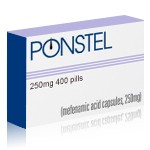
Ponstel (Mefenamic Acid 250/500mg) represents the fenamate class NSAID considered gold standard therapy for primary dysmenorrhea (painful menstrual periods) and moderate pain requiring specific anti-prostaglandin action. Originally developed by Parke-Davis Pharmaceuticals (now Pfizer) and FDA-approved in 1967, mefenamic acid established the anthranilic acid NSAID class with distinctive dual mechanism combining prostaglandin synthesis inhibition and direct antagonism of prostaglandin action at receptor sites — providing particularly potent efficacy for menstrual pain where uterine prostaglandins drive symptoms. Manufactured by Blue Cross Pharma Industry India as bioequivalent generic under WHO-GMP quality standards, Ponstel offers proven efficacy for menstrual cramps, mild to moderate acute pain, and various inflammatory conditions with 58 years of established clinical use. Available in two dose strengths — 250 mg (standard maintenance dose) and 500 mg (loading dose for menstrual pain protocol).
Mefenamic acid works through dual mechanism unique among NSAIDs. First, standard non-selective COX-1 and COX-2 inhibition reduces prostaglandin synthesis at inflammation sites. Second, distinctive to fenamates, mefenamic acid directly antagonizes prostaglandin action at receptor sites — providing additional pain relief mechanism beyond simple synthesis blockade. This dual action makes mefenamic acid particularly effective for conditions where prostaglandins are primary mediators — most notably primary dysmenorrhea where uterine PGF2-alpha and PGE2 drive severe menstrual cramping. Standard anti-inflammatory, analgesic, and antipyretic effects also occur. Clinical response: pain relief within 1-2 hours, peak effect at 2-4 hours, dramatic dysmenorrhea response often superior to standard NSAIDs, and 4-6 hour analgesic duration requiring 3-4 times daily dosing.
Ponstel serves multiple pain and inflammatory conditions with primary focus on menstrual pain. Primary uses include primary dysmenorrhea as gold standard NSAID therapy (500 mg loading, then 250 mg every 6 hours for up to 3 days); mild to moderate pain from various causes; toothache and dental pain; headache; degenerative joint and bone diseases; rheumatoid arthritis and osteoarthritis anti-inflammatory therapy; flu and upper respiratory tract infection symptoms; post-operative pain; post-partum aches; and traumatic injuries.
Ponstel dosed 500 mg initial, then 250 mg every 6 hours with food. Peak at 2-4 hours, 2 hour half-life. Maximum 7 days for dysmenorrhea per FDA labeling. Blue Cross Pharma India under WHO-GMP standards.
Free prescription
Discrete packaging
Have questions?
Quality Assurance

- Menstrual Cramps: Severe menstrual cramping from uterine prostaglandin overproduction;
- Painful Periods: Debilitating monthly menstrual pain requiring effective therapy;
- Mild to Moderate Pain: Acute pain from various causes;
- Toothache: Dental pain and post-procedure pain;
- Headache: Tension and other headache types;
- Post Operative Pain: Post-surgical pain management;
- Post Partum Pain: After-birth pain and cramping;
- Degenerative Joint Diseases: OA and other degenerative joint disorders;
- Rheumatoid Arthritis: RA anti-inflammatory therapy;
- Osteoarthritis: OA symptomatic treatment;
- Bone Diseases: Various bone pain conditions;
- Traumatic Injuries: Sports injuries with pain and inflammation;
- Flu Symptoms: Influenza-related body aches fever pain;
- Upper Respiratory Infections: URI-related pain fever;
- Prostaglandin Driven Pain Conditions: Conditions where prostaglandins primary mediator;
- Fenamate NSAID Class Therapy: Unique class with dual COX inhibition and receptor antagonism;
- Short Term Pain Management: Acute pain up to 7 days for dysmenorrhea;
- Foundational NSAID Therapy: 58 years of clinical experience since 1967;
- Generic Ponstel Therapy: Bioequivalent generic alternative to brand-name Ponstel at substantially lower cost.
- Better Menstrual Cramp Relief: Superior efficacy for dysmenorrhea vs standard NSAIDs;
- Less Painful Periods: Debilitating menstrual pain decreases dramatically with dual mechanism;
- Better Dual Mechanism Action: COX inhibition plus prostaglandin receptor antagonism;
- Less Inflammation: Active tissue inflammation reduces through prostaglandin blockade;
- Less Joint Pain: Arthritis pain decreases with anti-inflammatory action;
- Less Toothache Pain: Dental pain responds to NSAID therapy;
- Less Headache Pain: Various headache types improve;
- Less Muscle Aches: Body aches from flu URI or trauma improve;
- Better Post Operative Pain Control: Post-surgical pain managed effectively;
- Better Post Partum Pain Relief: After-birth cramping and pain improve;
- Better Trauma Recovery: Traumatic injuries with pain and inflammation improve;
- Better Rheumatoid Arthritis Control: RA responds to anti-inflammatory therapy;
- Better Osteoarthritis Symptoms: OA pain improves with NSAID;
- Better Rapid Onset: Fast onset for acute pain scenarios;
- Better Two Dose Strengths: 250/500 mg enables loading dose protocol for dysmenorrhea;
- Better Established Clinical Track Record: 58 years since FDA approval 1967;
- Better Fenamate Class Benefit: Unique mechanism among NSAID classes;
- Better Generic Cost: 85-95% lower cost than brand Ponstel makes therapy accessible;
- Better Quality of Life: Menstrual pain and other acute pain no longer restrict activities.
Generic Ponstel (Mefenamic Acid 250 mg) Medication guide:
Ponstel (Mefenamic Acid 250/500mg) is the fenamate class NSAID considered gold standard therapy for primary dysmenorrhea (painful menstrual periods) and moderate pain requiring specific anti-prostaglandin action. Originally developed by Parke-Davis Pharmaceuticals (now Pfizer) and FDA-approved in 1967, mefenamic acid established the anthranilic acid NSAID class with distinctive dual mechanism combining prostaglandin synthesis inhibition and direct antagonism of prostaglandin action at receptor sites. This unique dual mechanism makes mefenamic acid particularly effective for conditions where prostaglandins are primary mediators — most notably primary dysmenorrhea where uterine PGF2-alpha and PGE2 drive severe menstrual cramping. This comprehensive medication guide covers every aspect of Ponstel therapy from fenamate class chemistry through mechanism, pharmacology, dysmenorrhea protocols, safety considerations, drug interactions, patient selection, and appropriate short-term use recommendations.

💊 Introduction to Ponstel
Ponstel is a prescription oral medication containing mefenamic acid as its active ingredient. Mefenamic acid was developed by Parke-Davis Pharmaceuticals (later acquired by Pfizer) and received FDA approval in the United States in 1967 — establishing the anthranilic acid NSAID class (also called fenamates). When introduced, mefenamic acid represented a significant advance in menstrual pain treatment as no other medication provided comparable efficacy for primary dysmenorrhea, largely due to its distinctive dual mechanism combining cyclooxygenase inhibition with direct prostaglandin receptor antagonism.
The medication is manufactured worldwide by numerous generic pharmaceutical companies following patent expiration. The version sold under the Ponstel brand name on rxshop.md is manufactured by Blue Cross Pharma Industry India — an established Indian pharmaceutical company with WHO-GMP certified facilities. Available in two dose strengths — 250 mg capsules (standard maintenance dose) and 500 mg capsules (loading dose used in the standard dysmenorrhea protocol). The two-strength availability enables the standard menstrual pain treatment protocol: 500 mg loading dose at symptom onset, then 250 mg every 6 hours as needed for up to 3 days maximum.
Ponstel occupies a specialized position among NSAIDs primarily focused on primary dysmenorrhea therapy. While the medication is approved for various pain and inflammatory indications, its primary clinical importance derives from consistently demonstrating superior efficacy for menstrual cramps compared to standard non-selective NSAIDs. This superiority arises from mefenamic acid unique dual mechanism — beyond typical COX enzyme inhibition, mefenamic acid also directly antagonizes prostaglandin action at receptor sites, providing additional pain relief particularly valuable when prostaglandin levels are extremely elevated as in severe dysmenorrhea. However, this specialized efficacy comes with a higher side effect profile than newer NSAIDs including increased risks of hepatotoxicity, rash, and diarrhea. As a result, mefenamic acid is generally reserved for short-term use (maximum 7 days per FDA labeling for dysmenorrhea) rather than chronic anti-inflammatory therapy where safer alternatives like naproxen or celecoxib are preferred.
🔬 Understanding NSAIDs and the Fenamate Class
Understanding mefenamic acid in the context of NSAID chemistry explains its distinctive position among anti-inflammatory medications.
NSAID Chemical Classes
Major NSAID chemical classes:
- Salicylates: Aspirin, diflunisal
- Propionic acid derivatives: Ibuprofen (Motrin), naproxen (Naprosyn)
- Phenylacetic acid derivatives: Diclofenac (Jonac, Emulgel)
- Indoleacetic acid derivatives: Indomethacin (Indocin)
- Enolic acid derivatives (oxicams): Piroxicam (Feldene), meloxicam (Mobic)
- Coxibs: Celecoxib (Celebrex)
- Fenamates (anthranilic acid): Mefenamic acid (Ponstel) - unique dual mechanism
Fenamate Class Distinctive Properties
The fenamate class introduced by mefenamic acid demonstrates unique characteristics:
- Dual mechanism: COX inhibition PLUS direct prostaglandin receptor antagonism
- Enhanced dysmenorrhea efficacy due to dual action
- Short half-life (2 hours) requiring frequent dosing
- Higher side effect profile than newer NSAIDs
- Diarrhea common side effect particularly distinctive
- Rash and dermatologic reactions more frequent
- Recommended for short-term use typically
Other Fenamate NSAIDs
Additional fenamate class members include:
- Meclofenamic acid (Meclomen): Similar to mefenamic acid, longer half-life
- Flufenamic acid: Available in some markets
- Tolfenamic acid: Used for migraine in some countries
🔬 Understanding Primary Dysmenorrhea
Understanding primary dysmenorrhea is essential for appreciating why mefenamic acid is particularly effective and remains gold standard therapy.
What Is Primary Dysmenorrhea
Primary dysmenorrhea is painful menstruation without identifiable pelvic pathology — the most common form of dysmenorrhea affecting approximately 50-90 percent of menstruating women worldwide. Symptoms typically begin with menstruation onset and persist 1-3 days:
Classic dysmenorrhea symptoms:
- Lower abdominal cramping - suprapubic pain
- Radiation to lower back and thighs
- Nausea and vomiting in severe cases
- Diarrhea particularly if prostaglandin levels very high
- Headache and fatigue
- Sweating and dizziness in severe cases
- Onset with menstruation typical timing
- Duration 1-3 days usually
Pathophysiology — Why Prostaglandins Matter
Primary dysmenorrhea is driven almost entirely by excess uterine prostaglandin production:
- During menstruation, endometrial tissue releases PGF2-alpha and PGE2
- Elevated prostaglandins cause strong uterine contractions
- Sustained contractions compress uterine blood vessels causing ischemia
- Ischemia produces painful lactic acid buildup in uterine muscle
- Prostaglandins also sensitize pain nerve endings increasing perceived pain
- Higher prostaglandin levels = more severe symptoms
- Women with severe dysmenorrhea have 2-4 times elevated prostaglandin levels vs asymptomatic women
Why Mefenamic Acid Is Gold Standard
Mefenamic acid dual mechanism is uniquely suited for prostaglandin-driven dysmenorrhea:
- COX inhibition: Reduces new prostaglandin synthesis
- Receptor antagonism: Blocks already-produced prostaglandins from causing effects
- Combined effect: More complete symptom relief than pure COX inhibitors
- Particularly effective in severe dysmenorrhea with very high prostaglandin levels
🧬 Chemistry and Pharmacology of Mefenamic Acid
Mefenamic acid has the chemical formula C15H15NO2 with molecular weight approximately 241.3 g/mol. Structurally, mefenamic acid is N-(2,3-dimethylphenyl)-2-aminobenzoic acid — an anthranilic acid derivative distinct from other NSAID classes. The dimethyl-substituted phenyl ring connected to anthranilic acid backbone through nitrogen provides both COX enzyme binding and prostaglandin receptor antagonism.
Mechanism of Action
Mefenamic acid dual mechanism cascade:
- Mefenamic acid absorbed from GI tract distributes throughout body
- Standard NSAID action: Reversible non-selective COX-1 and COX-2 inhibition
- Reduced synthesis of new prostaglandins at inflammation sites
- Unique fenamate action: Direct antagonism at prostaglandin receptors
- Blocks action of prostaglandins already produced before therapy started
- Combined action produces more complete prostaglandin blockade
- Additional effects: reduced leukocyte activity, decreased cytokine production
- Result: anti-inflammatory action, analgesia, particularly potent for prostaglandin-driven conditions
Pharmacokinetic Profile
| Parameter | Value | Clinical Significance |
|---|---|---|
| Onset of pain relief | 1 to 2 hours | Fast onset for acute pain |
| Time to peak (Tmax) | 2 to 4 hours | Peak analgesic effect timing |
| Duration of effect | 4 to 6 hours | Requires 3-4 times daily dosing |
| Half-life | 2 hours (short) | Short half-life allows rapid washout |
| Oral bioavailability | Approximately 70 percent | Good oral absorption |
| Protein binding | Approximately 99 percent | Very high displacement potential |
| Metabolism | Hepatic CYP2C9 | CYP2C9 polymorphism affects clearance |
| Food effect | Delays absorption reduces GI upset | Take with food or milk |
| Elimination | Renal (as metabolites) | Renal function affects clearance |
🎯 Approved Indications

FDA Approved Indications
- Primary dysmenorrhea - gold standard NSAID therapy
- Mild to moderate pain - short-term use up to 7 days
Common Additional Uses
- Menstrual cramps and pain syndromes
- Painful periods with heavy bleeding
- Toothache and dental pain
- Headache and tension headache
- Post-operative pain - short-term adjunctive
- Post-partum aches and pain
- Traumatic injury pain
- Musculoskeletal pain
- Flu-related aches and pain
- Upper respiratory tract infection symptoms
- Degenerative joint diseases (short-term)
- Rheumatoid arthritis and osteoarthritis (short-term when other NSAIDs unsuitable)
Off-Label Uses
- Menorrhagia: Heavy menstrual bleeding - may reduce blood loss 20-50 percent
- IUD-related pain and bleeding
- Endometriosis pain - when other NSAIDs inadequate
- Migraine treatment - similar to other fenamates
Ideal Patient Selection
Ponstel therapy is most appropriate for:
- Women with primary dysmenorrhea not adequately controlled by standard NSAIDs
- Women with severe menstrual cramps requiring dual-mechanism therapy
- Women with concurrent heavy menstrual bleeding (menorrhagia)
- Short-term treatment of moderate acute pain (up to 7 days)
- Patients without significant hepatic or GI risk factors
- Patients able to take medication with food
- Adults without severe renal impairment
- Patients tolerating typical NSAID side effect profile
🚫 Contraindications

Absolute contraindications include:
- Hypersensitivity to mefenamic acid or other NSAIDs
- Aspirin or NSAID-induced asthma or urticaria (aspirin triad)
- Active peptic ulcer disease or GI bleeding
- Chronic inflammatory bowel disease (higher diarrhea risk with mefenamic acid)
- Recent coronary artery bypass graft (CABG) surgery
- Severe hepatic impairment
- Severe renal impairment
- Pre-existing renal disease
- Third trimester pregnancy
- Children under 14 years - safety not established
Use with caution in:
- Cardiovascular disease
- Elderly patients over 65 - increased sensitivity
- Renal impairment
- Peptic ulcer disease history
- Asthma patients
- Concurrent anticoagulants
- Pregnancy first and second trimester
- Lactation
- Dehydration
- Concurrent nephrotoxic medications
⚠️ FDA Black Box Warnings
Cardiovascular Risk Warning
FDA Black Box Warning - Cardiovascular Events:
NSAIDs including mefenamic acid may cause an increased risk of serious cardiovascular thrombotic events including myocardial infarction and stroke. Risk increases with duration of use. Short-term use for dysmenorrhea has minimal CV concern but risk exists.
Gastrointestinal Risk Warning
FDA Black Box Warning - Gastrointestinal Events:
NSAIDs cause an increased risk of serious GI adverse events including bleeding, ulceration, and perforation which can be fatal. Mefenamic acid also causes distinctive diarrhea (up to 20 percent of patients) which may signal colitis in some cases.
Hepatotoxicity Consideration
Mefenamic acid hepatotoxicity risk:
Higher hepatotoxicity risk than newer NSAIDs. Monitor liver function during extended use. Report immediately: jaundice, dark urine, unusual fatigue, right upper quadrant pain.
💉 Dosage and Administration
Primary Dysmenorrhea Protocol (Gold Standard)
Dysmenorrhea dosing protocol:
- Timing: Start at symptom onset (menstruation start or slight before)
- Loading dose: 500 mg (1 x 500 mg capsule) as initial dose
- Maintenance dose: 250 mg every 6 hours (1 x 250 mg capsule)
- Duration: Maximum 3 days for menstrual pain
- Total daily dose: Not to exceed 1500 mg (three 250 mg doses plus 500 mg loading)
- Effectiveness assessment: Should improve substantially within 1-2 hours
Standard Adult Dosing for Other Pain
- Moderate pain: 500 mg initial, then 250 mg every 6 hours
- Not to exceed 7 days per FDA labeling
- Maximum daily dose: 1000-1500 mg
- Take with food or milk to reduce GI upset (essential)
Administration Guidelines
- Take with food or milk - critical to reduce GI adverse effects
- Swallow capsules whole with full glass of water
- Maintain 6-hour intervals between doses
- Do NOT exceed 7 days maximum treatment duration for dysmenorrhea
- Do NOT combine with other NSAIDs
- Discontinue if diarrhea develops - common with mefenamic acid
- Discontinue if rash develops - increased risk with fenamates
- Monitor for signs of hepatotoxicity during use
📊 Clinical Effectiveness Data
| Indication | Response Rate |
|---|---|
| Primary dysmenorrhea | 80-90 percent significant relief (superior to standard NSAIDs) |
| Menorrhagia (heavy bleeding) | 20-50 percent blood loss reduction |
| Toothache and dental pain | 70-85 percent significant relief |
| Moderate acute pain | Equivalent to other NSAIDs |
| Post-operative pain | Effective for mild-moderate pain |
| Musculoskeletal pain | Effective short-term |
| Comparison vs ibuprofen for dysmenorrhea | Often superior for severe cases |
⚠️ Side Effect Profile
Common Side Effects
Mefenamic acid has a distinctive higher side effect profile than newer NSAIDs:
- Diarrhea: Common (up to 20 percent) - distinctive side effect of mefenamic acid
- Nausea: Common
- Vomiting: Common
- Dyspepsia and heartburn: Common
- Abdominal pain: Common
- Constipation: Occasional
- Headache: Common
- Dizziness: Common
- Nervousness: Occasional
- Drowsiness: Occasional
- Rash: Common (5-10 percent) - higher than other NSAIDs
- Tinnitus: Occasional
- Fluid retention: Occasional
- Blood pressure elevation: Occasional
- Blurred vision: Occasional
Serious Side Effects
Seek immediate medical attention for:
- Chest pain possibly suggesting myocardial infarction
- Sudden severe headache, weakness, speech difficulty possibly suggesting stroke
- Signs of GI bleeding: black tarry stools, vomiting blood, severe abdominal pain
- Severe or persistent diarrhea possibly suggesting colitis
- Blood in stools
- Severe allergic reactions: hives, facial swelling, difficulty breathing
- Severe skin reactions: rash with fever, blistering (higher risk with mefenamic acid)
- Signs of hepatotoxicity: jaundice, dark urine, unusual fatigue, right upper abdominal pain
- Signs of kidney injury: decreased urine output, swelling in legs
- Signs of heart failure: shortness of breath, ankle swelling
- Seizures (rare)
- Bronchospasm in aspirin-sensitive asthmatics

Overdose Management
Mefenamic acid overdose management:
Overdose signs include severe GI distress, hepatic dysfunction, renal impairment, and potentially seizures. Management includes:
- Emergency medical care - seek immediately
- Activated charcoal if presenting within hours of ingestion
- Supportive care - hydration, GI symptom management
- Liver function monitoring
- Renal function monitoring
- Seizure precautions
- No specific antidote unlike paracetamol
🔄 Drug Interactions

| Drug | Interaction |
|---|---|
| Warfarin, DOACs | Increased bleeding risk - monitor INR closely |
| Other NSAIDs, aspirin | Increased GI risk - avoid combination |
| Corticosteroids | Additive GI toxicity |
| ACE inhibitors, ARBs | Reduced antihypertensive effect increased renal risk |
| Diuretics | Reduced diuretic effect increased renal risk |
| Lithium | Increased lithium levels risk of toxicity |
| Methotrexate | Increased methotrexate levels toxicity risk |
| Fluconazole | CYP2C9 inhibition increases mefenamic acid levels |
| SSRIs and SNRIs | Additive GI bleeding risk |
| Alcohol | Additive GI bleeding risk and hepatotoxicity |
🛡️ Special Populations
- Women of Menstruating Age
- Primary target population for mefenamic acid dysmenorrhea therapy. Use standard 500 mg loading + 250 mg every 6 hours protocol for maximum 3 days per menstrual cycle. Highly effective for severe cases.
- Elderly Patients Over 65
- Increased sensitivity to all NSAID adverse effects. Higher risk of hepatotoxicity and GI events. Generally not preferred - safer NSAIDs (naproxen) or paracetamol preferred for pain management in elderly.
- Pediatric Population
- Safety not established in children under 14 years. Not recommended for pediatric use.
- Pregnancy
- First and second trimester: Category C - use only if benefit justifies risk. Third trimester: contraindicated due to premature ductus arteriosus closure risk.
- Lactation
- Passes into breast milk. Alternative NSAIDs (ibuprofen) generally preferred during breastfeeding.
- Cardiovascular Disease
- Contraindicated post-CABG. Use with caution in CV disease. Short-term dysmenorrhea use has minimal CV concern.
- Renal Impairment
- Contraindicated in pre-existing renal disease and severe impairment. Use with caution in mild-moderate impairment.
- Hepatic Impairment
- Contraindicated in severe hepatic impairment. Higher hepatotoxicity risk than other NSAIDs. Monitor liver function.
- Inflammatory Bowel Disease
- Contraindicated in ulcerative colitis and Crohn disease. Mefenamic acid diarrhea side effect may worsen IBD.
- Chronic Alcohol Users
- Increased hepatotoxicity and GI bleeding risk. Avoid or use with caution and minimal alcohol.
🔬 Comparison with Other NSAIDs
| Property | Ponstel (Mefenamic Acid) | Ibuprofen (Motrin) | Naproxen (Naprosyn) |
|---|---|---|---|
| Class | Fenamate (anthranilic acid) | Propionic acid | Propionic acid |
| Mechanism | COX inhibition + PG receptor antagonism | COX inhibition | COX inhibition |
| Dysmenorrhea efficacy | Gold standard | Effective | Effective |
| Half-life | 2 hours | 2-4 hours | 12-15 hours |
| Dosing frequency | 3-4 times daily | 3-4 times daily | Twice daily |
| GI risk | Higher | Standard | Higher |
| Diarrhea specific side effect | Common (up to 20 percent) | Occasional | Occasional |
| Rash risk | Higher (5-10 percent) | Low | Low |
| Duration limit | 7 days maximum | No specific limit | No specific limit |
| Best for | Severe dysmenorrhea short-term | Broad utility acute pain | Chronic arthritis CV-safer |
📆 Long-Term Use Considerations
Ponstel is NOT recommended for long-term use:
- Maximum 7 days per FDA labeling for dysmenorrhea
- Higher side effect profile makes chronic use unfavorable
- For monthly dysmenorrhea, use for 3 days each cycle
- For chronic arthritis, alternative NSAIDs (naproxen, celecoxib) preferred
- Not appropriate for continuous chronic pain management
When Chronic NSAID Therapy Required
If chronic NSAID therapy is required for ongoing pain conditions, consider alternatives:
- Naproxen (Naprosyn): Lowest CV risk, twice-daily convenience
- Celecoxib (Celebrex): Best GI safety, selective COX-2
- Ibuprofen (Motrin): Well-established broad utility
- Meloxicam (Mobic): Once-daily preferential COX-2
- Diclofenac (topical): Localized therapy with minimal systemic exposure
📦 Storage and Handling
- Store at room temperature between 15°C and 30°C (59°F and 86°F)
- Keep in original blister packaging to protect from light and moisture
- Avoid storage in bathrooms where humidity fluctuates significantly
- Keep out of reach of children and pets
- Do not use capsules past the expiration date printed on packaging
- Return unused or expired medication to pharmacy for proper disposal
- Do not share mefenamic acid with others as safety considerations vary
- Store enough for expected menstrual cycle needs
👨⚕️ When to Contact Your Doctor
- Signs of cardiovascular events: chest pain, sudden weakness
- Signs of GI bleeding: black stools, vomiting blood, severe abdominal pain
- Signs of allergic reaction: rash, swelling, difficulty breathing
- Severe skin reactions: rash with fever, blistering
- Severe or persistent diarrhea possibly suggesting colitis
- Blood in stools
- Signs of hepatotoxicity: jaundice, dark urine, unusual fatigue
- Signs of kidney problems: decreased urine, ankle swelling
- Bronchospasm particularly if asthmatic
- Severe menstrual pain not responding to therapy - may need evaluation for secondary dysmenorrhea
- Menstrual pain worsening over cycles
- Persistent pain requiring more than 7 days therapy
- Pregnancy planning or confirmed pregnancy
- Development of new medical conditions
- Starting new medications
🌟 Key Takeaways
Essential points about Ponstel (mefenamic acid) therapy:
- Ponstel is fenamate class NSAID FDA-approved in 1967 by Parke-Davis
- Unique dual mechanism: COX inhibition PLUS direct prostaglandin receptor antagonism
- Gold standard NSAID therapy for primary dysmenorrhea (menstrual cramps)
- Superior to standard NSAIDs for severe menstrual pain
- Standard dysmenorrhea protocol: 500 mg loading then 250 mg every 6 hours
- Maximum 7 days therapy per FDA labeling (3 days for dysmenorrhea)
- Take with food or milk to reduce GI upset (essential)
- Short 2-hour half-life requires 3-4 times daily dosing
- Higher side effect profile than newer NSAIDs
- Distinctive diarrhea side effect (up to 20 percent)
- Higher rash risk than other NSAIDs (5-10 percent)
- Higher hepatotoxicity risk than other NSAIDs
- NOT recommended for chronic use - reserve for short-term acute pain
- Also effective for menorrhagia (heavy bleeding reduction 20-50 percent)
- Contraindicated in inflammatory bowel disease, pre-existing renal disease
Important Medical Disclaimer: This medication guide provides general information about Ponstel (mefenamic acid) and does not constitute individualized medical advice. Every patient situation is unique and requires evaluation by a qualified healthcare provider before starting continuing adjusting or discontinuing any medication. Do not use Ponstel without prescription from a qualified healthcare professional who has evaluated your specific medical situation. This medication is intended for short-term use only (maximum 7 days) with higher side effect profile than newer NSAIDs. Report immediately any signs of GI bleeding, hepatotoxicity, severe skin reactions, severe diarrhea, or allergic reactions. Discontinue if diarrhea or rash develops. If your menstrual pain does not respond adequately or worsens, seek evaluation for secondary dysmenorrhea. The information provided here should complement but never replace direct professional medical guidance.
Ponstel — Frequently Asked Questions
-
What is Ponstel used for?
Ponstel is an NSAID used to treat mild to moderate pain, including menstrual cramps, dental pain, and general pain relief. It reduces inflammation and pain in the body. -
How does Ponstel work?
It works by inhibiting the production of chemicals in the body responsible for pain and inflammation, specifically by blocking the activity of enzymes called cyclooxygenase (COX-1 and COX-2). -
How should Ponstel be taken?
Ponstel should be taken exactly as prescribed by your healthcare provider, usually with food or milk to prevent stomach upset. -
Can Ponstel be taken on an empty stomach?
It's recommended to take Ponstel with food or milk to minimize gastrointestinal side effects. -
How long does it take for Ponstel to work?
The effects of Ponstel can be felt within 30 minutes to 2 hours of ingestion, varying by individual and condition being treated. -
Is Ponstel safe for children?
Ponstel is not recommended for children under 14 years of age due to the lack of sufficient studies on its safety and effectiveness in this age group. -
Can Ponstel be used for headaches?
While not a primary indication, Ponstel may relieve pain from headaches; however, it's important to use it under a healthcare provider's guidance for this purpose.
See all Ponstel questions (32)
More Pain Medicine Medications


