Buy Fosamax (Alendronate 10mg / 35mg / 70mg) Online - Original Merck Brand Cipla Generic Bisphosphonate

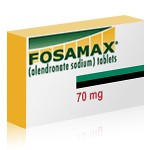
Fosamax (Alendronate Sodium 10 mg / 35 mg / 70 mg) represents the foundational nitrogen-containing bisphosphonate osteoporosis therapy - the reference second-generation aminobisphosphonate providing profound osteoclast suppression, bone density preservation, and substantial fracture risk reduction across postmenopausal osteoporosis, male osteoporosis, glucocorticoid-induced osteoporosis, and Paget disease indications. Originally developed by Merck and Company and FDA-approved as Fosamax in 1995 for postmenopausal osteoporosis, with additional once-weekly formulations approved in 2000 (35 mg prevention, 70 mg treatment), alendronate has over 25 years of continuous clinical use as the reference oral bisphosphonate for osteoporosis worldwide. Fosamax on rxshop.md is manufactured by Cipla Limited - one of India largest pharmaceutical companies with WHO-GMP certification and US FDA-inspected manufacturing facilities.
Alendronate works as a nitrogen-containing bisphosphonate providing potent osteoclast inhibition through two-step mechanism. First, alendronate binds hydroxyapatite mineral matrix with high affinity - selectively concentrating at active bone remodeling sites throughout the skeleton. Second, alendronate is internalized by osteoclasts during bone resorption. Third, alendronate inhibits farnesyl pyrophosphate synthase in the mevalonate pathway blocking protein prenylation. Fourth, this disrupts osteoclast function and induces osteoclast apoptosis substantially reducing bone resorption. Fifth, the reduced bone turnover preserves bone mineral density and reduces fracture risk. Clinical trials (FIT trial - Fracture Intervention Trial) demonstrate approximately 50 percent vertebral fracture reduction and substantial hip fracture reduction in postmenopausal osteoporosis patients.
Fosamax serves comprehensive bone health indications including postmenopausal osteoporosis prevention, postmenopausal osteoporosis treatment, male osteoporosis, glucocorticoid-induced osteoporosis, and Paget disease of bone. Distinctive advantage of Fosamax is availability in three dose strengths providing complete dosing flexibility - 10 mg for daily treatment, 35 mg for once-weekly prevention, and 70 mg for once-weekly treatment. This three-strength availability enables individualized therapy from daily dosing preferences through convenient once-weekly protocols with improved patient adherence.
Fosamax is available in four pack sizes at each strength - 30, 60, 90, and 120 tablets - accommodating different treatment durations from monthly refills through 4-month bulk supplies. The 120-tablet pack represents the bestseller reflecting extended therapy protocols and long-term osteoporosis management. CRITICAL administration requirement: take on empty stomach with plain water only, remain upright for 30 minutes, no food or other beverages for 30 minutes after dose. Requires baseline dental evaluation before therapy.


Free prescription
Discrete packaging
Have questions?
Quality Assurance

- Postmenopausal Osteoporosis Prevention: Prevention of postmenopausal bone loss in women at risk before osteoporosis develops;
- Male Osteoporosis: Treatment of osteoporosis in men from hypogonadism, aging, or secondary causes affecting bone density;
- Glucocorticoid Induced Osteoporosis: Prevention and treatment of bone loss from chronic corticosteroid therapy in various inflammatory conditions;
- Paget Disease of Bone: Abnormal bone remodeling disorder with excessive bone turnover causing weakened deformed bones;
- Vertebral Fracture Prevention: Substantial reduction in spinal compression fracture risk from preserved vertebral bone density;
- Hip Fracture Prevention: Reduction in devastating hip fracture risk that carries 20-25 percent one-year mortality in elderly;
- Osteopenia High Risk: Low bone density (T-score negative 1.0 to negative 2.5) with additional fracture risk factors requiring intervention;
- Postmenopausal Bone Loss: Progressive bone density decline occurring after menopause requiring pharmacological intervention;
- Fragility Fracture History: Prior low-trauma fracture indicating established osteoporosis requiring active treatment therapy;
- Bone Density Loss: Progressive reduction in bone mineral density affecting skeletal strength and fracture susceptibility;
- Osteoporosis Fracture Risk: Elevated fracture risk from low bone density affecting quality of life and mortality;
- Vertebral Compression Fracture: Painful spinal compression fractures from weakened vertebral bone in postmenopausal women;
- Bisphosphonate Therapy: Second-generation nitrogen-containing bisphosphonate providing potent osteoclast inhibition and bone resorption suppression;
- Bone Turnover Reduction: Reduction of abnormal bone remodeling activity through osteoclast function inhibition preserving bone architecture;
- Corticosteroid Induced Bone Loss: Chronic prednisone or equivalent therapy accelerates bone loss requiring pharmacological protection;
- Hypogonadal Male Osteoporosis: Low testosterone associated bone loss in men requiring bisphosphonate therapy for skeletal protection;
- Aromatase Inhibitor Bone Loss: Accelerated bone loss from aromatase inhibitor breast cancer therapy requiring bisphosphonate protection;
- Bone Mineral Density Loss: Measurable decline in bone density on DEXA scan requiring intervention to prevent fractures;
- High Fracture Risk Patients: FRAX score above intervention threshold or multiple risk factors requiring pharmacological osteoporosis therapy.
- Reduces Hip Fractures: Substantial hip fracture reduction preventing devastating outcome with 20-25 percent one-year mortality risk;
- Reduces Non-Vertebral Fractures: Substantial reduction in wrist forearm and other peripheral fracture risk during therapy;
- Preserves Bone Density: Increased spine and hip bone mineral density on DEXA scan over years of continuous therapy;
- Reduces Bone Turnover: Suppresses excessive bone resorption preserving bone architecture and mechanical strength substantially;
- Once Weekly Convenience: 35 mg and 70 mg once-weekly formulations improve adherence over daily bisphosphonate regimens significantly;
- Daily Dosing Option Available: 10 mg daily strength for patients preferring daily dosing schedule or specific clinical protocols;
- Three Strength Dosing Flexibility: 10/35/70 mg enables individualized therapy across daily and once-weekly regimens for all indications;
- Oral Tablet Administration: Simple oral therapy avoiding intravenous infusions or complex administration procedures needed with other bisphosphonates;
- Cost Effective Osteoporosis Therapy: Substantially more affordable than intravenous bisphosphonates or newer osteoporosis medications;
- Original Merck Brand Heritage: FDA-approved 1995 with over 25 years continuous clinical use and extensive safety data;
- Cipla Manufacturing Quality: WHO-GMP and US FDA-inspected manufacturing standards providing bioequivalent generic quality worldwide;
- Comprehensive Indication Coverage: Postmenopausal male glucocorticoid-induced osteoporosis plus Paget disease from single medication;
- WHO Essential Medicine: Listed on World Health Organization Essential Medicines List for global health importance;
- Long Term Bone Protection: Persistent skeletal protection with sustained fracture risk reduction over years of continuous therapy;
- Prevents Height Loss: Vertebral fracture prevention preserves height and prevents kyphosis in postmenopausal women;
- Four Pack Size Options: 30 to 120 tablet packs accommodate monthly refills through 4-month bulk supplies for long-term therapy;
- Male Osteoporosis Effectiveness: Established efficacy in male osteoporosis providing bone density preservation and fracture risk reduction;
- Improves Physical Function: Preserved bone architecture supports mobility independence and quality of life in elderly patients;
- Better Long Term Survival: Hip fracture prevention substantially reduces one-year mortality risk in elderly osteoporotic patients significantly improving survival.
Generic Fosamax (Alendronate 10 mg) Medication guide:
🦴 Meet Fosamax - Alendronate for Thinning Bones in Plain Words
👋 Fosamax is the brand name of alendronate sodium, a tablet that slows the loss of bone. 🦴 It belongs to the bisphosphonates, the most used family of osteoporosis drugs, and it was first approved in the United States in 1995. The page sells it in 10, 35 and 70 mg as a Cipla product, in packs of 30 to 120 tablets.
📋 Osteoporosis means bone that has become light and porous, so a fall that should bruise you can break a wrist, a spine bone or a hip. 🔎 The guide below follows the current US Fosamax label (Organon, revised 02/2026), the trials that proved the drug, and the long-term safety work that came later. Where the page says more than those sources say, the table shows it.
💡 The low absorption explains the whole morning ritual in section 5: a tablet that reaches the blood in such a small amount cannot afford coffee, breakfast or a second pill in the first half hour. And the long stay in bone explains the drug holiday talk in section 14: the effect fades slowly, so a review after 3 to 5 years is normal practice.
| 📝 What the Fosamax page says | 📊 What the sources say | 🚦 Verdict |
|---|---|---|
| Sold in 10, 35 and 70 mg under the Fosamax name | The US label lists a 70 mg tablet only and states that the 5, 10, 35 and 40 mg strengths are no longer marketed under the brand. Generic alendronate does exist in those strengths | Wider than the brand |
| Original Merck brand, made by Cipla | The Fosamax label names Organon as distributor. The product on the page is a Cipla alendronate | Mixed wording |
| Four pack sizes at each strength | The 10 mg strength shows only 90 and 120 tablets | Not true for 10 mg |
| Glucocorticoid-induced osteoporosis: 70 mg weekly or 10 mg daily | The label gives 5 mg daily, and 10 mg daily only for postmenopausal women not taking estrogen | Differs from label |
| Contraindicated below 35 mL/min kidney clearance, in pregnancy and in breastfeeding | The label says not recommended below 35 mL/min; stop when pregnancy is recognized; lactation effects unknown | Stronger than label |
| Peak 1 to 2 hours, plasma half-life about 3 hours | The label says plasma levels after oral doses are too low to measure (under 5 ng/mL) | Not in the label |
| Free prescription, no consultation fee | The label expects low calcium to be corrected, the esophagus and kidneys to be considered and the mouth to be examined before the first tablet | Does not fit |
⚠️ How to read this guide.
🔹 It does not replace your doctor alendronate is a prescription drug, and the first tablet should follow a bone density scan and blood tests.
🔹 Percentages describe groups they come from thousands of women, not from a promise about you.
🔹 The label is the yardstick where the page and the label differ, the label wins.
📚 Related reading: osteoporosis and menopause and Evista for a different bone drug.
🔬 How Alendronate Slows the Cells That Dissolve Bone
🔬 Healthy bone is rebuilt all the time: cells called osteoclasts dissolve a small patch and cells called osteoblasts fill it again. 📉 After menopause the dissolving side speeds up and the filling side does not keep pace. Alendronate turns the dissolving side down.
🧲 It sticks to bone
📌 Alendronate binds the mineral of bone, and the label says it settles at the places where bone is being dissolved
💧 Almost none stays in the blood: plasma levels after a tablet are too low to measure
✅ Most of what is absorbed goes to bone or leaves in urine within hours
🛑 It calms the bone-eating cell
🔬 The osteoclast still sticks to bone but cannot dissolve it, because it loses the ruffled edge it works with
🧬 Textbooks add that alendronate blocks an enzyme called FPP synthase (a chemistry detail that is not in the label)
📊 Bone turnover markers in urine fall by about 50 to 70 percent within months
⏳ It stays for years
🦴 New bone forms on top of the drug, which then sits locked inside and inactive
📅 The label estimates a bone half-life of more than 10 years
⚠️ The same long stay is why a pregnancy after treatment is discussed in section 29
💡 The label also notes that the drug works only while it is given: bone-turnover markers drifted back toward the starting level within months after short courses. 📌 That is the reason the drug is taken for years, not weeks.
💡 Three clarifications that save confusion.
🔹 Bone density is not the same as bone strength density scans measure mineral; fracture counts in trials show what the drug really does for strength.
🔹 It does not build new bone it slows loss, and bone gains a little because rebuilding still goes on.
🔹 It is not a hormone it does not replace estrogen; see Premarin or Evista for those routes.
🎯 Who Should Think About a Bone Drug and Who Should Wait
🎯 The label lists four uses: treatment and prevention of osteoporosis in postmenopausal women, treatment to increase bone mass in men, glucocorticoid-induced osteoporosis and Paget disease of bone. 📌 The tree sorts the common starting points.
⚠️ The stakes are real. A review of hip fracture studies found the risk of dying in the first 3 months was 5.75 times higher in women than in women of the same age without a fracture, and it never fully came back to normal. 💬 That is why treating the first fracture matters more than treating a number on a scan.
💭 Anita Sharma, MD, FACOG, on starting a bone drug
Women ask me whether the scan number decides everything. It does not. I look at the scan, at any earlier fracture, at age, at steroid tablets, at smoking and at family history together, and I use a risk calculator such as FRAX, which estimates the chance of a major fracture in the next ten years. A 60 year old with a T-score of minus 2.6 and no other risk is a different conversation from a 78 year old with a T-score of minus 2.0 and a wrist fracture last year.
📚 More on the menopause side: osteoporosis and menopause and menopausal symptoms in medical terms.
📦 Strengths and Pack Math - How Long 30 to 120 Tablets Last
📦 The page prices packs of 30, 60, 90 and 120 tablets and calls them monthly refills and four-month supplies. 🧮 That is true for a daily tablet and wrong for a weekly one, so it is worth doing the arithmetic.
📅 A pack of 120 tablets of 70 mg is about 27.6 months of treatment. The page allows 2 packs per order, so one order could hold 4.6 years of tablets, longer than the 3 to 5 year review point on the label. Label: 4 tablets The US pack holds just 4 weekly tablets, one month at a time.
| 💊 Strength | 📋 Label use | 📆 Tablets per year |
|---|---|---|
| 70 mg weekly | Treatment of osteoporosis in postmenopausal women and in men | 52 |
| 35 mg weekly | Prevention of osteoporosis after menopause | 52 |
| 10 mg daily | Treatment (the older daily schedule), and the dose for postmenopausal women with steroid-induced bone loss who take no estrogen | 365 |
| 5 mg daily | Prevention, and the usual dose in steroid-induced bone loss; the page does not sell it | 365 |
| 40 mg daily for 6 months | Paget disease of bone; the page sells no 40 mg tablet, so this would need four 10 mg tablets a day (about 720 tablets) | 720 in total |
💡 What to do with the numbers.
🔹 Count weeks, not tablets a weekly tablet turns a big pack into a long commitment.
🔹 Check the expiry date read it on arrival and plan to finish the tablets before it (general guidance).
🔹 Ask about the size a smaller pack gives a natural review point with your doctor.
☀️ The Morning Ritual Step by Step - Water, Upright, Wait
☀️ Almost every serious problem with alendronate traces back to how the tablet is taken. ⚠️ The label says failure to follow the instructions may increase the risk of esophageal problems, and that waiting less than 30 minutes or taking it with food lessens the effect.
📊 The label gives numbers for the waiting. Absorption was about 40 percent lower when the tablet was taken 30 or 60 minutes before breakfast than when it was taken 2 hours before, and it was negligible with a meal. ☕ Coffee or orange juice with the tablet cut it by about 60 percent.
| ⚠️ The slip | 📊 What the label says | 🛠️ Fix |
|---|---|---|
| Tablet at bedtime or before getting up | Should not be taken at bedtime or before arising for the day | Move it to the morning, after you are on your feet |
| Coffee, tea, juice or soda with the tablet | Coffee or orange juice reduced absorption by about 60 percent | Plain water only; coffee after the wait |
| Mineral water | Other beverages, including mineral water, are likely to reduce absorption | Use tap or filtered water |
| Tablet with breakfast | Bioavailability was negligible with a meal | Take it on an empty stomach, then wait |
| Lying down after the tablet | The risk of severe esophageal reactions appears greater in patients who lie down | Stay upright until after your first food |
| Chewing or sucking the tablet | Possible oropharyngeal ulceration | Swallow whole |
💡 Three habits that make it stick (general guidance).
🔹 Put the glass on the table the night before the morning job is then one tablet, one glass.
🔹 Pick a weekly day you can protect Sunday or Saturday morning works for many people.
🔹 Set a phone alarm for the end of the wait breakfast and the rest of your pills start when it rings.
⏱️ Your First Two Hours After the Tablet
⏱️ The minimum is 30 minutes, and the minimum is not the same as the best. 📊 The chart lays out the time after swallowing the tablet.
- 👣 Move around, do not lie back down. Reading, dressing and light chores are fine; sitting and standing both work.
- ☕ Coffee and tea wait their turn. After the half hour they are allowed, and a longer wait is better for the tablet.
- 💊 Other morning pills come after the wait. Thyroid tablets, blood pressure pills and vitamins all need their own place in the morning plan.
- 🍳 The first meal can be small. The point is to eat after the wait, not to skip breakfast.
- 🛏️ If you cannot stay upright, do not take the tablet. The label lists the inability to sit or stand for 30 minutes as a contraindication; section 24 covers missed doses.
💡 If your thyroid tablet or another pill must also be taken on an empty stomach, ask a pharmacist to set a timetable; the two waits can be stacked in one morning without losing either (general guidance). 📚 For thyroid timing see Eltroxin as an example of a drug with its own morning rules.
⚖️ Weekly or Daily - Which Schedule Fits and What the Trials Found
⚖️ The weekly tablets were not tested for fractures against the daily ones; they were tested for bone density. 📌 The label calls that therapeutic equivalence and the numbers are close.
| 📋 Comparison | 📊 Lumbar spine density at 1 year | 🔢 Women studied |
|---|---|---|
| 70 mg once weekly | +5.1 percent | 519 women in the treatment study |
| 10 mg once daily | +5.4 percent | 370 women in the same study |
| 35 mg once weekly | +2.9 percent | 362 women in the prevention study |
| 5 mg once daily | +3.2 percent | 361 women in the same study |
📌 Side effects were similar in the label tables: abdominal pain 3.7 percent with 70 mg weekly and 3.0 percent with 10 mg daily, and musculoskeletal pain 2.9 and 3.2 percent. 💬 In an open Israeli study of 3,710 women who switched from daily to weekly tablets, 96 percent preferred the weekly schedule and 2.8 percent stopped because of side effects.
✅ What this means in practice.
🔹 Weekly suits most people one ritual a week is easier to keep than seven, and keeping it is where the benefit comes from.
🔹 Daily is not worse it asks for a morning ritual every day, with the same rules, and gives similar density gains.
🔹 The fracture proof comes from the daily trials the weekly tablet is supported by density equivalence, which is why a 5.1 vs 5.4 comparison matters.
📆 In the US, only the weekly 70 mg tablet remains in the Fosamax label. 📚 Cipla and other makers sell alendronate in more strengths in other countries; the leaflet in your pack and your doctor set which one you use.
📊 What the Fracture Trials Really Measured
📊 The page says alendronate gives about 50 percent fewer spine fractures and a substantial drop in hip fractures. 🔎 The label tables for the two Fracture Intervention Trials show where that is true and where it is not.
| 🧪 Trial | 🔢 Women | 📊 What happened with alendronate against placebo |
|---|---|---|
| Fracture Intervention Trial, women with a spine fracture, 3 years | 2,027 | New spine fractures 7.9 against 15.0 percent; symptomatic spine fractures 2.3 against 5.0; hip 1.1 against 2.2; wrist 2.2 against 4.1 |
| Fracture Intervention Trial, women without a spine fracture, 4 years | 4,432 (3,066 with osteoporosis) | In the osteoporotic group: spine fractures 2.5 against 4.8 percent; any clinical fracture 12.9 against 16.2; hip and wrist no clear difference |
| FOSIT, 1 year, low bone mass | 1,908 | Nonvertebral fractures in 19 against 37 women, a 47 percent lower risk |
| Phase III treatment trials, 3 years | 994 | New spine fractures 3.2 against 6.2 percent, a 48 percent lower risk |
⚠️ Reading the pattern.
🔹 Spine protection is the firmest result it showed up in every trial, with and without a prior spine fracture.
🔹 Hip protection is proven mainly in women who already had a spine fracture the FIT 4-year trial overall had no clear hip result.
🔹 Density level matters in women with a femoral neck T-score below minus 2.5, clinical fractures fell by 36 percent (about 15 treated for one fewer fracture); in women with higher density there was no significant fall.
📌 In plain words: the drug works best where fracture risk is highest, and the page should say so.
📈 Bone Density Gains - What the Scan Numbers Mean
| 📋 Group and dose | 📍 Site | 📈 Density gain |
|---|---|---|
| Postmenopausal women, 10 mg daily, 3 years (against placebo) | Lumbar spine Femoral neck Trochanter Whole body |
+8.8 percent +5.9 percent +7.8 percent +2.5 percent |
| Postmenopausal women, 10 mg daily, 10 years (against the start) | Lumbar spine Trochanter Femoral neck Total hip |
+13.7 percent +10.3 percent +5.4 percent +6.7 percent |
| Men, 10 mg daily, 2 years (against placebo) | Lumbar spine Femoral neck |
+5.3 percent +2.6 percent |
| Men, 70 mg weekly, 1 year (against placebo) | Lumbar spine Femoral neck |
+2.8 percent +1.9 percent |
📈 Gains come early. The label says increases were evident by 3 months and kept rising over 3 years; in a 2-year extension the spine gained another 0.94 percent while the neck of the femur held steady. 📌 In women who stopped after one or two years, there were no further gains and the loss rate was similar to placebo.
- 🧮 A percentage gain is not a fracture count. Density can rise a little and still bring a large drop in fractures, because slower bone turnover also helps bone quality (general explanation).
- 📅 Most of the change comes in the first two years, so a first scan after 1 to 2 years shows whether the treatment is moving the right way.
- 🔁 Scanners differ. Compare scans from the same machine and, if possible, the same center.
- ❓ A flat scan is not a failed treatment. Holding density steady while others lose 1 percent a year is also a benefit.
📚 For the menopause background: osteoporosis and menopause.
📉 Do 119 Studies Agree - The Cochrane Review of Alendronate
❓ A single trial can be lucky. 📚 The Cochrane review of alendronate (updated in 2025) pooled 119 randomized studies, 102 of them with usable numbers, and split the women into those at lower risk (primary prevention) and those at higher risk (secondary prevention).
| 🔢 Women | 🦴 Fracture result against placebo | 🔬 Certainty of the evidence |
|---|---|---|
| Lower risk, 16 studies, 10,057 women | Clinical spine fractures RR 0.45 (1.4 percent fewer); nonvertebral RR 0.83; hip RR 0.76 and wrist RR 1.12 with no clinically important difference | Low |
| Higher risk, 20 studies, 7,375 women | Clinical spine fractures RR 0.45 (2.7 percent fewer); hip RR 0.49 (1.0 percent fewer); wrist RR 0.54; nonvertebral RR 0.80 | Moderate for spine, low for the rest |
| Both groups, serious side effects | Lower risk RR 1.08; higher risk RR 0.75; withdrawals due to side effects uncertain | Low |
📌 RR means relative risk: 0.45 means the risk is 45 percent of the placebo risk, or 55 percent lower. 🧮 The absolute numbers are smaller: 1.4 fewer clinical spine fractures per 100 lower-risk women and 2.7 fewer per 100 higher-risk women over one to five years.
💡 What the review adds.
🔹 The spine result holds in both groups women who have not yet broken a bone gain from it too.
🔹 The hip result holds only in higher-risk women the lower-risk estimate leaned the right way but was too uncertain to count.
🔹 Wrist fractures fell only in the higher-risk group RR 0.54 against 1.12 in lower-risk women.
🔹 Few studies were free of bias only 8 of 102 studies were at low risk of bias in all domains, which is why most results are graded low certainty.
♂️ Men on Fosamax - Bone Density, Testosterone and Fractures
♂️ Osteoporosis in men gets less attention than it deserves, yet men also break spines and hips. 📋 The label wording is careful: alendronate is indicated to increase bone mass in men with osteoporosis, and the two studies behind it were small.
📈 In that 2-year trial the spine gained 7.1 percent in density on alendronate against 1.8 percent on placebo, and height loss was 0.6 mm against 2.4 mm. 📌 A second one-year study of 167 men on 70 mg weekly showed a 2.8 percent spine gain over placebo. In both studies the response was similar whether the testosterone level was low or normal.
💭 Michael Reeves, MD, FACS, on bone loss in men
A man with a fragility fracture or a very low scan deserves a search for the cause before the prescription. I check testosterone, alcohol intake, steroid tablets, thyroid and calcium handling, because treating the cause can change the plan. Alendronate is a reasonable choice for many of these men, and the density response does not depend on testosterone, but a man on testosterone replacement still needs the morning ritual and the dental check.
💡 What the evidence does and does not say for men.
🔹 Density and spine fractures improved the label studies lasted one to two years.
🔹 There is no large men-only hip fracture trial a 2024 observational study of Kaiser Permanente patients found odds of hip fracture of 0.21 in treated men and 0.26 in treated women compared with untreated.
🔹 Guidelines lean the same way the American College of Physicians suggests bisphosphonates first for men with primary osteoporosis (conditional recommendation, low-certainty evidence).
📚 Background: low testosterone, testing and replacement and Cernos.
💉 Steroid Tablets and Bone - The 5 mg and 10 mg Question
💉 Steroid tablets such as prednisone slow bone formation and speed bone loss, and fractures come early, often in the spine and ribs. 📋 The label treats glucocorticoid-induced osteoporosis in men and women taking the equivalent of 7.5 mg of prednisone or more a day and having low bone density.
| ❓ Question | 📋 Label answer | 📝 Fosamax page |
|---|---|---|
| Usual daily dose | 5 mg once a day | 70 mg weekly or 10 mg daily |
| Postmenopausal women not taking estrogen | 10 mg once a day; spine gain 4.1 against 1.6 percent for 5 mg | Not separated |
| Fractures | New spine fractures at 2 years 0.7 against 6.8 percent; at 1 year the difference was not significant (2.3 against 3.7) | Not given |
| Before the first tablet | Check the sex hormone status of men and women; measure bone density at the start and again after 6 to 12 months | Not mentioned |
| Calcium and vitamin D | Adequate amounts, with extra care because calcium absorption is lower on steroids | 1,200 mg and 800 to 1,000 IU |
💬 The label tested daily doses only. Whether a weekly tablet is used instead is a decision for your doctor, and it can vary between guidelines (general guidance, not checked here). The threshold is 7.5 mg of prednisone a day; below it the label says the balance of risk and benefit is not established.
✅ If you take steroids for months.
🔹 Ask about bone protection at the start of the steroid waiting for the first fracture means waiting too long.
🔹 Ask for a bone density scan the label asks for one at the start and after 6 to 12 months.
🔹 Keep the steroid at the lowest dose that controls the disease that part is your specialist decision, not the bone drug.
📚 See Deltasone for the steroid side of the pair.
🧬 Paget Disease of Bone - 40 mg for Six Months
🧬 In Paget disease, bone is broken down and rebuilt too fast and too messily, giving enlarged, weak and sometimes painful bones. 📋 The label treats it when alkaline phosphatase (ALP, a blood enzyme that rises with the fast bone turnover) is at least twice the upper limit, when there are symptoms, or when complications are a risk.
⚠️ The dose is four times the osteoporosis dose, and the stomach notices. Upper digestive problems occurred in 17.7 percent of Paget patients on 40 mg against 10.2 percent on placebo, bone or muscle pain in about 6 percent against 1 percent, and treatment stopped for side effects in 6.4 against 2.4 percent.
💡 The tablet arithmetic on this page.
🔹 No 40 mg tablet is sold the closest is four 10 mg tablets together every morning, which is not how the label describes the dose.
🔹 Six months of 10 mg tablets is about 720 the page allows 2 packs of 120 per order, so 240 tablets is 2 months of that dose.
🔹 This is a specialist decision ALP tracking and repeat courses need your doctor.
📆 How Long to Take It - Five Years and the Drug Holiday
📆 The label says the best duration is not known, that the safety and effectiveness data come from about four years, and that people at low risk of fracture should consider stopping after 3 to 5 years. 📌 Two pieces of research shape that advice.
✅ Lower risk after 3 to 5 years: a pause is reasonable
No spine fracture on treatment, a hip T-score above minus 2.5 and no other strong risk. The ASBMR task force suggests a holiday of 2 to 3 years, with a plan to recheck.
⚖️ In between: decide together
A hip T-score between minus 2 and minus 2.5 was the zone where continuing helped in the extension trial. Age, steroids and a family hip fracture push toward continuing.
🛑 Higher risk: continue and review each year
Older age, a hip T-score below minus 2.5, a major fracture before or during treatment. Continuing for up to 10 years of oral treatment is reasonable, with checks.
| 📊 FLEX trial, 1,099 women, 5 more years | 📈 Continued alendronate | ⏸️ Switched to placebo |
|---|---|---|
| Symptomatic spine fractures | 2.4 percent | 5.3 percent (relative risk 0.45) |
| Spine fractures seen only on X-ray | 9.8 percent | 11.3 percent (no significant difference) |
| Nonvertebral fractures | 19.0 percent | 18.9 percent (no difference) |
| Total hip bone density | Held | Fell by 2.4 percent more; still at or above the level 10 years earlier |
| Bone turnover marker CTX | Low | Rose by 55.6 percent, then settled below the starting level |
💡 Neither stopping at year 5 nor continuing forever is the default. The default is to look again. 📚 The task force also noted that the risk of atypical thigh fractures, but not jaw problems, clearly rises with years of treatment (section 18), which is the other half of the balance.
🩺 Kidney, Liver and Stomach Conditions Before You Start
🩺 Alendronate is cleared by the kidneys and irritates the upper digestive tract, so these are the two systems doctors check first. 📌 Creatinine clearance (CrCl) is a calculation from a blood creatinine test, age, weight and sex that estimates how well the kidneys filter blood.
| 🩺 Condition | 📋 What the label says | 💡 In practice |
|---|---|---|
| Kidney clearance below 35 mL/min | Not recommended, because there is little experience in kidney failure | Another drug class is usually chosen |
| Clearance 35 to 60 mL/min | No dose change needed | Check kidney tests each year |
| Liver disease | No dose change; the drug is not broken down by the liver | No special step for the tablet itself |
| Narrowed esophagus (stricture) or achalasia | Contraindicated: food and tablets do not empty normally | Tell the doctor about swallowing problems |
| Barrett esophagus, difficulty swallowing, gastritis, ulcers | Use caution with active upper digestive problems | May lead to another drug or a stomach check |
| Malabsorption, low vitamin D | Treat first; higher vitamin D doses and a 25-hydroxyvitamin D test may be needed | Ask for the blood test |
| Asthma | Acute asthma flares reported after marketing | Report new wheeze after starting |
| Older age | No overall difference in benefit or safety between ages; greater sensitivity cannot be ruled out | Mobility and swallowing matter more than age |
💡 Three questions to answer before the first tablet.
🔹 Can you swallow a tablet with a full glass and stay upright for 30 minutes? if not, say so.
🔹 Do you have regular heartburn, reflux or an ulcer history? your doctor may prefer another route.
🔹 When was your kidney test? ask for the result and the creatinine clearance figure.
📚 Related stomach medicines on this site: Nexium, Prilosec and Pepcid; talk to your doctor before adding one, because they change the plan and the timing.
🔥 Heartburn, Swallowing and the Esophagus - The Stop Rules
🔥 It often starts as a small burn behind the breastbone a day or two after a tablet, and it is easy to blame on spicy food. ⚠️ The label lists esophagitis, esophageal ulcers and erosions, occasionally with bleeding and rarely with narrowing or a hole in the esophagus, and says some cases were severe enough for hospital care.
📊 Doctors at the Mayo Clinic analysed the reports sent to the manufacturer in the first months after launch: 199 of 1,213 reports were about the esophagus, 51 were serious and 32 people were in hospital. 📌 The common thread was little or no water, lying down after the tablet, and carrying on after symptoms began.
| 🚩 What went wrong in the reports | 📋 Why it hurts | 🛠️ What to do instead |
|---|---|---|
| Tablet swallowed with a sip of water | It can stick on the way down and sit against the esophageal wall | A full glass, 6 to 8 ounces |
| Lying down during or after the tablet | The tablet and stomach acid wash back up | Stay upright 30 minutes and until after the first food |
| Carrying on after the first burning or pain | The injured lining keeps being exposed | Stop and call the doctor |
| A swallowing disorder that was not known | Food and tablets empty slowly | Tell the doctor before the first tablet |
| Chewing or sucking the tablet | Mouth and throat ulcers | Swallow whole |
🛑 Stop the tablet and call your doctor the same day if you notice any of these.
🔹 Pain or difficulty when swallowing label signs: dysphagia (trouble swallowing) and odynophagia (painful swallowing).
🔹 Pain behind the breastbone called retrosternal pain in the label.
🔹 New or worse heartburn a change from your usual pattern counts.
🚑 Vomiting blood, black stools or severe chest pain call for emergency help (general guidance).
- 🛑 Do not take the next tablet until you have spoken to your doctor.
- 💧 Sip water, stay upright and avoid hot, acidic or spicy food for now.
- 📞 Phone the doctor and say you take alendronate; swallowing symptoms need a plan, not waiting.
- 🧪 Expect a stomach check if symptoms persist; a different bone drug may be chosen.
💡 In the label tables esophageal ulcer was reported in 1.5 percent of women on 10 mg daily against 0 percent on placebo in the smaller studies, and 0.1 percent against 0.1 percent in the large FIT. Rare is the right word, and rare problems are most often the ones where the ritual was broken.
🦷 Jaw Health - Dental Work Before and During Treatment
🦷 Osteonecrosis of the jaw (ONJ) means an area of jawbone that stays exposed in the mouth and does not heal. 📌 In people taking bisphosphonates for osteoporosis it is rare: a 2015 international review put it at 0.001 to 0.01 percent, against under 0.001 percent in the general population. In cancer patients on high-dose injections it ranges from 1 to 15 percent.
🦴 The label says ONJ can occur on its own but is generally tied to tooth extraction or local infection with slow healing, and that the risk may rise with the years of treatment.
| 📅 Moment | 🦷 What helps | 💬 Who decides |
|---|---|---|
| Before the first tablet | A dental check; finish extractions, implants and gum treatment first when possible | Your doctor asks, your dentist treats |
| During treatment | Brushing, flossing, regular cleanings; dentures that fit | You and your dentist |
| A planned extraction or implant | The label says stopping the drug may reduce the risk for invasive procedures; whether and for how long is an individual choice | Doctor and oral surgeon together |
| Loose tooth, jaw pain, swelling, exposed bone | See the dentist or an oral surgeon early and say you take alendronate | Oral surgeon |
- 💬 Tell every dentist you take a bone drug, with the name and start date, and show the pack if needed.
- 🧼 Treat gum disease early. The label names periodontal disease, anemia, bleeding disorders, infection and ill-fitting dentures as risk factors.
- 🚬 Do not smoke. It hurts gums and healing and adds to bone loss.
- 📆 Routine cleanings continue, every 6 months for most people (general guidance); they lower the chance of needing surgery.
💡 Who is at higher risk.
🔹 Cancer, chemotherapy and steroids the label names them, and cancer doses of bisphosphonates are far higher than osteoporosis doses.
🔹 Longer treatment the label says risk may increase with exposure, so the 3 to 5 year review matters.
🔹 Invasive dental surgery extraction, implants and bone surgery are the common triggers.
📚 A position paper from the American Association of Oral and Maxillofacial Surgeons updated the advice in 2022; your dentist may know it.
📏 Atypical Thigh Fractures - Rare, Real and Linked to Time
📏 Atypical femur fractures are breaks of the thigh bone shaft that happen with little or no injury, often as a straight, clean line across the bone. ⚠️ The label says they have been reported in people on bisphosphonates, may be bilateral, and can also occur in people who never took one.
| 📊 Measure | 📈 Finding | 🔬 Source |
|---|---|---|
| Absolute risk with treatment | 3.2 to 50 cases per 100,000 person-years; about 100 with long use | ASBMR task force, 2014 |
| Benefit against harm after 3 years in White women | 149 hip fractures prevented for 2 atypical fractures | Black and colleagues, N Engl J Med 2020 |
| Same balance in Asian women | 91 hip fractures prevented for 8 atypical fractures; hazard ratio 4.84 against White women | Same study |
| After stopping | Risk falls quickly | Same study |
| Other risk markers | Height, weight and steroid use | Same study |
📌 The label describes a warning sign: dull, aching pain in the thigh or groin that can come weeks to months before a break. 🦴 Anyone with a history of bisphosphonate use and that pain should be suspected of having an incomplete fracture and be examined, and the other leg should be checked too.
🛑 Thigh, hip or groin pain that does not go away.
🔹 Do not wait it out new pain lasting more than a couple of weeks deserves an X-ray; the label asks for evaluation.
🔹 Tell the doctor about the bisphosphonate it changes how the X-ray is read.
🔹 Do not stop the tablet on your own let the doctor decide; the label says interruption should be considered when an atypical fracture is found.
💡 The balance is the reason for the 3 to 5 year review. For most women the fractures prevented far outnumber the atypical fractures caused, and the balance tips more slowly toward harm with the years, especially in Asian women.
🚨 Fosamax Side Effects From Common to Serious
🚨 Most people have no problem, and many problems are mild. 📊 The label tables show how little of the digestive discomfort is above placebo in the big trials, and where there is a difference.
| 📋 Effect | 🧪 10 mg daily against placebo (3 year studies) | 📊 FIT trial against placebo |
|---|---|---|
| Abdominal pain | 6.6 against 4.8 percent | 1.5 against 1.5 percent |
| Constipation | 3.1 against 1.8 percent | 0.0 against 0.2 percent |
| Diarrhea | 3.1 against 1.8 percent | 0.6 against 0.3 percent |
| Flatulence | 2.6 against 0.5 percent | 0.2 against 0.3 percent |
| Bone, muscle or joint pain | 4.1 against 2.5 percent | 0.4 against 0.3 percent |
| Headache | 2.6 against 1.5 percent | 0.2 against 0.2 percent |
| Esophageal ulcer | 1.5 against 0.0 percent | 0.1 against 0.1 percent |
📌 Overall, deaths were the same (1.8 percent in both groups), serious adverse events were the same (30.9 against 30.7 percent) and stopping because of a side effect was similar (8.9 against 9.5 percent). 🧪 Blood calcium and phosphate dipped slightly in 18 and 10 percent of people on the drug against 12 and 3 percent on placebo, usually without symptoms.
- 💧 Stomach pain, heartburn, nausea are the most common complaints; the ritual and the full glass of water prevent many of them.
- 🦴 Bone, joint or muscle pain can appear after any bisphosphonate; the label says severe or incapacitating pain is possible and the drug should be stopped if it develops.
- 🌡️ A flu-like day after the first tablet (muscle aches, tiredness, fever) is described in the label, typically at the start.
- 🚽 Constipation or loose stools are on the label list; fluids, fiber and walking help (general guidance).
🛑 Call a doctor promptly for any of these rarer problems.
🔹 Chest pain, trouble swallowing, new heartburn esophagus injury; see section 16.
🔹 Jaw pain, loose teeth, or dull thigh, hip or groin pain see sections 17 and 18.
🔹 Hives, swelling of face, lips, tongue or throat allergic reaction; seek emergency care if breathing is hard.
🔹 Severe skin blistering or peeling severe skin reactions, including Stevens-Johnson syndrome, are in the label list.
🔹 Eye pain, redness or vision change uveitis, scleritis and episcleritis are listed.
🔹 Muscle spasms, twitching, numbness around the mouth signs of low calcium.
🧪 Calcium, Vitamin D and the Blood Tests Around Fosamax
🧪 Alendronate slows the removal of calcium from bone, so the blood level can dip a little. 📋 The label says low calcium must be corrected before the first tablet and that other mineral problems, such as vitamin D deficiency, should be treated.
📅 Before the first tablet
Blood calcium, kidney function (creatinine clearance) and vitamin D level when risk is high. The label names people over 70, those in nursing homes and those with chronic illness as having a higher chance of low vitamin D.
📆 In the first year
Calcium and the calcium-related symptoms; the label says to watch for them, especially in Paget disease and with steroids, when calcium effects are strongest.
🔁 Every year after that
Kidney function, calcium and vitamin D when your doctor wishes; bone density every 1 to 2 years, and a fracture risk review.
| 🥛 Item | 📋 What the sources say | 💡 Plain advice |
|---|---|---|
| Calcium intake | The label says take supplemental calcium if diet is not enough; in the trials, women got 500 mg calcium | Count food first; the page quotes 1,200 mg a day total, which is common guidance, not a label figure |
| Vitamin D | Women in FIT with low calcium intake got 250 IU a day; the label says people at risk of low levels may need vitamin D | The page quotes 800 to 1,000 IU a day, a common range; your blood test is the better guide |
| Timing of supplements | Calcium blocks absorption of alendronate; wait at least 30 minutes | Take calcium at lunch or with the evening meal, never with the morning tablet |
| Low blood calcium signs | Muscle spasms, twitching, tingling around the mouth or in fingers | Call your doctor the same day |
💭 Daniel Kim, MD, on the numbers
People ask for the highest calcium dose, as if more were safer. I want enough, not extreme: food first, a supplement for the gap, and a vitamin D blood level that sits in a normal range rather than a guessed dose. The part that gets forgotten is the timing, so I tell people to put calcium at supper and keep the morning for the bone tablet only.
📌 The label counts asymptomatic, mild, temporary drops in calcium and phosphate in some people on the drug; they were no more likely than placebo to fall under 8.0 mg/dL calcium. 💡 Low calcium that is not corrected first is a different matter and is a contraindication.
🔗 Medicines, Supplements and Drinks That Change Fosamax
🔗 Alendronate is not broken down in the body, as far as the label shows, so the usual liver-enzyme clashes do not apply. 📋 The label list is shorter and mostly about absorption and the stomach lining.
🛑 Blocks absorption
🧲 Calcium, antacids and other tablets with minerals such as magnesium, aluminum or iron interfere with absorption
☕ Coffee or orange juice cut absorption by about 60 percent
⏳ Wait at least 30 minutes before any of them
🔥 Irritates the stomach
💊 Aspirin products with doses of alendronate above 10 mg a day increased upper digestive events in trials
📊 NSAIDs may be used: in a 3-year study of 2,027 women, most took them and side effects were similar to placebo; the label still advises caution
💡 Use the lowest effective dose and food with the anti-inflammatory
✅ Little or no clash
🧪 Prednisone in a short test changed alendronate absorption by 20 to 44 percent, judged not meaningful
💉 Intravenous ranitidine doubled absorption; the meaning for tablets of this class is unknown
🌺 Estrogen therapy was given with alendronate in studies, with a larger density gain than either alone
| 💊 Medicine or drink | 📋 What to do | 📝 Basis |
|---|---|---|
| Calcium tablets | Take at lunch or supper | Label |
| Antacids and magnesium or aluminum products | Wait at least 30 minutes; take later in the day | Label |
| Iron and multivitamins with minerals | Take after the waiting period or with a later meal | Label principle, multivalent cations |
| Thyroid tablets (levothyroxine) | Both need an empty stomach: ask a pharmacist for a timetable | General guidance |
| Aspirin | Discuss with your doctor; avoid long courses if you can | Label |
| Ibuprofen, naproxen, celecoxib | Possible with care; take with food and report heartburn | Label advises caution |
| Acid reducers such as omeprazole or famotidine | Common with bone drugs; tell the doctor if reflux is frequent | Label notes ranitidine absorption |
| Coffee, tea, juice, mineral water | After the wait | Label |
💭 Sarah Mitchell, PharmD, on the morning pill box
The most common clash I see is not a drug name, it is a pill box. The bone tablet goes alone with water, and everything else, thyroid tablet, calcium, iron, coffee, comes after the wait or later in the day. If your doctor has you on a thyroid tablet, a blood pressure pill and a vitamin, write the order on a card for the kitchen.
📚 Pain medicines and stomach acid medicines are on this site: Motrin, Naprosyn, Celebrex and Protonix; ask your doctor which fits your stomach and your bones.
🍷 Alcohol, Coffee, Smoking and Your Bones
🍷 The label counseling is short: consider weight-bearing exercise and change behaviors such as smoking and excessive alcohol if they are present. 📌 The rest is practical sense about how each habit meets the tablet.
| 🚩 Habit | 💡 Why it matters here | 🛠️ Advice |
|---|---|---|
| Alcohol with or soon after the tablet | Any drink other than plain water reduces absorption; alcohol also irritates the stomach lining (general explanation) | No alcohol during the morning wait |
| Heavy drinking over years | Raises fracture risk and fall risk; named in the label counseling as a factor to change | Keep to low amounts; talk to your doctor if drinking is heavy |
| Coffee with the tablet | Cuts absorption by about 60 percent | Coffee after the wait |
| Orange juice with the tablet | Same effect as coffee in the label study | Plain water for the tablet |
| Smoking | Named in the label counseling; also harms gums and healing (general guidance) | Ask your doctor for quit support |
- 🍺 The evening glass is not forbidden by the label, but it is a bone and fall risk if drinking is heavy; a general limit is up to one drink a day for women.
- ☕ The first coffee can wait half an hour. Most people find the wait easy once the routine sets in.
- 🚭 Smoking cessation helps bone and gums, and both matter for jaw health on a bisphosphonate.
- 💧 Plain water is the only drink for the tablet. Sparkling or mineral water counts as mineral water.
💡 A realistic plan for a social week.
🔹 Keep the tablet day away from late nights a hangover morning makes an upright half hour and a full glass of water harder.
🔹 If you drink, skip the heavy nights falls are a bigger bone risk than the tablet.
🔹 If heartburn is frequent tell the doctor before it becomes a reason to stop the tablet.
🎗️ Aromatase Inhibitors and Cancer Questions Around Fosamax
🎗️ The page lists aromatase inhibitor bone loss as an indication. ⚠️ The US Fosamax label does not: its indications are postmenopausal osteoporosis, osteoporosis in men, steroid-induced osteoporosis and Paget disease. Use for bone loss on breast cancer hormone treatment is an off-label decision made with your oncologist.
| ❓ Question | 📊 What is known | 💬 Practical point |
|---|---|---|
| Is bone loss on an aromatase inhibitor real? | Aromatase inhibitors lower estrogen, which speeds bone loss; the label does not give data for this group | Ask the oncologist for a baseline bone scan and a follow-up plan |
| Does cancer raise the jaw risk? | The label names cancer and chemotherapy as ONJ risk factors; cancer injections use much higher doses | Dental check before and during treatment |
| Does alendronate cause esophageal cancer? | A UK study found a 30 percent higher relative risk with any prescription (RR 1.30), 1.93 with 10 or more prescriptions and 2.24 with more than 3 years of use; this is one study, it does not prove cause, and the label has no cancer warning | If you have Barrett esophagus or swallowing problems, mention it before starting |
| Is there a cancer signal in animal studies? | Rodent studies found adenomas in the Harderian gland of mice (a gland humans do not have) and in the thyroid of male rats; the label says relevance to humans is unknown | Not a reason to avoid treatment; shared for completeness |
⚠️ What to bring to an oncology visit.
🔹 Your bone scan results and fracture history they decide whether treatment is needed now.
🔹 Your dental status oncology drugs add to jaw risk.
🔹 The list of tablets you take bone drugs, steroids and anti-estrogen drugs all affect bone.
📚 Related reading: breast cancer hormone therapy, tamoxifen and aromatase inhibitors, Femara and Arimidex.
⏰ Missed Doses, Double Doses and a Tablet That Stuck
⏰ The label gives a clean rule for the weekly tablet, and the Medication Guide gives one for the daily tablet. 📌 Both come down to the next morning and never two tablets in a day.
| 🚩 Situation | 📋 What to do | 📝 Basis |
|---|---|---|
| Missed weekly tablet | Take one tablet the morning after you remember, then go back to your chosen day | Label |
| Missed daily tablet | Do not take it later in the day; take the next morning and carry on | Medication Guide |
| Two tablets taken in one day by mistake | Do not take more; read the overdose line below if it was more than one | Label |
| Tablet felt stuck or was chewed | Drink water, stay upright, and call the doctor if pain or a sore mouth follows | Label counseling, general advice |
| Vomited soon after the tablet | Do not repeat the dose; wait until the next scheduled day (general guidance) | General guidance |
| Travel across time zones | Take it on the morning of your chosen day in the local time zone (general guidance) | General guidance |
- 🛑 Overdose: do not try to vomit. The label warns that vomiting adds esophageal irritation.
- 💧 Stay fully upright and drink milk or take an antacid to bind the drug, as the label advises.
- 📞 Call your doctor or poison center; low calcium, low phosphate and stomach upset are the expected problems.
💡 Weekly tablet users can set a reminder on the same morning each week, and a second one the next morning as a back-up. 📚 The label says to return to the original day, which keeps the schedule simple.
👟 Exercise, Falls and Protecting Bones Beyond the Pill
👟 A bone drug lowers the chance that a fall breaks something, and it cannot stop the fall. 📋 The label counseling says to consider weight-bearing exercise along with the changes to smoking and alcohol. The detail below is general guidance, not label text.
- 🌳 Walk most days. Brisk walking is weight-bearing and needs nothing but shoes.
- 💪 Add resistance work twice a week. Light weights or bands strengthen muscles that protect bone.
- ⚖️ Practise balance. Standing on one leg near a counter and slow tai chi classes lower fall risk.
- 💡 Light the way at home. Night lights, no loose rugs and handrails on stairs remove the common traps.
| 📋 Area | 💡 What helps | 🦴 Why it matters |
|---|---|---|
| Vision and glasses | Eye check once a year; avoid new multifocal glasses on stairs | Poor vision is a common fall trigger |
| Medicines that cause dizziness | Ask the pharmacist about sleeping tablets and blood pressure pills; the label also lists dizziness among rare reactions | Dizziness leads to falls |
| Footwear | Firm, flat soles; no slippers on stairs | Fewer slips |
| Protein and calcium in meals | A portion of protein at each meal and calcium from food | Muscle and bone both need building blocks |
| Sudden back pain after a small strain | Tell your doctor; it can be a spine fracture and may need imaging | A new spine fracture changes the risk level |
✅ A small plan that is easy to keep.
🔹 Pick one weight-bearing habit a daily walk, a dance class or stairs instead of the lift.
🔹 Pick one home fix this week for example, remove the loose rug by the bed.
🔹 Pick one question for your next visit ask about your fracture risk score.
📚 If you also have back pain: back pain reset.
🕰️ Age 65 Plus - Swallowing, Mobility and Fall Risk
🕰️ Most of the women in the main trial were older: 71 percent were 65 or over and 17 percent were 75 or over. 📋 The label found no overall difference in benefit or safety by age, and no dose change for older people, while saying that greater sensitivity in some cannot be ruled out.
✅ Green - go ahead
👍 You can swallow a tablet and sit or stand for 30 minutes without help
📅 The weekly tablet fits a single morning routine
📝 Add a weekly pill box or phone alarm
🤝 Amber - help needed
💡 You manage with a carer or a reminder, for example if memory or mobility is limited
📋 The label says supervision is appropriate when instructions cannot be followed because of mental disability
💬 Ask the doctor about weekly dosing and a family helper
🛑 Red - another option
⛔ You cannot stand or sit for 30 minutes, or you have a swallowing disorder
📝 These are contraindications in the label
💡 Other routes exist; ask your doctor which one fits
| 📋 Question to ask | 💡 Why | 🛠️ What to do |
|---|---|---|
| Can I get out of bed and stay upright for half an hour? | The tablet is taken on rising and lying down raises esophageal risk | Move the tablet to the weekend or enlist help |
| Do I have swallowing trouble with pills? | A sticking tablet can ulcerate the esophagus | Ask for another drug or an injection route |
| Do I take several tablets in the morning? | Other pills must wait 30 minutes | Write the order on a card |
| Have I fallen in the past year? | Falls are the reason for a fracture; the drug does not stop a fall | See the home and medicine checks in section 25 |
📌 In the label tables the biggest absolute benefit sits with women who already had a spine fracture, a group that skews older (general observation). 💡 The point of this section is to match the tablet to the person, not to rule people out because of age.
📋 Tests Before and During Treatment - Reading Your Bone Scan
📋 A bone density scan (DEXA, a low-dose X-ray scan of spine and hip) reports a T-score: how far your bone density sits from the average of healthy young adults, measured in standard deviations. 📌 The page quotes the World Health Organization bands, which are common practice.
✅ T-score minus 1.0 or higher: normal
No bone drug on density alone; look at other risks and keep calcium, vitamin D and movement in order.
⚠️ Minus 1.0 to minus 2.5: low bone mass (osteopenia)
A drug is a judgment call based on age, fractures, steroid use and a risk score such as FRAX (a ten-year fracture risk calculator).
🛑 Minus 2.5 or lower: osteoporosis
The label trials enrolled women in this range and showed the fracture benefit; treatment is usually advised, especially after a fracture.
| 🧪 Test | 💡 What it shows | 📅 When |
|---|---|---|
| DEXA scan of hip and spine | Bone density and the T-score | At the start, after 1 to 2 years, then every 1 to 2 years (general practice); with steroids, at the start and after 6 to 12 months (label) |
| Blood calcium | Low calcium must be corrected before treatment | Before the first tablet and when symptoms suggest it |
| Kidney function (creatinine clearance) | Below 35 mL/min the drug is not recommended | Before the first tablet and about once a year |
| 25-hydroxyvitamin D | Vitamin D level | At the start when risk is high; then as advised |
| Dental check | Teeth and gums before a bone drug | Before the first tablet; every 6 months in general practice |
| Spine X-ray | Past vertebral fractures that gave no pain | Sometimes at the start; a doctor decides |
💡 Bring your last scan report to each visit; the same machine and the same sites give the fairest comparison. 📚 The page says every 1 to 2 years for repeat scans, and that is common, though the label itself only specifies the steroid schedule.
🛑 When to Stop and Call - A Warning Sign Triage
🛑 Most symptoms on alendronate are mild, a few are urgent, and the difficult part is telling which is which. 📌 The tree sorts new symptoms by how fast to act.
🛑 When the answer is not obvious.
🔹 Call the prescriber or a pharmacist the same day say you take alendronate and describe the symptom.
🔹 Do not restart after a swallowing problem wait for the doctor to say it is safe or to pick another drug.
🔹 Keep the pack and the leaflet the batch number and the date of the last tablet help.
💡 Rule of thumb New chest, throat, jaw or thigh symptoms need a call; new stomach upset needs a check of the ritual first.
🌱 Pregnancy, Breastfeeding and Planning a Baby on Fosamax
🌱 Alendronate is mostly used after menopause, but women in their 40s and 50s with steroid-related bone loss or early menopause sometimes take it. ⚠️ The label does not call pregnancy a contraindication; it says data are insufficient and tells you to stop when pregnancy is recognized.
| 🚩 Situation | 📋 What the label says | 💡 Practical point |
|---|---|---|
| Pregnant while taking it | Data in pregnant women are insufficient to define a risk; stop when pregnancy is recognized | Call your doctor; do not wait for the next visit |
| Animal findings | Rats showed fewer surviving embryos and delayed birth with maternal low calcium at doses below the human dose; reduced bone hardening at 3 times the human dose; rabbits showed no similar effect | Animal results guide caution; they do not predict a given pregnancy |
| Planning pregnancy after a course | Because the drug stays in bone and is released slowly, there is a potential risk of fetal harm, mostly of the skeleton; the effect of the time between stopping and conception is not studied | Discuss timing with your doctor before trying |
| Breastfeeding | Not known whether it reaches milk or affects the baby; weigh breastfeeding benefits against your need | Ask your doctor |
| Children | Not indicated. In a trial in 139 children with brittle bone disease, fractures did not fall; vomiting occurred in 29.4 percent against 10 percent | Only a specialist should consider it |
| The page | Calls pregnancy and breastfeeding absolute contraindications | Stronger wording than the label; the safe advice is the same: tell your doctor |
✅ If you could become pregnant.
🔹 Say so before the first tablet it changes the choice of drug and the timing.
🔹 Use reliable contraception while you take it this is general guidance and is not in the label.
🔹 If a test is positive stop the tablet and call the same day.
📚 Background on menopause and bone: menopausal symptoms in medical terms.
🌡️ Storage, Travel and What Your Pack Should Look Like
🌡️ Alendronate tablets are not fragile, but a damp bathroom shelf or a hot car shortens the life of any medicine. 📋 The label asks for storage in a well-closed container at room temperature, 15 to 30 degrees C (59 to 86 degrees F).
| 📦 Item | 📋 What the source says | 💡 Advice |
|---|---|---|
| Temperature | 15 to 30 degrees C, well-closed container; the Medication Guide adds a tightly closed container | Cupboard or drawer, not the bathroom or the car |
| US pack | Blister of 4 tablets, one month of weekly doses; the Fosamax brand tablet is white, oval, uncoated, marked 31 with a bone outline | Compare with the picture in your leaflet; a Cipla tablet may look different |
| Pack on this page | Bottles or strips of 30 to 120 tablets (check which when it arrives) | Check strength, batch number and expiry on arrival |
| Children and pets | Keep out of reach | High shelf or a locked box |
| Sharing | Do not give to other people, even with the same symptoms | Alendronate suits some people and not others |
| Travel | No special label rule | Carry the pack in your hand luggage with the leaflet; keep the weekly day on local morning time |
| Disposal | Return unused tablets to a pharmacy (the page advice) | Do not flush or throw in a bin without a take-back option |
💡 A short checklist on the day a pack arrives.
🔹 Strength 70 mg weekly is not the same as 10 mg daily; read the label before the first tablet.
🔹 Manufacturer and batch keep a photo of the box and the leaflet for your records.
🔹 Expiry date plan the weekly tablets so the last one falls before it.
🧾 The Fosamax Page Claims - What We Checked
🧾 The page is long and mostly careful. 🔎 This table checks 14 claims against the current US Fosamax label (Organon, revised 02/2026) and the trials named above. Items that could not be checked are listed as such.
| 📝 Claim on the page | 📊 What the source shows | 🚦 Verdict |
|---|---|---|
| Three strengths, 10, 35 and 70 mg, under the Fosamax name | US label lists 70 mg only; 5, 10, 35 and 40 mg no longer marketed under the brand | Wider than the brand |
| Original Merck brand made by Cipla | Label names Organon as distributor; the page product is a Cipla alendronate | Mixed wording |
| FDA approval 1995; prevention 1997; weekly tablets 2000 | Label gives 1995 as the first approval year; web sources give 25 April 1997 and 20 October 2000 | Supported |
| Glucocorticoid-induced osteoporosis approved 2003 and men 2004 | Could not be confirmed here; the label does not list approval dates for indications | Not confirmed |
| Four pack sizes at each strength | The 10 mg strength lists two sizes, 90 and 120 tablets | Not for 10 mg |
| Glucocorticoid-induced osteoporosis: 70 mg weekly or 10 mg daily | Label: 5 mg daily; 10 mg daily for postmenopausal women not on estrogen | Differs from label |
| Paget disease: 40 mg daily for 6 months | Matches the label; the page sells no 40 mg tablet | Confirmed |
| About 50 percent spine fracture reduction | 47 percent in women with a prior spine fracture; 44 to 48 percent in other analyses | Close |
| Substantial hip fracture reduction | 51 percent in women with a prior spine fracture; not significant (1.0 against 1.4 percent) in osteoporotic women without one | Partly |
| FLEX trial of 1,099 women introduced the drug holiday idea | Matches the JAMA 2006 abstract; the label advises considering stopping at 3 to 5 years in low-risk patients | Confirmed |
| Contraindicated below 35 mL/min kidney clearance, in pregnancy and in breastfeeding | Label: not recommended below 35; stop in pregnancy; lactation unknown | Stronger than label |
| Plasma peak 1 to 2 hours, plasma half-life 3 hours; bone half-life over 10 years | Label: plasma levels not measurable after oral doses; bone half-life over 10 years | Partly |
| Aromatase inhibitor bone loss listed as an indication | Not a US label indication | Not a label use |
| Free prescription, no consultation fee; hip fracture one-year death rate 20 to 25 percent | Label expects checks before the first tablet; the hip fracture review reports excess mortality in different terms | Does not fit; not confirmed |
📌 What the page gets right is large: the morning ritual, the 30 minute rule, the calcium and vitamin D advice, the jaw and thigh warnings, the 3 to 5 year review and the contraindication list for the esophagus, calcium and upright posture. 💡 The corrections above would bring the wording to the label.
💬 Questions to Bring to Your Doctor About Alendronate
💬 A short list of questions turns a ten minute visit into a plan. 📋 Bring your last bone scan, a list of every tablet you take, and the pack.
- 🦴 What is my fracture risk, and which number drove the decision to treat? Ask for the T-score, past fractures and the ten-year risk score.
- 📅 Which tablet and how long? Ask for the strength, the schedule and the date to review, usually 3 to 5 years.
- 🦷 Do I need a dental check first? Ask whether any extraction or implant should happen before the first tablet.
- 🧪 Which blood tests do I need, and when? Calcium, kidney function and vitamin D are the usual ones.
- 💊 What do I take with it, and when? Give the list of every medicine and supplement, including calcium and thyroid tablets.
- 🔥 What do I do if I get heartburn or trouble swallowing? Ask for the rule in writing.
- 🔁 What happens at year 5? Ask what would make you continue and what would make you pause.
💡 Make the visit work.
🔹 Write the morning order on one card tablet, water, wait, then everything else.
🔹 Ask for a scan date a repeat scan in 1 to 2 years tells you whether the plan is working.
🔹 Report side effects early your doctor can change the plan before small problems grow.
📚 Reading before the visit: osteoporosis and menopause.
⛔ Fosamax Contraindications - When Not to Take Alendronate
⛔ The label lists a short set of conditions where alendronate must not be used. 📌 Below them come the cautions and, so that nobody is turned away without reason, the things that are not contraindications.
⛔ Absolute: do not take Fosamax if you have any of these.
🔹 A narrowed or poorly emptying esophagus for example stricture or achalasia; food and tablets do not clear normally.
🔹 Cannot stand or sit upright for at least 30 minutes the ritual cannot be followed safely.
🔹 Low blood calcium (hypocalcemia) it must be corrected first.
🔹 Allergy to alendronate or any tablet ingredient hives, swelling of the face, lips, tongue or throat have been reported.
⚖️ Relative: use caution, or choose another route, if you have these.
🔹 Active upper digestive disease Barrett esophagus, trouble swallowing, other esophageal disease, gastritis, duodenitis or ulcers.
🔹 Kidney clearance below 35 mL/min the label says not recommended, because there is little experience.
🔹 Pregnancy or breastfeeding stop when pregnancy is recognized; effects in milk are unknown; section 29.
🔹 Vitamin D deficiency or malabsorption treat first, then reconsider.
🔹 Planned dental surgery, cancer, steroid use or poor oral hygiene higher jaw risk; section 17.
🔹 Children not indicated.
✅ Not contraindications: these do not rule the drug out.
🔹 Older age no overall difference in benefit or safety was seen, and no dose change is needed.
🔹 Liver disease the drug is not metabolized and needs no dose change.
🔹 Kidney clearance 35 to 60 mL/min no dose change is needed.
🔹 Taking an NSAID, estrogen or prednisone all were studied with alendronate; NSAIDs call for caution.
🔹 Men with osteoporosis, steroid users and Paget disease all are labeled uses.
📚 If this tablet is not suitable, ask about other routes, such as Evista, and your fracture risk plan.
Fosamax — Frequently Asked Questions
-
What is Fosamax?
Fosamax is a medication used to treat and prevent osteoporosis in postmenopausal women and men. It belongs to a class of drugs known as bisphosphonates. -
How does Fosamax work?
It works by inhibiting the activity of osteoclasts, the cells that break down bone, leading to an increase in bone mass and reduction in bone fractures. -
Who should take Fosamax?
Fosamax is prescribed to postmenopausal women and men with osteoporosis, or anyone at high risk of bone fractures due to decreased bone density. -
How is Fosamax taken?
It is usually taken orally, once a week, on an empty stomach first thing in the morning, with a full glass of water. It's important to remain upright for at least 30 minutes after taking it. -
What are the side effects of Fosamax?
Common side effects include stomach pain, heartburn, nausea, and constipation. Rare but serious side effects include jaw bone problems and unusual thigh bone fractures. -
Can Fosamax heal existing fractures?
While Fosamax does not heal existing fractures, it can increase bone density to help prevent future fractures. -
Is Fosamax safe for long-term use?
There are concerns about long-term use, including the potential for atypical femur fractures and osteonecrosis of the jaw, so regular evaluation by your healthcare provider is recommended.
See all Fosamax questions (32)
📚 Drug Description Sources:
The information in this Fosamax guide is compiled from authoritative medical, pharmacological and regulatory sources covering the US prescribing information and Medication Guide for Fosamax (alendronate sodium) tablets, the American College of Physicians guideline, the ASBMR task force reports on long-term treatment, atypical femur fractures and osteonecrosis of the jaw, the Fracture Intervention Trial and its extension, the Cochrane review, and the studies in men, in glucocorticoid-treated patients and in older adults. Regulatory text changes over time and differs between makers and countries, so the leaflet in your pack and the advice of your doctor govern product specific details such as strength, tablet appearance, storage and batch information.
🏛️ Regulatory and government agencies
- FOSAMAX (alendronate sodium) tablets, US prescribing information (Organon LLC; DailyMed; revised 2/2026; initial US approval 1995) - dosing of 70 mg once weekly or 10 mg daily for treatment, 35 mg once weekly or 5 mg daily for prevention, 5 mg daily for glucocorticoid-induced osteoporosis and 40 mg daily for 6 months in Paget disease
- FOSAMAX prescribing information, Contraindications, Warnings and Precautions - esophageal abnormalities that delay emptying, inability to stand or sit upright for 30 minutes, hypocalcemia and hypersensitivity; creatinine clearance below 35 mL/min not recommended; osteonecrosis of the jaw and atypical femoral fractures
- FOSAMAX prescribing information, Clinical Studies - 2,027 women in the three-year Fracture Intervention Trial with new spine fractures in 7.9 against 15.0 percent, and 4,432 women in the four-year study with 2.5 against 4.8 percent in the osteoporotic group
- FOSAMAX prescribing information, Clinical Pharmacology - oral bioavailability of 0.64 percent in women, a fall of about 60 percent with coffee or orange juice, negligible absorption with a meal and a terminal bone half-life estimated at more than 10 years
- FOSAMAX Medication Guide (US FDA approved) - patient instructions for the morning routine, missed doses and the five serious side effect groups
- FDA MedWatch and national medicines regulator reporting systems - the routes for reporting a suspected adverse reaction or a faulty batch
📚 Professional societies and clinical guidelines
- Qaseem A, Hicks LA, Etxeandia-Ikobaltzeta I, et al. Pharmacologic treatment of primary osteoporosis or low bone mass to prevent fractures in adults: a living clinical guideline from the American College of Physicians. Ann Intern Med 2023;176:224-238 - bisphosphonates recommended first for postmenopausal women with osteoporosis (strong recommendation, high-certainty evidence)
- Adler RA, El-Hajj Fuleihan G, Bauer DC, et al. Managing osteoporosis in patients on long-term bisphosphonate treatment: report of a task force of the American Society for Bone and Mineral Research. J Bone Miner Res 2016;31:16-35 - review after 5 years of oral treatment, up to 10 years in high-risk patients and a holiday of 2 to 3 years in others
- Shane E, Burr D, Abrahamsen B, et al. Atypical subtrochanteric and diaphyseal femoral fractures: second report of a task force of the American Society for Bone and Mineral Research. J Bone Miner Res 2014;29:1-23 - absolute risk of 3.2 to 50 cases per 100,000 person-years, about 100 with long-term use
- Khan AA, Morrison A, Hanley DA, et al. Diagnosis and management of osteonecrosis of the jaw: a systematic review and international consensus. J Bone Miner Res 2015;30:3-23 - incidence of 0.001 to 0.01 percent in osteoporosis patients and 1 to 15 percent in cancer patients
- Ruggiero SL, Dodson TB, Aghaloo T, et al. American Association of Oral and Maxillofacial Surgeons Position Paper on Medication-Related Osteonecrosis of the Jaws, 2022 Update. J Oral Maxillofac Surg 2022;80:920-943 - diagnosis and management of jaw osteonecrosis
🔬 Landmark clinical research
- Black DM, Cummings SR, Karpf DB, et al. Randomised trial of effect of alendronate on risk of fracture in women with existing vertebral fractures. Lancet 1996;348:1535-1541 - 2,027 women; new spine fractures in 8.0 against 15.0 percent; clinical spine fractures relative hazard 0.45; hip fracture relative hazard 0.49
- Cummings SR, Black DM, Thompson DE, et al. Effect of alendronate on risk of fracture in women with low bone density but without vertebral fractures: results from the Fracture Intervention Trial. JAMA 1998;280:2077-2082 - 4,432 women; clinical fractures down 36 percent when the femoral neck T-score was below minus 2.5, with a number needed to treat of 15
- Black DM, Schwartz AV, Ensrud KE, et al. Effects of continuing or stopping alendronate after 5 years of treatment: the Fracture Intervention Trial Long-term Extension (FLEX). JAMA 2006;296:2927-2938 - 1,099 women; clinical spine fractures 2.4 against 5.3 percent when treatment continued
- Black DM, Geiger EJ, Eastell R, et al. Atypical femur fracture risk versus fragility fracture prevention with bisphosphonates. N Engl J Med 2020;383:743-753 - 196,129 women; 277 atypical fractures; hazard ratio from 8.86 at 3 to under 5 years to 43.51 at 8 years or more
- Liberman UA, Weiss SR, Broll J, et al. Effect of oral alendronate on bone mineral density and the incidence of fractures in postmenopausal osteoporosis. N Engl J Med 1995;333:1437-1443 - 994 women; new spine fractures in 3.2 against 6.2 percent; lumbar spine density up 8.8 percent over placebo
- Pols HA, Felsenberg D, Hanley DA, et al. Multinational, placebo-controlled, randomized trial of the effects of alendronate on bone density and fracture risk in postmenopausal women with low bone mass: results of the FOSIT study. Osteoporos Int 1999;9:461-468 - 1,908 women; nonvertebral fractures in 19 against 37 women
- Bone HG, Hosking D, Devogelaer JP, et al. Ten years experience with alendronate for osteoporosis in postmenopausal women. N Engl J Med 2004;350:1189-1199 - 247 women followed for 10 years; lumbar spine density up 13.7 percent
- Orwoll E, Ettinger M, Weiss S, et al. Alendronate for the treatment of osteoporosis in men. N Engl J Med 2000;343:604-610 - 241 men; spine density up 7.1 percent; vertebral fractures in 0.8 against 7.1 percent
- Wells GA, Hsieh SC, Peterson J, et al. Alendronate for the primary and secondary prevention of osteoporotic fractures in postmenopausal women. Cochrane Database Syst Rev 2025;1:CD001155 - 119 studies; clinical spine fracture risk ratio 0.45 in lower-risk and higher-risk women; hip risk ratio 0.49 in higher-risk women
- de Groen PC, Lubbe DF, Hirsch LJ, et al. Esophagitis associated with the use of alendronate. N Engl J Med 1996;335:1016-1021 - 199 esophageal reports among 1,213 adverse event reports for an estimated 475,000 patients
- Green J, Czanner G, Reeves G, et al. Oral bisphosphonates and risk of cancer of oesophagus, stomach, and colorectum: case-control analysis within a UK primary care cohort. BMJ 2010;341:c4444 - 2,954 oesophageal cancers; relative risk 1.30 after any prescription and 2.24 after more than 3 years
- Haentjens P, Magaziner J, Colon-Emeric CS, et al. Meta-analysis: excess mortality after hip fracture among older women and men. Ann Intern Med 2010;152:380-390 - relative hazard of death of 5.75 in women in the first 3 months after hip fracture
- Weiss M, Vered I, Foldes AJ, et al. Treatment preference and tolerability with alendronate once weekly over a 3-month period: an Israeli multi-center study. Aging Clin Exp Res 2005;17:143-149 - 3,710 women; 96 percent preferred the weekly tablet
📖 Medical references and textbooks
- Rosen CJ, editor. Primer on the Metabolic Bone Diseases and Disorders of Mineral Metabolism, 9th edition. Wiley-Blackwell, 2018 - chapters on bisphosphonate pharmacology, osteoporosis treatment and adverse effects
- Marcus R, Feldman D, Dempster DW, Luckey M, Cauley JA, editors. Osteoporosis, 4th edition. Academic Press, 2013 - bone remodeling, osteoclast biology and the clinical use of bisphosphonates
Note: This information is educational and does not replace consultation with qualified healthcare providers. Fosamax is an alendronate sodium tablet, and the decision to start treatment, the strength, the duration and the checks of bone density, calcium, kidney function and dental health must be made with a doctor who knows your history and your tests.
🩺 Medical Expert Review:
Content reviewed for accuracy by authorities in osteoporosis trials, bisphosphonate safety, men bone health and long-term treatment with particular expertise in alendronate. The following experts represent authoritative research perspectives on the fracture trials, on atypical femur fractures, on jaw osteonecrosis, on treatment of men and on the duration of therapy.
Dennis M. Black
Department of Epidemiology and Biostatistics, University of California, San Francisco — San Francisco, USA
First author of the Fracture Intervention Trial report of 2,027 women with spine fractures, of the FLEX extension in 1,099 women, and of the Kaiser study of 196,129 women in which the risk of atypical femur fracture rose with the years of bisphosphonate use.
Elizabeth Shane
Division of Endocrinology, Columbia University Irving Medical Center — New York, USA
First author of the second task force report of the American Society for Bone and Mineral Research on atypical femoral fractures, which put the absolute risk at 3.2 to 50 cases per 100,000 person-years and revised the case definition.
Salvatore L. Ruggiero
Division of Oral and Maxillofacial Surgery, Stony Brook School of Dental Medicine — Lake Success, USA
First author of the 2022 update of the American Association of Oral and Maxillofacial Surgeons position paper on medication-related osteonecrosis of the jaws, which revised the diagnosis and management strategies set out in earlier papers of 2007, 2009 and 2014.
Eric S. Orwoll
Bone and Mineral Unit, Oregon Health and Science University — Portland, USA
First author of the two-year trial of alendronate in 241 men with osteoporosis, which showed a 7.1 percent gain in spine density and fewer spine fractures, and co-author of a 2024 study of hip fracture prevention in men and women.
Robert A. Adler
McGuire Veterans Affairs Medical Center and Virginia Commonwealth University School of Medicine — Richmond, USA
First author of the ASBMR task force report on managing patients on long-term bisphosphonates, which advised a risk review after 5 years of oral treatment, continuation for up to 10 years in high-risk patients and a drug holiday of 2 to 3 years in others.
Disclosure: Expert names and credentials are cited for educational reference. This content is not endorsed by named experts. Content prepared by RXshop editorial team based on published literature and regulatory documents.
More Women's Health Medications