Buy Fosamax (Alendronate 10mg / 35mg / 70mg) Online - Original Merck Brand Cipla Generic Bisphosphonate

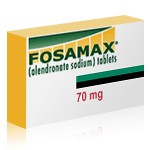
Fosamax (Alendronate Sodium 10 mg / 35 mg / 70 mg) represents the foundational nitrogen-containing bisphosphonate osteoporosis therapy - the reference second-generation aminobisphosphonate providing profound osteoclast suppression, bone density preservation, and substantial fracture risk reduction across postmenopausal osteoporosis, male osteoporosis, glucocorticoid-induced osteoporosis, and Paget disease indications. Originally developed by Merck and Company and FDA-approved as Fosamax in 1995 for postmenopausal osteoporosis, with additional once-weekly formulations approved in 2000 (35 mg prevention, 70 mg treatment), alendronate has over 25 years of continuous clinical use as the reference oral bisphosphonate for osteoporosis worldwide. Fosamax on rxshop.md is manufactured by Cipla Limited - one of India largest pharmaceutical companies with WHO-GMP certification and US FDA-inspected manufacturing facilities.
Alendronate works as a nitrogen-containing bisphosphonate providing potent osteoclast inhibition through two-step mechanism. First, alendronate binds hydroxyapatite mineral matrix with high affinity - selectively concentrating at active bone remodeling sites throughout the skeleton. Second, alendronate is internalized by osteoclasts during bone resorption. Third, alendronate inhibits farnesyl pyrophosphate synthase in the mevalonate pathway blocking protein prenylation. Fourth, this disrupts osteoclast function and induces osteoclast apoptosis substantially reducing bone resorption. Fifth, the reduced bone turnover preserves bone mineral density and reduces fracture risk. Clinical trials (FIT trial - Fracture Intervention Trial) demonstrate approximately 50 percent vertebral fracture reduction and substantial hip fracture reduction in postmenopausal osteoporosis patients.
Fosamax serves comprehensive bone health indications including postmenopausal osteoporosis prevention, postmenopausal osteoporosis treatment, male osteoporosis, glucocorticoid-induced osteoporosis, and Paget disease of bone. Distinctive advantage of Fosamax is availability in three dose strengths providing complete dosing flexibility - 10 mg for daily treatment, 35 mg for once-weekly prevention, and 70 mg for once-weekly treatment. This three-strength availability enables individualized therapy from daily dosing preferences through convenient once-weekly protocols with improved patient adherence.
Fosamax is available in four pack sizes at each strength - 30, 60, 90, and 120 tablets - accommodating different treatment durations from monthly refills through 4-month bulk supplies. The 120-tablet pack represents the bestseller reflecting extended therapy protocols and long-term osteoporosis management. CRITICAL administration requirement: take on empty stomach with plain water only, remain upright for 30 minutes, no food or other beverages for 30 minutes after dose. Requires baseline dental evaluation before therapy.
Free prescription
Discrete packaging
Have questions?
Quality Assurance
- Postmenopausal Osteoporosis Prevention: Prevention of postmenopausal bone loss in women at risk before osteoporosis develops;
- Male Osteoporosis: Treatment of osteoporosis in men from hypogonadism, aging, or secondary causes affecting bone density;
- Glucocorticoid Induced Osteoporosis: Prevention and treatment of bone loss from chronic corticosteroid therapy in various inflammatory conditions;
- Paget Disease of Bone: Abnormal bone remodeling disorder with excessive bone turnover causing weakened deformed bones;
- Vertebral Fracture Prevention: Substantial reduction in spinal compression fracture risk from preserved vertebral bone density;
- Hip Fracture Prevention: Reduction in devastating hip fracture risk that carries 20-25 percent one-year mortality in elderly;
- Osteopenia High Risk: Low bone density (T-score negative 1.0 to negative 2.5) with additional fracture risk factors requiring intervention;
- Postmenopausal Bone Loss: Progressive bone density decline occurring after menopause requiring pharmacological intervention;
- Fragility Fracture History: Prior low-trauma fracture indicating established osteoporosis requiring active treatment therapy;
- Bone Density Loss: Progressive reduction in bone mineral density affecting skeletal strength and fracture susceptibility;
- Osteoporosis Fracture Risk: Elevated fracture risk from low bone density affecting quality of life and mortality;
- Vertebral Compression Fracture: Painful spinal compression fractures from weakened vertebral bone in postmenopausal women;
- Bisphosphonate Therapy: Second-generation nitrogen-containing bisphosphonate providing potent osteoclast inhibition and bone resorption suppression;
- Bone Turnover Reduction: Reduction of abnormal bone remodeling activity through osteoclast function inhibition preserving bone architecture;
- Corticosteroid Induced Bone Loss: Chronic prednisone or equivalent therapy accelerates bone loss requiring pharmacological protection;
- Hypogonadal Male Osteoporosis: Low testosterone associated bone loss in men requiring bisphosphonate therapy for skeletal protection;
- Aromatase Inhibitor Bone Loss: Accelerated bone loss from aromatase inhibitor breast cancer therapy requiring bisphosphonate protection;
- Bone Mineral Density Loss: Measurable decline in bone density on DEXA scan requiring intervention to prevent fractures;
- High Fracture Risk Patients: FRAX score above intervention threshold or multiple risk factors requiring pharmacological osteoporosis therapy.
- Reduces Hip Fractures: Substantial hip fracture reduction preventing devastating outcome with 20-25 percent one-year mortality risk;
- Reduces Non-Vertebral Fractures: Substantial reduction in wrist forearm and other peripheral fracture risk during therapy;
- Preserves Bone Density: Increased spine and hip bone mineral density on DEXA scan over years of continuous therapy;
- Reduces Bone Turnover: Suppresses excessive bone resorption preserving bone architecture and mechanical strength substantially;
- Once Weekly Convenience: 35 mg and 70 mg once-weekly formulations improve adherence over daily bisphosphonate regimens significantly;
- Daily Dosing Option Available: 10 mg daily strength for patients preferring daily dosing schedule or specific clinical protocols;
- Three Strength Dosing Flexibility: 10/35/70 mg enables individualized therapy across daily and once-weekly regimens for all indications;
- Oral Tablet Administration: Simple oral therapy avoiding intravenous infusions or complex administration procedures needed with other bisphosphonates;
- Cost Effective Osteoporosis Therapy: Substantially more affordable than intravenous bisphosphonates or newer osteoporosis medications;
- Original Merck Brand Heritage: FDA-approved 1995 with over 25 years continuous clinical use and extensive safety data;
- Cipla Manufacturing Quality: WHO-GMP and US FDA-inspected manufacturing standards providing bioequivalent generic quality worldwide;
- Comprehensive Indication Coverage: Postmenopausal male glucocorticoid-induced osteoporosis plus Paget disease from single medication;
- WHO Essential Medicine: Listed on World Health Organization Essential Medicines List for global health importance;
- Long Term Bone Protection: Persistent skeletal protection with sustained fracture risk reduction over years of continuous therapy;
- Prevents Height Loss: Vertebral fracture prevention preserves height and prevents kyphosis in postmenopausal women;
- Four Pack Size Options: 30 to 120 tablet packs accommodate monthly refills through 4-month bulk supplies for long-term therapy;
- Male Osteoporosis Effectiveness: Established efficacy in male osteoporosis providing bone density preservation and fracture risk reduction;
- Improves Physical Function: Preserved bone architecture supports mobility independence and quality of life in elderly patients;
- Better Long Term Survival: Hip fracture prevention substantially reduces one-year mortality risk in elderly osteoporotic patients significantly improving survival.
Generic Fosamax (Alendronate 10 mg) Medication guide:
Fosamax (Alendronate Sodium 10 mg / 35 mg / 70 mg) represents the foundational nitrogen-containing bisphosphonate osteoporosis therapy - the reference second-generation aminobisphosphonate providing profound osteoclast suppression, bone density preservation, and substantial fracture risk reduction across postmenopausal osteoporosis, male osteoporosis, glucocorticoid-induced osteoporosis, and Paget disease indications. Originally developed by Merck and Company and FDA-approved as Fosamax in 1995 for postmenopausal osteoporosis with additional once-weekly formulations approved in 2000 (35 mg prevention, 70 mg treatment), alendronate has over 25 years of continuous clinical use as the reference oral bisphosphonate for osteoporosis worldwide. Fosamax on rxshop.md is manufactured by Cipla Limited with WHO-GMP certification and US FDA-inspected manufacturing facilities. Approved for postmenopausal osteoporosis prevention and treatment, male osteoporosis, glucocorticoid-induced osteoporosis, and Paget disease of bone. Three-strength availability (10 mg daily, 35 mg weekly prevention, 70 mg weekly treatment) provides complete dosing flexibility. This comprehensive medication guide covers bisphosphonate class pharmacology, two-step mechanism of action, all approved indications, comprehensive dosing protocols, CRITICAL administration requirements, osteonecrosis of the jaw warnings, atypical femoral fracture concerns, esophageal safety, contraindications, drug interactions, and long-term therapy considerations including bisphosphonate holiday concept.
💊 Introduction to Fosamax
Fosamax is a prescription oral medication containing alendronate sodium as its active ingredient in three dose strengths (10 mg, 35 mg, 70 mg) as oral tablets. Alendronate is a second-generation nitrogen-containing bisphosphonate (aminobisphosphonate) - a class of medications that bind bone mineral matrix and selectively inhibit osteoclast-mediated bone resorption. Alendronate was originally developed by Merck and Company and received FDA approval as Fosamax in 1995 for postmenopausal osteoporosis. Additional FDA approval for once-weekly formulations (35 mg prevention, 70 mg treatment) was granted in 2000 providing improved dosing convenience.
The Fosamax brand available on rxshop.md is manufactured by Cipla Limited - one of India largest pharmaceutical companies founded in 1935 with global operations in over 80 countries. Cipla maintains WHO-GMP certification, US FDA-inspected manufacturing facilities, EU-GMP certification, and multiple international regulatory approvals ensuring bioequivalent generic Fosamax of consistent pharmaceutical quality supporting equivalent clinical effects to original brand formulation.
Alendronate occupies a distinctive position as the reference oral bisphosphonate for osteoporosis therapy with over 25 years of extensive clinical experience. The landmark FIT trial (Fracture Intervention Trial) demonstrated approximately 50 percent vertebral fracture reduction in postmenopausal osteoporosis, establishing alendronate as evidence-based standard therapy. Alendronate is listed on the World Health Organization Essential Medicines List reflecting its global importance for bone health management across diverse healthcare settings.
Fosamax provides three distinctive dosing strengths enabling comprehensive individualized therapy. The 10 mg tablet supports traditional daily dosing regimens for treatment. The 35 mg tablet provides once-weekly prevention dosing. The 70 mg tablet provides once-weekly treatment dosing. This three-strength availability accommodates patient preference for daily versus weekly regimens, and enables complete clinical protocol flexibility across prevention and treatment indications.
Fosamax is available on rxshop.md in four pack sizes at each strength - 30, 60, 90, and 120 tablets - accommodating different treatment durations from monthly refills through 4-month bulk supplies. The 120-tablet pack represents the bestseller reflecting extended therapy protocols and long-term osteoporosis management commitment.
🏭 Cipla Manufacturer Heritage
Cipla Limited Credentials
Cipla Limited credentials:
- Founded 1935 in Mumbai India by Dr Khwaja Abdul Hamied - over 85 years pharmaceutical heritage
- Global operations in over 80 countries worldwide
- WHO-GMP certification - highest quality manufacturing standards
- US FDA-inspected facilities serving American regulatory market
- EU-GMP certification serving European market
- MHRA UK approval for United Kingdom distribution
- 50+ manufacturing facilities across multiple countries
- Third largest pharmaceutical company in India by revenue
- Comprehensive osteoporosis and bone health portfolio
- Established endocrinology and rheumatology product lines
- Cipla motto - Caring for Life - reflecting patient-centered mission
Manufacturing Quality Standards
Cipla produces Fosamax generic alendronate sodium with rigorous quality control ensuring bioequivalent alendronate content per tablet at each strength (10 mg, 35 mg, 70 mg), pharmaceutical-grade excipients, batch-to-batch consistency, stability testing for shelf-life reliability, and compliance with international pharmacopeia standards. The Cipla manufacturing infrastructure provides consistent quality supporting equivalent clinical effects to original brand Fosamax formulation for osteoporosis therapy worldwide.
📜 Merck Brand Heritage
Original Development Timeline
| Year | Development Milestone |
|---|---|
| 1960s-1970s | Early bisphosphonate research - etidronate first-generation development |
| 1980s | Merck research on nitrogen-containing bisphosphonate second-generation compounds |
| 1993 | Alendronate first approved for Paget disease in some countries |
| 1995 | FDA approval of Fosamax by Merck for postmenopausal osteoporosis treatment |
| 1996 | FIT trial (Fracture Intervention Trial) results validate fracture reduction |
| 1997 | FDA approval for postmenopausal osteoporosis prevention |
| 2000 | FDA approval of once-weekly formulations (35 mg prevention, 70 mg treatment) |
| 2003 | FDA approval for glucocorticoid-induced osteoporosis |
| 2004 | FDA approval for male osteoporosis treatment |
| 2006 | FLEX trial results published on long-term therapy duration |
| 2008 | Fosamax US patent expiration - generic alendronate widely available |
| Present Day | Over 25 years continuous clinical use - reference oral bisphosphonate worldwide |
Fosamax Significance in Osteoporosis Care
Fosamax introduction in 1995 revolutionized osteoporosis management by providing the first potent nitrogen-containing bisphosphonate with proven fracture reduction efficacy. Prior therapies (calcitonin, hormone replacement therapy, first-generation etidronate) had limited efficacy or safety concerns. The FIT trial established alendronate as evidence-based standard therapy with approximately 50 percent vertebral fracture reduction. The 2000 introduction of once-weekly formulations dramatically improved patient adherence to bisphosphonate therapy. The FLEX trial subsequently established framework for optimal duration of therapy and introduced the bisphosphonate holiday concept for lower-risk patients.
🧬 Understanding Bisphosphonates Class
Bisphosphonate Generations
Bisphosphonate class evolution:
- First-generation: Etidronate, clodronate, tiludronate - non-nitrogen containing, weaker potency
- Second-generation: Alendronate (Fosamax), pamidronate - nitrogen-containing amino-bisphosphonates
- Third-generation: Risedronate (Actonel), ibandronate (Boniva), zoledronate (Reclast) - most potent
- Oral bisphosphonates: Alendronate, risedronate, ibandronate
- Intravenous bisphosphonates: Zoledronate, ibandronate IV, pamidronate
Alendronate Position Within Bisphosphonate Class
Alendronate occupies the reference position as the most established second-generation nitrogen-containing oral bisphosphonate for osteoporosis therapy. Advantages include over 700-fold greater potency than first-generation etidronate, extensive clinical trial evidence including FIT and FLEX trials, well-established safety profile over 25+ years, availability in daily and once-weekly formulations, cost-effectiveness with generic availability, WHO Essential Medicine listing, and broad indication coverage across postmenopausal, male, glucocorticoid-induced osteoporosis, and Paget disease. Alendronate remains preferred first-line oral bisphosphonate in most international osteoporosis guidelines.
🧪 Chemistry of Alendronate
Chemical Structure
Alendronate sodium trihydrate has the chemical formula C4H12NNaO7P2·3H2O with molecular weight approximately 325.12 g/mol. Chemically, alendronate is a geminal bisphosphonate with characteristic P-C-P (phosphonate-carbon-phosphonate) backbone providing high bone hydroxyapatite affinity. Alendronate contains an amino group in the side chain (aminobisphosphonate) distinguishing it from first-generation bisphosphonates and providing enhanced potency through nitrogen-based enzyme inhibition mechanism.
Structural Features
Alendronate structural features:
- P-C-P backbone - characteristic bisphosphonate geometry providing hydroxyapatite binding
- Two phosphonate groups - bind calcium in bone mineral matrix with high affinity
- Hydroxyl group on central carbon - enhances bone affinity
- Aminoethyl side chain - nitrogen atom essential for FPP synthase inhibition
- Sodium salt formulation - improves oral solubility and absorption
- Trihydrate - crystalline hydrate form for pharmaceutical stability
- Poor oral absorption requires strict administration protocol
- Extensive bone retention - persistent skeletal presence for years
🔬 Mechanism of Action
Two-Step Cellular Mechanism
Alendronate two-step mechanism:
- Step 1 - Bone hydroxyapatite binding: Alendronate binds bone mineral matrix with high affinity through P-C-P backbone
- Selective concentration at remodeling sites: Higher binding at active bone remodeling areas throughout skeleton
- Skeletal retention: Long bone half-life - alendronate persists in skeleton for years
- Step 2 - Osteoclast internalization: Osteoclasts internalize alendronate during bone resorption
- FPP synthase inhibition: Alendronate inhibits farnesyl pyrophosphate synthase in mevalonate pathway
- Blocks protein prenylation: Prevents prenylation of small GTPases (Ras, Rho, Rac) essential for osteoclast function
- Osteoclast dysfunction: Non-prenylated GTPases cannot properly function - osteoclast loses activity
- Osteoclast apoptosis: Triggers programmed cell death of osteoclasts reducing bone resorbing population
- Reduced bone resorption: Net decrease in bone turnover preserves bone density
- Preserved bone architecture: Reduced resorption preserves trabecular and cortical bone structure
Bone Physiology Effects
- Suppressed bone turnover: Reduced markers of bone resorption and formation
- Preserved trabecular bone: Particularly important for vertebral bodies
- Preserved cortical bone: Important for hip and peripheral fracture prevention
- Increased bone mineral density: Progressive DEXA improvement over 3-5 years
- Reduced fracture risk: Both vertebral and non-vertebral fractures
- Bone material properties preservation: Maintained mechanical strength
- Long-lasting skeletal effect: Persistent effect after discontinuation due to bone retention
Bisphosphonate Selectivity
Alendronate exhibits selective bone action due to unique pharmacokinetic properties. The medication is not absorbed unless taken correctly, has very low oral bioavailability (less than 1 percent), and any absorbed drug is rapidly cleared to bone or excreted unchanged in urine within hours. This bone-selective distribution combined with osteoclast-specific uptake during bone resorption provides highly targeted therapy with limited effects on other body tissues.
🔬 Pharmacokinetic Profile
| Parameter | Value | Clinical Significance |
|---|---|---|
| Oral bioavailability | Less than 1 percent | Very poor - requires strict fasting administration |
| Food and beverage effect | Reduces absorption to near zero | Must take with plain water on empty stomach |
| Time to peak | 1-2 hours | Rapid absorption when taken correctly |
| Terminal half-life in plasma | Approximately 3 hours | Rapid plasma clearance to bone or urine |
| Bone half-life | Over 10 years | Extremely long skeletal retention |
| Bone uptake | Approximately 50 percent of absorbed dose | Efficient bone concentration |
| Protein binding | Approximately 78 percent | Moderate protein binding |
| Metabolism | None (unchanged) | No hepatic metabolism - excreted unchanged |
| Elimination | Renal (unchanged drug) | Kidney function critical for clearance |
| Onset of clinical effect | 3-6 months | Progressive bone density improvement over time |
| Fracture reduction onset | Within 12 months | Rapid fracture risk reduction demonstrated |
🦴 Understanding Osteoporosis
Osteoporosis Overview
Osteoporosis overview:
- Definition: Skeletal disease characterized by low bone mass and microarchitectural deterioration
- DEXA diagnosis: T-score at or below negative 2.5 defines osteoporosis
- Osteopenia: T-score between negative 1.0 and negative 2.5 indicates low bone density
- Prevalence: Approximately 200 million people worldwide
- Postmenopausal predominance: Estrogen deficiency accelerates bone loss
- Rate of loss: 1-2 percent annually in early postmenopause
- Cumulative loss: 30-40 percent of trabecular bone over 20 years
- Fracture consequences: Vertebral hip and wrist fractures with major morbidity and mortality
Fracture Consequences
- Vertebral fractures: Cause chronic back pain, height loss, kyphosis, reduced pulmonary function
- Hip fractures: 20-25 percent one-year mortality; substantial disability in survivors
- Wrist fractures: Often first fragility fracture; sentinel warning of osteoporosis
- Vertebral fracture cascade: One vertebral fracture increases subsequent fracture risk 5-fold
- Functional decline: Loss of independence and quality of life
- Economic burden: Osteoporotic fractures cost billions annually worldwide
Osteoporosis Risk Factors
- Advanced age
- Female sex and postmenopausal status
- Previous fragility fracture
- Family history of osteoporosis or fracture
- Low body weight or BMI under 18.5
- Smoking
- Excessive alcohol consumption
- Long-term corticosteroid therapy
- Aromatase inhibitor breast cancer therapy
- Hypogonadism in men
- Secondary causes: Hyperthyroidism, hyperparathyroidism, celiac disease, IBD
🎯 FDA Approved Indications
- Postmenopausal Osteoporosis Treatment
- Active treatment of established postmenopausal osteoporosis (T-score at or below negative 2.5 or presence of fragility fracture). Standard dosing: 70 mg once weekly or 10 mg daily. Continuation for 3-5 years with reassessment for potential bisphosphonate holiday in lower-risk patients.
- Postmenopausal Osteoporosis Prevention
- Prevention of postmenopausal bone loss in women at risk before osteoporosis develops. Standard dosing: 35 mg once weekly or 5 mg daily. Individualized decision based on FRAX assessment and risk factors.
- Male Osteoporosis
- Treatment of osteoporosis in men from hypogonadism, aging, or secondary causes. Standard dosing: 70 mg once weekly or 10 mg daily. Evaluate for underlying secondary causes including testosterone deficiency.
- Glucocorticoid-Induced Osteoporosis
- Treatment and prevention of osteoporosis in patients receiving chronic corticosteroid therapy (prednisone 7.5 mg or equivalent daily for 3+ months). Standard dosing: 70 mg once weekly or 10 mg daily. Start early with corticosteroid initiation for high-risk patients.
- Paget Disease of Bone
- Treatment of Paget disease characterized by abnormal excessive bone remodeling causing weakened deformed bones. Standard dosing: 40 mg daily for 6 months. Higher dose than osteoporosis - specific short-term protocol.
👤 Ideal Patient Selection
Fosamax most appropriate for:
- Postmenopausal women with established osteoporosis (T-score at or below negative 2.5)
- Postmenopausal women with fragility fracture history
- Postmenopausal women with osteopenia and additional risk factors (high FRAX score)
- Men with osteoporosis from hypogonadism or aging
- Patients starting or receiving chronic corticosteroid therapy
- Patients receiving aromatase inhibitor breast cancer therapy
- Patients with Paget disease of bone
- Patients able to remain upright for 30 minutes after dose
- Patients without esophageal abnormalities
- Patients with adequate renal function (CrCl over 35 mL/min)
- Patients without hypocalcemia (correct calcium and vitamin D deficiency first)
- Patients accepting long-term therapy commitment
- Patients receiving adequate calcium and vitamin D supplementation
- Patients completing dental evaluation before therapy initiation
🚫 Contraindications
Absolute Contraindications
- Esophageal abnormalities: Stricture, achalasia, delayed esophageal emptying
- Inability to remain upright for 30 minutes - bedridden or immobilized patients
- Hypocalcemia: Correct calcium deficiency before initiation
- Severe renal impairment: Creatinine clearance less than 35 mL/min
- Hypersensitivity to alendronate or tablet excipients
- Pregnancy - not adequately studied - avoid unless clearly necessary
- Breastfeeding - unknown effects on nursing infant
🚨 Critical Safety Warnings
Osteonecrosis of the Jaw (ONJ) Warning
CRITICAL: Osteonecrosis of the Jaw (ONJ)
ONJ is rare but serious complication of bisphosphonate therapy characterized by exposed non-healing bone in the maxilla or mandible. Risk is significantly higher with intravenous bisphosphonates than oral, but oral bisphosphonates including alendronate carry small risk.
ONJ Risk Management:
- Complete comprehensive dental evaluation before initiating therapy
- Complete needed dental work (extractions, implants) before starting bisphosphonate
- Maintain excellent oral hygiene throughout therapy
- Regular dental checkups every 6 months during therapy
- Avoid invasive dental procedures during therapy when possible
- Discuss temporary discontinuation before major dental procedures with prescriber
- Report unusual dental pain, loose teeth, or non-healing dental wounds
- Risk factors include cancer, chemotherapy, corticosteroid use, poor oral hygiene
Atypical Femoral Fracture Warning
CRITICAL: Atypical Femoral Fractures
Long-term bisphosphonate therapy (over 3-5 years) is associated with rare atypical low-energy or spontaneous fractures of the femoral shaft. Fractures typically occur in the subtrochanteric or diaphyseal femur region.
Atypical Femoral Fracture Management:
- Report new persistent thigh, hip, or groin pain during therapy
- Bilateral femur imaging if unilateral atypical fracture occurs
- Bisphosphonate holiday reduces risk after 3-5 years therapy
- Individualized risk-benefit assessment for long-term therapy
- May require prophylactic surgical intervention if imaging shows early atypical features
Esophageal Adverse Events Warning
CRITICAL: Esophageal Adverse Events
Oral bisphosphonates can cause serious esophageal adverse events including esophagitis, esophageal ulcers, esophageal erosions, and rare esophageal cancer reports. Strict administration protocol is essential to minimize risk.
Esophageal Safety Requirements:
- Take tablet whole with full glass of plain water (6-8 oz)
- Remain upright (standing or sitting) for at least 30 minutes after dose
- Do not lie down for 30 minutes after dose
- Do not take at bedtime or before rising
- Do not chew, dissolve, or suck tablet
- Discontinue immediately if dysphagia, retrosternal pain, or worsening heartburn develop
- Avoid in patients unable to comply with administration requirements
Precautions
Use with caution in:
- Upper GI disorders: GERD, dyspepsia, gastritis, ulcer disease
- Vitamin D deficiency: Correct before initiation
- Calcium deficiency: Ensure adequate intake (1200 mg daily)
- Dental disease: Complete dental work before starting
- Renal impairment: Contraindicated if CrCl less than 35 mL/min
- Elderly patients: Assess for aspiration risk and mobility
- Cancer patients: Higher ONJ risk especially with IV bisphosphonates
- Chronic corticosteroid users: Higher ONJ and fracture risk
💉 Comprehensive Dosing Protocols
Standard Dosing Per Indication
| Indication | Standard Dose | Duration |
|---|---|---|
| Postmenopausal Osteoporosis Treatment | 70 mg once weekly OR 10 mg daily | 3-5 years then reassess for holiday |
| Postmenopausal Osteoporosis Prevention | 35 mg once weekly OR 5 mg daily | Individualized based on risk |
| Male Osteoporosis | 70 mg once weekly OR 10 mg daily | 3-5 years then reassess |
| Glucocorticoid-Induced Osteoporosis | 70 mg once weekly OR 10 mg daily | Duration of corticosteroid therapy |
| Paget Disease of Bone | 40 mg daily | 6 months treatment course |
Dosing Regimen Comparison
Daily versus once-weekly comparison:
- Once-weekly (35 mg or 70 mg): Better adherence, less frequent administration burden
- Daily (5 mg or 10 mg): Familiar dosing for patients used to daily medications
- Equivalent efficacy: Both regimens provide equivalent bone density and fracture reduction
- Equivalent safety: Similar side effect profile between regimens
- Weekly preferred: Most patients and prescribers prefer weekly for adherence
- Patient choice: Individualize based on preference and pill burden
📋 CRITICAL Administration Protocol
STRICT Administration Requirements:
- Take first thing in the morning upon rising, before any food or drink
- Take on empty stomach - at least 30 minutes before first food or beverage
- Take with plain water only - 6-8 oz (180-240 mL) of tap or filtered water
- DO NOT take with mineral water - high mineral content may reduce absorption
- DO NOT take with coffee, tea, juice, or any other beverage
- DO NOT take with food - reduces absorption to near zero
- Swallow tablet whole - do not chew, dissolve, or suck
- Remain upright (standing or sitting) for at least 30 minutes after taking
- DO NOT lie down for 30 minutes after dose
- DO NOT take at bedtime or before getting out of bed for the day
- Wait at least 30 minutes before eating breakfast or taking other medications
- Take other medications after breakfast to avoid interference with alendronate absorption
Once-Weekly Administration Details
- Take on the same day of the week each week
- Choose a convenient morning that fits schedule
- If missed, take next morning after remembering, then resume weekly schedule
- Do not take two doses on same day
- Set weekly reminder for consistency
Daily Administration Details
- Take at approximately the same time each morning
- Skip missed dose if closer to next dose - do not double dose
- Consistent morning routine helps adherence
Adjunctive Supplementation
Essential adjunctive supplementation:
- Calcium: 1200 mg daily total intake (diet plus supplements)
- Vitamin D: 800-1000 IU daily (higher if deficient)
- Take calcium and vitamin D supplements at different time than Fosamax (evening ideal)
- Do NOT take calcium supplements within 30 minutes of Fosamax dose
- Adequate calcium and vitamin D essential for bisphosphonate efficacy
- Prevents hypocalcemia during therapy
📊 Key Clinical Trials
FIT Trial (Fracture Intervention Trial)
FIT trial results:
- 6,459 postmenopausal osteoporosis patients across two arms
- Vertebral Fracture Arm: Approximately 47 percent reduction in vertebral fractures
- Clinical Fracture Arm: Substantial reduction in all clinical fractures
- Hip fracture reduction: Approximately 51 percent in patients with prior vertebral fracture
- Wrist fracture reduction: Substantial reduction in forearm fractures
- Bone density improvement: Progressive increase at spine and hip
- Established alendronate as evidence-based standard therapy for postmenopausal osteoporosis
FLEX Trial (Fracture Intervention Trial Long-Term Extension)
FLEX trial results:
- 1,099 women who completed 5 years of alendronate therapy in FIT trial
- 5-year extension: Randomized to continue alendronate or placebo
- Continuation benefit: Additional protection against clinical vertebral fractures
- Discontinuation acceptable: Most women maintained bone density with prolonged bone retention
- High-risk patients benefit: Continued therapy for women with T-score less than negative 2.5
- Bisphosphonate holiday concept: Introduced for lower-risk patients after 5 years
- Individualized approach: Long-term therapy decisions based on ongoing fracture risk
FOSIT Trial (Fosamax International Trial)
FOSIT trial results:
- 1,908 postmenopausal osteoporosis patients internationally
- 1-year duration: Alendronate 10 mg daily vs placebo
- Bone density improvement: Substantial spine and hip density increases
- Non-vertebral fracture reduction demonstrated
- Confirmed international efficacy across diverse populations
⚠️ Side Effects
Common Side Effects
- Abdominal pain: Common - approximately 7 percent
- Musculoskeletal pain: Common - joint pain, muscle pain, bone pain
- Dyspepsia: Common - upper GI discomfort
- Constipation: Common
- Diarrhea: Occasional
- Flatulence: Occasional
- Acid regurgitation: Occasional
- Esophageal ulcer: Uncommon - requires immediate discontinuation
- Gastric ulcer: Uncommon
- Nausea: Occasional
- Vomiting: Uncommon
- Bloating: Common
- Headache: Occasional
- Dizziness: Uncommon
- Skin rash: Uncommon
- Hypocalcemia: Uncommon with adequate calcium/vitamin D
Serious Adverse Events
Seek immediate medical attention for:
- Signs of esophageal ulceration: Severe retrosternal pain, dysphagia, worsening heartburn
- Signs of osteonecrosis of the jaw: Unusual dental pain, loose teeth, non-healing dental wounds
- Signs of atypical femoral fracture: New persistent thigh, hip, or groin pain
- Severe musculoskeletal pain significantly affecting daily activities
- Severe hypocalcemia symptoms: Muscle cramps, tetany, numbness
- Severe allergic reactions: Angioedema, difficulty breathing
- Severe eye pain or vision changes (rare uveitis reports)
- Chest pain not related to esophagus
- Signs of severe skin reactions: Stevens-Johnson syndrome, toxic epidermal necrolysis
- Severe abdominal pain with signs of GI bleeding
🔄 Drug Interactions
| Drug/Substance | Interaction |
|---|---|
| Calcium supplements | Reduces alendronate absorption - separate by at least 30 minutes |
| Antacids (aluminum, magnesium) | Reduces alendronate absorption - separate by at least 30 minutes |
| Iron supplements | Reduces alendronate absorption - separate timing |
| NSAIDs | Additive GI toxicity risk - monitor for adverse events |
| Aspirin | Additive GI toxicity - avoid concurrent use if possible |
| H2 blockers (ranitidine) | May increase alendronate absorption slightly |
| Proton pump inhibitors | May increase fracture risk with long-term use (independent effect) |
| Corticosteroids | Increased bone loss risk - alendronate specifically indicated for prevention |
| Estrogen therapy | May be combined - no adverse interaction |
| Coffee, tea, orange juice | Dramatically reduces absorption - do not take with these beverages |
| Mineral water | High mineral content may reduce absorption - use plain water only |
📆 Duration of Therapy and Bisphosphonate Holiday
Duration of Therapy Considerations
Duration of therapy guidelines:
- Standard duration: 3-5 years for most postmenopausal osteoporosis patients
- Extended duration: Continue beyond 5 years for high-risk patients (T-score less than negative 2.5, prior fragility fracture)
- Bisphosphonate holiday: Consider drug holiday after 3-5 years for lower-risk patients
- Persistent bone effect: Long bone half-life continues protection for months to years after discontinuation
- Holiday duration: 1-3 years typical with periodic reassessment
- Restart criteria: Bone density loss on DEXA, new fragility fracture, or significant risk change
- Individualized decision: Based on ongoing FRAX assessment and clinical judgment
Long-Term Monitoring
- DEXA scan every 1-2 years during therapy
- Bone turnover markers assessment periodically
- Calcium and vitamin D levels annually
- Renal function annually (creatinine clearance calculation)
- Dental evaluation every 6 months
- Assessment of new persistent thigh, hip, or groin pain
- Reassessment of fracture risk annually (FRAX)
- Duration discussion at 3-5 years for bisphosphonate holiday consideration
🛡️ Special Populations
- Postmenopausal Women
- Primary target population. Comprehensive baseline assessment including DEXA scan, calcium and vitamin D status, renal function, dental evaluation, and fracture risk assessment (FRAX).
- Elderly Women
- Enhanced monitoring important. Assess ability to remain upright for 30 minutes. Fall risk assessment. Higher hip fracture risk favors treatment. Consider mobility limitations affecting administration compliance.
- Men with Osteoporosis
- Standard 70 mg weekly or 10 mg daily dosing. Evaluate underlying causes (hypogonadism, secondary causes). Testosterone assessment appropriate. Same efficacy demonstrated in male osteoporosis studies.
- Corticosteroid Users
- Standard indication. Start early in corticosteroid therapy. Higher ONJ risk requires careful dental monitoring. Continue during corticosteroid therapy duration.
- Aromatase Inhibitor Patients
- Standard dosing appropriate. Combined with aromatase inhibitor therapy for breast cancer bone protection. DEXA monitoring during aromatase inhibitor therapy.
- Paget Disease Patients
- Higher dose (40 mg daily for 6 months). Monitor bone turnover markers (alkaline phosphatase). Repeat courses may be needed for disease recurrence.
- Renal Impairment
- Contraindicated if creatinine clearance less than 35 mL/min. Standard dosing appropriate above this threshold. Monitor renal function annually.
- Hepatic Impairment
- No dose adjustment needed. Not hepatically metabolized. Standard dosing appropriate.
- GERD Patients
- Use with caution. Ensure strict administration protocol adherence. Consider IV bisphosphonate alternative for severe GERD. Report worsening reflux symptoms.
- Dental Patients
- Complete comprehensive dental evaluation before therapy. Address needed dental work before initiation. Maintain excellent oral hygiene. Regular dental checkups every 6 months.
- Cancer Patients
- Higher ONJ risk especially with concurrent chemotherapy or corticosteroids. Enhanced dental monitoring. Consider individualized risk-benefit assessment.
📦 Storage and Handling
- Store at room temperature 15-30°C (59-86°F)
- Protect from light and moisture
- Keep tablets in original packaging
- Keep out of reach of children and pets
- Do not use past expiration date
- Do not share medication with others
- Return unused medication to pharmacy for proper disposal
- Store in dry area - avoid humid bathrooms
👨⚕️ When to Contact Your Doctor
- Signs of esophageal ulceration: severe retrosternal pain dysphagia worsening heartburn
- Signs of ONJ: unusual dental pain, loose teeth, non-healing dental wounds
- Signs of atypical femoral fracture: new persistent thigh, hip, or groin pain
- Severe musculoskeletal pain significantly affecting daily activities
- Severe hypocalcemia symptoms: muscle cramps, tetany, numbness
- Severe allergic reactions
- Chest pain not related to esophagus
- Severe abdominal pain with signs of GI bleeding
- Vision changes or severe eye pain (rare uveitis)
- Planned dental procedures - discuss temporary discontinuation
- Time for scheduled DEXA scan (every 1-2 years)
- Time for renal function assessment
- Time for calcium and vitamin D level check
- Consideration of bisphosphonate holiday after 3-5 years
- New fragility fracture during therapy
- Starting new medications potentially interacting
- Persistent side effects affecting therapy adherence
🌟 Key Takeaways
Essential points about Fosamax therapy:
- Fosamax is Cipla generic alendronate sodium at three strengths (10 mg / 35 mg / 70 mg)
- Original Merck brand FDA-approved 1995 with once-weekly formulations added 2000
- Over 25 years continuous clinical use worldwide
- Second-generation nitrogen-containing bisphosphonate (aminobisphosphonate)
- WHO Essential Medicines List for global bone health importance
- Two-step mechanism: bone hydroxyapatite binding then osteoclast FPP synthase inhibition
- Approved for postmenopausal osteoporosis treatment and prevention, male osteoporosis, glucocorticoid-induced osteoporosis, Paget disease
- Standard treatment dosing: 70 mg once weekly or 10 mg daily
- Prevention dosing: 35 mg once weekly or 5 mg daily
- Paget disease: 40 mg daily for 6 months
- FIT trial: approximately 50 percent vertebral fracture reduction, substantial hip fracture reduction
- FLEX trial: introduced bisphosphonate holiday concept for lower-risk patients
- CRITICAL administration: first-thing morning, empty stomach, plain water only, upright 30 minutes, no food/other beverages 30 minutes
- CRITICAL warnings: Osteonecrosis of the Jaw (ONJ), atypical femoral fractures, esophageal ulceration
- Dental evaluation before therapy - complete needed dental work first
- Contraindicated in esophageal abnormalities, inability to remain upright, hypocalcemia, CrCl less than 35 mL/min
- Essential calcium (1200 mg daily) and vitamin D (800-1000 IU daily) supplementation
- Standard duration 3-5 years then reassess for bisphosphonate holiday
- Long bone half-life (10+ years) provides sustained skeletal protection
- Report new thigh/hip/groin pain suggesting atypical fracture
- Report unusual dental pain or non-healing wounds suggesting ONJ
- Regular monitoring: DEXA every 1-2 years, renal function annually, dental every 6 months
- Available in 4 pack sizes (30, 60, 90, 120 tablets)
Important Medical Disclaimer: This medication guide provides general information about Fosamax (Cipla generic alendronate sodium 10 mg / 35 mg / 70 mg tablets) and does not constitute individualized medical advice. Every patient situation is unique and requires evaluation by an endocrinologist, rheumatologist, gynecologist, or qualified healthcare provider before starting bisphosphonate therapy. Fosamax requires comprehensive baseline workup including DEXA scan for bone density assessment, calcium and vitamin D level measurement, renal function testing (creatinine clearance), comprehensive dental evaluation with completion of needed dental work, fracture risk assessment (FRAX), and evaluation of contraindications before initiation. CRITICAL SAFETY: Strict administration protocol is essential to prevent esophageal adverse events - take first thing in morning on empty stomach with plain water only (6-8 oz), remain upright for 30 minutes, avoid food and other beverages for 30 minutes, do not chew or dissolve tablet, do not lie down for 30 minutes. Osteonecrosis of the Jaw (ONJ) is rare but serious complication - complete dental evaluation before therapy and maintain excellent oral hygiene throughout. Atypical femoral fractures are rare but serious complication of long-term therapy - report new persistent thigh, hip, or groin pain immediately. Contraindicated in esophageal abnormalities (stricture, achalasia, delayed emptying), inability to remain upright for 30 minutes, hypocalcemia, severe renal impairment (creatinine clearance less than 35 mL/min), and hypersensitivity. Essential adjunctive supplementation with calcium (1200 mg daily) and vitamin D (800-1000 IU daily) required. Standard duration 3-5 years for most patients with reassessment for bisphosphonate holiday in lower-risk patients. Continue longer therapy in high-risk patients. Long bone half-life provides sustained skeletal protection for years after discontinuation. Regular monitoring includes DEXA scan every 1-2 years, renal function annually, calcium and vitamin D levels annually, and dental checkups every 6 months. Report signs of esophageal ulceration, ONJ, atypical femoral fracture, severe musculoskeletal pain, severe hypocalcemia, or severe allergic reactions immediately. If you experience concerning symptoms contact your healthcare provider promptly. The information provided here should complement but never replace direct professional medical guidance from your endocrinologist, rheumatologist, or bone health specialist.
Fosamax — Frequently Asked Questions
-
What is Fosamax?
Fosamax is a medication used to treat and prevent osteoporosis in postmenopausal women and men. It belongs to a class of drugs known as bisphosphonates. -
How does Fosamax work?
It works by inhibiting the activity of osteoclasts, the cells that break down bone, leading to an increase in bone mass and reduction in bone fractures. -
Who should take Fosamax?
Fosamax is prescribed to postmenopausal women and men with osteoporosis, or anyone at high risk of bone fractures due to decreased bone density. -
How is Fosamax taken?
It is usually taken orally, once a week, on an empty stomach first thing in the morning, with a full glass of water. It's important to remain upright for at least 30 minutes after taking it. -
What are the side effects of Fosamax?
Common side effects include stomach pain, heartburn, nausea, and constipation. Rare but serious side effects include jaw bone problems and unusual thigh bone fractures. -
Can Fosamax heal existing fractures?
While Fosamax does not heal existing fractures, it can increase bone density to help prevent future fractures. -
Is Fosamax safe for long-term use?
There are concerns about long-term use, including the potential for atypical femur fractures and osteonecrosis of the jaw, so regular evaluation by your healthcare provider is recommended.
See all Fosamax questions (32)
More Women's Health Medications