Combined Type ADHD: Understanding a Complex Neurodevelopmental Disorder


Combined Type Attention-Deficit/Hyperactivity Disorder (ADHD) is a neurodevelopmental condition defined by persistent patterns of both inattention and hyperactivity-impulsivity that significantly interfere with daily functioning and overall quality of life 🧠.
Unlike single-subtype ADHD presentations, the combined type includes symptoms from both domains. This broader profile may affect learning, organization, emotional control, and social behavior at the same time. Many people describe it as “wanting to do the right thing” but struggling to consistently execute plans, especially when tasks are long, repetitive, or require sustained mental effort.
ADHD is not a matter of poor discipline or low intelligence. Differences in executive function (planning, prioritizing, working memory, inhibition) explain why some individuals can hyperfocus on highly interesting activities yet find routine responsibilities unexpectedly difficult. Importantly, symptoms often fluctuate depending on sleep, stress, environment, and the level of structure available.
Combined type ADHD is commonly diagnosed in childhood, but it can persist into adolescence and adulthood. When untreated, it may increase the risk of academic underachievement, workplace instability, driving-related risk behaviors, and strained relationships. With structured support, many individuals develop strong coping skills and can thrive 📈.
Doctor’s note: The earlier patients receive consistent structure and evidence-based care, the lower the long-term functional burden tends to be.
Combined type ADHD is diagnosed when an individual meets clinical criteria for both inattentive and hyperactive-impulsive symptom clusters. This dual presentation often results in more pronounced impairment than either subtype alone ⚠️.
In practical terms, a person may start tasks with enthusiasm but lose track of steps, misplace items, or miss details — while also feeling internally “revved up,” impatient, or prone to interrupting. This combination can create a cycle: mistakes lead to frustration, frustration increases impulsivity, and impulsivity leads to more mistakes.
- Inattention — forgetfulness, distractibility, trouble finishing tasks, losing items 📄
- Hyperactivity — restlessness, difficulty staying seated, constant movement or “inner motor” 🏃
- Impulsivity — blurting out, risky decisions, difficulty waiting, emotional reactivity ⏱️
Symptoms must be developmentally inappropriate and cause meaningful impairment. For example, occasional daydreaming is common, but persistent inattention that disrupts school/work performance is clinically significant.
Doctor’s note: Combined ADHD often requires both behavioral skills training and medical guidance because it affects attention and behavioral inhibition simultaneously.
The development of combined type ADHD involves interactions between genetic, neurological, and environmental factors. Family and twin studies show a strong hereditary component 🧬, while brain networks related to attention and self-control may develop differently.
Environmental stressors do not directly cause ADHD, but they may amplify symptoms — especially when routines are inconsistent or sleep is poor. Coexisting learning differences, hearing/vision problems, or chronic stress can also make ADHD appear “worse,” so comprehensive assessment matters.
| Factor | How It Can Influence Symptoms |
|---|---|
| Genetics | Inherited vulnerability affecting attention regulation and impulse control |
| Neurobiology | Differences in dopamine/norepinephrine pathways and executive-function networks |
| Prenatal influences | May increase susceptibility and symptom severity in some individuals |
| Psychosocial stress | Can worsen emotional regulation and coping capacity |
Understanding risk factors helps families focus on what they can change: clear expectations, stable routines, supportive school/work accommodations, and treatment for comorbid problems when present.
Doctor’s note: ADHD is a neurodevelopmental disorder; a supportive environment can reduce symptom impact even though it does not “cure” the condition.
Diagnosis requires a careful clinical evaluation across multiple settings and over time 🩺. Symptoms must be persistent, begin early in life, and not be better explained by another condition.
Clinicians typically gather input from parents/teachers (for children) or partners/work colleagues (for adults), and evaluate impairment. In adults, hyperactivity may look like inner tension, frequent job changes, multitasking without completion, or difficulty relaxing, while inattention often shows up as chronic lateness, missed bills, and disorganization.
- Clinical interviews and developmental history
- Standardized rating scales from multiple observers
- Review of academic/work functioning and daily routines
- Assessment for comorbid conditions (anxiety, depression, sleep issues, learning disorders)
Differential diagnosis is important because sleep deprivation, thyroid disorders, substance use, and certain mood disorders can mimic ADHD symptoms. Identifying these factors improves accuracy and treatment results.
Doctor’s note: A correct diagnosis is not only about counting symptoms; it’s about confirming real-world impairment and ruling out alternative explanations.
Effective management relies on a personalized, multimodal plan 🎯. Behavioral strategies and environmental supports help build consistent habits, while medication can reduce core symptoms so those strategies become easier to apply.
Skills-based interventions may include time management training, breaking tasks into smaller steps, using visual cues/reminders, and learning “pause techniques” to reduce impulsive reactions. For children, parent training and classroom accommodations (structured seating, shorter instructions, movement breaks) often make a large difference.
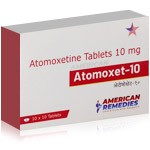
Atomoxet is a non-stimulant medication option used in ADHD treatment. It supports attention and impulse regulation by enhancing norepinephrine activity. It may be considered when stable symptom coverage is preferred or when stimulant therapy is not suitable.
Follow-up is essential: treatment needs may change with school transitions, exams, workload shifts, or new family responsibilities.
Doctor’s note: The goal is functional improvement — better routines, fewer conflicts, and more consistent performance — not “perfect behavior.”
For long-term management, clinicians consider symptom pattern, daily schedule demands, comorbidities, and safety monitoring ⏳. Consistent symptom control can reduce “boom-and-bust” productivity cycles that are common in combined type ADHD.
| Feature | Why It Matters Clinically |
|---|---|
| Non-stimulant profile | Lower abuse potential; may suit certain patient profiles |
| Gradual onset | Steadier symptom improvement rather than rapid peaks |
| Once-daily dosing (in many regimens) | May support adherence and routine consistency |
Atomoxet may be integrated into a broader plan that also includes behavioral coaching, sleep hygiene, and stress management. Patients are typically advised to track symptom changes (focus, impulsivity, emotional reactivity) and functional markers (missed tasks, conflicts, late payments) rather than relying on “how they feel” on a single day.
Doctor’s note: Regular monitoring and open communication help clinicians optimize therapy and improve day-to-day functioning.
Living with combined type ADHD often becomes easier when the environment is designed to reduce friction 🤝. The most effective strategies are usually simple, repeatable, and visible.
- Externalize memory: calendars, alarms, checklists, “one home” for keys/wallet 🔑
- Reduce decision fatigue: fixed morning/evening routines, prepared outfits, meal planning 🗓️
- Improve task initiation: “2-minute start,” timers, body-doubling (working alongside someone) ⏱️
- Protect sleep: consistent bedtime, limiting screens late, managing caffeine 😴
Physical activity can reduce restlessness and improve attention in many people, while mindfulness-based techniques may help with impulse control. Medication may support these tools by creating a more stable attention “baseline.” In appropriate treatment plans, Atomoxet can help individuals apply learned coping skills more consistently.
Doctor’s note: Sustainable progress comes from systems — not from relying on motivation alone.
Combined type ADHD is a lifelong condition, but with accurate diagnosis, tailored therapy, and consistent support, many individuals achieve stability and long-term success 🌱. Outcomes improve when treatment focuses on real-world goals: completing education, maintaining work performance, improving relationships, and reducing avoidable risks.
The most effective approach is proactive: adjust strategies as life changes, maintain regular follow-ups, and address comorbid issues early. With the right plan, ADHD can become manageable rather than overwhelming.
Doctor’s note: ADHD management should evolve with each life stage — school, university, work transitions, and family responsibilities.
Drug Description Sources:
U.S. National Library of Medicine, Drugs.com, WebMD, Mayo Clinic, RxList.
Reviewed and Referenced By:
Dr. Edward M. Hallowell, MD – Psychiatrist: Combined type ADHD often benefits from a “whole-life” plan that blends medical care with practical structure and coaching.
Dr. Russell A. Barkley, PhD – Clinical Neuropsychologist: Evidence-based treatment should target executive functioning and daily-life impairment, not only symptom checklists.
Dr. F. Xavier Castellanos, MD – Child & Adolescent Psychiatry Researcher: Modern ADHD research highlights measurable neurobiological differences that support early, individualized interventions.
(Updated at Dec 21 / 2025)
Atomoxet Atomoxetine articles: