
High blood pressure, clinically known as hypertension, is one of the most prevalent chronic medical conditions worldwide 🌍 and a major contributor to cardiovascular morbidity and mortality. Unlike acute illnesses that present with clear symptoms, hypertension develops slowly and often remains unnoticed for many years.
This lack of early warning signs allows vascular and organ damage to accumulate silently. Blood vessels exposed to persistently elevated pressure undergo progressive structural changes: their walls thicken, elasticity decreases, and the inner lining becomes more susceptible to atherosclerotic plaque formation ⚠️.
Over time, these changes impair blood flow to vital organs. The heart must work harder to overcome increased resistance, the brain becomes vulnerable to ischemic injury, and the kidneys gradually lose their filtering capacity ❤️.
Because of its widespread impact and silent progression, hypertension represents not only an individual health issue but also a significant public health challenge that requires early detection, patient education, and lifelong management.
Understanding Blood Pressure Readings 📊
Blood pressure is expressed as two numerical values measured in millimeters of mercury (mmHg). The systolic pressure reflects the force exerted on arterial walls when the heart contracts and pumps blood into circulation.
The diastolic pressure represents the residual pressure in the arteries when the heart relaxes between beats. Both values provide essential information about cardiovascular health and long-term risk.
Because blood pressure fluctuates throughout the day in response to activity, stress, posture, and circadian rhythm, clinicians rely on repeated measurements obtained under standardized conditions rather than a single reading.
| Category | Systolic (mmHg) | Diastolic (mmHg) |
|---|---|---|
| Normal | Below 120 | Below 80 |
| Elevated | 120–129 | Below 80 |
| Hypertension Stage 1 | 130–139 | 80–89 |
| Hypertension Stage 2 | 140 or higher | 90 or higher |
Why High Blood Pressure Is Dangerous ⚠️
The danger of hypertension lies not in the numbers themselves, but in the long-term physiological stress they represent. Persistently elevated pressure damages the endothelium, the delicate inner lining of blood vessels.
As endothelial function deteriorates, arteries become less responsive and more prone to plaque accumulation. This process narrows the vascular lumen, increases resistance, and reduces oxygen delivery to tissues.
- Heart ❤️: Left ventricular hypertrophy, ischemic heart disease, heart failure
- Brain 🧠: Stroke, transient ischemic attacks, vascular dementia
- Kidneys 🧪: Progressive nephrosclerosis and renal insufficiency
- Eyes 👁️: Hypertensive retinopathy and vision impairment
Hypertension is one of the strongest predictors of cardiovascular events. Effective treatment reduces the risk of stroke, heart failure, and kidney disease more than almost any other intervention.
Causes and Contributing Risk Factors 🧬
Hypertension develops through a complex interaction of genetic, environmental, and behavioral factors. Some individuals inherit traits that affect sodium handling, vascular tone, or hormonal blood pressure regulation.
Modern lifestyle patterns, including high sodium intake, physical inactivity, chronic stress, and disrupted sleep, significantly increase the likelihood of persistent hypertension.
- Family history of hypertension or cardiovascular disease
- High sodium and low potassium intake
- Obesity, insulin resistance, metabolic syndrome
- Smoking, alcohol overuse, chronic stress
- Sleep apnea and long-term sleep deprivation
Symptoms and Silent Progression 🤫
Hypertension is often called a silent condition because most individuals experience no noticeable symptoms, even when blood pressure is significantly elevated.
When symptoms do occur, they may include headaches, dizziness, fatigue, palpitations, or chest discomfort. However, these signs are nonspecific and unreliable.
Because symptoms cannot be relied upon, routine blood pressure screening remains the most effective method of early detection and prevention.
Diagnosis and Ongoing Monitoring 🩺
Accurate diagnosis of hypertension requires repeated measurements obtained on different days and under standardized conditions.
Home blood pressure monitoring and ambulatory devices provide valuable insight into daily patterns, nighttime blood pressure, and treatment response.
Regular monitoring outside the clinic setting improves diagnostic accuracy and supports long-term control.
Treatment Strategies for Hypertension 🧘♂️
The primary goal of hypertension treatment is to reduce long-term cardiovascular risk. Lifestyle modification remains the foundation of therapy.
- Reduced sodium intake and heart-healthy nutrition
- Regular aerobic and resistance exercise
- Weight management
- Stress reduction and sleep optimization
Medication Therapy and the Role of Catapres 💊
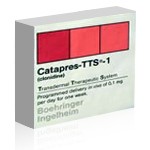
When lifestyle measures alone do not achieve adequate control, medication therapy becomes necessary. Catapres lowers blood pressure by reducing sympathetic nervous system activity.
It may be prescribed in selected patients who require additional blood pressure control or who do not tolerate other therapies.
Centrally acting agents such as Catapres remain useful in complex hypertension cases when applied within an individualized treatment plan.
Long-Term Control and Patient Adherence 🔁
Hypertension requires lifelong attention. Even when blood pressure readings improve, underlying vascular vulnerability often persists.
Abrupt discontinuation of medications, including Catapres, may result in rebound blood pressure elevation and increased cardiovascular risk.
Patient education, realistic expectations, and consistent follow-up significantly improve adherence and long-term outcomes.
Living Well With High Blood Pressure 🌱
A diagnosis of hypertension does not prevent an active life. With appropriate management, most individuals can maintain normal daily activity and good quality of life.
In comprehensive care plans, medications such as Catapres support blood pressure stability when clinically appropriate.
U.S. National Library of Medicine, Drugs.com, WebMD, Mayo Clinic, RxList.
Dr. Suzanne Oparil – Hypertension Specialist: Sustained blood pressure control is the most effective strategy for preventing cardiovascular complications.
Dr. Paul Whelton – Cardiovascular Epidemiologist: Long-term monitoring and lifestyle intervention remain central to population-level risk reduction.
Dr. Eugene Braunwald – Cardiologist: Hypertension should be approached as a chronic vascular disorder requiring individualized, lifelong management.