Allergic Conjunctivitis: When Your Eyes React to Harmless Triggers


Allergic conjunctivitis is an inflammatory condition of the eye surface that occurs when the immune system overreacts to harmless substances in the environment. These substances, known as allergens, include pollen, dust, mold spores, and animal dander. Although these particles are not dangerous, the immune system mistakenly treats them as threats, triggering a defensive reaction that leads to inflammation of the conjunctiva.
The conjunctiva is a thin, transparent membrane that covers the white part of the eye and the inner surface of the eyelids. When inflammation develops, blood vessels expand, tear production increases, and nerve endings become more sensitive. This leads to classic symptoms such as itching, redness, and tearing. While allergic conjunctivitis does not usually threaten vision permanently, it can significantly affect comfort, concentration, and daily functioning.
Many people experience symptoms seasonally, while others may suffer year round depending on their exposure to allergens. With modern treatments and preventive strategies, most patients can achieve excellent symptom control and maintain healthy, comfortable vision 😊.
Quick take 💡
Allergic conjunctivitis is caused by immune hypersensitivity, not infection. Treatment focuses on calming inflammation, stabilizing the immune response, and protecting the eye surface from repeated irritation.
Doctor note 👩⚕️
Dr. Mark J. Mannis explains that allergic conjunctivitis is one of the most frequently encountered eye conditions, and early treatment can significantly reduce inflammation and prevent chronic discomfort.
🌿 Why itching feels so intense
Allergic reactions trigger histamine release, which stimulates nerve endings in the eye surface. This creates intense itching and irritation. Rubbing the eyes may provide temporary relief but often worsens inflammation and prolongs recovery by damaging delicate surface cells.
🧬 What happens inside the eye
The immune system activates specialized cells that release inflammatory chemicals. These chemicals increase blood flow, swelling, and tear production, which are part of the protective response but also cause uncomfortable symptoms.
🎯 Treatment goals
Effective treatment reduces inflammation, stabilizes immune activity, protects eye tissues, and prevents repeated episodes. Long term management helps maintain comfort and clear vision.
What Is Allergic Conjunctivitis? 🦠
Allergic conjunctivitis is an immune mediated inflammatory condition affecting the conjunctiva. Unlike bacterial or viral conjunctivitis, allergic conjunctivitis is not contagious and does not involve infection.
Instead, exposure to allergens activates immune cells, which release inflammatory substances such as histamine and prostaglandins. These substances increase blood vessel permeability and stimulate tear production, resulting in redness, swelling, and irritation.
Repeated allergic episodes may cause chronic inflammation, making the eyes more sensitive over time. Early treatment helps prevent persistent symptoms and protects the eye surface.
Doctor note 🩺
Dr. Stephen C. Pflugfelder emphasizes that allergic conjunctivitis involves immune driven inflammation and requires targeted anti inflammatory treatment to restore eye comfort.
Types of Allergic Conjunctivitis 📊
Allergic conjunctivitis may occur in different forms depending on allergen exposure and individual immune sensitivity. Identifying the correct type helps guide treatment and prevention strategies.
| Type | Trigger | Pattern |
|---|---|---|
| Seasonal allergic conjunctivitis | Pollen and outdoor allergens | Occurs during spring and summer seasons |
| Perennial allergic conjunctivitis | Dust mites and pet dander | Occurs throughout the year |
| Vernal conjunctivitis | Strong immune sensitivity | More severe and persistent |
| Atopic conjunctivitis | Chronic allergic disorders | Long lasting inflammation requiring medical care |
Symptoms and How They Affect Daily Life 👁️
Symptoms of allergic conjunctivitis may range from mild irritation to severe inflammation depending on allergen exposure and individual sensitivity.
- Intense itching, often the most noticeable symptom
- Redness due to expanded blood vessels
- Watery discharge caused by tear gland activation
- Swollen eyelids and tissue inflammation
- Burning or gritty sensation
- Light sensitivity and visual discomfort
Symptoms often affect both eyes and may worsen with continued allergen exposure. Persistent inflammation can interfere with reading, screen use, and outdoor activities.
Treatment Options and Symptom Relief 💊
Treatment focuses on reducing inflammation, relieving symptoms, and preventing further allergic reactions.
- Artificial tears to flush allergens
- Cold compresses to reduce swelling
- Antihistamine eye drops to block allergic response
- Anti inflammatory medications for stronger control
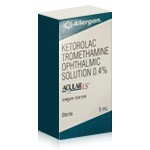
Acular LS (Ketorolac) is an anti inflammatory eye drop that helps reduce swelling, redness, and discomfort by blocking inflammatory chemicals. It is commonly prescribed when inflammation is moderate to severe or when antihistamines alone are not sufficient.
How Acular LS Supports Eye Recovery 🔬
Acular LS (Ketorolac) works by inhibiting prostaglandins, which are key substances involved in inflammation. By reducing prostaglandin production, it decreases swelling, irritation, and sensitivity in the conjunctiva.
This allows eye tissues to recover, improves comfort, and reduces the urge to rub the eyes, which helps prevent further irritation. It plays an important role in restoring eye surface stability.
Prevention and Long Term Eye Protection 🌿
- Avoid known allergens when possible
- Keep indoor air clean
- Wash hands regularly
- Avoid rubbing the eyes
- Use protective eyewear outdoors
Preventive measures help reduce allergic reactions and maintain eye comfort throughout the year.
Long Term Outlook and Recovery 🌟
Allergic conjunctivitis can be effectively controlled with proper treatment and preventive care. Anti inflammatory medications such as Acular LS (Ketorolac) help reduce inflammation and prevent recurring symptoms.
Most patients experience excellent outcomes and maintain healthy vision when treatment plans are followed consistently.
Drug Description Sources: U.S. National Library of Medicine, Drugs.com, WebMD, Mayo Clinic, RxList.
Reviewed and Referenced By:
Dr. Mark J. Mannis, MD – Ophthalmology Specialist: Expert in ocular surface diseases and inflammatory eye conditions.
Dr. Stephen C. Pflugfelder, MD – Eye Surface Specialist: Leading researcher in ocular inflammation and treatment.
Dr. Kathryn Colby, MD – Ophthalmology Professor: Specialist in allergic and inflammatory eye diseases.
(Updated at Feb 19 / 2026)
Acular LS Ketorolac articles: