Bladder Storm: How to Calm Urinary Spasms Fast


Urinary tract spasms can feel like a sudden “grab” or squeeze in the lower abdomen, followed by urgency, pressure, or a sharp cramp. This happens when smooth muscles in the bladder or urinary tract contract at the wrong time or too strongly. Instead of a calm “store-then-release” rhythm, the system jumps into “empty now” mode.
The tricky part is that spasms are not a single disease. They are a symptom pattern that can appear with infections, inflammation, stones, bladder overactivity, or nerve irritation. That is why a good plan usually includes two tracks: calm the muscle (so the day is livable) and identify the trigger (so episodes become less frequent).
The good news: many people improve quickly once irritation is reduced, hydration is steady, and the bladder is not forced into extremes (long holding periods, very concentrated urine, or frequent irritant drinks). A little structure often beats “random fixes.”
Doctor note 🧑⚕️
Dr. Jennifer Anger highlights that bladder spasms often settle when you treat the underlying irritation early and avoid “over-correcting” with harsh habits that keep the bladder angry.
⚡ What is happening
Smooth muscles contract involuntarily. The bladder “misreads” signals and squeezes before it should, which can create urgency even with a small urine volume.
Think of it as a timing glitch: the bladder is trying to be helpful, but it is overreacting.
🔥 Why it feels intense
Spasms combine muscle cramp + nerve sensitivity. When tissue is inflamed or irritated, nerves amplify sensations, so even mild contraction can feel sharp.
Stress and sleep loss can also lower the body’s “calm threshold,” making symptoms feel bigger.
💊 How relief usually works
The fastest relief comes from reducing bladder irritation, relaxing smooth muscle, and managing pain signals so the bladder can return to normal rhythm.
The “best” approach is the one that matches the cause (infection vs stone vs overactivity vs irritation).
What urinary spasms feel like (real-life version) 👀
People often expect urinary issues to be “just burning,” but spasms can be more complex: pressure, cramping, sudden urgency, and a feeling that the bladder is never fully satisfied. Symptoms may come in waves (fine → urgent → fine again) or stay steady for hours.
A helpful clue: spasms often feel worse when urine is very concentrated, when you are dehydrated, after bladder irritants (strong coffee, energy drinks), or after long periods of “holding it.” They may also flare after infections or during recovery.
A “right now” feeling that arrives without warning, sometimes with small urine output.
Can happen when tissue is inflamed, when urine is concentrated, or after infection.
A tightening sensation in the lower abdomen that eases after voiding, then returns.
Quick comfort tip 💡
If you are in a spasm wave, try steady sips of water and avoid “panic chugging.” A gentle, consistent intake often calms irritation better than extremes.
Why spasms happen (and why the cause matters) 🔍
Urinary spasms are usually a reaction to something that makes the bladder wall sensitive. Sometimes it is a clear trigger (like a UTI). Other times it is “silent irritation” such as dehydration, constipation pressure, or overactive bladder signaling. Matching treatment to the cause is the difference between short relief and lasting improvement.
| Common cause | What it does | Typical clue |
|---|---|---|
| Urinary infection (UTI) | Inflames lining, increases nerve sensitivity | Burning + frequency, sometimes cloudy urine |
| Bladder inflammation/irritation | Makes bladder “reactive” to small triggers | Symptoms fluctuate with hydration and irritants |
| Stone (kidney or bladder) | Mechanical irritation, spasm response | Colicky pain, possible blood in urine |
| Overactive bladder signaling | Nerves send “empty now” signals too easily | Urgency without infection signs |
Dr. Tomas Griebling often emphasizes that bladder symptoms are not always infection. If tests are negative but symptoms persist, the plan should shift toward bladder reactivity and trigger control.
Red flags: when to get checked urgently 🚩
Most urinary spasms are manageable, but some symptoms suggest the problem may be moving beyond simple irritation. If you notice any of the signs below, it is safer to seek prompt medical evaluation rather than “waiting it out.”
🔥 Infection may be severe
- High fever or chills
- Nausea or vomiting
- Severe fatigue with urinary symptoms
🧊 Kidney involvement possible
- Flank or back pain on one side
- Pain that comes in waves (stone-like)
- Visible blood in urine
Practical tip ✅
If you have recurrent symptoms, try to get a urine test during active symptoms. It improves accuracy and helps avoid unnecessary antibiotics.
How medication calms the bladder (without overcomplicating it) 💊
During a spasm flare, the priority is to reduce the “tightening loop”: muscle contraction causes pain, pain increases stress signals, and stress signals keep the bladder reactive. A balanced approach targets both muscle tone and pain perception.
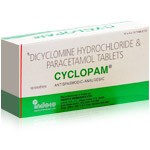
Cyclopam (Dicyclomine + Paracetamol) is used to relieve spasm-related discomfort by combining two actions: dicyclomine helps relax smooth muscles, while paracetamol supports pain control. This can be especially useful when cramping and urgency are the dominant symptoms.
When taken as directed, Cyclopam (Dicyclomine + Paracetamol) may reduce cramping intensity, lower the constant urge-to-go feeling, and make hydration and recovery strategies easier to follow. In real life, that means fewer “bathroom panic moments” and more normal activity.
Small strategy 💡
Pair symptom relief with a cause-check: if symptoms are new, recurrent, or severe, ask about urine testing so you treat the right problem, not just the discomfort.
Simple habits that protect bladder calm 💧
“Prevention” sounds big, but bladder-friendly habits are usually small and repeatable. The bladder likes predictability: steady hydration, regular emptying, and fewer irritants during sensitive periods. These steps also help your medication work better, because the bladder is not constantly being re-triggered.
Aim for steady intake across the day. Very concentrated urine can sting and provoke urgency.
Holding urine for long hours can worsen spasm patterns. Regular emptying reduces pressure and irritation.
Coffee, energy drinks, and strong acidic beverages can be bladder triggers for some people, especially during flares.
Quick win 🎯
If you suspect a drink triggers symptoms, do a simple test: remove it for 7–10 days, then reintroduce once. Patterns become obvious fast.
Long-term outlook: what “better” looks like 🌿
Improvement usually means: fewer urgency spikes, less cramping, more predictable bladder behavior, and less fear of being far from a restroom. Many people notice progress in layers: first, pain becomes milder; then urgency becomes less frequent; finally, the bladder “stops overreacting” to small triggers.
When a flare appears, short-term symptom control can help you keep healthy habits consistent. For example, if spasms prevent sleep, you become dehydrated and stressed, which can worsen symptoms. This is why calm-first strategies matter: they stop the cycle.
For spasm-dominant discomfort, clinicians may use options such as Cyclopam (Dicyclomine + Paracetamol) to support muscle relaxation and pain control while the underlying cause is addressed and the urinary tract settles.
Doctor note 🩺
Dr. Suzanne Merrill emphasizes that long-term success often comes from combining symptom relief with trigger management, so the bladder spends more time in a “quiet state.”
Main Contributors 🔬
Dr. Jennifer Anger – Urologist, Cedars-Sinai Medical Center
Clinician specializing in female urology, urinary urgency, overactive bladder, and functional bladder disorders, with extensive experience in translating bladder symptom patterns into practical care plans.
Dr. Tomas Griebling – Professor of Urology, University of Kansas Medical Center
Urology educator and researcher focused on bladder function across the lifespan, aging-related urinary symptoms, and evaluation strategies that differentiate infection from bladder overactivity and irritation.
Dr. Suzanne Merrill – Urologist, University of California San Diego
Specialist in urinary tract function and symptom management, with clinical focus on improving quality of life for patients with urgency, frequency, and bladder sensitivity patterns.
Drug Description Sources: U.S. National Library of Medicine, Drugs.com, WebMD, Mayo Clinic, RxList.
(Updated at Feb 14 / 2026)
Cyclopam Dicyclomine + Paracetamol articles: