Rheumatoid Arthritis: A Practical Guide to Control and Clarity


Rheumatoid arthritis (RA) is a systemic autoimmune disease. It is not “just joint pain.” The main risk is persistent inflammation that can quietly damage joints and reduce function over time. The most effective approach is a repeatable routine: confirm the pattern, track activity, treat to a target, and reassess.
Think “control and clarity”: control the inflammation, and keep your plan clear enough to follow without stop-start cycles.
📊 Visual Progress Tools – simple trackers you can embed
Use this as a visual cue: what matters is moving toward low disease activity or remission, not one isolated number. If your “meter” stays stuck in the same zone for weeks, that is a signal to reassess the plan with a clinician.
A stable plan beats a perfect plan. Even small missed steps can create stop-start outcomes. Track your week as “days followed,” and aim to improve gradually. Consistency is a clinical tool.
RA improves when monitoring is predictable. Retesting is not “bad news” — it is how you confirm the plan is working. Planned reassessment prevents slow, silent progression.
🎯 Your simple framework (goal, mindset, key habit)
Keep inflammation low and stable so joints stay functional and flares become less frequent. The more stable the baseline, the easier it is to protect sleep, work, and physical activity.
More pain does not always mean more damage — and less pain does not always mean inflammation is gone. Your job is to track what repeats, what changes, and what responds to adjustments.
Keep your plan repeatable: stable routine, simple symptom log, and planned follow-ups. If the plan feels too complex, adherence drops—and outcomes follow.
🔎 Step 1 – Confirm the pattern (do not treat guesses)
RA commonly presents with morning stiffness (often lasting 60 minutes or more), swelling, and tenderness in small joints (hands, wrists, feet). Symptoms often feel better with gentle movement and worse after rest. Fatigue can be part of the inflammatory pattern.
A frequent failure point is assuming RA is “wear and tear.” That delay matters because immune inflammation can cause structural changes before pain feels dramatic. Your goal at this stage is clarity: what looks inflammatory, what looks mechanical, and what needs clinician confirmation.
Early inflammatory arthritis may be subtle. If the pattern fits RA, early evaluation and early disease control improve long-term joint outcomes.
🧪 Step 2 – What doctors check (high-impact checklist)
RA diagnosis is not one test. Clinicians combine symptoms, immune markers, inflammation markers, and imaging. The practical purpose is twofold: (1) confirm RA with confidence, and (2) define activity level so treatment can be adjusted to a target.
| Test | What it shows | How it helps in RA |
|---|---|---|
| Anti-CCP antibodies | Autoimmune specificity | Supports RA and helps estimate progression risk |
| Rheumatoid factor | Immune activation | Useful with clinical pattern (not standalone) |
| CRP / ESR | Inflammation level | Tracks disease activity and response over time |
| Ultrasound / MRI | Synovitis, erosions | Detects early inflammation and damage |
- Which joints swell (and symmetry)
- Morning stiffness duration (minutes)
- Function changes (grip, stairs, walking)
- Recent infections or new medications
- Stop-start self-treatment
- Assuming “pain-free” equals “inactive disease”
- Over-focusing on one lab result
- Ignoring fatigue and systemic symptoms
Treat-to-target care works best when activity is measured and reassessed regularly. If the target is not reached, therapy is adjusted rather than waiting for damage to accumulate.
🧭 Step 3 – Practical plan (simple and repeatable)
A strong RA plan protects joints in real life. It should be easy to follow on normal days, not only on “perfect days.” Your plan typically includes: disease control (clinician-guided), symptom support, movement that does not overload joints, and scheduled reassessment.
A useful rule: aim for “predictable mornings.” When stiffness and swelling become more predictable, it becomes easier to plan work, movement, and recovery—key drivers of long-term success.
The aim is low disease activity or remission. This prevents structural damage. It requires planned follow-up and adjustment when the target is not met.
Gentle mobility and strength help stabilize joints. The goal is “more capable,” not “more intense.” If pain spikes, reduce load and keep movement safe and consistent.
Have a flare plan: what you change first (load/sleep/stress), what you monitor, and when you contact a clinician. This prevents panic decisions and stop-start cycles.
💊 Medication support – symptom control without overcomplicating
Symptom control matters because pain and stiffness reduce movement, worsen sleep, and undermine adherence. Supportive medications are often used to help patients keep functioning while the long-term plan is optimized.
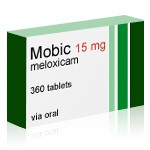
Mobic (Meloxicam) is commonly used to reduce inflammation and joint pain in rheumatoid arthritis, especially during active phases or flares, as part of a broader clinician-guided approach.
- Reducing inflammatory pain and stiffness
- Supporting mobility during flares
- Improving participation in rehab and movement
- Symptom relief does not equal disease control
- Follow clinician guidance for safe use
- Report persistent symptoms despite relief
🛡️ Smart use checklist (reduce risk, keep benefits)
Supportive medications work best when they are used as part of a clear plan. The goal is not to “cover up pain,” but to protect function while inflammation is being managed and follow-up decisions are made. This is where a simple checklist can prevent common mistakes.
When using Mobic (Meloxicam), treat it as a tool with boundaries: use clinician guidance, avoid mixing it with risky combinations, and report warning symptoms early.
- Use the lowest effective approach recommended by a clinician
- Track whether function improves (grip, walking, stairs)
- Reassess if symptoms persist or spread to new joints
- Protect sleep and hydration during flare weeks
- Assuming symptom relief means RA is controlled
- Stacking multiple anti-inflammatory medicines without advice
- Ignoring stomach pain, black stools, chest pain, or severe weakness
- Long stop-start cycles that hide progression
Symptom support is valuable when it keeps patients active and consistent. The long-term win comes from controlling immune activity and reassessing regularly, not from chasing short-term comfort alone.
🧠 Decision Tree (symptoms and next action)
Is there fever, severe shortness of breath, chest pain, or signs of serious infection?
Do not self-manage severe systemic symptoms. Safety comes first, especially if you are on immune-modifying treatment.
Hydrate, reduce training/load, protect sleep, review triggers (stress, infection, missed doses), and monitor the pattern for 48–72 hours. If the meter does not improve, schedule reassessment.
If you only change one thing during a flare: reduce joint load (not all movement). Keep gentle range-of-motion to avoid stiffness traps.
🧤 Comfort and Joint Care Tips (supportive care that helps)
Supportive care should reduce friction and overload, not add complexity. The most useful habits are small and repeatable: protect joints, keep movement gentle, and reduce triggers that amplify inflammation (poor sleep, stress, inactivity).
- Warm-up hands/wrists for 3–5 minutes before tasks
- Micro-breaks every 30–60 minutes to prevent overload
- Grip-smart habits (avoid prolonged tight gripping)
- Track reactions: note what triggers stiffness (sleep loss, stress, long sitting)
- Use larger joints when possible (carry with forearms)
- Reduce repetitive pinching
- Adjust workstation height and tools
- Plan hard tasks on lower-symptom days
- Use heat/cold as comfort supports
- Minimize prolonged static positions
- Gentle mobility (not intensity)
- Short recovery walk
- Prioritize sleep that night
| Common problem | Supportive action | What to avoid |
|---|---|---|
| Morning stiffness | Warm shower, gentle mobility, slow start routine | Jumping into heavy tasks immediately |
| Hand overload | Ergonomic tools, micro-breaks, reduce pinch grip | Long repetitive gripping without breaks |
| Flare fatigue | Sleep protection, pacing, light movement | All-or-nothing activity cycles |
“My biggest improvement came from making the plan simpler: I tracked stiffness and swelling, protected sleep, and stopped pushing hard on flare days. Consistency made the weeks calmer.”
🌿 Long-term outlook – what success looks like
With early diagnosis and a treat-to-target approach, many patients reach remission or low disease activity and preserve long-term joint function. Success is practical: fewer flares, predictable mornings, stronger grip, stable walking, and better energy.
The best indicator is direction: less swelling over time, shorter stiffness, improved function, and stable monitoring. That is why simple trackers (activity meter, adherence score, timeline) are useful.
A balanced approach combining disease-modifying therapy, symptom support, and lifestyle stability helps most patients maintain independence and quality of life.
Drug Description Sources: U.S. National Library of Medicine, Drugs.com, WebMD, Mayo Clinic, RxList.
Dr. Eric L. Matteson – Rheumatologist (Mayo Clinic): Early identification and sustained control of immune-driven inflammation are essential to prevent irreversible joint damage in rheumatoid arthritis.
Dr. Jonathan Kay – Clinical Immunology Specialist (UMass Chan Medical School): Treat-to-target strategies with regular disease activity monitoring significantly improve long-term functional outcomes for patients with rheumatoid arthritis.
Dr. Vivian P. Bykerk – Autoimmune Disease Specialist (Hospital for Special Surgery): A balanced approach combining disease-modifying therapy, symptom control, and lifestyle adaptation allows most patients to maintain independence and quality of life.
(Updated at Jan 4 / 2026)
Mobic Meloxicam articles: