Single or Mixed Intestinal Worm Infections
🧬 Introduction
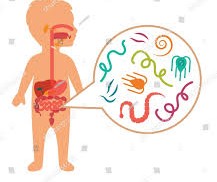
Intestinal worm infections (helminthiases) are a significant global health concern, especially in areas with poor sanitation and limited access to clean water. These infections occur when parasitic worms establish themselves in the gastrointestinal tract, where they consume nutrients, damage intestinal tissue, and interfere with normal digestion. Although early infections may be mild, untreated infestations can lead to anemia, malnutrition, intestinal obstruction, and compromised immunity. Understanding the differences between single and mixed intestinal worm infections is essential for accurate diagnosis, effective treatment, and prevention ✔️.
🌿 Understanding the Condition
Single intestinal worm infections involve infestation by one parasite species, while mixed infections involve two or more species coexisting in the intestines. Mixed infections are often more complex and severe, leading to higher parasite loads and increased nutritional deficiencies ⚠️. Effective management requires a coordinated clinical approach combining diagnostics, pharmacological treatment, and preventive education ⭐.
| Clinical Aspect | Single Infection | Mixed Infection |
|---|---|---|
| ✔️ Parasite Presence | One helminth species | Two or more species concurrently |
| ⭐ Symptom Severity | Mild to moderate | Moderate to severe |
| ⚠️ Therapeutic Approach | Standard single-drug regimen | Extended or combination therapy may be required |
This table highlights the clinical differences and treatment considerations for single versus mixed intestinal worm infections.
🔬 Diagnostic Approaches
Accurate diagnosis is critical for effective management. Stool microscopy remains the gold standard, allowing identification of parasite eggs or larvae ✔️. Repeated testing may be required in mixed infections to ensure detection. Blood tests for anemia, eosinophilia, or nutrient deficiencies can provide additional insights into infection severity ⚠️. Early detection helps guide therapy and reduces complications.
🦠 Symptoms and Clinical Indicators
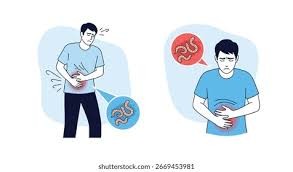
Common symptoms include ✔️ abdominal pain, ✔️ diarrhea or constipation, ✔️ bloating, and ⚠️ unexplained weight loss. In mixed infections, patients may also experience chronic fatigue, anemia, and nutrient deficiencies. Laboratory stool testing is essential for confirmation.
💊 Treatment Principles
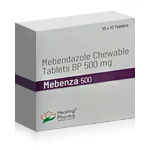
Anthelmintic therapy is the cornerstone of treatment. Drug choice depends on parasite identification, infection severity, and patient-specific factors. Mebenza Chewable (Mebendazole) works locally in the intestines by inhibiting glucose uptake in parasites, leading to energy depletion and elimination ✔️. This targeted mechanism reduces systemic effects while effectively controlling the worm burden.
⚠️ Special Considerations for Mixed Infections
Mixed infections require careful medical supervision due to variable parasite responses. Clinicians may adjust dosing schedules or extend therapy duration ⚠️. Mebenza Chewable (Mebendazole) is commonly used in these regimens for its broad-spectrum activity and favorable safety profile ⭐.
🛡️ Prevention and Long-Term Control
Prevention reduces both infection and reinfection risk. Key measures include ✔️ hand hygiene, ✔️ safe water access, ✔️ proper washing of fruits and vegetables, and ⚠️ avoiding barefoot contact with contaminated soil. Periodic deworming programs using Mebenza Chewable (Mebendazole) help interrupt transmission and improve community health.
🌍 Public Health Impact
Intestinal worm infections contribute to reduced productivity, impaired child development, and increased healthcare burden ⭐. Integrated programs combining medical therapy, sanitation, and health education have demonstrated long-term success ✔️. Controlling infections at both individual and community levels is essential for sustainable health outcomes.
📊 Infection Progression & Risk Factors
| Risk Factor | Impact on Infection | Preventive Note |
|---|---|---|
| Contaminated Soil | High risk for mixed infections | Wear shoes, avoid direct contact |
| Poor Hand Hygiene | Increases parasite transmission | Wash hands regularly |
| Unsafe Water | Supports parasite survival | Boil or filter drinking water |
| Improper Food Handling | Leads to ingestion of parasite eggs | Wash fruits & vegetables thoroughly |
👩⚕️ Doctor Opinion
Dr. Maria Yazdanbakhsh highlights that accurate diagnosis and parasite-specific treatment are crucial to prevent long-term nutritional and immune complications. Integrating therapy with preventive strategies ensures the best patient outcomes ✔️.
✅ Conclusion
Single and mixed intestinal worm infections pose distinct challenges for patients and clinicians. Early detection, accurate diagnosis, and effective anthelmintic therapy, combined with preventive public health measures, are essential for reducing complications, controlling transmission, and protecting long-term community health. Awareness, sanitation, and routine screening are key pillars for sustainable management of these infections ⭐.
📚 Drug Description Sources
U.S. National Library of Medicine, Drugs.com, WebMD, Mayo Clinic, RxList.
🔎 Reviewed and Referenced By
Dr. Amanda Lewis – Clinical Pharmacologist: Emphasizes correct dosing and adherence to ensure full parasite eradication.
Dr. Samuel Hart – Infectious Disease Specialist: Notes that mixed helminth infections present a higher relapse risk and require structured follow-up ⚠️.
Dr. Caroline Hayes – Public Health & Pharmaceutical Economics Specialist: Highlights that accessible generic anthelmintics remain the most cost-effective solution for large-scale parasite control ⭐.
(Updated at Jan 16 / 2026)