Understanding External Genital Warts: A Common but Manageable Condition


External genital warts (also called anogenital warts) are skin growths caused by certain types of human papillomavirus (HPV). They can appear on the vulva, penis, scrotum, groin, or around the anus. The most important truth is simple: genital warts are common, manageable, and many people recover fully with the right plan.
Warts may be small and flat or raised and clustered. Some people feel itching or irritation, while others notice only a texture change. Even when symptoms are mild, the emotional impact can be loud: worry about partners, fear of recurrence, and embarrassment are frequent and real. A good care plan supports both skin clearance and peace of mind.
Doctor note 🧑⚕️
Dr. H. Hunter Handsfield emphasizes that treatment is chosen to remove visible warts and reduce distress, while also balancing comfort, convenience, and recurrence risk. Clear expectations and follow-up matter just as much as the procedure itself.
🎯 What it is
A low-risk HPV skin infection that can create warty growths on external genital or anal skin. “Low-risk” refers to cancer risk, not to how annoying or stressful it can feel.
⚡ Why it matters
Warts can spread through skin contact and may grow if ignored. Treating them can improve comfort, appearance concerns, and confidence.
✅ The win
With appropriate therapy and prevention habits, most people achieve clear skin and learn how to reduce the chance of recurrence.
Clinical overview (quick and clear) 🧾
Think of this as your “map” of genital warts: what causes them, how they spread, and how treatment decisions are typically made. The goal is not only removal, but also a plan that fits real life.
| Category | Description |
|---|---|
| Cause | HPV infection, most often types 6 and 11 |
| Transmission | Skin-to-skin sexual contact (genital, anal; sometimes surrounding skin) |
| Timing | Warts can appear weeks to months after exposure; HPV can also stay quiet for longer |
| Common signs | Soft bumps, flat lesions, or clustered “cauliflower” growths; sometimes itching or irritation |
| Diagnosis | Usually visual exam; biopsy if lesions look atypical or diagnosis is uncertain |
| Treatment goal | Remove visible warts, reduce symptoms and distress, and support prevention habits |
Quick clarity 💡
Warts can clear even without treatment in some people, but many choose treatment to speed clearance, reduce spread risk, and feel better emotionally. The best option depends on wart location, size, number, and your comfort with home vs clinician-applied care.
How HPV spreads (and why warts can show up later) 🔄
HPV spreads through direct skin contact. Because the virus lives in the top layers of skin, it does not require deep exposure. Microscopic skin irritation can be enough for the virus to enter and establish infection.
A tricky part: HPV can remain “quiet” before warts appear. That delay can make it hard to know when exposure happened and can create unnecessary suspicion in relationships. In reality, delayed appearance is a known pattern for HPV.
Common risk factors include:
- Unprotected sexual activity (condoms reduce risk but do not cover all skin)
- Multiple partners over time (higher chance of exposure)
- Friction-prone areas (skin folds, shaving irritation can worsen irritation)
- Weakened immune control (stress, illness, certain medications)
- Past history of HPV-related lesions
Doctor note 👨⚕️
Dr. Anna Wald highlights that chronic viral infections often require a practical partnership between clinician and patient: understand the trigger patterns, treat what is visible, and build habits that support long-term control.
Symptoms: what you might notice (and what surprises people) 👀
Warts vary in appearance and can be easy to miss at first. Some look like tiny flat spots; others become raised, textured, or clustered. They may be painless, but location matters: warts near friction areas can irritate easily.
Many people are surprised that symptoms can be mostly emotional: fear of transmission, concerns about attractiveness, and anxiety about recurrence. That is why a good plan includes both medical steps and supportive education.
Typical wart features
- Soft bumps that match skin tone or look slightly darker
- Flat lesions on moist surfaces
- Clusters that resemble cauliflower texture
- Mild itching, burning, or irritation after friction
- Occasional bleeding if the area is rubbed or shaved
When to seek evaluation
- New growths, skin tags, or bumps in genital/anal area
- Persistent itching or irritation without clear cause
- Partner diagnosed with warts or HPV-related lesions
- Rapid growth, pain, ulceration, or bleeding
- Immune suppression (higher chance of persistent lesions)
Reality check ✅
Many genital bumps are not warts (for example, harmless skin tags or irritation). That is why professional diagnosis is valuable and can prevent unnecessary self-treatment.
Diagnosis: confirm first, treat smarter 🧪
Most genital warts are diagnosed through a visual exam. A clinician looks at location, texture, and pattern. If the lesion is unusual (pigmented, hardened, attached to deeper tissue, bleeding, or ulcerated), a biopsy may be recommended to confirm what it is.
Diagnosis is also a good time to discuss overall sexual health: STI screening, vaccination status, partner communication, and prevention habits. This is not about blame. It is about building a plan you can actually follow.
What to ask at your visit
- Is this definitely a wart, or could it be another benign condition?
- Which treatment fits my wart location and skin sensitivity?
- How long should I expect before visible improvement?
- What is the plan if warts return?
- Should I consider HPV vaccination or partner evaluation?
Treatment: remove what is visible, support what is underneath 💊
Treatment aims to remove visible warts and reduce symptoms (such as irritation), while also addressing cosmetic and emotional distress. No single option is perfect for everyone, so clinicians usually match therapy to wart size, number, location, and patient preference.
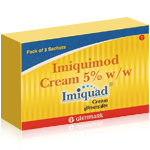
A widely used patient-applied option is Imiquimod (Imiquad), which is applied to the wart area to help the immune system react against infected cells. This “immune support” approach can be especially useful for people who prefer home therapy and want a non-procedure option.
Patient-applied options
- Immune-response creams (home use with guidance)
- Topical wart-destruction solutions for select locations
- Consistent application + patience (results are not overnight)
Clinician-applied options
- Cryotherapy (freezing)
- Trichloroacetic acid in appropriate settings
- Electrosurgery, excision, or laser for selected cases
Comfort tip ✅
Many treatments can cause temporary redness or irritation. Ask how to protect the skin barrier (gentle cleansing, avoid friction, and avoid self-picking). The goal is effective therapy without turning skin into a second problem.
How immune-based therapy helps (plain language) 🧬
Some treatments work by destroying wart tissue directly. Others help the body do the job. Imiquimod (Imiquad) is designed to stimulate local immune signaling in the treated skin area, which can help the body recognize and clear HPV-infected cells. That is why improvement is often gradual: the immune response needs time to build and work.
Practical expectations help: you may see redness, mild burning, or irritation where the cream is applied. Those effects are often signs of local immune activity, but they should remain tolerable. If irritation becomes intense, clinicians may adjust the schedule. Consistency and correct application technique are key.
Small but important ✅
“More” is not “better.” Using too much product or applying too often can inflame skin and make you want to quit early. A sustainable plan is the plan that finishes.
Prevention: reduce risk without fear 🛡️
Prevention is about lowering exposure, improving early detection, and strengthening long-term control. You cannot “retroactively” change a past exposure, but you can reduce new exposures and reduce recurrence triggers. Small habits can make a big difference over time.
✅ Helpful steps
- HPV vaccination (strong prevention tool, even for many adults)
- Barrier protection (helps reduce transmission risk)
- Routine sexual health checkups when risk changes
- Gentle skin care and avoiding friction on active lesions
🚫 Avoid this loop
- Self-diagnosing bumps without confirmation
- Shaving over lesions (can spread irritation)
- Stopping treatment too early because results are gradual
- Ignoring mental stress (it affects follow-through)
Doctor note 👩⚕️
Dr. John T. Schiller’s vaccine research legacy underlines a powerful point: preventing HPV infection is realistic, and vaccination can dramatically reduce HPV-related disease burden over time. Prevention is not a lecture — it is a practical advantage.
Myths vs facts (fast reality check) 💬
Myth: If warts are gone, HPV is gone forever
Fact: Warts can clear while HPV remains controlled in the skin. Many people never see warts again, but recurrence is possible, especially when immunity is stressed.
Myth: Condoms fully prevent genital warts
Fact: Condoms reduce risk, but HPV can affect skin not covered. They are still strongly helpful as part of risk reduction.
Myth: Genital warts always mean a recent exposure
Fact: HPV can stay quiet before warts appear. Timing is not a reliable relationship timeline tool.
Recovery and long-term outlook: what “success” really means 📈
Most people can achieve excellent results: visible lesions clear, symptoms settle, and confidence returns. Success usually looks like a combination of clear skin, knowledge about recurrence triggers, and realistic prevention habits.
If warts return, it does not mean you failed. It can reflect the natural behavior of HPV in skin. A repeat episode often responds to the same strategies, and follow-up helps refine the plan (different modality, different schedule, or barrier-support skin care). For some patients, Imiquimod (Imiquad) is part of a longer strategy: treat current lesions and support immune control over time.
Friendly reminder ✅
The goal is not perfection — it is progress you can maintain. If a plan is too harsh or too complex, it is okay to adjust it with your clinician.
Drug Description Sources: U.S. National Library of Medicine, Drugs.com, WebMD, Mayo Clinic, RxList.
Reviewed and Referenced By:
Dr. H. Hunter Handsfield – Infectious Disease Specialist: Professor Emeritus of Medicine known for decades of clinical and academic work in sexually transmitted infections, with a strong focus on practical patient care, STI prevention strategies, and evidence-based management of HPV-related conditions.
Dr. Anna Wald – Professor of Medicine and Epidemiology: Academic physician and researcher recognized for work in viral infections and sexual health, including clinical studies on HPV and related infections, as well as long-term infection control and patient-centered counseling approaches.
Dr. John T. Schiller – NIH Distinguished Investigator: Senior biomedical scientist widely known for foundational HPV vaccine research and leadership in HPV prevention science, contributing to major advances in reducing HPV-related disease at the population level.
(Updated at Feb 21 / 2026)
Imiquimod Imiquad articles: