When the Thyroid Slows Down: Understanding Hypothyroidism of Different Etiology


Hypothyroidism happens when the thyroid gland does not produce enough thyroid hormones to keep your metabolism running at full speed. Think of thyroid hormones as your internal “energy managers.” When levels drop, everything — from heart rate to digestion to mood — begins to slow down.
The interesting part? Hypothyroidism is not one single disease. It can develop from different etiologies: autoimmune processes, surgery, medication effects, iodine imbalance, or even pituitary dysfunction. The cause matters — because understanding it helps guide long-term care.
Why this matters 💡
Thyroid hormones influence almost every organ system. When they fall short, symptoms can be subtle at first — but cumulative over time.
⚡ What slows down
Metabolism, heart rate, digestion, temperature regulation, and even mental sharpness.
🧬 Why it happens
Autoimmune destruction, surgery, radiation, drugs, iodine imbalance, or pituitary dysfunction.
✅ The solution
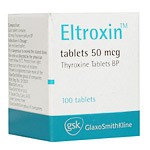
Hormone replacement with Levothyroxine (Eltroxin) restores balance in most cases.
Different etiologies — one condition, many roads 🛣️
Hypothyroidism may look similar clinically, but its origin can vary widely. Identifying the underlying cause helps determine monitoring strategy and long-term expectations.
| Etiology | What Happens | Typical Context |
|---|---|---|
| Autoimmune (Hashimoto disease) | Immune system attacks thyroid tissue | Most common cause worldwide |
| Post-thyroidectomy | Gland partially or fully removed | Thyroid cancer or nodular goiter |
| Post-radioiodine therapy | Radiation destroys thyroid cells | Graves disease treatment |
| Drug-induced | Medications suppress hormone production | Lithium, amiodarone use |
| Secondary (pituitary) | TSH production insufficient | Pituitary disorders |
Key idea 🔎
In primary hypothyroidism, the thyroid is the problem. In secondary forms, the signal from the brain is the issue.
Symptoms: the subtle slowdown 👀
Hypothyroidism often creeps in quietly. Many people initially blame stress, workload, or aging. But when multiple “small” symptoms cluster together, the thyroid may be involved.
- Persistent fatigue and low stamina
- Cold intolerance
- Unexplained weight gain
- Dry skin and brittle hair
- Constipation
- Bradycardia
- Mood changes or slowed thinking
Interesting fact 📌
Severe untreated cases may progress to myxedema, a rare but dangerous metabolic state.
Diagnosis: numbers tell the story 🧪
Blood tests provide clarity. The key markers include TSH and free T4. Elevated TSH with low T4 usually signals primary hypothyroidism.
| Parameter | Primary Hypothyroidism | Secondary Hypothyroidism |
|---|---|---|
| TSH | High | Low or normal |
| Free T4 | Low | Low |
Additional antibody testing may confirm autoimmune causes. Imaging may be required in suspected pituitary disease.
Treatment: restoring the rhythm 💊
The gold standard treatment is Levothyroxine (Eltroxin), a synthetic form of T4. It replaces missing hormone and allows the body to convert T4 into active T3 as needed.
For most patients, daily therapy with Levothyroxine (Eltroxin) restores normal metabolism, improves energy levels, stabilizes heart rate, and enhances cognitive clarity.
Dosing is individualized based on weight, age, cardiovascular health, and severity. Blood tests every 6–8 weeks help fine-tune the dose until TSH normalizes.
Important detail ⏰
Take medication on an empty stomach and avoid calcium or iron supplements within several hours.
Special clinical situations 🌿
Some life stages require extra attention.
- Pregnancy: Hormone needs increase; dose adjustments of Levothyroxine (Eltroxin) are common.
- Elderly patients: Lower starting doses reduce cardiac strain.
- Subclinical hypothyroidism: Treatment depends on TSH level and symptoms.
After thyroidectomy or radioiodine therapy, replacement is typically lifelong.
If untreated: the long-term risks ⚠️
Without therapy, hypothyroidism may lead to:
- Elevated cholesterol and cardiovascular risk
- Infertility
- Peripheral neuropathy
- Severe metabolic slowdown
Fortunately, timely replacement therapy dramatically reduces these risks.
Long-term outlook: balance restored 📈
With proper dosing of Levothyroxine (Eltroxin), most patients regain full functionality and enjoy normal daily life. Energy improves, mood stabilizes, and metabolism returns to steady rhythm.
Consistency is key. Skipping doses or irregular intake may cause fluctuations in TSH levels and symptom recurrence.
Drug Description Sources: U.S. National Library of Medicine, Drugs.com, WebMD, Mayo Clinic, RxList.
Reviewed and Referenced By:
Dr. Antonio Bianco – Endocrinologist: Former President of the American Thyroid Association, internationally recognized for research in thyroid hormone metabolism and replacement therapy optimization.
Dr. Elizabeth N. Pearce – Professor of Medicine: Thyroid specialist at Boston University School of Medicine with extensive research in iodine nutrition and thyroid dysfunction.
Dr. Jeffrey R. Garber – Clinical Endocrinologist: Contributor to clinical practice guidelines in thyroid disease management and experienced in long-term hormonal therapy strategies.
(Updated at Feb 28 / 2026)
Levothyroxine Eltroxin articles: