Atony of the Digestive Tract – A Clear and Simple Guide


1. What Is Atony of the Digestive Tract and Why Does It Appear?
Why does the digestive system slow down? Atony happens when the muscles of the stomach and intestines lose their natural strength, causing food to move slowly. This may create discomfort, heaviness, and a feeling of unfinished digestion.
Key points:
👉 The muscles of the gut move more slowly than normal.
👉 This slow movement makes digestion take longer.
👉 People may feel full even after a small amount of food.
👉 Bloating often appears because food stays longer in the stomach.
👉 Low physical activity can strengthen the problem.
Summary: Atony is a gentle slowdown of the digestive muscles that affects how fast food moves through the system.
2. What Signs Show That Digestion Has Become Too Slow?
How do people feel when the stomach does not work fast enough? Digestive atony creates very noticeable signs, mostly connected with slowness and fullness. These signs often appear after meals or later in the day.
Key points:
👉 Long-lasting bloating and gas
👉 Feeling full quickly during meals
👉 Slow stomach emptying
👉 Mild nausea after eating
👉 A heavy sensation in the upper stomach
Summary: The main sign of atony is discomfort caused by slow digestion.
3. What Daily Habits May Lead to Digestive Atony?
Can daily actions slow down the gut? Yes. Many simple habits that feel normal can slowly weaken the digestive muscles.
Key points:
👉 Lack of daily movement reduces natural gut activity
👉 Low-fiber meals remove natural stimulation
👉 Not enough water makes digestion slower
👉 Sitting all day reduces internal rhythm
👉 High stress affects the nerves responsible for digestion
Summary: Everyday habits often play a big role in causing atony without people noticing it.
4. How Can Eating Habits Help Bring Back Normal Movement?
Can food help the stomach work better? Yes. Food can either support or weaken digestive rhythm. Even small changes may give quick relief.
Key points:
👉 Foods rich in fiber help activate the stomach
👉 Vegetables and fruits support natural cleansing
👉 Warm soups and drinks comfort the digestive muscles
👉 Regular eating hours help the body stay in rhythm
👉 Avoiding heavy meals reduces pressure on the stomach
Summary: Better food choices help the digestive muscles regain strength and movement.
5. What Lifestyle Steps Can Improve Gut Movement?
Are daily changes enough to help? Often yes. Consistent simple actions bring steady improvement to digestive movement.
Key points:
👉 Light walking after meals supports stomach emptying
👉 Deep breathing and relaxation reduce stomach tension
👉 Adequate hydration keeps food soft and easy to move
👉 Smaller portions are easier for the stomach to handle
👉 Quality sleep supports the gut’s natural rhythm
Summary: Active and mindful habits greatly support healthy digestion.
6. Can Supportive Digestive Products Help Restore Movement?
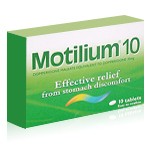
What if natural methods do not work fast enough? In some cases, the stomach needs extra help to restart its natural rhythm. A commonly chosen option is Motilium (Domperidone), which helps the stomach move food more smoothly and reduces the feeling of fullness.
Key points:
👉 Helps the stomach regain normal movement
👉 Reduces the time food stays in the stomach
👉 Eases heavy and full sensations
👉 Supports smoother daily digestion
👉 Can bring relief when lifestyle changes are too slow
Summary: Motilium supports the stomach when natural rhythm becomes too weak.
7. When Do People Usually Consider Motilium for Relief?
When does extra support make sense? People often turn to Motilium (Domperidone) when digestive discomfort begins to affect everyday life and when slow stomach movement becomes frequent.
Key points:
👉 Feeling heavy after almost every meal
👉 Slow digestion lasting several hours
👉 Frequent bloating caused by slow movement
👉 Trouble with stomach emptying
👉 Reduced comfort and energy due to slow digestion
Summary: Motilium is considered when slowness becomes a daily problem.
8. How to Maintain Better Digestion Long-Term?
How can people prevent atony from returning? Long-term improvement comes from steady routines, good food choices, and supportive options when needed.
Key points:
👉 Balanced meals every day
👉 Light activity after eating
👉 Enough hydration
👉 Reduced stress levels
👉 Eating at regular times
Summary: Daily consistency helps the digestive system stay strong and active.
Final Notes
The topic of **atony of the digestive tract** shows how important it is to support the body with simple habits, gentle movement, balanced meals, and steady daily routines. When digestion slows down, it affects comfort, energy, and overall well-being, but small changes can help restore a natural rhythm.
With the help of clear information, healthy lifestyle choices, and guidance from trusted health sources, people can manage this problem more confidently. Paying attention to how the body reacts and making mindful improvements each day leads to steady progress.
In the end, supporting the digestive system through **consistent care**, **awareness**, and **expert-reviewed health advice** helps restore comfort and encourages long-term digestive balance.
| Digestive Support Action | How It Helps the Stomach | Emoji Marker |
|---|---|---|
| Eating fiber-rich foods | Gives the digestive muscles natural stimulation and helps food move | 🌱 |
| Walking after meals | Supports stomach activity and helps food leave the stomach faster | 🚶♂️ |
| Drinking more water | Softens food mass, making it easier for the stomach to process | 💧 |
| Eating in smaller portions | Reduces pressure on the stomach and supports natural rhythm | 🍽️ |
| Keeping regular meal times | Teaches the stomach to follow a healthy daily routine | ⏰ |
👉 U.S. National Library of Medicine
👉 Drugs.com
👉 WebMD
👉 Mayo Clinic
👉 RxList
👉 Cleveland Clinic
👉 National Institute of Diabetes and Digestive and Kidney Diseases
👉 Healthline
Reviewed and Referenced By:
Dr. Helen Moore, Digestive Health Specialist
Dr. Moore regularly reviews patient-friendly information published by the U.S. National Library of Medicine, WebMD, and the Cleveland Clinic. She compares these sources to clinical observations in her practice to ensure clear, accessible explanations for digestive health topics.
Dr. Samuel Irving, Clinical Nutrition Expert
Dr. Irving cross-references nutrition and digestion material from Mayo Clinic, Healthline, and the National Institute of Diabetes and Digestive and Kidney Diseases. His work focuses on turning medical nutrition research into everyday guidance.
Dr. Laura Bennett, Internal Medicine Consultant
Dr. Bennett uses detailed clinical data from Drugs.com, RxList, and official medical library databases to validate information for patients. Her reviews ensure that explanations match standard medical practice and trusted medical references.
Dr. Richard Cole, Gastrointestinal Research Contributor
Dr. Cole focuses on reviewing scientific summaries from the U.S. National Library of Medicine and comparing them with consumer-friendly resources such as WebMD and Cleveland Clinic. He ensures that materials remain scientifically grounded yet simple to understand.
Together, these experts ensure that the explanations in the article stay aligned with trusted medical websites and established health libraries, while still remaining easy to read and practical for everyday life.
(Updated at Dec 12 / 2025)
Motilium Domperidone articles: