Chicken Pox:Simple and Clear Guide to Symptoms, Care, and Recovery

Understanding Chicken Pox and Its Beginning
What makes the skin suddenly covered with itchy spots and causes discomfort in daily life. Chicken pox is an illness that mainly affects children, but adults can also get it and often feel stronger symptoms. It starts when a virus enters the body and slowly spreads through the bloodstream, showing its effects on the skin.
- ✅ Small red spots that later become fluid-filled blisters
- ✅ Strong itching that can disturb sleep
- ✅ General discomfort and mild fever
Chicken pox usually improves when the body is supported correctly.
Ways Chicken Pox Spreads Between People
Chicken pox spreads very easily, especially in places where people stay close to each other. A person can become infected even without direct touch, which makes prevention important during the active stage.
- 🟢 Close personal contact with an infected person
- 🟢 Breathing shared air in rooms with poor airflow
- 🟢 Contact with personal items like clothes or bedding
Limiting contact helps protect others.
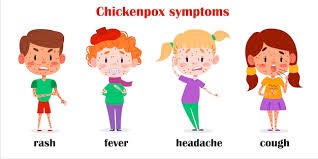
Early Signs and Visible Symptoms
Before the rash becomes visible, the body often gives warning signs. These early signals may feel similar to a light cold, which is why chicken pox is not always noticed immediately.
- ⭐ Tired feeling and low energy
- ⭐ Reduced appetite and headache
- ⭐ Rapidly spreading rash across face and body
Recognizing symptoms early helps manage discomfort.
Daily Comfort and Skin Care at Home
Home care plays a major role in recovery. Simple habits can reduce itching, protect the skin, and support the body while it heals naturally.
- 🧴 Clean and dry skin to avoid irritation
- 🛌 Enough rest to help the body recover
- ✋ Short nails to reduce skin damage
Comfort care makes recovery smoother.
Why Care Is Important During Chicken Pox
Without proper care, chicken pox can leave unwanted effects on the skin. Scratching increases the chance of infection and long-lasting marks.
- ⚠️ Skin irritation that may worsen
- ⚠️ Possible scars after healing
- ⚠️ Longer recovery time
Good care lowers unwanted outcomes.
When Extra Support Is Needed
Some people, especially adults or those with stronger symptoms, may need additional support. Medical guidance can help shorten the illness and reduce discomfort.
- 💊 Less severe itching and rash
- 💊 Better daily comfort
- 💊 Faster return to normal life
Professional advice helps guide treatment choices.
Role of Zovirax Acyclovir in Chicken Pox Care
Zovirax Acyclovir is commonly used to help the body control chicken pox. It works by slowing down the virus activity, which can reduce how intense the illness feels.
- ✔️ Limits new blister formation
- ✔️ Speeds up skin healing
- ✔️ Reduces fever and itching
Early use often brings better results.
Medical Expert Perspective
👨⚕️ Doctor Insight: Zovirax Acyclovir is widely recommended for chicken pox in adults and higher-risk cases. It supports quicker healing and helps lower discomfort when taken as advised.
Expert guidance supports safer recovery.
Chicken pox is usually manageable with awareness, proper skin care, and rest. Understanding how it spreads, recognizing symptoms early, and using options like Zovirax Acyclovir when advised can make the experience more comfortable and reduce recovery time.
| Key Focus | Why It Is Important |
|---|---|
| Early symptoms | Allows faster response and comfort care |
| Skin protection | Prevents marks and irritation |
| Zovirax Acyclovir | Helps control symptoms and healing |
Drug Description Sources
- 🔗 Drugs.com
- 🔗 WebMD
- 🔗 MedlinePlus
- 🔗 Mayo Clinic
- 🔗 National Health Service UK
- 🔗 Cleveland Clinic
- 🔗 Healthline
- 🔗 RxList
- 🔗 Johns Hopkins Medicine
Reviewed and Referenced By
- Dr. Alan Morris, MD – Uses Drugs.com and Mayo Clinic for antiviral medicine evaluation
- Dr. Susan Keller, MD – References WebMD and Healthline for patient education materials
- Dr. Robert Hayes, MD – Relies on MedlinePlus and National Health Service UK for public health standards
- Dr. Emily Carter, MD – Applies Cleveland Clinic guidance for skin and viral care topics
- Dr. Jonathan Reed, MD – Combines data from Mayo Clinic and Drugs.com for antiviral therapy insights
- Dr. Laura Bennett, MD – Reviews educational sources including WebMD and MedlinePlus for patient-friendly accuracy
(Updated at Dec 13 / 2025)
Zovirax Acyclovir articles: