Generalized Lesion of Blood Vessels in Diabetes Mellitus


Diabetes mellitus is increasingly recognized as a systemic vascular disorder rather than a condition limited to impaired glucose metabolism. One of its most clinically significant consequences is the generalized lesion of blood vessels, a diffuse pathological process that affects arteries, arterioles, capillaries, and venules throughout the body.
This generalized vascular damage forms the structural and functional basis for many chronic complications of diabetes. Persistent hyperglycemia disrupts vascular homeostasis, leading to impaired perfusion, reduced oxygen delivery, and altered nutrient exchange at the tissue level.
Because these changes develop gradually and often without early symptoms, vascular injury may progress unnoticed for years, making early diagnosis and preventive management essential.
Systemic Character of Vascular Damage
The vascular lesions associated with diabetes represent a system-wide pathological process rather than isolated abnormalities. Chronic metabolic imbalance affects the entire vascular network, exposing multiple organ systems to similar patterns of injury.
Organs with dense microvascular supply and high metabolic demand — including the heart, kidneys, retina, brain, and peripheral nerves — are particularly vulnerable. Damage in one vascular bed often worsens dysfunction in others, reinforcing disease progression.
This systemic nature explains why diabetic complications frequently coexist and why treatment strategies must target global vascular health rather than focusing on a single organ.
Endothelial Dysfunction as a Central Mechanism
Endothelial dysfunction is a key initiating event in diabetic vascular disease. The endothelium regulates vascular tone, permeability, coagulation, and inflammatory responses, all of which are disrupted by chronic hyperglycemia.
Excess glucose promotes oxidative stress and inflammatory signaling, reducing nitric oxide bioavailability and impairing vasodilation. Simultaneously, increased expression of adhesion molecules facilitates leukocyte attachment and vascular inflammation.
These early functional abnormalities may still be reversible, highlighting the importance of timely metabolic control before irreversible structural damage occurs.
Structural Vascular Remodeling
With prolonged metabolic stress, functional endothelial changes evolve into structural remodeling of the vessel wall. Basement membrane thickening, smooth muscle proliferation, and extracellular matrix accumulation progressively narrow the vascular lumen.
These changes reduce vascular elasticity and limit the vessel’s ability to respond to physiological demands such as increased blood flow during physical activity or stress.
Once established, structural remodeling significantly compromises tissue perfusion and becomes difficult to reverse, even with later improvement in glycemic control.
Microvascular Complications
Microangiopathy affects capillaries and small arterioles and is a hallmark of long-standing diabetes. Reduced capillary density and impaired perfusion compromise oxygen and nutrient delivery at the cellular level.
| Organ System | Vascular Change | Clinical Manifestation |
|---|---|---|
| Retina | Capillary leakage, microaneurysms | Diabetic retinopathy, visual impairment |
| Kidneys | Glomerular sclerosis | Diabetic nephropathy, chronic kidney disease |
| Peripheral nerves | Ischemia of vasa nervorum | Peripheral and autonomic neuropathy |
Microvascular complications often progress silently and may only become clinically apparent after significant damage has occurred. Regular screening is therefore essential for early detection and timely intervention.
Doctor’s opinion (Prof. Luigi Gnudi, MD, PhD): Early microvascular damage is common in diabetes. Addressing metabolic disturbances at this stage can markedly delay progression and preserve organ function.
Macrovascular Disease and Tissue Ischemia
Macrovascular disease in diabetes is driven by accelerated atherosclerosis, chronic inflammation, and prothrombotic tendencies. These processes narrow large arteries and impair blood flow to critical organs.
As a result, individuals with diabetes face a substantially increased risk of coronary artery disease, ischemic stroke, and peripheral arterial disease. Chronic tissue ischemia also delays wound healing and increases the risk of ulceration and limb loss.
Macrovascular complications remain the leading cause of mortality among patients with diabetes.
Doctor’s opinion (Prof. Kamlesh Khunti, MD, PhD): Comprehensive cardiovascular risk reduction must be embedded in diabetes care from the earliest stages.
Metabolic Memory and Disease Persistence
The concept of metabolic memory explains why early periods of poor glycemic control have long-lasting vascular consequences. Molecular and epigenetic changes within vascular cells persist even after glucose levels improve.
These sustained alterations maintain oxidative stress and inflammatory activity, contributing to ongoing vascular injury despite later treatment.
This phenomenon reinforces the importance of achieving optimal glycemic control as early as possible in the disease course.
Role of Glycemic Control
Stable glycemic control is the cornerstone of preventing generalized vascular lesions. When lifestyle interventions are insufficient, pharmacological therapy becomes necessary to limit chronic hyperglycemia.
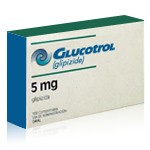
Glucotrol, a sulfonylurea used in type 2 diabetes, stimulates insulin secretion from pancreatic beta cells, thereby lowering blood glucose concentrations.
By reducing glucose exposure, Glucotrol indirectly limits endothelial injury and slows the progression of vascular disease when used appropriately.
Doctor’s opinion (Dr. George L. King, MD): Preventing early endothelial dysfunction yields long-term vascular benefits that cannot be achieved through delayed intervention.
Comprehensive Management Approach
Effective prevention of vascular complications requires an integrated, long-term strategy addressing all contributing factors:
- Glycemic monitoring and individualized targets
- Blood pressure control
- Lipid management
- Healthy lifestyle and physical activity
- Continuous patient education
In selected patients, oral agents such as Glucotrol may be incorporated into personalized treatment plans to support glycemic targets and reduce vascular risk.
Doctor’s opinion (Prof. Melanie J. Davies, MD): Individualized, patient-centered care offers the strongest protection against progressive vascular complications.
Drug Description Sources
U.S. National Library of Medicine, Drugs.com, WebMD, Mayo Clinic, RxList.
Reviewed and Referenced By
Prof. Luigi Gnudi, MD, PhD
Professor of Diabetes and Metabolic Medicine, King’s College London. Expert in diabetic microvascular disease and endothelial dysfunction.
Prof. Kamlesh Khunti, MD, PhD
Professor of Primary Care Diabetes and Vascular Medicine, University of Leicester. Authority on cardiovascular risk management in diabetes.
Dr. George L. King, MD
Professor of Medicine at Harvard Medical School, Director of Vascular Cell Biology at the Joslin Diabetes Center.
Prof. Melanie J. Davies, MD
Professor of Diabetes Medicine, University of Leicester. Specialist in patient-centered diabetes therapy and vascular risk reduction.
(Updated at Dec 20 / 2025)
Glucotrol Glipizide SR articles: