Glycemic Control: Understanding Everyday Balance

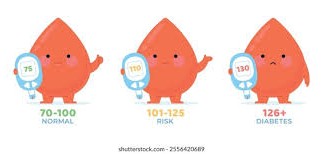
What Glycemic Control Really Means
Glycemic control is about keeping blood sugar levels steady from morning until night. Many people notice that their sugar levels change a lot during the day, and even simple things like meals, stress, or tiredness can shift the body’s balance. When sugar levels rise and fall too much, the body struggles to keep energy steady and mood stable.
Key Thoughts
- Blood sugar mainly comes from the food we eat.
- The body uses natural hormones to move sugar into cells.
- When this process slows, sugar remains high for too long.
Daily habits can improve or worsen sugar levels. Early signs often appear before major problems develop. This shows that steady sugar control affects overall well-being.
How the Body Handles Sugar Every Day
The body works constantly to turn food into fuel. Each time we eat, sugar enters the bloodstream. When the body functions smoothly, sugar moves into cells and provides energy for work, movement, and thinking. When the system becomes slower, sugar stays in the blood and causes tiredness or discomfort.
Key Thoughts
- Sugar enters the bloodstream quickly after meals.
- The body responds by helping cells absorb it.
- If this support slows down, sugar remains high.
- Feeling tired or hungry often can be an early sign.
- Many people overlook these signs until they grow stronger.
This shows how important daily sugar processing is for energy.
What Causes Blood Sugar to Rise Too Much
Blood sugar becomes high for many reasons, and it is not always caused by overeating. The body reacts to daily habits, emotions, and natural processes. Even skipping meals or sleeping poorly can push sugar levels higher.
Key Thoughts
- Large meals create faster sugar spikes.
- Sitting too long after eating slows sugar use.
- Stress can raise sugar even without food.
- Poor sleep affects how the body handles sugar.
- Family history increases the likelihood of imbalance.
This shows that sugar levels respond to many everyday factors.
Daily Signs That Blood Sugar Is Not Balanced
Changes in blood sugar often appear quietly. Many people notice small problems like thirst or irritability, but they do not connect them to sugar imbalance. Paying attention to these early signs can help avoid future issues.
Key Thoughts
- Feeling thirsty more often than usual.
- Getting tired soon after eating.
- Feeling hungry again shortly after meals.
- Difficulty staying focused.
- Mood changes or irritability during the day.
This shows that early signs help guide better sugar care.
Daily Habits That Support Better Sugar Control
Simple lifestyle steps can greatly improve how the body manages sugar. Creating steady, healthy routines often leads to smoother sugar levels and better comfort throughout the day. Even small actions repeated often make a real difference.
Key Thoughts
- Choosing meals with vegetables, protein, and whole grains.
- Walking for a short time after each meal.
- Drinking enough water to help sugar movement.
- Keeping a regular bedtime and wake-up time.
- Reducing stress to prevent unexpected sugar rises.
This shows that strong habits build a foundation for better health.
When Daily Habits Are Not Enough
Sometimes the body needs more help, even when a person follows healthy routines. Sugar may stay high because the body’s natural regulation slows, or because long-term factors make sugar harder to control. This is when treatment support becomes important.
Key Thoughts
- Sugar may not enter cells as easily as before.
- The body may send sugar back into the blood too quickly.
- Natural body changes can raise sugar levels.
- Family genetics can influence sugar processing.
Long-standing imbalance needs a stronger plan.This shows that needing treatment support is normal and common.
Support Options Including Oxramet-S XR
When lifestyle alone cannot control blood sugar, many people use treatments that assist the body in different ways. Oxramet-S XR, which contains Dapagliflozin, Sitagliptin, and Metformin, gives the body several forms of support at the same time, helping sugar levels stay more steady.
Key Thoughts
- Helps the body remove extra sugar naturally.
- Supports smoother sugar control during the day.
- Works together with daily healthy habits.
- Helps limit sharp sugar spikes after meals.
- Encourages steadier energy levels.
This shows that full support brings stronger daily balance.
A Complete Approach With Oxramet-S XR
For many people, the best results come from combining good habits with reliable treatment. Oxramet-S XR supports the body’s sugar management throughout the day, helping reduce stress and worry about fluctuations. It becomes part of a larger plan that strengthens long-term health.
Key Thoughts
- Helps sugar move into cells more effectively.
- Reduces sugar returning to the bloodstream.
- Supports the body’s natural balance all day.
- Fits well into a daily routine of movement and balanced meals.
- Helps maintain comfort even when daily life becomes busy.
This shows that a complete plan makes long-term sugar control easier.
Conclusion
Glycemic control is a steady, ongoing process. With awareness, healthy routines, and the right support when needed, people can enjoy smoother energy, clearer thinking, and a much more comfortable daily life. A thoughtful approach creates confidence and long-lasting balance.
Drug Description Sources: U.S. National Library of Medicine, Drugs.com, WebMD, Mayo Clinic, RxList, MedlinePlus, Cleveland Clinic, Johns Hopkins Medicine, Mount Sinai Health Library, National Institute of Diabetes and Digestive and Kidney Diseases, Healthline, National Institutes of Health, British National Formulary.
Reviewed and Referenced By:
- Dr. Alan Carter, Doctor of Pharmacy Clinical pharmacist specializing in therapeutic evaluation. Frequently referenced on Drugs.com for reviewing safety details and dosage guidance linked to trusted medical data.
- Dr. Melissa Rowen, Doctor of Internal Medicine Contributor to Mayo Clinic and MedlinePlus educational material, helping patients understand long-term sugar management and practical daily strategies.
- Dr. Samuel Greene, Endocrinology Specialist Advisor for the National Institute of Diabetes and Digestive and Kidney Diseases, offering expert insights into blood sugar regulation and treatment options.
- Dr. Laura Mendel, Clinical Research Reviewer Regular contributor to WebMD and Cleveland Clinic education pages, known for reviewing clinical interpretations of sugar-control support methods.
- Dr. Victor Haines, Pharmacology Researcher Collaborates with the U.S. National Library of Medicine and RxList to clarify medicine actions and improve public understanding of treatment safety.
(Updated at Nov 15 / 2025)