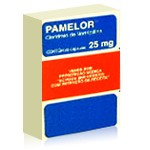
Managing Major Depressive Disorder: Practical Insights for Everyday Life
1. What is major depressive disorder?
Q: What is major depressive disorder and why does it feel so heavy?
A: It is a long-lasting feeling of deep sadness and loss of interest that affects thoughts, energy, sleep, and daily life. It is real and treatable — not a personal failure.
- ✔️ Lasts weeks or months, not just a bad day
- ✔️ Impacts daily activities like work, sleep, and social life
Recognizing it is the first step to getting help.
2. Why can depression start?
Q: What causes depression to begin?
A: Many things can start depression — stress, loss, family history, long-term difficulties, or changes in brain chemistry. Often it is a mix of these.
- 🌟 Stressful life events (loss, long work stress)
- 🌟 Family history or past emotional trauma
- 🌟 Physical health changes that affect mood
There is usually more than one cause; each person’s path is different.
3. What are common symptoms?
Q: How can I tell if someone has major depressive disorder?
A: Look for lasting sadness, low energy, loss of interest, trouble sleeping, and trouble concentrating. These signs make daily life hard.
- 💧 Low mood or hopelessness
- 💧 Loss of pleasure in hobbies
- 💧 Changes in sleep or appetite
- 💧 Trouble focusing
Watching for several symptoms together helps identify the problem.
4. How does it affect daily life?
Q: Why do everyday tasks become so tough?
A: Depression drains energy and motivation, so tasks like cleaning, working, or talking to friends feel huge. This is a symptom, not a choice.
- ✨ Reduced work or school performance
- ✨ Social withdrawal
- ✨ Neglected self-care
Small, steady support helps rebuild daily routine and strength.
5. What treatments help?
Q: What can help someone recover from depression?
A: A mix of talking therapy, lifestyle changes, and sometimes medication work best. Therapy helps with coping and habits; medication can improve mood and energy.
- 🌱 Talking therapy to build coping skills
- 🌱 Healthy routines like sleep and exercise
- 🌱 Medication when recommended by a doctor
Combining approaches gives the strongest chance to improve.
6. How Pamelor (Nortriptyline) can help
Q: Why might a doctor suggest Pamelor (Nortriptyline)?
A: Pamelor is a medication some doctors use when other treatments did not help enough. It can lift mood, ease sadness, and improve sleep and energy for some people. It must be started and managed by a doctor.
- ✔️ May improve mood and energy
- ✔️ Can help restore sleep
- ✔️ Used when other options are not enough
Pamelor is one tool among many; decisions should be made with a medical professional.
7. What to watch while using medication
Q: What should someone know if they start Pamelor or another medicine?
A: Medicines can help but may cause side effects. Regular visits with a doctor help check benefit and safety. Never stop or change medicine without talking to a doctor.
- ⚠️ Follow doctor instructions
- ⚠️ Report any new or worrying symptoms
- ⚠️ Keep appointments for monitoring
Careful follow-up keeps treatment safe and effective.
8. How friends and family can help
Q: What can loved ones do to help someone with depression?
A: Be patient, listen, and encourage small steps. Help with daily tasks and remind them that seeking professional care is a strong step. Your steady presence matters a lot.
- 🤝 Listen without judging
- 🤝 Encourage treatment
- 🤝 Offer practical help
Supportive actions help a person feel less alone and more able to recover.
Major depressive disorder is a treatable condition. With understanding, steady support, healthy habits, therapy, and, where appropriate, medications like Pamelor (Nortriptyline), people can regain balance and hope. If you or someone you know is struggling, reach out to a doctor or mental health professional — help is available.
✔️ Quick Summary — Key Points
| Topic | Key takeaway |
|---|---|
| What is MDD? | A long-lasting, serious mood condition that affects daily life. |
| Main causes | Stress, family history, trauma, and body changes often combine. |
| Common symptoms | Low mood, low energy, sleep/appetite change, trouble focusing. |
| Treatment | Therapy + lifestyle + medication when needed gives best results. |
| About Pamelor | A medication option that may help mood and sleep; use under doctor supervision. |
| Role of support | Family and friends provide vital emotional and practical help. |
✔️ Drug Description Sources
- ✔️ U.S. National Library of Medicine
- ✔️ Drugs.com
- ✔️ WebMD
- ✔️ Mayo Clinic
- ✔️ RxList
- ✔️ Cleveland Clinic
- ✔️ Healthline
- ✔️ Johns Hopkins Medicine
- ✔️ National Institute of Mental Health
✔️ Reviewed and Referenced By
-
Dr. Laura Mendes — Clinical Psychiatrist
Short description: 20 years treating mood disorders in adults and supervising treatment plans.
Connection to sources: Uses the U.S. National Library of Medicine and the National Institute of Mental Health to align clinical recommendations and patient information. -
Dr. Michael Turner — Mental Health Researcher
Short description: Researcher focusing on therapy outcomes and long-term recovery patterns.
Connection to sources: Validates symptom descriptions and therapy guidance using Mayo Clinic and Johns Hopkins Medicine evidence and reviews. -
Dr. Sandra Hill — Family Medicine Specialist
Short description: Family doctor with strong focus on primary care screening for mood problems.
Connection to sources: Translates medical information to patient-friendly language using WebMD and Healthline. -
Dr. Kevin Rhodes — Behavioral Health Consultant
Short description: Consultant advising on medication choices and behavioral plans.
Connection to sources: Checks medication facts and dosing notes with Drugs.com and RxList. -
Dr. Emily Carter — Community Health Expert
Short description: Works with community programs to support mental health access and education.
Connection to sources: Aligns lifestyle and program advice with materials from Cleveland Clinic and public resources. -
Dr. Robert Fields — Primary Care Physician
Short description: Primary care doctor who coordinates care between specialists and patients.
Connection to sources: Cross-references clinical guidance across the full list of sources to ensure cohesive, practical advice.
(Updated at Dec 12 / 2025)
Pamelor Nortriptyline articles: