Myoclonic Seizures: A Comprehensive Medical Overview


Myoclonic seizures represent a clinically significant subtype of epileptic seizures characterized by sudden, brief, shock-like muscle contractions. These involuntary jerks may affect a single muscle group or occur simultaneously on both sides of the body. Although each movement lasts only milliseconds, repeated episodes can interfere with daily activities, professional performance, and personal safety.
Patients often describe these events as sudden electrical jolts ⚡ running through the body. While consciousness is usually preserved, the unpredictability of myoclonic seizures may cause anxiety, fear of injury, and reduced independence. Understanding their neurological basis and available treatment strategies is essential for achieving stable seizure control and maintaining quality of life 🧠.
What Are Myoclonic Seizures?
Myoclonic seizures arise from abrupt abnormal electrical discharges in brain regions responsible for motor coordination. These discharges activate muscle groups instantaneously, producing jerks that may resemble an exaggerated startle response.
Unlike physiological myoclonus that occurs during sleep onset, epileptic myoclonus is recurrent, spontaneous, and often clustered. Importantly, most individuals remain fully aware during the event, allowing accurate symptom reporting. Preserved consciousness is a key diagnostic clue distinguishing myoclonic seizures from other epileptic and non-epileptic motor disorders 🔍.
Clinical Symptoms and Key Characteristics
The severity of myoclonic seizures varies widely. Some patients experience mild twitching, while others have forceful jerks that disrupt posture or balance. Common clinical features include:
- Sudden lightning-like muscle jerks, most often involving arms and shoulders
- Episodes occurring shortly after awakening ⏰
- Dropping objects due to abrupt loss of muscle control
- Clusters of multiple jerks within minutes
- Minimal or absent postictal confusion
Although brief, frequent myoclonic seizures increase the risk of falls, fractures, and secondary injuries. Persistent symptoms may indicate inadequate seizure control and require treatment reassessment.
Underlying Causes and Risk Factors
The etiology of myoclonic seizures is often multifactorial. In many cases, genetic predisposition plays a major role, especially in idiopathic generalized epilepsy syndromes. However, acquired causes must also be carefully evaluated.
- Inherited epilepsy syndromes 🧬
- Structural brain abnormalities
- Neurodegenerative diseases
- Metabolic and electrolyte imbalances
- Central nervous system infections
- Traumatic brain injury
Identifying the underlying cause allows clinicians to tailor therapy, estimate prognosis, and avoid treatments that may worsen seizure activity.
Triggers That Exacerbate Myoclonic Seizures
Even when pharmacological therapy is optimized, certain triggers may provoke or intensify myoclonic seizures. Awareness of these factors is crucial for long-term management.
- Sleep deprivation and irregular sleep patterns 😴
- Alcohol consumption or withdrawal
- Emotional stress and anxiety
- Flashing or flickering lights
- Sudden awakening or sensory overload
Maintaining stable daily routines and avoiding known triggers often enhances medication effectiveness and reduces seizure frequency.
Diagnostic Evaluation
Diagnosis of myoclonic seizures is based on detailed clinical history and targeted neurological testing. Electroencephalography (EEG) is the primary diagnostic tool and frequently reveals generalized spike-and-wave or polyspike activity.
Magnetic resonance imaging (MRI) helps exclude structural brain pathology, while laboratory and genetic testing may uncover metabolic or hereditary causes. Early and accurate diagnosis prevents inappropriate therapy that could aggravate myoclonic symptoms.
Classification of Myoclonic Seizures
| Type of Myoclonic Seizure | Typical Clinical Features | Commonly Associated Conditions |
|---|---|---|
| Juvenile myoclonic | Brief morning jerks affecting upper limbs, often after awakening | Juvenile myoclonic epilepsy |
| Progressive myoclonic | Worsening jerks with cognitive and neurological decline | Genetic and metabolic disorders |
| Reflex myoclonic | Seizures triggered by light or sound stimuli | Photosensitive epilepsy |
Doctor’s opinion – Dr. Joseph I. Sirven, MD (Mayo Clinic): Precise classification of myoclonic seizures is essential, as it directly influences medication selection and long-term seizure outcomes.
Therapeutic Strategies
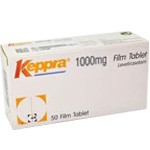
The primary goal of treatment is to suppress seizures while preserving cognitive and physical functioning. Antiepileptic medications remain the cornerstone of therapy. Among modern agents, Keppra is frequently prescribed due to its broad-spectrum efficacy and favorable safety profile.
Keppra works by stabilizing neuronal signaling and reducing excessive electrical discharges in the brain. It is effective as both monotherapy and adjunctive therapy, making it a flexible option for patients with varying clinical needs 💊.
Pharmacological Options
| Medication | Primary Role in Treatment | Clinical Considerations |
|---|---|---|
| Keppra | First-line or adjunct therapy for myoclonic seizures | Low interaction risk, suitable for long-term use |
| Valproate | Broad-spectrum seizure suppression | Requires liver and metabolic monitoring |
| Clonazepam | Adjunctive therapy for severe myoclonus | Risk of sedation with prolonged use |
Doctor’s opinion – Dr. Orrin Devinsky, MD (NYU Langone): Keppra is a cornerstone therapy for myoclonic seizures, offering effective control without significant cognitive impairment.
Lifestyle Measures and Patient Support
Medication effectiveness is significantly enhanced by supportive lifestyle measures and patient education. Long-term seizure control requires a comprehensive, individualized approach.
- Maintaining consistent sleep schedules 🛌
- Avoiding alcohol and recreational substances
- Practicing stress-reduction techniques
- Strict adherence to prescribed treatment
Family support, psychological counseling, and regular neurological follow-up improve adherence and empower patients to manage their condition effectively.
Long-Term Prognosis
Long-term prognosis depends on seizure subtype, underlying cause, and treatment adherence. Many individuals with juvenile myoclonic epilepsy achieve sustained seizure control and lead independent lives. Long-term therapy with medications such as Keppra plays a key role in maintaining remission.
In progressive myoclonic epilepsies, seizures may worsen over time and be accompanied by neurological decline, requiring multidisciplinary care.
Doctor’s opinion – Dr. Jacqueline French, MD (Epilepsy Foundation): Early diagnosis, appropriate medication selection, and lifestyle stability allow most patients with myoclonic seizures to achieve meaningful long-term control.
Drug Description Sources: U.S. National Library of Medicine, Drugs.com, WebMD, Mayo Clinic, RxList.
Reviewed and Referenced By:
Dr. Joseph I. Sirven – Epileptologist, Mayo Clinic: Accurate diagnosis prevents inappropriate therapy that may worsen myoclonic seizures.
Dr. Orrin Devinsky – Epilepsy Research Specialist, NYU Langone: Keppra provides reliable seizure suppression with strong long-term safety.
Dr. Jacqueline French – Neurology and Epilepsy Specialist, Epilepsy Foundation: Evidence-based treatment combined with lifestyle management improves long-term patient outcomes.
(Updated at Dec 22 / 2025)
Keppra Levetiracetam articles: