Understanding Hypertension and Its Impact on Health
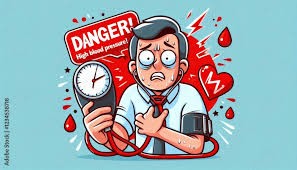
🫀 Hypertension is a persistent cardiovascular disorder in which elevated blood pressure places continuous mechanical stress on arteries and the heart. Over time, this stress alters vascular structure, reduces arterial elasticity, and forces the heart to pump against increased resistance.
⚠️ A major clinical challenge is that hypertension often progresses silently. Many individuals remain unaware of the condition until advanced organ damage develops, making routine screening and early intervention essential components of cardiovascular prevention.
📊 Lifestyle and Biological Drivers of Hypertension
📊 Blood pressure regulation is influenced by long-term lifestyle patterns combined with genetic and metabolic factors. Daily habits repeated over years shape vascular tone, hormonal balance, and fluid regulation.
🧠 Diets high in sodium increase fluid retention, while physical inactivity weakens vascular responsiveness. Chronic stress maintains elevated stress hormones, preventing blood pressure from normalizing even during rest.
- 🧂 High intake of processed and packaged foods
- 🛋️ Low physical activity and prolonged sitting
- 😰 Persistent emotional stress
- 🚬 Tobacco exposure and alcohol overuse
🚨 Systemic Effects of Long-Term High Blood Pressure
🚨 Prolonged hypertension gradually impairs blood flow to critical organs by damaging both large arteries and microscopic vessels. This reduces oxygen delivery and accelerates tissue aging.
🫀 The heart adapts by thickening its muscular walls, which initially supports circulation but eventually reduces pumping efficiency. At the same time, kidneys lose filtration capacity, the brain becomes vulnerable to vascular injury, and retinal vessels may deteriorate.
📋 What Clinicians Monitor During Hypertension Care
📋 Effective hypertension management focuses on how the condition affects daily function and long-term risk, not just numerical readings. Physicians evaluate a range of indicators to guide treatment decisions and monitor progression.
| Monitoring Focus | What Patients Experience | Why It Matters |
|---|---|---|
| Heart Performance | Palpitations or fatigue | Signals increased cardiac workload |
| Kidney Function | Fluid retention or swelling | Indicates pressure-related kidney stress |
| Exercise Tolerance | Reduced stamina | Reflects circulatory efficiency |
| Neurological Wellbeing | Headaches or concentration issues | May signal cerebral vessel strain |
🥗 Lifestyle Measures That Strengthen Treatment Outcomes
🥗 Sustainable lifestyle adjustments significantly enhance blood pressure control and reduce the need for aggressive medication escalation. These measures improve vascular flexibility and metabolic balance.
⚖️ Gradual weight reduction, improved sleep quality, and consistent physical activity help normalize hormonal regulation and reduce chronic inflammation associated with hypertension.
- 🥦 Diets rich in whole, unprocessed foods
- 🏃 Moderate, regular physical movement
- 🧘 Stress management and recovery practices
- 😴 Structured sleep routines
💊 Role of Medication in Long-Term Blood Pressure Control
💊 When lifestyle measures alone are insufficient, medication therapy becomes a critical tool for preventing progressive cardiovascular damage. Antihypertensive agents reduce pressure by influencing heart rate, vessel tone, or fluid balance.
🩺 Treatment selection is individualized and often adjusted over time to maintain stable control while minimizing side effects and ensuring patient comfort.
🫀 Beta Blockers and Cardiac Protection
🫀 Beta blockers are especially valuable for patients whose hypertension is associated with elevated heart rate or cardiac strain. Tenormin (Aten) lowers blood pressure by slowing heart rhythm and reducing myocardial oxygen demand.
💡 This mechanism not only stabilizes blood pressure but also protects the heart from excessive workload during daily physical and emotional stress.
📈 Importance of Adherence and Ongoing Monitoring
📈 Hypertension is a lifelong condition that requires consistent attention rather than intermittent treatment. Skipped doses or irregular monitoring can lead to unstable pressure and increased cardiovascular risk.
✅ Tenormin (Aten) supports long-term stability when taken consistently and combined with regular follow-up, allowing early detection of changes in blood pressure control.
✅ Integrated Strategy for Cardiovascular Risk Reduction
✅ Successful hypertension management involves a coordinated approach addressing heart function, vascular health, metabolic balance, and lifestyle behaviors. In many care plans, Tenormin (Aten) is incorporated as part of a broader strategy aimed at reducing cardiovascular events and preserving organ function.
👨⚕️ Doctor’s opinion: Long-term success in hypertension management depends on personalized treatment strategies, continuous patient education, and sustained medical follow-up to reduce cardiovascular risk and improve adherence.
Drug Description Sources: U.S. National Library of Medicine, Drugs.com, WebMD, Mayo Clinic, RxList.
Reviewed and Referenced By:
- Dr. Suzanne Oparil – Hypertension Specialist: Consistent blood pressure control is essential for preventing cardiovascular complications.
- Dr. Deepak L. Bhatt – Interventional Cardiologist: Patient-centered treatment improves adherence and outcomes.
- Dr. Clyde Yancy – Cardiology Expert: Sustained management significantly improves quality of life and survival.
(Updated at Dec 28 / 2025)