Arterial hypertension: the silent pressure that reshapes your future


Arterial hypertension is one of those conditions that can be dangerously quiet. Many people live for years with elevated blood pressure and feel “fine,” while the heart and blood vessels quietly absorb the strain. That is why clinicians often call it the silent driver of heart attack, stroke, heart failure, kidney disease, and vision complications.
Blood pressure is a balance between your heart’s pumping force and how tight or flexible your arteries are. When vessels become narrower or stiffer, the same amount of blood needs more force to move forward. The heart adapts by working harder — and over time that “extra work” becomes damage.
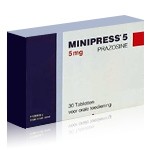
The good news: hypertension is highly manageable. The best outcomes come from a practical combination of monitoring, lifestyle upgrades, and medication when needed. For some patients, an alpha-blocker such as Minipress (Prazosin) may be used as part of a physician-guided plan to help relax blood vessels and improve flow.
Doctor note 🧑⚕️
Dr. Paul K. Whelton emphasizes that controlling blood pressure early prevents “silent” organ damage and reduces lifetime cardiovascular risk.
🕵️ Why it hides
Most people have no symptoms. Damage can accumulate quietly, which is why checks matter more than “how you feel.”
🎯 What treatment protects
The goal is not a perfect number — it is organ protection: brain, heart, kidneys, eyes, and arteries.
🧰 What works long term
A smart mix of habits + medication reduces risk more than either one alone for many patients.
What hypertension does to vessels and the heart 🧬
Think of arteries as flexible tubes designed to handle a rhythmic pulse. When pressure stays high, those tubes begin to change. The inner lining becomes more fragile, inflammation signals increase, and the vessel wall can thicken. The result is a loop: stiffer vessels → higher resistance → higher pressure.
The heart responds like any muscle asked to do extra work: it grows. But a thicker heart muscle can become less efficient over time and may struggle to relax between beats. This is one pathway toward heart failure, even in people who never felt “classic” symptoms.
Hypertension also accelerates atherosclerosis (plaque buildup). Plaques make arteries narrower and more prone to rupture, which can trigger clots and block blood flow to the brain or heart.
Doctor note 🫀
Dr. Suzanne Oparil highlights that vascular stiffness and endothelial dysfunction are early drivers of hypertension-related complications.
Blood pressure categories (simple, useful, actionable) 📊
Different guidelines may use slightly different thresholds. The idea is the same: the higher the pressure and the longer it stays high, the higher the long-term risk — especially when combined with smoking, diabetes, kidney disease, or high cholesterol.
| Category | Typical range | What it means |
|---|---|---|
| Normal | Below 120/80 mmHg | Best long-term protection |
| Elevated | 120–129 / below 80 | Early warning stage |
| Hypertension (stage 1) | 130–139 / 80–89 | Risk rising; consider structured plan |
| Hypertension (stage 2) | 140/90 or higher | Higher risk; medication often needed |
| Hypertensive crisis | Very high readings with symptoms | Urgent medical evaluation recommended |
Risk factors: the pressure boosters you can actually influence 🧩
Hypertension often develops from a mix of genetics and environment. You cannot change your family history, but you can shape the daily factors that push pressure upward. The best strategy is not “perfect living.” It is consistent, realistic changes.
Doctor note 👩⚕️
Dr. Robert M. Carey notes that small changes in weight, sodium intake, and activity can produce meaningful blood pressure improvements over time.
Symptoms: what is common, what is a red flag 👀
Most hypertension cases are symptom-free. That is why home monitoring and routine checkups matter. When symptoms do happen, they are often non-specific and can overlap with many other conditions.
Sometimes reported
- Headaches
- Dizziness
- Fatigue
- Blurred vision
- Shortness of breath with exertion
Red flags 🚨
- Chest pain or pressure
- Severe headache with confusion
- Weakness on one side, speech difficulty
- Fainting or severe shortness of breath
- Very high readings with symptoms
Quick clarity 💡
Feeling “fine” does not guarantee safe blood pressure. Numbers matter because organ protection is the real goal.
Why control matters: complications hypertension loves to create 😬
Persistent high pressure affects nearly every organ system. The longer hypertension remains uncontrolled, the more likely complications become — and the more aggressive treatment may need to be.
- Stroke (blocked or ruptured brain vessels)
- Heart attack (reduced blood flow to heart muscle)
- Heart failure (weakened pumping or poor relaxation)
- Chronic kidney disease (damaged filtration vessels)
- Retinopathy (vision problems from vessel injury)
- Peripheral artery disease (reduced flow to legs)
Doctor note 🧠
Dr. Suzanne Oparil stresses that blood pressure control reduces both immediate events (like stroke) and long-term organ decline.
Diagnosis and monitoring: make the numbers trustworthy 📟
A single high reading does not automatically mean hypertension. Stress, caffeine, pain, and “white coat effect” can temporarily elevate values. Clinicians often confirm hypertension using repeat office readings plus home monitoring or ambulatory measurement.
For home checks, the goal is consistency: measure at similar times, sit quietly for a few minutes, keep the cuff at heart level, and track results. Home monitoring helps reveal patterns and supports better treatment decisions.
Home monitoring checklist ✅
- Rest 3–5 minutes before measuring
- Take 2 readings, 1 minute apart
- Record date, time, and any triggers (coffee, stress)
- Use the same arm and a correctly sized cuff
- Share patterns with your clinician
Lifestyle upgrades that actually lower pressure 🌿
Lifestyle changes are not “extras.” They reduce vascular resistance, improve metabolic health, and make medications work better. Even when medication is needed, habits remain a powerful part of long-term protection.
✅ Do more of this
- Adopt a DASH-style pattern: vegetables, fruit, legumes, fish
- Reduce sodium and watch “hidden salt” in sauces and snacks
- Move most days (walking counts) to improve vessel flexibility
- Prioritize sleep, especially if snoring or apnea is suspected
- Practice stress skills that you can repeat (breathing, routines)
🚫 Do less of this
- Excess alcohol (blood pressure is dose-sensitive)
- Nicotine exposure (direct vascular injury)
- Ultra-processed, high-sodium meals as the daily default
- “Crash dieting” that is impossible to sustain
- Ignoring high readings because you feel okay
Small win 🟢
If you start with one change, make it daily walking + sodium awareness. Consistency beats intensity.
Medication options: how doctors choose the right tool 💊
Hypertension therapy is not one-size-fits-all. Clinicians choose medications based on blood pressure level, other medical conditions, lab results, and how your body responds. Many patients need more than one medication because different drugs target different biological pathways.
Common medication classes include ACE inhibitors, ARBs, diuretics, calcium channel blockers, beta blockers, and alpha-blockers. The best plan is the one that keeps blood pressure controlled with minimal side effects and supports long-term adherence.
Minipress (Prazosin) is an alpha-1 blocker that helps relax blood vessels, lowering resistance and improving flow. In selected patients, it can be part of a physician-guided regimen, especially when a vascular relaxation approach is useful.
Doctor note 🩺
Dr. Robert M. Carey emphasizes that therapy selection should consider both cardiovascular risk and patient tolerance to ensure long-term control.
Where an alpha-blocker can fit: a practical clinician conversation 🧠
Sometimes blood pressure control is less about “adding more pills” and more about adding the right mechanism. If vascular tone (how tightly vessels stay “clenched”) plays a strong role, clinicians may consider an alpha-blocker strategy.
Minipress (Prazosin) works by blocking alpha-1 receptors in the vessel wall. That action reduces constriction and supports smoother blood flow. The result is lower resistance, which can reduce blood pressure and ease workload on the heart.
A key benefit of this approach is that it targets the “tight vessel” component of hypertension. Your clinician may discuss how it fits with your current regimen, your blood pressure pattern (morning spikes, stress-linked elevations), and any coexisting conditions.
Doctor note 🔎
Dr. Suzanne Oparil notes that matching medication mechanism to vascular physiology can improve control, especially when stiffness and increased resistance are prominent.
Long-term management: control that feels doable 📈
Hypertension control is a long game. The goal is stable, protective blood pressure — not perfection. For most people, success comes from three pillars: monitoring, habits, and treatment adherence.
A practical routine can be simple: check pressure a few times per week (or as advised), keep a short log, and bring it to appointments. This turns hypertension from a vague fear into a measurable, manageable plan.
If you need medication adjustments, that is normal. Bodies change with age, stress, weight shifts, and comorbidities. The best plan is flexible and responds to real-life patterns.
Doctor note ✅
Dr. Paul K. Whelton emphasizes that sustained control over years — not days — is what reduces cardiovascular events and protects organs.
Mini FAQ: quick answers that reduce confusion ❓
Do I need medication forever?
Some people can reduce medication needs with sustained lifestyle changes, while others benefit from long-term therapy due to genetics or higher cardiovascular risk. The goal is safe, stable control.
Why are home readings different from clinic readings?
Stress in medical settings can raise pressure (white coat effect). Home measurements often reflect everyday patterns more accurately when taken consistently.
What is the biggest mistake people make?
Waiting for symptoms. Hypertension is often silent, so monitoring and adherence protect organs before damage becomes obvious.
Reviewed and Referenced By 👩⚕️👨⚕️
Dr. Suzanne Oparil – Cardiologist, University of Alabama at Birmingham
Hypertension specialist and cardiovascular researcher with extensive work in blood pressure mechanisms, vascular stiffness, and prevention of hypertension-related complications.
Dr. Paul K. Whelton – Epidemiologist and Hypertension Specialist, Tulane University
Leading figure in hypertension prevention and cardiovascular risk reduction, known for research and guideline-level work on blood pressure control.
Dr. Robert M. Carey – Professor of Medicine, University of Virginia School of Medicine
Expert in hypertension evaluation and treatment, with a clinical focus on evidence-based pharmacologic management and long-term cardiovascular protection.
Drug Description Sources: U.S. National Library of Medicine, Drugs.com, WebMD, Mayo Clinic, RxList.
(Updated at Feb 16 / 2026)
Minipress Prazosin articles: