Chronic Open Angle Glaucoma: When Eye Pressure Plays the Long Game


Chronic open-angle glaucoma (COAG) is one of the most common causes of irreversible vision loss worldwide. The tricky part is that it often develops quietly. Many people feel totally fine while subtle damage builds over years. COAG mainly harms the optic nerve, the cable that carries visual signals from the eye to the brain.
Think of it like a slow leak in a roof: nothing dramatic happens on day one, but without attention, the structure suffers. With glaucoma, the “structure” is your vision. The good news: early detection + consistent pressure control can help protect sight for a lifetime 😊.
Quick take 💡
The main target in chronic open-angle glaucoma is lowering intraocular pressure. Even if pressure is “not extremely high,” steady reduction can slow optic nerve damage and help preserve your visual field.
Doctor note 👩⚕️
Dr. Harry A. Quigley emphasizes that glaucoma is dangerous because people often have no symptoms early, so routine eye exams are your best defense.
🔍 Why it is called silent
COAG usually does not hurt. Central vision can stay sharp until late stages, while peripheral vision slowly fades. That is why testing matters more than “waiting for symptoms.”
🧠 What is happening inside
Fluid drainage becomes less efficient, pressure may rise, and the optic nerve fibers gradually weaken. The goal is to keep the nerve as comfortable as possible for as long as possible.
🎯 What treatment aims for
Not just a “better number,” but a safer pressure range, stable scans, and a visual field that stays reliable for daily life. Consistency is the secret sauce ✅.
What Exactly Is Chronic Open Angle Glaucoma? 🧩
Chronic open-angle glaucoma is a long-term condition where the drainage angle in the eye remains “open,” but the microscopic outflow system does not drain fluid efficiently. This can lead to elevated intraocular pressure (IOP) over time, which increases the risk of optic nerve damage.
Importantly, not everyone with glaucoma has very high pressure. Some people develop damage at “normal” pressures, which is why glaucoma care focuses on a personalized target pressure based on optic nerve appearance, imaging, and visual field tests.
Doctor note 🩺
Dr. Anne L. Coleman highlights that modern imaging and careful follow-up help detect change earlier, so treatment can be adjusted before vision loss becomes noticeable.
Why Eye Pressure Rises: The Drain Is Not “Clogged,” It Is Slower 🚰
Your eye constantly produces a clear fluid called aqueous humor. It nourishes the front structures of the eye and must drain out to keep pressure stable. In COAG, the outflow pathways become less efficient. Pressure may rise slowly, or fluctuate in ways you do not feel.
| In a Balanced Eye | In Chronic Open Angle Glaucoma |
|---|---|
| Fluid production and drainage stay in sync | Drainage becomes less efficient over time |
| IOP remains in a healthy range | IOP may rise or fluctuate above a safer range |
| Optic nerve fibers stay well supported | Optic nerve becomes more vulnerable to pressure stress |
| Visual field stays full | Peripheral field loss can develop gradually |
Pressure is not the only factor, but it is the most important one doctors can actively modify. That is why treatment plans revolve around lowering IOP and keeping it stable.
Doctor note 👨⚕️
Dr. Robert N. Weinreb stresses that lowering IOP remains the core proven strategy for slowing glaucoma progression and protecting the optic nerve.
Risk Factors: Who Should Be Extra Alert 🚦
Anyone can develop glaucoma, but some people should treat screening like a yearly “vision check-in.” If you recognize yourself here, do not panic—just be proactive 💪.
- Age over 40 (risk rises with age)
- Family history of glaucoma
- Elevated intraocular pressure or pressure fluctuations
- Thin cornea (corneal thickness can influence risk assessment)
- Diabetes and some cardiovascular conditions
- Long-term corticosteroid use (especially eye drops)
- Some ancestry backgrounds have higher average risk in population studies
Friendly reminder 📝
A “normal” eye pressure reading once does not rule out glaucoma. Tracking over time (with imaging and visual field tests) is what catches early change.
Symptoms: Subtle, Late, and Often Missed 🕵️♀️
Chronic open-angle glaucoma usually does not cause early warning signs. When symptoms appear, they often reflect more advanced field loss. That is why glaucoma is frequently found during routine exams.
- Gradual loss of peripheral vision (you may bump into objects or feel less “spatial awareness”)
- Difficulty seeing in dim lighting or adjusting between light and dark
- Reduced contrast sensitivity (objects look less “defined”)
- Tunnel vision in advanced disease
Doctor note 👩⚕️
Dr. Harry A. Quigley points out that many patients only notice changes after testing reveals significant peripheral loss, which is why screening is essential.
Myth vs Fact 🧠✨
Myth: “If I do not feel pain, my eyes are fine.”
Fact: COAG often progresses without pain. Testing is how it is detected early.
Myth: “A single normal pressure reading means no glaucoma.”
Fact: Pressure can fluctuate, and some glaucoma occurs at lower pressures.
Myth: “If I start drops, I am cured.”
Fact: Glaucoma is managed long-term. The win is stable tests and preserved vision.
Diagnosis and Monitoring: The Tools That Track the Truth 🧪📈
Glaucoma diagnosis is not just one measurement. It is a combination of pressure readings, optic nerve evaluation, and function tests. Monitoring matters because glaucoma care is a long-term partnership: measure, adjust, protect, repeat ✅.
| Test | What It Checks | Why It Matters |
|---|---|---|
| Tonometry | Intraocular pressure (IOP) | Helps set and monitor a target pressure |
| Optic nerve exam | Nerve appearance and cupping | Detects structural vulnerability or damage |
| Visual field test | Peripheral vision function | Shows how glaucoma affects daily vision |
| OCT imaging | Nerve fiber thickness | Finds early change before symptoms |
| Gonioscopy | Angle anatomy | Confirms open angle and rules out other patterns |
Doctor note 👨⚕️
Dr. Anne L. Coleman notes that combining imaging with visual field testing improves confidence when deciding whether glaucoma is stable or changing.
Treatment: The Mission Is Lower Pressure, Not Just “Feeling Better” 🎯
The central goal in COAG is to lower intraocular pressure enough to slow or stop optic nerve damage. Treatment choices depend on how advanced the disease is, how quickly it is changing, and what fits your daily routine.
- Eye drops (often the first step, sometimes more than one type)
- Laser procedures (to improve outflow in selected patients)
- Surgery (when drops and laser are not enough or not tolerated)
- Oral medications (used when pressure needs extra help)
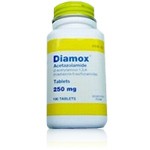
In some cases, an oral medication like Diamox (Acetazolamide) may be used to help lower eye pressure by reducing fluid production in the eye. It is usually considered when pressure control needs a stronger push or when short-term stabilization is required alongside other therapies.
Doctor note 🩺
Dr. Robert N. Weinreb highlights that treatment is individualized: the “best” plan is the one that safely reaches target pressure and is realistic for long-term adherence.
Adherence: The Most Underrated Superpower 🦸♀️🦸♂️
Glaucoma treatment works best when it is consistent. Skipping doses can allow pressure spikes, and those spikes may stress the optic nerve. If you ever feel stuck with a routine, talk to your eye doctor—there may be simpler options.
✅ Build a routine
Pair drops with a daily habit (teeth brushing, breakfast, bedtime) so it becomes automatic.
⏰ Use reminders
Phone alarms help, especially when more than one medication is prescribed.
🧾 Bring your list
At visits, share every medication and supplement so side effects and interactions are easier to manage.
Doctor note 👩⚕️
Dr. Harry A. Quigley emphasizes that long-term stability often depends on consistent pressure control and follow-up, even when you feel well.
How Diamox Works in Glaucoma Care 🔧💊
Diamox (Acetazolamide) is a carbonic anhydrase inhibitor. In glaucoma care, it helps lower intraocular pressure by reducing aqueous humor production. That means less fluid is made inside the eye, which can reduce pressure stress on the optic nerve.
Doctors may consider oral acetazolamide when pressure needs a stronger short-term reduction, or when additional pressure lowering is needed while evaluating other treatments such as laser or surgery. Because it is a systemic medication, doctors monitor tolerance carefully.
What to discuss with your doctor 🗣️
If you feel unusual fatigue, tingling sensations, stomach upset, or changes in how you feel overall, report it. The goal is effective pressure control without creating unnecessary discomfort.
Doctor note 👨⚕️
Dr. Anne L. Coleman notes that systemic pressure-lowering options can be useful in selected situations, but the best outcomes come from matching therapy intensity to disease risk and patient tolerance.
Long-Term Outlook: Protecting Vision for the Real World 🌍👓
COAG cannot be “cured,” but it can be managed very effectively. Many patients keep functional vision throughout life when glaucoma is detected early and treated consistently. The main success markers include: stable visual fields, stable optic nerve imaging, and pressure that stays near a safe target.
- Regular follow-up visits (glaucoma is monitored over time, not once)
- Medication adherence (consistency beats intensity)
- Healthy habits that support overall vascular and metabolic health
- Open communication about side effects and lifestyle fit
Doctor note 🩺
Dr. Robert N. Weinreb emphasizes that glaucoma care is a marathon, not a sprint. The goal is a plan that stays effective and sustainable year after year.
Bottom Line: Small Steps, Big Protection ✅
Chronic open-angle glaucoma is a serious condition, but it is also one of the most “manageable” causes of vision loss when caught early. Routine eye exams, structured monitoring, and steady pressure control can preserve sight and independence.
Treatments range from drops to laser and surgery, and some patients may also benefit from systemic options like Diamox (Acetazolamide) when additional pressure lowering is needed as part of a doctor-guided plan. The best plan is always individualized: your optic nerve, your target pressure, your life.
Drug Description Sources: U.S. National Library of Medicine, Drugs.com, WebMD, Mayo Clinic, RxList.
Reviewed and Referenced By:
Dr. Harry A. Quigley, MD – Glaucoma Specialist and Professor of Ophthalmology: An internationally recognized leader in glaucoma research, known for major contributions to understanding optic nerve damage, intraocular pressure mechanisms, and long-term glaucoma outcomes.
Dr. Anne L. Coleman, MD, PhD – Professor of Ophthalmology and Glaucoma Clinician-Researcher: A leading academic ophthalmologist with extensive work in glaucoma epidemiology, screening strategies, and evidence-based approaches to preventing vision loss in high-risk populations.
Dr. Robert N. Weinreb, MD – Chair of Ophthalmology and Glaucoma Center Director: A widely published glaucoma expert focused on early detection, optic nerve imaging, and innovative pressure-lowering therapies, with long-standing leadership in major glaucoma clinical research initiatives.
(Updated at Feb 19 / 2026)
Diamox Acetazolamide articles: