Climacteric Syndrome: Understanding the Transition

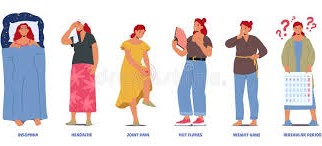
Climacteric syndrome is a natural phase marking the transition from reproductive years to menopause, with hormonal, physical, and emotional changes. Understanding symptoms early improves quality of life and allows informed therapy decisions. This framework helps women manage symptoms effectively:
| 🎯 Goal | 🧠 Mindset | 🧩 Key Habit |
|---|---|---|
| Maintain hormonal balance to reduce hot flashes and night sweats | More symptoms ≠ more damage; track patterns and response | Daily symptom logging and consistent lifestyle routines |
Following this framework allows women to proactively manage climacteric syndrome and complement medical strategies safely. In certain cases, Premarin (Estrogens) may be considered to support hormonal balance.
⚠️ Common Symptoms and Challenges
- ✅ Hot flashes & night sweats: Sudden heat episodes disrupt sleep. Track frequency to identify patterns.
- 🔹 Mood swings: Anxiety and irritability are frequent. Mindfulness and therapy improve emotional balance.
- 🌟 Sleep disturbances: Difficulty falling or staying asleep is common. Good sleep hygiene helps cognitive and emotional health.
- 💡 Cognitive complaints: Memory lapses and reduced focus may occur. Mental exercises and structured routines improve function.
- 🎯 Vaginal dryness & sexual discomfort: Estrogen decline impacts intimacy. Lubricants and communication with partner improve comfort.
Key strategies: Proper diet, hydration, exercise, stress management, and regular check-ins help manage climacteric symptoms effectively. For moderate symptoms, healthcare providers sometimes suggest Premarin (Estrogens) to relieve hot flashes and night sweats.
🔬 Hormonal Evaluation Checklist
Evaluating hormone and metabolic markers distinguishes normal menopausal transition from conditions needing intervention. Clinicians use this data to tailor interventions, including hormone therapy if indicated. Premarin (Estrogens) is often considered when estrogen levels are significantly low, to improve quality of life.
| Test / Assessment | What it Evaluates | Why it Matters |
|---|---|---|
| FSH | Ovarian reserve and estrogen decline | High levels suggest menopausal progression |
| Estradiol Levels | Circulating estrogen | Assesses degree of hormonal decline |
| TSH | Thyroid hormone balance | Thyroid issues can mimic climacteric symptoms |
| Blood Lipid Profile | Metabolic and cardiovascular changes | Estrogen decline impacts heart health |
Summary: Hormonal evaluation guides safe therapy and personalized symptom management.
📈 Symptom Severity & Intervention Guide
This table shows how symptom severity determines interventions, helping decide when lifestyle changes are sufficient or when medical therapy may be appropriate.
| Severity Level | Key Features | Suggested Intervention |
|---|---|---|
| Mild | Sporadic hot flashes, mild mood swings | Lifestyle support & observation |
| Moderate | Frequent hot flashes, sleep disruption | Medical evaluation & supportive therapy |
| Severe | Daily vasomotor events, significant sleep loss | Consider hormone therapy including Premarin (Estrogens) |
| Complex | Combination of physical and emotional symptoms | Individualized treatment plan |
Summary: Guides escalation of care and personalized interventions for better symptom control.
💡 Lifestyle & Support Strategies Comparison
Lifestyle strategies complement medical therapy to improve quality of life and symptom management.
| Strategy | Main Focus | Typical Benefits |
|---|---|---|
| Balanced Nutrition | Bone & cardiovascular support | Energy & metabolic profile improvement |
| Regular Exercise | Muscle strength & mood regulation | Reduced fatigue & improved sleep |
| Stress Reduction | Emotional stabilization | Reduced anxiety & better coping |
| Sleep Hygiene | Circadian rhythm support | Better restorative sleep |
Summary: Lifestyle improvements empower women to manage symptoms alongside medical therapies.
💊 Hormonal Therapy Considerations
For moderate to severe vasomotor symptoms, night sweats, and sleep disruption, hormone therapy may be indicated. Tailored use of Premarin (Estrogens) restores estrogen levels, supports bone and heart health, and improves sleep quality. Combined with lifestyle measures, therapy enhances overall symptom management. Regular follow-up ensures safety and effectiveness.
👩⚕️ Doctor Opinion
Individualized assessment and early intervention improve outcomes. Combining hormone therapy with lifestyle strategies maximizes results. Regular monitoring ensures safety and therapy adjustment as needed.
📚 Drug Description Sources
U.S. National Library of Medicine, Drugs.com, WebMD, Mayo Clinic, RxList.
🔎 Reviewed and Referenced By
Dr. JoAnn Pinkerton – Menopause Specialist: Hormone therapy is effective when tailored to patient needs.
Dr. Stephanie Faubion – Women’s Health Expert: Combining lifestyle, emotional, and hormonal approaches enhances outcomes.
Dr. Susan Reed – Reproductive Endocrinology Specialist: Regular follow-up and patient education maximize safety and symptom relief.
(Updated at Jan 5 / 2026)
Premarin Estrogens articles: