Crohns Disease: Understanding the Inflammation That Comes and Goes


Crohn’s disease is a chronic inflammatory condition of the digestive tract that rarely follows a straight line. Symptoms can fade for weeks or months, then suddenly return—sometimes stronger, sometimes differently than before.
For many people, the unpredictability is just as challenging as the physical symptoms. Digestive discomfort, fatigue, and nutritional issues can quietly shape daily routines, social plans, and emotional well-being. Understanding how Crohn’s disease behaves is the first step toward regaining a sense of control 🌈.
Big picture 🧭
Crohn’s disease is not a short-term illness to “push through.” It is a long-term inflammatory process that responds best to early recognition, consistent management, and realistic expectations.
🔥 Why flares happen
Immune activation can increase suddenly, often without a single obvious trigger. Infections, stress, medication changes, and even sleep disruption may contribute.
🧬 What the immune system does
The immune system mistakenly targets the intestinal lining, sustaining inflammation instead of shutting it down after a threat has passed.
🎯 What treatment aims for
Calm inflammation, heal tissue, prevent complications, and help patients live without constantly planning life around symptoms.
Crohn’s disease belongs to the family of inflammatory bowel diseases (IBD). Unlike ulcerative colitis, it can affect any part of the gastrointestinal tract and often appears in discontinuous patches of inflammation.
A key feature is transmural inflammation—the inflammation may extend through the entire intestinal wall. Over time, this can lead to thickening, narrowing, or abnormal tissue connections.
Doctor note 👩⚕️
Dr. Edward V. Loftus Jr. highlights that the depth of inflammation explains why Crohn’s disease behaves differently from other intestinal disorders.
Symptoms of Crohn’s disease vary widely. Some people experience mostly digestive complaints, while others feel the effects throughout the body.
- Chronic diarrhea, sometimes urgent or nocturnal
- Abdominal pain or cramping after meals
- Persistent fatigue unrelated to sleep
- Unintended weight loss
- Iron deficiency or vitamin deficiencies
During flares, symptoms may intensify quickly. During remission, they may partially or completely disappear, which can make disease monitoring challenging ⚠️.
Clinicians assess disease behavior to guide treatment decisions and predict long-term needs.
| Pattern | Typical Experience | Why It Matters |
|---|---|---|
| Mild | Intermittent symptoms, manageable discomfort | Lower risk of complications |
| Moderate | Ongoing symptoms, fatigue, weight loss | Needs consistent anti-inflammatory control |
| Severe | Frequent flares, hospitalizations | Higher complication and surgery risk |
| Fistulizing | Drainage, pain, infections | Complex long-term management |
Diagnosis is rarely based on one test alone. Doctors combine symptom history, laboratory markers, imaging studies, and endoscopy to confirm Crohn’s disease.
Because symptoms overlap with infections, irritable bowel syndrome, and other inflammatory conditions, careful evaluation prevents misdiagnosis and inappropriate treatment 🧪.
Treatment strategies aim to suppress inflammation before irreversible damage occurs. Early anti-inflammatory therapy can change the long-term disease course.
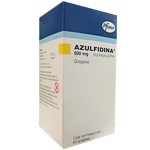
Azulfidine (Sulfasalazine) has been used in selected cases of mild to moderate Crohn’s disease, particularly when inflammation involves the colon. Its role is to help reduce inflammatory activity and support symptom control.
Lifestyle choices do not cause Crohn’s disease, but they strongly influence how manageable it feels. Nutrition, rest, and stress balance affect recovery capacity during flares.
- Smaller, frequent meals during active symptoms
- Avoiding foods that worsen pain or diarrhea
- Monitoring hydration carefully
- Addressing sleep debt and stress overload
Long-term management focuses on preventing flare recurrence and maintaining intestinal healing. Many patients require maintenance therapy even when they feel well.
In certain patients, Azulfidine (Sulfasalazine) may be part of a maintenance approach, especially when disease activity remains limited and stable.
Doctor note 🩺
Dr. William J. Sandborn emphasizes that maintaining remission reduces hospitalization and long-term bowel damage.
Without adequate control, Crohn’s disease may lead to structural and systemic complications over time.
| Complication | Description | Impact |
|---|---|---|
| Strictures | Narrowed intestinal segments | Bowel obstruction risk |
| Fistulas | Abnormal tissue connections | Infection and pain |
| Malnutrition | Poor absorption | Fatigue, delayed healing |
| Extraintestinal symptoms | Joint, skin, eye involvement | Systemic inflammation |
Medication selection depends on disease severity, location, and response to previous therapy. Anti-inflammatory and immune-modulating agents are core components of treatment.
In appropriate scenarios, Azulfidine (Sulfasalazine) contributes to inflammation control and symptom stabilization, particularly when used as part of a broader, monitored treatment plan.
Crohn’s disease is a long-term companion—but it does not have to dominate life. With informed care, symptom tracking, and appropriate therapy, many people achieve stable remission and regain confidence in their daily routines 🌸.
The most effective approach combines medical treatment, lifestyle awareness, and ongoing communication with healthcare providers.
Drug Description Sources:
U.S. National Library of Medicine, Drugs.com, WebMD, Mayo Clinic, RxList.
Reviewed and Referenced By:
Dr. William J. Sandborn – Gastroenterologist recognized internationally for clinical trials and guideline development in inflammatory bowel disease.
Dr. Brian Bressler – Gastroenterology specialist with a focus on patient-centered Crohn’s disease management.
Dr. Edward V. Loftus Jr. – Researcher and clinician known for long-term outcome studies in inflammatory bowel disease.
(Updated at Feb 10 / 2026)
Azulfidine Sulfasalazine articles: