Diabetic Neuropathy: More Than Tingling

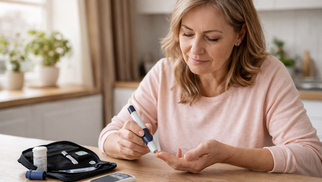
Diabetic neuropathy is nerve damage caused by diabetes. It develops when prolonged exposure to high blood glucose and related metabolic stress injures nerve fibers and the small blood vessels that supply them. The result is a gradual disruption of nerve signaling that can affect sensation, movement, and automatic body functions (such as digestion, heart rate, sweating, and blood pressure control).
Many people assume neuropathy always starts with severe pain. In reality, early neuropathy may present as mild tingling, subtle numbness, reduced vibration sense, or a “different” feeling when walking. Over time, symptoms can progress to burning pain, electric-shock sensations, muscle weakness, and impaired balance. The most critical risk is that loss of protective sensation can allow injuries to go unnoticed, leading to blisters, ulcers, infection, and sometimes amputation.
Clinical insight – Dr. Peter J. Dyck, Neurologist: Neuropathy can be present long before the patient recognizes it. Routine screening and prevention behaviors often matter more than people expect, especially when symptoms still feel “minor.”
✅ What matters most
The best outcomes come from combining glucose stability, risk-factor control (blood pressure, lipids, smoking), and daily protective routines (especially foot care).
🎯 What success looks like
Success is often better sleep, more stable walking, fewer flare-ups, and fewer skin problems — not necessarily “zero symptoms.”
🧭 Your practical goal
Reduce pain when present, but prioritize injury prevention and early detection of foot problems to prevent complications that escalate quickly.
🧬 Why Neuropathy Develops
Nerves rely on steady blood supply and stable metabolic conditions. In diabetes, repeated glucose elevations can cause oxidative stress, inflammation, and microvascular dysfunction. Over time, these processes damage the structure of nerves and reduce their capacity to transmit signals accurately. Some patients experience amplified nerve firing (pain, burning), while others experience reduced signal transmission (numbness and loss of sensation). Many experience both patterns together.
Neuropathy risk is influenced not only by average glucose levels, but also by glucose variability — frequent spikes and drops. Coexisting conditions like hypertension, dyslipidemia, kidney disease, and smoking further reduce microvascular health and can accelerate nerve injury.
Endocrinology perspective – Dr. Aaron I. Vinik: Managing neuropathy is not only about “one number.” Long-term stability and comprehensive risk-factor control are key drivers of slowing progression and reducing complications.
📌 Major Risk Factors
Some risk factors cannot be changed (such as duration of diabetes), but many can be improved. Addressing modifiable risks often reduces symptom intensity and lowers complication rates.
| Risk factor | Why it increases neuropathy risk | What helps |
|---|---|---|
| Long duration of diabetes | Longer exposure to metabolic stress increases cumulative nerve injury | Earlier screening and consistent prevention |
| Poor glucose control or high variability | Promotes oxidative damage and microvascular dysfunction | Stable routine, adherence, clinician-guided adjustments |
| Hypertension and dyslipidemia | Compromises circulation and worsens microvascular supply to nerves | Risk-factor management and follow-up |
| Smoking | Reduces blood flow and increases vascular injury | Smoking cessation support |
| Foot deformities or poor footwear | Creates pressure points that evolve into ulcers without pain warning | Proper footwear, insoles, regular inspection |
✨ Symptoms and Patterns Patients Commonly Notice
Diabetic neuropathy symptoms vary based on the type of nerves involved. A helpful way to interpret symptoms is to consider whether the issue reflects “too much signal” or “too little signal.” Both can occur in the same person.
- Burning or hot sensations
- Stabbing or shooting pain
- Electric-shock episodes
- Allodynia (light touch feels painful)
- Night-time worsening with sleep disruption
- Numbness or “dead” feeling
- Reduced temperature awareness
- Reduced vibration sense
- Unnoticed cuts, blisters, or burns
- Balance issues and gait instability
Neuromuscular insight – Dr. Eva L. Feldman: The most dangerous symptom is often numbness rather than pain. Pain brings attention to the problem; numbness can hide injury until it becomes severe.
🧩 Main Clinical Types of Diabetic Neuropathy
“Neuropathy” is an umbrella term. Identifying the dominant type helps guide evaluation and prevention priorities. Many patients have overlapping features.
Most common. Typically starts in the toes and progresses upward. Symptoms may include burning pain, tingling, numbness, and reduced ability to feel small injuries. Over time, foot shape changes and callus formation can increase pressure points.
Affects automatic functions. Possible signs include dizziness when standing, digestive changes (bloating, diarrhea, constipation), abnormal sweating, and bladder dysfunction. Because symptoms can seem unrelated, they are often underreported.
Doctor note – Dr. Aaron I. Vinik: Autonomic symptoms deserve attention because they can influence cardiovascular risk and daily safety (for example, lightheadedness and falls).
Less common. Focal neuropathy can cause sudden pain or weakness in a specific nerve distribution (for example, wrist, face, or eye muscles). Proximal neuropathy can cause deep hip or thigh pain and weakness, often affecting one side more than the other.
🩺 Clinical Assessment and Monitoring
Diagnosis usually begins with a clinical exam: symptom review, sensory testing, reflexes, and strength assessment. Screening is especially important because early nerve damage may not be obvious to the patient. Monitoring over time helps determine whether symptoms are stable, improving, or progressing.
If symptoms are atypical (sudden severe weakness, rapidly progressive changes, asymmetric symptoms, or significant autonomic involvement), clinicians may use additional tests to confirm nerve involvement and rule out other causes.
| Assessment | What it evaluates | Why it is useful |
|---|---|---|
| Monofilament testing | Protective sensation | Helps identify ulcer risk early |
| Vibration testing | Large-fiber function | Detects common neuropathic deficits |
| Nerve conduction studies | Signal speed and strength | Confirms severity and distribution in complex cases |
| Autonomic screening | Heart rate / blood pressure regulation | Supports evaluation of autonomic involvement |
Clinical insight – Dr. Peter J. Dyck: A structured exam catches risk patterns that symptoms alone can miss, especially when numbness masks early skin injury.
🚨 Red Flags: When to Seek Medical Care Promptly
Some warning signs suggest infection, tissue breakdown, impaired circulation, or a new neurological event. These situations should not be managed “by waiting and watching.”
- Open ulcer, drainage, or foul odor
- Rapidly spreading redness or warmth
- Blackened tissue or sudden color change
- New swelling with tenderness
- Fever or chills
- Sudden weakness or foot drop
- Severe dizziness with standing
- Rapidly worsening balance
Dr. Peter J. Dyck: Delayed treatment of diabetic foot infection can escalate quickly. Early evaluation can prevent complications that become much harder to reverse.
🧱 Treatment Foundation: What Changes the Long-Term Course
The core of neuropathy care is reducing the drivers of nerve injury. This means working toward stable glucose control, improving cardiovascular health, and protecting vulnerable skin. While symptoms may fluctuate, consistent long-term habits often correlate with slower progression and fewer complications.
A practical approach often includes: adherence to diabetes therapy, nutrition patterns that reduce glucose swings, safe physical activity, and structured follow-up. Addressing sleep quality and mood is also important, because chronic pain and sleep disruption can reinforce each other.
Endocrinology perspective – Dr. Aaron I. Vinik: Better stability supports nerve health over time. Symptom relief is important, but prevention and risk-factor control remain the backbone of protection.
💡 Pain Control: A Practical, Function-Focused Strategy
Neuropathic pain differs from inflammatory pain. Standard pain relievers may provide limited benefit because the problem is altered nerve signaling. In clinical practice, the goal is typically to improve sleep, mobility, and daily function, rather than chasing complete symptom elimination.
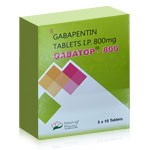
Treatment plans often combine non-drug steps (sleep routine, trigger tracking, protective footwear, pacing activity) with symptom-focused medication when needed. For example, Gabatop may be used for painful diabetic neuropathy to reduce abnormal nerve firing and decrease burning or shooting pain.
Doctor note – Dr. Aaron I. Vinik: The best pain plan supports safety and function. Pain relief should be paired with foot protection and monitoring because reduced pain can sometimes hide developing skin injury.
🌿 Supportive Measures That Make a Real Difference
Medication alone rarely solves neuropathy. Supportive measures reduce friction, protect skin, and improve stability. The most effective strategies are often simple but consistent.
- Low-impact activity supports circulation and balance
- Strength and gait exercises reduce fall risk
- Pacing prevents “overdoing it” during good days
- Night pain often improves when sleep timing is consistent
- Track triggers: stress, footwear changes, glucose swings
- Use a simple 0–10 scale and note trends weekly
Dr. Eva L. Feldman: Function matters. Improving walking confidence and preventing falls can be as important as reducing pain intensity.
🧼 Daily Foot Routine: A Simple “Protective System”
Foot protection is a cornerstone because neuropathy reduces the body’s warning signals. A small blister can become a serious ulcer if it is not noticed and addressed early. A daily routine is less about perfection and more about consistency.
Look for redness, cracks, swelling, blisters, or “hot spots.” Pay special attention to areas under toes, heel, and sides of the foot. If flexibility is limited, use a mirror or ask for assistance.
Clean gently and dry thoroughly, especially between toes. Persistent moisture between toes can increase skin breakdown risk.
Use well-fitting shoes and socks that reduce rubbing. Consider insoles if pressure points form. Replace footwear that creates recurring irritation.
Clinical insight – Dr. Peter J. Dyck: Many severe complications begin as small, preventable skin problems. The earlier a pressure point is corrected, the easier it is to prevent ulcers.
🧱 Common Complications and Why Prevention Matters
Complications are not inevitable. They become more likely when protective sensation is reduced and pressure or injuries repeat over time. Prevention focuses on minimizing repetitive stress, identifying problems early, and maintaining skin integrity.
| Complication | What drives it | Prevention focus |
|---|---|---|
| Foot ulcers | Pressure points + reduced sensation + delayed detection | Daily inspection, footwear optimization, callus management |
| Infections | Skin breakdown + impaired healing | Early care for wounds, prompt medical assessment for red flags |
| Falls | Balance impairment + muscle weakness + numbness | Strength and balance training, safe footwear, home safety checks |
| Autonomic symptoms | Damage to autonomic nerves | Report symptoms early, structured screening, safety planning |
🗓️ A Simple Weekly Plan Patients Can Actually Follow
Many plans fail because they are too complicated. A weekly structure supports consistency without overload. The idea is to protect nerves, reduce symptom triggers, and catch problems early.
- Foot inspection + skin protection
- Medication adherence and routine stability
- Brief movement (as tolerated)
- Balance or strength exercises
- Review footwear fit and friction points
- Check trends: sleep quality and symptom pattern
- Assess progress: function, walking confidence, flare frequency
- Discuss persistent symptoms with clinician
- Update prevention strategy if new risks appear
When medication support is needed for pain, the plan remains the same: symptom relief should support function and safety. In some cases, Gabatop may be part of a clinician-guided approach for painful neuropathy, alongside ongoing prevention and monitoring.
❓ Patient FAQ (Clear Answers in Simple Language)
Night-time worsening is common in neuropathic pain. Fewer distractions, changes in temperature, and altered nerve signaling patterns can make symptoms more noticeable. Improving sleep routine and reducing triggers often helps.
Numbness mainly increases injury risk, while pain affects sleep and function. Many patients need both prevention and symptom support. The plan should be individualized and reviewed regularly.
Some symptoms can improve when metabolic stability increases and risk factors are controlled. However, long-standing structural nerve injury may not fully reverse, which is why prevention is critical.
Drug Description Sources: U.S. National Library of Medicine, Drugs.com, WebMD, Mayo Clinic, RxList.
Reviewed and Referenced By:
Dr. Peter J. Dyck – Neurologist: Emphasizes early screening and structured prevention to reduce silent progression and severe foot complications.
Dr. Aaron I. Vinik – Endocrinologist: Highlights glucose stability, autonomic symptom recognition, and integrated risk-factor control in slowing neuropathy progression.
Dr. Eva L. Feldman – Neuromuscular Specialist: Focuses on functional outcomes, fall-risk reduction, and the importance of pairing symptom relief with ongoing nerve protection.
(Updated at Jan 4 / 2026)
Gabatop Gabapentin articles: