Buy Gabatop (Generic Gabapentin) Online — Versatile Anticonvulsant for Partial Seizures, Postherpetic Neuralgia & Neuropathic Pain

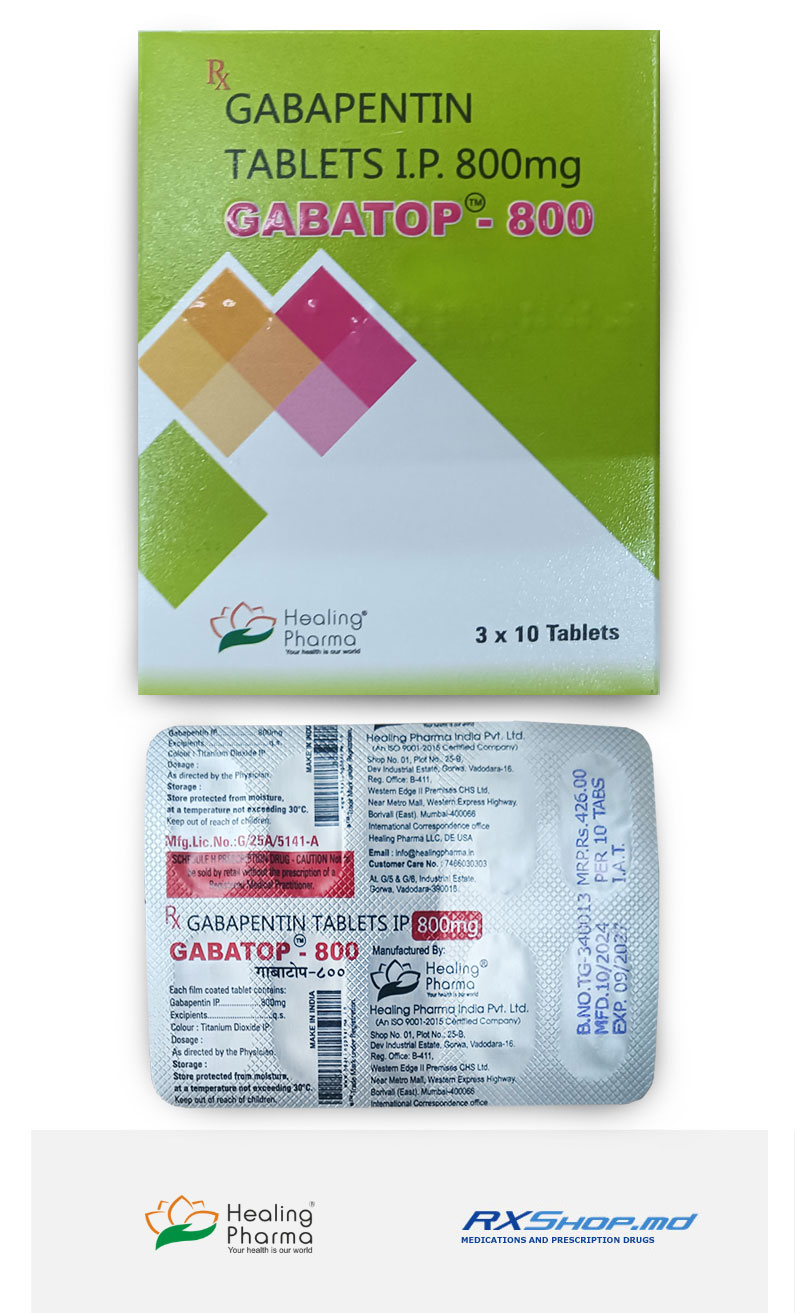
Gabatop is an affordable generic Gabapentin — an anticonvulsant and neuropathic pain medication originally developed as Neurontin by Parke-Davis (now Pfizer). Despite its name suggesting GABA activity, Gabapentin works through a unique mechanism distinct from GABA receptors — making it one of the most clinically versatile anticonvulsants in modern medicine for both seizure disorders and neuropathic pain syndromes. FDA-approved since 1993, Gabapentin is among the most widely-prescribed medications globally.
The active ingredient is Gabapentin, which works by binding to the alpha-2-delta subunit of voltage-gated calcium channels in neurons. This binding reduces presynaptic calcium influx, leading to decreased release of excitatory neurotransmitters including glutamate, substance P, and norepinephrine. Despite being structurally designed as a GABA analog, Gabapentin does not directly bind GABA receptors — its primary mechanism is calcium channel modulation.
Gabatop is FDA-approved for adjunctive therapy of partial (focal) seizures with or without secondary generalization in adults and children over 3 years, and for treatment of postherpetic neuralgia (PHN) following shingles infection. Off-label, Gabapentin is extensively used for diabetic peripheral neuropathy, other neuropathic pain syndromes, restless legs syndrome (Horizant variant FDA-approved for RLS), fibromyalgia, alcohol withdrawal management, anxiety disorders, hot flashes during menopause, and pruritus.
The medication is available as 100 mg, 300 mg, and 400 mg capsules, 600 mg and 800 mg tablets, and 250 mg/5 mL oral solution. Standard adult dosing for partial seizures is 900-1800 mg daily in three divided doses, titrated up to 3600 mg/day if needed. For neuropathic pain, doses range from 1800-3600 mg daily.
Gabapentin offers a favorable drug interaction profile because it is not metabolized by CYP450 enzymes and is excreted unchanged in urine. However, renal dose adjustment is essential in chronic kidney disease.
Common side effects include sedation, dizziness, ataxia, peripheral edema, and weight gain. Concerning developments include increasing misuse and dependence (Gabapentin is now Schedule V in some US states), DRESS syndrome (rare), and the FDA class warning for suicidal ideation that applies to all anticonvulsants.
Free prescription
Discrete packaging
Have questions?
Quality Assurance
- Focal Seizures Adjunct: For adjunctive treatment of focal seizures in adults and children over 3 years;
- Refractory Focal Epilepsy: As add-on therapy in refractory focal epilepsy not controlled by single agent;
- Postherpetic Neuralgia: FDA-approved for postherpetic neuralgia following shingles infection — signature neuropathic pain indication;
- Shingles Pain: For chronic pain syndrome following shingles (herpes zoster) infection;
- Diabetic Peripheral Neuropathy: Off-label first-line for painful diabetic peripheral neuropathy;
- Chemotherapy Induced Neuropathy: Off-label for chemotherapy-induced peripheral neuropathy (CIPN);
- Neuropathic Pain Off Label: Off-label for various neuropathic pain syndromes including trigeminal neuralgia and complex regional pain syndrome;
- Restless Legs Syndrome: For restless legs syndrome (Horizant gabapentin enacarbil FDA-approved for RLS);
- Fibromyalgia Off Label: Off-label for fibromyalgia with chronic widespread pain;
- Alcohol Withdrawal Management: Off-label for alcohol withdrawal management and prevention of recurrence;
- Anxiety Disorders Off Label: Off-label use for generalized anxiety and social anxiety disorder;
- Migraine Prophylaxis Selective: Selective off-label use for migraine prophylaxis;
- Menopausal Hot Flashes: Off-label for menopausal hot flashes in women who cannot use hormone therapy;
- Essential Tremor Off Label: Off-label use for essential tremor as alternative to propranolol or primidone;
- Pruritus Off Label: Off-label use for chronic pruritus including uremic pruritus and brachioradial pruritus;
- Opioid Withdrawal Adjunct: Off-label adjunct for opioid withdrawal symptom management;
- Cocaine Dependence Selective: Selective off-label use as adjunct for cocaine dependence treatment;
- Hiccups Refractory: Selective off-label use for refractory persistent hiccups;
- Acute Pain Adjunct: Off-label adjunct for acute postoperative pain as opioid-sparing strategy;
- Pediatric Partial Seizures: FDA-approved adjunctive therapy for pediatric partial seizures in children over 3 years;
- Elderly Neuropathic Pain: For elderly patients with neuropathic pain where opioid-sparing approach is preferred;
- Long Term Maintenance Therapy: Suitable for long-term daily maintenance therapy in chronic conditions.
- Less Nerve Pain: Significant reduction in postherpetic neuralgia pain following shingles;
- Less Burning Pain: Reduction in characteristic burning quality of neuropathic pain;
- Less Tingling: Reduction in paresthesias and tingling associated with neuropathy;
- Less Shooting Pain: Reduction in shooting and lancinating neuropathic pain;
- Less Allodynia: Reduction in allodynia (pain from non-painful stimuli) characteristic of nerve damage;
- Less Restless Legs: Resolution of restless legs syndrome symptoms (Horizant variant);
- Less Diabetic Foot Pain: Off-label benefit in painful diabetic peripheral neuropathy;
- Less Fibromyalgia Pain: Off-label reduction in chronic widespread fibromyalgia pain;
- Less Hot Flashes: Off-label reduction in menopausal hot flash frequency and severity;
- Less Anxiety: Off-label reduction in anxiety symptoms;
- Less Itching: Off-label reduction in chronic pruritus including uremic pruritus;
- Better Sleep: Improved sleep quality with reduction of neuropathic pain or restless legs;
- Better Daily Function: Return to normal activities with effective seizure or pain control;
- Less Opioid Use: Opioid-sparing effect in neuropathic pain reduces need for opioid analgesics;
- Brand Gabatop: Affordable Indian generic Gabapentin with international quality manufacturing standards;
- Generic Gabapentin: Affordable generic versions expand global access to anticonvulsant and neuropathic pain therapy;
- Neurontin Equivalent: Same Gabapentin molecule as original Pfizer brand Neurontin with bioequivalent therapeutic profile;
- Gralise Extended Release: Extended-release formulation providing once-daily dosing for postherpetic neuralgia;
- Horizant Enacarbil Prodrug: Gabapentin enacarbil prodrug FDA-approved specifically for restless legs syndrome;
- Anticonvulsant Neuropathic Pain: Dual-action anticonvulsant and neuropathic pain medication with unique mechanism;
- Alpha 2 Delta Calcium Channel Modulator: Binds α2δ subunit of voltage-gated calcium channels — unique mechanism;
- Excitatory Neurotransmitter Reduction: Reduces glutamate, substance P, and norepinephrine release;
- GABA Analog Structure: Structural GABA analog though does not directly bind GABA receptors;
- Partial Seizure Adjunctive Standard: Standard adjunctive therapy for refractory partial seizures;
- Postherpetic Neuralgia First Line: First-line therapy for postherpetic neuralgia following shingles;
- Diabetic Neuropathy Standard: Standard off-label therapy for painful diabetic peripheral neuropathy;
- Restless Legs Therapy: FDA-approved Horizant variant for restless legs syndrome;
- Favorable Drug Interaction Profile: Not metabolized by CYP450 enzymes — minimal drug interactions;
- Renal Excretion Unchanged: Excreted unchanged in urine — supports use in hepatic disease;
- No Therapeutic Monitoring: No therapeutic drug monitoring required — simplifies long-term management;
- Polypharmacy Safe: Safe for polypharmacy patients due to minimal drug interactions;
- Opioid Sparing Pain Therapy: Reduces need for opioids in neuropathic pain management;
- Pediatric Anticonvulsant Approved: FDA-approved for pediatric partial seizures in children over 3 years;
- Elderly Friendly Anticonvulsant: Suitable for elderly patients with appropriate renal dose adjustment;
- Affordable Anticonvulsant: Cost-effective anticonvulsant globally — supports access in resource-limited settings;
- WHO Essential Medicine: Listed on the WHO Model List of Essential Medicines for epilepsy and neuropathic pain;
- 30 Plus Year Anticonvulsant History: Extensive real-world safety and efficacy data since 1993 across billions of patient courses;
- Sedation Side Effect: Sedation, dizziness, and ataxia are common side effects — start low, go slow titration;
- Renal Dose Adjustment: Essential renal dose adjustment required in chronic kidney disease;
- Misuse Dependence Concerns: Emerging misuse and dependence concerns — Schedule V in some US states (Kentucky, Tennessee, Virginia, others);
- Suicidal Ideation Warning: FDA class warning for all anticonvulsants — monitor for suicidal thoughts;
- DRESS Syndrome Rare: Rare risk of DRESS syndrome — discontinue if drug rash with eosinophilia develops;
- Stable Storage: Capsules and tablets stable at room temperature — convenient for long-term therapy;
- Globally Available: Widely supplied in international markets in branded (Neurontin, Gralise, Horizant) and generic forms.
Generic Gabatop (Gabapentin 100 mg) Medication guide:
📖 What is Gabatop gabapentin alpha-2-delta ligand
Gabatop is a Healing Pharma brand of gabapentin, one of the most widely prescribed medications in the world for neuropathic pain, epilepsy adjunctive therapy, restless legs syndrome, and numerous off-label uses. Originally developed as an anticonvulsant, gabapentin's remarkable expansion to neuropathic pain treatment fundamentally changed pain medicine. FDA approved in 1993 as Neurontin (Pfizer) for adjunctive epilepsy treatment, then in 2002 for postherpetic neuralgia, gabapentin has become one of the top prescribed drugs globally through a combination of proven efficacy, safe profile, and extensive off-label use.
🔑 Core identity in one paragraph
Gabapentin is a structural analogue of the neurotransmitter GABA (gamma-aminobutyric acid) — hence its name — but it does not actually bind GABA receptors. Instead, it binds the alpha-2-delta subunit of voltage-gated calcium channels in presynaptic neurons, reducing calcium influx and consequently reducing release of excitatory neurotransmitters (glutamate, substance P, noradrenaline). This mechanism explains its efficacy in neuropathic pain and epilepsy. Its combination of low protein binding, no hepatic metabolism, no drug interactions, 100 percent renal excretion, and generally clean safety profile makes it one of the most user-friendly medications in modern practice — though not without important issues including sedation, weight gain, edema, withdrawal, and increasing recognition of abuse potential.
| Attribute | Value |
|---|---|
| Generic name | Gabapentin |
| Drug class | Alpha-2-delta ligand of voltage-gated calcium channels (gabapentinoid) |
| First FDA approval | 1993 (Neurontin by Warner-Lambert, later Pfizer) for adjunctive epilepsy |
| Postherpetic neuralgia approval | 2002 FDA approval for PHN |
| Available formulations | 100 mg, 300 mg, 400 mg, 600 mg, 800 mg capsules and tablets; oral solution 250 mg/5 mL; Horizant XR (gabapentin enacarbil prodrug) |
| Typical adult dose | 300-3600 mg/day divided TID (variable by indication) |
| Bioavailability | Saturable, non-linear; approximately 60 percent at 300 mg, 27 percent at 1600 mg |
| Protein binding | None (unusual advantage) |
| Metabolism | None (no hepatic metabolism) |
| Excretion | Renal, 100 percent unchanged |
| Pregnancy category | C |
🧪 Why gabapentin transformed pain medicine
Before gabapentin, neuropathic pain was treated primarily with tricyclic antidepressants (with their anticholinergic effects and cardiac risks) or with opioids (with tolerance, dependence, and constipation). Gabapentin's combination of proven efficacy in postherpetic neuralgia and diabetic peripheral neuropathy plus its clean pharmacokinetic profile made it a first-line option for neuropathic pain. This transformation established the alpha-2-delta ligand class as a foundational category in pain medicine.
✅ Clinical role today
- Postherpetic neuralgia (FDA approved) — first-line therapy
- Adjunctive therapy for focal seizures (FDA approved) — children age 3+ and adults
- Diabetic peripheral neuropathy (off-label but AAN-guideline first-line)
- Restless legs syndrome (gabapentin enacarbil FDA approved; regular gabapentin off-label)
- Fibromyalgia (off-label; pregabalin FDA approved for this)
- Chronic neuropathic pain broadly (chemotherapy-induced, HIV, phantom limb, complex regional pain syndrome)
- Post-surgical pain as part of multimodal analgesia protocols
- Alcohol withdrawal (off-label)
- Chronic cough refractory (off-label)
- Hot flashes in postmenopausal women or breast cancer patients (off-label)
- Anxiety (off-label; particularly in patients where benzodiazepines are avoided)
- Bipolar disorder adjunct (off-label; weak evidence)
🕰️ History and development of gabapentin since 1993
Gabapentin was developed by Warner-Lambert's Parke-Davis division as a lipophilic GABA analogue designed to cross the blood-brain barrier. Ironically, despite its GABA-like structure, gabapentin does NOT bind GABA receptors — its true mechanism (alpha-2-delta calcium channel binding) was discovered years later. This structural misnomer persists in the drug's name to this day.
📅 Development timeline
- Late 1970s — design as GABA analogue
- Warner-Lambert's Parke-Davis division synthesises gabapentin as a lipophilic gamma-aminobutyric acid (GABA) analogue designed to cross the blood-brain barrier. Original hypothesis: gabapentin would mimic GABA's inhibitory effects and treat seizures.
- 1993 — FDA approval as Neurontin
- FDA approves gabapentin as adjunctive therapy for focal (partial) seizures with or without secondary generalisation in adults. Marketed by Warner-Lambert.
- 1995-1998 — discovery of true mechanism
- Research by Gee et al and others identifies the alpha-2-delta subunit of voltage-gated calcium channels as gabapentin's actual molecular target. GABA receptor binding proves to be minimal to absent. The GABA-based name is retained but the true mechanism is now understood.
- 1998 — landmark neuropathic pain trials
- Rowbotham JAMA 1998 (postherpetic neuralgia) and Backonja JAMA 1998 (painful diabetic peripheral neuropathy) establish gabapentin's efficacy in neuropathic pain. These landmark studies drove massive expansion of gabapentin prescribing.
- 2000 — Warner-Lambert acquired by Pfizer
- Pfizer inherits Neurontin. Aggressive off-label marketing follows — later resulting in one of the largest pharmaceutical fraud settlements in US history.
- 2002 — postherpetic neuralgia approval
- FDA approves gabapentin specifically for postherpetic neuralgia. This established the alpha-2-delta ligand class as first-line neuropathic pain therapy.
- 2004 — Pfizer whistleblower settlement
- Pfizer agrees to pay 430 million USD to settle claims of illegal off-label promotion of Neurontin for indications lacking evidence (bipolar disorder, migraine, back pain, ADHD, restless legs syndrome, etc). One of the largest pharmaceutical fraud settlements ever.
- 2004 — patent expiration and generic entry
- Generic gabapentin flooded the market. Costs dropped to very low levels. Gabapentin became one of the most prescribed medications globally.
- 2011 — gabapentin enacarbil (Horizant) approved
- Prodrug of gabapentin with more consistent absorption. FDA approved for restless legs syndrome and later postherpetic neuralgia.
- 2015-2019 — growing abuse concerns
- Rising recognition of gabapentin abuse and misuse. Multiple US states begin scheduling gabapentin as controlled substance (Schedule V in Kentucky, Tennessee, Virginia, others). UK reclassifies as controlled drug.
- 2019 — FDA respiratory depression warning
- FDA adds warning about respiratory depression risk with gabapentin/pregabalin when combined with opioids, other CNS depressants, or in patients with underlying respiratory conditions. Gomes BMJ 2018 study driving the warning.
- Present — foundational medication
- Gabapentin remains among the most prescribed medications in the US. Continued use for approved and off-label indications. Ongoing research and stewardship discussions about appropriate use.
⚠️ The off-label marketing scandal
Pfizer's 430 million USD settlement in 2004 addressed illegal marketing of Neurontin for indications where evidence did not support use. The settlement became a case study in pharmaceutical marketing ethics. Ironically, some off-label uses (diabetic peripheral neuropathy) later gained strong evidence and became AAN-guideline recommended. Others (bipolar disorder, migraine) never accumulated adequate evidence. This history shapes how gabapentin evidence is interpreted today.
✅ Why gabapentin has been so successful
Gabapentin's remarkable clinical adoption reflects its unusual combination of features: proven efficacy for major neuropathic pain conditions; exceptionally clean pharmacokinetic profile (no interactions, no protein binding, no metabolism); very safe in overdose; effective at multiple doses allowing individualisation; useful across multiple conditions (epilepsy, pain, sleep, anxiety) simplifying polypharmacy; very low generic cost. These attributes have made gabapentin one of the workhorses of modern outpatient practice.
🧬 How gabapentin binds alpha-2-delta calcium channel
Despite its structural resemblance to GABA, gabapentin does NOT act through GABA receptors. Its true mechanism is binding to the alpha-2-delta-1 subunit of voltage-gated calcium channels, particularly in presynaptic terminals of neurons. This binding reduces calcium influx during neuronal activity, which in turn reduces the release of excitatory neurotransmitters (glutamate, substance P, calcitonin gene-related peptide, noradrenaline).
🧬 Mechanism step by step
- Systemic absorption and CNS penetration: gabapentin crosses the blood-brain barrier through the large neutral amino acid transporter (LAT1) — the same system that transports leucine and valine
- Alpha-2-delta subunit binding: within the CNS, gabapentin binds the alpha-2-delta-1 (and to lesser extent alpha-2-delta-2) auxiliary subunits of voltage-gated calcium channels
- Reduced calcium channel trafficking: binding disrupts the delivery and function of alpha-2-delta-containing calcium channels to presynaptic terminals
- Reduced presynaptic calcium influx: with fewer functional alpha-2-delta-containing channels, calcium entry during action potentials is reduced at presynaptic terminals
- Reduced excitatory neurotransmitter release: less calcium leads to less exocytosis of neurotransmitter vesicles — primarily reducing release of glutamate, substance P, and CGRP
- Anti-hyperalgesic and anti-seizure effect: in pathologically hyperexcitable neurons (as in seizures, allodynia, hyperalgesia), reduced neurotransmitter release calms pathological signalling
- Sparing of normal transmission: at physiological firing rates, effects are modest; more pronounced effects on pathologically hyperactive circuits
🔬 Why the GABA-like name is misleading
Gabapentin was designed to be a lipophilic GABA analogue. The rational hypothesis: like GABA, it would inhibit CNS excitation. What researchers discovered later: gabapentin's clinical effects have almost nothing to do with GABA. It does not bind GABA-A, GABA-B, or benzodiazepine receptors at therapeutic concentrations. It does not enhance GABA release or block GABA reuptake. The true mechanism (alpha-2-delta subunit binding) was identified through radioligand binding studies in the mid-1990s. The name persists as a historical accident.
| Feature of the mechanism | Clinical consequence |
|---|---|
| Alpha-2-delta subunit binding | Reduces neuronal excitability without direct GABA effects |
| Reduced excitatory transmitter release | Anticonvulsant + anti-neuropathic pain effects |
| Preferentially affects pathologically hyperactive neurons | Efficacy in seizures and neuropathic pain with modest normal function effects |
| LAT1-mediated CNS transport (saturable) | Explains non-linear PK at higher doses |
| No CYP metabolism | No drug-drug interactions via P450 |
| No protein binding | No displacement interactions |
| 100 percent renal excretion | Requires renal dose adjustment; safe in liver disease |
| Not effective for acute nociceptive pain | Reserved for neuropathic and centrally-mediated pain |
✅ Related molecules pregabalin and mirogabalin
Pregabalin (Lyrica) and mirogabalin share gabapentin's alpha-2-delta binding mechanism but with higher binding affinity and more predictable pharmacokinetics. Pregabalin has largely displaced gabapentin in some indications (fibromyalgia) due to better dosing convenience (BID vs TID for gabapentin), predictable absorption, and more consistent pharmacokinetics. However, gabapentin remains widely used due to lower cost, longer clinical experience, and specific patient responses.
🔬 Gabapentin among neuropathic pain drugs family
Gabapentin belongs to the alpha-2-delta ligand (gabapentinoid) class and sits alongside other neuropathic pain treatments including tricyclic antidepressants, SNRIs, and topical agents. Understanding where it fits within neuropathic pain treatment guides choice for individual patients.
| Drug class / mechanism | Representative members | Neuropathic pain role |
|---|---|---|
| Alpha-2-delta ligands (Gabatop here) | Gabapentin, pregabalin, gabapentin enacarbil, mirogabalin | First-line |
| Tricyclic antidepressants (TCAs) | Amitriptyline, nortriptyline, desipramine | First-line |
| SNRIs | Duloxetine, venlafaxine | First-line |
| Topical lidocaine | 5% patch, cream | First-line for focal neuropathic pain (postherpetic neuralgia) |
| Topical capsaicin | 8% patch (Qutenza) | Second-line for postherpetic neuralgia; specialised |
| Weak opioids | Tramadol, tapentadol | Second-line |
| Strong opioids | Morphine, oxycodone | Third-line; specialist use only |
| Botulinum toxin type A | Local injection | Specialist use for focal neuropathic pain |
| Cannabinoids (specific conditions) | THC/CBD combinations | Limited evidence; specialist |
🔑 Gabapentin's distinguishing profile
- Efficacy
- NNT (number needed to treat) approximately 6-8 for at least 30 percent pain reduction in postherpetic neuralgia and diabetic neuropathy. Similar to pregabalin. Somewhat lower than tricyclic antidepressants (NNT ~3-4) but with better tolerability.
- Tolerability
- Better tolerated than TCAs for cardiovascular safety (no arrhythmia risk); no anticholinergic effects. Sedation and dizziness are the main issues, particularly during titration.
- Pharmacokinetic simplicity
- No drug interactions, no protein binding, no CYP metabolism. Predictable except for saturable absorption at high doses.
- Broad indication utility
- Postherpetic neuralgia, diabetic neuropathy, epilepsy, restless legs, fibromyalgia (indirect via pregabalin evidence), other neuropathic conditions.
- Practical dosing
- Wide dose range (300-3600 mg/day) allows individualisation. Slow titration reduces adverse effects.
🧪 When gabapentin sits within neuropathic pain guidelines
The NeuPSIG guidelines (Finnerup Lancet Neurol 2015) place gabapentin, pregabalin, duloxetine, and tricyclic antidepressants together as first-line therapies for neuropathic pain. Individual choice depends on patient factors: (1) TCAs for younger patients without cardiac concerns and where sleep improvement is beneficial; (2) SNRIs where depression coexists or where alertness matters; (3) alpha-2-delta ligands for patients where interaction risk matters or TCAs contraindicated. For focal neuropathic pain (postherpetic neuralgia), topical lidocaine is often preferred as first-line due to safety profile with systemic agents added as needed.
⚡ Approved indications epilepsy postherpetic neuralgia
Gabapentin has two primary FDA-approved indications: adjunctive therapy for focal (partial) seizures and postherpetic neuralgia. However, its clinical use extends far beyond these approvals into evidence-based off-label indications.
⚡ FDA-approved indications
- Adjunctive treatment of focal (partial) seizures
- Children age 3+ and adults. Not first-line but useful as add-on for patients not fully controlled on primary AED. FDA 1993 approval.
- Postherpetic neuralgia (PHN)
- Chronic neuropathic pain following shingles (herpes zoster). Established first-line therapy. FDA 2002 approval.
- Gabapentin enacarbil (Horizant) additional approval
- Prodrug of gabapentin approved for restless legs syndrome (2011) and postherpetic neuralgia. Different absorption profile from regular gabapentin.
🔬 Where gabapentin is NOT first-line for epilepsy
Gabapentin is approved only as adjunctive (add-on) therapy for focal seizures, not as monotherapy first-line. Modern epilepsy guidelines list levetiracetam, lamotrigine, or (in specific circumstances) valproate as first-line. Gabapentin's epilepsy role is:
- Add-on for focal seizures inadequately controlled on primary AED
- Not effective for absence, myoclonic, or primary generalized tonic-clonic seizures
- Can worsen absence and myoclonic seizures
- Not for status epilepticus (not effective acutely)
- Useful when interaction avoidance is important (e.g., cancer patients on chemotherapy)
| Seizure type | Gabapentin efficacy |
|---|---|
| Focal (partial) seizures with secondary generalisation | Effective as adjunct |
| Focal seizures without secondary generalisation | Effective as adjunct |
| Absence seizures | Not effective; may worsen |
| Myoclonic seizures | Not effective; may worsen |
| Primary generalized tonic-clonic | Not first-line |
| Juvenile myoclonic epilepsy | Not appropriate |
| Status epilepticus | Not appropriate |
✅ Postherpetic neuralgia dominance
Postherpetic neuralgia is gabapentin's flagship indication. The 1998 Rowbotham JAMA trial established it as first-line therapy alongside topical lidocaine. In older adults with shingles-related persistent pain, gabapentin often becomes a long-term maintenance medication. Its role in this indication is one of the strongest evidence bases in neuropathic pain medicine.
🔬 Off-label uses diabetic neuropathy fibromyalgia anxiety
Gabapentin's off-label uses substantially exceed its FDA-approved indications in clinical practice. Many off-label uses have accumulated substantial evidence over decades (diabetic peripheral neuropathy, restless legs syndrome, alcohol withdrawal), while others remain more marginal in evidence.
🔬 Evidence-based off-label uses
- Painful diabetic peripheral neuropathy
- Strong evidence; AAN guideline recommends as first-line. Backonja JAMA 1998 landmark trial. Widely used globally.
- Restless legs syndrome
- Gabapentin enacarbil FDA approved; regular gabapentin off-label but AAN guideline recommended. Alpha-2-delta ligands are first-line pharmacotherapy for RLS.
- Chemotherapy-induced peripheral neuropathy
- Duloxetine has strongest evidence; gabapentin used when duloxetine intolerated. Combination sometimes tried.
- HIV-associated neuropathy
- Evidence supports gabapentin efficacy; used in this population with minimal drug interactions.
- Alcohol withdrawal
- Growing evidence for gabapentin in mild-moderate alcohol withdrawal. Also used for maintenance therapy of alcohol use disorder (Mason JAMA 2014 trial).
- Chronic refractory cough
- Growing evidence for gabapentin in chronic cough syndromes not responsive to other therapies. Mechanism thought to be central sensitisation modulation.
- Hot flashes (menopause, breast cancer)
- Moderate evidence in postmenopausal women and breast cancer patients on tamoxifen who cannot use hormonal therapy. Reduces frequency and severity of vasomotor symptoms.
- Fibromyalgia
- Pregabalin FDA approved for fibromyalgia; gabapentin used off-label with similar mechanism. Similar efficacy.
- Anxiety disorders
- Off-label use particularly in patients where benzodiazepines are avoided. Some evidence for generalised anxiety and social anxiety.
- Post-surgical pain (multimodal)
- Part of enhanced recovery protocols. Perioperative gabapentin reduces postoperative pain and opioid requirements.
- Migraine prophylaxis
- Limited evidence; not first-line but occasionally used when other options fail.
- Complex regional pain syndrome (CRPS)
- Used as adjunct in multimodal CRPS management.
⚠️ Off-label uses with weaker or no evidence
- Bipolar disorder — no clear efficacy; Pfizer settlement addressed this claim
- Low back pain (uncomplicated mechanical) — not effective per evidence reviews
- Postoperative acute pain (isolated single-day use) — complex; increasing scepticism
- Sciatica — recent trials suggest no benefit
- Attention deficit hyperactivity disorder (ADHD) — no evidence
- General insomnia — used off-label but poor evidence base
🧪 The off-label prescribing landscape
Approximately 90 percent of US gabapentin prescriptions are for off-label indications. This reflects both the drug's versatility for genuine indications (diabetic neuropathy, restless legs, alcohol withdrawal) and the aggressive off-label marketing history. Modern practice increasingly emphasises evidence-based use: prescribing gabapentin for postherpetic neuralgia, diabetic peripheral neuropathy, restless legs syndrome, and alcohol withdrawal has strong evidence base, while prescribing for uncomplicated low back pain, ADHD, or bipolar disorder does not.
✅ Practical off-label decision framework
When considering gabapentin for off-label indication: (1) is there evidence for the specific condition? (2) are first-line evidence-based therapies contraindicated or ineffective? (3) does the patient understand it is off-label? (4) is there a plan for monitoring efficacy and side effects? (5) is there a clear plan for discontinuation if ineffective? This framework distinguishes appropriate off-label use from indiscriminate prescribing.
💊 Pharmacokinetics saturable absorption non-linear
Gabapentin has a distinctive saturable absorption pharmacokinetic profile that makes it uniquely non-linear at higher doses. Above approximately 900 mg per single dose, the L-amino acid transporter (LAT1) that carries gabapentin across the intestinal wall becomes saturated, and additional drug is not absorbed. This has important implications for high-dose dosing.
| PK parameter | Value / behaviour |
|---|---|
| Oral bioavailability (300 mg) | Approximately 60 percent |
| Oral bioavailability (900 mg) | Approximately 42 percent |
| Oral bioavailability (1600 mg single dose) | Approximately 27 percent |
| Effect of food | Modest increase in absorption; can be taken with or without food |
| Time to peak (Tmax) | 2-3 hours after oral dose |
| Protein binding | None (0 percent) |
| Distribution volume | Approximately 58 L (extensive tissue distribution) |
| CNS transporter | LAT1 (large neutral amino acid transporter) — saturable |
| Half-life | 5-7 hours (normal renal function) |
| Metabolism | None (no hepatic metabolism) |
| Excretion | Renal, 100 percent unchanged |
| Renal impairment effect | Substantial; requires dose adjustment |
| Haemodialysis | Efficiently removed; supplement after dialysis |
| Antacid effect | Al/Mg antacids reduce absorption 20 percent |
🔬 The saturable absorption phenomenon
Gabapentin absorption depends on the LAT1 transporter in the small intestine, which is saturable. This means: (1) at 300 mg, most drug is absorbed (60 percent); (2) at 900 mg, absorption falls to 42 percent; (3) at 1600 mg single dose, only 27 percent is absorbed. Higher doses give diminishing returns. This is why gabapentin is dosed 3-4 times per day rather than once daily — multiple smaller doses achieve higher total absorption than a single large dose. This is unique among common drugs.
🕑 Practical dosing implications
- Divided dosing preferred (TID) for higher total daily doses to overcome saturation
- Take with or without food — food modestly enhances absorption but not necessary
- Avoid antacids with dose — separate by 2 hours (aluminum/magnesium reduce absorption)
- Renal dose adjustment essential — 100 percent renally excreted
- No dose adjustment for hepatic disease — no metabolism
- No drug interactions from CYP or protein binding effects
- Predictable effect at low doses; less predictable at higher doses due to saturation
- Slow titration reduces adverse effects
✅ Convenience advantage
Gabapentin's pharmacokinetic simplicity (no protein binding, no CYP metabolism, no significant drug interactions from these mechanisms) makes it exceptionally easy to prescribe in polypharmacy scenarios. It can be added to complex medication regimens (warfarin, digoxin, statins, antiretrovirals) without concern for interactions from most standard mechanisms. This is a substantial practical advantage in older adults and patients with multiple conditions.
🩹 Postherpetic neuralgia standard treatment role
Postherpetic neuralgia (PHN) — persistent neuropathic pain following shingles (herpes zoster) — is gabapentin's flagship indication. The 1998 landmark trial by Rowbotham et al (JAMA) established gabapentin as first-line therapy alongside topical lidocaine. In older adults with post-zoster pain, gabapentin often becomes long-term maintenance medication.
🩹 PHN treatment framework
- First-line for focal PHN (limited body area)
- Topical lidocaine 5% patches (up to 3 patches, 12 hours on, 12 hours off) preferred as first-line for focal pain due to safety profile. Can be combined with systemic gabapentin.
- First-line systemic therapy
- Gabapentin 300 mg on day 1, then titrate up to 1800-3600 mg/day divided TID. Slow titration reduces adverse effects. Alternative: pregabalin, amitriptyline, duloxetine.
- Titration schedule
- Day 1: 300 mg once. Day 2: 300 mg BID. Day 3: 300 mg TID. Then increase by 300 mg every 2-3 days as tolerated to effective dose. Target 1800-3600 mg/day. Elderly may need slower titration.
- Duration of therapy
- Continue until pain has resolved (may be indefinite for chronic PHN). Reassess need every 6-12 months. Attempt taper if pain-free for months.
- Refractory cases
- If gabapentin ineffective after adequate trial: add topical lidocaine; try pregabalin (crossover response); add duloxetine; consider capsaicin 8% patch; consult pain specialist for interventional options.
| PHN treatment | Evidence / role |
|---|---|
| Topical lidocaine 5% | First-line for focal pain; safest |
| Gabapentin | First-line systemic; landmark PHN evidence |
| Pregabalin | First-line systemic; alternative to gabapentin |
| Tricyclic antidepressants | First-line; NNT superior but tolerability worse |
| Duloxetine | First-line SNRI alternative |
| Capsaicin 8% patch (Qutenza) | Second-line; specialised application |
| Opioids | Third-line; reserved for refractory |
| Botulinum toxin (subcutaneous) | Specialist use for refractory focal PHN |
🧪 The Rowbotham JAMA 1998 landmark
Rowbotham M, Harden N, Stacey B et al published a randomised double-blind placebo-controlled trial of gabapentin in postherpetic neuralgia (JAMA 1998;280:1837-1842). Findings: gabapentin (target dose 3600 mg/day) produced significant improvement in daily pain diary scores, sleep, and quality of life measures versus placebo. NNT approximately 3-6 for at least 50 percent pain reduction. This landmark study established the entire alpha-2-delta ligand class in neuropathic pain treatment and drove massive expansion of gabapentin prescribing.
✅ Prevention perspective
While gabapentin treats established PHN, the best approach is prevention: adult zoster vaccination (Shingrix, recombinant zoster vaccine) reduces herpes zoster incidence and PHN risk substantially. Zoster vaccine is recommended for adults aged 50+ per CDC. Preventing shingles avoids the entire trajectory of acute shingles pain, PHN development, and chronic gabapentin therapy for years or decades.
🩹 Diabetic peripheral neuropathy first-line therapy
Painful diabetic peripheral neuropathy (DPN) is gabapentin's most common off-label but evidence-based use. The 1998 Backonja JAMA landmark trial established efficacy, and AAN guidelines recommend gabapentin as first-line therapy alongside pregabalin, duloxetine, and tricyclic antidepressants. Given the growing global diabetes epidemic, this is one of gabapentin's highest-volume uses.
🩹 DPN treatment framework
- AAN guideline first-line options
- Gabapentin, pregabalin, duloxetine, venlafaxine, tricyclic antidepressants (amitriptyline, nortriptyline), oxycodone controlled-release, tramadol. Choice individualised.
- Practical gabapentin regimen for DPN
- Start 300 mg once daily (day 1); titrate to 300 mg BID (day 2), 300 mg TID (day 3). Then increase by 300 mg every 2-3 days to target 1800-3600 mg/day divided TID. Elderly: slower titration.
- Time to effect
- Some patients notice benefit within a week; adequate trial requires 2-4 weeks at optimal dose. If no benefit at maximum tolerated dose after 4 weeks, alternative should be tried.
- Combination therapy
- If monotherapy inadequate: gabapentin plus duloxetine has some evidence. Gabapentin plus TCA is common combination. Avoid combining alpha-2-delta ligands (gabapentin + pregabalin gives no additional benefit and additive adverse effects).
- Overall diabetes management
- Neuropathic pain treatment is one part of comprehensive diabetes care. Glycaemic control (HbA1c), foot care, prevention of ulcers, addressing autonomic neuropathy all essential alongside pain treatment.
| DPN first-line treatment | Considerations |
|---|---|
| Gabapentin | TID dosing; sedation dose-limiting; low cost |
| Pregabalin | BID dosing; more predictable; higher cost |
| Duloxetine | Once daily; SNRI class; nausea common |
| Amitriptyline (TCA) | Bedtime dosing; cardiac risk; anticholinergic effects |
| Venlafaxine | SNRI alternative; blood pressure considerations |
| Nortriptyline (TCA alternative) | Better tolerated TCA in elderly |
🧪 Individual choice among first-line options
Any of gabapentin, pregabalin, duloxetine, or TCAs is a reasonable first-line choice. Factors: (1) cost (gabapentin cheapest); (2) dosing convenience (once daily duloxetine, BID pregabalin, TID gabapentin, HS TCA); (3) adverse effect profile (sedation with all, cardiovascular concerns with TCAs, nausea with SNRIs, weight gain with alpha-2-delta ligands); (4) comorbidities (depression favours SNRI or TCA; anxiety favours gabapentin or pregabalin; cardiac disease disfavours TCA); (5) drug interactions (gabapentin cleanest); (6) patient response history to related drugs.
✅ Backonja JAMA 1998 landmark
Backonja M, Beydoun A, Edwards KR et al published a randomised placebo-controlled trial of gabapentin in painful diabetic peripheral neuropathy (JAMA 1998;280:1831-1836). Findings: gabapentin at target dose 3600 mg/day produced significant reduction in daily pain scores versus placebo. This trial, published in the same JAMA issue as the Rowbotham PHN study, established gabapentin's role in both major neuropathic pain conditions and drove its rapid clinical adoption.
⚡ Focal epilepsy add-on treatment role
Adjunctive therapy for focal (partial) seizures is gabapentin's original FDA indication (1993). While it is not a first-line AED in modern epilepsy practice (levetiracetam, lamotrigine preferred), it remains a useful add-on option for patients with focal seizures not fully controlled on primary AED.
⚡ Focal epilepsy adjunctive framework
- Indication
- Adjunctive therapy for focal (partial) onset seizures with or without secondary generalisation in adults and children age 3+. FDA 1993 approval.
- Modern first-line for focal epilepsy
- Levetiracetam or lamotrigine typically first-line as monotherapy. If inadequate control, add-on options include lacosamide, gabapentin, oxcarbazepine, topiramate, zonisamide, others.
- Gabapentin add-on regimen
- Start 300 mg TID; titrate to 900-1800 mg/day; effective dose range 900-3600 mg/day divided TID. Slow titration reduces adverse effects.
- Efficacy expectations
- Reduces focal seizure frequency by approximately 30-50 percent in patients not controlled on monotherapy. Not typically achieving complete seizure freedom.
- Where gabapentin fits epilepsy-wise
- Focal seizures only (not for absence, myoclonic, primary generalized). Useful when patient has neuropathic pain plus epilepsy (dual benefit). Useful when drug interactions matter. Not first-line but reasonable add-on option.
| Feature | Gabapentin as AED |
|---|---|
| Efficacy focal seizures | Moderate; add-on rather than monotherapy |
| Efficacy absence, myoclonic, GTC | Not effective; can worsen |
| Drug interactions | Minimal (major advantage in polypharmacy) |
| Renal dose adjustment | Required |
| Cognitive effects | Better than phenytoin, phenobarbital; sedation main issue |
| Pregnancy safety | Category C; less studied than newer AEDs; no clear teratogenicity signal |
| Withdrawal risk | Yes; taper gradually |
| Status epilepticus role | None (not for acute seizures) |
🧪 When gabapentin adjunctive therapy fits
Focal seizures on primary AED with inadequate control, particularly when: (1) patient has coexisting neuropathic pain, restless legs, or anxiety (multi-condition benefit); (2) drug interactions matter (renal transplant, HIV on ART, cancer chemotherapy); (3) patient intolerant of alternative add-on AEDs; (4) cost is a factor. Gabapentin's low cost and clean interaction profile make it a reasonable add-on choice despite not being first-line.
⚠️ Not a monotherapy in most cases
Gabapentin is FDA approved as adjunctive (add-on) therapy, not as monotherapy for epilepsy. For newly diagnosed focal epilepsy, levetiracetam or lamotrigine are first-line monotherapies. Gabapentin monotherapy has been studied but is not typically first choice for new diagnosis. Its epilepsy role is best understood as add-on.
🦵 Restless legs syndrome and RLS regimens
Restless legs syndrome (RLS, Willis-Ekbom disease) is a common condition characterised by uncomfortable sensations in the legs with an irresistible urge to move, worse at rest and in the evening. Alpha-2-delta ligands (gabapentin, gabapentin enacarbil, pregabalin) are now considered first-line pharmacotherapy for moderate-to-severe RLS, having largely displaced dopamine agonists in modern guidelines due to concerns about augmentation with long-term dopamine agonist use.
🦵 RLS treatment framework
- Non-pharmacological measures first
- Iron replacement if ferritin below 75 ng/mL (target above 100); moderate exercise; avoid caffeine/alcohol/nicotine in evening; sleep hygiene; treat underlying conditions (uraemia, pregnancy).
- Modern first-line pharmacotherapy: alpha-2-delta ligands
- Gabapentin enacarbil (Horizant, FDA approved for RLS) 600 mg once daily at 5 pm. OR gabapentin 300-1200 mg/day divided BID or TID (off-label but AAN recommended). OR pregabalin 75-300 mg/day divided BID.
- Historical dopamine agonists (now second-line)
- Pramipexole, ropinirole, rotigotine patch. Historically first-line but now moved to second-line due to augmentation concerns (paradoxical worsening of RLS with long-term treatment).
- Third-line and severe cases
- Low-dose opioids (methadone, oxycodone) for severe refractory cases; specialist supervision essential.
- Iron supplementation
- Critical foundational intervention. Oral or IV iron (ferric carboxymaltose) to raise ferritin above 100 ng/mL and transferrin saturation above 20 percent. Can dramatically reduce or eliminate need for other pharmacotherapy.
| RLS treatment approach | Details |
|---|---|
| Iron replacement | Foundational; check ferritin and transferrin saturation |
| Gabapentin enacarbil (Horizant) | FDA approved; 600 mg once daily at 5 pm |
| Gabapentin regular | Off-label; 300-1200 mg divided evening/bedtime |
| Pregabalin | 75-300 mg/day divided BID (evening dose larger) |
| Pramipexole (dopamine agonist) | Second-line; watch for augmentation |
| Ropinirole (dopamine agonist) | Second-line; watch for augmentation |
| Rotigotine patch | 24-hour delivery; less augmentation than short-acting |
| Low-dose opioid | Refractory severe; specialist |
🔴 The augmentation problem with dopamine agonists
Long-term dopamine agonist treatment for RLS can cause "augmentation": paradoxical worsening of RLS with earlier onset of symptoms during the day, spreading of symptoms to other body parts, and increased severity. Affects 40-70 percent of pramipexole users over 10 years. This has driven the shift from dopamine agonists to alpha-2-delta ligands as first-line therapy in current guidelines. Gabapentin does NOT cause augmentation, a substantial advantage for long-term therapy.
✅ Why gabapentin became RLS first-line
The 2016 AASM and 2018 AAN practice guidelines updated to reflect gabapentin/pregabalin as first-line pharmacotherapy for moderate-severe RLS. The rationale: (1) no augmentation risk unlike dopamine agonists; (2) improves sleep as well as motor symptoms; (3) helpful for comorbid conditions (neuropathic pain, anxiety); (4) safer long-term profile; (5) evidence base has accumulated. This represents one of the significant recent shifts in RLS treatment.
🥂 Alcohol withdrawal and cough off-label uses
Alcohol withdrawal and alcohol use disorder are growing off-label uses for gabapentin, with expanding evidence base. Mason JAMA Internal Medicine 2014 established gabapentin's efficacy in alcohol use disorder maintenance treatment. It is also increasingly used for outpatient management of mild-moderate alcohol withdrawal syndrome.
🥂 Alcohol withdrawal framework
- Severe alcohol withdrawal (delirium tremens, seizures)
- Benzodiazepines (lorazepam, diazepam, chlordiazepoxide) remain gold standard for severe withdrawal. Inpatient treatment with CIWA-Ar scoring. Gabapentin is NOT first-line for severe withdrawal.
- Mild-moderate outpatient withdrawal
- Gabapentin 600-1200 mg/day divided TID for 7-14 days can effectively manage mild-moderate withdrawal in appropriately selected patients (low withdrawal risk, no history of seizures, adherent, supportive environment). Reduces need for benzodiazepines.
- Alcohol use disorder maintenance (Mason 2014)
- Mason JAMA Intern Med 2014 randomised trial: gabapentin 1800 mg/day maintenance significantly improved abstinence rates and reduced heavy drinking days versus placebo. Effective for alcohol use disorder maintenance treatment.
- FDA-approved alcohol use disorder treatments
- Naltrexone (oral or injectable Vivitrol), acamprosate, disulfiram remain FDA-approved options. Gabapentin off-label but with reasonable evidence base.
- Combination with behavioural therapy
- Pharmacotherapy including gabapentin most effective when combined with behavioural interventions (motivational interviewing, cognitive behavioural therapy, mutual support groups).
🍞 Chronic refractory cough off-label
- Indication
- Chronic cough persisting more than 8 weeks despite treatment of underlying causes (asthma, GERD, upper airway cough syndrome). Cough hypersensitivity syndrome.
- Evidence base
- Ryan et al Lancet 2012 randomised trial: gabapentin significantly reduced cough frequency, cough severity, and improved cough-specific quality of life in chronic cough patients. NNT approximately 4.
- Mechanism
- Thought to modulate central sensitisation of cough reflex circuitry. Similar mechanism to neuropathic pain modulation.
- Typical regimen
- Titrate to 1800 mg/day divided TID over 4 weeks. Continue for 4-8 weeks trial. If beneficial, may continue longer term.
🧪 Other off-label uses summary
- Hot flashes (postmenopausal, breast cancer): 300-900 mg/day; useful when hormonal therapy contraindicated
- Anxiety (generalised, social): particularly where benzodiazepines avoided; some evidence
- Post-surgical pain: multimodal analgesia; reduces opioid requirements; single perioperative dose common
- Complex regional pain syndrome: as adjunct to multimodal management
- Chemotherapy-induced peripheral neuropathy: duloxetine first choice; gabapentin alternative
- HIV-associated neuropathy: gabapentin acceptable given minimal ART interactions
✅ The versatility perspective
Gabapentin's combination of alpha-2-delta modulation, minimal interactions, tolerable adverse effects, and low cost makes it a versatile off-label option across many conditions involving central sensitisation, neuronal hyperexcitability, or benefit from GABA-related modulation. Whether prescribing for postherpetic neuralgia, diabetic neuropathy, restless legs, alcohol withdrawal, chronic cough, or hot flashes, gabapentin often provides meaningful benefit with acceptable tolerability. This versatility explains its position as one of the most prescribed drugs globally.
💊 Adult dosing titration and maintenance
Adult gabapentin dosing follows a slow titration approach to minimise sedation and dizziness that limit initial tolerability. Wide dose ranges (300 mg to 3600 mg daily) allow individualisation based on efficacy and adverse effects.
| Indication | Adult regimen |
|---|---|
| Postherpetic neuralgia | Titrate to 1800-3600 mg/day divided TID |
| Diabetic peripheral neuropathy | Titrate to 1800-3600 mg/day divided TID |
| Adjunctive focal epilepsy | 900-3600 mg/day divided TID |
| Restless legs syndrome (gabapentin) | 300-1200 mg divided evening/bedtime |
| Restless legs (gabapentin enacarbil) | 600 mg once daily at 5 pm |
| Alcohol withdrawal (outpatient) | 600-1200 mg/day divided TID for 7-14 days |
| Alcohol use disorder maintenance | 1800 mg/day divided TID |
| Chronic cough | Titrate to 1800 mg/day divided TID |
| Fibromyalgia | 1200-2400 mg/day divided TID |
| Hot flashes | 300-900 mg/day divided BID or TID |
| Anxiety (off-label) | 300-1800 mg/day divided TID |
| Perioperative pain (single dose) | 600-1200 mg 1-2 hours pre-op |
💊 Standard titration schedule (adult)
Slow titration is essential to minimise sedation and dizziness:
- Day 1: 300 mg once at bedtime
- Day 2: 300 mg BID (morning and bedtime)
- Day 3: 300 mg TID
- Day 4-5: 300 mg TID (steady state)
- Day 6 onward: increase by 300 mg every 2-3 days as tolerated
- Target dose: 1800 mg/day (divided TID) minimum for pain; 3600 mg/day if needed
- Elderly or renal impairment: slower titration; lower target
- Adequate trial: 4-8 weeks at maximum tolerated dose
🕑 Practical administration tips
- Take with or without food — food modestly improves absorption
- Separate from antacids by 2 hours — aluminum/magnesium antacids reduce absorption
- Divided dosing TID preferred at higher total doses due to saturable absorption
- Full glass of water with each dose
- Bedtime dose can be larger than morning/midday doses to leverage sedation and reduce daytime effects
- Do not stop abruptly — withdrawal syndrome; taper gradually
- Adherence important for both pain control and to avoid withdrawal
- Adjust regimen based on efficacy and tolerability over weeks
✅ Why bedtime-weighted dosing helps
Common dosing pattern: 300 mg morning, 300 mg midday, 600-1200 mg bedtime. Total daily dose divided so that the largest dose is at bedtime. This leverages gabapentin's sedating effect for sleep (particularly useful in neuropathic pain patients with sleep disruption) and reduces the daytime sedation that limits function. This can substantially improve tolerability.
👶 Pediatric dosing and considerations
Paediatric gabapentin dosing follows weight-based principles with slower titration than adults. FDA approved for adjunctive focal epilepsy from age 3 years. Off-label use for paediatric neuropathic pain, restless legs syndrome, and anxiety.
| Age / indication | Gabapentin dose |
|---|---|
| Age 3-4 years (focal seizures) | Starting 10-15 mg/kg/day; titrate to 40 mg/kg/day divided TID |
| Age 5-11 years (focal seizures) | Starting 10-15 mg/kg/day; titrate to 25-35 mg/kg/day divided TID |
| Age 12+ years (focal seizures) | Adult regimen; 900-1800 mg/day divided TID |
| Paediatric neuropathic pain | Start 5-10 mg/kg once at bedtime; titrate to 30-45 mg/kg/day divided TID |
| Paediatric anxiety (off-label) | Specialist-guided; typically 10-25 mg/kg/day divided |
| Under age 3 years | Not FDA approved; specialist decision if used |
👶 Paediatric formulations
- Oral solution (250 mg/5 mL)
- Standard paediatric form for children under able to swallow capsules. Shake well before dosing.
- 100 mg, 300 mg, 400 mg capsules
- 100 mg capsule useful for smaller children; can be opened and contents sprinkled on food if needed.
- Tablets (600 mg, 800 mg)
- For adolescents and older children able to swallow tablets.
✅ Paediatric practical tips
- Shake oral solution well before each dose
- Measure with provided device (syringe or cup) — NOT household teaspoons
- Give with or without food
- Separate from Al/Mg antacids by 2 hours if used
- Slower titration than adults; watch for sedation and behavioural changes
- Monitor for behavioural adverse effects — more common in children (aggression, hyperactivity, mood changes)
- Report new or worsening depression or suicidal thoughts (AED class warning)
- Do not stop abruptly — taper gradually
🔴 Paediatric behavioural adverse effects
Children on gabapentin have higher rates of behavioural adverse effects (aggression, hyperactivity, emotional lability, mood changes, hostility) than adults. These effects can be distressing and may limit paediatric use. Onset is usually within days to weeks of starting or after dose increases. Reversible with dose reduction or discontinuation. Report any behavioural change during titration.
🧪 Weight-based dosing worked examples
For a 20 kg child (approximately 5 years) with focal seizures: target 25-35 mg/kg/day. 25 mg × 20 = 500 mg/day. Divide TID: approximately 200 mg TID. Use 100 mg capsule or 250 mg/5 mL suspension (4 mL TID). For a 30 kg child (approximately 8 years) with neuropathic pain: target 30-45 mg/kg/day. 30 mg × 30 = 900 mg/day. Divide TID: 300 mg TID (one 300 mg capsule).
🪀 Renal impairment critical dose adjustment
Gabapentin is 100 percent renally excreted unchanged. This makes renal dose adjustment absolutely critical — failure to adjust in patients with reduced kidney function is one of the most common causes of gabapentin toxicity, including severe sedation, encephalopathy, ataxia, and myoclonus.
| Renal function (CrCl mL/min) | Total daily dose maximum | Dosing schedule |
|---|---|---|
| Over 60 (normal) | Up to 3600 mg/day | TID |
| 30-59 (mild-moderate impairment) | 400-1400 mg/day | BID |
| 15-29 (severe impairment) | 200-700 mg/day | Once daily |
| Under 15 (end-stage disease) | 100-300 mg/day | Once daily |
| Haemodialysis | 100-300 mg after each dialysis session | Post-dialysis dosing |
| Peritoneal dialysis | 100-300 mg once daily | Once daily |
🔴 Failure to adjust in CKD is a major cause of toxicity
Patients with unrecognised CKD (particularly elderly with normal-appearing creatinine but reduced GFR) receiving standard gabapentin doses can accumulate to toxic levels. Presentation: profound sedation, encephalopathy, myoclonus, ataxia, gait instability, sometimes coma. This is a well-documented preventable adverse effect. Always check eGFR before starting gabapentin, particularly in elderly, and adjust accordingly. Gabapentin toxicity is one of the classic drug-induced encephalopathies in nephrology.
🧪 Why kidney disease matters so much
Gabapentin has no metabolism — 100 percent is eliminated as unchanged drug by kidneys. In CKD, this pathway is impaired. In severe impairment (CrCl below 30), plasma levels can accumulate 3-fold or more with standard dosing. Combined with typical elderly polypharmacy (opioids, benzodiazepines, other CNS depressants), this accumulation produces the classic "gabapentin toxicity syndrome" requiring hospitalisation and dose reduction. Preventable through appropriate initial dose selection.
✅ Practical prescribing in CKD
- Check recent creatinine and eGFR before prescribing (essential in all patients over age 60)
- Use eGFR to calculate CrCl; do not rely on serum creatinine alone in elderly
- Reduce dose per CKD stage per table above
- Time dose after dialysis session to avoid immediate removal
- Watch for accumulation during initiation — sedation, gait changes, cognitive slowing
- Monitor renal function periodically during chronic use, particularly in elderly
- Consider fresh eGFR check if suspected toxicity develops
🧪 Hepatic disease no adjustment needed
Because gabapentin has no hepatic metabolism, no dose adjustment is required for hepatic impairment. This is unique among CNS-acting drugs. In patients with combined hepatic and renal disease, adjust for renal function only. This makes gabapentin an attractive choice for cirrhotic patients where many other pain and seizure medications require complex hepatic dose adjustment.
🔗 Drug interactions minimal clean profile
Gabapentin has exceptionally few drug interactions compared with most centrally-acting medications. The absence of protein binding, CYP450 metabolism, and hepatic transformation means it has virtually no pharmacokinetic interactions from these mechanisms. The main clinically relevant interactions are pharmacodynamic (additive CNS depression) rather than pharmacokinetic.
| Interaction partner | Mechanism | Clinical action |
|---|---|---|
| Opioids (morphine, oxycodone, others) | Additive CNS depression + respiratory depression risk | Reduce doses; monitor for respiratory depression; FDA warning |
| Benzodiazepines | Additive CNS depression | Reduce doses; caution particularly in elderly |
| Alcohol | Additive CNS depression | Counsel avoidance |
| Other AEDs (phenytoin, carbamazepine) | No significant pharmacokinetic interaction | Additive sedation only; no dose adjustment for interaction |
| Antacids (Al/Mg) | Reduce gabapentin absorption by 20 percent | Separate by 2 hours before/after |
| Cimetidine | Small reduction in gabapentin renal clearance | Minor; usually not clinically significant |
| Naproxen and hydrocodone | Small increase in gabapentin absorption | Not clinically significant |
| Warfarin | No interaction | Standard INR monitoring |
| Statins, digoxin, most cardiovascular drugs | No interaction | No dose adjustment |
| Antiretroviral drugs (HIV) | No significant interaction | Safe in HIV patients |
| Oral contraceptives | No interaction | Standard contraception; no back-up needed |
🔴 The 2019 FDA respiratory depression warning
In 2019, the FDA added a boxed warning about serious breathing problems with gabapentinoids (gabapentin and pregabalin) combined with opioids, benzodiazepines, or other CNS depressants, and in patients with underlying respiratory conditions (COPD, sleep apnea). Deaths and near-deaths have been reported. Prescribers should assess for respiratory risk factors before starting gabapentin. In patients requiring both gabapentin and opioids, use lowest effective doses of each and monitor closely. See section 25 for details.
✅ Exceptionally clean interaction profile advantages
- No CYP interactions with statins, warfarin, digoxin, antihypertensives
- No protein binding displacement interactions
- No hepatic metabolism concerns in liver disease
- Safe with oral contraceptives
- Safe with antiretroviral drugs
- Safe with most cancer chemotherapy
- Safe with most cardiovascular medications
- Interaction concerns are primarily pharmacodynamic (additive sedation, respiratory depression)
- This clean profile makes gabapentin exceptionally suitable for polypharmacy patients
🧪 The polypharmacy patient perspective
For an older adult on 10-15 medications for cardiovascular disease, diabetes, and other conditions who develops postherpetic neuralgia, gabapentin can typically be added without any dose adjustments to existing medications. This is a substantial practical advantage over tricyclic antidepressants (multiple interactions), duloxetine (CYP2D6, tramadol interaction), or opioids (many interactions). This convenience is one of the reasons gabapentin has become the workhorse of outpatient neuropathic pain treatment.
🤰 Pregnancy Category C and lactation
Gabapentin is FDA Pregnancy Category C — animal studies show some effects but human data is limited. Compared with older AEDs (phenytoin, valproate, carbamazepine) with well-documented teratogenicity, gabapentin has a generally reassuring pregnancy profile though with less definitive safety data than levetiracetam or lamotrigine.
🤰 Pregnancy safety considerations
- Animal reproductive studies
- Some skeletal effects at high doses; growth restriction in some studies. No clear major malformation signal.
- Human pregnancy data
- Accumulating registry data (NAAED, EURAP, others) generally reassuring. Major congenital malformation rate approximately background (3 percent). Not established as strongly safe as lamotrigine or levetiracetam but far better than valproate or phenytoin.
- Placental transfer
- Crosses the placenta; fetal serum concentrations approach maternal levels.
- Preferred alternatives in pregnancy for epilepsy
- Lamotrigine and levetiracetam preferred for chronic epilepsy management during pregnancy due to more extensive safety data. Gabapentin acceptable if these are ineffective or intolerable.
- Pregnancy for neuropathic pain
- Non-pharmacological approaches preferred where possible. If pharmacotherapy needed, gabapentin is a reasonable choice compared with tricyclic antidepressants (limited pregnancy data), SNRIs, or opioids (dependence and withdrawal concerns).
| Pregnancy indication | Gabapentin role |
|---|---|
| Existing epilepsy on gabapentin | Continue if effective; do not switch during pregnancy |
| New epilepsy diagnosis in pregnancy | Lamotrigine or levetiracetam preferred |
| Restless legs syndrome | Iron supplementation first; gabapentin if needed |
| Chronic postherpetic neuralgia | Weigh benefit vs limited pregnancy data; consider topical first |
| Diabetic peripheral neuropathy | Continue if needed with counselling |
| Alcohol use disorder | Behavioural interventions first; gabapentin possible |
🍼 Lactation
Gabapentin transfers into breast milk at modest concentrations (milk-to-plasma ratio approximately 0.7-1.3). Estimated infant dose is 1-4 percent of maternal weight-adjusted dose. Considered generally compatible with breastfeeding per American Academy of Pediatrics. Monitor infant for sedation, poor feeding, growth issues. Discontinuation of maternal treatment rarely necessary.
🧪 Preconception planning
For women of childbearing age on gabapentin: discuss family planning at each visit; folate supplementation (400-1000 mcg daily) recommended for all women of childbearing age on AEDs; document the indication and duration; discuss whether alternative AED or pain treatment would be preferable before conception. If pregnancy is planned, review whether gabapentin is essential or whether alternative treatment could be used instead.
✅ Overall pregnancy perspective
Gabapentin's pregnancy safety profile appears favourable but is less definitively established than for lamotrigine and levetiracetam. For epilepsy management in pregnancy, those alternatives are preferred first-line. For neuropathic pain in pregnancy where non-pharmacological approaches fail, gabapentin is a reasonable option with careful risk-benefit discussion. Continued surveillance through pregnancy registries continues to build the evidence base.
⚠️ Common adverse effects sedation dizziness
Gabapentin has a generally favourable adverse effect profile, with sedation and dizziness being the most common issues, particularly during titration. Most side effects diminish over the first 1-2 weeks of therapy as tolerance develops.
| Adverse effect | Frequency | Management |
|---|---|---|
| Somnolence (sedation) | 15-25 percent | Slow titration; bedtime-weighted dosing; tolerance develops |
| Dizziness | 15-25 percent | Slow titration; rise slowly; usually improves |
| Ataxia, gait unsteadiness | 5-15 percent | Falls precautions; dose reduction; usually improves |
| Peripheral edema | 5-15 percent | Elevate legs; compression stockings; may improve or persist |
| Weight gain | 5-10 percent (over months) | Dietary counselling; may persist |
| Fatigue, asthenia | 5-10 percent | Slow titration; tolerance |
| Cognitive slowing / brain fog | 5-10 percent | Dose reduction; may improve |
| Nausea | 3-5 percent | Take with food |
| Headache | 3-5 percent | Symptomatic |
| Diarrhoea | 2-4 percent | Symptomatic |
| Visual disturbance (diplopia, blurred) | 2-5 percent | Usually resolves; may need dose reduction |
| Xerostomia (dry mouth) | 2-5 percent | Adequate hydration; sugar-free lozenges |
| Behavioural changes (children) | 5-15 percent paediatric | Report to prescriber; dose adjustment |
✅ Practical management
- Slow titration is the single most important intervention to reduce adverse effects
- Bedtime-weighted dosing (larger dose at bedtime) shifts sedation to sleep time
- Tolerance develops to sedation and dizziness over 1-2 weeks
- Falls precautions particularly in elderly with dizziness or ataxia
- Elevate legs and compression for peripheral edema
- Dietary counselling for weight gain
- Report new depression or suicidal thoughts (AED class warning)
- Monitor for withdrawal if dose reduced or missed
🔬 Why gabapentin is generally well tolerated
Compared with other systemic neuropathic pain treatments, gabapentin has: better tolerability than tricyclic antidepressants (no anticholinergic effects, no cardiac toxicity); no nausea like duloxetine; no addiction/tolerance/constipation like opioids; no interactions like TCAs and SNRIs. The main issues (sedation, dizziness, edema, weight gain) are generally manageable and often diminish with time. This favourable balance explains gabapentin's clinical popularity.
🧪 When to reduce dose or discontinue
Reasons for dose reduction: sedation limiting function, ataxia with falls, cognitive slowing, edema, weight gain, or lack of pain benefit. Reasons for discontinuation (tapered): inadequate benefit despite maximum tolerated dose, intolerable adverse effects, patient preference. Always taper gradually — abrupt discontinuation can cause withdrawal syndrome (see section 26).
⚔️ Gabapentin versus pregabalin Lyrica comparison
Pregabalin (Lyrica) is gabapentin's closest pharmacological relative — both are alpha-2-delta ligands. Understanding the differences guides choice between them when neuropathic pain treatment is being initiated.
| Feature | Gabapentin | Pregabalin (Lyrica) |
|---|---|---|
| Mechanism | Alpha-2-delta ligand | Alpha-2-delta ligand (higher affinity) |
| FDA approval | 1993 | 2004 |
| Approved indications | Focal epilepsy adjunct; PHN | Focal epilepsy adjunct; PHN; DPN; fibromyalgia; spinal cord injury pain |
| Bioavailability | Saturable (60% ? 27% at high doses) | Linear, approximately 90% |
| Time to peak | 2-3 hours | 1-1.5 hours (faster) |
| Dosing frequency | TID typically | BID typically |
| Typical dose range | 300-3600 mg/day | 75-600 mg/day |
| Titration duration | 2-4 weeks to therapeutic dose | 1-2 weeks to therapeutic dose |
| Protein binding | None | None |
| Metabolism | None | None |
| Renal dose adjustment | Yes | Yes |
| Sedation, dizziness | Common | Common |
| Weight gain | Moderate | Moderate; possibly slightly more |
| Peripheral edema | Common | Common |
| Abuse potential | Yes; some US states Schedule V | Higher; DEA Schedule V federally |
| Pregnancy | Category C | Category C |
| Cost | Very low (generic) | Higher; brand-dependent |
✅ When pregabalin is preferred
- BID dosing preferred over TID for adherence
- Predictable linear pharmacokinetics matter (particularly at higher doses)
- Faster titration to therapeutic dose desired
- Fibromyalgia (FDA approved specifically)
- Spinal cord injury pain (FDA approved)
- Patient tolerated pregabalin previously
- Approved indication rather than off-label matters
🔑 When gabapentin is preferred over pregabalin
- Cost sensitivity (gabapentin substantially cheaper)
- Patient tolerated gabapentin previously
- Prior pregabalin adverse effect (particularly sedation)
- Broader dose range for individualisation (300-3600 vs 75-600 mg)
- Postherpetic neuralgia (either works)
- Off-label indications (alcohol withdrawal, chronic cough, hot flashes)
🧪 Cross-response and switching
Patients who fail to respond to gabapentin sometimes respond to pregabalin (and vice versa) despite the shared mechanism. This crossover response is well documented and not fully understood. When switching, discontinue one, then start the other after a brief washout (24-48 hours). Do not combine both alpha-2-delta ligands — no additional benefit and additive adverse effects.
⚔️ Gabapentin versus duloxetine SNRI neuropathic
Duloxetine (Cymbalta) is a serotonin-noradrenaline reuptake inhibitor (SNRI) and is one of gabapentin's main alternatives in the neuropathic pain first-line arsenal. Both are supported by NeuPSIG guidelines. Choice depends on individual patient factors.
| Feature | Gabapentin | Duloxetine (Cymbalta) |
|---|---|---|
| Mechanism | Alpha-2-delta calcium channel ligand | SNRI (serotonin + noradrenaline reuptake inhibitor) |
| FDA neuropathic pain approvals | PHN | DPN, fibromyalgia, chronic musculoskeletal pain |
| Other approvals | Epilepsy adjunct | Major depression, generalised anxiety, urinary incontinence |
| Dosing | TID; 300-3600 mg/day | Once daily; 30-60-90 mg |
| Time to effect | Days to 2-4 weeks | 2-4 weeks |
| Common adverse effects | Sedation, dizziness, edema, weight gain | Nausea, insomnia (early), fatigue |
| Weight effect | Weight gain common | Weight neutral or slight loss |
| Depression benefit | Limited | Yes (FDA approved for depression) |
| Anxiety benefit | Some | Yes (FDA approved for anxiety) |
| Sleep effect | Helpful (sedation) | May cause insomnia; morning dose |
| CYP2D6 metabolism | None | Yes; interactions matter |
| Serotonin syndrome risk with tramadol | No | Yes; caution |
| Renal dose adjustment | Yes (critical) | Avoid in severe impairment |
| Hepatic considerations | Safe | Avoid in hepatic impairment |
| Withdrawal syndrome | Yes | Yes (SNRI discontinuation) |
| Cost | Very low | Low to moderate |
✅ When duloxetine is preferred
- Depression coexists with neuropathic pain
- Anxiety coexists
- Weight gain is a specific concern
- Once-daily dosing preferred
- Diabetic peripheral neuropathy (FDA approved specifically)
- Fibromyalgia (FDA approved)
- Chronic musculoskeletal pain (FDA approved)
- Chemotherapy-induced peripheral neuropathy
🔑 When gabapentin is preferred over duloxetine
- Prior nausea intolerance with SNRIs
- Renal disease (duloxetine requires severe caution)
- Hepatic disease (duloxetine avoided)
- Concurrent tramadol (serotonin syndrome risk with duloxetine)
- Concurrent multiple serotonergic medications
- Cost concerns (though duloxetine also inexpensive as generic)
- Restless legs syndrome (gabapentin covered)
- Focal epilepsy needs (duloxetine not approved for epilepsy)
- Postherpetic neuralgia (gabapentin FDA approved)
🧪 Combination therapy
Gabapentin and duloxetine can be combined for patients whose response to monotherapy is inadequate. Some trials suggest additive benefit for diabetic peripheral neuropathy. Doses may be reduced from maximum monotherapy doses. Monitor for additive adverse effects, particularly if switching between combination therapy and monotherapy. Combination is more common in specialist pain management settings.
⚔️ Gabapentin versus tricyclic antidepressants
Tricyclic antidepressants (TCAs) including amitriptyline and nortriptyline are traditional first-line therapies for neuropathic pain. Compared with gabapentin, TCAs have superior efficacy in meta-analyses (NNT 3-4 vs 6-8) but substantially worse tolerability. Choice between them depends on individual factors.
| Feature | Gabapentin | TCA (amitriptyline) |
|---|---|---|
| Mechanism | Alpha-2-delta calcium channel ligand | Serotonin/noradrenaline reuptake inhibition + others |
| Efficacy neuropathic pain (NNT) | 6-8 | 3-4 (superior) |
| Dosing | TID; 300-3600 mg/day | Bedtime; 10-100 mg |
| Sleep effect | Sedating | Strongly sedating (bedtime dose) |
| Weight effect | Weight gain | Weight gain (more) |
| Anticholinergic effects | None | Substantial (dry mouth, constipation, urinary retention, cognitive) |
| Cardiac effects | None | QT prolongation; orthostatic hypotension; cardiac arrhythmia risk |
| Overdose risk | Very safe | Lethal in overdose (cardiac toxicity) |
| Elderly tolerability | Better | Poor (Beers criteria potentially inappropriate) |
| Cognitive effects | Mild sedation | Anticholinergic cognitive impairment |
| Depression benefit | Limited | Yes (also treats depression) |
| Nortriptyline alternative | - | Better tolerated TCA; less anticholinergic; often preferred |
| Renal considerations | Adjust dose | No adjustment |
| Pregnancy | C | C |
| Cost | Very low | Very low |
✅ When TCA is preferred over gabapentin
- Coexisting depression
- Coexisting insomnia (bedtime dose helps)
- Younger patient without cardiovascular concerns
- Superior NNT for pain matters
- Nortriptyline in older adults (better tolerated than amitriptyline)
🔑 When gabapentin is preferred over TCA
- Older adults (safer profile; TCAs on Beers criteria)
- Cardiovascular disease
- Baseline QT prolongation or arrhythmia history
- Anticholinergic burden concerns (elderly, dementia, benign prostatic hyperplasia)
- Overdose risk concerns (suicidal patients)
- Prior TCA intolerance
- Restless legs syndrome or epilepsy (dual benefit)
- Focal neuropathic pain where systemic side effects should be minimised
🔴 TCA overdose lethality
TCAs are among the most lethal medications in overdose due to cardiac sodium channel blockade causing arrhythmias. In patients at risk of suicidal ideation, TCAs are a major safety concern. Gabapentin overdose is remarkably benign in comparison — deaths from gabapentin alone are extremely rare. This is one of the major safety advantages of gabapentin over TCAs, particularly relevant when suicidal ideation is a concern.
🧪 Combination gabapentin plus TCA
Combining gabapentin with low-dose TCA (nortriptyline 10-25 mg at bedtime) is a common strategy for neuropathic pain not fully controlled with either alone. The mechanisms complement each other. This combination is often more effective than either monotherapy. Monitor for cumulative sedation.
🚨 Severe adverse effects comprehensive overview
Gabapentin has an overall favourable safety profile, but several severe adverse effects need recognition. Most gabapentin therapy proceeds without significant issues; awareness of the important safety concerns supports safe use, particularly the 2019 FDA respiratory depression warning.
🔴 Severe adverse effects to recognise
- Respiratory depression (with opioids or CNS depressants)
- 2019 FDA warning. Serious breathing problems reported when combined with opioids, benzodiazepines, alcohol, or in patients with underlying respiratory disease (COPD, sleep apnea). Deaths documented. See section 25.
- Withdrawal syndrome
- Abrupt discontinuation can cause anxiety, insomnia, restlessness, sweating, tremor, potentially seizures (especially in patients with epilepsy). Taper gradually over 1-2 weeks minimum for chronic users.
- Suicidal ideation (AED class warning)
- FDA class warning for all AEDs. Small but statistically significant increase in suicidal ideation and behaviour. Monitor mood; educate patients and families.
- Severe cutaneous reactions (rare)
- SJS, TEN, DRESS syndrome have been reported but are rare. Any severe rash requires discontinuation and evaluation.
- Multisystem hypersensitivity reactions
- Fever, rash, lymphadenopathy, organ involvement possible. Rare.
- Falls in elderly
- Sedation, dizziness, ataxia increase fall risk. Documented in observational studies. Important consideration in elderly.
- Encephalopathy in renal impairment
- Accumulation from inadequate dose adjustment produces sedation, confusion, myoclonus, ataxia, sometimes coma. Preventable through appropriate dosing.
- Abuse potential and dependence
- Growing recognition. Higher risk in patients with substance use history. Some US states have scheduled as controlled substance. See section 27.
- Behavioural adverse effects (particularly children)
- Aggression, hyperactivity, mood changes, hostility. More common in children than adults.
- Peripheral edema and weight gain
- Common; not usually severe but can be substantial in some patients over months of therapy.
⚠️ Warning signs requiring immediate medical attention
- Difficulty breathing, extreme drowsiness, unresponsive (respiratory depression)
- Widespread rash with fever, mucosal involvement
- Facial swelling, lymphadenopathy
- Yellow skin or eyes (rare hepatotoxicity)
- New or worsening depression or suicidal thoughts
- Confusion, marked cognitive slowing, myoclonus (renal accumulation)
- Falls with injury
- Sudden mood or behaviour changes (particularly children)
- Withdrawal symptoms after missed doses
- Signs of abuse or dose escalation not medically indicated
🔑 Higher-risk patient groups for severe adverse effects
- Patients on opioids (respiratory depression risk)
- Patients on benzodiazepines (respiratory depression)
- Elderly with polypharmacy
- Renal impairment (accumulation)
- COPD, sleep apnea, other respiratory conditions
- Prior substance use disorder (abuse potential)
- Children (behavioural adverse effects)
- Adolescents (suicidal ideation monitoring)
- Depression history (AED class warning)
- Concurrent alcohol use
✅ Overall risk perspective
Gabapentin has one of the best overall safety profiles among CNS-active medications. It is remarkably safe in overdose, has minimal drug interactions, no organ toxicity concerns, and is generally well tolerated in appropriate patients. The concerns are important but statistically uncommon in appropriately selected patients: respiratory depression only occurs with concurrent opioids or in respiratory patients; encephalopathy only in renal impairment without dose adjustment; abuse mainly in patients with prior substance use history; withdrawal only with abrupt discontinuation. Prevention through appropriate patient selection, dose adjustment, gradual titration and tapering, and awareness of specific risk factors makes gabapentin one of the safest options in modern pain and epilepsy medicine.
⚖️ Weight gain and peripheral edema
Weight gain and peripheral edema are among the most common and distressing chronic adverse effects of gabapentin. Both develop gradually over months of therapy and can be substantial in some patients. These effects are one of the main reasons patients discontinue gabapentin therapy.
⚖️ Weight gain characteristics
- Prevalence
- Approximately 5-10 percent of chronic users gain clinically significant weight (over 5 percent body weight). Some patients gain much more (10-15 kg over years).
- Time course
- Onset typically within first 3-6 months. Gradual continuing gain over years. Rarely stabilises without intervention.
- Proposed mechanisms
- Increased appetite; carbohydrate craving; reduced physical activity from sedation; altered energy metabolism at hypothalamic level. Precise mechanism not fully understood.
- Dose relationship
- More pronounced at higher doses (2400-3600 mg/day) than lower doses.
- Reversibility
- Weight loss typically occurs slowly after discontinuation, but may not fully reverse.
🦵 Peripheral edema characteristics
- Prevalence
- Approximately 5-15 percent of chronic users develop peripheral edema, particularly of feet and ankles.
- Time course
- Can develop within weeks of starting or after dose increases. Often bilateral, symmetric.
- Mechanism
- Not fully understood. Not related to heart failure, kidney dysfunction, or venous insufficiency. Thought to involve increased capillary permeability. Does not respond well to diuretics.
- Severity range
- From mild (barely noticeable) to severe (uncomfortable, impacting mobility, shoe fitting). More prominent in elderly and patients with venous insufficiency.
- Reversibility
- Reversible with dose reduction or discontinuation, usually within days to weeks.
✅ Management strategies
- Weight monitoring: baseline weight; monthly during first year
- Dietary counselling: reduce caloric intake to compensate
- Exercise: regular activity if sedation permits
- Elevation of legs for peripheral edema
- Compression stockings for troublesome edema
- Reduce dose if edema or weight gain intolerable
- Switch to alternative (duloxetine is weight-neutral) if issues persist
- Do not use diuretics for gabapentin edema — poorly effective and add adverse effects
- Rule out other causes of edema (cardiac, renal, hepatic) before attributing to gabapentin
⚠️ Rule out other causes
Before attributing edema to gabapentin, rule out heart failure, kidney disease, hepatic disease, and venous insufficiency. Sudden onset of significant edema in a patient on stable gabapentin dose may suggest a new medical condition rather than drug effect. Persistent edema despite dose adjustment or discontinuation also warrants medical workup for other causes.
🧪 Weight-neutral alternatives
Duloxetine is weight-neutral or causes slight weight loss — a substantial advantage over gabapentin for neuropathic pain in weight-conscious patients. For patients on gabapentin who develop unacceptable weight gain, switching to duloxetine (with appropriate cross-titration) is a reasonable strategy. Pregabalin shares gabapentin's weight gain effect. Tricyclic antidepressants also cause weight gain. If weight is a priority, duloxetine is often the best neuropathic pain choice.
😴 Sedation and CNS effects driving safety
Sedation, dizziness, and cognitive slowing are the most common adverse effects of gabapentin and are particularly important considerations for driving safety, work performance, and fall risk in elderly. These effects are typically most pronounced during titration and often diminish over weeks.
😴 CNS effects of gabapentin
- Sedation, somnolence
- 15-25 percent of users. Most prominent during titration and after dose increases. Often diminishes with continued therapy over 1-2 weeks.
- Dizziness
- 15-25 percent. May be positional or continuous. Falls risk in elderly.
- Ataxia
- 5-15 percent. Gait unsteadiness. More common at higher doses or in renal impairment.
- Cognitive slowing / brain fog
- 5-10 percent. Difficulty concentrating, word-finding difficulty. Usually mild; can be prominent in some patients.
- Visual disturbances
- Diplopia, blurred vision, nystagmus. 2-5 percent. May affect driving vision.
- Coordination changes
- Reduced coordination and reaction time. Significant for driving and machine operation.
🔴 Driving safety considerations
- Do not drive during initial titration until you know how gabapentin affects you
- Wait at least 1-2 weeks at stable dose before driving
- Do not drive if experiencing sedation, dizziness, or visual disturbance
- Do not combine with alcohol or other CNS depressants when driving
- Elderly patients: assess driving safety at each dose increase
- Work responsibilities: consider job requirements (heavy machinery, safety-sensitive positions)
- DUI implications: some jurisdictions consider driving impaired on gabapentin equivalent to alcohol impairment
- Report new symptoms: any new sedation or dizziness during chronic therapy warrants reassessment
🔑 Managing CNS effects
- Slow titration: increase dose by 300 mg every 2-3 days rather than daily
- Bedtime-weighted dosing: larger dose at bedtime shifts sedation to sleep time
- Divide doses: TID reduces peak effects vs BID
- Dose reduction: if intolerable, reduce by 300 mg increments
- Address concurrent CNS depressants: reduce or discontinue where possible
- Adequate sleep: helps compensate for daytime sedation
- Assess renal function: unrecognised CKD can cause accumulation
- Consider alternatives if CNS effects intolerable despite dose adjustment
🧪 Cognitive effects perspective
Gabapentin's cognitive effects are milder than phenytoin, phenobarbital, or benzodiazepines. Most patients tolerate therapeutic doses without significant cognitive impairment. However, in cognitively vulnerable populations (elderly, dementia, developmental delay), even mild cognitive effects matter. Baseline cognitive assessment before starting and monitoring during therapy helps identify patients who should reduce dose or switch to alternative therapy.
✅ Practical driving counselling
Standard patient counselling: "Do not drive or operate heavy machinery until you know how gabapentin affects you. This typically takes 1-2 weeks of stable dosing. If you feel drowsy, dizzy, or have visual changes at any time, do not drive. If you increase your dose, avoid driving for several days while you adjust. Do not combine with alcohol."
🔴 Respiratory depression opioid combination warning
In December 2019, the FDA issued a boxed warning about serious breathing problems with gabapentinoids (gabapentin and pregabalin) when combined with opioids, benzodiazepines, or other CNS depressants, or in patients with underlying respiratory conditions. Deaths and near-deaths have been reported. This warning fundamentally changed prescribing practice for gabapentin plus opioid combinations.
🔴 The 2019 FDA safety warning
Based on multiple lines of evidence including:
- Gomes T et al. BMJ 2018: population-based study documenting increased opioid overdose death risk with concurrent gabapentin use
- FDA adverse event reporting system: 49 cases of serious respiratory depression associated with gabapentin/pregabalin (including 12 deaths) reported 2012-2017
- Underlying mechanisms: gabapentinoids potentiate opioid-induced respiratory depression through central effects on breathing
🔴 Risk factors for respiratory depression
- Concurrent opioids (any dose, any opioid): oxycodone, hydrocodone, morphine, methadone, fentanyl
- Concurrent benzodiazepines
- Concurrent alcohol use
- Underlying COPD or other chronic respiratory disease
- Obstructive sleep apnea (particularly untreated)
- Elderly (age above 65, particularly above 75)
- Frailty and general debility
- Renal impairment (accumulation)
- Combined use of gabapentin plus pregabalin (do not combine)
- Recent initiation or dose escalation
| Clinical scenario | Recommendation |
|---|---|
| New gabapentin in opioid user | Assess risk; start low; slow titration; monitor closely |
| New opioid in gabapentin user | Reduce gabapentin if possible; start low opioid; monitor |
| Gabapentin plus benzodiazepine | Avoid combination when possible; if unavoidable, low doses; monitor |
| Gabapentin in COPD/OSA patient | Ensure appropriate management of respiratory condition; use lower doses; monitor SpO2 |
| Elderly on gabapentin+opioid | Highest risk; consider naloxone kit; frequent reassessment; try to eliminate one |
| Post-operative pain management | Single-dose gabapentin plus opioid can help reduce total opioid dose — balanced approach |
✅ Practical mitigation strategies
- Screen for risk factors before starting gabapentin (opioid use, respiratory disease, alcohol, benzodiazepines)
- Slow titration particularly in high-risk patients
- Educate patients and families about warning signs
- Consider naloxone kit if opioids concurrent
- Address respiratory conditions: ensure CPAP compliance in OSA; optimise COPD treatment
- Avoid alcohol: counsel abstinence during gabapentin therapy
- Monitor SpO2 in high-risk patients
- Warning signs to teach: extreme drowsiness, shallow or slow breathing, blue lips/fingernails, difficulty responding, unresponsive
- Emergency response: call emergency services immediately for any warning signs
🧪 Balanced perspective
While the respiratory depression risk is real and serious, most patients on gabapentin plus opioid combinations do not experience clinically significant respiratory depression. The absolute risk is modest. However, the potential severity (death) justifies the FDA warning and careful management. In elderly patients on multiple CNS depressants for chronic pain, this becomes a substantial safety consideration that should influence prescribing decisions.
⬇️ Withdrawal syndrome and taper protocol
Abrupt discontinuation of gabapentin after chronic use can produce a withdrawal syndrome requiring gradual taper. In patients with epilepsy, sudden withdrawal risks breakthrough seizures or status epilepticus. Withdrawal awareness is essential for both prescribers and patients.
⬇️ Withdrawal syndrome characteristics
- Onset
- Typically 12-48 hours after last dose. Can begin as early as 12 hours or as late as several days.
- Common symptoms
- Anxiety, insomnia, restlessness, agitation, sweating, tachycardia, tremor, nausea, gastrointestinal symptoms, muscle pain, sensory disturbances.
- Severe symptoms
- Confusion, disorientation, hallucinations (in severe cases). Breakthrough seizures in patients with epilepsy. Rare status epilepticus.
- Duration
- Peak symptoms 2-5 days; total duration 1-2 weeks.
- Risk factors for withdrawal
- Higher doses (over 1800 mg/day); longer duration of use (over 3 months); prior withdrawal experience; concurrent substance use disorder history.
📉 Recommended taper protocol
- Short-term use (under 2-4 weeks)
- Rapid taper acceptable: reduce by 300 mg every 1-2 days.
- Moderate-duration use (1-6 months)
- Standard taper: reduce by 300 mg per week over 4-8 weeks.
- Long-term use (over 6 months)
- Gradual taper: reduce by 100-300 mg every 1-2 weeks over 2-4 months.
- Very high dose (over 2400 mg/day)
- Extended taper: reduce by 300 mg every 1-2 weeks; can take 3-6 months.
- Adjust based on symptoms
- If withdrawal symptoms develop during taper, hold or increase dose slightly, then resume slower taper. Individualise based on tolerance.
- Substituting alternative agents
- If switching to alternative pain treatment, initiate alternative before starting gabapentin taper. For epilepsy, always continue effective AED while tapering gabapentin.
🔴 Never stop abruptly in epilepsy patients
In patients using gabapentin for epilepsy (as add-on to primary AED), abrupt withdrawal can precipitate breakthrough seizures or status epilepticus. Always taper gradually over weeks. If a new AED is being substituted, achieve therapeutic level of new AED before tapering gabapentin. This applies regardless of the seizure frequency history.
✅ Withdrawal management
- Planned taper: schedule follow-up during taper; adjust rate based on symptoms
- Emergency access: patient should have contact if symptoms are severe
- Supportive care: reassurance, sleep hygiene, gentle exercise
- Anxiety management: brief benzodiazepine (short-acting, low dose) if severe
- Physical symptoms: NSAIDs for muscle pain; hydration for GI symptoms
- Sleep support: melatonin, sleep hygiene; avoid new dependencies
- Behavioural support: cognitive behavioural therapy for anxiety symptoms
- Communication with patient: expect symptoms, reassure about temporary nature
🧪 Practical implications for prescribers
Every gabapentin prescription should include education about not stopping suddenly. Patients should be reminded to contact the prescriber if they need to discontinue for any reason. Emergency departments and inpatient services should recognise that gabapentin is not one of the drugs they can simply hold at admission — withdrawal can develop within 12-48 hours. Include gabapentin in medication reconciliation and continue during hospitalisation.
💀 Abuse potential and scheduling considerations
Gabapentin abuse and misuse have become increasingly recognised since approximately 2015. While gabapentin has lower abuse potential than benzodiazepines or opioids, it produces reinforcing effects in some individuals (particularly those with substance use disorder history) and is a subject of growing stewardship concern. Multiple US states have scheduled gabapentin as a controlled substance.
💀 Abuse pattern characteristics
- Populations at higher risk
- Individuals with substance use disorder history (particularly opioid use disorder); patients on high-dose opioids; incarcerated populations; younger adults with polysubstance use.
- Desired effects sought
- Euphoria at high doses; sedation; enhancement of opioid effects; anxiolysis. Effects are milder than benzodiazepines or opioids.
- Typical abuse doses
- Often 3-6 grams per dose (10-20 tablets). Much higher than therapeutic doses. Sometimes intranasal or IV routes attempted.
- Combination with opioids
- Frequently combined with opioids to potentiate opioid high and prolong effects. Substantially increases overdose risk.
- Diversion patterns
- Multiple prescribers, cash purchases, filling early, requesting specific formulations (immediate-release preferred over enacarbil), sharing/selling.
| US state scheduling | Status |
|---|---|
| Kentucky (2017) | Schedule V controlled substance |
| Tennessee (2018) | Schedule V |
| Virginia (2019) | Schedule V |
| Michigan (2019) | Schedule V |
| Multiple other states | Various tracking requirements; PDMP inclusion |
| Federal (DEA) | Not scheduled federally as of 2026 |
| UK (2019) | Class C controlled drug (Home Office) |
| Pregabalin (Lyrica) US | DEA Schedule V federally (2005) |
⚠️ Screening and monitoring
- Substance use disorder history screening before starting
- Prescription monitoring program (PDMP) check for prior gabapentin prescriptions
- Urine drug screening may be indicated in high-risk patients
- Regular follow-up during chronic therapy
- Assessment of therapeutic benefit at each visit
- Watch for red flags: multiple prescribers, cash payments, early refill requests, dose escalation not medically indicated
- Combination with opioids: extra vigilance
- Careful documentation of indication and response
✅ Practical stewardship
- Prescribe for evidence-based indication with defined therapeutic goal
- Use lowest effective dose
- Regular reassessment of continued need
- Discuss risks and benefits with patient
- Educate about non-medical use risks and combination dangers
- Coordinate with substance use disorder specialists when SUD history present
- Avoid concurrent gabapentin plus opioid where possible
- Consider alternative therapies in high-risk patients (topical agents, non-drug approaches)
🧪 Perspective on risk magnitude
Most gabapentin users do not abuse or misuse the medication. Abuse rates in general population are estimated at 1-2 percent; substantially higher (up to 15-20 percent) in populations with substance use disorder history. Gabapentin remains an appropriate and useful medication for evidence-based indications in most patients. The challenge is identifying high-risk patients through screening and monitoring, and using alternative therapies where appropriate.
🧠 Suicidal ideation AED class warning
All antiepileptic drugs including gabapentin carry an FDA class warning about increased risk of suicidal ideation and behaviour. Based on FDA 2008 meta-analysis of 199 AED trials, a small but statistically significant increase in suicidal ideation was found (approximately 0.43 percent versus 0.24 percent placebo). Awareness, monitoring, and prompt intervention are essential.
🧠 The FDA 2008 AED class warning
- Basis
- FDA meta-analysis of 199 placebo-controlled AED trials including gabapentin. Found small but statistically significant increase in suicidal ideation across the AED class.
- Magnitude of risk
- Absolute risk: 4.3 per 1000 AED-treated patients versus 2.4 per 1000 placebo-treated. NNH approximately 500 for suicidal ideation. Not a huge increase but important.
- Timing
- Onset often within first weeks of therapy. Continued elevated risk throughout treatment. Some rebound risk after discontinuation.
- Higher-risk populations
- Prior depression history; prior suicidal ideation; young adults (age 18-24 in some analyses); severe pain patients (chronic pain itself elevated suicide risk).
- Applies to all AEDs
- Class effect, not gabapentin-specific. Levetiracetam has additional concern for behavioural adverse effects.
🔑 Monitoring approach
- Baseline mental health assessment before starting
- Ask about mood, anxiety, suicidal thoughts at each visit
- Screen for depression (PHQ-2 or PHQ-9) during initial weeks
- Educate patient and family about warning signs
- Document mental health status in medical record
- Prompt psychiatric referral if concerns arise
- Emergency contact for crisis situations
- Consider discontinuation if new severe depression or suicidal ideation develops
🔴 Warning signs to teach patients and families
- New or worsening depression
- Thoughts of suicide or self-harm
- New anxiety, agitation, restlessness
- Panic attacks
- Aggression or hostility
- Impulsive behaviour
- Extreme mood changes
- Withdrawal from family and friends
- Talking about death or dying
- Giving away possessions
✅ Emergency response protocol
- Contact prescriber immediately for new suicidal thoughts
- Call emergency services or crisis hotline for immediate danger
- Do not leave the patient alone
- Remove potentially dangerous items from environment
- Provide emergency contact numbers
- Psychiatric evaluation urgently
- Consider hospitalisation if imminent risk
- Adjust or discontinue gabapentin as appropriate; taper if possible
- Address underlying depression with appropriate treatment
🧪 Balancing risks
The small increase in suicidal ideation risk must be balanced against the benefits of AED treatment (seizure control, pain relief). For most patients, the benefits substantially outweigh this modest risk. However, in patients with prior depression, suicidal ideation history, or concurrent risk factors, particular vigilance is required. This is not a reason to withhold gabapentin from most appropriate patients, but a reason for careful monitoring throughout therapy.
👴 Elderly and fall risk considerations
Elderly patients on gabapentin face substantially increased fall risk due to the combination of sedation, dizziness, ataxia, and cognitive effects. Falls in elderly can produce fractures, head injuries, and profound loss of independence. This is one of the most important considerations for gabapentin use in older adults.
🔴 Fall risk factors from gabapentin
- Sedation and cognitive slowing
- Reduced awareness and reaction time particularly during standing, walking, and navigating obstacles.
- Dizziness
- Both continuous and positional. Can be severe during initial titration.
- Ataxia and gait unsteadiness
- Direct cerebellar effect. Prominent in high doses or renal impairment.
- Visual disturbances
- Diplopia, blurred vision affect balance and navigation.
- Combined with other CNS depressants
- Additive effect with opioids, benzodiazepines, antihistamines, sleep medications common in elderly.
👴 Elderly fall prevention
- Baseline fall risk assessment before starting gabapentin
- Home safety evaluation: remove tripping hazards, adequate lighting, non-slip surfaces, grab bars
- Vision correction: current prescription glasses
- Physical therapy assessment for balance and strength
- Slower titration than in younger adults
- Lower target doses often adequate
- Consider bedtime-only dosing to shift sedation to sleep time
- Review all CNS depressants: minimise where possible
- Address renal function: adjust dose appropriately
- Alcohol counselling: avoid combining with alcohol
- Frequent reassessment: gait, balance, cognitive function
- Family involvement in monitoring
⚠️ When to consider alternative
- Prior falls with injury
- Baseline gait instability
- Multiple existing sedating medications
- Living alone without support
- Cognitive impairment
- Severe frailty
- Home safety concerns
- For neuropathic pain in these patients: consider topical lidocaine as first-line to avoid systemic effects
✅ The evidence base
Observational studies have documented approximately 1.5-2 fold increased fall risk in elderly gabapentin users. Fractures (particularly hip fractures) are the most serious consequence. This risk is real and important. However, the risk-benefit balance depends on the alternative options: for older adults with severe neuropathic pain, gabapentin often remains a reasonable choice, but with heightened attention to fall prevention measures.
📦 Storage and stability requirements
Gabapentin formulations have standard storage requirements. Capsules, tablets, and oral solution all keep well at room temperature. No refrigeration required.
| Formulation | Storage conditions | Shelf life |
|---|---|---|
| 100 mg, 300 mg, 400 mg capsules | Below 25 degrees C, dry, original packaging | Until printed expiry |
| 600 mg, 800 mg tablets | Below 25 degrees C, dry, original packaging | Until printed expiry |
| Oral solution 250 mg/5 mL | Refrigerate (2-8 C); can be kept room temperature briefly | Until printed expiry |
| Gabapentin enacarbil (Horizant) ER | Room temperature, dry, original packaging | Until printed expiry |
📦 Storage rules
- Original blister or bottle for extended storage of capsules/tablets
- Cool, dry location (not bathroom cabinet)
- Keep out of reach of children
- Do not use damaged tablets or capsules
- Discard past printed expiration date
- Oral solution: refrigerate; shake before each use; use within manufacturer's expiry after opening
- Travel-friendly at typical ambient temperatures for solid forms
- Do NOT freeze oral solution
✅ Practical tips
Gabapentin is very stable in typical storage conditions. Unlike some medications (phenytoin suspension) that have specific handling requirements, gabapentin is straightforward. The oral solution needs refrigeration but capsules and tablets are travel-friendly. In states where gabapentin is scheduled as controlled substance, standard controlled substance storage protocols apply (locked, tracking, secure disposal).
⏰ Missed dose management practical guidance
Missed dose management for gabapentin is relatively forgiving due to its predictable pharmacokinetics and moderate half-life. However, adherence remains important to avoid withdrawal symptoms and maintain pain control or seizure control.
⏰ Missed dose rules
- TID regimen (every 8 hours)
- If less than 4 hours late: take as soon as remembered. If more than 4 hours late: skip and take next dose at usual time. Do not double up.
- BID regimen (every 12 hours)
- If less than 6 hours late: take as soon as remembered. If more than 6 hours late: skip and take next dose at usual time.
- Once daily (Horizant, some RLS regimens)
- If less than 12 hours late: take as soon as remembered. If more than 12 hours late: skip and take next dose at usual time.
- Multiple doses missed
- If missed for 24+ hours, may experience withdrawal symptoms. Resume regular schedule at next dose time. Watch for withdrawal symptoms. Contact prescriber if significant symptoms.
🔴 Do not double dose
Doubling doses to compensate for missed ones can cause sedation, ataxia, and other adverse effects. Continue with regular schedule after any missed dose.
💡 Adherence tips
- Anchor doses to routine activities (breakfast, lunch, dinner for TID)
- Set phone alarms for each dose time
- Use weekly pill organiser
- Take with or without food (choose what fits routine)
- Bedtime dose can be largest to leverage sedation for sleep
- Keep spare doses at work, in bag, at home
- Never share medication with others
- Do not stop suddenly — taper if discontinuing
- Contact prescriber for adherence issues rather than skipping doses
🧪 Adherence patterns in chronic use
Chronic gabapentin adherence rates are similar to other neuropathic pain medications. Common reasons for non-adherence: sedation, weight gain, edema, cognitive effects, cost concerns, perceived lack of benefit. Address specific concerns rather than assuming general non-compliance. Sometimes lower dose or alternative regimen improves both efficacy and adherence.
👴 Geriatric prescribing special considerations
Gabapentin in older adults requires particular attention to renal function, fall risk, cognitive effects, and polypharmacy interactions. While gabapentin has a favourable interaction profile, its CNS effects can be more pronounced in elderly patients.
✅ Advantages of gabapentin in older adults
- Minimal drug interactions — safe with cardiovascular medications, warfarin, statins
- Not on Beers criteria as potentially inappropriate (unlike TCAs)
- No cardiac effects (unlike TCAs)
- No anticholinergic effects (unlike TCAs)
- Very safe in overdose
- Effective for common conditions (PHN, DPN, RLS common in elderly)
- Available in low doses (100 mg capsule for cautious titration)
🔴 Key concerns in older adults
- Reduced renal function: accumulation without adjustment causes toxicity
- Fall risk: significantly elevated; consider preventive measures
- Cognitive effects: may worsen existing mild cognitive impairment
- Sedation additive with other CNS depressants
- Respiratory depression with opioids or in COPD/OSA
- Weight gain and edema in vulnerable patients
- Adherence issues with TID dosing
- Withdrawal syndrome if adherence lapses
| Elderly prescribing check | Action |
|---|---|
| Check recent eGFR | Adjust dose per CKD stage |
| Baseline cognitive and gait assessment | Documentation for later comparison |
| Review medication list | Screen for CNS depressants, opioids, benzodiazepines |
| Falls risk assessment | Home safety, gait, balance |
| Start very low, titrate slowly | 100 mg once daily initially in frail elderly |
| Consider bedtime dosing only | Reduces daytime effects |
| Counsel on adherence | Simple regimen; pill organiser; family involvement |
| Regular reassessment | Efficacy, adverse effects, continued need |
✅ Bottom line for older adults
Gabapentin is a reasonable choice for many older adults with appropriate indications (postherpetic neuralgia, diabetic peripheral neuropathy, restless legs syndrome). Its clean interaction profile and safety in overdose are substantial advantages over TCAs. However, careful attention to renal dose adjustment, fall prevention, respiratory depression risk with concurrent opioids or in respiratory disease, and slower titration are essential. In frail elderly with multiple concerns, topical lidocaine for focal neuropathic pain may be preferable to avoid systemic effects.
👶 Pediatric special populations considerations
Gabapentin in paediatric practice is used for adjunctive focal epilepsy (FDA approved from age 3) and off-label for paediatric neuropathic pain, restless legs syndrome, and anxiety. Special paediatric considerations include behavioural adverse effects, developmental considerations, and family education.
👶 Paediatric special populations
- Children age 3-5 years
- FDA approved for focal epilepsy adjunct. Requires higher weight-based dosing (40 mg/kg/day). Behavioural adverse effects more common. Use oral solution.
- School-age children
- Standard weight-based dosing. Monitor school performance and behaviour. Watch for cognitive effects.
- Adolescents
- Approaching adult regimens. AED suicidal ideation warning particularly relevant. Discuss with adolescent and family.
- Children with autism spectrum or developmental delays
- Higher rates of behavioural adverse effects. Extra vigilance needed. Family collaboration essential.
- Children with anxiety disorders
- Off-label use for anxiety in specific settings. Specialist supervision preferred.
- Adolescents at risk of substance use
- Abuse potential concern. Careful screening and monitoring.
🔴 Paediatric-specific concerns
- Behavioural adverse effects: aggression, hyperactivity, mood changes, hostility (5-15 percent)
- Cognitive slowing may affect school performance
- Suicidal ideation AED class warning (particularly adolescents)
- Sedation may affect learning
- Weight gain over years of therapy
- Withdrawal syndrome if adherence lapses
- Growth considerations with long-term use (uncertain but monitored)
✅ Paediatric counselling essentials
- Explain the specific indication and expected duration
- Shake oral solution well before each dose
- Measure with provided dosing device (syringe or cup)
- Give at consistent times each day
- Report behavioural changes promptly
- Report new depression or unusual behaviour
- Monitor school performance
- Never stop suddenly — taper if discontinuing
- Regular follow-up with prescriber
- Involve child in age-appropriate discussions
- Family education about safety and adherence
🔄 When to choose an alternative treatment
Gabapentin has broad useful roles but there are situations where alternatives are preferred. This section summarises when to reach for an alternative treatment.
⛔ Do not use gabapentin
- Prior severe hypersensitivity reaction to gabapentin
- Prior gabapentin-related SJS, TEN, or DRESS
- Absence seizures (not effective; may worsen)
- Myoclonic seizures (not effective; may worsen)
- Status epilepticus emergency (not appropriate)
- Untreated severe respiratory depression risk (particularly with opioids in unmonitored setting)
- Documented gabapentin abuse in the individual
- Acute nociceptive pain (not appropriate; use NSAIDs or opioids briefly)
🟡 Consider alternative
- Uncomplicated depression with pain (duloxetine dual benefit)
- Weight-conscious patient (duloxetine weight-neutral)
- Focal neuropathic pain (topical lidocaine as first-line)
- Newly diagnosed epilepsy (levetiracetam or lamotrigine first-line)
- Severe renal impairment where dose is limited
- Concurrent opioids for chronic pain (respiratory depression risk)
- Prior gabapentin abuse or diversion
- Elderly with high fall risk
- Cost is not a barrier and once-daily dosing preferred (duloxetine)
- Fibromyalgia (pregabalin FDA approved specifically)
✅ Where gabapentin genuinely fits well
Postherpetic neuralgia (FDA approved; first-line); painful diabetic peripheral neuropathy; restless legs syndrome; adjunctive focal epilepsy; alcohol withdrawal and alcohol use disorder maintenance; chronic refractory cough; hot flashes in postmenopausal or breast cancer patients; anxiety in patients where benzodiazepines are avoided; multimodal perioperative analgesia; polypharmacy patients where interaction avoidance matters; hepatic disease patients (no hepatic metabolism); patients requiring inexpensive effective therapy.
🔄 Common alternatives
For PHN: topical lidocaine, pregabalin, TCAs (nortriptyline), duloxetine, capsaicin patch. For diabetic peripheral neuropathy: pregabalin, duloxetine, TCAs. For restless legs: pregabalin, gabapentin enacarbil, iron replacement first, dopamine agonists second-line. For epilepsy: levetiracetam, lamotrigine (first-line); lacosamide, oxcarbazepine (add-on alternatives). For alcohol withdrawal: benzodiazepines (severe); topiramate, naltrexone, acamprosate (maintenance). For fibromyalgia: pregabalin, duloxetine, milnacipran (FDA approved). For anxiety: SSRIs, buspirone, cognitive behavioural therapy.
💰 Cost availability and future outlook
Gabapentin is one of the most affordable neuropathic pain and epilepsy medications globally. Multiple generic manufacturers produce it at extremely low prices. Since patent expiration in 2004, cost has been minimal for standard formulations.
| Formulation and setting | Typical monthly cost USD |
|---|---|
| Generic gabapentin 300 mg TID (US retail) | 5-20 monthly |
| Generic gabapentin 800 mg TID (higher dose) | 15-40 monthly |
| Neurontin brand (US retail) | 100-300 monthly |
| Generic international | 1-15 monthly |
| Gabapentin enacarbil (Horizant) | 300-500 monthly (branded) |
| Oral solution (paediatric) | 30-80 monthly |
| Comparative pregabalin (generic) | 20-60 monthly |
| Comparative duloxetine (generic) | 10-40 monthly |
🔭 Future outlook
- Continued high-volume use
- Gabapentin remains among the most prescribed medications globally. Continued growth in evidence-based indications (RLS, alcohol use disorder) partly offset by growing scepticism about weaker indications.
- Stewardship discussions ongoing
- Debates about appropriate use, controlled substance scheduling, respiratory depression warnings, and abuse concerns continue to shape prescribing.
- Newer alpha-2-delta ligands
- Mirogabalin (approved in Japan) is a newer alpha-2-delta ligand with more selective binding profile. Not widely available in US/Europe. Unclear whether will displace gabapentin.
- Novel neuropathic pain approaches
- Research into sodium channel selective blockers (VX-548 selective Nav1.8), TRPV1 modulators, and other approaches continues. Whether will displace gabapentinoids uncertain.
- Growing prevention emphasis
- Shingles vaccination (Shingrix) reduces PHN incidence — the primary gabapentin indication. Diabetes prevention reduces DPN. Better prevention may modestly reduce gabapentin need over time.
✅ Overall value
Gabapentin (Gabatop) represents one of the most impactful medications developed in the past four decades. Its transformation of neuropathic pain treatment, extensive utility across multiple indications, exceptionally clean pharmacokinetic profile enabling use in polypharmacy patients, safety in overdose, and extremely low generic cost have made it foundational to modern outpatient practice. Its role continues to evolve as evidence accumulates for specific indications and stewardship considerations shape prescribing. For appropriate patients matched to appropriate indications with attention to individual risk factors, gabapentin delivers reliable, safe, and cost-effective therapy that few other medications can match. Three decades since its introduction as Neurontin, gabapentin continues to be one of the most widely prescribed medications globally, with its niche well established despite growing scrutiny of appropriate use.
⛔ Absolute contraindications and precautions summary
Final consolidation of all situations where Gabatop (gabapentin) must not be used, or must be used only with specific safeguards.
⛔ Absolute contraindications
- Prior severe hypersensitivity to gabapentin
- Anaphylaxis, angioedema, SJS, TEN, DRESS.
- Prior gabapentin-related severe cutaneous reaction
- Do not rechallenge.
- Documented gabapentin abuse in individual
- Alternative treatment needed.
- Absence seizures
- Not effective; may worsen.
- Myoclonic seizures
- Not effective; may worsen.
- Status epilepticus emergency
- Not appropriate.
- Acute nociceptive pain alone
- Wrong indication; use appropriate analgesics.
🟡 Relative contraindications and cautions
- Renal impairment
- Dose adjustment absolutely critical; monitor for accumulation.
- Concurrent opioids
- 2019 FDA respiratory depression warning; monitor closely.
- Concurrent benzodiazepines
- Additive CNS depression and respiratory depression.
- COPD, sleep apnea, other respiratory disease
- Elevated respiratory depression risk.
- Substance use disorder history
- Abuse potential; consider alternative.
- History of suicidal ideation
- AED class warning; monitor mood.
- Elderly with high fall risk
- Cognitive and gait effects; consider alternative.
- Pregnancy
- Category C; prefer alternatives when possible; folate if used chronically.
- Children under 3 years
- Not FDA approved.
- Concurrent alcohol use
- Additive CNS depression; counsel abstinence.
- Prior severe adverse effect to alpha-2-delta ligand
- Cross-reactivity with pregabalin possible.
| Warning sign during therapy | Action |
|---|---|
| Difficulty breathing, extreme drowsiness | Emergency care; check for respiratory depression |
| Widespread rash with fever, mucosal involvement | Emergency care; discontinue |
| Facial swelling, lymphadenopathy | Discontinue; DRESS evaluation |
| New suicidal thoughts or severe depression | Urgent psychiatric evaluation; consider discontinuation |
| Marked confusion, myoclonus, ataxia | Check renal function; assess for toxicity |
| Falls with injury | Assess dose; reduce if elderly; fall prevention measures |
| Seizure in patient with epilepsy | Reassess AED regimen; check adherence |
| Withdrawal symptoms | Resume dose; taper gradually if discontinuing |
| Dose escalation not medically indicated | Assess for abuse; consider alternative |
| Behavioural changes in children | Report; consider dose adjustment or discontinuation |
📋 Populations requiring extra care
- Patients on opioids or other CNS depressants
- Patients with COPD, sleep apnea, respiratory disease
- Renal impairment (dose adjustment)
- Elderly with polypharmacy
- Elderly with high fall risk
- Substance use disorder history
- History of suicidal ideation
- Depression history
- Children (behavioural effects, suicidal ideation)
- Adolescents (abuse potential, mood changes)
- Pregnancy and breastfeeding
- Prior alpha-2-delta ligand hypersensitivity
Used within these boundaries, gabapentin (Gabatop) remains one of the most valuable and widely used medications in modern outpatient practice. Its foundational role in postherpetic neuralgia and diabetic peripheral neuropathy as first-line neuropathic pain therapy, plus its established uses in restless legs syndrome, adjunctive focal epilepsy, alcohol withdrawal, chronic refractory cough, hot flashes, and multimodal perioperative analgesia reflects three decades of clinical experience since its 1993 FDA approval as Neurontin. Its combination of proven efficacy, exceptionally clean pharmacokinetic profile with no protein binding, no CYP metabolism, and no significant drug interactions from these mechanisms, safety in overdose, favourable tolerability with slow titration, WHO Essential Medicine-level access with extremely low generic cost, and effectiveness across multiple neurological and pain conditions have made it foundational to contemporary outpatient practice. Its 100 percent renal excretion mandates careful dose adjustment in kidney disease to avoid the classic encephalopathy from accumulation. The 2019 FDA warning about respiratory depression when combined with opioids, benzodiazepines, or in patients with respiratory disease, growing recognition of abuse potential, AED class suicidal ideation warning, withdrawal syndrome with abrupt discontinuation, and long-term effects including weight gain and peripheral edema shape modern stewardship-informed prescribing. For appropriate patients matched to appropriate indications with careful risk factor assessment, dose adjustment for renal function, slow titration to minimise adverse effects, planned taper if discontinued, and continued reassessment of therapeutic benefit, gabapentin delivers reliable therapy with a track record of benefit to millions of patients globally. Three and a half decades since introduction, gabapentin continues to occupy a defining position in neuropathic pain and epilepsy medicine that few other drugs can approach.
Gabatop — Frequently Asked Questions
-
What is Gabatop (Gabapentin) used for?
Gabatop is commonly used to treat partial seizures and neuropathic pain. It helps manage conditions like diabetic neuropathy and postherpetic neuralgia by calming nerve activity in the body. -
How does Gabatop work in the body?
Gabatop works by affecting calcium channels in the nervous system, reducing the overactivity of nerve signals that cause seizures and chronic pain. It helps restore balance in nerve communication. -
Is Gabatop effective for nerve pain relief?
Yes, Gabatop is widely prescribed for nerve-related pain. It reduces abnormal sensations such as burning, tingling, and sharp pain caused by damaged or irritated nerves. -
Can Gabatop be used for diabetic neuropathy?
Absolutely. Gabatop is frequently recommended for managing diabetic peripheral neuropathy, providing relief from chronic pain, numbness, and sensitivity in the feet or hands. -
How long does it take for Gabatop to start working?
Some patients may feel relief within a few days, while others require a few weeks for full effect. The timing depends on the condition being treated and individual response to the medication. -
What is the usual dosage for Gabatop?
Dosage varies depending on the condition. It typically starts at 300 mg per day and may increase to 900–1800 mg daily in divided doses, under medical supervision. -
Can I take Gabatop with food?
Yes, Gabatop can be taken with or without food. Taking it with food may help reduce stomach discomfort for sensitive individuals.
See all Gabatop questions (32)
📚 Drug Description Sources:
The information about Gabatop (gabapentin) presented on this page draws from peer-reviewed publications, international regulatory dossiers, and authoritative clinical references covering three decades of alpha-2-delta ligand use across postherpetic neuralgia, diabetic peripheral neuropathy, epilepsy adjunctive therapy, restless legs syndrome, and multiple off-label indications.
📚 Regulatory sources and product monographs
- US Food and Drug Administration (FDA) product labelling for gabapentin (originally approved 1993 as Neurontin)
- European Medicines Agency (EMA) national summaries for gabapentin across member states
- Australian Therapeutic Goods Administration (TGA) product information
- Pfizer Neurontin product monograph (originator brand)
- Healing Pharma Gabatop product information
🔬 Peer-reviewed clinical evidence
- Rowbotham M, Harden N, Stacey B et al. Gabapentin for the treatment of postherpetic neuralgia: a randomized controlled trial. JAMA. 1998 (landmark trial).
- Backonja M, Beydoun A, Edwards KR et al. Gabapentin for the symptomatic treatment of painful neuropathy in patients with diabetes mellitus. JAMA. 1998.
- Finnerup NB, Attal N, Haroutounian S et al. Pharmacotherapy for neuropathic pain in adults: a systematic review and meta-analysis (NeuPSIG). Lancet Neurology. 2015.
- Wiffen PJ, Derry S, Bell RF et al. Gabapentin for chronic neuropathic pain in adults. Cochrane Database of Systematic Reviews.
- Winkelman JW, Armstrong MJ, Allen RP et al. Practice guideline summary: Treatment of restless legs syndrome. American Academy of Neurology.
📘 Treatment guidelines and framework references
- Finnerup NB et al. NeuPSIG (International Association for the Study of Pain Special Interest Group on Neuropathic Pain) treatment recommendations
- Bril V, England J, Franklin GM et al. Evidence-based guideline: Treatment of painful diabetic neuropathy. American Academy of Neurology.
- Dworkin RH, O'Connor AB, Backonja M et al. Pharmacologic management of neuropathic pain: evidence-based recommendations
- UK National Institute for Health and Care Excellence (NICE) Neuropathic pain in adults: pharmacological management guideline
- American Academy of Sleep Medicine treatment guidelines for restless legs syndrome
🌍 Safety, misuse, and pharmacoepidemiology literature
- Gabapentin abuse and misuse: prescription data trends, DEA reviews, state scheduling decisions
- Gomes T et al. Pregabalin and gabapentin in combination with opioids: risk of respiratory depression (BMJ 2018)
- FDA 2019 safety warning on gabapentin/pregabalin respiratory depression risk
- Franklin JM et al. Off-label prescribing of gabapentin: patterns and drivers
- Vossler DG et al. Long-term safety and tolerability of gabapentin
🩺 Medical Expert Review:
Below are five internationally recognised clinicians and researchers whose peer-reviewed work directly informs the clinical use of gabapentin (Gabatop): NeuPSIG neuropathic pain treatment guidelines, diabetic peripheral neuropathy frameworks, alpha-2-delta ligand pharmacology, and pain phenotype-based treatment selection.
Nanna B. Finnerup, MD, PhD, DMSc
Aarhus University, Department of Clinical Medicine, Danish Pain Research Center — Aarhus, Denmark
Prof Finnerup chaired the International Association for the Study of Pain (IASP) Special Interest Group on Neuropathic Pain (NeuPSIG) treatment recommendations. Her landmark Lancet Neurology 2015 systematic review and meta-analysis established gabapentin and pregabalin as first-line therapies for neuropathic pain alongside tricyclic antidepressants and SNRIs (duloxetine, venlafaxine). Her work continues to define global neuropathic pain treatment frameworks.
Robert H. Dworkin, PhD
University of Rochester School of Medicine and Dentistry, Departments of Anesthesiology, Neurology, and Psychiatry — Rochester, New York, USA
Prof Dworkin is one of the world's most cited researchers on chronic pain treatment and IMMPACT (Initiative on Methods, Measurement, and Pain Assessment in Clinical Trials). His co-authored evidence-based recommendations for pharmacologic management of neuropathic pain established gabapentin's foundational role. His work continues to inform trial design and treatment selection frameworks worldwide.
Ralf Baron, MD
Christian-Albrechts-University of Kiel, Division of Neurological Pain Research and Therapy — Kiel, Germany
Prof Baron pioneered the mechanism-based phenotyping approach to neuropathic pain that identifies subtypes responding preferentially to different treatments (including gabapentin/pregabalin for allodynia and irritable nociceptor phenotypes). His work at Kiel has directly shaped modern personalised neuropathic pain therapy and continues to inform stratified treatment selection.
Andrew S.C. Rice, MB BS, MD, FRCA, FFPMRCA
Imperial College London, Faculty of Medicine, Pain Research — London, United Kingdom
Prof Rice is a leading UK authority on neuropathic pain, clinical trial methodology, and outcome measurement. His work with IMMPACT and IASP has directly shaped how gabapentin and other neuropathic pain treatments are studied and evaluated. His research on pain in HIV, chemotherapy-induced neuropathy, and post-surgical neuropathic pain has expanded gabapentin's evidence base.
Roy Freeman, MB ChB
Beth Israel Deaconess Medical Center, Harvard Medical School, Division of Autonomic and Peripheral Nerve Disorders — Boston, Massachusetts, USA
Prof Freeman is a leading authority on diabetic peripheral neuropathy and autonomic nervous system disorders. His research has established gabapentin's role as first-line therapy for painful diabetic peripheral neuropathy alongside pregabalin, duloxetine, and tricyclic antidepressants. His work informs American Academy of Neurology practice guidelines.
More Anticonvulsants Medications