Erectile Dysfunction: A Clear, Practical, and Modern Guide


Impotence, clinically known as erectile dysfunction (ED), is the ongoing difficulty achieving or maintaining an erection firm enough for satisfying sexual activity. It is extremely common — and far more informative than many people realize. In modern medicine, ED is viewed not only as a sexual concern, but as a window into vascular, metabolic, hormonal, and psychological health.
In simple terms: an erection is a blood-flow event guided by the nervous system. When circulation, nerve signaling, hormones, or emotional balance are disrupted, erections are often the first thing to change. This is why a good ED plan aims for both confidence now and health protection long-term.
🩺 Clinical insight
Dr. Mohit Khera, a leading sexual medicine urologist, explains that erectile dysfunction is often an early marker of systemic disease, especially cardiovascular and metabolic disorders.
Practical meaning: treating ED is also an opportunity to check blood pressure, glucose, lipids, sleep quality, and medication effects — the big drivers of predictable improvement.
✅ Safe principle
Think beyond erections: sleep quality, blood pressure, glucose control, stress, and medications all matter.
Mini-win: even small changes (walking, better sleep schedule, less alcohol) can noticeably improve reliability within weeks.
⚠️ Biggest risk
Ignoring ED can mean missing early heart or vascular disease that develops silently.
Bonus tip: if ED is new and persistent, consider it a “health signal” — not a reason for self-blame.
🎯 Best strategy
Use a step-by-step plan: identify drivers → treat safely → fine-tune with feedback.
How to do it: change one variable at a time (sleep, meal, alcohol, timing) so you can tell what actually helps.
💡 What Erectile Dysfunction Really Means
ED is not a loss of masculinity, not a relationship failure, and not always low desire. Libido (desire) and erection quality are related but controlled by different systems. Many men still have desire, but the blood-flow response is weaker or less consistent.
- ED is: unreliable or insufficient erections for intercourse.
- ED is not always: infertility, lack of attraction, or aging “inevitability.”
- ED can be: temporary, situational, or persistent — patterns matter.
Key takeaway: Occasional ED often reflects stress, fatigue, alcohol, or anxiety. Persistent ED more often reflects vascular, metabolic, medication-related, or hormonal causes — and usually improves when those are addressed.
🧠 Why Impotence Develops: The 4-Layer Model
🩸 1) Blood flow (vascular layer)
Healthy erections require open arteries and responsive vessel walls. Hypertension, diabetes, smoking, and high cholesterol damage this system first. The smaller penile arteries can show changes earlier than larger vessels.
🧠 2) Nerve signaling (neurological layer)
Nerves trigger and sustain arousal. Diabetes-related neuropathy, pelvic surgery, or spinal issues can weaken these signals. Even chronic stress can reduce signal strength by increasing sympathetic tone.
🧪 3) Hormones (endocrine layer)
Testosterone supports libido, energy, and erectile tissue health. Low levels may reduce desire, morning erections, and response consistency — especially when paired with poor sleep.
🧘 4) Mind and context (psychological layer)
Anxiety releases adrenaline, which narrows blood vessels — the opposite of what erections need. One “bad night” can create a loop: worry → tension → reduced response → more worry.
🔍 Practical clue
Morning erections present? Often points to stress or situational ED. Morning erections absent for weeks? More likely physical causes.
Extra clue: if erections improve noticeably on vacation or after good sleep, nervous-system and lifestyle factors are likely playing a big role.
📊 ED Pattern → Action Matrix
| Pattern | What it suggests | Recommended action |
|---|---|---|
| Sudden ED during stress | Performance anxiety | Sleep, stress reduction, reassurance |
| Gradual decline over years | Vascular/metabolic cause | Assess BP, glucose, lipids |
| ED after new medication | Drug side effect | Medication review |
| Low libido + fatigue | Possible hormonal issue | Hormonal screening |
Dr. Michael P. O’Leary, Harvard-affiliated urologist, notes that ED is often a vascular warning sign and deserves the same attention as other cardiovascular symptoms.
Practical meaning: when ED is persistent, it is worth checking cardiovascular risk factors early — it can change long-term outcomes.
🛠️ Treatment Strategy That Works in Real Life
- Foundation: sleep, exercise, weight control, alcohol moderation.
- Driver control: blood pressure, diabetes, medication effects.
- Evidence-based therapy: oral PDE5 inhibitors when appropriate.
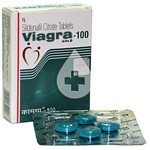
For many men, a PDE5 inhibitor is the turning point. Viagra Gold (Sildenafil Citrate Gold) supports erections by improving nitric-oxide–mediated blood flow during sexual stimulation.
Helpful mindset: you are building reliability — not chasing “perfect” performance. Consistency usually improves when lifestyle variables are stabilized.
🔬 How the Medication Works (and Why Technique Matters)
ED medication enhances natural arousal pathways. It does not create desire and does not work without stimulation. Think of it as improving the body’s “response capacity,” not replacing the normal process.
- ⏱️ Timing matters
- 🍽️ Heavy meals delay effect
- 🍷 Alcohol reduces response
- 🧠 Relaxation improves outcome
Viagra Gold (Sildenafil Citrate Gold) is most effective when taken under predictable conditions rather than as a last-minute “test.”
Dr. Irwin Goldstein, sexual medicine researcher, emphasizes that education about timing and expectations dramatically improves success rates.
Practical meaning: when people stop “grading” themselves and follow a stable routine, outcomes become more predictable.
😄 Myth vs Reality (Quick Reset)
-
Myth: “If I need help, something is permanently broken.”
Reality: ED is often reversible, especially when drivers are identified early. -
Myth: “It should work instantly every time.”
Reality: timing, stimulation, stress, sleep, meals, and alcohol can change results a lot. -
Myth: “I should push through anxiety.”
Reality: lowering pressure often improves physiology — calmness supports blood flow.
Friendly takeaway: Treat this like troubleshooting a system — not judging yourself. Small adjustments can create big changes. ✅
⛔ The STOP Checklist (Pause and Reassess)
🚑 Cardiac red flags
- Chest pain
- Recent heart attack
- Nitrate medication use
Note: cardiovascular safety always comes first.
⚠️ Blood pressure issues
- Severe dizziness
- Uncontrolled hypertension
Tip: dehydration and alcohol can worsen dizziness and tolerance.
⛔ Emergency symptoms
- Erection > 4 hours
- Severe chest pain
- Sudden vision loss
Action: seek urgent medical care.
🎯 Final Practical Takeaway
When used correctly and safely, Viagra Gold (Sildenafil Citrate Gold) can restore reliable erectile function — especially when combined with lifestyle optimization and proper medical screening.
Bottom line: ED treatment works best when it is calm, informed, and part of a bigger health strategy — not rushed or emotional. If results are inconsistent, adjust one variable at a time and track what changes.
Drug Description Sources: U.S. National Library of Medicine, Drugs.com, WebMD, Mayo Clinic, RxList.
Reviewed and Referenced By:
Dr. Mohit Khera – Urologist, Sexual Medicine Specialist, Baylor College of Medicine. Dr. Khera specializes in male sexual dysfunction, erectile disorders, and hormone-related conditions. He is widely published in peer-reviewed journals and actively involved in clinical research focused on erectile dysfunction and cardiovascular risk correlation.
Dr. Michael P. O’Leary – Urologist, Associate Professor of Surgery, Harvard Medical School. Dr. O’Leary has extensive clinical and academic experience in urology, with a focus on erectile dysfunction, benign prostatic conditions, and men’s health. He has contributed to multiple clinical guidelines and educational programs in sexual medicine.
Dr. Irwin Goldstein – Sexual Medicine Specialist, Director of Sexual Medicine, San Diego Sexual Medicine. Dr. Goldstein is a pioneer in the field of sexual medicine and erectile dysfunction research. He has authored numerous scientific publications and has played a key role in advancing pharmacological therapies for erectile disorders.
(Updated at Jan 18 / 2026)
Viagra Gold Sildenafil Citrate Gold articles: