High Cholesterol: When a Silent Number Starts Shaping Your Heart Future


🧬 Quick definition: what “high cholesterol” means in real life
High cholesterol is a long-term lipid transport imbalance that increases the probability of plaque forming inside arteries. It often has zero symptoms—so the body can feel “normal” while blood vessels are quietly exposed to higher LDL levels year after year.
💡 Clinical perspective: This is not about short-term discomfort. It is about cumulative vessel exposure. The longer LDL stays elevated, the more opportunity there is for cholesterol to enter artery walls and build plaque.
✅ Most important “fit signal” for action: LDL remains elevated across repeat tests (not a one-time spike), especially if you also have diabetes, high blood pressure, smoking history, kidney disease, or a strong family history of early heart attack/stroke.
🚚 The lipid “cast”: LDL vs HDL vs triglycerides (and why they don’t behave the same)
Cholesterol travels in the blood inside lipoprotein “packages.” Each package type plays a different role, so doctors read your panel as a pattern, not a single number.
- LDL cholesterol 🚧 – delivers cholesterol into tissues; excess LDL can penetrate artery walls and feed plaque growth.
- HDL cholesterol 🚛 – helps move surplus cholesterol back to the liver; supportive, but it does not “erase” high LDL.
- Triglycerides 🔥 – often reflect metabolic load and insulin resistance; when elevated, they can amplify overall cardiovascular risk.
🧠 Practical takeaway: LDL is the primary plaque driver. Triglycerides often signal a broader metabolic pattern. HDL is helpful—but high HDL is not a free pass if LDL is persistently high.
⚠️ The “silent damage” explanation: how cholesterol becomes plaque
Plaque formation is a slow, inflammation-driven process. Excess LDL can enter the artery wall, become modified (often described as “oxidized”), and trigger immune activity. Over time, the vessel builds a cap over the plaque—like patching a weak spot in a pipe.
The biggest danger is not only gradual narrowing. The scary event happens when a plaque becomes unstable and ruptures, triggering a clot. That can cause a sudden heart attack or ischemic stroke even if you felt fine the day before.
🚨 Context that raises urgency: strong family history of early cardiovascular events, diabetes, smoking, chronic kidney disease, or any prior heart/stroke event—these raise the value of earlier, more structured cholesterol control.
🧩 Why cholesterol goes high (the 3 “engines” behind your numbers)
High cholesterol is often misunderstood as “I ate something bad.” In reality, cholesterol levels are influenced by internal production, clearance speed, and metabolic patterns. That’s why two people can eat similarly and still have very different LDL results.
Engine 1: Liver production 🏭 — the liver makes cholesterol daily; genetics can push production higher.
Engine 2: LDL clearance 🚪 — LDL receptors pull LDL from blood; reduced receptor activity keeps LDL high.
Engine 3: Metabolic pattern 🍞 — insulin resistance, visceral fat, and fatty liver tendencies can raise triglycerides and worsen the profile.
✅ Important nuance: Lifestyle improvements matter for everyone, but when genetics and clearance issues are strong, lifestyle may improve the profile without fully normalizing LDL.
📊 Lipid panel table: the “simple orientation” most readers need
A lipid panel gives a structured snapshot of risk signals. Targets vary by risk tier, but the interpretation logic stays consistent.
| Marker | Typical Target (general) | What it tells you |
|---|---|---|
| Total Cholesterol | < 200 mg/dL | Overall lipid burden (less specific than LDL) |
| LDL Cholesterol | < 100 mg/dL | Main plaque-building driver (key prevention target) |
| HDL Cholesterol | > 40 mg/dL | Supports reverse transport (context matters) |
| Triglycerides | < 150 mg/dL | Metabolic load / insulin resistance signal |
🎯 Risk-tier reminder: If you have diabetes, known heart disease, or multiple risk factors, clinicians often set lower LDL targets because the same LDL level carries higher event risk in those groups.
🧠 A simple “risk tier” view (who usually needs a stronger plan)
Many readers ask, “Do I really need medication?” Clinicians usually decide intensity based on risk tiers. Think of tiers as a way to match prevention effort to long-term benefit.
Lower concern 🟢
Mild LDL elevation, no major risk factors, no strong family history. Best move: lifestyle + repeat testing.
Moderate concern 🟡
Persistently elevated LDL plus one or more risk factors (BP, smoking history, metabolic syndrome). Best move: structured plan + clinician-guided targets.
Higher concern 🔴
Known cardiovascular disease, diabetes with multiple risks, very high LDL, or strong family history of early events. Best move: clinician-guided therapy + monitoring.
✅ Practical takeaway: If you’re in moderate-to-higher concern tiers, prevention is less about “trying harder” and more about using the right tools consistently.
💊 Where statins fit (and what success looks like)
Statins are used when LDL remains elevated despite meaningful lifestyle work, or when risk is high enough that the expected benefit of LDL reduction is substantial.
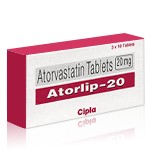
Lipitor (Atorvastatin) reduces cholesterol production in the liver and lowers circulating LDL. Clinically, this can slow plaque progression and reduce the probability of major events over time.
✅ What “working” usually means (simple, measurable):
- LDL decreases on repeat testing (trend matters)
- Overall risk profile improves (BP, weight, triglycerides, glucose control)
- Plan becomes stable and predictable (less “start/stop” chaos)
🧯 The “real-life problem” section: what often sabotages cholesterol progress
Cholesterol improvement often fails not because people “don’t care,” but because the plan is built on extremes. The most stable outcomes come from small, repeatable systems.
| Common trigger | What it looks like | Why it matters | Cleaner alternative |
|---|---|---|---|
| Diet “stacking” | High saturated fat + low fiber week after week | Raises LDL exposure and plaque fuel | Add daily fiber anchors (legumes, oats, vegetables) |
| Metabolic drift | Gradual weight gain, rising triglycerides | Signals insulin resistance pattern | Consistent walking + reduced ultra-processed intake |
| All-or-nothing routines | Strict plan for 10 days, then quit | Trends require time and consistency | Smaller plan you can keep for months |
| Skipping follow-up testing | No repeat lipid panel for long periods | No feedback loop = no adjustment | Schedule re-checks based on clinician guidance |
🧠 Takeaway: Many “cholesterol problems” are actually consistency problems. Build a plan that survives busy weeks.
✅ Before you start: a checklist that makes clinic visits 2× faster
If you want a more precise plan, bring structured information. It helps a clinician estimate risk tier, choose a target, and recommend the simplest next step.
Bring this info ✅
- Last 2 lipid panels (dates + values)
- Family history of early heart disease/stroke
- Blood pressure readings (if available)
- Medication + supplement list
- Any diabetes/prediabetes markers (A1C if you have it)
Ask these “high-value” questions 🧠
- What is my risk tier and LDL target?
- Do I need additional labs (A1C, thyroid, kidney)?
- When should we re-check lipids after changes?
- What changes give the highest return for me?
🛡️ Safety note: Medication choice and dosing should be individualized by a licensed clinician—use this snapshot to prepare questions, not to self-prescribe.
🧪 Monitoring: how to keep the plan safe and predictable
Monitoring is simple: you’re looking for trends, not perfection. A structured feedback loop keeps the plan stable and reduces anxiety.
- Baseline: record your lipid values and key risk factors
- Routine: implement changes consistently (weeks to months)
- Re-check: repeat lipids on a clinician-recommended timeline
- Adjust: tweak the plan based on trends and tolerability
If medication is part of your plan, consistent use and clinician-guided monitoring are what make results reliable—this is especially true for long-term prevention strategies involving Lipitor (Atorvastatin).
🛡️ Long-term prevention: the goal is fewer “future emergencies”
Cholesterol management is not a moral scorecard. It is a prevention strategy designed to reduce the probability of future events. The strongest plans combine:
- Lifestyle anchors (fiber, movement, routine)
- Metabolic control (weight trend, triglycerides, glucose)
- Risk-targeted therapy when indicated
✅ Reader reminder: Diagnosis and medication decisions should be individualized by a licensed clinician. Use structured information to ask better questions and build a plan you can maintain.
Drug Description Sources: U.S. National Library of Medicine, Drugs.com, WebMD, Mayo Clinic, RxList.
Reviewed and Referenced By:
- Erin D. Michos, MD, MHS — Professor of Medicine (Cardiology) at Johns Hopkins; Director of Women’s Cardiovascular Health and Associate Director of Preventive Cardiology within the Johns Hopkins Ciccarone Center for the Prevention of Cardiovascular Disease.
- Steven E. Nissen, MD — Cardiologist at Cleveland Clinic; research focus includes coronary atherosclerosis assessment using intravascular ultrasound (IVUS) and cardiovascular drug safety.
- Martha Gulati, MD, MS — Director of Preventive Cardiology at Cedars-Sinai Smidt Heart Institute; Associate Director of the Barbra Streisand Women’s Heart Center with a focus on cardiovascular prevention.
(Updated at Jan 16 / 2026)
Lipitor Atorvastatin articles: