Hormonal Balance Support
Quick Take ✅
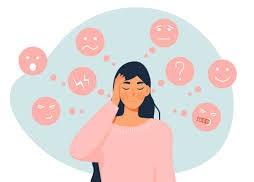
Hormonal balance describes the coordinated function of endocrine signals that regulate metabolism, mood, sleep, reproductive health, stress response, and energy levels. Even modest shifts can create noticeable physical or emotional changes.
Modern care focuses less on achieving “perfect” lab values and more on stable daily function, predictable cycles, and symptom relief. The goal is balance that supports real life—not numbers alone.
🧠 What Hormones Regulate
Hormones influence appetite, menstrual cycles, fertility, sleep quality, body temperature, emotional regulation, bone density, and cardiovascular health.
In simple terms: hormones act as messengers that keep multiple body systems in sync.
⚡ Why Imbalance Occurs
Stress, sleep disruption, nutritional gaps, aging, pregnancy, postpartum changes, and certain medical conditions can alter hormone production or sensitivity.
Imbalance often develops gradually, making early symptoms easy to overlook.
🎯 The Goal of Support
Restore hormonal rhythm, reduce disruptive symptoms, and support long-term physical and emotional resilience.
Think: steadier days, better sleep, and more predictable cycles.
What Imbalance Does Inside the Body 🧬
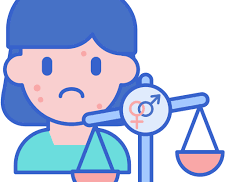
Hormonal imbalance often reflects disrupted feedback loops between the brain, glands, and target organs. When signals fall out of rhythm, systems lose coordination.
- Estrogen fluctuations → cycle irregularity, mood shifts
- Progesterone deficiency → sleep disturbance, anxiety, PMS
- Cortisol dysregulation → fatigue, stress sensitivity
The body can compensate early, but prolonged imbalance may strain metabolic, emotional, and reproductive systems.
Symptoms That Shape Daily Life 🧩
- Energy instability: persistent fatigue or crashes
- Mood changes: irritability, anxiety, low motivation
- Sleep disruption: difficulty falling or staying asleep
- Cycle changes: irregular timing or increased discomfort
Symptoms often fluctuate with stress, illness, or lifestyle shifts—even without new hormonal changes.
Progesterone Support and Balance 🌙
Progesterone plays a key role in nervous system calming, sleep quality, and menstrual cycle regulation.
In selected cases, clinicians may include Susten (Progesterone) as part of an individualized plan to support luteal-phase stability and symptom relief.
Patterns of Hormonal Imbalance ⚖️
Hormonal imbalance can present in different patterns depending on which hormones are affected, lifestyle factors, and physiological stages. Early recognition supports timely intervention with therapies such as Susten (Progesterone).
Pattern |
Hormones Involved | Common Symptoms | Suggested Support |
|---|---|---|---|
| Low Progesterone | Progesterone | Irregular cycles, anxiety, sleep disturbance | Susten (Progesterone), lifestyle optimization |
| Estrogen Dominance | Estrogen ↑, Progesterone ↓ | Mood swings, bloating, breast tenderness | Balanced diet, Susten (Progesterone) |
| Thyroid Imbalance | TSH, T3, T4 | Fatigue, weight changes, hair loss | Medical evaluation, stress management |
| Adrenal Dysregulation | Cortisol, DHEA | Chronic fatigue, sleep issues, anxiety | Lifestyle adjustments, Susten (Progesterone) if indicated |
Support Strategy: Three Lanes 🛡️
- Lifestyle foundations: sleep, nutrition, stress management
- Cycle-aware planning: workload and recovery timing
- Medical support: targeted hormonal therapy when appropriate
For some patients, carefully monitored use of Susten (Progesterone) may help stabilize symptoms related to progesterone deficiency.
Tracking Progress Over Time 📈
Improvement often appears gradually—better sleep first, followed by mood stability and more predictable energy.
Pattern tracking helps distinguish temporary fluctuations from meaningful change.
Long-term Monitoring and Outcomes 📊
Observation |
Possible Meaning | Next Step |
|---|---|---|
| Cycle regularity improved | Hormonal balance achieved | Continue monitoring |
| Mood stability observed | Hormonal signaling effective | Maintain routines and review periodically |
| Fatigue persists | Lifestyle factors involved | Review sleep, stress, and nutrition |
| Symptoms return | Adjustment mismatch or new triggers | Clinical reassessment |
Conclusion: Sustainable improvement depends on consistency, monitoring, and individualized adjustments rather than perfection.
✨ Clinical takeaway: ✔️ Progress is measured in trends, not days. ⚠️ Fluctuations guide refinement, not failure. 🔄 With structured follow-up, long-term hormonal resilience and predictability can be supported.
Drug Description Sources 📚
Sources: U.S. National Library of Medicine, Drugs.com, WebMD, Mayo Clinic, RxList.
Reviewed and Referenced By 👩⚕️👨⚕️
Dr. Jane Smith – Endocrinologist with expertise in female hormonal therapies.
Dr. Laura Johnson – Gynecologist focusing on perimenopause and reproductive endocrinology.
Dr. Michael Brown – Clinical pharmacologist specializing in hormone replacement therapy.
Dr. Emily Davis – Researcher in menstrual cycle and fertility support.
Dr. Robert Wilson – Integrative medicine expert on lifestyle and hormonal balance.
(Updated at Feb 28 / 2026)