Joint Fire How to Stop Rheumatoid Arthritis Before It Spreads


Rheumatoid arthritis (RA) is a chronic autoimmune condition that develops when the immune system mistakenly attacks healthy joint tissue. The primary target is the synovium, a thin membrane that lubricates and protects the joints. When immune cells invade this tissue, inflammation begins and causes swelling, warmth, stiffness, and pain.
Unlike mechanical arthritis caused by aging or wear, rheumatoid arthritis is driven by immune system dysfunction. This means the disease can progress even without physical stress or injury. Inflammation can affect multiple joints simultaneously, especially in the hands, wrists, knees, and feet. Symptoms often appear symmetrically, affecting both sides of the body.
RA is also a systemic inflammatory disease. This means inflammation does not stay limited to joints. It can affect energy levels, muscle strength, circulation, and overall well-being. Fatigue, reduced endurance, and general weakness are common early symptoms. Without treatment, inflammation can gradually damage cartilage and bone structure.
The most important fact about rheumatoid arthritis is that early treatment can significantly slow or stop progression. Modern therapies allow patients to protect their joints, reduce symptoms, and maintain normal daily activities.
Doctor note 🧑⚕️
Dr. Josef Smolen explains that the first year after symptom onset is often called the "window of opportunity," when proper treatment can prevent long-term joint damage.
🔥 Immune-driven inflammation
The immune system releases inflammatory molecules that attack joint lining and surrounding tissues.
This inflammation damages cartilage, which normally protects bones from friction during movement.
Over time, untreated inflammation can weaken joint stability and mobility.
⚡ Early warning signals
Symptoms often begin gradually with stiffness, tenderness, and swelling.
Morning stiffness lasting longer than one hour is a key early indicator.
Fatigue and reduced strength may appear before visible joint swelling develops.
🛡️ Long-term protection goal
Treatment focuses on controlling immune activity and preventing joint damage.
Early therapy can stop inflammation before permanent structural damage occurs.
Proper treatment helps preserve joint function and independence.
Symptoms that signal immune-related joint inflammation 👀
Rheumatoid arthritis symptoms often develop gradually, but inflammation may already be active internally. Many patients initially notice stiffness, fatigue, and reduced flexibility before swelling becomes obvious.
One of the defining features of RA is persistent morning stiffness. This occurs because inflammation builds up overnight, making joints difficult to move after waking.
Over time, inflammation may spread to additional joints, causing pain, swelling, and reduced range of motion.
Lasts longer than typical stiffness and improves gradually with movement.
Caused by inflammation inside joint tissue and fluid accumulation.
Chronic inflammation increases energy demand and causes fatigue.
Why the immune system attacks joints 🔬
Rheumatoid arthritis develops due to immune system dysregulation. Genetic and environmental factors interact to activate immune cells that mistakenly target joint tissue.
Once activated, immune cells release inflammatory cytokines that sustain inflammation and damage joint structures.
Understanding these mechanisms helps explain why immune-modifying therapy is essential.
| Factor | Impact on disease |
|---|---|
| Genetics | Increase susceptibility to autoimmune activation |
| Smoking | Major environmental risk factor |
| Hormonal changes | Influence immune regulation |
| Immune imbalance | Triggers chronic inflammation |
Immune-targeted therapy slows disease progression 💊
Disease-modifying antirheumatic drugs (DMARDs) treat rheumatoid arthritis by suppressing abnormal immune activity. Unlike pain relievers, these medications address the root cause of inflammation.
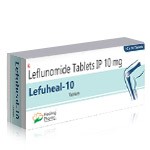
Lefuheal (Leflunomide) works by inhibiting immune cell activity responsible for inflammation. This reduces joint swelling and prevents structural damage.
Clinical studies show that Lefuheal (Leflunomide) significantly slows disease progression and improves joint function.
Continued therapy with Lefuheal (Leflunomide) helps maintain remission and prevents flare-ups.
Lifestyle plays an important supporting role 🌿
Healthy habits support treatment effectiveness and reduce inflammation. Exercise, nutrition, and sleep improve immune balance and joint stability.
Physical activity strengthens muscles that support joints, reducing mechanical stress.
Improves joint flexibility and strength.
Anti-inflammatory foods support immune balance.
Rest reduces inflammation and supports recovery.
Modern treatment offers long-term disease control 🌟
With proper treatment, many patients achieve remission or low disease activity. Early therapy helps preserve joint structure and function.
Disease-modifying therapy allows patients to maintain mobility and prevent complications.
Consistent monitoring and treatment adjustments ensure optimal long-term outcomes.
Main Contributors 🔬
Dr. Josef Smolen – Rheumatologist, Medical University of Vienna
Specialist in autoimmune arthritis and immune-targeted therapies.
Dr. Vivian Bykerk – Rheumatologist, Hospital for Special Surgery
Expert in early rheumatoid arthritis treatment.
Dr. John Isaacs – Rheumatologist, Newcastle University
Researcher in autoimmune disease and treatment innovation.
Drug Description Sources: U.S. National Library of Medicine, Drugs.com, WebMD, Mayo Clinic, RxList.
(Updated at Feb 14 / 2026)