Buy Lefuheal (Generic Leflunomide) Online — Affordable Indian DMARD Pyrimidine Synthesis Inhibitor for Rheumatoid Arthritis (Arava Equivalent)

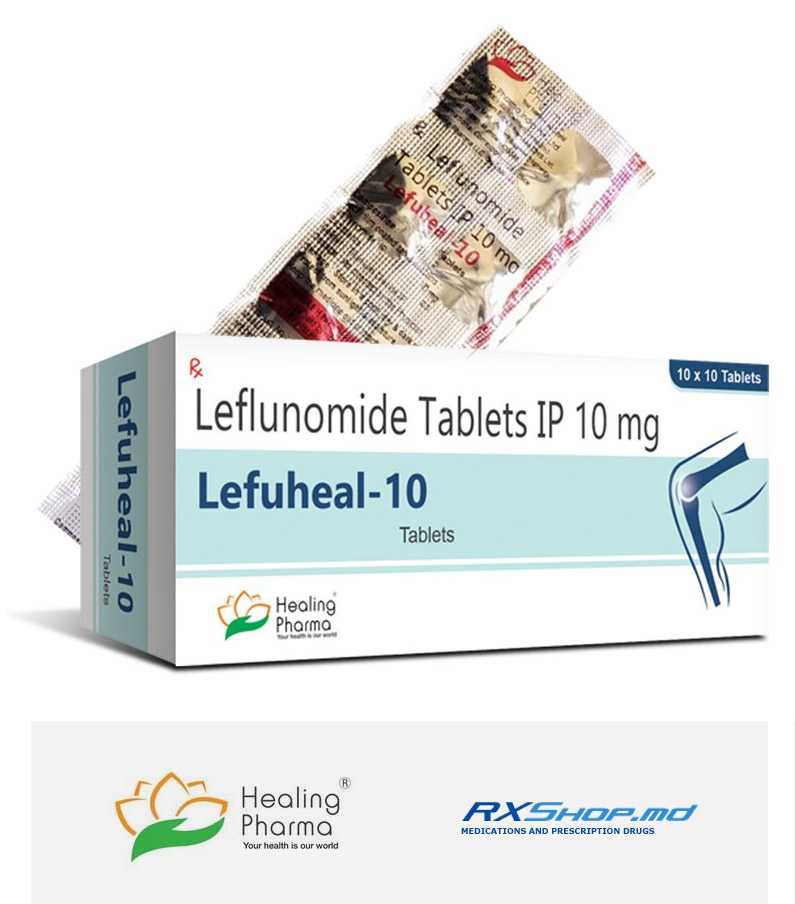
Lefuheal is an affordable Indian generic of Leflunomide — a foundational disease-modifying antirheumatic drug (DMARD) for rheumatoid arthritis. Manufactured to international quality standards, Lefuheal provides the same therapeutic activity as the original branded Arava (Sanofi-Aventis) at significantly lower cost. Leflunomide is one of the most widely prescribed oral DMARDs globally and a cornerstone of modern rheumatoid arthritis management — offering an effective alternative to methotrexate with a distinct mechanism of action. Listed on the WHO Model List of Essential Medicines, Lefuheal expands global access to Leflunomide therapy in resource-conscious settings.
The active ingredient is Leflunomide, a pyrimidine synthesis inhibitor prodrug. After oral administration, Leflunomide is rapidly metabolized to its active metabolite teriflunomide (A77 1726), which inhibits dihydroorotate dehydrogenase (DHODH) — the rate-limiting enzyme in de novo pyrimidine synthesis. Activated lymphocytes (T-cells and B-cells) require de novo pyrimidine synthesis for proliferation and cannot survive on the salvage pathway alone — making Leflunomide selectively immunosuppressive for activated lymphocytes. Teriflunomide has a remarkably long half-life (~2 weeks) with active metabolite persisting in tissues for months.
Lefuheal is FDA-approved (as Arava) for active rheumatoid arthritis (RA) in adults — both reducing signs and symptoms and slowing structural joint damage progression. Off-label uses include psoriatic arthritis (EU-approved), juvenile idiopathic arthritis, lupus arthritis, Felty's syndrome, and BK virus nephropathy in transplant patients. Teriflunomide, the active metabolite, is marketed separately as Aubagio for multiple sclerosis.
The medication is available as Lefuheal 10 mg, 20 mg, and 100 mg tablets. Standard adult dosing: loading dose 100 mg once daily for 3 days, then maintenance 20 mg once daily (10 mg if not tolerated). Some clinicians skip loading dose to reduce GI side effects. Long elimination half-life supports once-daily dosing.
Critical safety considerations include THREE FDA boxed warnings: severe hepatotoxicity (requires baseline and ongoing LFT monitoring), immunosuppression with serious infection risk (TB, opportunistic infections), and embryo-fetal toxicity (Pregnancy Category X — major birth defects; women of childbearing potential require effective contraception, and drug elimination procedure with cholestyramine is required for pregnancy planning). Additional concerns: hypertension, diarrhea, alopecia, peripheral neuropathy, Stevens-Johnson syndrome (rare), interstitial lung disease (rare), bone marrow suppression (rare). Live vaccines contraindicated.
Free prescription
Discrete packaging
Have questions?
Quality Assurance

- Active RA Symptom Reduction: For reducing signs and symptoms of active rheumatoid arthritis;
- RA Structural Damage Prevention: For slowing structural joint damage progression in RA;
- RA Methotrexate Failure: For RA patients with inadequate response or intolerance to methotrexate;
- RA Combination Therapy: For combination with methotrexate or other DMARDs in moderate-severe RA;
- RA Early Aggressive: For early aggressive RA where disease activity is high;
- Psoriatic Arthritis (PsA): Off-label (EU-approved) for psoriatic arthritis;
- PsA Peripheral Joint Disease: For psoriatic arthritis with peripheral joint involvement;
- Juvenile Idiopathic Arthritis (JIA): Off-label for juvenile idiopathic arthritis (polyarticular);
- Lupus Arthritis: Off-label for systemic lupus erythematosus with prominent arthritis;
- Felty Syndrome: Off-label for Felty's syndrome (RA + splenomegaly + neutropenia);
- BK Virus Nephropathy: Off-label for BK virus nephropathy in kidney transplant patients — signature off-label use;
- CMV Immunocompromised: Off-label for CMV infection in immunocompromised patients;
- Polyomavirus Infections: Off-label for polyomavirus infections in immunocompromised hosts;
- Granulomatous Disease: Off-label adjunct for granulomatous diseases (sarcoidosis, Wegener's);
- Sarcoidosis Refractory: Off-label for refractory sarcoidosis (alternative to methotrexate);
- Wegener Granulomatosis Adjunct: Off-label adjunct in granulomatosis with polyangiitis (Wegener's);
- Atopic Dermatitis Refractory: Off-label for refractory atopic dermatitis;
- Long Term RA Maintenance: Suitable for long-term RA maintenance therapy with proper LFT monitoring.
- Less Morning Stiffness: Reduction in characteristic RA morning joint stiffness;
- Less Joint Swelling: Reduction in active joint swelling and inflammation;
- Less Tender Joints: Reduction in tender joint count on physical examination;
- Less Synovitis: Reduction in synovial inflammation in affected joints;
- Better Joint Function: Improvement in joint function and range of motion;
- Better Daily Activities: Improvement in activities of daily living (dressing, eating, hygiene);
- Less Disease Progression: Slowing of structural joint damage progression on imaging;
- Less Erosive Disease: Reduction in joint erosion progression on X-ray;
- Better DAS28 Scores: Improvement in DAS28 (Disease Activity Score) clinical assessments;
- Less ACR20/50/70 Response: Achievement of ACR20, ACR50, and ACR70 response criteria;
- Better HAQ-DI Scores: Improvement in Health Assessment Questionnaire Disability Index;
- Less Fatigue: Reduction in RA-related fatigue and constitutional symptoms;
- Better Quality of Life: Substantial improvement in quality of life with effective RA therapy;
- Less Psoriatic Arthritis Symptoms: Off-label reduction in psoriatic arthritis joint symptoms;
- Better Enthesitis Control: Off-label benefit for enthesitis in psoriatic arthritis;
- Less JIA Symptoms: Off-label reduction in juvenile idiopathic arthritis symptoms;
- Less Lupus Arthritis: Off-label benefit in lupus-associated arthritis;
- Less BK Virus Replication: Off-label reduction in BK virus replication in transplant patients;
- Better Transplant Outcomes: Off-label support for BK virus nephropathy in kidney transplant recipients;
- Less Refractory Sarcoidosis: Off-label benefit in refractory sarcoidosis;
- Better Long-Term RA Maintenance: Effective long-term RA maintenance with proper monitoring;
- Brand Lefuheal: Affordable Indian generic Leflunomide with international quality manufacturing standards;
- Generic Leflunomide: Affordable generic Leflunomide expanding global access to foundational DMARD therapy;
- Arava Equivalent: Same Leflunomide molecule as original Sanofi-Aventis brand Arava with bioequivalent therapeutic profile;
- DMARD Disease Modifying Antirheumatic: Foundational DMARD class member for RA — alters disease course;
- Pyrimidine Synthesis Inhibitor: Unique mechanism (DHODH inhibition) distinct from methotrexate or biologic DMARDs;
- Teriflunomide Active Metabolite: Active teriflunomide metabolite provides therapeutic effect — long half-life;
- DHODH Inhibition: Dihydroorotate dehydrogenase inhibition blocks de novo pyrimidine synthesis;
- Selective Lymphocyte Immunosuppression: Selective immunosuppression for activated lymphocytes — not broadly cytotoxic;
- Long 2 Week Half Life: Remarkably long ~2 week half-life supports stable serum levels and once-daily dosing;
- Once Daily DMARD Convenience: Once-daily dosing supports excellent adherence in chronic RA therapy;
- Methotrexate Alternative: Effective oral DMARD alternative to methotrexate with distinct mechanism;
- RA First Line DMARD: First-line DMARD option for active rheumatoid arthritis per ACR/EULAR guidelines;
- Aubagio MS Equivalent: Active metabolite teriflunomide marketed separately as Aubagio for multiple sclerosis;
- Indian Quality Manufacturing: Indian manufacturing meeting international quality and bioequivalence standards;
- Affordable DMARD Therapy: Cost-effective DMARD globally — supports access in resource-limited settings;
- WHO Essential Medicine: Listed on the WHO Model List of Essential Medicines for RA care.
Generic Lefuheal (Leflunomide 10 mg) Medication guide:
💊 What Is Lefuheal Healing Pharma Leflunomide DMARD
Lefuheal is a branded generic version of leflunomide - a conventional synthetic disease-modifying antirheumatic drug (DMARD) manufactured by Healing Pharma. Leflunomide has been used since the late 1990s for rheumatoid arthritis and expanded indications, providing an important alternative or complement to methotrexate in DMARD therapy.
Leflunomide works through selective inhibition of dihydroorotate dehydrogenase (DHODH) - blocking pyrimidine synthesis and thereby modulating activated T-lymphocyte proliferation. This mechanism provides meaningful disease-modifying effects distinct from methotrexate, making leflunomide a valuable option in comprehensive rheumatoid arthritis management.
💊 Lefuheal at a glance
| Attribute | Detail |
|---|---|
| Generic name | Leflunomide |
| Drug class | Conventional synthetic DMARD (csDMARD); isoxazole derivative |
| Innovator | Sanofi-Aventis (originally Hoechst Marion Roussel) - branded as Arava |
| Generic sponsor | Healing Pharma - Indian pharmaceutical manufacturer |
| Regulatory history | FDA approved September 1998; EMA approved 1999 |
| Formulations | 10 mg, 20 mg, 100 mg film-coated tablets |
| Standard dosing | Loading dose 100 mg daily x 3 days, then maintenance 10-20 mg daily |
| Primary indications | Rheumatoid arthritis (adult), psoriatic arthritis; juvenile idiopathic arthritis in some jurisdictions |
| Distinctive PK | Very long effective half-life (~2 weeks) via active metabolite A77 1726 |
🎯 What makes leflunomide distinctive
✅ Clinical strengths
Distinct mechanism from methotrexate (DHODH inhibition). Established alternative when methotrexate not tolerated or insufficient. Once-daily convenience with steady-state effect. Compatible with biologics and targeted synthetic DMARDs. Over 25 years of clinical use. Meaningful response in psoriatic arthritis peripheral disease.
⚠️ Safety considerations
Boxed warning for hepatotoxicity - LFT monitoring required. Boxed warning for pregnancy - mandatory contraception. Very long half-life requires cholestyramine washout for elimination. Bone marrow suppression risk. Interstitial lung disease reported. Blood pressure elevation possible.
📌 Where Lefuheal fits in practice
- Rheumatoid arthritis: Conventional synthetic DMARD - alternative or complement to methotrexate
- Psoriatic arthritis: Effective for peripheral joint manifestations
- Methotrexate-intolerant patients: Important alternative csDMARD option
- Combination therapy: With methotrexate, sulfasalazine, or hydroxychloroquine in specific scenarios
- Bridge to biologics: While assessing response to csDMARD-only therapy
- Alongside biologics: Compatible with anti-TNF, IL-6 inhibitors, JAK inhibitors
Takeaway: Lefuheal is Healing Pharma generic leflunomide - a conventional synthetic DMARD with over 25 years of clinical use for rheumatoid arthritis and expanded indications. Its distinctive DHODH inhibition mechanism provides alternative to methotrexate. Boxed warnings for hepatotoxicity and pregnancy define safety monitoring requirements. Well-established position in comprehensive RA management.
📆 History Sanofi Arava to Generic Era
The leflunomide story reflects the evolution of conventional synthetic DMARD therapy - developed as a novel approach to lymphocyte modulation, established through pivotal trials in the late 1990s, and later expanded to global generic availability including the Healing Pharma Lefuheal formulation.
📆 Leflunomide development milestones
| Year | Milestone | Significance |
|---|---|---|
| 1980s | Hoechst Marion Roussel begins development | Novel isoxazole immunomodulator identified |
| Early 1990s | Preclinical development advances | DHODH mechanism characterized |
| 1996-1998 | Pivotal Phase III trials | MN301, US301 trials establish RA efficacy |
| September 1998 | FDA approves Arava for RA | First novel DMARD approval in ~10 years |
| 1999 | EMA European approval | Widespread European launch |
| 1999-2004 | Post-marketing hepatotoxicity signals | Boxed warning added; monitoring intensified |
| 2004 | TOPAS trial published (Kaltwasser) | Psoriatic arthritis efficacy established |
| 2005 | Silverman JIA trial (NEJM) | Juvenile idiopathic arthritis evidence |
| 2010 | Sanofi patent expires (US) | Generic era begins |
| 2010-present | Global generic launches | Healing Pharma, Cipla, Zydus and other manufacturers |
🔬 The mechanism discovery
Leflunomide represented a novel approach at the time of its development. Prior csDMARDs (methotrexate, sulfasalazine, hydroxychloroquine, gold salts) had various mechanisms but leflunomide targeting of dihydroorotate dehydrogenase (DHODH) was distinctive. This enzyme is essential for de novo pyrimidine synthesis - activated lymphocytes particularly depend on this pathway for proliferation. Blocking DHODH preferentially affects lymphocyte-driven inflammation while sparing most other cell types.
👤 Pivotal trials establishing evidence
- MN301 (Smolen et al. Lancet 1999): European trial vs sulfasalazine and placebo; established ACR20/50/70 responses in RA
- US301 (Strand et al. Arch Intern Med 1999): US trial vs methotrexate and placebo; established comparable efficacy to methotrexate
- MN302 (Smolen et al.): Long-term extension confirming sustained efficacy
- TOPAS (Kaltwasser et al. 2004): Psoriatic arthritis efficacy established
- Silverman et al. NEJM 2005: Polyarticular JIA study vs methotrexate
❤️ Post-marketing safety evolution
⚠️ Boxed warnings shaped clinical use
Post-marketing surveillance in the early 2000s identified two areas of significant concern:
- Hepatotoxicity - serious liver injury reports led to boxed warning and required liver function monitoring protocols
- Pregnancy risks - teratogenicity established; boxed warning for pregnancy avoidance and cholestyramine washout procedure
These warnings shaped safe prescribing practices - LFT monitoring throughout therapy and mandatory contraception for women of childbearing potential remain standard practice.
🌍 Generic era and global access
Sanofi patent expiration in 2010 enabled generic manufacturers to produce leflunomide globally. Indian manufacturers including Healing Pharma, Cipla, Zydus, Sun Pharma, and others produce generic versions. This substantially expanded global access to leflunomide therapy.
Healing Pharma specifically is an Indian pharmaceutical company producing generic formulations across multiple therapeutic areas. The Lefuheal formulation includes 10 mg, 20 mg, and 100 mg tablets - notably including the 100 mg loading dose formulation which is essential for standard leflunomide initiation.
🌍 Modern positioning
Today leflunomide holds a stable place in rheumatology practice:
- Included in ACR and EULAR RA treatment guidelines as conventional synthetic DMARD alternative
- Well-established position in GRAPPA psoriatic arthritis recommendations
- Second-line csDMARD when methotrexate not tolerated or provides insufficient response
- Alternative first-line csDMARD in specific patient scenarios
- Compatible with biologic and targeted synthetic DMARD combinations
- Generic availability supports affordable global access
Takeaway: Leflunomide represents 25+ years of clinical use as a distinctive conventional synthetic DMARD. Developed by Hoechst/Sanofi with pivotal 1998-1999 approvals, expanded through TOPAS and JIA studies, and now globally available in generic forms including Healing Pharma Lefuheal. Post-marketing hepatotoxicity and pregnancy warnings shaped modern safe prescribing practices.
🧪 Chemistry Isoxazole Pyrimidine Synthesis Inhibitor
Leflunomide is chemically an isoxazole derivative - a small-molecule prodrug that undergoes rapid conversion to its active metabolite teriflunomide (A77 1726). Understanding the chemistry explains the mechanism, long half-life, and washout procedures central to leflunomide use.
🧪 Chemical identity
| Property | Value |
|---|---|
| Chemical name (leflunomide) | N-(4-Trifluoromethylphenyl)-5-methylisoxazole-4-carboxamide |
| Molecular formula | C12H9F3N2O2 |
| Molecular weight | 270.21 g/mol |
| Chemical class | Isoxazole derivative |
| Physical form | White to almost white crystalline powder |
| Solubility | Poorly soluble in water; soluble in organic solvents |
| Active metabolite | Teriflunomide (A77 1726) - the primary active species |
🔬 The prodrug relationship
Leflunomide itself has minimal biological activity. It functions as a prodrug that undergoes rapid conversion to teriflunomide (A77 1726) after absorption. Teriflunomide is the pharmacologically active species responsible for DHODH inhibition and clinical effects.
This prodrug relationship has practical implications:
- Rapid conversion: Nearly complete conversion after oral absorption
- Teriflunomide long half-life: The active metabolite persists 15-18 days
- Enterohepatic recirculation: Contributes to prolonged elimination
- Cholestyramine washout: Binds teriflunomide and interrupts enterohepatic circulation
- Teriflunomide is itself marketed: As Aubagio for multiple sclerosis - same active molecule
👤 Structural features driving activity
- Isoxazole ring: Central pharmacophore for the prodrug
- Trifluoromethyl group: Enhances metabolic stability and receptor interactions
- Carboxamide linkage: Cleaved during prodrug activation
- Teriflunomide open-chain structure: The active DHODH inhibitor form
👤 Teriflunomide - the active metabolite
Understanding teriflunomide is essential:
| Feature | Detail |
|---|---|
| Chemical name | 2-Cyano-3-hydroxy-N-[4-(trifluoromethyl)phenyl]-2-butenamide |
| Also known as | A77 1726 or teriflunomide |
| Mechanism | Selective DHODH inhibition |
| Effective half-life | Approximately 15-18 days (~2 weeks) |
| Protein binding | Very high (over 99%) |
| Elimination | Biliary/fecal and renal, with enterohepatic recirculation |
| Separate approval | Marketed as Aubagio (Sanofi) for relapsing multiple sclerosis |
👤 Leflunomide vs teriflunomide - the marketing distinction
Interesting clinical pharmacology point: the active metabolite of leflunomide (teriflunomide) is itself marketed as a separate medication for multiple sclerosis.
- Leflunomide (Arava, Lefuheal, others): Prodrug marketed for RA, PsA, JIA
- Teriflunomide (Aubagio): Active metabolite directly marketed for relapsing multiple sclerosis
- Same active molecule in the body - once leflunomide converts, both products deliver teriflunomide
- Different indications reflect development history - not different pharmacology once metabolized
📦 Lefuheal formulations available
Healing Pharma Lefuheal is available in three tablet strengths supporting standard dosing:
- 10 mg tablets: Lower-dose maintenance therapy
- 20 mg tablets: Standard maintenance dose
- 100 mg tablets: Loading dose (typically 3-day loading regimen at initiation)
All Lefuheal formulations are film-coated tablets, bioequivalent to the innovator Arava product per standard pharmacokinetic studies. The three-strength availability enables complete standard leflunomide dosing regimens from loading through maintenance.
Takeaway: Leflunomide is a prodrug isoxazole that rapidly converts to teriflunomide (A77 1726) after absorption - the active DHODH inhibitor with very long effective half-life (~2 weeks) through enterohepatic recirculation. This is why cholestyramine washout is essential for emergency elimination. Interestingly, the same active molecule is separately marketed as Aubagio for multiple sclerosis.
🔬 Mechanism DHODH Inhibition T-Cell Modulation
Leflunomide works through selective inhibition of dihydroorotate dehydrogenase (DHODH) - the rate-limiting enzyme in de novo pyrimidine synthesis. This mechanism preferentially affects activated lymphocytes that heavily depend on de novo pyrimidine synthesis for proliferation, providing meaningful disease-modifying effects in rheumatoid arthritis and related conditions.
🔬 The pyrimidine synthesis pathway
Understanding the mechanism requires understanding pyrimidine metabolism:
- Pyrimidines are essential nucleotide building blocks for DNA and RNA synthesis
- Two pathways provide pyrimidines: the salvage pathway and the de novo synthesis pathway
- Most cells use salvage pathway to recycle existing pyrimidines - efficient and adequate for normal turnover
- Activated lymphocytes require de novo synthesis - the salvage pathway cannot meet the demand for rapid proliferation
- DHODH is the rate-limiting enzyme in the de novo synthesis pathway
🎯 The selectivity principle
✅ Most cells - minimally affected
Resting lymphocytes, most somatic cells, and non-proliferating cells rely primarily on the pyrimidine salvage pathway. DHODH inhibition has minimal impact on these cells because they can obtain adequate pyrimidines by recycling existing nucleotides.
🔥 Activated lymphocytes - substantially affected
Activated T and B lymphocytes multiply rapidly during inflammation. This proliferation exceeds what the salvage pathway can support. DHODH inhibition blocks de novo pyrimidine synthesis, substantially limiting activated lymphocyte proliferation and reducing inflammatory activity.
🔬 Mechanism cascade
- Oral absorption: Leflunomide absorbed with peak levels within 6-12 hours
- Prodrug conversion: Rapid conversion to teriflunomide (A77 1726) - the active species
- DHODH binding: Teriflunomide reversibly binds mitochondrial DHODH
- Pyrimidine synthesis blockade: Reduced de novo pyrimidine production
- Lymphocyte proliferation reduction: Activated T and B cells cannot maintain rapid proliferation
- Reduced inflammatory cytokines: Downstream effects on TNF, IL-6, other inflammatory mediators
- Disease modification: Reduced synovial inflammation, joint damage progression
👤 Beyond DHODH - additional mechanisms
Leflunomide has some secondary mechanisms that may contribute at higher concentrations:
- Tyrosine kinase inhibition: Weak effects on some tyrosine kinases
- Cyclooxygenase-2 (COX-2) modulation: Modest effects on prostaglandin production
- NF-kB pathway modulation: Reduced pro-inflammatory transcription
- Antibody production reduction: Modest reduction in immunoglobulin production
However, the primary clinically relevant mechanism is DHODH inhibition. The secondary mechanisms are considered contributory rather than central.
🎮 Comparison with methotrexate mechanism
Understanding how leflunomide differs from methotrexate helps explain why combinations or alternatives work:
| Aspect | Leflunomide | Methotrexate |
|---|---|---|
| Primary target | DHODH (pyrimidine synthesis) | DHFR (folate/purine synthesis) |
| Nucleotide affected | Pyrimidines | Purines and folate metabolism |
| Cell selectivity | Preferentially activated lymphocytes | Rapidly proliferating cells (broader) |
| Onset of clinical effect | 4-8 weeks (loading accelerates) | 4-8 weeks |
| Dosing frequency | Once daily oral | Once weekly oral or subcutaneous |
| Half-life | Very long (~2 weeks) | Short (hours) - accumulation in tissues |
🔬 Time to clinical effect
Leflunomide has a distinctive onset pattern:
- Loading dose (100 mg x 3 days): Rapidly achieves therapeutic teriflunomide levels
- Initial symptom improvement: Often within 4 weeks
- Meaningful clinical effect: Typically 4-8 weeks
- Full effect assessment: 3-6 months for definitive assessment
- Without loading: Effect would be substantially delayed (weeks longer)
- Steady state: Reached within a few weeks with loading
👤 Effect on disease progression
Beyond symptom control, leflunomide provides disease-modifying effects:
- Reduced radiographic progression: Established in pivotal trials
- Reduced joint destruction: Meaningful protection of joint structure over time
- Improved functional outcomes: HAQ-DI improvements
- Sustained response over years: Long-term extension studies confirm durability
Takeaway: Leflunomide works through selective DHODH inhibition, blocking de novo pyrimidine synthesis that activated lymphocytes require for proliferation. Prodrug converts to active teriflunomide with very long half-life. Mechanism distinct from methotrexate (which targets folate/purine metabolism) - which is why combinations have rational basis. Loading dose enables faster clinical effect.
📊 Pharmacokinetics Loading Dose Long Half-Life
Leflunomide pharmacokinetics are dominated by the very long effective half-life of its active metabolite teriflunomide - approximately 15-18 days. This defines dosing patterns, time to effect, and elimination challenges that shape clinical use.
📊 Pharmacokinetic profile
| Parameter | Value | Clinical implication |
|---|---|---|
| Oral bioavailability | Approximately 80% | Good absorption; reliable oral dosing |
| Prodrug conversion | Rapid; near-complete | Leflunomide essentially all converts to teriflunomide |
| Time to peak teriflunomide | 6-12 hours | Steady exposure over dosing interval |
| Food effect | Minimal | Can take with or without food |
| Protein binding | Over 99% (teriflunomide) | Highly bound; not dialyzable |
| Volume of distribution | Approximately 11 L | Relatively low - reflects extensive protein binding |
| Effective half-life | Approximately 15-18 days (~2 weeks) | Defines all elimination considerations |
| Elimination pathways | Biliary/fecal and renal, with enterohepatic recirculation | Multiple pathways; enterohepatic critical |
| Time to steady state | Approximately 2 months without loading; days with loading | Loading dose essential for practical onset |
🕑 The long half-life explained
The very long teriflunomide half-life results from several factors:
- Extensive protein binding (over 99%): Limits distribution and elimination
- Enterohepatic recirculation: Teriflunomide secreted into bile is reabsorbed from the intestine
- Reversible DHODH binding: Slow dissociation contributes to sustained effect
- Low unbound clearance: Very little free drug available for elimination
👤 Why loading dose matters
✅ Loading dose enables practical time to effect
Without a loading dose, achieving therapeutic teriflunomide steady state would take approximately 2 months - unacceptably long for active rheumatoid arthritis symptoms.
The standard 100 mg loading dose daily for 3 days rapidly achieves therapeutic teriflunomide concentrations. This enables clinical effect within weeks rather than months. After loading, maintenance dosing (10-20 mg daily) sustains the therapeutic concentration.
👤 Loading and maintenance dosing rationale
| Phase | Dose | Duration | Purpose |
|---|---|---|---|
| Loading | 100 mg once daily | 3 days | Rapidly achieve therapeutic teriflunomide levels |
| Maintenance | 10 or 20 mg once daily | Ongoing | Sustain therapeutic teriflunomide steady state |
| Total loading dose | 300 mg over 3 days | - | Standard regimen; sometimes modified in select patients |
| Alternative approach | No loading, direct maintenance | - | Delayed onset (2 months); occasionally used to reduce initial AE risk |
👤 Metabolism and elimination
Teriflunomide undergoes complex elimination:
- Primary elimination: Biliary/fecal excretion of teriflunomide and metabolites (~55%)
- Renal elimination: Approximately 43% (mostly as metabolites)
- Enterohepatic recirculation: Substantial recycling that prolongs elimination
- Metabolism: Minor role for CYP450 enzymes
- Non-dialyzable: Very high protein binding prevents hemodialysis effectiveness
🔬 Cholestyramine washout - critical PK concept
⚠️ Cholestyramine washout accelerates elimination
The very long teriflunomide half-life creates a challenge when rapid elimination is needed - severe adverse reactions, unplanned pregnancy, need for other therapies incompatible with leflunomide.
The cholestyramine washout procedure uses this bile acid sequestrant to bind teriflunomide in the intestine, interrupting enterohepatic recirculation and dramatically accelerating elimination:
- Standard protocol: Cholestyramine 8 g three times daily for 11 days
- Alternative: Activated charcoal 50 g every 12 hours for 11 days
- Verification: Two plasma teriflunomide levels less than 0.02 mg/L (measured at least 14 days apart)
- Result: Achieves therapeutic elimination in days-weeks instead of months
👤 Special population PK considerations
- Renal impairment: Modest teriflunomide accumulation; mild-moderate impairment typically manageable
- Hepatic impairment: Not established for moderate-severe impairment; contraindicated in severe
- Elderly: No formal dose adjustment; enhanced monitoring
- Pediatric: PK characterized for JIA population; weight-based dosing
- Obesity: Weight-based considerations may apply
Takeaway: Leflunomide PK is dominated by teriflunomide very long half-life (~2 weeks) through extensive protein binding and enterohepatic recirculation. Loading dose (100 mg x 3 days) is essential to reach steady state promptly rather than waiting 2 months. Cholestyramine washout procedure is the critical intervention for emergency elimination when needed. Multiple elimination pathways; not dialyzable.
📋 Indications RA Psoriatic Arthritis JIA
Leflunomide has established approved indications for adult rheumatoid arthritis and psoriatic arthritis, with additional evidence supporting use in juvenile idiopathic arthritis. Understanding indication-specific approach guides appropriate use.
📋 Approved indications
| Indication | Regulatory status | Typical dosing |
|---|---|---|
| Rheumatoid arthritis (adult) | FDA and EMA approved; primary indication | Loading 100 mg x 3 days, then 10-20 mg daily |
| Psoriatic arthritis | EMA approved; established in ACR/EULAR guidelines | Similar to RA dosing |
| Polyarticular JIA | Off-label but supported by evidence in some jurisdictions | Weight-based; typically 10-20 mg based on size |
| Adult-onset Still disease | Off-label; some evidence | Similar to RA |
| Systemic lupus erythematosus | Off-label; limited evidence for select cases | Case-by-case |
| Wegener granulomatosis maintenance | Off-label; historical use | Case-by-case |
🎯 Primary indication - rheumatoid arthritis
Rheumatoid arthritis is the primary and most established leflunomide indication:
- ACR position: Listed as conventional synthetic DMARD alternative to methotrexate
- EULAR position: Listed among conventional synthetic DMARDs for csDMARD-naive or methotrexate-intolerant patients
- Evidence base: Pivotal MN301 and US301 trials plus long-term extensions
- Efficacy: ACR20 response ~50-60%, ACR50 response ~30-40%, ACR70 response ~15-20%
- Disease modification: Reduced radiographic progression established
🎯 Psoriatic arthritis
Psoriatic arthritis is an important secondary indication:
- TOPAS trial (Kaltwasser 2004): Pivotal evidence for PsA efficacy
- GRAPPA recommendations: Included as conventional synthetic DMARD option for peripheral PsA
- Particular benefit: Peripheral arthritis manifestations
- Limited benefit for: Axial disease, enthesitis (biologics generally preferred)
- Skin effect: Some modest benefit for skin psoriasis
👶 Juvenile idiopathic arthritis
Pediatric JIA use is supported by evidence:
- Silverman et al. NEJM 2005: Polyarticular JIA study comparing to methotrexate
- Regulatory status varies: Off-label in most jurisdictions but supported by evidence
- Alternative to methotrexate: When methotrexate not tolerated or inadequate
- Weight-based dosing: Approximately weight-adjusted from adult regimen
- Pediatric rheumatologist involvement: Specialist care essential
👤 Off-label uses with some evidence
Beyond approved indications, leflunomide has been studied for:
- BK virus nephropathy in kidney transplants: Limited use for antiviral effects
- Cytomegalovirus infection: Occasional use in transplant patients
- Adult-onset Still disease: Some case series and small studies
- Undifferentiated connective tissue disease: Occasional use
- Sarcoidosis: Rare use in specific cases
- Multiple sclerosis: Related teriflunomide is approved for MS
❌ What leflunomide does not treat
Leflunomide is not appropriate for:
- Osteoarthritis (non-inflammatory joint disease)
- Acute gout (different mechanism needed)
- Fibromyalgia (non-inflammatory chronic pain)
- Non-inflammatory back pain
- Reactive arthritis (short-term inflammatory syndrome)
- Ankylosing spondylitis axial disease (limited benefit; biologics preferred)
👤 When to consider leflunomide
Practical scenarios where leflunomide selection is appropriate:
- Methotrexate intolerance: GI, hepatic, or other issues preventing methotrexate use
- Methotrexate inadequate response: Insufficient effect at adequate dose and duration
- Combination csDMARD therapy: With other agents in specific scenarios
- Alcohol use precluding methotrexate: Though hepatic monitoring still required for leflunomide
- Patient preference: Once-daily oral vs weekly oral or subcutaneous methotrexate
- Specific PsA presentation: Peripheral arthritis benefit
👤 When leflunomide may not be first choice
- DMARD-naive patient with typical RA: Methotrexate generally first-line
- Established liver disease: Hepatotoxicity concerns amplified
- Woman planning pregnancy soon: Long washout consideration
- Highly variable adherence: Long half-life means adherence variability less impactful, actually may be advantage
- Uncontrolled hypertension: BP effect consideration
- Established significant pulmonary disease: ILD risk consideration
Takeaway: Leflunomide has established indications for adult rheumatoid arthritis (primary) and psoriatic arthritis, with additional evidence for polyarticular JIA. Off-label uses include adult-onset Still disease and select transplant-related uses. Selection considers methotrexate suitability, patient preferences, and comorbidities. Not appropriate for non-inflammatory conditions or pure axial spondyloarthropathy.
🦴 Rheumatoid Arthritis Treatment Framework
Rheumatoid arthritis is the primary leflunomide indication - representing the majority of clinical use globally. Understanding modern RA management framework and where leflunomide fits within it supports appropriate positioning.
🦴 Rheumatoid arthritis overview
Rheumatoid arthritis (RA) is a chronic autoimmune inflammatory joint disease affecting approximately 0.5-1% of adults globally. Characterized by symmetric small-joint synovitis, progressive joint destruction if untreated, and systemic manifestations. Modern management aims for early intensive treatment to prevent joint damage and achieve remission or low disease activity.
🎯 Modern RA treatment framework
Contemporary RA management follows ACR and EULAR guidelines with structured escalation:
| Phase | Approach |
|---|---|
| Diagnosis and early treatment | csDMARD initiation typically within weeks of diagnosis |
| First-line csDMARD | Methotrexate (subcutaneous or oral) - preferred initial choice |
| Alternative first-line csDMARDs | Leflunomide, sulfasalazine, hydroxychloroquine (or combinations) |
| Bridge therapy | Low-dose corticosteroids during csDMARD onset (weeks to months) |
| Response assessment | 3-6 months for adequate csDMARD trial |
| Escalation if inadequate | Biologic DMARD (anti-TNF, IL-6 inhibitor, others) or targeted synthetic DMARD (JAK inhibitor) |
| Combination approaches | csDMARD + biologic or targeted synthetic DMARD |
| Treat to target | Ongoing adjustment to achieve and maintain remission or low disease activity |
💊 Leflunomide in RA - positioning
Leflunomide occupies a specific position within RA management:
- Alternative first-line csDMARD: When methotrexate not tolerated or contraindicated
- Second-line csDMARD: When methotrexate provides insufficient response
- Combination therapy component: With methotrexate or other csDMARDs in specific scenarios
- Combination with biologics: With anti-TNF, IL-6 inhibitor, or other biologics when csDMARD monotherapy inadequate
- Combination with targeted synthetic DMARDs: With JAK inhibitors in specific scenarios
- Long-term maintenance: For patients well-controlled on leflunomide
🔬 Leflunomide vs methotrexate in RA
The US301 pivotal trial established leflunomide comparability to methotrexate:
- ACR20 response: Similar rates for leflunomide vs methotrexate
- ACR50 response: Similar rates
- ACR70 response: Similar rates
- Functional improvement (HAQ): Similar
- Radiographic progression: Both reduce progression vs placebo; similar reduction
- Time to effect: Similar (4-8 weeks for clinical benefit)
👤 Choosing between leflunomide and methotrexate
Individual selection considers multiple factors:
✅ Leflunomide often preferred when
- Methotrexate not tolerated (GI, mouth ulcers, fatigue)
- Once-daily oral preferred over weekly dosing
- Alcohol use precluding methotrexate
- Methotrexate inadequate response
- Preference for different mechanism
🔵 Methotrexate often preferred when
- DMARD-naive typical RA (established first-line)
- Woman planning pregnancy (shorter washout)
- Preference for weekly vs daily dosing
- Cost considerations favor methotrexate
- Higher clinician familiarity
🔬 Clinical monitoring in RA
Leflunomide RA management requires structured monitoring:
- Baseline labs: CBC, LFTs, renal function, viral hepatitis screening, tuberculosis screen
- Baseline vitals: BP measurement
- LFT monitoring: Every 2-4 weeks first 6 months, then every 8-12 weeks
- CBC monitoring: Similar frequency to LFTs
- BP monitoring: Every visit initially, then per stability
- Disease activity monitoring: DAS28 or similar every 3 months
- Radiographic assessment: Annually or per clinical need
👤 Treat-to-target approach
Modern RA management uses "treat to target" principles:
- Target definition: Remission (preferred) or low disease activity
- Regular assessment: DAS28, CDAI, or similar every 3 months
- Escalation if target not met: Dose optimization, combination, or biologic addition
- Maintenance once target achieved: Continued therapy at effective regimen
- Consider taper if sustained remission: Cautious dose reduction in specific patients
👤 RA-specific leflunomide considerations
- Bridge corticosteroids common: Low-dose prednisolone often used during leflunomide onset
- Slow onset: Loading dose accelerates; still 4-8 weeks for meaningful effect
- Extra-articular manifestations: Effect on interstitial lung disease, vasculitis, others less established than joint effects
- Elderly patients common: Enhanced monitoring appropriate
- Concomitant CV risk assessment: RA elevates CV risk; comprehensive management important
Josef S. Smolen, MD — Medical University of Vienna
“Modern EULAR positioning places leflunomide alongside methotrexate as conventional synthetic DMARD options - not one strictly superior. Individual patient factors guide selection between them. The evidence from MN301 and US301 trials established this comparable positioning, and long-term data continue to support it.”
Takeaway: Leflunomide has an established position in rheumatoid arthritis - as alternative first-line csDMARD, second-line after methotrexate, or in combination regimens. Comparable efficacy to methotrexate established in US301 pivotal trial. Selection between leflunomide and methotrexate considers tolerability, patient preferences, and specific clinical factors. Modern treat-to-target approach and structured monitoring shape safe effective use.
🦴 Psoriatic Arthritis Treatment Framework
Psoriatic arthritis is an important secondary leflunomide indication - particularly beneficial for peripheral arthritis manifestations. The TOPAS pivotal trial established this evidence base, and leflunomide has an established position within GRAPPA psoriatic arthritis recommendations.
🦴 Psoriatic arthritis overview
Psoriatic arthritis (PsA) is an inflammatory arthritis affecting approximately 15-30% of patients with psoriasis. Heterogeneous presentation includes peripheral arthritis, axial disease, enthesitis, dactylitis, and skin/nail psoriasis. Modern management involves matching therapy to predominant manifestations - not all PsA subtypes respond equally to all interventions.
🎯 PsA treatment framework
Modern PsA management follows GRAPPA recommendations with domain-specific approach:
| PsA domain | Approach |
|---|---|
| Peripheral arthritis | csDMARDs (methotrexate, leflunomide, sulfasalazine); biologics if inadequate |
| Axial disease | NSAIDs first-line; biologics (anti-TNF, IL-17 inhibitors); csDMARDs less effective |
| Enthesitis | NSAIDs; local injections; biologics; csDMARDs less effective |
| Dactylitis | csDMARDs; biologics if inadequate |
| Skin psoriasis | Topical treatments; systemic therapies overlap with joint treatments |
| Nail disease | Systemic therapies; biologics particularly effective |
💊 Leflunomide in psoriatic arthritis
Leflunomide has established position for peripheral PsA:
- Dosing: Same as RA - loading 100 mg x 3 days, then 10-20 mg daily
- Particular benefit: Peripheral joint arthritis
- Some benefit: Dactylitis
- Modest benefit: Skin psoriasis
- Limited benefit: Axial disease, enthesitis
- Combination potential: With methotrexate; with biologics
🔬 TOPAS trial evidence
The TOPAS trial (Kaltwasser et al. 2004) established leflunomide PsA efficacy:
- Design: Randomized double-blind placebo-controlled trial
- Population: Patients with active PsA and peripheral arthritis
- Duration: 24 weeks
- Primary outcome: Psoriatic Arthritis Response Criteria (PsARC)
- Result: Significantly improved PsARC response with leflunomide vs placebo
- Skin improvement: Modest but meaningful improvement in PASI
- Established leflunomide as an effective PsA csDMARD option
👤 When leflunomide is appropriate for PsA
- Peripheral polyarthritis pattern: Primary indication
- Methotrexate not tolerated or inadequate
- csDMARD strategy preferred over biologic (cost, patient preference, availability)
- Dactylitis component: Some benefit
- Concurrent RA-like joint pattern in PsA
- Combination with methotrexate: In selected difficult cases
👤 When alternatives may be preferred for PsA
- Predominant axial disease: Biologics (anti-TNF, IL-17) preferred
- Predominant enthesitis: Biologics may work better
- Severe skin involvement: Biologics targeting IL-17 or IL-23 more effective for skin
- Rapid progression: Biologics may achieve control faster
- Standard contraindications: Hepatic disease, pregnancy planning
🔬 PsA-specific monitoring
PsA leflunomide monitoring parallels RA:
- Baseline labs: CBC, LFTs, renal function, viral screening
- LFT monitoring: Standard leflunomide protocol
- BP monitoring: Routine
- Disease activity: DAPSA, PsA-specific measures
- Skin assessment: PASI or similar
- Joint radiographs: As clinically indicated
- Nail assessment: Documenting nail disease
👤 Combination therapy in PsA
Modern PsA management often uses combinations:
- Leflunomide + methotrexate: csDMARD combination for difficult cases
- Leflunomide + anti-TNF: csDMARD backbone with biologic addition
- Leflunomide + IL-17 inhibitor: Similar combination approach
- Leflunomide + JAK inhibitor: Emerging combination approach
- Individualized based on domains involved and response
👤 Assessment of leflunomide response in PsA
Assessing leflunomide effectiveness in PsA:
- Adequate trial: 3-6 months for meaningful assessment
- Assessment across domains: Peripheral joints, dactylitis, skin, function
- Disease activity measures: DAPSA change; PsARC assessment
- Consider escalation: If inadequate response, biologic addition often appropriate
- Consider combination: csDMARD combination or csDMARD + biologic
- Long-term monitoring: Sustained response and safety monitoring
Takeaway: Leflunomide is an established option for peripheral psoriatic arthritis with evidence from the TOPAS trial. Particular benefit for peripheral arthritis and dactylitis; limited benefit for axial disease and enthesitis. Domain-specific approach guides selection - biologics often preferred for axial disease, enthesitis, or severe skin involvement. Combination approaches common in modern practice.
👶 Juvenile Idiopathic Arthritis Considerations
Juvenile idiopathic arthritis (JIA) represents a specialized leflunomide use area - supported by evidence but off-label in most jurisdictions. Pediatric rheumatologist involvement is essential; when used, leflunomide provides an alternative when methotrexate is not suitable.
👶 Juvenile idiopathic arthritis overview
Juvenile idiopathic arthritis (JIA) encompasses several chronic arthritis subtypes affecting children under 16 years. Approximately 1 in 1,000 children affected. Subtypes include oligoarticular, polyarticular, systemic, enthesitis-related, and psoriatic JIA. Management is subtype-specific and requires pediatric rheumatologist expertise.
🔬 Silverman pivotal JIA trial
The Silverman et al. NEJM 2005 pivotal trial established leflunomide JIA evidence:
- Design: Randomized double-blind trial vs methotrexate
- Population: Polyarticular JIA in children aged 3-17
- Duration: 16 weeks primary; long-term extensions
- Comparator: Methotrexate (standard of care)
- Result: Both leflunomide and methotrexate provided meaningful responses; methotrexate slightly numerically superior on some measures but not statistically significant
- Long-term: Sustained responses with continued therapy
- Safety: Generally comparable to adult experience
💊 Leflunomide dosing in JIA
| Weight | Loading dose | Maintenance dose |
|---|---|---|
| Less than 20 kg | 100 mg on days 1-2 | 10 mg every other day |
| 20-40 kg | 100 mg daily for 2 days | 10 mg daily |
| Over 40 kg | 100 mg daily for 3 days | 20 mg daily |
👤 Regulatory status
⚠️ Off-label pediatric use in most jurisdictions
Leflunomide is not formally approved for pediatric JIA in most major jurisdictions including the US FDA. However, pediatric use is supported by the Silverman trial and other evidence.
In practice, leflunomide is used off-label for polyarticular JIA under pediatric rheumatologist care when methotrexate is not tolerated, inadequate, or contraindicated. Regulatory status varies by country. Verify local guidance and consider specialist input.
👤 When JIA leflunomide is appropriate
- Polyarticular JIA: Primary evidence base
- Methotrexate not tolerated: GI, hepatic, or other issues
- Methotrexate inadequate response: Insufficient effect after adequate trial
- Contraindications to methotrexate: Individual case circumstances
- Patient/family preference: Once-daily oral vs weekly methotrexate
- Alternative before biologic escalation
👤 JIA subtypes and leflunomide
| JIA subtype | Leflunomide role |
|---|---|
| Polyarticular | Primary evidence base (Silverman); appropriate consideration |
| Oligoarticular | Less established; occasional use for progression to polyarticular pattern |
| Systemic JIA | Limited role; other approaches often preferred (IL-1/IL-6 inhibitors) |
| Enthesitis-related JIA | Limited benefit; biologics often preferred |
| Psoriatic JIA | Some role for peripheral disease |
❤️ Pediatric-specific safety considerations
⚠️ Pediatric considerations require specialist care
Pediatric leflunomide use requires attention to child-specific concerns:
- Adolescent females: Pregnancy prevention absolutely essential once menarche established
- Vaccinations: Live vaccines contraindicated during therapy; catch up before initiation
- Growth monitoring: Track linear growth and development
- School and activity: Consider effect on function and participation
- Family education: Comprehensive education for parents and appropriate for age patient
- Infection screening: Baseline TB and viral screening
- Long-term safety unknown: Data more limited than adult experience
👤 Pediatric monitoring intensification
Pediatric leflunomide monitoring parallels adult but with enhancements:
- LFT monitoring: Same schedule as adults
- CBC: Same schedule
- Growth assessment: Height, weight regularly
- Development monitoring: Cognitive, social, physical
- Adolescent pregnancy screening: Once menarche established
- School and activity assessment: Function measures
- Pediatric rheumatologist follow-up: Regular specialist care
👤 Family and patient education
Key education points for pediatric leflunomide use:
- Long half-life explanation: Effect persists after stopping
- Hepatotoxicity awareness: Signs and monitoring importance
- Infection precautions: Report fever, unusual infections
- Vaccine considerations: Live vaccines avoided
- Adolescent contraception: Absolutely essential for sexually active adolescents
- Adherence importance: Long half-life makes single missed doses less critical but consistency matters
- Follow-up importance: Regular monitoring essential
👤 Transition to adult care
Adolescents transitioning from pediatric to adult rheumatology care:
- Structured transition process supports continuity
- Complete history transfer to adult rheumatologist
- Reassessment on adult regimen once transition complete
- Enhanced contraception counseling as adolescents become adults
- Employment and life planning support during transition
Takeaway: Leflunomide has evidence-based role for polyarticular JIA established by Silverman NEJM 2005 trial, though off-label in most jurisdictions. Weight-based dosing supports pediatric use. Pediatric rheumatologist involvement essential. Enhanced attention to adolescent pregnancy prevention, vaccinations, growth monitoring, and long-term safety monitoring. Structured transition to adult care important as patients age.
💡 Combination Therapy with Other DMARDs
Leflunomide combination therapy - with other conventional synthetic DMARDs, biologics, or targeted synthetic DMARDs - is common in modern rheumatology practice. Understanding combination principles supports appropriate use in patients needing intensified therapy.
👤 Combination therapy rationale
Combination therapy is appropriate in several scenarios:
- Inadequate response to monotherapy: csDMARD monotherapy insufficient
- Additive mechanisms: Different pathways affected simultaneously
- Corticosteroid sparing: Combination may reduce corticosteroid requirements
- Disease severity requirement: Aggressive presentations warrant combination
- Sustained control: Some patients need combination for durable remission
🔗 csDMARD combinations with leflunomide
| Combination | Rationale | Considerations |
|---|---|---|
| Leflunomide + methotrexate | Different mechanisms (DHODH + folate metabolism); potentially additive | Enhanced hepatotoxicity monitoring; both potentially teratogenic |
| Leflunomide + sulfasalazine | Different mechanisms; possibility of additive effect | Enhanced GI monitoring |
| Leflunomide + hydroxychloroquine | Different mechanisms; well-tolerated combination | Ocular monitoring for hydroxychloroquine |
| Triple therapy (LEF/MTX/HCQ or LEF/SSZ/HCQ) | Aggressive csDMARD combination | Comprehensive monitoring; often bridge to biologic decision |
❤️ Leflunomide + methotrexate specifically
⚠️ Enhanced hepatotoxicity monitoring required
The leflunomide + methotrexate combination requires particularly careful hepatotoxicity monitoring. Both drugs can affect the liver; the combination amplifies this concern.
If this combination is used: enhanced LFT monitoring (every 2 weeks initially, then monthly); patient education about hepatic warning signs; consideration of alcohol reduction; monitoring for pulmonary symptoms; extra caution with concurrent hepatotoxic medications. This combination is used selectively in specialized centers when justified by disease severity.
🔬 Biologic combinations with leflunomide
Leflunomide combines with all major biologic classes for RA and PsA:
- Anti-TNF biologics: Adalimumab, etanercept, infliximab, certolizumab, golimumab - well-established combinations
- IL-6 inhibitors: Tocilizumab, sarilumab - compatible combinations
- T-cell costimulation modulator: Abatacept - compatible
- B-cell depletion: Rituximab - compatible for RA
- IL-17 inhibitors: Secukinumab, ixekizumab (mainly PsA) - compatible
- IL-23 inhibitors: Guselkumab, risankizumab (mainly PsA) - compatible
👤 Biologic combination considerations
- Efficacy potential: csDMARD + biologic often more effective than either alone
- Infection risk: Additive immunosuppression - infection monitoring important
- Vaccination timing: Address vaccinations before intensified therapy
- Tuberculosis screening: Essential before biologic initiation
- Hepatitis B screening: Reactivation risk with immunosuppression
- Malignancy screening: Age-appropriate cancer screening
🔬 Targeted synthetic DMARD combinations
JAK inhibitors have emerged as important combination partners:
- Tofacitinib: Compatible with leflunomide
- Baricitinib: Compatible
- Upadacitinib: Compatible
- Filgotinib: Compatible (where approved)
- Combination considerations: Immunosuppression additivity; comprehensive monitoring
🔬 What NOT to combine with leflunomide
⚠️ Combinations to avoid or use with extreme caution
- Two biologics simultaneously: Generally contraindicated - excessive immunosuppression
- Anti-TNF + rituximab simultaneously: Not recommended
- Two JAK inhibitors: Not appropriate
- JAK inhibitor + biologic: Generally avoided in RA
- Multiple hepatotoxic drugs: Careful assessment required
👤 Bridging and switching strategies
Combination therapy involves strategic timing:
- Adding to existing csDMARD: Continue current therapy while adding new agent
- Switching between csDMARDs: Sequential rather than combination
- Bridge to biologic: csDMARD continued while adding biologic
- Biologic + csDMARD maintenance: Long-term combination for sustained control
- Csdmard taper after remission: Cautious dose reduction in stable patients
👤 Combination monitoring intensification
Combination regimens require enhanced monitoring:
- LFTs more frequently particularly with methotrexate combination
- CBC more frequently - bone marrow effects potentially additive
- Infection surveillance - symptom review each visit
- Disease activity assessment - determine combination benefit
- Adverse effect monitoring - overall tolerability
- Adherence assessment - complex regimens challenging
Takeaway: Leflunomide combines with other csDMARDs (methotrexate, sulfasalazine, hydroxychloroquine), all major biologic classes, and JAK inhibitors in modern rheumatology practice. Leflunomide + methotrexate combination requires particularly careful hepatotoxicity monitoring. Enhanced monitoring across all combination scenarios. Two biologics or biologic + JAK generally avoided. Combination approaches enable intensified therapy for patients needing more than monotherapy provides.
🎯 Position vs Methotrexate First-Line
The comparison between leflunomide and methotrexate is a central practical question in RA management. Both are conventional synthetic DMARDs; both are supported by decades of evidence; both have established positions - but they differ in mechanism, dosing, adverse profile, and practical use.
🎯 Why methotrexate is typically first-line
Methotrexate holds first-line csDMARD position for several reasons:
- Extensive evidence base: Decades of trials and real-world data
- Broad efficacy: Effective across RA subtypes and presentations
- Flexible dosing: Oral or subcutaneous; dose titration
- Widely available: Cost-effective globally
- Well-characterized safety profile: Familiar to clinicians
- Combination anchor: Foundation for combination therapy
- Guideline endorsement: ACR and EULAR first-line recommendation
🔬 Head-to-head comparison
| Feature | Leflunomide | Methotrexate |
|---|---|---|
| Mechanism | DHODH inhibition (pyrimidine synthesis) | DHFR inhibition (folate metabolism) |
| Dosing frequency | Once daily oral | Once weekly oral or subcutaneous |
| Loading dose | 100 mg daily x 3 days | None (weekly escalation) |
| Maintenance dose | 10-20 mg daily | 7.5-25 mg once weekly |
| Half-life | Very long (~2 weeks) | Short (hours) but tissue accumulation |
| Onset of clinical effect | 4-8 weeks (loading accelerates) | 4-8 weeks |
| Efficacy in RA | Comparable | Comparable (established first-line) |
| Radiographic progression | Reduced | Reduced (both similar) |
| Combination with biologics | Compatible | Compatible (methotrexate preferred) |
| Cost | Generic; moderate | Generic; very inexpensive |
🎮 Adverse effect profile comparison
| Adverse effect | Leflunomide | Methotrexate |
|---|---|---|
| Hepatotoxicity | Boxed warning; monitoring required | Boxed warning; monitoring required |
| Pregnancy contraindication | Boxed warning; long washout | Boxed warning; shorter washout |
| Bone marrow suppression | Moderate risk | Moderate risk |
| Interstitial lung disease | Reported | Well-documented risk |
| GI effects (nausea, mouth ulcers) | Diarrhea common; mouth ulcers uncommon | Nausea common; mouth ulcers common |
| Alopecia | Reported (moderate frequency) | Common |
| Hypertension | May cause modest elevation | Minimal effect |
| Alcohol restriction | Moderate concern | Substantial concern (compounds hepatic risk) |
| Weekly dosing benefit | Daily dosing | Weekly - some patients prefer |
👤 When each is typically preferred
✅ Leflunomide preferred when
- Methotrexate not tolerated (severe nausea, mouth ulcers, fatigue)
- Methotrexate inadequate response after adequate trial
- Patient prefers once-daily oral over weekly regimen
- Once weekly dosing challenges adherence
- Alcohol use precluding methotrexate
- Renal considerations somewhat favor leflunomide
- Combination with methotrexate for aggressive disease
🔵 Methotrexate preferred when
- DMARD-naive typical RA (established first-line)
- Woman planning pregnancy in coming years (shorter washout)
- Cost is primary consideration (methotrexate less expensive)
- Weekly dosing preferred over daily
- Physician familiarity favors methotrexate
- Combination with biologic (methotrexate preferred partner)
- Rapid onset of concurrent skin psoriasis benefit needed
🔬 Sequential use approach
Many patients use both drugs sequentially over their disease course:
- Methotrexate first-line trial: 3-6 months adequate assessment
- Optimize methotrexate: Dose escalation, switch to subcutaneous, add folate supplementation
- If inadequate/intolerant: Consider leflunomide as alternative csDMARD
- Assess leflunomide response: 3-6 months adequate trial
- Combination consideration: If neither adequate alone, combination possibility
- Biologic escalation: If csDMARD approaches inadequate, biologic addition
🔬 Combination approach
Some patients benefit from leflunomide + methotrexate combination:
- Aggressive disease: High disease activity not responding to monotherapy
- Alternative to biologic: When cost or availability limits biologic use
- Bridging strategy: While assessing biologic candidacy
- Enhanced hepatotoxicity monitoring essential: Both drugs affect liver
- Not first-line combination: Reserved for specific scenarios
👤 Pregnancy planning considerations
⚠️ Both contraindicated in pregnancy - washout considerations differ
Both leflunomide and methotrexate are pregnancy-contraindicated (teratogenic risk). Washout considerations differ:
- Methotrexate: Discontinue 3 months before conception attempt
- Leflunomide: Very long half-life requires 2-year natural elimination OR cholestyramine washout with confirmed teriflunomide levels below threshold
For women planning pregnancy in coming years, methotrexate may be preferred for its shorter washout, or leflunomide selection acknowledges longer future washout requirement.
👤 Cost considerations
Cost differences influence some prescribing:
- Methotrexate: Very inexpensive generic; often lowest-cost csDMARD
- Leflunomide: Moderate cost as generic; Lefuheal and other generics substantially reduce cost from innovator
- Insurance coverage: Both generally well-covered
- Global access: Both widely available
Takeaway: Methotrexate is typically first-line csDMARD for RA; leflunomide is important alternative when methotrexate not tolerated, inadequate, or contraindicated. Comparable efficacy established in US301 trial. Different mechanisms (DHODH vs DHFR) support rational combination in select cases. Different washout considerations affect pregnancy planning. Individual selection weighs efficacy, tolerability, patient preference, and specific clinical factors.
🌍 Modern Positioning Healing Pharma Access
The Lefuheal products available on RXshop are Healing Pharma generic leflunomide formulations. This section provides context for the manufacturer, generic pharmaceutical framework, and how affordable global access to leflunomide has been enabled.
🌍 Modern leflunomide positioning
Leflunomide holds a stable position in modern rheumatology practice globally:
- Well-established csDMARD option: 25+ years of clinical use
- Included in ACR and EULAR guidelines: Alongside methotrexate as csDMARD choice
- Included in GRAPPA PsA recommendations: For peripheral disease
- Compatible with biologic and JAK inhibitor combinations: Flexibility in modern regimens
- Generic availability substantially expanded access: From innovator to global supply
- Continued relevance: Despite biologic era, csDMARDs remain foundational
🇮🇳 Healing Pharma overview
Healing Pharma is an Indian pharmaceutical company producing generic formulations across multiple therapeutic areas. Key characteristics:
- Manufacturing base: India - major global pharmaceutical manufacturing hub
- Product portfolio: Diverse generic formulations spanning multiple therapeutic areas
- Rheumatology products: Includes generic DMARDs and related medications
- Regulatory approvals: Products meet regulatory standards for markets served
- Quality manufacturing: Consistent with Indian generic industry standards
📦 Lefuheal formulations and dosing coverage
| Strength | Primary use |
|---|---|
| 10 mg tablets | Lower maintenance dose; pediatric weight-based dosing |
| 20 mg tablets | Standard adult maintenance dose |
| 100 mg tablets | Loading dose (3-day loading regimen at initiation) |
✅ Bioequivalence and quality
✅ Generic leflunomide quality equivalent to innovator
Generic leflunomide including Healing Pharma Lefuheal demonstrates bioequivalence to innovator Arava through standard pharmacokinetic studies. Peak concentration (Cmax), area under curve (AUC), and time to peak (Tmax) fall within the 80-125% bioequivalence limits accepted by regulators worldwide.
Clinical outcomes with generic leflunomide match innovator product performance across approved indications. Multiple generic manufacturers ensure competitive supply and accessible pricing globally.
💰 Access-oriented pricing
Generic leflunomide - including Healing Pharma Lefuheal - is available at substantially more affordable prices than the innovator Sanofi Arava. This has expanded access globally, particularly in cost-conscious healthcare settings and for patients paying out-of-pocket.
🌍 Global generic leflunomide landscape
Multiple manufacturers produce generic leflunomide globally:
- Healing Pharma (Lefuheal): Indian manufacturer with 10/20/100 mg availability
- Cipla: Major Indian manufacturer with global reach
- Sun Pharma: Large Indian pharmaceutical company
- Zydus: Indian manufacturer with substantial DMARD portfolio
- Teva: Israeli/international generic manufacturer
- Sandoz: Novartis generics division
- Various regional manufacturers in specific markets
👤 Continued relevance in modern practice
Despite the emergence of biologics and targeted synthetic DMARDs, conventional synthetic DMARDs including leflunomide remain foundational for RA and PsA management. Modern guidelines continue to include leflunomide as a treatment option:
- Alternative first-line csDMARD when methotrexate not tolerated
- Second-line csDMARD when methotrexate inadequate
- Combination therapy component in appropriate scenarios
- Foundation csDMARD backbone alongside biologics or JAK inhibitors
- Long-term maintenance therapy for well-controlled patients
- Cost-effective option supporting global access
👤 The evolving DMARD landscape
Modern RA management involves multiple DMARD categories:
- Conventional synthetic DMARDs (csDMARDs): Methotrexate, leflunomide, sulfasalazine, hydroxychloroquine - foundational, established, cost-effective
- Biologic DMARDs: Anti-TNF, IL-6 inhibitors, T-cell modulators, B-cell depletion, IL-17/IL-23 inhibitors - added for csDMARD-inadequate responders
- Targeted synthetic DMARDs (tsDMARDs): JAK inhibitors - oral options for csDMARD-inadequate responders
Leflunomide as a csDMARD remains an important component of this landscape - not replaced by newer options but complementing them in comprehensive management.
👤 Access considerations globally
Generic leflunomide access varies by region:
- Developed markets: Wide availability of multiple generic options
- Emerging markets: Substantial availability supported by Indian manufacturers
- Cost-limited settings: Generic options substantially reduce cost barrier
- Insurance coverage: Generally well-covered by insurance systems
- Direct-to-patient supply: Enables patient access when needed
Takeaway: Healing Pharma Lefuheal provides affordable generic access to leflunomide in the global market. The generic era has substantially expanded leflunomide access. Modern rheumatology practice continues to include leflunomide as an established csDMARD option - alternative or complement to methotrexate, foundation for combination therapy, cost-effective option supporting global access. Continued relevance despite emergence of biologics and targeted synthetic DMARDs.
💊 Adult Dosing Loading and Maintenance
Leflunomide dosing follows a distinctive loading + maintenance pattern that reflects the very long half-life of the active metabolite. Understanding this two-phase approach is essential for effective and safe use.
💊 Standard adult dosing
| Phase | Dose | Duration | Purpose |
|---|---|---|---|
| Loading | 100 mg once daily | 3 days | Rapidly reach therapeutic teriflunomide steady state |
| Maintenance (standard) | 20 mg once daily | Ongoing | Sustain therapeutic effect |
| Maintenance (reduced) | 10 mg once daily | Ongoing | For patients with tolerability concerns or dose reduction |
🎯 Loading dose rationale
✅ Loading dose is essential for practical time to effect
Without loading, achieving therapeutic teriflunomide steady state takes approximately 2 months due to the very long half-life. The standard 100 mg loading for 3 days achieves therapeutic levels within days rather than months. This is essential for active rheumatoid arthritis where prompt symptomatic improvement matters.
👤 When to modify or omit loading
The loading dose can be modified or omitted in specific scenarios:
- Elderly frail patients: Consider omitting or reducing loading to reduce initial adverse effect risk
- Higher hepatotoxicity risk: Individual assessment - loading may accelerate effect but also may accelerate adverse effect emergence
- Renal impairment: Consider modified approach
- Concurrent hepatotoxic medications: Enhanced monitoring; loading dose consideration
- Tolerance-focused approach: Skip loading to reduce initial adverse effects; accept delayed effect
🕑 Timing and administration
- Once daily oral administration: Simple regimen supporting adherence
- With or without food: Minimal food effect; flexibility in timing
- Consistent daily timing: Same time each day supports habit
- Swallow tablets whole with water: Do not crush or chew
- Missed dose: Long half-life means single missed dose has minimal impact - take when remembered if within 12 hours; skip if closer to next dose; do not double
👤 Dose selection - 10 mg vs 20 mg maintenance
Standard maintenance is 20 mg daily; 10 mg daily is used in specific circumstances:
20 mg daily - standard maintenance
- Most adult patients
- Full anti-inflammatory effect target
- Standard dose in pivotal trials
- Preferred initial maintenance dose
10 mg daily - reduced maintenance
- Dose reduction due to adverse effects
- Concurrent tolerability concerns
- Some elderly patients
- Well-controlled patients seeking dose minimization
👤 Dose escalation and de-escalation
- Initial 20 mg maintenance: Standard starting maintenance
- De-escalation to 10 mg: If adverse effects or per patient preference
- Re-escalation to 20 mg: If disease activity flares on lower dose
- No escalation above 20 mg: Higher doses not shown to provide additional benefit but increase adverse effects
- Wait for steady state: Approximately 2 weeks after dose change (or dose interruption)
👤 Duration considerations
Leflunomide is typically long-term therapy:
- Ongoing use while providing benefit and well tolerated
- Reassess periodically: Every 6-12 months review continued benefit and monitoring
- Consider dose reduction after sustained remission in select patients
- Discontinuation: Consider when biologic escalation makes leflunomide redundant, disease remission enables tapering, or adverse effects necessitate
- Remember washout considerations if discontinuation planned (pregnancy planning, alternative therapy transitions)
👤 Time to clinical effect assessment
Expectations for leflunomide onset:
- Initial changes: May notice modest changes within 4 weeks
- Meaningful clinical response: 4-8 weeks typical
- Full response assessment: 3-6 months for definitive assessment
- Adequate trial before switching: At least 12 weeks at full dose before declaring inadequate
- Long-term response: Sustained control possible over years with continued therapy
👤 Practical dosing checklist
- Baseline assessment complete - LFTs, CBC, renal function, viral screening, TB screen, pregnancy screening
- Loading dose initiated - 100 mg daily x 3 days (or modified if indicated)
- Transition to maintenance - 20 mg daily standard
- Early monitoring - LFTs at weeks 2, 4, 8
- Adjust based on tolerance - dose reduction to 10 mg if needed
- Assess response at 12 weeks - meaningful clinical assessment
- Long-term monitoring - established protocol
Takeaway: Standard adult leflunomide dosing is loading 100 mg daily x 3 days, then maintenance 20 mg daily (or 10 mg for reduced dose). Loading is essential to reach steady state promptly rather than 2 months without. Once-daily oral dosing; food-independent. Long-term therapy with periodic reassessment. Meaningful clinical response typically 4-8 weeks; adequate trial 12 weeks minimum before declaring inadequate.
👶 Pediatric JIA Dosing Considerations
Pediatric leflunomide dosing for juvenile idiopathic arthritis follows weight-based tiered approach. This must be under pediatric rheumatologist care given off-label status in most jurisdictions and specialized pediatric considerations.
👶 Weight-based JIA dosing
| Body weight | Loading dose | Maintenance dose |
|---|---|---|
| Less than 20 kg | 100 mg on days 1-2 only | 10 mg every other day |
| 20-40 kg | 100 mg daily for 2 days | 10 mg once daily |
| Over 40 kg | 100 mg daily for 3 days | 20 mg once daily |
👤 Age considerations
Age boundaries for leflunomide use:
- Under 3 years: Not established; alternatives typically used
- 3-17 years: Supported by Silverman NEJM 2005 pivotal trial for polyarticular JIA
- Older adolescents (near-adult): Transition to adult dosing approach as weight and maturity indicate
- Individual pediatric rheumatologist judgment guides specific decisions
🔬 JIA-specific pharmacokinetic considerations
Pediatric PK generally parallels adult with weight-based scaling:
- Long half-life applies: Same washout considerations as adults
- Loading dose principle: Same rationale for prompt steady state
- Steady state timing: Similar to adult with weight-appropriate dosing
- Time to clinical effect: Similar 4-8 week timeline
❤️ Pediatric monitoring intensification
⚠️ Pediatric monitoring requires attention beyond adult protocols
Pediatric leflunomide use requires enhanced attention to child-specific concerns:
- Growth monitoring: Track linear growth (height) and weight at each visit
- Development assessment: Cognitive, social, physical development
- Vaccination status: Update before initiation; live vaccines contraindicated during therapy
- Adolescent pregnancy prevention: Absolutely essential once menarche established
- Infection surveillance: Enhanced attention given developing immune system
- School and activity monitoring: Ensure function is preserved
- Long-term safety unknown: Less data than adult experience
👤 Family and patient education for pediatric use
Comprehensive education for pediatric families:
- Long half-life explanation: Effect persists after stopping
- Loading dose purpose: Why the first 2-3 days differ
- Hepatotoxicity awareness: Signs and monitoring importance
- Infection precautions: Report fever, unusual infections promptly
- Live vaccine restrictions: Update before starting; discuss any considered vaccines
- Adolescent contraception: Essential once sexually mature
- Adherence importance: Long half-life forgives occasional misses but consistency matters
- Age-appropriate communication: Include the child appropriately for age
👤 Pediatric monitoring schedule
| Timeframe | Monitoring focus |
|---|---|
| Baseline | CBC, LFTs, renal function, viral screening (HBV, HCV, HIV), TB screening, pregnancy testing (post-menarche females) |
| Weeks 2, 4, 8 | LFTs, CBC; symptom review |
| Every 4 weeks for 6 months | LFTs, CBC; disease activity assessment; growth |
| Every 8-12 weeks thereafter | LFTs, CBC; disease activity; growth; general health |
| Ongoing | BP, weight, height, development |
👤 Vaccination considerations in pediatric leflunomide
- Live vaccines contraindicated: During therapy - MMR, varicella, oral polio, yellow fever, live intranasal influenza
- Vaccinate before starting: Update all recommended live vaccines before initiation
- Inactivated vaccines: Generally acceptable during therapy - inactivated influenza, pneumococcal, HPV, meningococcal
- Timing before elective procedures: Immunizations should be complete before starting
- Family vaccinations: Household should be current on vaccines for indirect protection
👤 Transition to adult care
Structured transition supports continuity of care
Adolescents transitioning from pediatric to adult rheumatology care benefit from structured process: complete history transfer, reassessment on adult regimen, enhanced contraception counseling as adolescents become adults, education about lifelong medication considerations, and employment/education planning support during transition.
👤 When JIA leflunomide is discontinued
Pediatric leflunomide discontinuation considerations:
- Sustained remission: Consider taper after prolonged well-controlled period
- Escalation to biologic: Leflunomide may be discontinued or continued alongside
- Adverse effects: Requires discontinuation and washout consideration
- Pregnancy planning in older adolescents (rare but requires attention)
- Washout for elective changes: Cholestyramine washout may be needed if rapid elimination required
Takeaway: Pediatric leflunomide dosing uses weight-based tiered approach for polyarticular JIA - under pediatric rheumatologist care. Enhanced monitoring includes growth, development, adolescent pregnancy prevention (once menarche established), and vaccination status. Live vaccines contraindicated during therapy. Structured transition to adult care supports long-term continuity.
👤 Elderly Dosing Considerations
Elderly patients require enhanced monitoring but not fundamental dose adjustment for leflunomide. Age-related considerations include reduced physiological reserve, polypharmacy, and higher baseline risk profiles that shape safe practice.
👤 Elderly-specific considerations
Adults over 65 years form a substantial portion of RA patients. Key considerations:
- Same standard dosing: No specific dose reduction for age alone
- Enhanced monitoring: LFTs, CBC, BP, symptoms
- Higher baseline comorbidity: Cardiac, renal, hepatic considerations
- Polypharmacy: Multiple medications increase interaction risk
- Reduced physiological reserve: Less ability to compensate for adverse effects
- Consider modified loading: Some elderly may benefit from reduced or omitted loading
🔬 Age-related PK changes
Elderly leflunomide PK differs modestly from younger adults:
| PK parameter | Elderly change | Clinical implication |
|---|---|---|
| Absorption | Similar to younger adults | No adjustment needed |
| Distribution | Modest changes with body composition | Minimal clinical impact |
| Protein binding | Similar (over 99%) | No change |
| Renal elimination | Age-related decline in renal function | Monitor renal function |
| Hepatic function | Modest decline with age | Enhanced LFT monitoring |
| Half-life | Similar (~2 weeks effective) | Same steady state considerations |
👤 Modified loading dose consideration
💡 Loading dose modification in elderly
The standard 100 mg x 3 day loading regimen can be modified in elderly:
- Standard loading (100 mg x 3 days): Appropriate for healthy elderly with typical RA
- Reduced loading (100 mg x 2 days): For frail elderly or higher risk factor patients
- No loading (direct 10-20 mg maintenance): When adverse effect risk elevated; accept slower onset
- Individual decision: Balance need for prompt effect vs adverse effect tolerance
❤️ Elderly-specific adverse effect amplification
⚠️ Elderly patients face amplified adverse effect risk
Adverse effects may be more clinically significant in elderly:
- Hepatotoxicity: Reduced hepatic reserve amplifies concerns
- Bone marrow suppression: Reduced hematologic reserve
- Infection risk: Immunosenescence increases baseline vulnerability
- Hypertension: May compound existing hypertension
- Interstitial lung disease: Reduced pulmonary reserve amplifies impact
- Falls risk: Any dizziness or fatigue contributes to fall risk
- Cognitive effects: Assessment of any confusion or mood changes
👤 Enhanced elderly monitoring
For elderly patients on leflunomide:
- Baseline comprehensive assessment: LFTs, CBC, renal function, viral screen, TB, comprehensive medication review
- LFT monitoring: Every 2-4 weeks first 6 months, then every 4-8 weeks
- CBC monitoring: Same schedule
- BP monitoring: Every visit; consider home BP monitoring
- Renal function: Baseline and every 3-6 months
- Infection surveillance: Symptom review each visit
- Cognitive and mood assessment: As indicated
- Ongoing indication review: Continued benefit assessment
👤 Elderly polypharmacy considerations
Elderly patients often take multiple medications, increasing interaction potential:
- Cardiovascular medications: Antihypertensives, statins, anticoagulants
- Other hepatotoxic medications: Additive hepatic risk
- Other immunosuppressive medications: Additive infection risk
- Other bone marrow suppressive medications: Additive hematologic risk
- NSAIDs: Common in elderly - hepatic and renal considerations
- Alcohol: Even moderate consumption compounds hepatic risk
👤 Practical elderly management framework
- Comprehensive baseline assessment including CV, hepatic, renal, hematologic, cognitive status
- Medication reconciliation - address polypharmacy interactions
- Loading dose decision - individualized based on risk profile
- Enhanced early monitoring - LFTs, CBC, BP at more frequent intervals
- Ongoing systematic monitoring - established protocol with elderly-specific attention
- Fall risk assessment - address any contributing factors
- Vaccination status - influenza, pneumococcal, shingles important
- Reassess need periodically - avoid indefinite use without review
👤 When to consider alternatives in elderly
Alternative approaches may be preferred in select elderly:
- Frail elderly with limited life expectancy: Aggressive DMARD approach may not benefit
- Multiple comorbidities: Individual risk-benefit assessment
- Severe hepatic disease: Contraindicated
- Severe pulmonary disease: ILD concern amplified
- Poor adherence risk: Cognitive impairment complicates monitoring
- Consider hydroxychloroquine as alternative csDMARD: Generally better tolerated in elderly
Takeaway: Leflunomide standard dose applies to elderly with enhanced monitoring - LFTs, CBC, BP, and infection surveillance intensified. Loading dose may be modified for frail elderly. Elderly-specific concerns include amplified adverse effect impact, polypharmacy interactions, and comorbidities. Comprehensive baseline assessment and structured ongoing monitoring support safe use.
💧 Renal Impairment Dosing
Renal impairment considerations for leflunomide are less pronounced than for many other medications. The extensive protein binding and multiple elimination pathways mean renal function has modest impact on teriflunomide levels - but monitoring remains important.
💧 Leflunomide and renal function
Leflunomide renal considerations differ from many medications:
- Not primarily renally cleared: Approximately 43% of teriflunomide metabolites eliminated renally, but the drug itself is largely eliminated hepatically
- Extensive protein binding: Over 99% - limits filtration and dialyzability
- Not dialyzable: Hemodialysis does not effectively remove teriflunomide
- Modest PK changes: With renal impairment
- No specific dose adjustment for mild-moderate impairment typically
💊 Renal impairment dosing approach
| Renal function | Leflunomide approach |
|---|---|
| Normal (eGFR >90) | Standard dosing |
| Mild impairment (eGFR 60-89) | Standard dosing |
| Moderate impairment (eGFR 30-59) | Standard dosing with monitoring |
| Severe impairment (eGFR <30) | Use with caution; enhanced monitoring; individual assessment |
| End-stage renal disease | Individualized; hemodialysis does not remove drug |
| Post-transplant | Individualized; interaction considerations with immunosuppressants |
🔬 Underlying kidney disease considerations
Patients with kidney disease often have concurrent considerations:
- RA-associated kidney disease: Amyloidosis, glomerulonephritis, drug-related
- Diabetes-related nephropathy: Common comorbidity in older RA patients
- Hypertension-related kidney disease: Common comorbidity
- Concurrent nephrotoxic medications: NSAIDs, contrast, other agents
- Cardiovascular disease: Frequently coexists with kidney disease
👤 Concurrent NSAIDs in RA patients
NSAIDs are commonly used alongside DMARDs for symptomatic relief:
- Standard NSAID renal considerations apply independent of leflunomide
- Not additive nephrotoxicity with leflunomide specifically
- Volume status monitoring important
- Enhanced renal monitoring with concurrent NSAIDs
- Consider alternatives if NSAID renal concerns emerge
❤️ Severe renal impairment considerations
⚠️ Severe renal impairment requires caution
In severe renal impairment (eGFR <30) or end-stage renal disease:
- Individual assessment before initiating
- Modified loading dose consideration
- Enhanced monitoring: LFTs, CBC, renal function, symptoms
- Nephrology consultation often appropriate
- Alternative DMARD consideration - hydroxychloroquine, sulfasalazine may be preferable in some scenarios
- Not dialyzable - important for washout considerations
👤 Renal monitoring during leflunomide therapy
- Baseline creatinine and eGFR
- Baseline electrolytes
- Follow-up every 3-6 months for patients with kidney disease
- More frequent for concurrent NSAIDs or diuretics
- Consider urinalysis if concerns about proteinuria or hematuria
- Prompt evaluation if creatinine rises
🔬 Cholestyramine washout in renal impairment
The cholestyramine washout procedure is not affected by renal function:
- Same protocol applies: 8 g three times daily for 11 days
- Effectiveness maintained: Not dependent on renal clearance
- Constipation risk: Consider in patients with existing GI concerns
- Post-washout verification: Two teriflunomide levels less than 0.02 mg/L (14 days apart)
- Alternative activated charcoal option: If cholestyramine not tolerated
👤 Combined renal and hepatic considerations
Some patients have both renal and hepatic issues:
- Individual assessment: Case-by-case decision-making
- Alternative DMARDs may be preferred in patients with both organ system concerns
- Enhanced multidisciplinary monitoring if leflunomide chosen
- Lower threshold for discontinuation if concerns arise
👤 Transplant considerations
Post-transplant patients (kidney or others) have specific considerations:
- Immunosuppressant interactions: Some interactions with tacrolimus, cyclosporine
- Enhanced infection risk: Additive immunosuppression
- Malignancy screening: Post-transplant patients at elevated risk
- Transplant team involvement: Essential for any DMARD in transplant patients
- Specific transplant type considerations
Takeaway: Leflunomide renal considerations are less pronounced than many medications due to extensive protein binding and multiple elimination pathways. Standard dosing appropriate through moderate renal impairment; severe impairment requires caution and individual assessment. Not dialyzable - important for washout planning. Concurrent NSAIDs need standard NSAID renal considerations. Enhanced monitoring for patients with underlying kidney disease.
🔬 Hepatic Impairment Dosing
Hepatic considerations are central to leflunomide safety - the drug carries a boxed warning for hepatotoxicity. Understanding hepatic impairment considerations, monitoring requirements, and management of hepatic issues is essential.
❤️ The hepatotoxicity boxed warning context
⚠️ Boxed warning for hepatotoxicity
Leflunomide carries an FDA boxed warning for hepatotoxicity. Severe liver injury including hepatic failure and death have been reported. This shapes prescribing practices, monitoring requirements, and patient selection.
Baseline hepatic assessment required; LFT monitoring throughout therapy; prompt investigation of any elevation; discontinuation and cholestyramine washout for significant hepatic issues.
💊 Leflunomide dosing by hepatic function
| Hepatic status | Leflunomide approach |
|---|---|
| Normal hepatic function | Standard dosing with routine monitoring |
| Mild impairment (Child-Pugh A) | Standard dosing with enhanced monitoring |
| Moderate impairment (Child-Pugh B) | Individual assessment; often not recommended; enhanced monitoring if used |
| Severe impairment (Child-Pugh C) | Contraindicated - insufficient data and elevated hepatotoxicity concern |
| Active hepatitis | Contraindicated until resolved and stabilized |
| Chronic hepatitis B | Antiviral therapy; specialist consultation; enhanced monitoring |
| Chronic hepatitis C | Consider antiviral therapy first; enhanced monitoring if used |
| Elevated baseline LFTs of unknown cause | Evaluate before initiating |
🔬 Hepatic risk factors amplifying concern
Several factors amplify hepatotoxicity risk:
- Alcohol use: Additive hepatic risk; substantial reduction recommended
- Concurrent hepatotoxic medications: Methotrexate, isoniazid, others
- Viral hepatitis: HBV, HCV coinfection
- Fatty liver disease (NAFLD/NASH): Underlying hepatic vulnerability
- Obesity: Associated with fatty liver
- Diabetes: Metabolic syndrome contributor
- Cardiovascular disease: Congestive hepatopathy considerations
- Age: Modest increased risk with age
👤 Hepatic monitoring protocol
⚠️ Standard LFT monitoring schedule
- Baseline: ALT, AST, alkaline phosphatase, bilirubin, albumin
- Weeks 2 and 4: LFT check after initiation
- Every 4 weeks for first 6 months: Ongoing monitoring during initial period
- Every 8-12 weeks thereafter: Long-term ongoing monitoring
- More frequent if elevations occur or high-risk situations
- Prompt investigation of any concerning changes
🔬 Common hepatic patterns
Leflunomide hepatic effects can present in several patterns:
- Asymptomatic mild transaminase elevation: Most common - typically first few months
- Moderate ALT/AST elevation: Requires investigation and often dose reduction
- Marked elevation (5x or more ULN): Requires discontinuation and evaluation
- Hepatocellular pattern: ALT/AST predominant
- Cholestatic pattern: Alkaline phosphatase and bilirubin elevation
- Mixed pattern: Combined features
- Rare severe hepatotoxicity: Fulminant hepatic failure has been reported
❤️ Management of elevated LFTs
⚠️ Elevation management algorithm
- ALT/AST less than 2x ULN: Continue with monitoring; repeat in 2 weeks
- ALT/AST 2-3x ULN: Consider dose reduction (20 mg to 10 mg); enhanced monitoring; investigate contributing factors
- ALT/AST greater than 3x ULN (or persistent 2-3x): Discontinue; investigate; consider cholestyramine washout
- ALT/AST greater than 5x ULN or symptomatic: Discontinue immediately; cholestyramine washout; comprehensive hepatic evaluation
- Any bilirubin elevation with transaminase elevation: Serious - discontinue and evaluate urgently
👤 Hepatic warning signs
⚠️ Symptoms warranting immediate evaluation
- Jaundice - yellowing of skin or eyes
- Dark urine - tea-colored
- Right upper quadrant pain or tenderness
- Unusual fatigue or malaise
- Nausea and loss of appetite especially if new
- Itching without rash (cholestatic pattern)
- Pale or clay-colored stools
- Fever with any of above
Immediate LFT evaluation and leflunomide discontinuation until evaluated.
🔬 When cholestyramine washout is indicated
Cholestyramine washout is indicated for significant hepatic events:
- Marked LFT elevation (greater than 3-5x ULN)
- Symptomatic hepatic reaction
- Hepatocellular injury with bilirubin elevation
- Any suspected drug-induced hepatitis
- To accelerate elimination for other urgent indications
👤 After hepatic event
If a patient develops significant hepatic reaction to leflunomide:
- Permanent discontinuation typically appropriate
- Complete cholestyramine washout
- Verified teriflunomide clearance (levels <0.02 mg/L)
- Investigation of other causes: Viral, autoimmune, other drugs, alcohol
- Alternative DMARD selection: Consider mechanism and hepatic risk
- Hepatology consultation for severe or persistent issues
- Long-term hepatic monitoring depending on severity
Takeaway: Leflunomide carries FDA boxed warning for hepatotoxicity - severe liver injury reported. Structured LFT monitoring throughout therapy essential. Contraindicated in severe hepatic impairment; enhanced monitoring in mild-moderate impairment. Standard management algorithm for LFT elevations. Cholestyramine washout indicated for significant hepatic events. Warning signs warrant immediate evaluation.
🔗 Drug Interactions Overview
Leflunomide has a moderate drug interaction profile with clinically important considerations including hepatotoxic drug combinations, immunosuppressant combinations, warfarin monitoring, and specific enzyme inhibition effects. Understanding these interactions supports safe co-prescribing.
🔬 Interaction mechanism categories
Leflunomide interactions occur through several mechanisms:
- Hepatotoxicity additivity: With other hepatotoxic drugs
- Immunosuppression additivity: With other immunosuppressants
- Bone marrow suppression additivity: With other myelosuppressive agents
- CYP enzyme effects: Teriflunomide is a moderate CYP2C9 inhibitor
- Protein binding effects: Limited clinical relevance
- Cholestyramine and activated charcoal effects: Reduced leflunomide effect (intended for washout)
💊 Major drug interactions
| Drug/class | Effect | Management |
|---|---|---|
| Methotrexate | Additive hepatotoxicity | Enhanced LFT monitoring; often specialist decision |
| Warfarin | Increased INR possible via CYP2C9 inhibition | Enhanced INR monitoring; possible warfarin dose adjustment |
| Other hepatotoxic drugs | Additive hepatotoxicity | Enhanced monitoring; consider alternatives |
| Bone marrow suppressive drugs | Additive myelosuppression | Enhanced CBC monitoring |
| Live vaccines | Ineffective vaccination; risk from live virus | Avoid live vaccines during therapy |
| Cholestyramine | Reduces leflunomide levels dramatically | Used intentionally for washout; avoid otherwise |
| Activated charcoal | Reduces leflunomide levels dramatically | Alternative washout agent |
| Rifampin | Increases leflunomide/teriflunomide levels | Enhanced monitoring; possible dose adjustment |
| Tolbutamide (CYP2C9 substrates) | Increased levels via CYP2C9 inhibition | Monitor for effects; possible dose adjustment |
| Phenytoin (CYP2C9 substrate) | Increased phenytoin levels possible | Monitor phenytoin levels |
❤️ Hepatotoxic drug combinations
⚠️ Hepatotoxic combinations require enhanced monitoring
Common hepatotoxic drugs that combine with leflunomide:
- Methotrexate: Selectively used combination; enhanced LFT monitoring
- Isoniazid (TB treatment): Additive hepatotoxicity
- Statins: Modest additive concern; not typically prohibitive
- Some anticonvulsants: Valproate, phenytoin
- Azole antifungals: Ketoconazole, itraconazole
- Anti-retrovirals (some): Nevirapine, ritonavir
- Amiodarone: Substantial hepatotoxicity concern
Enhanced LFT monitoring; consider alternative when possible; individualized decision-making.
👤 Warfarin interaction detail
Warfarin interaction requires specific attention:
- Mechanism: Teriflunomide moderately inhibits CYP2C9 which metabolizes warfarin
- Effect: Increased warfarin levels and INR possible
- Timing: Effect develops as teriflunomide levels increase (weeks)
- Management: Enhanced INR monitoring; possible warfarin dose reduction
- Not always clinically significant: Some patients minimal effect
- Individual monitoring guides decisions
👤 Immunosuppression combinations
Combining leflunomide with other immunosuppressants:
- Biologic DMARDs (anti-TNF, IL-6, etc): Widely used combinations; enhanced infection monitoring
- JAK inhibitors: Compatible combinations; enhanced infection monitoring
- Corticosteroids: Common concurrent use; enhanced infection and bone health considerations
- Post-transplant immunosuppressants: Individual assessment; specialist involvement
- Chemotherapy: Enhanced concerns; specialist coordination
👤 Live vaccine restrictions
⚠️ Live vaccines contraindicated during leflunomide therapy
Due to immunosuppressive effect, live vaccines are contraindicated during leflunomide therapy:
- Measles-mumps-rubella (MMR)
- Varicella (chickenpox)
- Zoster (shingles) live vaccine - use recombinant Shingrix instead if indicated
- Yellow fever vaccine
- Oral polio vaccine
- Live intranasal influenza (LAIV)
- BCG (TB vaccine)
- Oral typhoid vaccine (Ty21a)
Inactivated vaccines are generally acceptable: inactivated influenza, pneumococcal, HPV, meningococcal, hepatitis, tetanus, and others.
👤 Vaccination timing planning
Address vaccinations strategically:
- Before initiation: Update all indicated live vaccines
- Baseline immunization review: Ensure age-appropriate coverage
- During therapy: Inactivated vaccines acceptable
- Household contacts: Family should maintain vaccination status for indirect protection
- Post-washout for live vaccines: Complete elimination confirmed before live vaccines
👤 CYP2C9 substrate interactions
Teriflunomide moderately inhibits CYP2C9:
- CYP2C9 substrates may have increased levels: Monitor for effects
- Warfarin: Most clinically important - INR monitoring
- Phenytoin: Monitor levels if used concurrently
- Tolbutamide, glimepiride: Diabetes medications - monitor
- Losartan: May have modest interaction
- Individual assessment guides specific responses
🔬 Rifampin interaction
Rifampin (used for TB treatment or other infections) increases leflunomide/teriflunomide levels:
- Mechanism: Rifampin induces prodrug conversion to active metabolite
- Effect: Increased teriflunomide levels approximately 40%
- Management: Enhanced monitoring for adverse effects
- Not necessarily prohibitive: Clinical judgment on necessity
- Consider possible dose adjustment
👤 Interaction management framework
- Complete medication reconciliation - prescription, OTC, herbal, supplements
- Identify hepatotoxic combinations and enhanced monitoring
- Identify immunosuppressive combinations and infection monitoring
- Identify CYP2C9 substrate concerns
- Address vaccination status: Update live vaccines before initiation
- Warfarin coadministration: Enhanced INR monitoring
- Patient education: Report new medications; avoid live vaccines
Takeaway: Leflunomide has moderate interaction profile - major considerations include hepatotoxic combinations (methotrexate, others), warfarin (CYP2C9 inhibition increasing INR), immunosuppressive combinations (biologics, corticosteroids), and live vaccine contraindication. Rifampin increases teriflunomide levels; cholestyramine dramatically reduces them (used intentionally for washout). Complete medication reconciliation and enhanced monitoring for high-risk combinations.
🤰 Pregnancy Contraindications and Washout
Leflunomide is absolutely contraindicated in pregnancy - carrying an FDA boxed warning for teratogenicity. The very long half-life creates distinctive challenges for pregnancy planning, requiring understanding of the cholestyramine washout procedure and mandatory contraception during and after therapy.
❤️ Pregnancy contraindication
⚠️ Boxed warning - pregnancy contraindicated
Leflunomide is absolutely contraindicated in pregnancy - FDA boxed warning for teratogenicity. Fetal risks include:
- Structural malformations in animal studies
- Central nervous system anomalies
- Craniofacial abnormalities
- Skeletal abnormalities
- Cardiac abnormalities
- Fetal death
Effective contraception is mandatory during therapy and for the extensive washout period.
👤 Contraception requirements
Effective contraception is essential:
- Reliable contraception method throughout therapy: Multiple methods often recommended
- Continue contraception during washout: Until confirmed teriflunomide clearance
- Multiple methods often used: Hormonal + barrier for maximum protection
- Regular pregnancy testing during therapy if pregnancy risk uncertain
- Address contraception at each visit - ongoing counseling
- Adolescent post-menarche considerations - contraception essential once sexually mature
🔬 The long washout consideration
⚠️ Very long natural washout requires accelerated approach
Without intervention, natural leflunomide/teriflunomide elimination takes approximately 2 years to reach safe levels for pregnancy planning. This is due to the very long half-life and enterohepatic recirculation.
The cholestyramine washout procedure dramatically accelerates elimination, enabling pregnancy planning within weeks rather than years. This procedure is essential knowledge for women of childbearing potential using leflunomide.
🔬 Cholestyramine washout protocol
The washout procedure:
| Step | Detail |
|---|---|
| Timing | Begin at leflunomide discontinuation (or when pregnancy planning starts) |
| Cholestyramine dose | 8 g three times daily |
| Duration | 11 days |
| Alternative agent | Activated charcoal 50 g every 12 hours for 11 days |
| Verification | Two plasma teriflunomide levels less than 0.02 mg/L, measured at least 14 days apart |
| Timing of verification | Approximately 3-4 weeks after washout completion; second confirmatory 14 days later |
| Contraception continued | Until both verification levels confirm clearance |
👤 Pregnancy planning framework
For women planning pregnancy after leflunomide:
- Discuss pregnancy plans as early as possible with rheumatology and obstetrics
- Ensure disease control before discontinuing leflunomide
- Transition planning: Alternative DMARD compatible with pregnancy if needed
- Leflunomide discontinuation at appropriate time
- Cholestyramine washout procedure - 11-day protocol
- Verification testing: Two teriflunomide levels below 0.02 mg/L, 14 days apart
- Continue effective contraception until both levels confirmed
- Preconception care: Folic acid, vaccinations, disease management
- Pregnancy management plan: Disease-appropriate approach during pregnancy
👤 If unplanned pregnancy occurs
⚠️ Unplanned pregnancy management
If pregnancy occurs during leflunomide therapy or before washout completion:
- Immediate discontinuation of leflunomide
- Initiate cholestyramine washout immediately to accelerate elimination
- Comprehensive obstetric consultation and counseling
- Detailed fetal surveillance - anatomy scan, growth monitoring
- Multidisciplinary care: Obstetrics, rheumatology, maternal-fetal medicine
- Individual counseling about specific fetal risks based on gestation and exposure
- Documentation of exposure timing
Cholestyramine washout during pregnancy is generally considered acceptable given the alternative of continued fetal exposure.
🔬 Male leflunomide use and pregnancy
Male leflunomide considerations for pregnancy:
- Semen contains teriflunomide: Level substantially lower than plasma
- Theoretical partner exposure risk: Very low but not zero
- Prescribing information varies: Some jurisdictions recommend washout before conception; others accept continued use
- Individual assessment: Consider risks vs disease control
- Contraception recommendation: Barrier method may be reasonable during partner pregnancy planning
- No established teratogenic effect from paternal exposure in outcome studies
👤 Pregnancy-compatible RA alternatives
For women planning pregnancy or pregnant with active RA:
- Hydroxychloroquine: Generally acceptable throughout pregnancy
- Sulfasalazine: Compatible with pregnancy at usual doses
- Low-dose corticosteroids: Acceptable at lowest effective dose
- Certain biologics: Certolizumab pegol particularly well-studied in pregnancy
- Certolizumab preferred anti-TNF in pregnancy: Structure limits placental transfer
- NSAIDs: Avoid third trimester; caution earlier
- Methotrexate: Also contraindicated in pregnancy - 3-month washout
- Leflunomide: Contraindicated - washout as described
👤 Post-pregnancy resumption
After pregnancy (and if not breastfeeding - see next section):
- Leflunomide can be resumed once no longer pregnant and not breastfeeding
- Postpartum RA flares are common - may need therapy resumption
- Consider transition planning based on breastfeeding decisions
- Rheumatology follow-up for chronic condition management
- Disease control priorities guide timing decisions
👤 Adolescent pregnancy prevention
Adolescents on leflunomide need enhanced pregnancy prevention:
- Contraception essential once sexually mature
- Confidential contraception counseling per age-appropriate guidelines
- Regular pregnancy testing may be appropriate
- Family involvement in age-appropriate ways
- Emergency contraception awareness
- Long-acting reversible contraception may be particularly appropriate
Takeaway: Leflunomide is absolutely contraindicated in pregnancy - FDA boxed warning for teratogenicity. Very long natural washout (~2 years) requires cholestyramine washout procedure (8 g TID x 11 days) with verified teriflunomide clearance (two levels <0.02 mg/L, 14 days apart) for pregnancy planning. Effective contraception mandatory during therapy and washout. Immediate washout if unplanned pregnancy. Multiple pregnancy-compatible RA alternatives available.
🍼 Breastfeeding Contraindications
Leflunomide is contraindicated during breastfeeding. Teriflunomide excretion into breast milk with potential infant exposure to a potentially immunosuppressive and hepatotoxic agent creates unacceptable infant risk.
🍼 Breastfeeding contraindication
⚠️ Breastfeeding contraindicated
Leflunomide is contraindicated during breastfeeding. Theoretical infant risks include:
- Immunosuppression - reduced infant infection defense
- Hepatotoxicity - potential effect on developing infant liver
- Growth effects - theoretical concerns about cellular proliferation effects
- Cellular development effects - pyrimidine synthesis role in growth
Discontinue breastfeeding or discontinue leflunomide based on clinical assessment. Multiple pregnancy-compatible alternatives exist for postpartum RA management.
🔬 What is known about leflunomide in breast milk
Available data on leflunomide breastfeeding:
- Limited direct measurement studies in humans
- Animal studies show breast milk excretion
- Teriflunomide expected to be present in milk given its properties
- Extended half-life means sustained infant exposure even after single doses
- Precautionary approach given uncertainty
👤 Postpartum RA management options
✅ Breastfeeding-compatible options
- Hydroxychloroquine: Generally acceptable during breastfeeding
- Sulfasalazine: Compatible with breastfeeding
- Low-dose corticosteroids: Prednisolone/prednisone acceptable
- Certolizumab pegol: Excellent breastfeeding safety data
- Some other biologics: Individual assessment; often acceptable
⚠️ Not recommended during breastfeeding
- Leflunomide: Contraindicated
- Methotrexate: Contraindicated (weekly dose considerations)
- Cyclophosphamide: Contraindicated
- Mycophenolate: Contraindicated
🔬 Making individualized decisions
The decision to discontinue leflunomide vs discontinue breastfeeding balances multiple factors:
- Maternal disease severity: How essential is leflunomide specifically
- Available alternatives: Are compatible alternatives adequate
- Duration of therapy needed: Long-term vs short-term
- Infant age: Newborn vs older infant
- Breastfeeding importance: Personal, medical, cultural factors
- Individual counseling supports informed decision-making
👤 Practical postpartum planning
Practical framework for postpartum patients:
- Prenatal planning: Discuss postpartum management during pregnancy
- Decision on breastfeeding: Individual choice with medical input
- Alternative DMARD plan: If breastfeeding chosen
- Timing considerations: Postpartum RA flare risk
- Monitoring for postpartum flare: Common in early postpartum period
- Support systems: Family, professional support for chronic disease with newborn care
- Long-term planning: Return to leflunomide (if desired) after breastfeeding ends
👤 Transitioning back to leflunomide
If leflunomide is desired after breastfeeding ends:
- Can be resumed once breastfeeding fully complete
- Loading dose approach standard (100 mg x 3 days) unless individualized modification
- Baseline reassessment before initiation - LFTs, CBC, renal function, viral screen
- Contraception reinstated before initiation
- Standard monitoring schedule resumed
👤 When breastfeeding priority is high
If breastfeeding is highest priority:
- Use breastfeeding-compatible alternative DMARDs during breastfeeding period
- Hydroxychloroquine + sulfasalazine combination is often effective csDMARD combination
- Certolizumab pegol biologic if csDMARDs inadequate
- Low-dose corticosteroids as bridge or component
- Extended breastfeeding period accommodated in disease management planning
👤 Postpartum flare considerations
Postpartum RA flare pattern
Postpartum RA flares are common - approximately half of women experience flare in the first 3 months postpartum. This is likely related to hormonal changes and immune system rebalancing. Anticipating this pattern supports proactive management planning - having a treatment plan ready at delivery, monitoring for flare symptoms, and prompt intervention when needed.
Takeaway: Leflunomide contraindicated during breastfeeding due to potential infant immunosuppression, hepatotoxicity, and growth/development effects. Multiple breastfeeding-compatible DMARD alternatives exist (hydroxychloroquine, sulfasalazine, certolizumab pegol). Postpartum RA flares common - proactive management planning valuable. Can resume leflunomide once breastfeeding complete with baseline reassessment and standard protocol.
✳️ Common Adverse Effects
Most leflunomide users experience some adverse effects, most of which are manageable. Understanding the common adverse effects framework - what to expect, what to report, and typical patterns - supports good outcomes and appropriate monitoring.
📊 Adverse effect frequency framework
| Frequency category | Examples with leflunomide |
|---|---|
| Very common (>10%) | Diarrhea, elevated LFTs (mild), hypertension, alopecia, respiratory tract infection |
| Common (1-10%) | Nausea, abdominal pain, mouth ulcers, rash, weight loss, paresthesia, headache |
| Uncommon (0.1-1%) | Anemia, leukopenia, urticaria, taste disturbance, anxiety |
| Rare (0.01-0.1%) | Interstitial lung disease, severe hepatotoxicity, severe hypersensitivity |
| Very rare (<0.01%) | Stevens-Johnson syndrome, toxic epidermal necrolysis, acute liver failure, pancytopenia |
💊 Common adverse effects to expect
Most frequent effects that may occur:
- Diarrhea: Very common - often mild-moderate; may improve with continued use
- Elevated LFTs: Common mild elevation - typically first months of therapy
- Hypertension: Modest BP elevation possible
- Alopecia: Hair thinning or diffuse hair loss
- Respiratory infections: Upper respiratory infections common
- Nausea: Generally mild
- Headache: Common but usually mild
- Weight loss: Modest weight loss in some patients
- Skin rash: Non-serious rash may occur
🔬 Diarrhea - the most common leflunomide adverse effect
Diarrhea is a defining leflunomide adverse effect:
- Very common: Reported in 15-30% of patients
- Typically mild-moderate: Not typically severe
- Onset: Usually first weeks to months
- May improve with continued use
- Management: Dietary adjustments, dose reduction, symptomatic treatment
- Rare severe diarrhea: Requires evaluation and typically dose reduction or discontinuation
🔬 Alopecia consideration
Hair thinning is a distinctive leflunomide effect:
- Diffuse hair thinning: Not typical bald spots but overall reduction
- Occurs in 10-15% of patients
- Usually within first few months
- Often stabilizes: May not progress after initial period
- Reversible on discontinuation: Hair typically regrows after stopping
- Cosmetic concern: Important patient concern requiring acknowledgment
- Not indicative of dose reduction typically: Continue with patient understanding
👤 Effects that may improve with time
Some initial effects may diminish with continued use:
- Diarrhea: May improve after first weeks-months
- Nausea: Typically transient
- Headache: Often improves
- Fatigue: May diminish
👤 Effects that may persist
Some effects tend to persist during therapy:
- Hypertension: Requires ongoing management
- Alopecia: Persistent but usually stable
- Modest weight loss
❤️ Effects requiring attention
⚠️ Symptoms requiring prompt medical attention
- Jaundice, dark urine, or right upper quadrant pain - hepatotoxicity
- Persistent cough or dyspnea - possible interstitial lung disease
- Fever, chills, or signs of infection
- Unusual bruising or bleeding - hematologic effect
- Severe skin reaction, rash with blisters, or peeling skin
- Significant weight loss unexpected
- Persistent severe diarrhea - dehydration risk
- Numbness, tingling, or weakness - peripheral neuropathy
🔬 Adverse effect management approach
- Assess severity and impact - mild manageable vs concerning
- Rule out other causes - other medications, underlying conditions
- Symptomatic management for mild effects when possible
- Consider dose reduction - 20 mg to 10 mg for tolerability
- Consider temporary hold for concerning effects
- Cholestyramine washout consideration for severe effects
- Discontinuation for serious effects
👤 Monitoring during ongoing therapy
- Symptom review each visit
- LFTs per protocol - every 2-4 weeks first 6 months, then every 4-8 weeks
- CBC per protocol - similar schedule to LFTs
- BP monitoring
- Infection surveillance
- Disease activity assessment
- Quality of life and functional assessment
👤 Discontinuation rates in trials
Trial data provide context for adverse effect impact:
- Adverse effect discontinuation rates: Approximately 15-20% in pivotal trials
- Similar to methotrexate discontinuation rates
- GI effects most common reason: Particularly diarrhea
- Hepatic reasons account for some discontinuations
- Adherence typically better than in shorter half-life drugs due to long half-life forgiving occasional misses
Takeaway: Common leflunomide adverse effects include diarrhea (most common), mild LFT elevations, hypertension, alopecia, upper respiratory infections, and general symptoms. Most are mild-moderate and manageable. Serious effects (severe hepatotoxicity, interstitial lung disease, severe skin reactions) are uncommon but warrant awareness and prompt evaluation. Structured monitoring and adverse effect management support successful long-term therapy.
📊 Side Effects Overview
This section provides comprehensive overview of the leflunomide side effect profile organized by organ system - the reference summary for what to know, what to monitor, and what warrants immediate attention. Detailed organ-system discussions follow in subsequent sections.
📊 Side effect profile at a glance
| Organ system | Common concerns | Serious concerns (rare) |
|---|---|---|
| Hepatic | LFT elevations (mild-moderate) | Severe hepatotoxicity, acute liver failure |
| Cardiovascular | Hypertension | Rare CV events |
| Gastrointestinal | Diarrhea (very common), nausea, abdominal pain | Severe GI events uncommon |
| Hematologic | Mild cytopenias | Pancytopenia, agranulocytosis |
| Pulmonary | Cough, dyspnea | Interstitial lung disease, pulmonary fibrosis |
| Dermatologic | Rash, alopecia (very common) | Stevens-Johnson syndrome, TEN |
| Neurologic | Headache, paresthesia | Peripheral neuropathy |
| Infectious | Upper respiratory infections | Serious opportunistic infections, sepsis |
| Renal | Minimal direct renal effects | Rare renal effects |
❤️ Hepatotoxicity - primary safety focus
⚠️ Hepatotoxicity is the primary leflunomide safety focus
Hepatotoxicity carries an FDA boxed warning and shapes leflunomide monitoring practices. Key concerns:
- Severe liver injury including hepatic failure has been reported
- Baseline LFTs required before initiation
- Regular LFT monitoring throughout therapy
- Prompt investigation of elevations
- Discontinuation and washout for significant elevations
- Enhanced concerns with alcohol, other hepatotoxic drugs, hepatitis coinfection
Hepatic monitoring is essential throughout leflunomide therapy.
🖤 Interstitial lung disease - critical concern
⚠️ Interstitial lung disease is a serious rare concern
Leflunomide can cause or exacerbate interstitial lung disease (ILD):
- Rare but serious - can be fatal in severe cases
- Higher risk in patients with pre-existing ILD or pulmonary disease
- Symptoms: New or worsening cough, dyspnea, fever
- Requires prompt evaluation: CT chest, pulmonary function tests
- Management: Discontinuation, cholestyramine washout, supportive care
❤️ Pregnancy - absolute contraindication
⚠️ Pregnancy boxed warning
Pregnancy is absolutely contraindicated with FDA boxed warning:
- Teratogenicity established
- Effective contraception mandatory during therapy
- Cholestyramine washout required before pregnancy planning
- Verified teriflunomide clearance before pregnancy
👤 Sections that follow in this med guide
The subsequent sections drill into specific organ system side effects with detailed discussion:
- Hepatotoxicity detail - boxed warning implications, monitoring, management
- Hypertension effects - BP monitoring and management
- Gastrointestinal effects - diarrhea prominent; other GI concerns
- Hematologic effects - cytopenia risk and monitoring
- Pulmonary effects - interstitial lung disease
- Skin reactions - alopecia common; severe reactions rare
- Peripheral neuropathy - recognition and management
- Infection risk considerations - immunosuppression implications
- Cardiovascular effects - detailed CV considerations
- Overdose and cholestyramine washout - emergency elimination
👤 Framework for adverse event thinking
- Hepatotoxicity considerations: Central to prescribing - baseline and ongoing LFT monitoring
- Immunosuppression considerations: Infection risk baseline and monitoring
- Pulmonary considerations: Baseline lung status; symptom monitoring
- Pregnancy considerations: Contraception and washout planning central
- Common adverse effects: Manage for tolerability
- Rare severe effects: Awareness for prompt recognition
- Individual variation: Some tolerate very well; others develop concerning effects
- Structured monitoring: Risk-based intensity
🔬 What to report and when
⚠️ Immediately report or seek attention for
- Jaundice, dark urine, or right upper quadrant pain (hepatotoxicity)
- New or worsening cough or dyspnea (possible ILD)
- Signs of serious infection - fever, chills, unusual symptoms
- Severe skin reaction, blistering, peeling
- Unusual bruising or bleeding
- Persistent severe diarrhea
- Numbness, tingling, or weakness
- Suspected pregnancy
Report to prescriber promptly (not emergency):
- New or worsening BP
- Persistent diarrhea
- Hair loss concerns
- Mouth ulcers
- Any new medications being considered
- Vaccination decisions
Ronald F. van Vollenhoven, MD, PhD — Amsterdam UMC
“Effective leflunomide use requires understanding both its meaningful clinical benefit and its distinctive safety profile. The boxed warnings for hepatotoxicity and pregnancy are not deterrents but rather guidance for safe practice. Structured monitoring, clear patient education, and appropriate use of the cholestyramine washout when needed enable substantial patient benefit while managing the safety considerations.”
Takeaway: Leflunomide side effect profile is dominated by hepatotoxicity (boxed warning), pregnancy contraindication (boxed warning), and specific concerns for interstitial lung disease. Common effects include diarrhea, hypertension, alopecia, and mild LFT elevations. Structured LFT and CBC monitoring throughout therapy essential. Subsequent sections provide detailed organ-system discussion.
❤️ Hepatotoxicity Detail Boxed Warning
Hepatotoxicity is the primary safety concern for leflunomide and carries an FDA boxed warning. Understanding the boxed warning, monitoring requirements, and management of hepatic events is essential for safe use.
❤️ The FDA boxed warning
⚠️ Boxed warning for hepatotoxicity
The FDA boxed warning for leflunomide states:
- Severe liver injury including fatal hepatic failure has been reported in patients receiving leflunomide
- Patients with pre-existing acute or chronic liver disease or with serum ALT greater than 2x ULN should generally not be treated
- Monitor ALT and AST at baseline and monthly initially, then every 8 weeks thereafter
- Concurrent hepatotoxic drugs such as methotrexate increase risk
- Cholestyramine washout may be necessary if severe hepatic injury develops
🔬 Hepatotoxicity mechanism and patterns
Leflunomide hepatotoxicity mechanisms are not fully understood:
- Direct hepatocyte effects: Teriflunomide accumulation in hepatocytes
- Mitochondrial effects: DHODH inhibition in liver mitochondria
- Idiosyncratic reactions: Individual susceptibility varies substantially
- Hypersensitivity mechanisms: Possible immune-mediated component
- Additive with other hepatotoxins: Alcohol, other drugs amplify risk
📊 Hepatic effect frequency
| Hepatic effect | Approximate frequency |
|---|---|
| Mild LFT elevation (less than 3x ULN) | Very common - up to 15-20% |
| Moderate elevation (3-5x ULN) | Uncommon (~5-10%) |
| Marked elevation (greater than 5x ULN) | Rare (~1-2%) |
| Symptomatic hepatitis | Rare |
| Severe hepatotoxicity requiring hospitalization | Rare |
| Acute liver failure | Very rare - but documented |
👤 Timing patterns
Leflunomide hepatic effects typically follow patterns:
- Most within first 6 months of therapy - peak risk period
- Can occur at any time during ongoing therapy - continued vigilance
- Idiosyncratic timing possible - some events unpredictable
- Usually reversible on discontinuation - improvement typical over weeks
- Rare cases progress despite discontinuation - severe injury may not fully resolve
👤 Risk factors for hepatotoxicity
- Pre-existing liver disease: Absolute or relative contraindication
- Elevated baseline LFTs: ALT more than 2x ULN generally contraindicates
- Alcohol use: Additive risk - substantial reduction recommended
- Methotrexate combination: Enhanced concern
- Other hepatotoxic medications: Additive risk
- Viral hepatitis coinfection: Enhanced concern
- Non-alcoholic fatty liver disease (NAFLD/NASH): Underlying vulnerability
- Obesity: Associated with fatty liver
❤️ Standard LFT monitoring protocol
⚠️ Structured LFT monitoring schedule
- Baseline: ALT, AST, alkaline phosphatase, total bilirubin, albumin
- Every 2 weeks for first month
- Every 4 weeks for months 2-6
- Every 8-12 weeks after 6 months
- More frequent for elevations or high-risk situations
- Prompt investigation of concerning changes
👤 LFT elevation management algorithm
| LFT status | Action |
|---|---|
| ALT/AST less than 2x ULN | Continue with standard monitoring |
| ALT/AST 2-3x ULN | Investigate contributing factors; enhanced monitoring; consider dose reduction 20 mg to 10 mg |
| ALT/AST greater than 3x ULN (or persistent 2-3x) | Discontinue leflunomide; investigate; consider cholestyramine washout |
| ALT/AST greater than 5x ULN OR symptomatic | Discontinue immediately; cholestyramine washout; comprehensive hepatic evaluation |
| Any bilirubin elevation with transaminase elevation | Serious - discontinue and evaluate urgently (Hy's law consideration) |
👤 Investigating LFT elevations
When LFTs rise, systematic investigation:
- Confirm elevation: Repeat testing
- Review timing: Correlation with leflunomide, other medications
- Rule out other causes: Viral hepatitis (HAV, HBV, HCV, EBV, CMV), autoimmune hepatitis, alcohol, other drugs, biliary obstruction
- Alcohol assessment: Consumption history
- Medication review: Other hepatotoxic drugs, supplements, herbals
- Consider imaging: Ultrasound if concerning
- Consider hepatology consultation: Complex cases
- Serologic workup: Autoimmune markers if indicated
👤 When cholestyramine washout is indicated
Cholestyramine washout considerations for hepatic events:
- Marked LFT elevation (greater than 3-5x ULN): Generally indicated
- Symptomatic hepatic reaction: Indicated
- Hepatocellular injury with bilirubin elevation: Strongly indicated
- Any suspected drug-induced hepatitis: Consider washout
- Standard protocol: 8 g three times daily for 11 days
- Verification: Two teriflunomide levels below 0.02 mg/L, 14 days apart
👤 After significant hepatic event
Following significant leflunomide hepatic reaction:
- Permanent discontinuation typically appropriate
- Complete cholestyramine washout
- Investigate for lasting hepatic damage
- Alternative DMARD selection - avoid other hepatotoxic drugs
- Hepatology consultation for severe or persistent issues
- Long-term hepatic monitoring based on severity
- Avoid alcohol and other hepatotoxins
Takeaway: Leflunomide hepatotoxicity carries FDA boxed warning. Structured LFT monitoring throughout therapy is essential - baseline, every 2 weeks first month, monthly through 6 months, then every 8-12 weeks. Standard management algorithm for LFT elevations. Cholestyramine washout indicated for significant hepatic events. Contraindicated in pre-existing significant liver disease.
🔴 Hypertension Effects
Hypertension is a common but often modest leflunomide adverse effect. BP monitoring is standard practice; existing hypertension may worsen and require management adjustment.
🔴 Leflunomide and blood pressure
Leflunomide can elevate blood pressure through several potential mechanisms:
- Direct vascular effects: Endothelial and vascular smooth muscle effects
- Renal effects: Minor modulation of renal hemodynamics
- Cytokine modulation: Indirect effects through inflammatory pathway modulation
- Individual variation: Some patients substantial effect, others minimal
📊 Typical BP effect magnitude
| Population | Typical BP effect |
|---|---|
| Normotensive patients | Modest elevation (~2-4 mmHg systolic) |
| Existing hypertension | More substantial elevation possible; may worsen control |
| Combined with other BP-affecting drugs | Complex interactions |
| Elderly patients | May be more clinically significant |
| Approximately 10-15% of patients | Clinically noteworthy BP elevation |
👤 Baseline BP requirement
Baseline BP consideration:
- BP measurement before initiation
- Uncontrolled hypertension should be addressed before starting
- Well-controlled existing hypertension acceptable with monitoring
- Document baseline for comparison
👤 Hypertension monitoring protocol
- Baseline BP measurement
- Follow-up within 2-4 weeks of initiation
- Every visit during first 3-6 months
- Every visit thereafter for stable patients
- Home BP monitoring often valuable
- Address elevations promptly
👤 Managing BP elevation on leflunomide
If BP rises during leflunomide therapy:
- Confirm elevation: Repeat measurements; consider home BP monitoring
- Assess lifestyle factors: Sodium intake, alcohol, weight, other contributors
- Reassess leflunomide need: Individual risk-benefit
- Intensify antihypertensive therapy: Standard antihypertensive approaches effective
- Consider dose reduction: 20 mg to 10 mg may modestly reduce BP effect
- Rarely discontinue for BP alone: Usually managed pharmacologically
- Enhanced ongoing monitoring
👤 Antihypertensive medication considerations
Standard antihypertensive classes appropriate for leflunomide-associated BP elevation:
- ACE inhibitors: Effective; standard first-line
- Angiotensin receptor blockers (ARBs): Effective alternatives
- Calcium channel blockers: Effective; no significant leflunomide interaction
- Thiazide diuretics: Effective; standard first-line
- Beta-blockers: Additional options as needed
❤️ Uncontrolled hypertension - relative contraindication
⚠️ Uncontrolled hypertension warrants control before initiation
While not an absolute contraindication like the CV disease requirements for coxibs, uncontrolled hypertension should be addressed before initiating leflunomide. BP must be adequately controlled at baseline given that leflunomide may cause modest elevation.
If severe uncontrolled hypertension present, defer leflunomide initiation until BP better controlled. Persistent uncontrollable BP elevation during leflunomide therapy may warrant reassessment of therapy.
👤 Patient BP awareness
- Home BP monitoring: Consider home BP cuff
- Regular measurement: Weekly initially, then per stability
- Log values: Share at visits
- Report consistent elevation to prescriber
- Continue antihypertensives: Take as prescribed
- Address lifestyle: Sodium, alcohol, weight
Takeaway: Hypertension is a common but often modest leflunomide adverse effect. Baseline BP required; BP monitoring within 2-4 weeks then every visit. Standard antihypertensive approaches effective for management. Uncontrolled hypertension should be addressed before initiation. Rarely requires leflunomide discontinuation - usually managed pharmacologically.
🍚 Gastrointestinal Effects
Gastrointestinal effects are the most common leflunomide adverse effects - dominated by diarrhea. Understanding GI effect patterns, management approaches, and when they require intervention supports successful long-term therapy.
🍚 Common GI effects
| GI effect | Frequency | Typical pattern |
|---|---|---|
| Diarrhea | Very common (15-30%) | Often mild-moderate; may improve with time |
| Nausea | Common (5-10%) | Usually mild; often transient |
| Abdominal pain | Common | Variable; usually mild |
| Mouth ulcers | Common (5-10%) | Aphthous stomatitis |
| Dyspepsia | Common | Upper GI discomfort |
| Loss of appetite | Uncommon | May contribute to weight loss |
| Vomiting | Uncommon | Generally mild if occurs |
| Constipation | Uncommon | Less common than diarrhea |
| Taste disturbance | Uncommon | Metallic or altered taste |
🔬 Diarrhea - defining leflunomide GI effect
Diarrhea deserves specific detailed attention:
- Very common: Reported in 15-30% of patients
- Usually mild-moderate: Not typically severe or debilitating
- Onset: Usually first weeks to months of therapy
- Pattern: Often 2-4 loose stools daily; may vary
- May improve with continued use: Some patients experience improvement
- May persist: Others have persistent diarrhea requiring management
- Not typically indicative of serious pathology: Direct medication effect
👤 Diarrhea management framework
- Confirm characteristics: Frequency, consistency, associated symptoms
- Rule out other causes: Infection, other medications, dietary factors
- Assess hydration status: Adequate fluid intake essential
- Dietary considerations: Avoid known triggers, adequate soluble fiber
- Symptomatic treatment: Loperamide can be considered for mild persistent diarrhea
- Consider dose reduction: 20 mg to 10 mg often helps
- Consider temporary hold: For severe cases
- Cholestyramine washout consideration: For severe intolerable diarrhea
- Discontinuation: For severe persistent effects
👤 Mouth ulcers (aphthous stomatitis)
Mouth ulcers are a specific leflunomide adverse effect:
- Aphthous stomatitis-type ulcers: Painful small ulcerations
- Locations: Lips, tongue, buccal mucosa
- Frequency: Approximately 5-10% of patients
- May be transient or recurrent
- Management: Topical treatments (chlorhexidine, topical corticosteroids), avoid triggering foods
- Rarely requires discontinuation: Usually managed with dose reduction if severe
👤 Weight loss consideration
Modest weight loss occurs in some patients:
- Not typically substantial: Usually a few kilograms
- Multifactorial: GI effects, appetite changes, disease control effects
- Monitor: Track weight over time
- Nutritional assessment if weight loss substantial
- Rarely requires discontinuation: Usually manageable
❤️ When GI effects warrant attention
⚠️ GI symptoms warranting evaluation
- Persistent severe diarrhea - dehydration risk
- Bloody stools - possible GI bleeding or colitis
- Severe abdominal pain
- Persistent vomiting
- Substantial weight loss - beyond expected mild
- Signs of dehydration: Dry mouth, reduced urination, dizziness
- Fever with GI symptoms: May suggest infection or serious pathology
👤 Dietary considerations
Practical dietary approaches for leflunomide GI effects:
- Adequate hydration: Especially with diarrhea
- Avoid known triggers: Individual patterns matter
- BRAT approach if diarrhea: Bananas, rice, apples, toast
- Adequate soluble fiber: May improve stool consistency
- Small frequent meals: Better tolerated than large meals
- Reduce alcohol: Also important for hepatic reasons
- Limit caffeine: Can exacerbate GI symptoms
👤 Distinguishing leflunomide GI effects from other causes
Not all GI symptoms on leflunomide are drug-related:
- Infectious diarrhea: Consider if acute onset or fever
- C. difficile colitis: Consider if antibiotic exposure
- Irritable bowel syndrome: Common comorbidity
- Inflammatory bowel disease: Consider in appropriate context
- Celiac disease: Consider if suggestive
- Other medications: NSAIDs, antibiotics, others
Takeaway: GI effects are the most common leflunomide adverse effects - diarrhea most frequent (15-30%). Management includes hydration, dietary adjustments, symptomatic treatment, dose reduction (20 to 10 mg), or cholestyramine washout for severe cases. Mouth ulcers, mild nausea, weight loss also occur. Severe persistent GI symptoms warrant evaluation for other causes and possible discontinuation.
🩸 Hematologic Effects
Hematologic effects with leflunomide range from mild uncommon cytopenias to rare serious pancytopenia. Structured CBC monitoring throughout therapy enables early detection and appropriate response.
🩸 Hematologic effect spectrum
| Hematologic effect | Frequency | Significance |
|---|---|---|
| Mild leukopenia | Uncommon | Usually manageable with monitoring |
| Mild anemia | Uncommon | Usually mild |
| Mild thrombocytopenia | Uncommon | Usually mild |
| Moderate cytopenias | Rare | Requires action |
| Severe cytopenias | Rare | Discontinuation and washout |
| Pancytopenia | Very rare | Serious - requires urgent management |
| Agranulocytosis | Very rare | Serious - discontinuation and hematology |
| Hemolytic anemia | Very rare | Rare individual case reports |
🔬 Mechanism of hematologic effects
Hematologic effects arise from DHODH inhibition affecting bone marrow:
- Bone marrow cells require pyrimidines for proliferation
- DHODH inhibition affects marrow more than resting mature cells
- Effects typically dose-related to some degree
- Additive with other bone marrow suppressants: Methotrexate, azathioprine, chemotherapy
- Individual variation: Some patients more susceptible
👤 CBC monitoring protocol
Standard CBC monitoring schedule:
- Baseline CBC with differential and platelets
- Every 2 weeks first month
- Every 4 weeks for months 2-6
- Every 8-12 weeks thereafter
- More frequent for concerning trends
- Same schedule as LFTs - convenient to combine
👤 Cytopenia management framework
| Finding | Action |
|---|---|
| Mild leukopenia (WBC 2.5-4.0) | Enhanced monitoring; investigate contributing factors |
| Moderate leukopenia (WBC 1.5-2.5) | Dose reduction; enhanced monitoring; consider hematology |
| Severe leukopenia (WBC less than 1.5) | Discontinue; cholestyramine washout; hematology consultation |
| Mild thrombocytopenia (platelets 100-150) | Enhanced monitoring |
| Moderate thrombocytopenia (platelets 50-100) | Dose reduction; enhanced monitoring |
| Severe thrombocytopenia (platelets less than 50) | Discontinue; washout; hematology |
| Mild anemia | Investigate cause; enhanced monitoring |
| Significant anemia | Comprehensive workup; may need dose reduction or discontinuation |
| Pancytopenia | Discontinue immediately; washout; urgent hematology |
❤️ Serious hematologic effects
⚠️ Serious hematologic events require urgent action
Rare but serious hematologic events with leflunomide:
- Pancytopenia: All cell lines depressed - serious infection and bleeding risk
- Agranulocytosis: Severe neutrophil depression - high infection risk
- Aplastic anemia: Very rare but reported
- Symptoms: Unusual bruising or bleeding, severe infections, extreme fatigue
Management: Immediate discontinuation, cholestyramine washout, urgent hematology consultation, supportive care as indicated.
👤 Risk factors for hematologic effects
- Concurrent bone marrow suppressants: Methotrexate, azathioprine, others
- Chemotherapy exposure: Prior or concurrent
- Baseline low cell counts: Enhanced concern
- Renal impairment: Possible increased risk
- Elderly patients: Reduced hematologic reserve
- Underlying hematologic disorders: Enhanced vulnerability
- Alcohol use: Additive effect on marrow
👤 Patient symptom awareness
Symptoms that may suggest hematologic effects:
- Unusual bruising: Easy bruising, bruises without obvious trauma
- Bleeding: Nosebleeds, gum bleeding, prolonged bleeding from cuts
- Petechiae: Small red-purple spots on skin
- Recurrent or unusual infections: Signs of neutropenia
- Extreme fatigue: May suggest anemia
- Pallor: Anemia sign
- Fever with any of above: Enhanced concern
👤 Combination considerations
Combination with other bone marrow suppressive medications requires enhanced monitoring:
- Leflunomide + methotrexate: Enhanced CBC monitoring
- Leflunomide + azathioprine: Enhanced concern; typically avoided in combination
- Leflunomide + biologics: Standard monitoring; biologics don't typically add to marrow suppression
- Leflunomide + JAK inhibitors: Enhanced monitoring given JAK effects on cell lines
- Individual assessment for complex regimens
Takeaway: Hematologic effects with leflunomide range from mild uncommon cytopenias to rare serious pancytopenia. Structured CBC monitoring throughout therapy (same schedule as LFTs) enables early detection. Management algorithm based on severity - enhanced monitoring for mild, dose reduction for moderate, discontinuation and washout for severe. Combination with other marrow suppressants requires enhanced attention.
🖤 Pulmonary Effects Interstitial Lung Disease
Interstitial lung disease (ILD) is a rare but serious leflunomide adverse effect that can be fatal. Understanding recognition, risk factors, and management is essential for prescriber and patient awareness.
🖤 The ILD concern
⚠️ Interstitial lung disease - rare but serious
Leflunomide can cause or exacerbate interstitial lung disease (ILD) - a rare but potentially fatal complication. Key characteristics:
- Incidence: Approximately 0.02-1% depending on population and definition
- Higher risk in patients with pre-existing pulmonary disease
- Higher risk in Asian populations per some data
- Can occur early or during ongoing therapy
- Mortality reported in severe cases
🔬 ILD patterns with leflunomide
Leflunomide-associated ILD can present in several patterns:
- Acute onset: Rapid symptom development over days-weeks
- Subacute pattern: Progressive symptoms over weeks-months
- Exacerbation of pre-existing ILD: Worsening of underlying disease
- New-onset ILD: Development in previously healthy lungs
- Chronic progressive: Slower development pattern
👤 ILD symptoms - recognition essential
⚠️ Symptoms requiring immediate evaluation
- New or worsening cough: Especially dry, persistent
- Dyspnea: Shortness of breath at rest or with exertion
- Decreased exercise tolerance: Progressive functional decline
- Fever: Particularly with respiratory symptoms
- Weight loss with respiratory symptoms
- Fatigue disproportionate to disease
These symptoms warrant prompt evaluation with chest imaging (typically HRCT) and pulmonary function testing. Leflunomide should be held pending evaluation.
👤 Risk factors for ILD
- Pre-existing interstitial lung disease: Major risk factor
- Rheumatoid arthritis with established ILD: Enhanced concern
- Smoking history: Contributory
- Age (elderly): Reduced pulmonary reserve
- Prior methotrexate lung toxicity: Individual susceptibility
- Concurrent pulmonary medications with lung toxicity potential
- Asian ethnicity: Per some epidemiologic data
- Rheumatoid factor and anti-CCP positivity: Some data suggest correlation
👤 Baseline pulmonary assessment
Consider baseline pulmonary status:
- Detailed pulmonary history: Prior lung disease, respiratory symptoms, smoking
- Physical examination: Baseline pulmonary examination
- Baseline imaging: Consider chest X-ray at initiation
- Baseline PFTs: Consider in patients with pulmonary history
- HRCT if concerns: More sensitive for ILD than chest X-ray
- Pulmonology consultation: If pre-existing pulmonary concerns
❤️ ILD management
⚠️ Suspected ILD requires urgent management
- Immediate leflunomide discontinuation
- Prompt cholestyramine washout - accelerate elimination
- Comprehensive pulmonary evaluation - HRCT, PFTs, ABG if severe
- Pulmonology consultation urgent
- Consider corticosteroids - often used for drug-induced ILD
- Supportive care: Oxygen, ventilator support if severe
- Rule out infection: Distinguish from pneumonia
- Extended monitoring: ILD may persist or progress even after leflunomide elimination
👤 ILD outcomes
ILD outcomes vary substantially:
- Mild cases: May resolve with discontinuation and supportive care
- Moderate cases: Often improve with washout and corticosteroids
- Severe cases: May have prolonged course; some persistent damage
- Fatal cases: Reported in severe cases, particularly with pre-existing disease
- Prognosis better with early recognition
👤 Distinguishing ILD from other pulmonary conditions
Differential considerations:
- Bacterial pneumonia: More acute; typically fever and productive cough; imaging pattern differs
- Viral pneumonia: Variable pattern
- Pulmonary edema: Cardiac history and signs
- Pulmonary embolism: Acute onset; risk factors
- Pneumocystis pneumonia: Immunosuppression concern
- Underlying RA-associated ILD: May coexist
- Other drug-induced ILD: Methotrexate, others
👤 Patient education for pulmonary awareness
- Understand ILD as rare but serious concern
- Report new or worsening respiratory symptoms promptly
- Do not attribute cough or dyspnea to "just a cold" if persistent
- Smoking cessation important
- Vaccination: Influenza, pneumococcal per guidance
- Report exposure to concerning respiratory infections
👤 After ILD event
Following leflunomide-associated ILD:
- Permanent leflunomide discontinuation
- Complete washout
- Alternative DMARD selection carefully considered - avoid drugs with pulmonary toxicity
- Long-term pulmonology follow-up
- Serial PFTs to monitor recovery
- Document ILD reaction for future medication decisions
Takeaway: Interstitial lung disease is a rare but serious leflunomide adverse effect that can be fatal. Higher risk in patients with pre-existing pulmonary disease. Recognition of new or worsening cough, dyspnea, or decreased exercise tolerance essential. Immediate discontinuation, cholestyramine washout, and urgent pulmonary evaluation for suspected cases. Outcomes better with early recognition. Permanent leflunomide discontinuation after ILD event.
💢 Skin Reactions Including Severe
Skin reactions with leflunomide range from common alopecia and mild rash to rare life-threatening Stevens-Johnson syndrome. Understanding the spectrum, recognition, and response is essential for safe use.
💢 Skin reaction spectrum
- Alopecia: Very common - hair thinning/loss
- Non-serious rash: Common - various patterns
- Pruritus (itching): Common - with or without visible rash
- Urticaria: Uncommon - hives, allergic-type reaction
- Photosensitivity: Uncommon - enhanced sun sensitivity
- Eczematous reactions: Uncommon
- Erythema multiforme: Rare
- Stevens-Johnson syndrome (SJS): Very rare - serious
- Toxic epidermal necrolysis (TEN): Very rare - life-threatening
- DRESS syndrome: Very rare - serious multi-organ
🔬 Alopecia - the most notable common skin effect
Alopecia deserves specific attention:
- Very common: Approximately 10-15% of patients
- Pattern: Diffuse thinning rather than bald spots
- Timing: Usually within first few months
- Extent: Usually modest thinning, not complete loss
- Stabilization: Often stops progressing after initial period
- Reversible: Hair typically regrows after discontinuation
- Cosmetic concern: Important patient concern requiring acknowledgment
- Not indicative of dose reduction: Usually continued with patient understanding
👤 Alopecia management
Practical approaches to leflunomide alopecia:
- Acknowledge the concern: Patient distress important to validate
- Set expectations: Discuss typical pattern (thinning not bald spots)
- Discuss reversibility: Hair regrowth after discontinuation
- Cosmetic strategies: Hair styling, coloring, thickening products
- Nutritional support: Adequate protein, iron, B vitamins
- Dermatology referral: If severe or patient interested in additional strategies
- Dose reduction rarely helps: Not typically dose-responsive
- Discontinuation: If cosmetic concern outweighs disease benefit
❤️ Stevens-Johnson syndrome and TEN
⚠️ SJS and TEN - life-threatening skin emergencies
Stevens-Johnson syndrome (SJS) and toxic epidermal necrolysis (TEN) are severe skin reactions that can occur with leflunomide. Recognition and immediate response are critical.
Warning signs requiring immediate medical attention:
- Widespread skin rash with pain, blistering, or skin peeling
- Mucous membrane involvement - oral ulcers, eye involvement, genital involvement
- Fever with skin rash
- Flu-like prodrome followed by skin eruption
If SJS/TEN suspected: discontinue leflunomide immediately; initiate cholestyramine washout; seek emergency care. These conditions have high mortality without appropriate care. Contraindicates future leflunomide use.
❤️ DRESS syndrome
⚠️ DRESS syndrome
Drug reaction with eosinophilia and systemic symptoms (DRESS) is another severe reaction:
- Extensive rash: Often maculopapular
- Fever
- Lymphadenopathy
- Hematologic abnormalities: Eosinophilia, atypical lymphocytes
- Multi-organ involvement: Hepatic, renal, cardiac, pulmonary
- Delayed onset: Typically 2-8 weeks after initiation
Management: immediate discontinuation, cholestyramine washout, systemic corticosteroids, supportive care, specialist involvement.
👤 Common non-serious rash management
For mild non-serious skin reactions:
- Assess severity: Rule out concerning features (mucous membranes, systemic symptoms, extensive area)
- Consider alternative causes: Other medications, infections, other conditions
- Symptomatic management: Topical corticosteroids, antihistamines for itching
- Reassess leflunomide need: Mild rash may permit continuation
- Discontinue if worsening: Progressive rash warrants discontinuation
- Consider alternative DMARD: If reaction likely leflunomide-related
👤 Photosensitivity
Enhanced sun sensitivity is uncommon but occurs:
- Increased sunburn risk with UV exposure
- Sun protection appropriate: sunscreen, protective clothing
- Reversible on discontinuation
- Not typically requiring discontinuation
👤 When to seek dermatology consultation
- Concerning rash features: Extensive, blistering, painful, mucous membrane involvement
- Severe alopecia: If patient desires additional intervention
- Persistent unexplained rash
- Recurrent reactions
- Difficult diagnostic questions
👤 Post-severe-reaction considerations
Following severe skin reaction to leflunomide:
- Permanent leflunomide discontinuation
- Complete cholestyramine washout
- Document reaction: Medical alert if severe
- Alternative DMARD selection: Choose different drug class if possible
- Dermatology follow-up: Long-term care as needed
- Avoid similar drugs: Consider cross-reactivity potential
Takeaway: Skin reactions with leflunomide span common alopecia (10-15% - diffuse thinning, reversible) and mild rash to rare life-threatening SJS/TEN and DRESS. Immediate discontinuation and cholestyramine washout for severe reactions with emergency evaluation. Mild rashes may permit continuation with monitoring. Alopecia typically stabilizes and is reversible; often continues with patient acknowledgment.
🧠 Peripheral Neuropathy
Peripheral neuropathy is an uncommon but documented leflunomide adverse effect. Recognition, evaluation, and management support prompt intervention when needed.
🧠 Peripheral neuropathy overview
Leflunomide-associated peripheral neuropathy:
- Frequency: Uncommon (approximately 1% of patients)
- Pattern: Typically sensory-predominant peripheral neuropathy
- Distribution: Usually symmetric, distal, lower extremities primarily
- Timing: Can occur early or after prolonged therapy
- Reversibility: Often improves with discontinuation and washout; some cases persistent
🔬 Symptoms of peripheral neuropathy
| Symptom type | Description |
|---|---|
| Sensory symptoms | Numbness, tingling, burning, pins and needles |
| Paresthesias | Abnormal sensations without stimulation |
| Reduced sensation | Diminished ability to feel touch, temperature, pain |
| Pain | Neuropathic pain - often burning, shooting |
| Motor involvement | Less common - weakness, cramping |
| Distribution | Typically starts in feet, may progress upward or to hands |
👤 Risk factors for peripheral neuropathy
- Age (older patients): Enhanced baseline nerve vulnerability
- Diabetes: Pre-existing diabetic neuropathy or subclinical vulnerability
- Vitamin B12 deficiency: Concurrent nutritional deficiency
- Other neuropathy risk factors: Alcohol, HIV, chemotherapy exposure
- Concurrent neurotoxic medications: Additive risk
- Duration of therapy: Longer exposure may correlate with risk
👤 Recognition and evaluation
⚠️ Report neuropathy symptoms promptly
Symptoms warranting evaluation:
- New numbness or tingling in feet, hands, or elsewhere
- Burning or shooting pain - especially in feet
- Weakness - particularly if progressive
- Balance or coordination changes
- Any progressive neurological symptom
👤 Evaluation approach
When peripheral neuropathy suspected:
- Detailed history: Symptoms, timing, progression, distribution
- Neurologic examination: Sensation, motor, reflexes, coordination
- Rule out other causes: Diabetes, B12 deficiency, thyroid, alcohol, other drugs
- Baseline labs: Glucose/HbA1c, B12, TSH, folate
- Nerve conduction studies/EMG: Confirm and characterize if indicated
- Neurology consultation: For significant or complex cases
👤 Management of leflunomide-associated neuropathy
Management approach:
- Mild sensory symptoms: Consider dose reduction; enhanced monitoring; reassess in weeks
- Progressive or moderate symptoms: Discontinue leflunomide; consider cholestyramine washout
- Severe symptoms: Immediate discontinuation and washout
- Symptomatic treatment: Gabapentin, pregabalin, duloxetine for neuropathic pain if needed
- Address other contributors: Diabetic control, B12 supplementation if deficient
- Alternative DMARD: If need for continued RA therapy
👤 Recovery expectations
Prognosis for leflunomide-associated neuropathy:
- Early discontinuation: Often reversible - improvement over weeks to months
- Cholestyramine washout accelerates recovery: Faster elimination of causative agent
- Delayed discontinuation: Recovery may be incomplete
- Severe cases: May have persistent symptoms even after resolution
- Nerve regeneration slow: Complete recovery may take months
- Some patients: Small proportion have persistent symptoms
👤 Distinguishing from other neuropathy causes
Differential considerations:
- Diabetic peripheral neuropathy: Diabetes context
- Vitamin B12 deficiency neuropathy: B12 levels
- Alcoholic neuropathy: Alcohol history
- Other drug-induced neuropathies: Metronidazole, isoniazid, chemotherapy, others
- Immune-mediated: Vasculitis, RA-related neuropathy
- Hypothyroid neuropathy: TSH check
- Hereditary neuropathies: Family history
👤 Prevention strategies
- Baseline neurologic assessment before initiation
- Symptom review at each visit
- Address modifiable risk factors: B12, diabetes control, alcohol
- Prompt evaluation of new symptoms
- Consider alternative in high-risk patients: Individual assessment
Takeaway: Peripheral neuropathy is an uncommon (~1%) leflunomide adverse effect - typically sensory-predominant, distal, symmetric. Symptoms include numbness, tingling, burning pain especially in feet. Prompt recognition and evaluation important. Management includes dose reduction for mild cases, discontinuation and washout for progressive/severe cases. Often reversible with early discontinuation; delayed cases may have persistent symptoms.
🦠 Infection Risk Considerations
Leflunomide is an immunosuppressive medication and increases susceptibility to infections. Understanding infection risk profile, prevention strategies, and management supports safe long-term use.
🦠 Immunosuppression mechanism
Leflunomide immunosuppressive effects:
- Reduced activated lymphocyte proliferation: Primary mechanism
- Reduced inflammatory cytokines: Downstream effect
- Modest reduction in antibody production: Secondary effect
- Selective effect: More on activated cells than resting cells
- Overall modest immunosuppression: Less than many other DMARDs
📊 Infection risk categories
| Infection category | Risk with leflunomide |
|---|---|
| Common bacterial infections | Modestly increased risk |
| Common viral infections | Modestly increased susceptibility |
| Upper respiratory infections | Common - modestly increased |
| Urinary tract infections | Standard risk |
| Serious infections | Uncommon but elevated over baseline |
| Opportunistic infections | Rare but possible - PCP, atypical infections |
| Tuberculosis reactivation | Screen at baseline; individual assessment |
| Hepatitis B reactivation | Screen at baseline; concern in HBV+ patients |
| Sepsis | Rare but reported |
👤 Baseline infection screening
Before initiating leflunomide:
- Tuberculosis screening: TST or IGRA - treat latent TB before starting DMARDs
- Hepatitis B screening: HBsAg, anti-HBc, anti-HBs - identify carriers
- Hepatitis C screening: Anti-HCV
- HIV screening: Baseline status important
- Consider varicella immunity if unclear history
- Vaccination status review: Update as indicated
- Chest X-ray: Consider baseline
❤️ Tuberculosis considerations
⚠️ TB screening required before initiation
Tuberculosis considerations for DMARDs including leflunomide:
- Baseline TB screening required: TST or IGRA (T-SPOT or QuantiFERON)
- Treat latent TB before starting - typically isoniazid for 9 months (or alternative regimens)
- Isoniazid concurrent with leflunomide requires enhanced hepatic monitoring (both hepatotoxic)
- Active TB is a contraindication - treat before considering leflunomide
- Symptom monitoring during therapy - cough, weight loss, fever, night sweats
- Consider annual retesting in endemic areas or ongoing risk
👤 Hepatitis B considerations
Hepatitis B specific concerns:
- Chronic HBV carriers at risk for reactivation
- Consider antiviral prophylaxis per hepatology guidance
- Enhanced HBV DNA monitoring
- LFT monitoring particularly important
- Anti-HBc positive alone: Individual assessment for reactivation risk
👤 Vaccination considerations
- Update all indicated vaccines before initiation
- Live vaccines contraindicated during therapy: MMR, varicella, zoster live vaccine, yellow fever, oral polio, LAIV, BCG, oral typhoid
- Inactivated vaccines acceptable: Inactivated influenza (annually), pneumococcal, HPV, meningococcal, hepatitis, tetanus
- Recombinant zoster (Shingrix): Preferred over live shingles vaccine - can be given during therapy
- Household vaccinations: Family should be current for indirect protection
👤 Infection monitoring during therapy
Ongoing infection surveillance:
- Symptom review each visit
- Question about infections between visits
- Fever assessment
- Consider WBC differential trends
- Immediate evaluation of new fever or infection symptoms
- Consider holding leflunomide during acute serious infection
👤 Infection management during leflunomide therapy
When infections develop:
- Mild self-limited infections: Generally continue leflunomide with monitoring
- Moderate infections requiring antibiotics: Continue leflunomide typically; standard antibiotic treatment
- Severe infections: Consider holding leflunomide; hospital care if warranted
- Sepsis: Discontinue immediately; consider cholestyramine washout
- Opportunistic infections: Discontinue; washout; specialist care
- Tuberculosis reactivation: Discontinue; washout; TB treatment
❤️ Serious infection warning signs
⚠️ Signs of serious infection requiring urgent care
- Fever - especially if high or persistent
- Chills, shivering, sweats
- Severe malaise
- Persistent cough or new dyspnea
- Skin infections - especially rapidly spreading
- Unusual pain
- Confusion or altered mental status
- Signs of pneumonia: Cough, dyspnea, chest pain, fever
- Signs of UTI/pyelonephritis: Dysuria, flank pain, fever
👤 Combined immunosuppression considerations
Leflunomide with other immunosuppressants:
- Enhanced infection risk: Additive immunosuppression
- Biologic combinations: Common - monitoring for opportunistic infections
- JAK inhibitor combinations: Enhanced infection surveillance
- Corticosteroid concurrent use: Common - address as risk factor
- Multiple immunosuppressants require enhanced monitoring
👤 Post-infection considerations
After significant infection during leflunomide therapy:
- Complete infection treatment
- Reassess leflunomide need
- Enhanced monitoring going forward
- Address any contributing factors (vaccinations, environment)
- Consider infection prophylaxis if recurrent (PCP prophylaxis in select cases)
Takeaway: Leflunomide is immunosuppressive - modestly increased infection risk. Baseline TB, HBV, HCV, HIV screening essential. Live vaccines contraindicated during therapy; update before starting. Ongoing infection surveillance. Serious infections warrant leflunomide discontinuation and possible cholestyramine washout. Combination with other immunosuppressants requires enhanced monitoring.
❤️ Cardiovascular Effects
Cardiovascular effects of leflunomide are less prominent than for many other medications but still warrant consideration. Hypertension is the most notable direct effect; other CV concerns are typically indirect through RA-related risk.
❤️ CV effects overview
Leflunomide direct CV effects:
- Hypertension: Most common direct effect (covered in section 24)
- Palpitations: Uncommon
- Chest pain: Rare
- Direct arrhythmia effect: Not established
- Direct coronary effect: Not established
- Congestive heart failure: Not typically direct effect
👤 The RA-CV connection context
RA patients have elevated CV risk independent of leflunomide:
- Chronic inflammation elevates CV risk - approximately 50% increase over baseline
- Better disease control reduces CV risk - effective DMARDs may be CV protective
- Traditional risk factors accumulate in RA population
- Physical inactivity common
- Corticosteroid use contributes
- NSAID use adds CV considerations
👤 Leflunomide impact on RA-CV risk
Complex relationship between leflunomide and RA-related CV risk:
- Effective disease control may reduce inflammation-driven CV risk
- Leflunomide hypertension effect is countervailing consideration
- Overall CV impact of leflunomide neutral or possibly favorable when effective for RA
- Comprehensive CV risk management essential regardless of DMARD choice
👤 Comprehensive CV risk management for RA patients
- Assess traditional CV risk factors: Hypertension, dyslipidemia, diabetes, smoking, obesity
- Optimize BP control including any leflunomide-associated elevation
- Optimize lipid management: Consider statins where indicated
- Address diabetes if present
- Smoking cessation counseling
- Weight management support
- Physical activity encouragement
- Aspirin for CV protection in appropriate patients per guidelines
- Regular CV risk reassessment
👤 Specific CV populations
| CV status | Leflunomide considerations |
|---|---|
| Well-controlled hypertension | Acceptable with enhanced BP monitoring |
| Coronary artery disease | Not a specific contraindication; comprehensive CV management |
| Prior MI | Not a specific contraindication; standard secondary prevention |
| Heart failure (stable) | Cautious use; enhanced monitoring; comprehensive HF management |
| Cerebrovascular disease | Not a specific contraindication; standard secondary prevention |
| Arrhythmias | No specific concern; standard management |
👤 CV monitoring during leflunomide therapy
- BP monitoring: Standard (see section 24)
- Symptom review: Chest pain, dyspnea, palpitations, edema
- Comprehensive CV risk factor assessment annually
- Lipid panel: Baseline and per general CV guidelines
- Fasting glucose or HbA1c: Per general guidelines
👤 Distinguishing leflunomide CV effects from other causes
When CV symptoms occur:
- Rule out acute coronary syndrome: ECG, troponins for chest pain
- Rule out pulmonary embolism: D-dimer, imaging if suspected
- Rule out heart failure: BNP, echocardiogram if suspected
- Consider concurrent medication effects
- Standard cardiovascular evaluation as clinically indicated
👤 NSAID cautions in RA
Many RA patients use NSAIDs alongside DMARDs - standard NSAID considerations apply:
- NSAID CV risks: Independent of leflunomide
- Naproxen preferred in CV disease: Lowest CV risk among NSAIDs
- Coxibs contraindicated in established CV disease
- Diclofenac higher CV risk
- Individual NSAID selection considering CV profile
👤 Combining CV medications with leflunomide
Leflunomide compatibility with CV medications:
- Antihypertensives: Compatible; may need dose adjustment for leflunomide-associated BP elevation
- Statins: Compatible; enhanced LFT monitoring given both hepatic considerations
- Aspirin: Compatible for cardioprotection
- Anticoagulants: Warfarin interaction requires INR monitoring
- Antiplatelet agents: Compatible
- Beta-blockers: Compatible
Takeaway: Direct leflunomide CV effects are limited primarily to hypertension - covered in section 24. RA-related CV risk elevation is independent of leflunomide but effective disease control may reduce this. Comprehensive CV risk management (BP, lipids, diabetes, smoking, weight, activity) important for all RA patients. Leflunomide has no specific CV contraindications beyond standard hypertension consideration.
🆘 Overdose and Cholestyramine Washout
Leflunomide overdose is uncommon but distinctive - the very long half-life means overdose effects may persist for extended periods. Cholestyramine washout is the specific intervention that dramatically accelerates elimination and provides essential emergency management.
🔬 Overdose scenarios
Overdose can occur through several scenarios:
- Accidental double dosing: Uncertainty about whether dose taken
- Loading dose confusion: Continuation of 100 mg dose beyond 3-day loading
- Pediatric accidental ingestion: Access to adult medication
- Elderly with cognitive impairment: Dosing errors
- Intentional overdose: Self-harm
- Prescription errors: Uncommon but possible
🔬 Overdose presentation
Leflunomide overdose typically presents with amplified therapeutic effects:
- GI symptoms: Nausea, vomiting, severe diarrhea, abdominal pain
- Hepatic: LFT elevations - possibly rapid and substantial
- Hematologic: Bone marrow suppression - possibly rapid
- Cardiovascular: BP effects, possible palpitations
- Skin: Rash, mouth ulcers
- Neurologic: Headache, dizziness, possible weakness
- Renal: Modest effects possible
- Prolonged effects: Due to very long half-life
❤️ Overdose management approach
⚠️ Overdose requires medical evaluation and cholestyramine washout
Any suspected leflunomide overdose requires medical evaluation. Contact poison control center or seek emergency care. Cholestyramine washout is the specific intervention.
Do not induce vomiting. Do not give activated charcoal without medical guidance (though activated charcoal is one of the accepted washout agents). Bring the medication packaging to medical evaluation. Provide accurate dose and timing information.
🔬 Cholestyramine washout - the specific intervention
✅ Cholestyramine washout - specific and effective
Cholestyramine binds teriflunomide in the intestine, interrupting enterohepatic recirculation and dramatically accelerating elimination. This intervention transforms leflunomide overdose management.
Standard cholestyramine protocol:
- Dose: 8 g three times daily
- Duration: 11 days
- Route: Oral (mixed with water or juice)
- Timing: Continue for full 11 days even if symptoms improve
Alternative: activated charcoal 50 g every 12 hours for 11 days - similar effect through interrupting enterohepatic recirculation.
👤 Verification of washout effectiveness
Verification of successful washout:
- Measure plasma teriflunomide levels - typically 3-4 weeks after washout begins
- Two consecutive levels less than 0.02 mg/L required for confirmation
- Levels measured at least 14 days apart
- If levels remain elevated: Repeat washout course
- Continue any relevant precautions until confirmed clearance
👤 Medical overdose management approach
Medical management typically includes:
- Initial assessment: Vital signs, level of consciousness, symptom evaluation
- Laboratory studies: CBC, comprehensive metabolic panel, LFTs, coagulation studies
- Cholestyramine washout initiation: 8 g TID x 11 days
- Supportive care: IV fluids, symptom management
- Consider activated charcoal: If early presentation, or as alternative washout
- Not effective interventions: Hemodialysis not effective (high protein binding)
- Observation: Extended monitoring given long half-life
- Serial labs: Monitor LFTs, CBC during washout period
- Symptom-specific management: Address individual symptoms as they arise
👤 Contexts requiring cholestyramine washout
Beyond overdose, washout is indicated in several scenarios:
- Severe adverse reactions requiring rapid drug elimination
- Serious hepatotoxicity (LFTs greater than 3-5x ULN)
- Interstitial lung disease suspected or confirmed
- Severe skin reactions (SJS, TEN, DRESS)
- Severe cytopenias (pancytopenia, agranulocytosis)
- Serious infection requiring rapid immunosuppression reversal
- Pregnancy planning (unplanned or planned)
- Elective switch to other medications incompatible with continued leflunomide
- Suspected drug reaction requiring rapid elimination for diagnostic clarity
👤 Cholestyramine practical considerations
Practical cholestyramine tips
- Mix with water or juice: Not palatable dry
- Timing away from other medications: Cholestyramine binds many drugs; separate by 1 hour before or 4 hours after other medications
- Constipation risk: Adequate fluid intake important
- May cause GI upset: Nausea, bloating
- Take at consistent times: Establishes routine
- Complete full 11-day course: Even if feeling better
- Verification testing follows: Complete the process with level checks
👤 When washout is complete
After washout completion and verification:
- Verified teriflunomide clearance (levels <0.02 mg/L)
- Symptoms typically resolved
- Alternative DMARD initiation appropriate if needed
- Contraception may be discontinued if pregnancy planning was the indication
- Live vaccines acceptable after washout
- Standard follow-up per condition being managed
👤 Overdose prevention approaches
- Medication safety education: Clear instructions, especially loading vs maintenance dose
- Reminder systems: Pill boxes, alarms for elderly
- Storage safety: Away from children, secure storage
- Caregiver involvement: For patients with cognitive impairment
- Medication reconciliation: Avoid duplicate dosing
- Depression screening: Address underlying mental health
- Limit dispensing: Smaller quantities for patients with suicide risk
Takeaway: Leflunomide overdose requires prompt medical evaluation and cholestyramine washout. The cholestyramine washout protocol (8 g TID x 11 days) or activated charcoal alternative (50 g q12h x 11 days) dramatically accelerates teriflunomide elimination. Verification with two teriflunomide levels less than 0.02 mg/L confirms washout success. Multiple contexts beyond overdose require washout - severe reactions, pregnancy planning, elective switches.
🔄 Alternative DMARDs Comparison
Understanding how leflunomide compares to alternative DMARDs supports informed prescribing decisions. Modern rheumatology has multiple DMARD categories - conventional synthetic, biologic, and targeted synthetic - each with distinct advantages and appropriate patient populations.
🔬 DMARD class overview
Modern DMARDs span three main categories:
- Conventional synthetic DMARDs (csDMARDs): Methotrexate, leflunomide, sulfasalazine, hydroxychloroquine - foundational, established, cost-effective
- Biologic DMARDs: Anti-TNF, IL-6 inhibitors, T-cell modulators, B-cell depletion, IL-17/IL-23 inhibitors - added for csDMARD-inadequate responders
- Targeted synthetic DMARDs (tsDMARDs): JAK inhibitors - oral options for csDMARD-inadequate responders
📊 Conventional synthetic DMARD comparison
| DMARD | Mechanism | Dosing | Primary considerations |
|---|---|---|---|
| Methotrexate | DHFR inhibition | Weekly oral or subcutaneous | First-line; hepatic and pulmonary monitoring |
| Leflunomide | DHODH inhibition | Daily oral (with loading) | Alternative csDMARD; hepatic monitoring; long washout |
| Sulfasalazine | Multiple immunomodulatory | Twice daily oral | Established; sulfa allergy concern; GI effects |
| Hydroxychloroquine | Immunomodulatory (multiple) | Once or twice daily oral | Mild csDMARD; ocular monitoring; pregnancy-compatible |
| Gold salts | Immunomodulatory | IM or oral | Historical use; largely replaced by newer options |
| Azathioprine | Purine synthesis inhibition | Daily oral | Sometimes used; TPMT screening; monitoring |
👤 Biologic DMARD categories
| Biologic class | Examples |
|---|---|
| Anti-TNF | Adalimumab, etanercept, infliximab, certolizumab pegol, golimumab |
| IL-6 inhibitors | Tocilizumab, sarilumab |
| T-cell modulator | Abatacept |
| B-cell depletion | Rituximab |
| IL-17 inhibitors (mainly PsA) | Secukinumab, ixekizumab |
| IL-23 inhibitors (mainly PsA) | Guselkumab, risankizumab |
👤 Targeted synthetic DMARDs (JAK inhibitors)
- Tofacitinib: First-in-class JAK inhibitor
- Baricitinib: Established option
- Upadacitinib: Selective JAK1
- Filgotinib: Selective JAK1 (where approved)
👤 When each DMARD approach is preferred
csDMARD (leflunomide, MTX) preferred
- Initial RA treatment (first-line)
- Mild-moderate disease activity
- Cost considerations
- Long-established evidence base preferred
- Oral route preferred
Biologic preferred
- Inadequate response to csDMARDs
- Aggressive disease requiring rapid control
- Erosive disease
- Extra-articular manifestations
- Cost/access permits
JAK inhibitor preferred
- Inadequate csDMARD response
- Oral route preferred over biologic injection
- Alternative when biologics inadequate
- Specific patient preference
- CV risk assessment supports use
👤 When leflunomide is preferred over other csDMARDs
- Methotrexate intolerance (GI, mouth ulcers, fatigue)
- Methotrexate inadequate response
- Alcohol use precluding methotrexate
- Once-daily dosing preferred over weekly methotrexate
- Psoriatic arthritis with peripheral disease
👤 When other csDMARDs preferred over leflunomide
- Methotrexate: Standard first-line for RA
- Hydroxychloroquine: Mild disease; pregnancy-compatible; combination therapy
- Sulfasalazine: Combination therapy; pregnancy-compatible; specific patient factors
- Pregnancy planning near-term: Shorter washout medications
- Severe hepatic disease: Hydroxychloroquine may be preferred (less hepatotoxicity)
👤 Combination approaches
Modern RA management often uses combinations:
- Methotrexate + hydroxychloroquine + sulfasalazine: Triple therapy
- Leflunomide + methotrexate: csDMARD combination for specific scenarios
- Leflunomide + hydroxychloroquine: Alternative combination
- csDMARD + biologic: Standard advanced regimen
- csDMARD + JAK inhibitor: Alternative advanced regimen
🔬 Global cost considerations
| DMARD category | Cost tier |
|---|---|
| Hydroxychloroquine | Very low cost - excellent value |
| Methotrexate | Very low cost - foundational |
| Sulfasalazine | Low cost |
| Leflunomide (generic) | Low-moderate cost - Healing Pharma and others substantially reduce cost |
| Biologics (originator) | High cost |
| Biologics (biosimilars) | Moderate cost |
| JAK inhibitors | Moderate-high cost |
👤 Practical DMARD selection framework
- Assess disease: RA, PsA, JIA, other
- Assess severity: Mild, moderate, severe activity
- Assess prognostic factors: Erosive disease, autoantibodies, extra-articular involvement
- First-line csDMARD trial: Usually methotrexate
- Assess response at 3-6 months
- Optimize or switch: Dose optimization, subcutaneous switch, alternative csDMARD
- Escalate if needed: csDMARD combination, biologic, or JAK inhibitor
- Treat to target: Ongoing adjustment to achieve remission or LDA
- Consider patient factors: Comorbidities, preferences, cost, access
Takeaway: Leflunomide has established position within diverse DMARD landscape - alternative or second-line csDMARD, foundation for combinations. Other csDMARDs (methotrexate first-line, hydroxychloroquine, sulfasalazine) have distinct positioning. Biologics and JAK inhibitors for csDMARD-inadequate responders. Individual selection considers disease characteristics, patient factors, cost, and preferences. Combination approaches common in modern practice.
🔍 Monitoring During Therapy
Effective leflunomide monitoring supports safe long-term use. A structured monitoring approach - baseline assessment, initial follow-up, and ongoing surveillance - enables early detection of concerning changes and appropriate response.
🔍 Comprehensive monitoring framework
Leflunomide monitoring spans multiple domains:
- Hepatic: LFTs central to safe practice
- Hematologic: CBC for cytopenia detection
- Cardiovascular: BP monitoring
- Infection: Symptom surveillance
- Pulmonary: Symptom surveillance for ILD
- Renal: Baseline and periodic
- Disease activity: DAS28, HAQ, or similar measures
- Adverse effects: Symptom review
👤 Baseline assessment
Before initiating leflunomide:
- Comprehensive history: Prior liver, lung, cardiac, hematologic issues; medications; alcohol; smoking
- Physical examination: Baseline pulmonary, cardiac, general
- Baseline vitals: BP, heart rate, weight
- Baseline labs: ALT, AST, alkaline phosphatase, bilirubin, albumin, CBC with differential, platelets, creatinine, eGFR
- Viral screening: HBsAg, anti-HBc, anti-HBs, anti-HCV, HIV
- TB screening: TST or IGRA
- Pregnancy testing: Post-menarche females
- Vaccination status review: Update live vaccines before starting
- Screen for contraindications: Pregnancy, severe hepatic impairment, others
👤 Monitoring schedule
| Timeframe | Monitoring |
|---|---|
| Baseline | Complete assessment as above |
| Weeks 2 and 4 | LFTs, CBC; BP; symptom review; efficacy assessment |
| Weeks 8 and 12 | LFTs, CBC; BP; symptom review; response assessment |
| Every 4-6 weeks for months 4-6 | LFTs, CBC; BP; symptoms; disease activity |
| Every 8-12 weeks after 6 months | LFTs, CBC; BP; symptoms; disease activity |
| Every 6 months | Comprehensive review; renal function; ongoing indication |
| Annually | Comprehensive assessment; radiographs if indicated |
👤 What to assess at each visit
- Symptom review: Adverse effects, disease symptoms
- Adherence assessment: Actual use pattern
- BP measurement: Or review home BP data
- Weight measurement
- Physical examination: Focused on symptoms and organ systems
- Laboratory results review: LFTs, CBC, other as indicated
- Disease activity assessment: DAS28 or similar
- Functional assessment: HAQ or similar
- Medication reconciliation: Any new medications
- Continued need assessment: Is leflunomide still essential
- Address any patient questions or concerns
❤️ Concerning changes triggering evaluation
⚠️ Findings warranting prompt evaluation
- LFT elevations - especially greater than 2-3x ULN
- Cytopenias - declining cell lines
- Rising BP uncontrolled
- New respiratory symptoms - possible ILD
- New infection signs or serious infections
- Rising creatinine
- New neuropathy symptoms
- Severe or progressive rash
- Persistent severe diarrhea
- Suspected pregnancy
👤 When to reassess continued need
Ongoing leflunomide need should be periodically reassessed:
- Every 6-12 months at minimum
- When adverse effects develop: Reassess risk-benefit
- When comorbidities evolve: New considerations may emerge
- When treatment target achieved: Consider taper in sustained remission
- When treatment target not achieved: Consider escalation to biologic or JAK inhibitor
- Aging patient: Risk profile changes with age
- Pregnancy planning
👤 Home monitoring by patient
Patients can contribute to monitoring:
- Home BP monitoring: Log values, share at visits
- Symptom diary: Track adverse effects, disease symptoms, function
- Weight monitoring
- Medication log: Actual usage pattern
- OTC and supplement awareness: Avoid problematic combinations
- Report new symptoms: Any concerning changes between visits
- Report new medications being considered
👤 Disease activity assessment
Standard measures for RA disease activity:
- DAS28-ESR or DAS28-CRP: 28-joint count with inflammatory marker
- CDAI: Clinical Disease Activity Index (no lab)
- SDAI: Simplified Disease Activity Index
- HAQ-DI: Health Assessment Questionnaire - Disability Index
- Patient global assessment
- Physician global assessment
- Consistent measure used over time for tracking
👤 Radiographic monitoring
Long-term structural damage assessment:
- Baseline hand/wrist and foot X-rays
- Annual radiographs first few years to assess progression
- Less frequent after disease stabilized
- MRI or ultrasound for specific concerns
- Radiographic progression signals need for escalation
👤 Discontinuation considerations
Leflunomide discontinuation planning:
- Discuss reasons for discontinuation
- Consider cholestyramine washout depending on circumstances
- Plan alternative therapy if RA still active
- Anticipate potential flare after discontinuation
- Long half-life means effect persists for weeks after last dose
- Washout for pregnancy planning specifically important
Takeaway: Structured leflunomide monitoring supports safe long-term use - baseline comprehensive assessment, initial intensive monitoring (LFTs, CBC every 2-4 weeks first months), then structured ongoing surveillance (every 8-12 weeks). Key elements include hepatic, hematologic, cardiovascular, infection, pulmonary monitoring plus disease activity assessment. Home monitoring by patients contributes. Ongoing reassessment of continued need.
🗣️ Patient Counseling Points
Effective patient counseling supports safe and effective leflunomide use. Comprehensive counseling covers understanding the medication, taking it correctly, monitoring responsibilities, warning signs, contraception importance, and lifestyle considerations.
👤 Understanding the medication
Foundational patient understanding:
- What leflunomide is: DMARD for rheumatoid arthritis or psoriatic arthritis
- What it does: Reduces inflammation and helps prevent joint damage over time
- How it works: Modulates immune system - blocks specific pathway for activated inflammatory cells
- Time to effect: Loading dose helps; meaningful benefit typically 4-8 weeks
- Long-term therapy: Chronic ongoing use expected
- Monitoring importance: Regular lab monitoring essential for safety
- Long half-life: Effect persists after stopping - important for pregnancy and other transitions
🕑 Taking the medication
Practical instructions:
- Loading dose: 100 mg daily for first 3 days as prescribed
- Then maintenance dose: Usually 10 or 20 mg once daily
- Take at same time each day: Supports habit and consistency
- With or without food: Minimal food effect - flexibility
- Swallow tablets whole with water: Do not crush or chew
- Missed dose: Take when remembered if within 12 hours; skip if closer to next dose; do not double
- Long half-life forgives occasional misses - but maintain consistency
- Continue prescribed regimen even when feeling well
👤 Contraception - critical for women
⚠️ Effective contraception is mandatory for women of childbearing potential
Leflunomide is absolutely contraindicated in pregnancy - can cause serious birth defects. Women of childbearing potential must use effective contraception:
- Reliable contraception throughout therapy
- Multiple methods often recommended
- Continue contraception during washout period
- Pregnancy planning requires cholestyramine washout procedure
- Report suspected pregnancy immediately
- Discuss pregnancy plans well in advance
👤 What to expect
Expected effects and timing:
- Loading dose: Days 1-3 with higher dose (100 mg)
- Maintenance transition: Day 4 onwards to 10-20 mg daily
- Early adverse effects: May experience mild diarrhea, headache, or GI symptoms initially
- Effects that improve: Diarrhea, nausea, headache often improve after first weeks
- Meaningful clinical benefit: Usually 4-8 weeks
- Full assessment: 3-6 months for definitive response
- Long-term response: Sustained benefit over years possible
- Alopecia may occur: Diffuse thinning; typically stabilizes and reversible
❤️ Warning signs - immediate attention
⚠️ Seek immediate medical care for
- Jaundice (yellow skin/eyes), dark urine, right upper quadrant pain
- New or worsening cough or shortness of breath - possible lung issue
- High fever, chills, severe infection symptoms
- Severe skin reaction - blistering, peeling, mouth/eye ulcers
- Unusual bruising or bleeding
- Numbness, tingling, or weakness - especially progressive
- Severe diarrhea with dehydration signs
- Chest pain, difficulty breathing
- Suspected pregnancy
👤 Symptoms to report to prescriber
Report at next visit or sooner if concerning:
- Persistent diarrhea
- Mouth ulcers
- Hair loss concerns
- New or persistent skin rash
- BP elevation on home monitoring
- New medications being considered
- Vaccinations planned
- Concerning general symptoms
- Any pregnancy-related concerns
👤 Monitoring - your part
- Attend scheduled lab appointments: LFTs, CBC essential
- Attend follow-up visits
- Home BP monitoring often valuable
- Track any adverse effects
- Report between-visit concerns
- Understand monitoring is for your safety - it enables early detection of issues
👤 Medications and interactions
- Complete medication list: Keep prescriber informed of all medications, OTC, herbals, supplements
- Live vaccines: Avoid during leflunomide - MMR, varicella, live shingles, yellow fever, oral polio
- Inactivated vaccines OK: Flu shot, pneumococcal, hepatitis, HPV, tetanus
- New prescriptions: Verify compatibility with leflunomide
- Warfarin patients: Enhanced INR monitoring
- Report antibiotics or antifungals - some interact
- Alcohol reduction: Important for hepatic safety
👤 Lifestyle factors
- Alcohol: Substantial reduction recommended - hepatic risk consideration
- Smoking cessation: Important for RA progression and general health
- Nutrition: Balanced diet supports overall health
- Physical activity: Regular exercise beneficial for RA and general health
- Weight management: Helpful for joint health and general considerations
- Adequate hydration
- Vaccinations current (inactivated types)
- Sun protection if photosensitivity develops
👤 Special situation guidance
- Surgery or dental procedures: Inform provider about leflunomide use
- Pregnancy planning: Discuss extensively; cholestyramine washout required
- Breastfeeding: Not recommended - discuss alternatives
- Acute illness (fever, GI illness): Consult prescriber
- Travel to areas with vaccination requirements: Advance planning
- Concurrent illness: Report any significant new health issues
👤 Understanding the boxed warnings
Two FDA boxed warnings apply:
- Hepatotoxicity: Severe liver injury including fatal cases has been reported - regular LFT monitoring essential
- Pregnancy teratogenicity: Serious birth defects - contraception mandatory during and after therapy
- These warnings inform your monitoring and lifestyle: Not deterrents but guidance for safe use
👤 Storage and disposal
- Room temperature storage: Away from heat and moisture
- Original packaging: Keep in original container
- Secure storage: Away from children
- Expired medications: Dispose per local pharmacy guidance
- Unused medication: Return to pharmacy - do not share
👤 Follow-up and monitoring
- Attend scheduled follow-up appointments
- Complete recommended lab monitoring
- Home BP monitoring supports care
- Symptom tracking useful for visits
- Discuss ongoing need periodically
- Communicate openly about concerns
Takeaway: Effective patient counseling for leflunomide covers understanding the medication, taking it correctly (loading then maintenance), critical contraception importance for women of childbearing potential, monitoring responsibilities, warning signs requiring attention, medication interactions (especially live vaccines), and lifestyle considerations (alcohol reduction, smoking cessation). Understanding the boxed warnings guides safe practice. Regular follow-up and open communication support optimal outcomes.
⛔ Contraindications
This section provides comprehensive summary of leflunomide contraindications - the situations where leflunomide should NOT be used. Understanding contraindications is essential for safe prescribing and self-assessment before use.
❤️ Pregnancy contraindication - boxed warning
⚠️ Boxed warning - pregnancy absolutely contraindicated
- Pregnancy (all trimesters) - FDA boxed warning for teratogenicity
- Women of childbearing potential without effective contraception
- Women planning pregnancy without completed cholestyramine washout and verified teriflunomide clearance
❤️ Breastfeeding contraindication
⚠️ Breastfeeding contraindicated
Leflunomide is contraindicated during breastfeeding due to potential infant immunosuppression, hepatotoxicity, and cellular development effects. Discontinue breastfeeding or discontinue leflunomide.
❤️ Hepatic contraindications
⚠️ Hepatic contraindications
- Severe hepatic impairment (Child-Pugh class C)
- Serum ALT greater than 2x ULN at baseline
- Pre-existing acute or chronic liver disease of significant severity
- Active viral hepatitis requires treatment before initiation
- Prior severe hepatic reaction to leflunomide
❤️ Immunodeficiency and infection contraindications
⚠️ Infection and immunodeficiency contraindications
- Severe immunodeficiency including advanced HIV or other significant immunodeficiency
- Serious active infection - treat before initiation
- Active tuberculosis - treat before initiation
- Untreated latent tuberculosis - complete treatment before or with initiation per protocol
- Uncontrolled chronic viral hepatitis B
❤️ Hematologic contraindications
⚠️ Hematologic contraindications
- Serious pre-existing hematologic disorders - bone marrow failure, severe cytopenias
- Prior severe hematologic reaction to leflunomide - pancytopenia, agranulocytosis
- Untreated significant anemia
- Severe baseline cytopenias - individual assessment
❤️ Hypersensitivity contraindications
⚠️ Hypersensitivity contraindications
- Prior hypersensitivity reaction to leflunomide or teriflunomide
- Prior Stevens-Johnson syndrome or TEN to leflunomide
- Prior anaphylaxis to leflunomide
- Known hypersensitivity to any component of the formulation
❤️ Pulmonary contraindications
⚠️ Pulmonary contraindications
- Prior leflunomide-associated interstitial lung disease
- Severe pre-existing interstitial lung disease - relative contraindication requiring individual assessment
- Severe pulmonary compromise from other causes
❤️ Other contraindications
⚠️ Additional contraindications
- Age under 18 years - not established (JIA use off-label under specialist care)
- Severe renal impairment - individual assessment; not absolute contraindication but requires substantial caution
- Concurrent use with teriflunomide (Aubagio) - same active molecule
📊 Comprehensive contraindication summary table
| Category | Contraindications |
|---|---|
| Pregnancy/lactation | Pregnancy (boxed warning); women without effective contraception; breastfeeding |
| Hepatic | Severe hepatic impairment; ALT >2x ULN; significant liver disease; active hepatitis; prior severe hepatic reaction |
| Infection/immunodeficiency | Severe immunodeficiency; active serious infection; active or untreated latent TB; uncontrolled chronic HBV |
| Hematologic | Serious hematologic disorders; prior severe hematologic reaction; significant baseline cytopenias |
| Hypersensitivity | Prior reaction to leflunomide/teriflunomide; prior SJS/TEN; prior anaphylaxis |
| Pulmonary | Prior leflunomide ILD; severe pre-existing ILD (relative) |
| Age | Under 18 years (pediatric use off-label under specialist care) |
| Other | Concurrent teriflunomide; severe renal impairment (relative) |
👤 Relative contraindications requiring caution
Some situations require substantial caution rather than absolute avoidance:
- Elderly patients - enhanced monitoring; alternative approaches often preferred
- Moderate hepatic impairment - not recommended; individualized decision if considered
- Moderate renal impairment - enhanced monitoring
- Uncontrolled hypertension - control before initiation
- Alcohol use - reduce or eliminate given hepatic considerations
- Chronic hepatitis carriers - individual assessment; antiviral therapy consideration
- Pre-existing ILD - individual assessment; pulmonology consultation
- Prior methotrexate hepatotoxicity or ILD - individual assessment
- Diabetes with elevated infection risk - enhanced monitoring
- Combination with other hepatotoxic drugs - individual assessment
👤 Self-assessment before use
Patients should verify with their prescriber before leflunomide use:
- Are you pregnant, planning pregnancy, or breastfeeding?
- What contraception method are you using (if woman of childbearing potential)?
- Any history of liver disease?
- Any history of significant infections or immune system problems?
- Any history of tuberculosis exposure or infection?
- Any history of hepatitis B or C?
- Any lung disease?
- Any bone marrow or blood disorders?
- Any prior severe allergic reactions?
- What medications are you taking (prescription, OTC, herbal)?
- What is your alcohol use pattern?
- Any vaccinations planned?
👤 When contraindications develop
If contraindications develop during ongoing leflunomide therapy:
- New pregnancy: Immediate discontinuation and cholestyramine washout
- New severe hepatic reaction: Discontinue; washout; investigation
- New serious infection: Consider hold or washout depending on severity
- New severe cytopenia: Discontinue; washout; hematology
- New ILD: Discontinue; washout; pulmonology
- Severe hypersensitivity reaction: Permanent discontinuation; washout; medical alert
🔬 Alternative approaches when leflunomide contraindicated
When leflunomide contraindicated, alternatives to consider:
- Methotrexate - first-line csDMARD alternative (unless similar contraindications)
- Hydroxychloroquine - milder csDMARD; pregnancy-compatible
- Sulfasalazine - alternative csDMARD; pregnancy-compatible
- Biologic DMARDs - anti-TNF, IL-6, others
- JAK inhibitors - targeted synthetic DMARDs
- Combination approaches
- Rheumatology consultation for complex situations
Takeaway: Leflunomide has substantial contraindications organized by pregnancy/lactation (boxed warning), hepatic (severe impairment or ALT >2x ULN), infection/immunodeficiency (active TB, severe immunodeficiency), hematologic (serious disorders), hypersensitivity (prior severe reactions), pulmonary (prior ILD), and other. Careful pre-prescribing assessment essential. When contraindications develop during therapy, discontinuation with cholestyramine washout and alternative approaches needed. Multiple alternative DMARDs available.
Lefuheal — Frequently Asked Questions
-
What is Leflunomide (Lefuheal)?
Leflunomide is a disease-modifying antirheumatic drug (DMARD) used primarily to treat rheumatoid arthritis (RA) and psoriatic arthritis (PsA) by reducing inflammation and slowing disease progression. -
How does Leflunomide work?
It works by inhibiting an enzyme necessary for the synthesis of pyrimidines, thus affecting lymphocyte proliferation and reducing inflammation. -
What conditions does Leflunomide treat?
Leflunomide is primarily used to treat active rheumatoid arthritis and can also be used for psoriatic arthritis. -
How is Leflunomide taken?
It's taken orally, usually once daily, with or without food, as prescribed by your healthcare provider. -
What are the common side effects of Leflunomide?
Common side effects include diarrhea, nausea, and liver enzyme elevations. Less common but more serious side effects involve the risk of severe liver damage and immunosuppression. -
Can Leflunomide cause liver problems?
Yes, Leflunomide can cause liver damage; hence, liver function tests are required before starting treatment and periodically thereafter. -
Is Leflunomide safe during pregnancy?
No, Leflunomide is contraindicated in pregnancy due to potential harm to the fetus. Women of childbearing age should use effective contraception during and after treatment, until drug elimination is verified.
See all Lefuheal questions (32)
📚 Drug Description Sources:
📚 Regulatory sources
- European Medicines Agency (EMA) - Arava Summary of Product Characteristics; established 1999 EU approval framework and subsequent safety updates.
- US Food and Drug Administration (FDA) - Arava prescribing information with boxed warning for hepatotoxicity and pregnancy; September 1998 approval documentation.
- Health Canada - Product monograph with hepatic monitoring requirements and pregnancy avoidance protocols.
- Therapeutic Goods Administration (Australia) - Leflunomide Product Information including cholestyramine washout procedure.
🔬 Clinical trials and evidence
- Smolen et al. Lancet 1999 - Pivotal MN301 trial establishing leflunomide efficacy vs sulfasalazine in rheumatoid arthritis.
- Strand et al. Archives of Internal Medicine 1999 - Pivotal US trial (US301) comparing leflunomide to methotrexate and placebo.
- Kaltwasser et al. Arthritis Rheum 2004 - Leflunomide efficacy in psoriatic arthritis (TOPAS trial).
- Silverman et al. NEJM 2005 - Leflunomide vs methotrexate in polyarticular JIA.
🏥 Professional guidelines
- American College of Rheumatology (ACR) - RA treatment guidelines including leflunomide positioning as conventional synthetic DMARD alternative.
- European Alliance of Associations for Rheumatology (EULAR) - RA and psoriatic arthritis management recommendations.
- British Society for Rheumatology (BSR) - Leflunomide monitoring guidance including LFT frequency.
- Group for Research and Assessment of Psoriasis and Psoriatic Arthritis (GRAPPA) - Psoriatic arthritis treatment recommendations.
🎓 Educational and reference
- UpToDate leflunomide monograph - Comprehensive clinical reference including washout procedures and monitoring.
- Martindale The Complete Drug Reference - Pharmacology, adverse effects, and interaction data.
- Goodman and Gilman The Pharmacological Basis of Therapeutics - DHODH mechanism and DMARD pharmacology.
- BNF (British National Formulary) - Concise UK prescribing reference with monitoring schedules.
🩺 Medical Expert Review:
Ronald F. van Vollenhoven, MD, PhD
Professor of Rheumatology, Amsterdam UMC; former Chief of Clinical Trials Unit at Karolinska Institute; author of over 300 peer-reviewed publications on RA and DMARD therapy including landmark leflunomide combination studies.
"Leflunomide remains a valuable conventional synthetic DMARD option for rheumatoid arthritis - particularly when methotrexate cannot be used or provides insufficient response. The evidence base spans over 25 years of clinical use. Appropriate monitoring, particularly liver function, and mandatory pregnancy avoidance define safe practice. The extended half-life is a defining feature - the cholestyramine washout procedure is essential knowledge."
Josef S. Smolen, MD
Professor of Rheumatology, Medical University of Vienna; chair of multiple EULAR RA management recommendations updates; senior author of the pivotal MN301 leflunomide trial; over 700 peer-reviewed publications on rheumatology.
"When I helped establish leflunomide efficacy in the pivotal MN301 trial, we saw meaningful ACR20/50/70 responses in rheumatoid arthritis patients previously requiring escalation. Modern EULAR positioning places leflunomide alongside methotrexate as conventional synthetic DMARD options - not one strictly superior. Individual patient factors guide selection between them."
Iain B. McInnes, MD, PhD
Regius Professor of Rheumatology, University of Glasgow; President of EULAR 2019-2021; principal investigator on numerous DMARD and biologic trials in rheumatoid arthritis and psoriatic arthritis.
"Understanding leflunomide as a pyrimidine synthesis inhibitor via DHODH blockade helps clinicians appreciate why it works differently from methotrexate. Both target activated lymphocyte proliferation but through distinct mechanisms - which is why combination therapy or sequential use has rational basis. The immunomodulatory profile fits well in comprehensive RA management."
Vibeke Strand, MD
Adjunct Clinical Professor, Division of Immunology and Rheumatology, Stanford University; extensive publications on RA patient-reported outcomes; lead author of pivotal US301 leflunomide trial establishing methotrexate comparability.
"The US301 trial we conducted established that leflunomide provides comparable disease activity reduction and functional improvement to methotrexate. For patients who cannot tolerate methotrexate or need an alternative conventional synthetic DMARD, leflunomide has a well-defined place. Patient education about hepatic monitoring and pregnancy avoidance is essential for safe use."
Peter Nash, MBBS FRACP
Professor of Medicine, Griffith University School of Medicine; Director of the Rheumatology Research Unit, Sunshine Coast; contributor to GRAPPA psoriatic arthritis recommendations; principal investigator on multiple psoriatic arthritis DMARD trials.
"For psoriatic arthritis, leflunomide provides meaningful benefit particularly for peripheral arthritis manifestations. The TOPAS trial established this evidence base. Leflunomide has an established position within GRAPPA recommendations as a conventional synthetic DMARD option for PsA - useful either as monotherapy or in combination approaches depending on individual patient presentation."
More Arthritis Medications