Lungs Under Attack: The Bacterial Comeback Plan


Quick take ✅
Bacterial respiratory infections can look like “a bad cold,” but the pattern is often different: symptoms may feel heavier, last longer, or suddenly worsen after a few days of “almost better.”
The goal is simple: identify when bacteria are likely involved, treat when it truly helps, and avoid unnecessary antibiotics that fuel resistance and side effects.
🧭 What makes it “bacterial”
Think pneumonia, bacterial sinusitis, or complications after viral illness. Clues include persistent fever, worsening cough with sputum, and chest findings.
🩺 What doctors check first
Duration, severity, oxygen status, lung sounds, and whether symptoms follow a “double-worsening” pattern (better → then suddenly worse).
🎯 The treatment target
Treat the infection without over-treating: supportive care for viral illness, antibiotics for likely bacterial disease, and urgent care for red flags.
What counts as a bacterial respiratory infection? 🔍
The respiratory tract includes the upper airway (nose, sinuses, throat) and the lower airway (bronchi and lungs). Many infections start as viral, but bacteria can: (1) cause infection from the beginning, or (2) take advantage of inflamed tissue after a virus.
- Acute bacterial sinusitis (sinus pressure, thick discharge, facial pain)
- Strep throat (sudden sore throat, fever, tender neck nodes; usually no cough)
- Community-acquired pneumonia (fever, cough, chest pain, shortness of breath)
- Exacerbations of chronic bronchitis/COPD (more sputum, thicker sputum, worse breathlessness)
Doctor note 🧑⚕️
Dr. William Schaffner (Infectious Diseases, Vanderbilt University School of Medicine) often emphasizes that most “colds” are viral, but pneumonia and true bacterial complications are the situations where getting the diagnosis right matters most.
Clinical patterns doctors commonly see 🧾
Bacterial infections tend to follow recognizable patterns. Not every pattern proves bacteria, but it helps clinicians decide whether testing or antibiotics make sense.
| Pattern | What people notice | What it can suggest |
|---|---|---|
| Double-worsening | Felt better after a few days, then suddenly worse | Possible bacterial complication after a viral infection |
| Persistent fever | Fever that continues or returns with fatigue | Higher suspicion for pneumonia or bacterial sinusitis |
| Chest-focused symptoms | Shortness of breath, chest pain, fast breathing | Lower respiratory involvement (needs evaluation) |
| Severe sinus pressure | Facial pain + thick discharge lasting >10 days | Bacterial sinusitis more likely than a simple cold |
The STOP checklist (if any is true, pause and reassess) 🚩
1) Breathing trouble
- Shortness of breath at rest
- Blue lips or severe wheezing
- Rapid breathing, struggling to speak
2) Chest danger signs
- Chest pain with breathing
- Confusion, fainting, severe weakness
- High fever with shaking chills
3) High-risk situation
- Age 65+ or significant chronic disease
- Immunosuppression
- Symptoms rapidly worsening
Practical rule ⚠️
If your breathing feels “different than usual,” or you have chest pain + fever, don’t self-manage for days. Get evaluated for pneumonia.
The decision ladder (what to do first) 🪜
This approach keeps things practical and prevents panic-driven overuse of antibiotics.
Step 1 – Support
Hydration, rest, warm fluids, gentle airway clearance. If it’s viral, supportive care is the main driver of recovery.
Step 2 – Track the pattern
Note fever trend, breathing, and day-to-day direction. Worsening after initial improvement is a key reason to reassess.
Step 3 – Test smart
If pneumonia is suspected, clinicians may use exam + oxygen check + chest imaging. Don’t guess when the stakes are higher.
Doctor note 👨⚕️
Dr. Amesh Adalja (Johns Hopkins Center for Health Security) stresses that using antibiotics only when indicated protects patients today and preserves antibiotic effectiveness for the future.
Where antibiotics fit (and where they do not) 💊
Antibiotics treat bacteria—not viruses. That sounds obvious, but many people request antibiotics for a viral cold because symptoms feel intense. The better question is: “Is there a realistic bacterial target?”
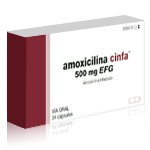
When clinicians diagnose a likely bacterial infection such as bacterial sinusitis, confirmed strep throat, or certain outpatient pneumonia cases, they may prescribe antibiotics. One commonly used option is Amoxil (Amoxicillin), chosen for its activity against frequent respiratory pathogens and its long history of clinical use when appropriately indicated.
Quick clarity 💡
If symptoms are mild and improving day by day, antibiotics usually do not help. If symptoms are severe, persistent, or complicated, evaluation matters more than guessing.
Supportive measures that often help (without overcomplicating) 🧊
Supportive care should reduce irritation and improve breathing comfort. The key is to avoid stacking too many products and confusing what actually helps.
| Problem | What can help | What to avoid |
|---|---|---|
| Thick mucus | Warm fluids, humid air, gentle steam, hydration | Dehydration, dry heated rooms |
| Night cough | Elevate head, honey (adults), warm tea | Smoking/vaping, alcohol right before sleep |
| Sinus pressure | Saline rinse, warm compress, rest | Overusing harsh decongestants |
| Breathlessness | Stop exertion, check oxygen if possible, seek evaluation if worsening | “Pushing through” intense shortness of breath |
Patient perspective (common mistake and what fixed it) 📝
Patient note 🙂
“I kept switching medicines and trying new cough syrups every night. Once I tracked my fever and breathing daily, it became obvious I was getting worse—not just ‘still sick.’ That pushed me to get checked for pneumonia.”
Doctor note 👩⚕️
Dr. Catherine Liu (Antimicrobial Stewardship, Fred Hutch / UW Medicine) highlights that structured monitoring and timely evaluation reduce unnecessary antibiotics while ensuring serious infections are treated promptly.
When treatment becomes “antibiotic-worthy” 🎯
Clinicians consider antibiotics when the probability of bacterial infection is high enough that treatment is more likely to help than harm. Examples include:
- Suspected bacterial pneumonia (especially with abnormal lung exam, low oxygen, or imaging findings)
- Sinusitis lasting >10 days without improvement, severe symptoms, or double-worsening
- Confirmed strep throat (testing helps avoid treating non-strep sore throats)
In these situations, a clinician may choose Amoxil (Amoxicillin) as part of a targeted plan, with the dose and duration matched to the diagnosis and patient factors. The point is not “stronger is better,” but right drug, right reason, right duration.
Complications to prevent (why timing matters) 🛡️
Untreated bacterial infections—especially pneumonia—can lead to complications such as dehydration, worsening oxygen levels, pleural inflammation, or hospitalization in vulnerable patients. On the other hand, unnecessary antibiotics can cause diarrhea, allergic reactions, yeast overgrowth, and contribute to antibiotic resistance.
✅ Best move
Treat confirmed or strongly suspected bacterial disease early enough to prevent deterioration.
⚠️ Common trap
Using antibiotics “just in case” for viral illness, then stopping early or switching repeatedly.
🎯 Smart strategy
Get the diagnosis right once, then follow the plan consistently (including follow-up if not improving).
Safety checklist if an antibiotic is prescribed ✅
If your clinician prescribes an antibiotic for a bacterial respiratory infection, your job is to make the treatment effective and predictable. Here is a practical checklist that reduces problems:
- Take it exactly as directed (timing matters for consistent levels)
- Do not share antibiotics or reuse leftovers from an old illness
- Watch for allergy signs (rash, swelling, breathing difficulty)
- Contact a clinician if symptoms worsen or do not improve as expected
For patients prescribed Amoxil (Amoxicillin), these same principles apply—especially consistency and follow-up if the clinical course does not match expectations.
Doctor note 🩺
Dr. William Schaffner notes that the “best antibiotic” is the one that matches the diagnosis and is taken correctly—because partial courses, frequent switching, and unnecessary use are major drivers of resistance.
Bottom line (keep it simple) ✅
- Most colds are viral; supportive care is the main tool.
- Bacterial infections are more likely with persistent/worsening symptoms, chest involvement, or classic patterns (like double-worsening).
- Antibiotics help when there is a clear bacterial target—and harm when used randomly.
- If red flags show up, get evaluated rather than guessing at home.
Drug Description Sources:
U.S. National Library of Medicine, Drugs.com, WebMD, Mayo Clinic, RxList.
Reviewed and Referenced By:
Dr. Amesh Adalja – Infectious Disease Physician and Senior Scholar at the Johns Hopkins Center for Health Security. His work focuses on emerging infectious diseases, respiratory infections, antimicrobial stewardship, and evidence-based approaches to antibiotic use in community and hospital settings.
Dr. William Schaffner – Professor of Preventive Medicine and Professor of Medicine (Infectious Diseases) at Vanderbilt University School of Medicine. He is widely recognized for his expertise in respiratory infections, vaccination strategies, and public health education related to bacterial and viral diseases.
Dr. Catherine Liu – Infectious Disease Specialist and Medical Director of Antimicrobial Stewardship at Fred Hutchinson Cancer Center and UW Medicine. Her clinical and research work centers on optimizing antibiotic therapy, reducing resistance, and improving outcomes in bacterial respiratory infections.
(Updated at Jan 27 / 2026)
Amoxil Amoxicillin articles: