Major Depressive Disorder Snapshot


Major Depressive Disorder (MDD) is a clinically diagnosed psychiatric condition affecting mood, cognition, energy, and motivation. It is persistent, functionally impairing, and medically significant. MDD is not the same as temporary sadness; it has measurable impact on life quality and daily functioning. Comprehensive treatment and careful monitoring are crucial to achieve recovery and prevent relapses.
Globally, MDD is recognized as a leading cause of disability, negatively impacting work performance, social relationships, and overall health. Early recognition, structured treatment, and continuous care can significantly improve recovery and reduce recurrence. MDD affects individuals differently, with symptoms ranging from mild to severe, and treatment must be tailored accordingly. Addressing both psychological and physiological factors is key to effective management.
The clinical overview of Major Depressive Disorder organizes essential information for understanding its scope, functional impact, and the rationale for treatment approaches. It emphasizes the persistent nature of symptoms, functional impairment, and the need for medical intervention. Clinicians use this overview to identify symptom clusters, assess severity, and guide treatment planning. Patients benefit from understanding the multifaceted impact of MDD on daily life and health outcomes.
| Clinical Area | Key Feature | Patient Impact | Clinical Relevance |
|---|---|---|---|
| Disorder Type | Mood disorder | Emotional & physical distress | Requires medical diagnosis |
| Duration | ≥ 2 weeks | Persistent symptoms | Differentiates from situational sadness |
| Functional Effect | Reduced motivation | Work & social impairment | Guides treatment intensity |
| Treatment Scope | Multimodal care | Improved daily functioning | Supports long-term recovery |
Reviewing the clinical overview table reinforces that MDD is a complex and multi-dimensional disorder. Understanding its functional effects helps tailor interventions to patient needs. Early detection and structured care significantly improve outcomes and quality of life. Effective management requires attention to both psychological symptoms and daily functional impairments.
🧠 Core Characteristics of Major Depressive Disorder
MDD manifests with persistent symptoms affecting mood, sleep, appetite, energy, and cognition. The condition often reduces quality of life and impacts daily functioning, work, and social interactions. Early detection, professional evaluation, and structured treatment can prevent chronic progression. Patients frequently experience overlapping symptoms that require comprehensive assessment.
Untreated MDD can become recurrent or chronic, increasing psychological and physical health risks. Professional intervention ensures correct diagnosis, individualized treatment planning, and monitoring. Symptoms like anhedonia, fatigue, and suicidal ideation require immediate attention. Patient education and ongoing support are critical to effective recovery and long-term well-being.
- 🔹 Persistent depressed mood for ≥ 2 weeks
- 🔹 Loss of interest or pleasure in daily activities
- 🔹 Sleep or appetite disturbances
- 🔹 Reduced concentration or decision-making
- 🔹 Feelings of guilt or worthlessness
📋 Diagnostic Symptom Domains
Assessing multiple symptom domains in MDD is critical to determine severity, functional impact, and urgency of care. Clinicians evaluate mood, energy, interest, and safety indicators to provide a thorough and accurate diagnosis. These domains inform personalized treatment planning and anticipate potential complications. Comprehensive assessment ensures interventions address both psychological and physiological aspects effectively.
| Domain | Primary Symptom | Frequency | Clinical Importance |
|---|---|---|---|
| Mood | Depressed mood | Daily | Core diagnostic criterion |
| Interest | Anhedonia | Most days | Severity marker |
| Energy | Fatigue | Persistent | Functional impairment |
| Safety | Suicidal ideation | Variable | Requires urgent intervention |
Evaluating these symptom domains provides a structured framework for diagnosis and treatment planning. Each domain contributes to overall severity assessment and informs targeted interventions. Early identification of high-risk indicators enhances safety and intervention success. Understanding how mood, energy, interest, and safety interact allows clinicians to optimize strategies and improve patient outcomes.
📊 Depression Severity Scale
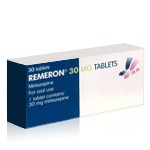
Severity in MDD varies from mild to severe, influencing treatment choices, monitoring strategies, and patient support needs. Using a structured severity scale helps clinicians track symptom progression and adjust interventions appropriately. Patients and families benefit from understanding where symptoms fall on this continuum. Medications such as Remeron (Mirtazapine) may be indicated depending on severity and symptom profile.
The severity scale reinforces that MDD is multifaceted and requires individualized care. Monitoring progression ensures timely escalation of treatment and reduces the risk of chronic symptoms. Patients gain insight into the implications of each severity level and how interventions can improve daily functioning. Clinicians use this tool to guide therapeutic decisions and educate patients and families effectively.
💡 Treatment Modalities & Pyramid
MDD treatment requires a multimodal approach integrating pharmacological, psychological, and lifestyle interventions. Each modality targets specific symptom clusters and functional deficits. Medications, including Remeron (Mirtazapine), can improve mood, sleep, and appetite in targeted patients. Non-drug interventions such as psychotherapy and behavioral support address cognitive patterns, coping strategies, and resilience. Lifestyle interventions support adherence, physical health, and overall well-being. Coordinated care among providers ensures comprehensive management and reduces relapse risk. Stepwise treatment progression is illustrated in the pyramid below:
The pyramid reinforces that no single intervention is sufficient. Integration of all levels enhances symptom improvement and functional recovery. Stepwise escalation ensures resources are used effectively. Patients benefit from a clear visual framework for understanding treatment priorities and expected outcomes.
👩⚕️ Doctor Opinion
“Major Depressive Disorder is serious but treatable,” says Dr. Igor Galynker. “Structured evaluation, continuity of care, and medications like Remeron (Mirtazapine) when appropriate are critical.”
📝 Conclusion
Major Depressive Disorder is a complex and multidimensional condition requiring structured, individualized, and multimodal care. Early detection, symptom monitoring, and treatment tailored to severity are critical to improving outcomes. Combining pharmacological interventions, psychotherapy, and lifestyle support provides a comprehensive care framework. Coordinated treatment, patient education, and ongoing support maximize recovery, prevent relapse, and improve quality of life.
Drug Description Sources: U.S. National Library of Medicine, Drugs.com, WebMD, Mayo Clinic, RxList.
📚 Reviewed and Referenced By
Dr. Igor Galynker – Psychiatrist and researcher specializing in mood disorders and suicide prevention.
Dr. James H. Kocsis – Clinical psychiatry professor focused on chronic depression and therapy outcomes.
Prof. Gordon Parker – Mood disorder expert and founder of the Black Dog Institute, specializing in depression research.
(Updated at Jan 24 / 2026)
Remeron Mirtazapine articles: