Menopause Symptom Relief: Practical Comfort, Clear Choices


Menopause is not a single moment — it is a biological transition that can affect temperature control, sleep, mood, intimacy, skin, and energy. And here is the comforting truth: most symptoms are treatable, especially when you stop trying to “power through” and start building a plan that fits your real life.
Some people feel mild changes. Others get the full fireworks show: hot flashes at work, night sweats at 3 a.m., brain fog in the middle of a sentence, and a body that suddenly reacts differently to coffee, stress, and late meals. None of that means something is “wrong” with you. It means your hormones are shifting, your nervous system is recalibrating, and your tissues are adapting.
Doctor spotlight 🧑⚕️
Dr. Stephanie S. Faubion is widely known for clinical work focused on menopause, hormone therapy, healthy aging, and womens sexual health — a combination that helps connect day-to-day symptom relief with long-term wellbeing.
🔥 The headline symptom
Hot flashes and night sweats can disrupt sleep, confidence, and focus — but they have multiple evidence-based solutions.
🛏️ The hidden driver
Sleep disruption often amplifies everything else: mood swings, cravings, anxiety, and brain fog.
💛 The quality-of-life zone
Vaginal dryness and urinary discomfort are common and treatable, yet often under-discussed.
Clinical overview (quick and clear) 🧾
Menopause care is easiest when you think in “systems.” Symptoms tend to travel in groups — and when you treat the most disruptive group first, life gets calmer fast.
| Category | What it means |
|---|---|
| Vasomotor symptoms | Hot flashes, night sweats, sudden heat surges, temperature sensitivity |
| Sleep changes | Difficulty falling asleep, frequent waking, early morning wake-ups, lighter sleep |
| Mood and cognition | Irritability, anxiety, low mood, brain fog, reduced concentration |
| Genitourinary symptoms | Vaginal dryness, burning, painful sex, urinary urgency or recurrent irritation |
| Body changes | Shifts in weight distribution, muscle loss risk, joint aches, skin and hair changes |
| Long-term health | Bone density decline, cardiometabolic risk changes, prevention opportunities |
Quick clarity 💡
If symptoms affect your daily life, it is reasonable to seek treatment. Relief is not “vanity” — it is healthcare.
What menopause changes inside the body (and why it feels so weird) 🧠
Estrogen and progesterone help regulate more than reproduction. As estrogen levels decline, the brain’s temperature center can become more sensitive, creating sudden heat waves that feel out of proportion to the room. At the same time, lower estrogen can reduce collagen support and blood flow in vulvovaginal tissues, which can make dryness and irritation more likely. Sleep disruptions then intensify stress hormones, and the result can feel like a loop: less sleep → more symptoms → even less sleep.
The goal is not to “fix” menopause. The goal is to reduce disruption, protect comfort, and support long-term health while your body adapts. A realistic plan usually combines three layers: daily lifestyle supports, targeted symptom tools, and (when appropriate) medical therapy.
Doctor spotlight 👩⚕️
Dr. JoAnn V. Pinkerton is recognized for leadership in midlife health and menopause care, with a strong focus on evidence-based decision-making around symptom management and hormone therapy.
Hot flashes and night sweats: the most common “why is my body doing this” moment 🔥
Hot flashes are not just warmth. They can include sweating, chills afterward, heart pounding, and a sudden need to escape your own sweater. Night sweats are the nighttime version — and they often trigger awakenings that make sleep feel fragile.
Common triggers that are worth tracking:
- Alcohol (especially in the evening)
- Spicy meals or very hot drinks
- Overheated rooms, heavy bedding, tight synthetic sleepwear
- Stress spikes, rushing, public speaking, or intense emotions
- Late high-intensity workouts
Practical move ✅
Track flashes for 10–14 days. When you see patterns, you gain leverage — and your plan becomes less guesswork.
Sleep relief: the “multiplier effect” strategy 🛌
Sleep is the secret multiplier. When sleep improves, mood stabilizes, cravings soften, motivation returns, and even hot flashes can feel less intense. A menopause-friendly sleep plan is not about perfection — it is about making sleep easier to access and harder to break.
Keep the basics consistent
- Same wake time most days
- Morning daylight exposure
- Cool, dark bedroom setup
- Limit late caffeine and heavy meals
Reduce awakenings
- Cooling routine before bed
- Layered bedding you can remove fast
- Short wind-down ritual (10–15 minutes)
- Address night sweats with targeted therapy when needed
Doctor spotlight 🧑⚕️
Dr. Mary Jane Minkin is known for long-standing clinical work in gynecology with a special interest in menopause and sexual health — areas tightly linked to sleep, comfort, and quality of life.
Mood swings and brain fog: the “I forgot why I walked into this room” chapter 🧩
Mood changes in menopause are real and can be surprisingly physical: irritability, anxiety, sudden tears, or a sense of being easily overwhelmed. Brain fog often shows up as reduced word recall, attention drift, and slower processing — and it tends to worsen when sleep is disrupted.
A helpful way to reframe this is to treat mood and cognition like a triangle: sleep supports emotional regulation, and both support focus. That is why the best plans often start with sleep protection and stress-lowering habits, then add targeted therapies if symptoms remain heavy.
When should you check in with a clinician?
If mood symptoms feel persistent, severe, or unlike your usual self — or if anxiety interferes with daily functioning — professional support is appropriate. Menopause does not cancel mental health care. It often makes it more important.
Vaginal dryness and urinary discomfort: common, treatable, and not “just aging” 💗
Many people notice dryness, burning, discomfort during intimacy, or recurrent urinary irritation as estrogen declines. These symptoms often develop gradually, which is why they can be normalized or ignored — until they start affecting relationships, confidence, and daily comfort. The best approach is gentle, consistent tissue support rather than last-minute fixes.
Daily comfort tools
- Use a vaginal moisturizer several times per week
- Choose a lubricant for intimacy to reduce friction
- Hydration and gentle hygiene (avoid harsh irritants)
When symptoms persist
- Consider pelvic floor support if pain is tense or guarded
- Discuss clinician-guided options for tissue restoration
- Evaluate recurrent urinary symptoms rather than repeatedly self-treating
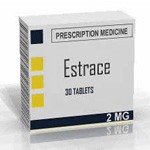
For moderate to severe vulvar and vaginal atrophy symptoms related to menopause, clinicians may prescribe local estrogen therapy in appropriate patients. One option is Estrace (Estradiol), which can be used under medical guidance to support vulvovaginal tissue comfort over time. Results are often gradual, so consistency matters more than intensity.
Medical options: matching the tool to the symptom 🎯
Menopause therapy is not one-size-fits-all. A clinician typically considers your age, how long it has been since menopause, your symptom severity, and personal risk factors. Some people benefit most from nonhormonal strategies. Others need stronger symptom relief and choose hormone therapy. The “best” plan is the one that delivers meaningful relief while fitting your health profile.
Decision points clinicians often review:
- Which symptom is most disruptive: hot flashes, sleep, mood, or genitourinary symptoms?
- Whether the uterus is present (this can affect medication combinations)
- Personal and family history that influences risk discussions
- Preferred route of therapy (systemic vs local)
Bottom line ✅
You do not have to treat every symptom with the same approach. It is common to combine lifestyle support with targeted medical therapy.
The long game: strength, bones, and heart health (without overwhelm) 🧡
Menopause is also a checkpoint for prevention. As estrogen declines, bone density can drop faster, and changes in muscle mass and fat distribution can influence metabolism. This is not a reason for panic — it is a reason for a steady, doable routine that supports your future self.
High-impact basics that stay simple:
- Strength training 2–3 times per week (even light weights count)
- Regular walking for mood and cardiometabolic support
- Protein and fiber for steadier energy and satiety
- Preventive checks as recommended: blood pressure, lipids, glucose, and bone density
What makes this work is not intensity. It is repeatability. The most protective plan is the one you can do on your busiest week.
Safety and smart timing: when to seek care 🧭
Most menopause symptoms are common, but some signals deserve prompt evaluation. Seek medical care if you experience: bleeding after menopause, severe or worsening pelvic pain, persistent urinary symptoms, or new chest pain or fainting. If you are considering medication-based symptom relief, a clinician can help balance benefits and risks based on your health history.
For localized genitourinary symptoms, many clinicians consider topical therapy options first when appropriate. In that context, Estrace (Estradiol) may be used under professional supervision to treat moderate to severe vulvar and vaginal atrophy symptoms due to menopause.
A quick self-check before your appointment
Write down: your top 2 symptoms, when they happen, what makes them worse, what you tried, and what you want most (better sleep, comfort, intimacy, mood stability). This turns your visit into a plan, not a vague conversation.
Mini FAQ: quick answers without the fluff 💬
How long do menopause symptoms last?
It varies. Some symptoms fade within a few years, while others (especially vaginal dryness) can persist without targeted support. Treatment is about relief now and protection long-term.
Do I have to choose lifestyle OR medication?
Not at all. Many effective plans combine daily routines with targeted therapy for the symptoms that cause the most disruption.
Is it normal to feel “not like myself”?
It can happen, especially when sleep is broken. If mood symptoms are intense or persistent, support is appropriate and available.
What is the most underrated strategy?
Protecting sleep and building strength. They improve resilience across multiple symptom categories.
A calm, stepwise relief plan you can start this week ✅
- Pick your top 2 symptoms (example: night sweats and vaginal dryness).
- Track for 10–14 days: timing, triggers, and what helps even a little.
- Build a small daily baseline: cooling routine + movement + consistent wake time.
- Add targeted tools: moisturizers/lubricants, sleep supports, and clinician-guided options if symptoms remain disruptive.
- Reassess monthly: keep what works, simplify what does not, and adjust with your clinician.
Menopause symptom relief is not about “toughness.” It is about smart support, steady habits, and treatment options that help you feel like yourself again.
Drug Description Sources: U.S. National Library of Medicine, Drugs.com, WebMD, Mayo Clinic, RxList.
Reviewed and Referenced By:
Dr. Stephanie S. Faubion – Menopause and Womens Health Clinician-Researcher: Known for clinical and academic focus on menopause, hormone therapy, healthy aging, and sexual health, bridging symptom management with long-term womens health outcomes.
Dr. JoAnn V. Pinkerton – Midlife Health and Menopause Medicine Specialist: Recognized for leadership in menopause care and patient-centered, evidence-based approaches to managing vasomotor symptoms, sleep disruption, and quality-of-life concerns in midlife.
Dr. Mary Jane Minkin – Clinical Professor of Obstetrics and Gynecology: Practicing gynecologist with a well-known special interest in menopause and intimacy-related concerns, with decades of clinical experience and education in womens reproductive health.
(Updated at Mar 1 / 2026)
Estrace Estradiol articles: