Moderate to Severe Rheumatoid Arthritis: An Advanced Clinical Framework

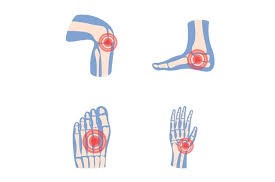
🔵 Moderate to severe rheumatoid arthritis is a chronic autoimmune inflammatory condition that progressively damages joints and multiple organ systems. Unlike early disease, advanced rheumatoid arthritis is associated with persistent inflammation, irreversible structural damage, functional decline, and increased systemic risk. Effective management requires a structured, long-term strategy focused on inflammation control, functional preservation, and prevention of disability.
🟠 How Rheumatoid Arthritis Becomes Severe
The disease progresses when immune-mediated inflammation remains active over time. Persistent inflammatory signaling causes synovial tissue expansion, cartilage breakdown, and bone erosion. As inflammation becomes systemic, it affects muscle strength, cardiovascular health, and neurological function.
- ✔️ Continuous immune activation
- ✔️ Progressive synovial damage
- ✔️ Systemic inflammatory spread
Critical point: Absence of pain does not equal absence of disease activity.
📐 Pyramid of Disease Burden in Rheumatoid Arthritis
This pyramid illustrates how increasing disease activity leads to a cumulative clinical burden. As patients move upward, joint damage becomes irreversible and systemic complications intensify.
| Pyramid Level | Disease State | Joint Consequences | Systemic Effects | Overall Impact |
|---|---|---|---|---|
| Base | Low disease activity | Reversible inflammation | Minimal systemic involvement | Preserved quality of life |
| Middle | Moderate disease activity | Persistent swelling and pain | Fatigue and muscle weakness | Functional limitation begins |
| Peak | Severe disease activity | Joint destruction and deformity | Cardiovascular and neurological impact | Permanent disability |
✔️ Clinical objective: Keep patients at the base of this pyramid and prevent upward progression.
🟣 Key Symptoms of Moderate to Severe Disease
Patients with moderate to severe rheumatoid arthritis experience symptoms that persist despite standard therapy and interfere with daily functioning.
- ✔️ Morning stiffness lasting longer than one hour
- ✔️ Symmetrical joint swelling
- ✔️ Reduced grip strength
- ✔️ Persistent fatigue
Clinical reminder: Fluctuating symptoms still require continuous monitoring.
🧠 What Moderate to Severe Rheumatoid Arthritis Damages
Rheumatoid arthritis is not limited to joints. This chart highlights the major body systems affected by chronic inflammation and explains why comprehensive disease control is essential.
| Affected Domain | Primary Damage | Hidden Consequence | Long-Term Risk | Clinical Importance |
|---|---|---|---|---|
| Joint structure | Synovial overgrowth | Cartilage erosion | Permanent deformity | Loss of independence |
| Muscle system | Inflammation-driven weakness | Muscle wasting | Falls and instability | Mobility preservation |
| Cardiovascular system | Chronic inflammation | Silent vessel damage | Heart disease | Reduced life expectancy |
| Nervous system | Inflammatory fatigue | Cognitive slowing | Mood disorders | Treatment adherence |
✔️ Key insight: Uncontrolled inflammation silently damages vital systems even when joint pain seems manageable.
🔷 Treatment Strategy for Advanced Disease
Management follows a treat-to-target approach, aiming for sustained low disease activity or remission. When conventional options are insufficient, targeted immune modulation becomes necessary.
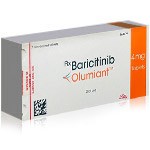
Olumiant (Baricitinib) is used in adults with moderate to severe rheumatoid arthritis to reduce inflammation, improve physical function, and limit disease progression when standard therapy fails to achieve adequate control. Patients receiving Olumiant often show improved mobility and reduced joint swelling within weeks.
📐 Pyramid of Treatment Intensity
This pyramid demonstrates how treatment intensity increases based on disease severity and response. Each level builds upon the previous one rather than replacing it.
| Pyramid Level | Therapy Focus | Primary Goal | Monitoring Requirement | Clinical Reasoning |
|---|---|---|---|---|
| Base | Conventional therapy | Initial inflammation control | Routine follow-up | Foundation treatment |
| Middle | Optimized combinations | Improve disease suppression | Closer assessment | Partial response management |
| Peak | Targeted immune modulation | Prevent irreversible damage | Comprehensive monitoring | High-risk disease control |
✔️ Principle: Escalation is driven by disease activity, not symptom fluctuation alone.
⚖️ How Physicians Balance Treatment Decisions
Selecting advanced therapy requires balancing disease control with safety and patient-specific risk factors. This chart reflects real-world clinical decision-making.
| Decision Area | Clinical Question | Expected Benefit | Monitoring Focus | Why It Matters |
|---|---|---|---|---|
| Inflammation control | Is disease suppressed? | Reduced pain and swelling | Laboratory evaluation | Joint preservation |
| Functional ability | Can daily tasks be performed? | Improved mobility | Patient-reported outcomes | Quality of life |
| Safety profile | Is therapy tolerated? | Sustained use | Clinical surveillance | Long-term success |
✔️ Clinical truth: Optimal outcomes depend on maintaining this balance over time.
📊 Long-Term Outcomes With Adequate Disease Control
Consistent control of rheumatoid arthritis inflammation with therapies produces measurable benefits over time. These outcomes extend beyond symptom relief and directly affect independence, longevity, and overall well-being. Olumiant helps maintain joint integrity and slows irreversible structural damage.
| Outcome Area | Short-Term Effect | Mid-Term Benefit | Long-Term Impact | Patient Value |
|---|---|---|---|---|
| Joint health | Reduced swelling | Slowed structural damage | Preserved joint integrity | Physical independence |
| Physical function | Improved mobility | Maintained work ability | Reduced disability | Active lifestyle |
| Systemic health | Lower inflammatory burden | Organ protection | Extended lifespan | Overall well-being |
✔️ Essential message: Long-term control changes the entire disease trajectory, not just daily symptoms.
🧑⚕️ Final Clinical Insight
Olumiant supports effective inflammation control and functional preservation when used appropriately under medical supervision, particularly in patients with moderate to severe rheumatoid arthritis who require advanced therapeutic intervention. Regular monitoring ensures maximum benefit while minimizing potential risks.
📚 Drug Description Sources
U.S. National Library of Medicine, Drugs.com, WebMD, Mayo Clinic, RxList.
Reviewed and Referenced By
Dr. John R. Cush – Rheumatology Specialist: Emphasizes sustained inflammation control to prevent irreversible joint damage.
Dr. Jonathan Kay – Clinical Rheumatologist: Supports early escalation in patients with persistent disease activity.
Dr. Daniel Aletaha – Professor of Rheumatology: Advocates treat-to-target strategies to preserve long-term function.
(Updated at Jan 24 / 2026)