Buy Olumiant (Baricitinib) Online — Eli Lilly Selective JAK1/JAK2 Inhibitor for Rheumatoid Arthritis, Severe Alopecia Areata & Hospitalized COVID-19

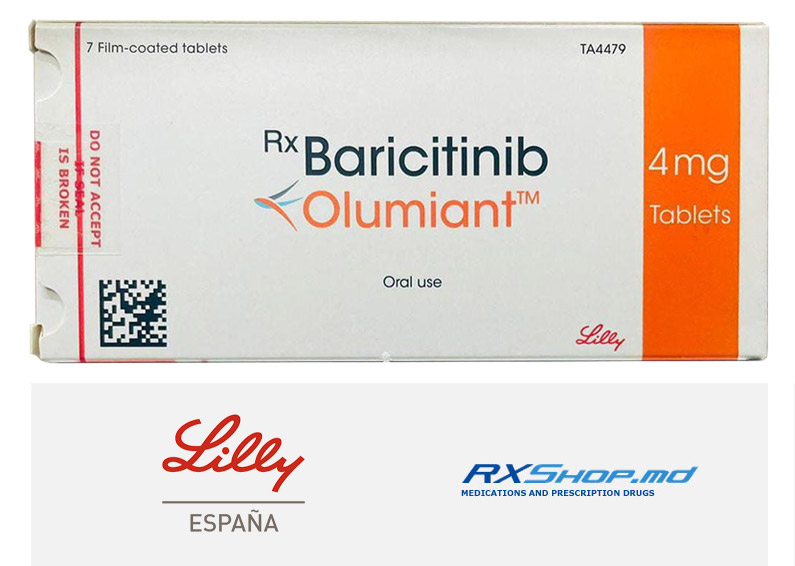
Olumiant is the original brand-name formulation of Baricitinib — a selective JAK1/JAK2 inhibitor representing modern targeted therapy for rheumatoid arthritis and other autoimmune conditions. Developed by Eli Lilly in collaboration with Incyte and FDA-approved since 2018, Olumiant was among the first oral JAK inhibitors for moderate-to-severe rheumatoid arthritis and has since gained FDA approval for severe alopecia areata (2022) and hospitalized COVID-19 requiring supplemental oxygen. Olumiant represents the modern era of targeted small-molecule therapy — offering oral convenience with biologic-level efficacy in RA.
The active ingredient is Baricitinib, a selective JAK1 and JAK2 inhibitor. Baricitinib blocks intracellular signaling of multiple cytokines that drive autoimmune inflammation: IL-6, GM-CSF, IFN-γ, IL-2, IL-7, IL-15, and IL-21. By inhibiting JAK1/JAK2 (with less effect on JAK3, which is important for immune cell development), Baricitinib provides broad anti-inflammatory effect while preserving some immune function. This oral small-molecule mechanism allows convenient daily dosing without injection.
Olumiant is FDA-approved for moderately to severely active rheumatoid arthritis in adults with inadequate response or intolerance to TNF antagonists, severe alopecia areata in adults, and hospitalized COVID-19 in adults requiring supplemental oxygen. EU-approved additional indications include juvenile idiopathic arthritis (2022) and atopic dermatitis. Off-label uses include various autoimmune and inflammatory conditions where JAK pathways are implicated.
The medication is available as Olumiant 1 mg, 2 mg, and 4 mg tablets. Standard adult dosing: RA 2 mg once daily (some use 4 mg with inadequate response — off-label in USA, approved in EU); alopecia areata 2 mg daily, can increase to 4 mg; COVID-19 hospitalized 4 mg daily x 14 days or until discharge. Renal dose adjustment for CrCl 30-60 mL/min: 1 mg/day. Avoid in CrCl below 30 mL/min.
Critical safety considerations include FIVE FDA boxed warnings: serious infections (TB, opportunistic, fungal, bacterial, viral including herpes zoster), increased mortality vs TNF inhibitors in RA patients ≥50 with CV risk factors (from ORAL Surveillance study), malignancies (lymphoma, lung cancer — especially in smokers), major adverse cardiovascular events (MACE), and thrombosis (DVT, PE, arterial). Additional: lymphopenia, neutropenia, anemia, liver enzyme elevations, lipid elevations, rare GI perforation, embryo-fetal toxicity, live vaccines contraindicated.


Free prescription
Discrete packaging
Have questions?
Quality Assurance

- Moderate Severe Active RA: For moderately to severely active rheumatoid arthritis;
- RA TNF Inhibitor Failure: For RA after inadequate response/intolerance to TNF antagonists (signature FDA indication);
- RA Biologic Failure: For RA after failure of biologic DMARDs;
- RA Combination MTX: For combination with methotrexate in moderate-severe RA;
- RA Monotherapy: For RA monotherapy when methotrexate is not tolerated;
- RA Structural Damage Prevention: For slowing structural joint damage progression in RA;
- Severe Alopecia Areata: FDA-approved (2022) for severe alopecia areata in adults — signature unique JAK indication;
- Alopecia Universalis: For alopecia universalis (loss of all body hair) — severe alopecia subtype;
- Alopecia Totalis: For alopecia totalis (complete scalp hair loss);
- Hospitalized COVID 19: FDA-approved (2022) for hospitalized COVID-19 requiring supplemental oxygen;
- COVID 19 Oxygen Requirement: For hospitalized COVID-19 patients requiring supplemental oxygen, NIV, or invasive ventilation;
- Juvenile Idiopathic Arthritis (JIA): EU-approved (2022) for juvenile idiopathic arthritis;
- Atopic Dermatitis EU: EU-approved for moderate-to-severe atopic dermatitis (NOT FDA-approved);
- Psoriatic Arthritis Off Label: Off-label for psoriatic arthritis;
- Ankylosing Spondylitis Off Label: Off-label for ankylosing spondylitis;
- Vitiligo Off Label: Off-label investigational use for vitiligo;
- Lupus Off Label: Off-label investigational use for systemic lupus erythematosus;
- Dermatomyositis Off Label: Off-label investigational use for dermatomyositis;
- Sjogren Syndrome Off Label: Off-label investigational use for Sjögren's syndrome.
- Less Morning Stiffness: Reduction in characteristic RA morning joint stiffness;
- Less Joint Swelling: Reduction in active joint swelling and inflammation;
- Less Tender Joints: Reduction in tender joint count on physical examination;
- Less Synovitis: Reduction in synovial inflammation in affected joints;
- Better Joint Function: Improvement in joint function and range of motion;
- Better Daily Activities: Improvement in activities of daily living;
- Less Disease Progression: Slowing of structural joint damage progression on imaging;
- Better ACR Response: Achievement of ACR20, ACR50, and ACR70 response criteria;
- Better DAS28 Scores: Improvement in DAS28 (Disease Activity Score) clinical assessments;
- Better HAQ-DI Scores: Improvement in Health Assessment Questionnaire Disability Index;
- Less RA Fatigue: Reduction in RA-related fatigue and constitutional symptoms;
- Better RA After TNF Failure: Effective benefit after TNF inhibitor failure or intolerance;
- Better Hair Regrowth Alopecia: FDA-approved hair regrowth in severe alopecia areata — signature unique benefit;
- Better Scalp Coverage Alopecia: Improvement in scalp hair coverage in severe alopecia areata;
- Better Eyebrow Eyelash Regrowth: Restoration of eyebrows and eyelashes in alopecia universalis;
- Better COVID-19 Outcomes: FDA-approved improvement in hospitalized COVID-19 outcomes (mortality, recovery time);
- Less COVID-19 Ventilation Need: Reduction in invasive mechanical ventilation requirement in hospitalized COVID-19;
- Less COVID-19 Mortality: Reduction in mortality in hospitalized COVID-19 requiring oxygen;
- Less JIA Symptoms: EU-approved benefit in juvenile idiopathic arthritis;
- Less Atopic Dermatitis: EU-approved benefit for moderate-to-severe atopic dermatitis;
- Better Daily Function: Return to school, work, and normal activities;
- Better Quality of Life: Substantial improvement in quality of life with effective therapy;
- Better Psychosocial Wellbeing Alopecia: Improvement in psychosocial wellbeing through hair restoration;
- Brand Olumiant: Original Eli Lilly/Incyte brand of Baricitinib with established global clinical reputation since 2018;
- Generic Baricitinib: Affordable generic versions expand global access to JAK inhibitor therapy;
- Janus Kinase Inhibitor: Foundational JAK inhibitor class — modern targeted therapy;
- Selective JAK1 JAK2 Inhibitor: Selective JAK1 and JAK2 inhibition with less JAK3 effect — preserves immune cell development;
- Targeted Synthetic DMARD: Modern targeted synthetic DMARD (tsDMARD) class;
- Oral Small Molecule Targeted: Oral small-molecule alternative to injectable biologics with biologic-level efficacy;
- Intracellular Cytokine Signaling: Blocks intracellular signaling of multiple inflammatory cytokines;
- Multi Cytokine Blockade: Multi-cytokine blockade (IL-6, GM-CSF, IFN-γ, IL-2, IL-7, IL-15, IL-21);
- RA After TNF Failure Standard: Standard therapy for RA after TNF inhibitor failure;
- Alopecia Areata Standard FDA: FDA-approved standard for severe alopecia areata;
- Hospitalized COVID Standard: FDA-approved standard for hospitalized COVID-19 requiring oxygen;
- Once Daily Convenience JAK: Convenient once-daily oral dosing — alternative to subcutaneous injections.
Generic Olumiant (Baricitinib 4 mg) Medication guide:
💊 What Is Olumiant Baricitinib JAK Inhibitor
Olumiant is the brand name for baricitinib - a selective JAK1/JAK2 inhibitor representing modern targeted synthetic disease-modifying therapy. Developed by Eli Lilly in collaboration with Incyte, baricitinib holds a distinctive position across three approved indications: rheumatoid arthritis, severe alopecia areata, and hospitalized COVID-19 patients requiring oxygen support.
Baricitinib works through selective inhibition of Janus kinase 1 and Janus kinase 2 (JAK1/JAK2) - key enzymes in cytokine signaling pathways. This targeted mechanism modulates immune and inflammatory responses across multiple pathways simultaneously, providing meaningful therapeutic effects across its diverse approved indications.
💊 Olumiant at a glance
| Attribute | Detail |
|---|---|
| Generic name | Baricitinib |
| Drug class | Targeted synthetic DMARD; selective JAK1/JAK2 inhibitor |
| Developer | Eli Lilly and Company in collaboration with Incyte Corporation |
| FDA approvals | May 2018 (RA); November 2020 (COVID-19 EUA); June 2022 (severe alopecia areata) |
| EMA approval | February 2017 |
| Formulations | 1 mg, 2 mg, 4 mg film-coated tablets |
| Standard RA dosing | 2 mg once daily; 4 mg once daily in select patients |
| COVID-19 dosing | 4 mg once daily for hospitalized patients requiring oxygen |
| Alopecia dosing | 2-4 mg once daily based on response |
| Boxed warnings | Serious infections, mortality, malignancy, MACE, thrombosis (JAK inhibitor class) |
🎯 What makes baricitinib distinctive
✅ Clinical strengths
Once-daily oral convenience unlike injectable biologics. Rapid onset within days. Three distinct approved indications spanning rheumatology, dermatology, and infectious diseases. Broad cytokine effect through JAK-STAT modulation. Compatible with methotrexate combination. Meaningful response in previously refractory conditions.
⚠️ Safety considerations
Five boxed warnings (JAK inhibitor class): serious infections, mortality risk vs anti-TNF, malignancy including lymphoma, cardiovascular events (MACE), and thrombosis. Herpes zoster reactivation particular concern. Comprehensive baseline screening and ongoing monitoring essential.
📌 Where Olumiant fits in modern practice
- Rheumatoid arthritis: Targeted synthetic DMARD after csDMARD inadequate response
- Severe alopecia areata: First FDA-approved systemic therapy for this condition (2022)
- Hospitalized COVID-19: Patients requiring supplemental oxygen or non-invasive ventilation
- Alternative to biologics: When oral route preferred over injectable
- Alternative to other JAK inhibitors: When specific patient factors favor baricitinib
- Combination or monotherapy: Flexible use with or without methotrexate
Takeaway: Olumiant (baricitinib) is a selective JAK1/JAK2 inhibitor developed by Eli Lilly with Incyte, providing modern targeted therapy across three distinctive approved indications - rheumatoid arthritis, severe alopecia areata, and hospitalized COVID-19. Once-daily oral convenience and broad cytokine modulation define its clinical appeal. Five JAK inhibitor class boxed warnings shape monitoring requirements and patient selection.
📆 History Baricitinib Development Modern Era
The baricitinib story reflects the emergence of the JAK inhibitor drug class in modern rheumatology and expansion into diverse indications. Understanding this history contextualizes current positioning, regulatory decisions, and the shaping influence of the ORAL Surveillance trial on class-wide safety warnings.
📆 Baricitinib development milestones
| Year | Milestone | Significance |
|---|---|---|
| Late 2000s | Incyte Corporation initial development | Selective JAK1/JAK2 inhibitor design |
| 2009 | Eli Lilly and Incyte collaboration begins | Global development partnership |
| 2015-2016 | Pivotal RA trials (RA-BEAM, RA-BEACON, RA-BUILD) | Establishing RA efficacy across DMARD contexts |
| February 2017 | EMA European approval for RA | First major regulatory approval |
| May 2018 | FDA approval for RA | US market entry - 2 mg dose only initially |
| 2020 | COVID-19 pandemic emerges | Rapid repurposing evaluation begins |
| November 2020 | FDA EUA for hospitalized COVID-19 | Second major indication established |
| 2021 | ORAL Surveillance trial results (tofacitinib) | JAK class safety context reshaped |
| September 2021 | FDA boxed warnings added to JAK inhibitor class | Enhanced safety warnings for all JAK inhibitors |
| May 2022 | FDA full approval COVID-19 (transitioned from EUA) | Established COVID-19 indication |
| June 2022 | FDA approval for severe alopecia areata | First systemic therapy for this condition |
| Present | Established multi-indication drug | Widely used globally across three indications |
🔬 The JAK inhibitor class context
Baricitinib is part of the JAK inhibitor drug class that has transformed treatment of multiple inflammatory conditions. Class members include:
- Tofacitinib (Xeljanz): First-in-class, approved 2012 - JAK1/JAK3 focus
- Baricitinib (Olumiant): Selective JAK1/JAK2
- Upadacitinib (Rinvoq): More selective JAK1
- Filgotinib (Jyseleca): Selective JAK1 (approved in some jurisdictions)
- Ruxolitinib (Jakafi): JAK1/JAK2 for myeloproliferative disorders and other uses
❤️ ORAL Surveillance trial impact
⚠️ ORAL Surveillance reshaped JAK inhibitor safety context
The ORAL Surveillance trial (Ytterberg et al. NEJM 2022) compared tofacitinib to anti-TNF biologics in RA patients with cardiovascular risk factors. Key findings that shaped the JAK inhibitor class:
- Increased major adverse cardiovascular events (MACE) with tofacitinib vs anti-TNF
- Increased malignancy including lymphoma with tofacitinib vs anti-TNF
- Increased mortality in specific subgroups
The FDA extended these safety warnings to the entire JAK inhibitor class including baricitinib, upadacitinib, and tofacitinib - establishing boxed warnings that shape modern prescribing practice.
🌍 Modern positioning
Today baricitinib holds established positions across three distinct indications:
- Rheumatoid arthritis: Included in ACR/EULAR guidelines as targeted synthetic DMARD option
- COVID-19: Included in NIH guidelines for hospitalized patients requiring oxygen support
- Severe alopecia areata: First-line systemic therapy option
- Comprehensive safety framework: Five boxed warnings shape use
- Broadly available: Global regulatory approvals in many countries
- Ongoing research: Additional indications under investigation
👤 The multi-indication distinction
Baricitinib is unusual in bridging rheumatology, dermatology, and infectious disease indications. This reflects the broad immunomodulatory effect of JAK inhibition:
- RA: Modulates chronic autoimmune inflammation
- Alopecia areata: Modulates autoimmune attack on hair follicles
- COVID-19: Modulates hyperinflammatory response in severe cases
- Common thread: Cytokine signaling modulation across contexts
Takeaway: Baricitinib emerged from Eli Lilly/Incyte collaboration with EMA approval 2017 and FDA approval 2018 for RA. Rapid expansion to COVID-19 (2020) and severe alopecia areata (2022) established multi-indication positioning. ORAL Surveillance trial reshaped JAK inhibitor class safety context - boxed warnings apply to entire class including baricitinib. Modern positioning is established across three distinct indications with structured safety monitoring.
🧪 Chemistry Selective JAK1 JAK2 Inhibitor Structure
Baricitinib is chemically a small molecule Janus kinase inhibitor with distinctive selectivity for JAK1 and JAK2 over JAK3 and TYK2. Understanding the chemistry supports appreciation of the mechanism, selectivity profile, and how baricitinib differs from other JAK class members.
🧪 Chemical identity
| Property | Value |
|---|---|
| Chemical name | 2-[1-(ethylsulfonyl)-3-[4-(7H-pyrrolo[2,3-d]pyrimidin-4-yl)-1H-pyrazol-1-yl]azetidin-3-yl]acetonitrile |
| Molecular formula | C16H17N7O2S |
| Molecular weight | 371.42 g/mol |
| Chemical class | Pyrrolopyrimidine JAK inhibitor |
| Physical form | White to off-white crystalline powder |
| Solubility | Slightly soluble in water; soluble in various organic solvents |
| Formulation | Film-coated tablets - 1 mg, 2 mg, 4 mg strengths |
🔬 Structural features driving JAK selectivity
Baricitinib chemistry provides selective JAK1/JAK2 inhibition:
- Pyrrolopyrimidine core: Central scaffold binding the JAK kinase ATP-binding site
- Pyrazol linker: Connects the core to selectivity-conferring groups
- Ethylsulfonyl azetidine: Enhances JAK1/JAK2 selectivity
- Acetonitrile group: Contributes to binding specificity
- Overall structure: Optimizes fitting to JAK1 and JAK2 active sites preferentially
🎮 JAK selectivity comparison
Baricitinib selectivity profile compared to other JAK inhibitors:
| JAK inhibitor | Selectivity profile | Distinctive feature |
|---|---|---|
| Baricitinib | JAK1 = JAK2 > TYK2 > JAK3 | Balanced JAK1/JAK2 inhibition |
| Tofacitinib | JAK1 = JAK3 > JAK2 > TYK2 | JAK3 predominant - immune focus |
| Upadacitinib | JAK1 >> JAK2, JAK3, TYK2 | More selective JAK1 |
| Filgotinib | JAK1 >> other JAKs | Selective JAK1 (where approved) |
| Ruxolitinib | JAK1 = JAK2 | Similar profile to baricitinib but different indications |
👤 Why JAK selectivity matters
Different JAK isoforms have distinct cytokine signaling roles:
- JAK1: Signaling for IL-6, IL-10, IFN-alpha/beta/gamma, common gamma-chain cytokines
- JAK2: Signaling for erythropoietin, thrombopoietin, GM-CSF, IL-3, IL-5, IL-13, growth hormone
- JAK3: Signaling for common gamma-chain cytokines (IL-2, IL-4, IL-7, IL-9, IL-15, IL-21)
- TYK2: Signaling for IL-12, IL-23, type I interferons
Baricitinib JAK1/JAK2 selectivity affects a specific cytokine profile - broader than JAK1-selective agents but more focused than pan-JAK inhibitors.
🔬 Physical and pharmaceutical properties
- Oral bioavailability: Approximately 80%
- Food effect: Minimal - can take with or without food
- Protein binding: Approximately 50% (moderate)
- Distribution: Wide tissue distribution
- Metabolism: Limited CYP450 metabolism (minor role for CYP3A4)
- Elimination: Primarily renal excretion of unchanged drug (~75%)
📦 Olumiant formulations available
Olumiant is available in three tablet strengths supporting flexible dosing across indications:
| Strength | Primary use |
|---|---|
| 1 mg tablets | Renal impairment dosing; dose reduction; pediatric alopecia in some cases |
| 2 mg tablets | Standard RA starting dose; some elderly patients; renal impairment |
| 4 mg tablets | Higher RA dose; COVID-19 dosing; alopecia areata target dose |
All Olumiant formulations are film-coated tablets, meeting bioequivalence standards.
👤 Baricitinib vs other biologics chemistry contrast
Understanding baricitinib as a small molecule differs from biologics:
- Baricitinib: Small molecule - oral tablet; intracellular target (kinase)
- Biologics (anti-TNF, IL-6 inhibitors): Large proteins - injectable; extracellular target (cytokine)
- Different manufacturing: Chemical synthesis vs biological production
- Different administration: Oral vs injectable
- Different immunogenicity: Small molecules less immunogenic
- Different reach: Small molecules can penetrate cells; biologics work at cell surface
Takeaway: Baricitinib is a pyrrolopyrimidine small molecule with selective JAK1/JAK2 inhibition. Molecular weight 371 g/mol enables oral bioavailability (~80%) and once-daily dosing. Balanced JAK1/JAK2 selectivity distinguishes baricitinib from more selective JAK1 inhibitors (upadacitinib) and JAK1/JAK3 focused tofacitinib. Three tablet strengths (1/2/4 mg) support flexible dosing across indications. Small molecule nature differentiates from injectable biologics.
🔬 Mechanism JAK-STAT Pathway Signaling Interruption
Baricitinib works through reversible inhibition of Janus kinase enzymes JAK1 and JAK2 - key intracellular signaling molecules for many cytokines. Understanding the JAK-STAT pathway helps explain both the therapeutic effects across diverse indications and the safety profile requiring monitoring.
🔬 The JAK-STAT signaling pathway
Many cytokines and growth factors signal through the JAK-STAT pathway:
- Cytokine binds cell surface receptor - IL-6, interferons, growth factors, others
- Receptor dimerizes: Two receptor chains come together
- JAK enzymes activated: Associated JAKs phosphorylate each other
- STAT proteins recruited: Signal transducer and activator of transcription proteins bind
- STATs phosphorylated: JAKs phosphorylate STATs
- STATs dimerize and enter nucleus: Activated STATs move to cell nucleus
- Gene transcription altered: STATs regulate specific gene expression
- Cell response: Immune activation, proliferation, differentiation, cytokine production
🎯 JAK1/JAK2 specific signaling roles
JAK1 signaling roles
IL-6 family (IL-6, IL-11, LIF, OSM), IL-10 family (IL-10, IL-22), type I interferons (IFN-alpha, IFN-beta), type II interferon (IFN-gamma), common gamma-chain cytokines (paired with JAK3).
JAK2 signaling roles
Erythropoietin (EPO), thrombopoietin (TPO), growth hormone, prolactin, GM-CSF, IL-3, IL-5, IL-13. Important for hematopoiesis, growth, and specific inflammatory cytokines.
🔬 Baricitinib inhibition effects
By inhibiting JAK1 and JAK2, baricitinib disrupts signaling for many cytokines simultaneously:
- Reduced IL-6 signaling: Substantial effect on RA inflammation
- Reduced IFN signaling: Affects viral response, autoimmune activity
- Reduced IL-10 signaling: Complex effects on immune regulation
- Effects on hematopoiesis: Reduced JAK2 signaling affects red cells, platelets, granulocytes
- Effects on innate immunity: Reduced macrophage activation
- Effects on adaptive immunity: Reduced T-cell and B-cell function
👤 Clinical implications by indication
| Indication | Primary mechanism relevance |
|---|---|
| Rheumatoid arthritis | Reduced IL-6, IFN-gamma, other pro-inflammatory cytokine signaling in synovium |
| COVID-19 | Modulation of hyperinflammatory response including cytokine storm; possible antiviral effects through IFN modulation |
| Alopecia areata | Reduction of IFN-gamma-driven autoimmune attack on hair follicles |
| Other autoimmune conditions | Broad immunomodulatory effect on multiple pathways |
🔬 Comparison with cytokine-specific biologics
Baricitinib mechanism differs from cytokine-specific biologics in important ways:
Baricitinib - multi-cytokine intracellular
Blocks multiple cytokine pathways simultaneously through JAK1/JAK2 inhibition. Intracellular target reached by small molecule. Broad but reversible effect. Oral dosing.
Cytokine-specific biologics
Targets one specific cytokine (anti-TNF, anti-IL-6, anti-IL-17). Extracellular target - antibody binds circulating cytokine or receptor. More targeted effect. Injectable route.
❤️ Why the mechanism creates safety considerations
⚠️ Broad cytokine effect creates broad safety considerations
The broad immunomodulatory effect of JAK1/JAK2 inhibition creates the safety profile requiring boxed warnings and comprehensive monitoring:
- Infection risk: Modulation of multiple immune pathways increases infection susceptibility
- Herpes zoster particularly: IFN signaling reduction increases reactivation risk
- Malignancy risk: Immune surveillance modulation may affect cancer emergence
- Hematologic effects: JAK2 role in hematopoiesis affects blood counts
- Lipid effects: Metabolic effects of broad cytokine modulation
- Cardiovascular effects: Complex vascular and metabolic effects
- Thrombosis risk: Effects on platelet function and coagulation pathways
👤 Speed of onset
JAK inhibition provides rapid clinical effects:
- Symptom improvement within days: Faster than many DMARDs
- Meaningful RA response within 2-4 weeks: Contrast with methotrexate 4-8 weeks
- Alopecia response variable: Weeks to months for meaningful regrowth
- COVID-19 effects rapid: Within days of initiation in trials
- Reversible on discontinuation: Short half-life means quick clearance
Takeaway: Baricitinib inhibits JAK1 and JAK2 - key enzymes in cytokine signaling. This modulates many cytokine pathways simultaneously (IL-6, interferons, IL-10 family, hematopoietic factors) providing broad immunomodulatory effect. Explains therapeutic effects across RA, COVID-19, and alopecia areata. Same broad effect creates safety profile requiring monitoring. Rapid onset - meaningful effects within days rather than weeks.
📊 Pharmacokinetics Once Daily Oral Dosing Profile
Baricitinib pharmacokinetics support convenient once-daily oral dosing with primarily renal elimination. Understanding the PK profile guides dosing in special populations and interaction considerations.
📊 Pharmacokinetic profile
| Parameter | Value | Clinical implication |
|---|---|---|
| Oral bioavailability | Approximately 80% | Good absorption; reliable oral dosing |
| Time to peak (Tmax) | Approximately 1 hour | Rapid absorption |
| Food effect | Minimal effect on absorption | Can take with or without food |
| Protein binding | Approximately 50% (moderate) | Moderate binding; not highly displacement-prone |
| Volume of distribution | Approximately 76 L | Wide tissue distribution |
| Metabolism | Limited (approximately 6% via CYP3A4) | Minor CYP metabolism - limited drug interactions |
| Primary elimination | Renal excretion of unchanged drug (~75%) | Renal impairment substantially affects clearance |
| Secondary elimination | Fecal excretion (~20%) | Secondary route |
| Elimination half-life | Approximately 12 hours | Supports once-daily dosing |
| Time to steady state | Approximately 3-4 days | Rapid achievement of therapeutic levels |
🕑 Absorption and onset
Baricitinib has favorable absorption characteristics:
- Rapid absorption: Peak plasma levels within 1 hour
- Good bioavailability (~80%): Reliable oral dosing
- Minimal food effect: Flexibility in timing relative to meals
- Once-daily dosing: 12-hour half-life supports single daily dose
- Rapid steady state: Full therapeutic effect within days
🔬 Renal elimination - primary route
💡 Renal elimination is central to baricitinib PK
Approximately 75% of baricitinib is excreted unchanged in urine - primarily through active tubular secretion. This makes renal function critical for dosing decisions. Renal impairment substantially reduces clearance and requires dose adjustment. Dialysis effectively removes some baricitinib but generally not used as elimination strategy.
🔬 Limited hepatic metabolism
Unlike many medications, baricitinib undergoes limited hepatic metabolism:
- Only ~6% metabolized - primarily via CYP3A4
- Metabolites primarily inactive
- Limited drug interactions via CYP enzymes
- Hepatic impairment less impactful than for many drugs
- OAT3 transporter role: Renal transporter more important than CYP
👤 OAT3 transporter interaction
Renal transporter interactions are more relevant than CYP interactions:
- OAT3 (organic anion transporter 3): Involved in baricitinib renal excretion
- Probenecid interaction: Strong OAT3 inhibitor - increases baricitinib exposure significantly
- Dose reduction with probenecid: Halve baricitinib dose
- Other OAT3 substrates: Rarely clinically significant interaction
👤 Steady state and dosing implications
Rapid steady state and short half-life have several implications:
- Quick therapeutic effect: Full pharmacologic effect within days
- Quick clearance after discontinuation: Effect diminishes rapidly
- Reversibility for adverse effects: Discontinuation resolves drug effect quickly
- Consistent daily dosing important: No storage or accumulation
- Missed doses: Take when remembered if same day; skip if closer to next dose
👤 Special population PK considerations
| Population | PK consideration |
|---|---|
| Elderly (age 65+) | Modest AUC increase (~25%); enhanced monitoring; may consider 2 mg dose |
| Mild renal impairment (eGFR 60-89) | Modest AUC increase; standard dosing typically appropriate |
| Moderate renal impairment (eGFR 30-59) | Substantial AUC increase; dose reduction to 1-2 mg |
| Severe renal impairment (eGFR <30) | Not recommended for RA (contraindicated for RA); individual assessment for COVID-19 |
| Mild-moderate hepatic impairment | No dose adjustment |
| Severe hepatic impairment | Not studied |
| Pediatric alopecia areata (age 2+) | Weight-based dosing per FDA approval |
🔬 Dialysis considerations
Baricitinib is affected by dialysis:
- Partially removed by hemodialysis: Some drug clearance during dialysis
- Not typically effective washout strategy: Half-life short enough that dialysis unnecessary for elimination
- Dialysis patients: Individual assessment; typically not appropriate for RA
- COVID-19 in dialysis: Individual assessment considering benefit vs risk
Takeaway: Baricitinib PK supports convenient once-daily oral dosing - 80% bioavailability, 1-hour Tmax, 12-hour half-life. Primary elimination through renal excretion of unchanged drug (75%) - renal impairment substantially affects dosing. Limited CYP metabolism (only 6% via CYP3A4) means few drug-drug interactions through this pathway. OAT3 transporter interactions (probenecid particularly) more clinically relevant than CYP interactions. Rapid steady state (3-4 days) enables quick therapeutic effect and reversibility.
📋 Indications RA COVID-19 and Alopecia Areata
Baricitinib has three distinct FDA-approved indications spanning rheumatology, dermatology, and infectious disease - an unusual multi-indication drug reflecting the broad immunomodulatory effect of JAK1/JAK2 inhibition.
📋 Approved indications framework
| Indication | FDA approval | Standard dose |
|---|---|---|
| Rheumatoid arthritis (adult) | May 2018 - moderate to severe active RA with inadequate response to one or more anti-TNF biologics | 2 mg once daily; 4 mg in select patients |
| COVID-19 (hospitalized) | November 2020 EUA; May 2022 full approval - hospitalized patients requiring supplemental oxygen, non-invasive ventilation, mechanical ventilation, or ECMO | 4 mg once daily for up to 14 days or until hospital discharge |
| Severe alopecia areata (adult) | June 2022 - severe alopecia areata in adults | 2 mg or 4 mg once daily based on severity and response |
| Severe alopecia areata (pediatric age 2+) | Later pediatric approval | Weight-based dosing |
🦴 Rheumatoid arthritis positioning
The primary indication established through pivotal trials:
- ACR position: Included as targeted synthetic DMARD after csDMARD or biologic inadequate response
- EULAR position: Included among tsDMARD options for csDMARD-inadequate responders
- Evidence base: RA-BEAM (vs adalimumab), RA-BEACON (biologic-inadequate), RA-BUILD (csDMARD-inadequate)
- Efficacy: ACR20 response ~60-70%, ACR50 ~40-50%, ACR70 ~20-30%
- Comparable or superior to anti-TNF adalimumab in RA-BEAM
🦠 COVID-19 hospitalized patient positioning
Distinctive indication established during pandemic:
- NIH COVID-19 guidelines: Included for hospitalized patients requiring oxygen support
- Evidence base: ACTT-2 trial (Kalil 2021 NEJM) and COV-BARRIER trial
- Mortality benefit demonstrated: Reduced mortality in hospitalized patients with oxygen support
- Duration: Short course (up to 14 days) for acute inflammation
- Combined with remdesivir: Original evidence base was combination therapy
- Alternative to tocilizumab in some scenarios
👩🦲 Severe alopecia areata positioning
First systemic therapy specifically approved for alopecia areata:
- Historic first: First FDA-approved systemic therapy for severe alopecia areata
- Evidence base: BRAVE-AA1 and BRAVE-AA2 trials (King 2022 NEJM)
- Efficacy: Meaningful hair regrowth (SALT scores) in previously refractory patients
- Duration: Long-term therapy typical (response develops over months)
- Pediatric approval: Extended to children 2 years and older
- Transformative for this condition - long lacking effective systemic therapies
👤 What each indication represents
RA - chronic autoimmune
Long-term therapy for chronic autoimmune joint disease. Standard modern rheumatology treatment framework. csDMARD-inadequate or biologic-inadequate responder positioning.
COVID-19 - acute inflammatory
Short-term therapy for acute severe viral inflammation. Hospital-based intervention. Combined with remdesivir or other therapies per guidelines. Novel repurposing of anti-inflammatory drug.
Alopecia - autoimmune dermatologic
Long-term therapy for autoimmune hair loss. First systemic therapy for this condition. Response develops over months. Transformative for severe cases.
🔬 Efficacy evidence across indications
| Indication | Pivotal trial | Key outcome |
|---|---|---|
| RA-BEAM | Taylor NEJM 2017 | ACR20 response superior to placebo and non-inferior/superior to adalimumab |
| RA-BEACON | Genovese NEJM 2016 | Efficacy in biologic-inadequate responders |
| RA-BUILD | Fleischmann 2017 | Efficacy in csDMARD-inadequate responders |
| ACTT-2 | Kalil NEJM 2021 | Baricitinib + remdesivir superior to remdesivir alone in COVID-19 recovery time |
| COV-BARRIER | Marconi Lancet Respir Med 2021 | Mortality reduction in hospitalized COVID-19 patients |
| BRAVE-AA1/2 | King NEJM 2022 | Meaningful hair regrowth (SALT?20) in severe alopecia areata |
👤 Off-label uses under investigation
Beyond approved indications, baricitinib is under investigation for various conditions:
- Atopic dermatitis: Some evidence; not primary indication for baricitinib
- Systemic lupus erythematosus: Under evaluation
- Psoriatic arthritis: Some evidence; other JAK inhibitors more established
- Juvenile idiopathic arthritis: Under investigation
- Ankylosing spondylitis: Under evaluation
- Various interferon-mediated conditions
❌ What baricitinib does not treat
Baricitinib is not appropriate for:
- Osteoarthritis (non-inflammatory)
- Non-inflammatory chronic pain
- Uncomplicated COVID-19 in outpatients
- Male pattern hair loss (androgenetic alopecia - different mechanism)
- Female pattern hair loss
- Various non-immune-mediated conditions
Takeaway: Baricitinib has three distinct FDA-approved indications - rheumatoid arthritis (2018), hospitalized COVID-19 (2020 EUA/2022 full), and severe alopecia areata (2022). Each indication reflects distinct clinical application of JAK1/JAK2 inhibition. Established evidence base through pivotal trials for each indication. Off-label uses under investigation. First systemic FDA-approved therapy for severe alopecia areata - transformative for this condition.
🦴 Rheumatoid Arthritis Treatment Framework Modern
Rheumatoid arthritis is the primary and most extensively studied baricitinib indication. Understanding modern RA management framework and baricitinib specific positioning within it supports appropriate patient selection.
🦴 Rheumatoid arthritis context
Rheumatoid arthritis (RA) is a chronic autoimmune inflammatory joint disease affecting approximately 0.5-1% of adults globally. Modern management aims for early intensive treatment to prevent joint damage and achieve remission or low disease activity through structured stepped approach.
🎯 Modern RA treatment cascade
Contemporary RA management follows ACR and EULAR guidelines:
| Line of therapy | Approach |
|---|---|
| Early treatment | csDMARD initiation within weeks of diagnosis |
| First-line csDMARD | Methotrexate (subcutaneous or oral) - preferred initial choice |
| Alternative csDMARDs | Leflunomide, sulfasalazine, hydroxychloroquine, combinations |
| Bridge therapy | Low-dose corticosteroids during csDMARD onset |
| Response assessment | 3-6 months for adequate csDMARD trial |
| Escalation options if inadequate | Biologic DMARD OR targeted synthetic DMARD (JAK inhibitor including baricitinib) |
| Combination approaches | Advanced DMARD + methotrexate typically for enhanced efficacy |
| Treat to target | Ongoing adjustment to achieve remission or low disease activity |
💊 Baricitinib in RA - positioning
Baricitinib occupies a specific position within RA management:
- Not first-line: csDMARDs (methotrexate) remain first-line therapy
- After csDMARD inadequate response: Option alongside biologics and other tsDMARDs
- After biologic inadequate response: Alternative approach after biologic failure
- Monotherapy or combination: With methotrexate or as monotherapy
- Oral route preferred: Alternative when patients want to avoid injections
- Rapid onset preferred: Symptomatic improvement within days-weeks
🔬 Pivotal RA trial evidence
Three pivotal trials established baricitinib RA efficacy:
👤 RA-BEAM trial - vs adalimumab
The RA-BEAM trial (Taylor et al. NEJM 2017) was pivotal:
- Design: Randomized double-blind trial of baricitinib 4 mg vs adalimumab (anti-TNF) vs placebo
- Population: Methotrexate-inadequate responders
- Duration: 52 weeks
- Key finding: Baricitinib superior to placebo and non-inferior/superior to adalimumab on ACR20 response
- Significance: Demonstrated baricitinib efficacy comparable to established biologic
👤 RA-BEACON trial - biologic-inadequate responders
The RA-BEACON trial (Genovese et al. NEJM 2016):
- Design: RCT of baricitinib 2 mg and 4 mg vs placebo
- Population: Patients with inadequate response to biologic DMARDs
- Duration: 24 weeks
- Key finding: Baricitinib efficacious in this refractory population
- Significance: Established use after biologic failure
👤 RA-BUILD trial - csDMARD-inadequate responders
The RA-BUILD trial (Fleischmann et al. 2017):
- Design: RCT of baricitinib 2 mg and 4 mg vs placebo
- Population: Patients with inadequate response to csDMARDs
- Duration: 24 weeks
- Key finding: Both doses efficacious with dose-related benefit
- Significance: Established baricitinib after csDMARD inadequate response
👤 When baricitinib is preferred for RA
✅ Baricitinib preferred when
- csDMARD inadequate response
- Biologic inadequate response
- Oral route preferred over biologic injection
- Rapid onset needed
- Once-daily convenience valued
- No absolute JAK inhibitor contraindications
🔵 Biologic preferred when
- Cardiovascular risk factors present
- Malignancy history
- VTE risk factors present
- Established heart failure
- Comfortable with injectable therapy
- Established response history to biologic
❤️ Patient selection considering safety warnings
⚠️ JAK inhibitor safety context shapes patient selection
FDA boxed warnings (based on ORAL Surveillance and other data) mean baricitinib should generally be reserved for patients with inadequate response to at least one anti-TNF biologic in RA, particularly those with:
- No significant cardiovascular risk factors
- No malignancy history
- No thromboembolism history
- No smoking history (especially current)
Individual risk-benefit assessment guides prescribing.
👤 Monitoring during RA therapy
- Baseline comprehensive assessment: Labs, viral screening, TB, malignancy, CV risk
- CBC every 4-8 weeks initially
- LFTs periodically
- Lipid panel at 12 weeks and periodically
- Disease activity monitoring: DAS28 or similar
- Infection surveillance
- Herpes zoster vigilance
Peter C. Taylor, MD, PhD — University of Oxford
“Baricitinib established the JAK inhibitor class as a meaningful oral option for rheumatoid arthritis after csDMARD inadequate response. The RA-BEAM trial demonstrated superiority to placebo and non-inferiority to adalimumab. Individual patient factors - cardiovascular risk profile, malignancy history, thrombosis risk - guide selection between JAK inhibitors and biologic alternatives.”
Takeaway: Baricitinib holds established position in RA as targeted synthetic DMARD after csDMARD or biologic inadequate response. Pivotal RA-BEAM trial demonstrated non-inferiority/superiority to adalimumab. JAK inhibitor class boxed warnings shape patient selection - reserve for appropriate patients without significant CV, malignancy, thrombosis risk factors. Standard monitoring includes CBC, LFTs, lipids, infection surveillance, and disease activity assessment.
🦠 COVID-19 Hospitalized Patient Treatment Positioning
The COVID-19 indication represents a distinctive baricitinib application - anti-inflammatory therapy for hospitalized patients with severe viral illness. This indication established baricitinib beyond rheumatology into infectious disease management during the pandemic era.
🦠 COVID-19 severity spectrum
COVID-19 presents across a severity spectrum:
- Asymptomatic infection: Test-positive without symptoms
- Mild disease: Symptoms without dyspnea
- Moderate disease: Signs of pneumonia but no hypoxia
- Severe disease: Requiring supplemental oxygen
- Critical disease: Requiring high-flow oxygen, non-invasive or mechanical ventilation, or ECMO
- Multi-organ failure: End-stage severe disease
💊 Baricitinib COVID-19 positioning
✅ Specific COVID-19 indication
Baricitinib is specifically indicated for hospitalized COVID-19 adults requiring:
- Supplemental oxygen
- Non-invasive or invasive mechanical ventilation
- Extracorporeal membrane oxygenation (ECMO)
Standard dose: 4 mg once daily for up to 14 days or until hospital discharge (whichever occurs first). Not appropriate for outpatient COVID-19 or mild-moderate hospitalized cases without oxygen requirement.
🔬 Mechanism in COVID-19
Baricitinib benefits in COVID-19 relate to JAK inhibition effects:
- Anti-inflammatory effect: Modulates hyperinflammatory response ("cytokine storm")
- Reduced cytokine signaling: IL-6, IFN-gamma, other pro-inflammatory cytokines
- Possible antiviral effect: Some evidence of direct antiviral activity through NRP1/AAK1 modulation
- Multi-mechanism benefit: Both immune modulation and possible viral entry effects
- Rapid effect: Meaningful benefit within days
🔬 Pivotal COVID-19 trial evidence
Two key trials established baricitinib COVID-19 efficacy:
👤 ACTT-2 trial
The ACTT-2 trial (Kalil et al. NEJM 2021):
- Design: Randomized double-blind trial of baricitinib + remdesivir vs remdesivir + placebo
- Population: Hospitalized COVID-19 patients with oxygen requirement
- Primary outcome: Time to recovery
- Key finding: Faster recovery with baricitinib combination (7 days vs 8 days)
- Mortality benefit: Reduced 28-day mortality
- Significance: Foundational evidence establishing baricitinib COVID-19 role
👤 COV-BARRIER trial
The COV-BARRIER trial (Marconi et al. Lancet Respir Med 2021):
- Design: Randomized double-blind trial of baricitinib vs placebo (on standard care background)
- Population: Hospitalized COVID-19 patients with elevated inflammatory markers
- Primary outcome: Progression to high-flow oxygen or death
- Key finding: Reduced 28-day mortality (8.1% vs 13.1%) - approximately 38% relative reduction
- Additional COV-BARRIER 2: Confirmed benefit in patients on mechanical ventilation
- Significance: Strong mortality benefit established
👤 NIH COVID-19 guideline positioning
The NIH COVID-19 Treatment Guidelines position baricitinib:
- Hospitalized patients requiring supplemental oxygen: Baricitinib recommended
- Hospitalized patients on high-flow oxygen or non-invasive ventilation: Baricitinib recommended
- Hospitalized on mechanical ventilation or ECMO: Consideration - selective use
- Not recommended for outpatients: Different intervention approach
- Alternative to tocilizumab in appropriate scenarios
👤 Practical COVID-19 baricitinib use
- Timing: Initiate early after hospitalization criteria met
- Dose: 4 mg once daily
- Duration: Up to 14 days or discharge
- Combination: Often with remdesivir; alongside standard supportive care
- Steroids: Dexamethasone standard alongside for most patients
- Enhanced infection monitoring: Concurrent bacterial or fungal infections concern
- VTE prophylaxis: Standard prevention approach in hospitalized patients
❤️ COVID-19 baricitinib safety considerations
⚠️ Short-term high-dose therapy has specific considerations
COVID-19 baricitinib use differs from chronic RA use:
- Short duration (up to 14 days): Chronic warnings less applicable but acute concerns matter
- Secondary infection risk: Immunosuppression while treating primary viral illness
- Bacterial/fungal superinfection concern
- Thromboembolism monitoring: COVID-19 itself thrombogenic; baricitinib class concern
- Hematologic monitoring: Cytopenias possible
- Individual risk-benefit assessment: COVID-19 mortality risk vs baricitinib acute risks
👤 Practical framework for COVID-19 use
- Confirm indication: Hospitalized, oxygen requirement
- Screen for contraindications: Active bacterial infection, severe cytopenias
- Assess baseline: CBC, LFTs, renal function, VTE risk
- Initiate 4 mg once daily
- Concurrent standard care: Dexamethasone, remdesivir if appropriate, VTE prophylaxis, supportive care
- Monitor for adverse effects: Infections, cytopenias, VTE
- Continue up to 14 days or discharge
- Post-discharge: Standard COVID-19 follow-up; baricitinib not continued outpatient
👤 Ongoing evolution
COVID-19 treatment landscape continues evolving:
- Variant considerations: Different variants may affect optimal treatment approach
- Vaccination status: Prior vaccination affects presentation and treatment considerations
- Antiviral evolution: Newer antivirals may complement or replace some approaches
- Alternative anti-inflammatory approaches: IL-6 inhibitors, other options
- Ongoing guideline updates: Follow current NIH and other guidelines
Takeaway: Baricitinib COVID-19 indication established through ACTT-2 and COV-BARRIER trials - mortality benefit in hospitalized patients requiring supplemental oxygen or ventilation. Standard dose 4 mg once daily for up to 14 days or discharge. NIH COVID-19 guidelines include as treatment option. Distinct from chronic RA use - short course with specific acute considerations. Not for outpatient COVID-19.
👩🦲 Severe Alopecia Areata Treatment Framework
Severe alopecia areata represents a historic first approval - baricitinib became the first FDA-approved systemic therapy for this challenging autoimmune hair loss condition in 2022. This has transformed treatment options for patients with severe presentations.
👩🦲 Alopecia areata overview
Alopecia areata (AA) is an autoimmune condition causing hair loss - T-cells attack hair follicles. Affects approximately 2% of population over lifetime. Presentation varies dramatically:
- Patchy alopecia areata: Discrete bald patches on scalp
- Alopecia totalis: Complete scalp hair loss
- Alopecia universalis: Complete body hair loss
- Ophiasis pattern: Band-like loss around scalp margin
- Nail involvement: Pitting, ridging, thickening in some cases
- Psychological impact: Substantial - not merely cosmetic
🔬 Historic treatment landscape
Before baricitinib, alopecia areata systemic treatment options were limited:
- Intralesional corticosteroid injections: Standard for limited patchy disease
- Topical corticosteroids: Limited benefit particularly for severe cases
- Topical immunotherapy (SADBE, DPCP): Contact sensitization approach
- Systemic corticosteroids: Off-label; limited by side effects for long-term use
- Methotrexate, cyclosporine: Off-label with varying benefit
- Minoxidil: Limited effectiveness specifically for AA
- No FDA-approved systemic therapy specifically for AA
💊 Baricitinib alopecia areata indication
✅ First systemic therapy FDA-approved for severe alopecia areata
Baricitinib received FDA approval June 2022 for severe alopecia areata in adults. This was historic - the first systemic therapy specifically approved for this condition. Later expanded to pediatric patients 2 years and older.
Standard dose 2 mg or 4 mg once daily based on severity and treatment response. Long-term therapy typical - response develops over months rather than days.
🔬 BRAVE trial evidence
The BRAVE-AA1 and BRAVE-AA2 trials (King et al. NEJM 2022) established baricitinib alopecia areata efficacy:
- Design: Two identical randomized double-blind placebo-controlled trials
- Population: Adults with severe alopecia areata (SALT score at least 50)
- Duration: 36-week primary endpoint; long-term extensions
- Primary outcome: Proportion achieving SALT score of 20 or less (near-complete regrowth)
- Key findings:
- BRAVE-AA1: 22% baricitinib 2 mg, 35% baricitinib 4 mg, 5% placebo achieved SALT?20
- BRAVE-AA2: 17% baricitinib 2 mg, 33% baricitinib 4 mg, 3% placebo achieved SALT?20
- Both demonstrated meaningful hair regrowth
- Response emerged over weeks-months
- Significance: Established first-in-class systemic therapy
🔬 Response patterns in alopecia areata
Alopecia areata response to baricitinib has distinctive patterns:
- Slow onset: Response develops over weeks to months
- Continued improvement: May improve over 6-12+ months
- Variable individual response: Some patients dramatic, others partial or minimal
- Complete regrowth possible: Some patients achieve full regrowth
- Discontinuation may cause recurrence: Long-term therapy typical
- Nail changes may improve alongside hair regrowth
👤 Patient selection for alopecia areata
- Severe alopecia areata: Substantial hair loss impacting patient significantly
- SALT score threshold: Typically SALT 50+ (at least 50% scalp involvement)
- Adult approval: Pediatric expansion for age 2+
- No contraindications to JAK inhibitor: Standard screening
- Willingness to commit to long-term therapy
- Understanding of gradual response timeline
- Understanding of safety profile
❤️ Alopecia areata treatment considerations
⚠️ Balancing benefit and safety in alopecia areata
Alopecia areata treatment decisions involve unique considerations:
- Not life-threatening condition - psychological impact substantial but not medical urgency
- Long-term therapy typical - years of exposure to JAK inhibitor considerations
- JAK inhibitor boxed warnings apply including CV, malignancy, thrombosis
- Younger patient population common - different risk-benefit balance than elderly RA
- Individual assessment essential - severity, distress, alternatives, risk factors
👤 Dosing in alopecia areata
| Population | Dose |
|---|---|
| Adult severe alopecia areata | 2 mg once daily; may increase to 4 mg based on response |
| Adult response monitoring | Assess at 12, 24, 36 weeks; continue if response |
| Pediatric age 2-9 (10-30 kg) | 1 mg or 2 mg based on weight (per FDA guidance) |
| Pediatric age 10-17 | 2-4 mg based on severity and response |
| Long-term: | Continue while providing benefit; monitor for safety |
👤 Assessing response
SALT (Severity of Alopecia Tool) score is standard measure:
- SALT 0: No hair loss
- SALT 100: Complete scalp hair loss (alopecia totalis)
- SALT 50+ threshold: Severity threshold for baricitinib use
- SALT 20 or less target: Trial primary endpoint - near complete regrowth
- Baseline photography: Documentation aids response tracking
- Serial assessment: Every 3-6 months during initial response period
👤 Beyond hair - psychological aspects
Alopecia areata management involves psychological support:
- Substantial psychosocial impact: Not merely cosmetic
- Depression and anxiety common: Address as needed
- Peer support: Alopecia areata patient organizations
- Realistic expectations: Discussion of response patterns and possibilities
- Cosmetic support: Wigs, cosmetic techniques when helpful
- Long-term perspective: Response may develop slowly
👤 When to continue vs discontinue
- Meaningful response: Continue with regular monitoring
- Inadequate response after 36 weeks: Consider dose adjustment or alternative
- No response at 12 months: Reassess continued therapy
- Sustained complete response: Consider whether long-term therapy needed
- Adverse effects: Individual risk-benefit reassessment
- Patient satisfaction: Central consideration in AA treatment decisions
Takeaway: Baricitinib is the first FDA-approved systemic therapy for severe alopecia areata (2022). BRAVE-AA1 and BRAVE-AA2 trials demonstrated meaningful hair regrowth (~30% achieved SALT?20 with 4 mg dose). Long-term therapy typical with slow response development. Standard dose 2-4 mg once daily. Extended to pediatric age 2+. Individual assessment balances substantial benefit potential with JAK inhibitor class safety warnings. Transformative option for previously refractory condition.
🔗 Combination Therapy with csDMARDs Overview
Combination therapy with baricitinib and conventional synthetic DMARDs - particularly methotrexate - is common in RA practice. Understanding combination approaches supports appropriate use across different patient scenarios.
👤 Combination therapy rationale
Baricitinib combined with methotrexate or other csDMARDs is appropriate for several reasons:
- Enhanced efficacy potential: Two mechanisms working together
- Different mechanisms: Baricitinib JAK inhibition + methotrexate DHFR inhibition
- Better sustained response: Some patients need dual therapy
- Anti-drug antibody prevention: Not applicable for baricitinib (small molecule); more for biologics
- Standard approach in RA trials: Most RA-BEAM and BUILD patients on methotrexate background
- Corticosteroid sparing: Enhanced control may reduce corticosteroid need
🔗 Common combinations with baricitinib
| Combination | Typical scenario |
|---|---|
| Baricitinib + methotrexate | Standard combination approach; most RA patients on baricitinib also on methotrexate |
| Baricitinib monotherapy | Methotrexate intolerance or contraindication; patient preference |
| Baricitinib + hydroxychloroquine | Alternative csDMARD combination; well-tolerated |
| Baricitinib + sulfasalazine | Alternative when methotrexate not appropriate |
| Baricitinib + leflunomide | Enhanced hepatic monitoring needed for both |
| Baricitinib + low-dose corticosteroids | Bridge or ongoing symptomatic support |
🔬 Baricitinib + methotrexate specifically
The most common combination has distinctive considerations:
- Well-studied combination: Standard background in RA trials
- Complementary mechanisms: JAK inhibition + folate metabolism modulation
- Enhanced RA response: Some patients benefit from dual mechanism
- Monitoring intensification: Both drugs have hepatic considerations - enhanced LFT monitoring
- Both hematologic effects: CBC monitoring important
- Both infection considerations: Enhanced infection surveillance
- Both pregnancy contraindicated: Contraception essential
👤 Monotherapy vs combination decision
Combination baricitinib + csDMARD
- Standard approach in trials
- Enhanced RA efficacy potential
- Better sustained response some patients
- Requires enhanced monitoring
- Corticosteroid sparing potential
Baricitinib monotherapy
- Methotrexate intolerance or contraindication
- Simplified regimen
- Reduced monitoring intensity
- Meaningful response as monotherapy
- Baricitinib effective as single agent per trials
🔬 Biologic combinations - what NOT to combine
⚠️ Do not combine baricitinib with biologics or other JAK inhibitors
Combining baricitinib with biologic DMARDs or other JAK inhibitors is not recommended:
- Baricitinib + anti-TNF (adalimumab, etanercept, etc): Excessive immunosuppression
- Baricitinib + IL-6 inhibitor (tocilizumab): Overlapping mechanisms; excessive immunosuppression
- Baricitinib + T-cell modulator (abatacept): Not recommended
- Baricitinib + B-cell depletion (rituximab): Not recommended
- Baricitinib + another JAK inhibitor: Not appropriate
If switching between baricitinib and biologic/JAK inhibitor, appropriate washout period between agents.
👤 Switching between DMARDs
Modern practice often involves switching between DMARDs over time:
- Sequential DMARDs: Try one, assess response, switch if inadequate
- Baricitinib short half-life advantage: Quick clearance enables switching
- Washout typically not extensive: Baricitinib clears within days
- Consider biologic clearance: Some biologics have long half-lives
- Cautious interval: Allow one drug to clear before next initiation
- Rheumatology guidance: Specialist-directed switching
👤 Corticosteroid consideration
Low-dose corticosteroids often used alongside baricitinib:
- Bridge therapy: During onset of DMARD effect (though baricitinib rapid)
- Symptomatic control: For breakthrough symptoms
- Try to minimize: Long-term steroid exposure has adverse effects
- Additive infection risk: Enhanced infection monitoring
- Additive metabolic effects: BP, weight, glucose, bone considerations
- Taper as baricitinib takes effect: Steroid sparing goal
👤 Combination monitoring intensification
Combination regimens require enhanced monitoring:
- LFTs more frequently: Particularly with methotrexate combination
- CBC more frequently: Bone marrow effects potentially additive
- Infection surveillance: Enhanced attention
- Disease activity assessment: Determine combination benefit
- Adverse effect monitoring: Overall tolerability
- Adherence assessment: Complex regimens
👤 Practical combination framework
- Assess indication for combination: Enhanced efficacy needed?
- Choose combination partner: Methotrexate typically preferred
- Verify no contraindications: To either component
- Enhanced baseline assessment
- Initiate combination carefully: Consider staging if concerns
- Enhanced monitoring: LFTs, CBC, symptoms
- Assess response: Combination benefit
- Consider simplification if response allows
Takeaway: Baricitinib combines commonly with methotrexate (standard approach) or other csDMARDs (hydroxychloroquine, sulfasalazine). Enhanced monitoring particularly for methotrexate combination given additive hepatic and hematologic considerations. Do not combine with biologic DMARDs or other JAK inhibitors - excessive immunosuppression. Low-dose corticosteroids often used adjunctively. Monotherapy appropriate for methotrexate-intolerant patients.
🎯 Position vs Other JAK Inhibitors Class
The JAK inhibitor class has multiple approved members - baricitinib, tofacitinib, upadacitinib, filgotinib, and ruxolitinib. Understanding how baricitinib compares to alternatives supports informed selection between JAK class members.
🔬 JAK inhibitor class members
The main JAK inhibitors in modern rheumatology practice:
| JAK inhibitor | Selectivity | Approved indications (partial list) |
|---|---|---|
| Tofacitinib (Xeljanz) | JAK1/JAK3 primarily | RA, PsA, UC, JIA, alopecia areata (some jurisdictions) |
| Baricitinib (Olumiant) | JAK1/JAK2 balanced | RA, COVID-19, severe alopecia areata |
| Upadacitinib (Rinvoq) | JAK1 selective | RA, PsA, AS, UC, Crohn disease, atopic dermatitis, others |
| Filgotinib (Jyseleca) | JAK1 selective | RA, UC (approved in some jurisdictions) |
| Ruxolitinib (Jakafi) | JAK1/JAK2 | Myeloproliferative disorders, GVHD; topical for atopic dermatitis and vitiligo |
👤 Selectivity comparison implications
Different JAK selectivity patterns have different clinical implications:
- Pan-JAK (older approach): Broader effect but potentially broader adverse effects
- JAK1/JAK2 (baricitinib): Balanced effect on multiple pathways
- JAK1/JAK3 (tofacitinib): More focus on immune common gamma chain cytokines
- JAK1 selective (upadacitinib): More targeted; theoretically fewer JAK2/JAK3 effects
- Clinical relevance of selectivity: Actual differences in outcomes vs theoretical differences remains under study
📊 Detailed comparison across key features
| Feature | Baricitinib | Tofacitinib | Upadacitinib |
|---|---|---|---|
| JAK selectivity | JAK1/JAK2 | JAK1/JAK3 | JAK1 selective |
| RA dosing | 2 mg or 4 mg once daily | 5 mg BID or 11 mg XR once daily | 15 mg once daily |
| Dosing frequency | Once daily | Twice daily (immediate release) or once daily (XR) | Once daily |
| Metabolism | Minimal (renal primarily) | Hepatic (CYP3A4) | Hepatic (CYP3A4) |
| Renal impairment | Dose reduction essential | Dose reduction essential | Dose reduction essential |
| Special indications | COVID-19, alopecia areata | UC, JIA, alopecia (some markets) | Atopic dermatitis, IBD, PsA, AS |
| Class boxed warnings | Apply | Apply | Apply |
👤 When baricitinib preferred over other JAK inhibitors
- COVID-19 hospitalized indication needed: Baricitinib is the JAK inhibitor with COVID-19 approval
- Severe alopecia areata: Baricitinib FDA-approved for this specific indication
- Once-daily dosing preferred over twice-daily tofacitinib IR
- Limited hepatic metabolism preferred: Fewer CYP-mediated drug interactions
- Established RA evidence base
👤 When other JAK inhibitors may be preferred
- Tofacitinib: Ulcerative colitis, juvenile idiopathic arthritis
- Upadacitinib: Atopic dermatitis, ankylosing spondylitis, Crohn disease, psoriatic arthritis with axial involvement
- Filgotinib: Where available; some patients prefer
- Ruxolitinib topical: For localized atopic dermatitis or vitiligo
- Specific clinical scenarios: Individual patient factors
❤️ Class-wide boxed warnings
⚠️ JAK inhibitor class boxed warnings apply to all members
Following ORAL Surveillance trial data, FDA extended boxed warnings to the JAK inhibitor class:
- Serious infections: Class-wide concern
- Mortality: Increased in specific subgroups vs anti-TNF
- Malignancy including lymphoma: Increased vs anti-TNF
- Major adverse cardiovascular events (MACE): Increased vs anti-TNF
- Thrombosis (VTE, PE, arterial): Increased over general population
These warnings apply to baricitinib, tofacitinib, and upadacitinib - not baricitinib-specific but class-wide.
🔬 Head-to-head evidence limitations
Direct comparisons between JAK inhibitors are limited:
- Most comparisons are indirect: Through common comparators (adalimumab, placebo)
- Efficacy appears broadly similar in RA across JAK inhibitors
- Specific safety differences under study: Some data suggest differences but generally class-wide
- Selectivity theoretical vs actual clinical differences: Under investigation
- Individual patient response varies: Trial and switching between JAK inhibitors sometimes reasonable
👤 Selection framework for JAK inhibitor
- Confirm JAK inhibitor appropriate: After csDMARD/biologic inadequate response, no contraindications
- Consider specific indication: Some JAK inhibitors have unique indications
- Consider dosing preference: Once vs twice daily
- Consider interaction profile: Baricitinib less CYP metabolism
- Consider renal function: All require dose adjustment
- Consider prescriber familiarity
- Consider patient preference: Some patients have preferences
- Consider access and cost: May vary by jurisdiction
👤 Switching between JAK inhibitors
Switching between JAK inhibitors sometimes appropriate:
- Inadequate response to one: May respond to another (individual variation)
- Adverse effect to one: May tolerate another
- Access/cost changes: May necessitate switching
- Washout typically brief: All JAK inhibitors have short half-lives
- Enhanced monitoring during transition
- Individual assessment supports decisions
Takeaway: Baricitinib is one of several JAK inhibitors with distinctive JAK1/JAK2 balanced selectivity, once-daily dosing, primarily renal elimination, and unique multi-indication positioning (RA + COVID-19 + severe alopecia areata). All JAK inhibitors share class boxed warnings from ORAL Surveillance data. Selection between JAK inhibitors considers specific indication, dosing preference, interaction profile, renal function, and access. Head-to-head efficacy generally similar; specific patient factors guide choice.
🌍 Modern Positioning and Generic Access Overview
The Olumiant product available reflects the modern global pharmaceutical landscape - Eli Lilly branded product with additional Indian manufacturing supporting expanded access. This section provides context for manufacturing, positioning, and access considerations.
🌍 Modern baricitinib positioning
Baricitinib holds an established position in modern therapy:
- Three approved indications: RA, COVID-19, severe alopecia areata
- Included in major treatment guidelines: ACR, EULAR, NIH COVID-19, BAD
- Global regulatory approvals: FDA, EMA, and many other regulators
- Ongoing research: Additional indications under investigation
- Well-established safety monitoring framework
- Broad access supporting patient care
🇰🇵 Eli Lilly and Company overview
Eli Lilly is a major global pharmaceutical company:
- Founded: 1876 - one of oldest pharmaceutical companies
- Headquarters: Indianapolis, Indiana, United States
- Portfolio: Diverse across oncology, diabetes, immunology, neuroscience
- Baricitinib development: Partnership with Incyte Corporation
- Global manufacturing: Multiple facilities including India
- Regulatory: Products meeting stringent regulatory standards
🇮🇳 Incyte Corporation - development partner
Incyte Corporation is the co-developer:
- Founded: 1991
- Headquarters: Wilmington, Delaware, United States
- Focus: Small molecule therapeutics particularly in oncology and inflammation
- JAK inhibitor expertise: Also developer of ruxolitinib (Jakafi)
- Baricitinib rights: Discovered by Incyte, developed globally by Lilly
📦 Olumiant formulations and dosing coverage
| Strength | Primary use |
|---|---|
| 1 mg tablets | Renal impairment dose reduction; some pediatric alopecia dosing; dose reduction for tolerability |
| 2 mg tablets | Standard RA starting dose; some renal impairment; some elderly; alopecia areata start |
| 4 mg tablets | Higher RA dose; COVID-19 dosing; alopecia areata target dose in adults |
✅ Quality and manufacturing
✅ Manufacturing quality supports consistent product
Olumiant meets manufacturing quality standards required by international regulators. Multiple manufacturing sites support global supply. Bioequivalent formulations across regions ensure consistent patient experience. Product quality and consistency support the trial evidence base as applied in real-world practice.
💰 Access considerations
Baricitinib access varies by region and situation:
- Developed markets: Widely available with insurance coverage
- Emerging markets: Increasing availability supported by Indian manufacturing
- Cost: Moderate-high cost consistent with modern targeted therapies
- Insurance coverage: Generally covered for approved indications
- Prior authorization common: Often required particularly for RA use
- Patient assistance programs: May be available in some jurisdictions
🌍 Global regulatory landscape
Baricitinib regulatory status varies globally:
- FDA (United States): RA, COVID-19, severe alopecia areata (2018/2020/2022)
- EMA (Europe): RA and atopic dermatitis (some indications differ from FDA)
- Japan (PMDA): RA, atopic dermatitis, COVID-19, alopecia areata
- Other major markets: Various indication combinations
- Indication expansion continues: Ongoing regulatory submissions
👤 Continued relevance in modern practice
Baricitinib maintains important role despite competition from other JAK inhibitors:
- Unique COVID-19 indication: Distinctive from other JAK inhibitors
- FDA-approved alopecia areata: First systemic therapy specifically approved
- Established RA evidence: Long track record
- Once-daily convenience: Advantage over some alternatives
- Limited hepatic metabolism: Advantage for polypharmacy patients
- Continued clinical relevance
🔬 The evolving JAK inhibitor landscape
The JAK inhibitor landscape continues evolving:
- More selective JAK1 agents: Trying to improve safety profile
- TYK2-selective agents: Newer class members (deucravacitinib for psoriasis)
- Topical JAK inhibitors: Local application to minimize systemic effects
- Expanded indications: More conditions approved for existing agents
- Refined patient selection: Better understanding of who benefits
👤 Patient perspective on modern therapy
- Oral convenience: Preferred over injections by many patients
- Rapid onset: Symptomatic benefit within days appealing
- Novel indications: Options for previously refractory conditions (alopecia areata)
- Safety awareness: Patients need understanding of monitoring importance
- Long-term commitment: Chronic use for chronic conditions
- Access considerations: Insurance and cost realities
Takeaway: Olumiant provides access to baricitinib - Eli Lilly and Incyte's selective JAK1/JAK2 inhibitor - across three approved indications. Global manufacturing including Indian facilities supports broad availability. Modern positioning includes RA, COVID-19 hospitalized patients, and severe alopecia areata. Continued relevance despite JAK class competition due to unique indications, once-daily convenience, and established evidence. Access varies by region with insurance coverage generally available for approved indications.
💊 Adult Dosing Standard and Reduced Approaches
Baricitinib dosing follows an indication-specific approach - the standard dose varies by condition being treated. Understanding standard doses, when reduction is appropriate, and practical administration supports effective safe use.
💊 Standard adult dosing by indication
| Indication | Standard dose | Alternative dose | Duration |
|---|---|---|---|
| Rheumatoid arthritis | 2 mg once daily | 4 mg once daily in select patients with inadequate response | Long-term as needed |
| COVID-19 hospitalized | 4 mg once daily | 2 mg for renal impairment or elderly | Up to 14 days or discharge |
| Severe alopecia areata (adult) | 2 mg once daily starting; may increase to 4 mg | Individualized based on response | Long-term as needed |
🎯 RA dosing framework
Rheumatoid arthritis dosing has specific considerations:
- Starting dose 2 mg once daily for most patients
- 4 mg once daily considered for patients with inadequate response to 2 mg and no elevated risk factors
- 2 mg preferred for elderly, CV risk factors, malignancy history, thrombosis risk
- Do not exceed 4 mg once daily - no additional benefit but increased risks
- Response assessment at 12 weeks to determine continuation and dose
👤 2 mg vs 4 mg RA dose selection
2 mg once daily preferred when
- Standard starting dose for RA
- Elderly (65 and older)
- CV risk factors present
- Malignancy history
- Thromboembolism risk factors
- Moderate renal impairment
- First trial of therapy
4 mg once daily considered when
- Inadequate response to 2 mg after adequate trial
- No elevated CV/malignancy/VTE risk
- Younger adult without risk factors
- COVID-19 hospitalized indication
- Severe alopecia areata with inadequate 2 mg response
- Normal renal function
🕑 Timing and administration
- Once daily oral administration
- With or without food: Minimal food effect - flexibility
- Consistent daily timing: Same time each day supports habit
- Swallow tablets whole with water: Do not crush or chew
- Missed dose: Take when remembered if same day; skip if closer to next dose; do not double
- Duration depends on indication: COVID-19 short course; RA and alopecia long-term
👤 Dose escalation and de-escalation
- RA starting 2 mg: Adequate trial at least 12 weeks before considering escalation
- Escalation to 4 mg: If inadequate response and no elevated risk factors
- De-escalation to 2 mg: For tolerability concerns or once controlled
- No escalation above 4 mg: Higher doses not shown to be more effective but increase risks
- Wait for steady state: Approximately 3-4 days after dose changes
❤️ Maximum dose principle
⚠️ Do not exceed 4 mg once daily
Baricitinib should not be dosed above 4 mg once daily for any indication. Higher doses do not provide additional benefit but do increase safety risks including infections, cardiovascular events, malignancy, and other JAK inhibitor class concerns.
If inadequate response at 4 mg maximum, consider alternative therapy rather than dose escalation. Combination with methotrexate or other approaches may improve efficacy without dose escalation.
👤 Duration considerations
| Indication | Duration approach |
|---|---|
| Rheumatoid arthritis | Long-term while providing benefit; periodic reassessment |
| COVID-19 | Short course - up to 14 days or hospital discharge |
| Alopecia areata | Long-term therapy - response develops over months; may need ongoing use |
| Reassessment frequency | RA every 6-12 months; alopecia every 6-12 months once stable |
👤 Practical dosing checklist
- Baseline comprehensive assessment - labs, screening, medication reconciliation
- Confirm indication and appropriate dose
- Screen for contraindications
- Initiate at appropriate dose for indication
- Early monitoring - LFTs, CBC at 4 and 8 weeks
- Assess response at 12 weeks (RA) or per indication timeline
- Adjust dose based on response and tolerability
- Ongoing monitoring - established protocol
- Periodic reassessment of continued need
Takeaway: Baricitinib dosing is indication-specific - 2 mg once daily standard RA starting dose (may increase to 4 mg in select patients), 4 mg once daily for COVID-19 hospitalized (up to 14 days), 2-4 mg once daily for severe alopecia areata. Never exceed 4 mg once daily. 2 mg preferred for elderly, CV risk factors, malignancy history, thrombosis risk. Once-daily oral dosing with or without food.
👶 Pediatric Alopecia Areata Dosing Considerations
Baricitinib has a distinctive pediatric approval for severe alopecia areata in children age 2 and older. This section covers weight-based dosing, pediatric-specific considerations, and family framework for treatment decisions.
👶 Pediatric alopecia areata context
Alopecia areata affects children:
- Age of onset variable: Can start in early childhood
- Prevalence: Alopecia areata in children estimated at 0.02-0.2% of pediatric population
- Severity varies: From single patches to complete hair loss
- Psychosocial impact substantial: School, self-esteem, peer interactions affected
- Historic treatment options limited: Similar to adult challenges before baricitinib
- Family involvement essential in treatment decisions
💊 Weight-based pediatric dosing
| Age and weight | Baricitinib dose |
|---|---|
| Age 2-9 years, weight 10 to less than 20 kg | 1 mg once daily; may increase to 2 mg based on response |
| Age 2-9 years, weight 20 to less than 30 kg | 2 mg once daily; may increase to 4 mg based on response |
| Age 2-9 years, weight 30 kg and above | 2 mg once daily; may increase to 4 mg based on response |
| Age 10-17 years | 2 mg once daily; may increase to 4 mg based on response |
| Response assessment | Assess at 12, 24, 36 weeks |
| Dose escalation | Consider after 3-6 months if inadequate response |
🔬 BRAVE-AA pediatric evidence
The pediatric approval extended from adult BRAVE-AA trials plus pediatric-specific studies:
- BRAVE-AA-PEDS trial: Established safety and efficacy in pediatric population
- Response patterns similar to adults: Meaningful hair regrowth possible
- Weight-based dosing established
- Age 2+ approval: Youngest FDA-approved population for baricitinib
- Long-term data emerging: Pediatric-specific long-term safety monitoring important
❤️ Pediatric-specific considerations
⚠️ Pediatric considerations require specialist care
Pediatric baricitinib use requires attention to child-specific concerns:
- Growth monitoring: Track linear growth and weight regularly
- Development assessment: Cognitive, social, physical
- Vaccination status: Update live vaccines before initiation - live vaccines contraindicated during therapy
- Adolescent sexuality: Contraception essential once sexually mature
- Infection surveillance: Enhanced attention given developing immune system
- School and activity monitoring: Ensure function preserved
- Long-term safety unknown: Less pediatric data than adult experience
- Pediatric dermatologist involvement: Specialist care essential
👤 Family and patient education
Comprehensive education for pediatric families:
- Nature of alopecia areata: Autoimmune condition, not contagious, not related to nutrition
- Baricitinib mechanism: Age-appropriate explanation
- Response timeline: Weeks to months for meaningful regrowth
- Long-term therapy expectation: Chronic use may be needed
- Monitoring importance: Regular labs essential
- Adverse effect awareness: Signs and reporting
- Infection precautions: Report fever and unusual symptoms
- Live vaccine restrictions: Cannot receive during therapy
- School participation: Generally normal activities allowed
- Psychological support: As needed for AA impact
👤 Pediatric monitoring schedule
| Timeframe | Monitoring focus |
|---|---|
| Baseline | CBC, LFTs, renal function, lipid panel, viral screening (HBV, HCV, HIV, TB per age), pregnancy testing (post-menarche females), vaccination review |
| Weeks 4 and 8 | CBC, LFTs; symptom review; growth assessment |
| Every 4-8 weeks first 6 months | CBC, LFTs; symptom review; response assessment |
| Every 8-12 weeks thereafter | CBC, LFTs; SALT assessment; growth |
| Ongoing | Height, weight, development, general health |
👤 Vaccination considerations in pediatric baricitinib
- Live vaccines contraindicated during therapy: MMR, varicella, oral polio, yellow fever, live intranasal influenza, BCG, oral typhoid
- Update live vaccines before initiation: Comprehensive review essential
- Inactivated vaccines acceptable: Inactivated flu, HPV, pneumococcal, hepatitis, tetanus
- Recombinant zoster vaccine appropriate once age-eligible
- Household vaccinations: Family should be current for indirect protection
- Timing planning: May affect starting date if vaccine update needed
👤 Response assessment in pediatric alopecia
Response assessment framework:
- SALT score: Same measure as adults for scalp involvement
- Baseline photography: Documentation aids tracking
- Assess at 12, 24, 36 weeks: Structured response evaluation
- Meaningful response: SALT score reduction, hair regrowth visible
- Continue if response: Long-term therapy if ongoing benefit
- Consider alternative if inadequate: At 6-12 months without meaningful response
- Family satisfaction: Central consideration in pediatric AA
👤 Transition to adult care
Structured transition supports continuity
Adolescents transitioning to adult care benefit from structured process: complete history transfer, reassessment on adult regimen, enhanced contraception counseling as adolescents become adults, education about long-term medication considerations, and psychological support continuity. Baricitinib dosing generally continues similarly - adult 2-4 mg once daily approach.
👤 When pediatric baricitinib discontinued
Pediatric discontinuation considerations:
- Sustained response consideration: Whether continued therapy needed
- Adverse effects: Individual risk-benefit reassessment
- Alternative approaches: Other systemic or topical therapies
- Growth or development concerns: Individual assessment
- Family decision: Age-appropriate patient input
- Discontinuation may cause recurrence: Prepared for possibility
Takeaway: Baricitinib has FDA-approved pediatric alopecia areata indication for age 2 and older - weight-based dosing (1-4 mg once daily). Pediatric dermatologist involvement essential. Enhanced monitoring includes growth, development, adolescent pregnancy prevention (post-menarche), vaccination status. Live vaccines contraindicated during therapy. Response assessment at 12, 24, 36 weeks. Structured transition to adult care as patients age.
👤 Elderly Dosing and Enhanced Monitoring
Elderly patients require enhanced monitoring and often reduced starting dose for baricitinib. Age-related considerations - reduced renal function, cardiovascular risk profile, infection susceptibility, and polypharmacy - shape safe practice in this population.
👤 Elderly-specific considerations
Adults over 65 years require particular attention:
- Modest AUC increase (~25%) due to age-related PK changes
- 2 mg starting dose preferred for most elderly patients
- Renal function decline with age: Affects clearance
- Higher baseline CV risk: Central concern per boxed warnings
- Higher malignancy risk: Baseline elevated with age
- Higher infection susceptibility: Immunosenescence
- Polypharmacy: More potential interactions
- Reduced physiological reserve: Less compensation for adverse effects
🔬 Age-related PK changes
| PK parameter | Elderly change | Clinical implication |
|---|---|---|
| AUC | Modestly increased (~25%) | Enhanced monitoring; consider 2 mg dose |
| Cmax | Similar | No major change |
| Renal clearance | Age-related decline in GFR | Monitor renal function; adjust if needed |
| Half-life | Similar (~12 hours) | Same once-daily dosing |
| Protein binding | Similar | No major change |
❤️ Elderly-specific safety amplification
⚠️ JAK inhibitor risks amplified in elderly
Boxed warning risks are more clinically significant in elderly:
- Serious infections: Immunosenescence + baricitinib immunosuppression
- Cardiovascular events (MACE): Higher baseline CV risk in elderly
- Malignancy: Age-related cancer incidence increase
- Thrombosis: Higher baseline VTE risk with aging
- Herpes zoster: Substantially elevated risk in elderly at baseline
- Hematologic effects: Reduced bone marrow reserve
ORAL Surveillance data particularly relevant for elderly RA patients with cardiovascular risk factors. Enhanced patient selection consideration in elderly.
💊 Elderly dosing approach
| Indication | Elderly dosing approach |
|---|---|
| Rheumatoid arthritis | 2 mg once daily preferred; consider not escalating to 4 mg |
| COVID-19 hospitalized | Consider 2 mg (rather than standard 4 mg) in frail elderly |
| Alopecia areata | 2 mg once daily preferred; individualize based on response and tolerance |
| Renal impairment (common in elderly) | Further dose reduction per renal function |
👤 Enhanced elderly monitoring
For elderly patients on baricitinib:
- Comprehensive baseline assessment: Enhanced CV, malignancy, VTE risk assessment
- Frequent early monitoring: CBC, LFTs, renal function every 4 weeks first 3 months
- Ongoing monitoring: Standard schedule but with enhanced attention
- BP monitoring: Every visit
- Renal function every 3-6 months
- Infection surveillance: Symptom review each visit
- Cognitive and functional assessment: As indicated
- Fall risk assessment: Address any contributing factors
- Vaccination status: Influenza, pneumococcal, recombinant zoster important
👤 Elderly polypharmacy considerations
Elderly patients often take multiple medications:
- Antihypertensives: Standard use appropriate
- Anticoagulants: VTE consideration with baricitinib class
- Antiplatelet agents: CV comprehensive management
- Statins: Lipid management important given baricitinib effects
- Corticosteroids: Additive infection considerations
- Other immunosuppressants: Enhanced attention
- Probenecid: OAT3 interaction - dose halving needed
👤 Alternative approach considerations
Consider alternatives in select elderly
In elderly RA patients with substantial cardiovascular risk factors, malignancy history, or thromboembolism risk, alternative approaches may be preferred:
- Anti-TNF biologics: Better CV safety profile per ORAL Surveillance
- IL-6 inhibitors (tocilizumab, sarilumab)
- Abatacept (T-cell modulator)
- Rituximab (B-cell depletion)
- Individual risk-benefit assessment guides decisions
👤 Practical elderly management framework
- Comprehensive baseline assessment - CV risk, malignancy history, VTE risk factors, comorbidities
- Consider whether baricitinib is best option - alternatives assessment
- Medication reconciliation - address polypharmacy
- Initiate at 2 mg dose for most elderly
- Enhanced early monitoring - frequent labs first 3 months
- Address vaccinations: Recombinant zoster, pneumococcal, influenza
- Ongoing systematic monitoring
- Reassess need periodically - avoid indefinite use without review
- Address any adverse effects promptly
Takeaway: Elderly baricitinib use requires 2 mg starting dose preference, enhanced monitoring, and careful patient selection given amplified JAK inhibitor class risks in this population. ORAL Surveillance data particularly relevant. Consider alternatives (biologics) for elderly with substantial CV, malignancy, or VTE risk factors. Comprehensive baseline assessment and structured ongoing monitoring essential.
💧 Renal Impairment Dosing Adjustment Details
Renal function is central to baricitinib dosing decisions - approximately 75% is eliminated unchanged in urine. Dose adjustment based on renal function is essential, and severe renal impairment contraindicates use for RA.
💧 Renal elimination importance
Baricitinib renal considerations differ from many DMARDs:
- Primary elimination via kidney: ~75% unchanged renal excretion
- OAT3 transporter active secretion: Renal tubular mechanism
- Renal impairment substantially reduces clearance
- Dose adjustment essential: Not just optional consideration
- Renal function decline over time: Ongoing monitoring important
💊 Renal impairment dosing framework
| Renal function (eGFR) | RA baricitinib dose | Rationale |
|---|---|---|
| Normal (>90) | Standard dosing (2 mg or 4 mg) | Full clearance capacity |
| Mild impairment (60-89) | Standard dosing with monitoring | Modest exposure increase |
| Moderate impairment (30-59) | 2 mg once daily maximum; consider 1 mg | Substantial exposure increase |
| Severe impairment (15-29) | Not recommended for RA | Excessive exposure; safety concerns |
| End-stage renal disease (<15) | Not recommended for RA | Not adequately studied |
| Hemodialysis | Not recommended for RA | Individual assessment; not adequately characterized |
🔬 Special COVID-19 renal dosing
COVID-19 indication has some different considerations:
| Renal function | COVID-19 baricitinib approach |
|---|---|
| eGFR at least 60 | Standard 4 mg once daily |
| eGFR 30 to less than 60 | 2 mg once daily |
| eGFR 15 to less than 30 | 1 mg once daily |
| eGFR less than 15 or dialysis | Not recommended |
❤️ Severe renal impairment considerations
⚠️ Severe renal impairment - not recommended for RA
Baricitinib is not recommended for RA in patients with severe renal impairment (eGFR less than 30) or end-stage renal disease. Insufficient safety and efficacy data.
For COVID-19, reduced dose (1 mg) may be considered in eGFR 15-29 with careful individual assessment. For RA in severe renal impairment, alternative DMARDs (biologics with different clearance mechanisms) should be considered.
👤 Baseline renal assessment
Before initiating baricitinib:
- Serum creatinine
- eGFR calculation using standard formula
- Urinalysis if concerns: Proteinuria, hematuria
- Verify renal function stable before dose selection
- Consider timing of assessment: Recent illness, dehydration can transiently affect
👤 Renal monitoring during therapy
- eGFR every 3-6 months during therapy
- More frequent for patients with existing kidney disease
- More frequent for patients with declining function
- Prompt evaluation if creatinine rises
- Dose adjustment if renal function changes
- Alternative approaches if renal function deteriorates significantly
👤 Renal considerations in special situations
- Elderly patients: Age-related GFR decline common - regular monitoring
- Diabetic nephropathy: Ongoing renal function monitoring essential
- Hypertensive nephropathy: Similar monitoring needs
- Concurrent nephrotoxic medications: Enhanced consideration
- Volume depletion states: Transient GFR reductions may occur
- Acute illness: Consider holding baricitinib if concerning renal changes
🔬 Dialysis considerations
Baricitinib in dialysis patients:
- Not typically recommended for chronic dialysis patients
- Not effectively removed by standard hemodialysis
- Peritoneal dialysis considerations: Limited data
- Alternative DMARDs preferred: In dialysis-dependent patients with RA
- COVID-19 in dialysis: Individual assessment considering benefits vs risks
👤 Practical renal management framework
- Baseline eGFR assessment
- Select appropriate initial dose per renal function
- Confirm no severe renal impairment for RA use
- Address concurrent nephrotoxic medications
- Ongoing renal monitoring per protocol
- Dose adjustment for changes
- Alternative therapy consideration if renal function deteriorates
👤 NSAID consideration in RA
Many RA patients also use NSAIDs, which have their own renal considerations:
- NSAID renal effects independent of baricitinib
- Additive attention to renal function needed
- Volume status important
- Consider alternatives to NSAIDs if renal concerns emerge
- Enhanced monitoring with concurrent NSAIDs
Takeaway: Baricitinib renal considerations are central - 75% renal elimination means dose adjustment essential based on eGFR. Standard dosing for eGFR ?60; 2 mg maximum for eGFR 30-59; not recommended for RA in severe renal impairment. COVID-19 has separate dosing tiers including 1 mg for eGFR 15-29. Baseline renal assessment and ongoing eGFR monitoring every 3-6 months essential.
🔬 Hepatic Impairment Dosing Adjustment Details
Hepatic impairment considerations for baricitinib are less prominent than for many medications - only about 6% of baricitinib undergoes CYP metabolism. However, hepatic monitoring during therapy remains important, and severe hepatic impairment has not been studied.
🔬 Baricitinib hepatic profile
Understanding baricitinib hepatic characteristics:
- Limited hepatic metabolism: Only ~6% via CYP3A4
- Primarily renal elimination: Not hepatic-dependent for clearance
- Mild-moderate hepatic impairment: No dose adjustment needed
- Severe hepatic impairment: Not studied
- Hepatotoxicity risk exists: LFT elevations can occur
- Monitoring important: Despite limited metabolism
💊 Hepatic impairment dosing framework
| Hepatic status | Baricitinib approach |
|---|---|
| Normal hepatic function | Standard dosing with routine monitoring |
| Mild impairment (Child-Pugh A) | No dose adjustment; standard monitoring |
| Moderate impairment (Child-Pugh B) | No dose adjustment; enhanced monitoring |
| Severe impairment (Child-Pugh C) | Not studied; use with caution or avoid |
| Active hepatitis | Address hepatitis first; individual assessment |
| Chronic hepatitis B | Antiviral therapy; specialist consultation; enhanced monitoring |
| Chronic hepatitis C | Individual assessment; enhanced monitoring if used |
🔬 Baseline hepatic assessment
Before initiating baricitinib:
- ALT, AST, alkaline phosphatase, total bilirubin, albumin
- Viral hepatitis screening: HBsAg, anti-HBc, anti-HBs, anti-HCV
- Alcohol use history: Address as risk factor
- Medication review: Concurrent hepatotoxic drugs
- Evaluate baseline elevations: Before initiation
👤 Hepatic effects during therapy
Baricitinib can cause hepatic effects:
- Mild ALT/AST elevations: Uncommon but occur - typically within first months
- Moderate elevations: Rare; typically manageable with monitoring or dose adjustment
- Severe hepatotoxicity: Very rare
- Acute liver failure: Extremely rare
- Concomitant hepatotoxic drugs increase risk
👤 LFT monitoring approach
| Timeframe | Monitoring |
|---|---|
| Baseline | ALT, AST, alkaline phosphatase, bilirubin, albumin |
| Week 4 | ALT, AST |
| Every 4-8 weeks first 6 months | ALT, AST |
| Every 8-12 weeks thereafter | ALT, AST |
| More frequent for elevations | Repeat 2 weeks after concerning result |
❤️ LFT elevation management
⚠️ LFT elevation management algorithm
- ALT/AST less than 3x ULN: Continue with monitoring; investigate contributing factors
- ALT/AST 3-5x ULN: Consider dose reduction or interruption; investigate
- ALT/AST greater than 5x ULN: Discontinue baricitinib; comprehensive evaluation
- Any bilirubin elevation with transaminases: Serious - discontinue and evaluate urgently
- Symptomatic hepatitis: Discontinue immediately; evaluation
👤 Hepatic warning signs
⚠️ Symptoms warranting immediate evaluation
- Jaundice - yellowing of skin or eyes
- Dark urine - tea-colored
- Right upper quadrant pain
- Unusual fatigue
- Nausea and loss of appetite especially if new
- Itching without rash (cholestatic pattern)
- Fever with any of above
👤 Hepatitis B and C considerations
Viral hepatitis considerations are particularly important:
- HBV screening required: HBsAg, anti-HBc, anti-HBs at baseline
- HBV carriers at risk for reactivation: Consider antiviral prophylaxis
- Anti-HBc positive alone: Individual assessment for reactivation risk
- HCV screening at baseline
- Chronic HCV: Consider antiviral therapy first; individualize baricitinib decision
- Hepatology consultation for complex cases
👤 Hepatotoxic drug combinations
Concurrent hepatotoxic drugs require enhanced attention:
- Methotrexate: Common combination - enhanced LFT monitoring
- Leflunomide: Not typical combination but consider if used
- Isoniazid (TB treatment): Additive hepatic risk
- Statins: Modest additive; usually manageable
- Some anticonvulsants: Individual assessment
- Alcohol: Reduce or eliminate given combined hepatic considerations
👤 Alcohol counseling
- Alcohol modestly increases hepatic risk
- Substantial reduction recommended: Not always complete abstinence but moderation
- Combined with other hepatotoxins: Enhanced concern
- Individual counseling based on baseline hepatic status and use pattern
👤 After hepatic event
Following significant hepatic reaction to baricitinib:
- Discontinue baricitinib
- Comprehensive evaluation: Rule out other causes
- Consider hepatology consultation
- Alternative DMARD selection: Consider hepatic risk of alternatives
- Long-term monitoring based on severity
- Address any contributing factors (alcohol, other drugs)
Takeaway: Baricitinib hepatic considerations are less prominent than many DMARDs due to limited hepatic metabolism (~6% CYP3A4). No dose adjustment for mild-moderate hepatic impairment; severe not studied. LFT monitoring throughout therapy standard. Management algorithm based on elevation severity. Enhanced attention with concurrent hepatotoxic drugs (methotrexate combination especially) and alcohol.
🔗 Drug Interactions Overview and Management
Baricitinib has a relatively limited drug interaction profile due to minimal CYP metabolism. However, specific interactions require attention including OAT3 transporter inhibitors, live vaccines, and drug combinations affecting immunosuppression risk.
🔬 Interaction mechanism categories
Baricitinib interactions occur through several mechanisms:
- OAT3 transporter interactions: Most clinically significant (probenecid particularly)
- Pharmacodynamic interactions: Additive immunosuppression, hepatotoxicity, cytopenias
- Vaccination considerations: Live vaccines contraindicated
- Limited CYP metabolism: Few CYP-mediated interactions
- Protein binding: Not typically clinically relevant
💊 Major drug interactions
| Drug/class | Effect | Management |
|---|---|---|
| Probenecid | Increased baricitinib exposure (OAT3 inhibition) | Halve baricitinib dose; monitor |
| Other strong OAT3 inhibitors | May increase baricitinib exposure | Individual assessment; enhanced monitoring |
| Live vaccines | Ineffective vaccination; risk from live virus | Contraindicated during therapy |
| Biologic DMARDs | Excessive immunosuppression | Do not combine |
| Other JAK inhibitors | Excessive immunosuppression | Do not combine |
| Methotrexate | Additive hepatic and hematologic effects; common combination | Enhanced LFT/CBC monitoring; commonly used |
| Other hepatotoxic drugs | Additive hepatotoxicity | Enhanced monitoring |
| Bone marrow suppressive drugs | Additive myelosuppression | Enhanced CBC monitoring |
| Strong CYP3A4 inhibitors | Modest baricitinib exposure increase | Enhanced monitoring; typically not requiring dose change |
| Strong CYP3A4 inducers | Modest baricitinib exposure decrease | Typically not requiring dose change |
🔬 Probenecid interaction - clinically significant
⚠️ Probenecid substantially increases baricitinib exposure
Probenecid is a strong OAT3 inhibitor that blocks baricitinib renal elimination:
- Baricitinib exposure approximately doubled with concurrent probenecid
- Dose reduction required: Halve baricitinib dose (2 mg to 1 mg; 4 mg to 2 mg)
- Enhanced monitoring: For adverse effects
- Consider alternatives to probenecid if avoidable
❤️ Vaccination interaction - live vaccines
⚠️ Live vaccines contraindicated during baricitinib therapy
Due to immunosuppressive effect, live vaccines contraindicated:
- Measles-mumps-rubella (MMR)
- Varicella (chickenpox)
- Zoster (shingles) live vaccine - use recombinant Shingrix instead
- Yellow fever vaccine
- Oral polio vaccine
- Live intranasal influenza (LAIV)
- BCG (TB vaccine)
- Oral typhoid vaccine (Ty21a)
Inactivated vaccines are generally acceptable: inactivated influenza (annually), pneumococcal, HPV, meningococcal, hepatitis, tetanus.
👤 Recombinant zoster vaccine - specific recommendation
✅ Recombinant zoster vaccine (Shingrix) recommended
Given the substantial herpes zoster reactivation risk with JAK inhibitors including baricitinib, recombinant zoster vaccine (Shingrix) is specifically recommended. Ideally before initiation of baricitinib, but can be given during therapy (it is inactivated, not live). Age eligibility typically 50 and older, though considered for younger patients on immunosuppressive therapy.
🔬 Vaccination timing planning
Vaccination strategy for patients starting baricitinib:
- Before initiation: Update all indicated live vaccines
- Baseline immunization review: Ensure age-appropriate coverage
- Recombinant zoster vaccine: Ideally before starting, or during therapy
- Annual influenza: Inactivated vaccine each year
- Pneumococcal: Per adult recommendations
- Household contacts: Family maintain vaccinations for indirect protection
🔬 Immunosuppression combinations
Combining baricitinib with other immunosuppressants:
- Methotrexate combination: Common and appropriate - enhanced monitoring
- Corticosteroids: Common concurrent use; enhanced infection considerations
- Biologic DMARDs: NOT recommended combination
- Other JAK inhibitors: NOT appropriate
- Post-transplant immunosuppressants: Individual assessment; specialist involvement
- Chemotherapy: Enhanced concerns; specialist coordination
🔬 CYP3A4 interactions - limited impact
Because only ~6% of baricitinib is metabolized by CYP3A4:
- Strong CYP3A4 inhibitors: Modest baricitinib exposure increase (~20%)
- Strong CYP3A4 inducers: Modest baricitinib exposure decrease
- Typically no dose adjustment needed
- Enhanced monitoring reasonable in complex polypharmacy
- Examples: Ketoconazole, itraconazole, ritonavir (inhibitors); rifampin, carbamazepine (inducers)
👤 Anticoagulant coprescription
Anticoagulants require attention with baricitinib class considerations:
- VTE class warning: JAK inhibitors have thrombosis considerations
- Existing anticoagulation: Continue as indicated for underlying condition
- New anticoagulation: Consider baricitinib class VTE context
- Warfarin: No specific baricitinib interaction requiring adjustment
- DOACs: Standard use appropriate
- Enhanced VTE surveillance overall
👤 Interaction management framework
- Complete medication reconciliation - prescription, OTC, herbal, supplements
- Identify OAT3 inhibitors - probenecid specifically
- Identify hepatotoxic combinations and enhanced monitoring
- Identify immunosuppressive combinations and infection monitoring
- Address vaccination status: Update live vaccines before initiation; recommend recombinant zoster
- Avoid biologic and JAK inhibitor combinations
- Patient education: Report new medications; avoid live vaccines
Takeaway: Baricitinib has limited drug interaction profile due to minimal CYP metabolism. Key interactions: probenecid (halve baricitinib dose), live vaccines (contraindicated - use recombinant zoster instead), biologics/JAK inhibitors (do not combine), methotrexate (common combination - enhanced monitoring), other hepatotoxic drugs (enhanced monitoring). Recombinant zoster vaccine specifically recommended given elevated herpes zoster risk.
🤰 Pregnancy Contraception and Planning Considerations
Baricitinib is not recommended during pregnancy based on limited human data and animal studies showing potential adverse fetal effects. Effective contraception is essential for women of childbearing potential.
🤰 Pregnancy considerations
⚠️ Not recommended in pregnancy
Baricitinib should not be used during pregnancy. Available data:
- Limited human pregnancy data
- Animal studies show developmental toxicity at exposures near clinical doses
- Skeletal abnormalities in rat and rabbit studies
- Reduced fetal weight in animal studies
- Potential for adverse fetal effects
Effective contraception mandatory during therapy and typically for one week after discontinuation given short half-life.
👤 Contraception requirements
Effective contraception is essential:
- Reliable contraception method throughout therapy
- Continue contraception for at least 1 week after discontinuation: Given short half-life
- Regular pregnancy testing during therapy if uncertainty
- Address contraception at each visit
- Adolescent post-menarche considerations
- Discuss family planning proactively
🔬 Shorter washout advantage
✅ Short half-life enables shorter washout than some DMARDs
Baricitinib has 12-hour half-life - much shorter than leflunomide (~2 weeks effective half-life). This enables relatively brief washout for pregnancy planning - approximately 1 week discontinuation typically sufficient rather than the extensive cholestyramine washout required for leflunomide. This can be a practical advantage for women planning pregnancy who need DMARD discontinuation.
👤 Pregnancy planning framework
For women planning pregnancy on baricitinib:
- Discuss pregnancy plans as early as possible
- Ensure disease control before discontinuing baricitinib
- Transition planning: Alternative DMARD compatible with pregnancy if needed
- Baricitinib discontinuation at appropriate time
- Wait approximately 1 week before attempting conception
- Preconception care: Folic acid, vaccinations, disease management
- Pregnancy management plan: Disease-appropriate approach during pregnancy
- Rheumatologist and obstetric coordination
❤️ If unplanned pregnancy occurs
⚠️ Unplanned pregnancy management
If pregnancy occurs during baricitinib therapy:
- Immediate discontinuation of baricitinib
- Comprehensive obstetric consultation
- Fetal surveillance including anatomy scan
- Multidisciplinary care: Obstetrics, rheumatology, maternal-fetal medicine
- Individual counseling about specific fetal considerations
- Documentation of exposure timing
- Ongoing monitoring throughout pregnancy
Short half-life means exposure diminishes rapidly after discontinuation. Ongoing pregnancy management coordinated by specialists.
🔬 Male baricitinib use and pregnancy
Male baricitinib considerations for pregnancy:
- Limited data on paternal exposure effects
- Semen concentrations low due to plasma levels
- No established teratogenic effect from paternal exposure
- Individual assessment for partner pregnancy planning
- Barrier method may be reasonable during partner pregnancy planning
- Continued use not typically prohibitive for partner pregnancy planning
👤 Pregnancy-compatible RA alternatives
For women planning pregnancy or pregnant with active RA:
- Hydroxychloroquine: Generally acceptable throughout pregnancy
- Sulfasalazine: Compatible with pregnancy at usual doses
- Low-dose corticosteroids: Acceptable at lowest effective dose
- Certain biologics: Certolizumab pegol particularly well-studied in pregnancy - preferred anti-TNF given limited placental transfer
- NSAIDs: Avoid third trimester; caution earlier
- Not appropriate for pregnancy: Baricitinib, methotrexate, leflunomide, cyclophosphamide
👤 Post-pregnancy considerations
After pregnancy (and if not breastfeeding):
- Baricitinib can be resumed once no longer pregnant and not breastfeeding
- Postpartum RA flares common - may need therapy resumption
- Consider transition planning based on breastfeeding decisions
- Rheumatology follow-up for chronic condition management
- Alopecia areata considerations: May resume treatment as appropriate
👤 Adolescent pregnancy prevention
Adolescents on baricitinib need pregnancy prevention consideration:
- Contraception essential once sexually mature
- Confidential contraception counseling age-appropriately
- Regular pregnancy testing as appropriate
- Family involvement in age-appropriate ways
- Emergency contraception awareness
- Long-acting reversible contraception may be appropriate
👤 Fertility considerations
Baricitinib fertility considerations are limited:
- Limited human fertility data
- Animal studies: Some effects on female fertility at high exposures
- No established significant human fertility impact
- Individual assessment for fertility concerns
Takeaway: Baricitinib is not recommended in pregnancy - animal studies show developmental toxicity. Effective contraception essential during therapy and for approximately 1 week after discontinuation. Short half-life enables briefer washout than leflunomide - practical advantage for pregnancy planning. Immediate discontinuation if unplanned pregnancy. Multiple pregnancy-compatible RA alternatives available for planning transitions.
🍼 Breastfeeding Considerations and Alternative Options
Baricitinib is not recommended during breastfeeding. Limited data on breast milk excretion combined with potential infant immunosuppression risk make alternative approaches preferred for breastfeeding mothers.
🍼 Breastfeeding considerations
⚠️ Not recommended during breastfeeding
Baricitinib is not recommended during breastfeeding. Considerations:
- Limited data on breast milk excretion in humans
- Animal studies show breast milk excretion
- Potential infant immunosuppression concern
- JAK-STAT pathway central in developing infant - theoretical developmental concerns
- Alternative DMARDs available that are breastfeeding-compatible
👤 Postpartum RA management alternatives
✅ Breastfeeding-compatible options
- Hydroxychloroquine: Generally acceptable
- Sulfasalazine: Compatible
- Low-dose corticosteroids: Acceptable
- Certolizumab pegol: Excellent breastfeeding data
- Some other biologics: Individual assessment
⚠️ Not recommended during breastfeeding
- Baricitinib: Not recommended
- Other JAK inhibitors: Not recommended
- Methotrexate: Contraindicated
- Leflunomide: Contraindicated
- Cyclophosphamide: Contraindicated
🔬 Making individualized decisions
The decision balances multiple factors:
- Maternal disease severity: How essential is baricitinib specifically
- Available alternatives: Are compatible alternatives adequate
- Duration of therapy needed
- Infant age and health: Newborn vs older infant
- Breastfeeding importance: Personal, medical, cultural factors
- Individual counseling supports informed decision-making
👤 Practical postpartum planning
Practical framework for postpartum patients:
- Prenatal planning: Discuss postpartum management during pregnancy
- Decision on breastfeeding: Individual choice with medical input
- Alternative DMARD plan: If breastfeeding chosen
- Timing considerations: Postpartum RA flare risk
- Monitoring for postpartum flare
- Support systems: Family, professional support for chronic disease with newborn care
- Long-term planning: Return to baricitinib after breastfeeding ends if desired
👤 Transitioning back to baricitinib
If baricitinib desired after breastfeeding ends:
- Can be resumed once breastfeeding fully complete
- Standard baseline reassessment
- Contraception reinstated before initiation
- Standard monitoring schedule resumed
- Dose approach per RA severity
👤 When breastfeeding priority is high
If breastfeeding is highest priority for the mother:
- Use breastfeeding-compatible alternative DMARDs during breastfeeding
- Hydroxychloroquine + sulfasalazine combination often effective csDMARD combination
- Certolizumab pegol biologic if csDMARDs inadequate
- Low-dose corticosteroids as bridge or component
- Extended breastfeeding accommodated in disease management planning
👤 Postpartum flare context
Postpartum RA flare pattern
Postpartum RA flares are common - approximately half of women experience flare in the first 3 months postpartum. This relates to hormonal changes and immune system rebalancing. Anticipating this pattern supports proactive management planning - having a treatment plan ready at delivery, monitoring for flare symptoms, and prompt intervention when needed.
👤 Alopecia areata during breastfeeding
Alopecia areata treatment during breastfeeding:
- Baricitinib not recommended
- Intralesional corticosteroids: Acceptable for localized disease
- Topical corticosteroids: Generally acceptable
- Delay systemic therapy until breastfeeding ends often reasonable given non-life-threatening nature
- Individual assessment of urgency vs alternatives
👤 Discussion points with mothers
- Baricitinib not recommended during breastfeeding
- Multiple breastfeeding-compatible alternatives exist
- Individual decision considers maternal condition, alternatives, breastfeeding importance
- Not always necessary to discontinue breastfeeding - can often change medication instead
- Consultation between rheumatology, obstetrics, and pediatrics valuable
- Postpartum flare planning important
- Can resume baricitinib after breastfeeding ends if desired
Takeaway: Baricitinib not recommended during breastfeeding due to potential infant immunosuppression and developmental concerns. Multiple breastfeeding-compatible alternatives available (hydroxychloroquine, sulfasalazine, certolizumab pegol, low-dose corticosteroids). Individual decision considers maternal condition, alternatives, and infant factors. Postpartum RA flares common - proactive planning valuable.
✳️ Common Adverse Effects Framework Overview
Most baricitinib users experience some adverse effects, most of which are manageable. Understanding common adverse effects framework - what to expect, what to report, and typical patterns - supports good outcomes and appropriate monitoring.
📊 Adverse effect frequency framework
| Frequency category | Examples with baricitinib |
|---|---|
| Very common (>10%) | Upper respiratory tract infections, elevated LDL cholesterol |
| Common (1-10%) | Herpes zoster (shingles), headache, nausea, elevated LFTs, weight gain, urinary tract infection, thrombocytosis |
| Uncommon (0.1-1%) | Serious infections, thrombosis, lymphopenia, neutropenia |
| Rare (<0.1%) | Herpes zoster ophthalmicus, severe hepatotoxicity, gastrointestinal perforation |
| Very rare | Malignancy, severe cardiovascular events |
💊 Common adverse effects to expect
Most frequent effects that may occur:
- Upper respiratory infections: Very common - typically mild
- Elevated LDL cholesterol: Very common - typically first 12 weeks
- Herpes zoster (shingles): Common - substantially elevated over baseline
- Headache: Common - usually mild
- Nausea: Common - usually mild
- Elevated LFTs: Mild elevations common
- Weight gain: Modest weight gain in some patients
- Urinary tract infections: More frequent than in placebo
- Thrombocytosis: Elevated platelet count (opposite of thrombocytopenia)
🔬 Herpes zoster - defining baricitinib concern
Herpes zoster deserves specific detailed attention:
- Substantially elevated risk - approximately 2-3x baseline for JAK inhibitor class
- Higher risk than biologics for zoster specifically
- Any dermatome affected - not just typical thoracic distribution
- Multi-dermatomal or disseminated cases possible - though uncommon
- Ophthalmic involvement serious complication
- Post-herpetic neuralgia risk long-term concern
- Recombinant zoster vaccination important preventive measure
👤 Lipid changes with baricitinib
Lipid effects are common and characteristic:
- LDL cholesterol increase: Very common - typically 10-20 mg/dL
- HDL cholesterol may increase modestly
- Triglycerides may increase
- Effects appear within 12 weeks
- Statin therapy effective if lipid management needed
- Not typically requiring baricitinib discontinuation
- Consider baseline and monitoring lipid panel
👤 Weight gain consideration
Modest weight gain occurs in some patients:
- Usually mild: Several kilograms typical
- Multifactorial: Reduced inflammation may increase appetite; direct drug effect possible
- Monitor: Track weight over time
- Address: Dietary counseling if concerning
- Rarely requires discontinuation
👤 Effects that may improve with time
Some initial effects may diminish with continued use:
- Nausea: Typically transient
- Headache: Often improves
- Some upper respiratory symptoms: Individual variation
👤 Effects that may persist or emerge over time
Some effects tend to persist or emerge with continued use:
- Lipid changes: Persistent unless treated
- Infection susceptibility: Ongoing consideration
- Zoster risk: Ongoing throughout therapy
- Weight changes: May persist
❤️ Effects requiring attention
⚠️ Symptoms requiring prompt medical attention
- Signs of serious infection: High fever, chills, severe malaise
- Skin lesions suggestive of herpes zoster: Painful rash in dermatomal pattern
- Chest pain, shortness of breath, or heart attack symptoms
- Stroke symptoms: Weakness, speech difficulty
- Signs of thrombosis: Leg swelling, pain, warmth; sudden dyspnea
- Jaundice or dark urine: Hepatotoxicity
- Unusual bruising or bleeding
- New or growing lumps
- Signs of GI perforation: Severe abdominal pain
🔬 Adverse effect management approach
- Assess severity and impact
- Rule out other causes
- Symptomatic management for mild effects
- Consider dose reduction - 4 mg to 2 mg for tolerability
- Consider temporary hold for concerning effects
- Discontinuation for serious effects
- Alternative therapy consideration
👤 Monitoring during ongoing therapy
- Symptom review each visit
- CBC per protocol - every 4-8 weeks initially, then every 8-12 weeks
- LFTs per protocol - similar schedule
- Lipid panel at 12 weeks and periodically
- Renal function every 3-6 months
- BP monitoring
- Infection surveillance: Each visit
- Zoster surveillance and vaccination consideration
- Disease activity assessment
Takeaway: Common baricitinib adverse effects include upper respiratory infections, elevated LDL cholesterol, herpes zoster (substantially elevated risk), headache, nausea, mild LFT elevations, weight gain, and UTIs. Herpes zoster is a defining concern - recombinant zoster vaccination important. Lipid changes typical and manageable with statins. Serious effects (thrombosis, MACE, malignancy, severe infections) uncommon but require awareness per boxed warnings. Structured monitoring supports safe long-term therapy.
📊 Side Effects Comprehensive Reference Summary
This section provides comprehensive overview of the baricitinib side effect profile organized by organ system and boxed warning categories - the reference summary for what to know, what to monitor, and what warrants immediate attention. Detailed organ-system and boxed warning discussions follow in subsequent sections.
📊 Side effect profile at a glance
| Category | Common concerns | Serious concerns (uncommon-rare) |
|---|---|---|
| Infections | URI, UTI, herpes zoster | Serious bacterial/viral/fungal/opportunistic infections; sepsis; TB reactivation |
| Cardiovascular | Modest BP effects | MACE (myocardial infarction, stroke); heart failure exacerbation |
| Malignancy | None common | Lymphoma; non-melanoma skin cancer; other malignancies |
| Thrombosis | Modest platelet effects | VTE (DVT, PE); arterial thrombosis |
| Mortality | None routine | Increased vs anti-TNF in specific subgroups per ORAL Surveillance |
| Hematologic | Mild cytopenias | Severe cytopenias |
| Hepatic | Mild LFT elevations | Severe hepatotoxicity (rare) |
| Lipid | LDL elevation (very common) | Rarely lipid emergencies |
| Gastrointestinal | Nausea, weight gain | GI perforation (rare, particularly with corticosteroids) |
| Skin | Herpes zoster prominent | Serious skin reactions rare |
❤️ The five boxed warnings framework
⚠️ Baricitinib carries five FDA boxed warnings (JAK inhibitor class)
- Serious infections - bacterial, fungal, viral, and opportunistic including TB
- Mortality - increased vs anti-TNF in specific subgroups per ORAL Surveillance
- Malignancy - including lymphoma; increased vs anti-TNF
- Major adverse cardiovascular events (MACE) - increased vs anti-TNF
- Thrombosis - DVT, PE, arterial thrombosis
These warnings shape patient selection and monitoring - reserve baricitinib for appropriate patients per warnings.
🦠 Herpes zoster - defining baricitinib safety concern
⚠️ Herpes zoster reactivation particularly elevated
Herpes zoster (shingles) reactivation is substantially elevated with baricitinib compared to baseline and biologic alternatives:
- 2-3x baseline zoster incidence
- Higher than with biologic DMARDs
- Any dermatome can be affected
- Ophthalmic zoster serious complication
- Post-herpetic neuralgia risk
- Recombinant zoster vaccine (Shingrix) recommended - can be given during therapy
✅ Reassurance context
✅ Serious adverse events are uncommon
While the boxed warnings are important and shape patient selection, most patients tolerate baricitinib well. Serious adverse events including MACE, malignancy, thrombosis, and severe infections are uncommon in absolute terms. Structured monitoring, appropriate patient selection, and enhanced attention to specific risks (particularly herpes zoster) enable substantial patient benefit while managing the safety framework.
👤 Sections that follow in this med guide
The subsequent sections drill into specific safety areas with detailed discussion:
- Serious infections boxed warning detail
- Cardiovascular MACE events boxed warning
- Malignancy risk boxed warning
- Thrombosis risk boxed warning
- Mortality consideration boxed warning
- Hematologic effects and monitoring
- Hepatic effects and enzyme elevations
- Lipid effects and metabolic considerations
- Herpes zoster reactivation considerations
- Gastrointestinal effects
- Overdose management and support
👤 Framework for adverse event thinking
- Patient selection is foundation: Boxed warning risk factors guide who should not receive baricitinib
- Baseline screening comprehensive: Labs, viral, TB, CV assessment
- Herpes zoster specific attention: Vaccination and surveillance
- Structured lab monitoring: CBC, LFTs, lipids, renal function
- Clinical monitoring: Symptoms, infections, CV events
- Individual variation: Response and adverse effects vary
- Risk-benefit reassessment ongoing
🔬 What to report and when
⚠️ Immediately report or seek attention for
- Signs of serious infection (fever, chills, severe symptoms)
- Herpes zoster rash
- Chest pain, shortness of breath, or heart attack symptoms
- Weakness, speech difficulty, or stroke symptoms
- Leg swelling, pain, or sudden dyspnea (thrombosis signs)
- Severe abdominal pain
- Jaundice or dark urine
- New or enlarging lumps or lesions
- Unusual bruising or bleeding
Report to prescriber promptly:
- Any new or persistent infections
- Elevated BP on home monitoring
- Weight changes
- New symptoms of any kind
- Any new medications being considered
Kevin L. Winthrop, MD, MPH — Oregon Health and Science University
“Herpes zoster risk with JAK inhibitors including baricitinib is a defining safety consideration - substantially elevated over other DMARDs and biologics. Recombinant zoster vaccine (Shingrix) before or during therapy is essential for infection prevention. Tuberculosis screening and other infection preparation frame safe initiation. Individual risk-benefit assessment guides appropriate use.”
Takeaway: Baricitinib side effect profile organized around five FDA boxed warnings (serious infections, mortality, malignancy, MACE, thrombosis) plus common effects including elevated herpes zoster risk, elevated LDL, upper respiratory infections, and mild LFT elevations. Most patients tolerate well - serious events uncommon in absolute terms. Structured baseline screening, herpes zoster vaccination consideration (Shingrix), and ongoing monitoring across CBC/LFTs/lipids/renal function enable safe use. Subsequent sections provide detailed discussion of each boxed warning and organ-system consideration.
🦠 Serious Infections Boxed Warning Detail
Serious infections are the first FDA boxed warning for baricitinib and the JAK inhibitor class. Understanding infection risk profile, baseline screening, prevention strategies, and management supports safe long-term use.
❤️ Serious infections boxed warning
⚠️ FDA boxed warning - serious infections
The FDA boxed warning for serious infections with baricitinib includes:
- Serious infections leading to hospitalization or death
- Including bacterial, viral, fungal, and opportunistic infections
- Tuberculosis: Reactivation of latent TB
- Hepatitis B: Viral reactivation in carriers
- Herpes zoster: Reactivation risk elevated
- Consider risks and benefits in patients with chronic or recurrent infections
- Discontinue if serious infection develops
🔬 Immunosuppression mechanism
Baricitinib immunosuppressive effect:
- JAK1/JAK2 inhibition affects multiple cytokine pathways
- Reduced IL-6 signaling: Reduced acute phase response
- Reduced IFN signaling: Reduced viral response
- Effects on innate immunity: Reduced macrophage/neutrophil function
- Effects on adaptive immunity: Reduced T-cell and B-cell function
- Overall broad immunomodulation: Increases infection susceptibility
📊 Serious infection categories
| Infection type | Baricitinib risk profile |
|---|---|
| Upper respiratory infections | Very common; usually mild |
| Urinary tract infections | Common; usually manageable |
| Herpes zoster (shingles) | Substantially elevated - defining concern |
| Bacterial pneumonia | Elevated over baseline; usually treatable |
| Serious bacterial infections | Uncommon but concerning - can be severe |
| Tuberculosis reactivation | Screen at baseline; treat latent TB before starting |
| Hepatitis B reactivation | Screen at baseline; concern in HBV carriers |
| Opportunistic infections | Uncommon but reported - PCP, cryptococcosis, atypical mycobacteria |
| Sepsis | Rare but life-threatening; prompt recognition essential |
| Fungal infections | Various types possible; including invasive candidiasis |
👤 Baseline infection screening
Before initiating baricitinib:
- Tuberculosis screening: TST or IGRA (T-SPOT, QuantiFERON)
- Hepatitis B screening: HBsAg, anti-HBc, anti-HBs
- Hepatitis C screening: Anti-HCV
- HIV screening: Baseline status important
- Consider varicella immunity if history unclear
- Vaccination status review
- Screen for active infections - do not initiate during active infection
- Chest X-ray may be appropriate baseline
❤️ Tuberculosis considerations
⚠️ TB screening and treatment before initiation
Tuberculosis considerations require attention:
- Baseline TB screening required: TST or IGRA
- Treat latent TB before starting - typically isoniazid for 9 months (or alternative regimens)
- Isoniazid concurrent with baricitinib: Enhanced hepatic monitoring
- Active TB is contraindication: Treat before considering baricitinib
- Symptom monitoring during therapy: Cough, weight loss, fever, night sweats
- Consider annual retesting in endemic areas or ongoing risk
👤 Hepatitis B considerations
Hepatitis B specific concerns:
- Chronic HBV carriers at risk for reactivation with immunosuppression
- Consider antiviral prophylaxis per hepatology guidance
- Enhanced HBV DNA monitoring
- LFT monitoring particularly important
- Anti-HBc positive alone: Individual assessment for reactivation risk
👤 Infection monitoring during therapy
- Symptom review each visit: Any infection signs
- Question about infections between visits
- Fever assessment
- Consider WBC differential trends
- Immediate evaluation of new fever or infection symptoms
- Consider holding baricitinib during acute serious infection
- Enhanced monitoring in high-risk patients
👤 Infection management during baricitinib therapy
When infections develop:
- Mild self-limited infections: Generally continue baricitinib with monitoring
- Moderate infections requiring antibiotics: Individual assessment; often continue with treatment
- Severe infections: Consider holding baricitinib; hospital care if warranted
- Sepsis: Discontinue immediately; supportive care
- Opportunistic infections: Discontinue; specialist care
- Tuberculosis reactivation: Discontinue; TB treatment
- HBV reactivation: Antiviral therapy; hepatology consultation
❤️ Serious infection warning signs
⚠️ Signs of serious infection requiring urgent care
- Fever - especially if high or persistent
- Chills, shivering, sweats
- Severe malaise
- Persistent cough or new dyspnea
- Skin infections - especially rapidly spreading
- Unusual pain
- Confusion or altered mental status
- Signs of pneumonia: Cough, dyspnea, chest pain, fever
- Signs of UTI/pyelonephritis: Dysuria, flank pain, fever
- Signs of skin/soft tissue infection: Redness, warmth, tenderness
👤 Vaccination for infection prevention
- Recombinant zoster vaccine (Shingrix): Specifically recommended - can be given during therapy
- Annual inactivated influenza vaccine
- Pneumococcal vaccines per adult recommendations
- Update live vaccines before initiation
- Live vaccines contraindicated during therapy
- Household vaccinations for indirect protection
Takeaway: Serious infections carry FDA boxed warning for baricitinib and JAK inhibitor class. Comprehensive baseline screening (TB, HBV, HCV, HIV) essential. Ongoing infection surveillance throughout therapy. Serious infections warrant baricitinib discontinuation. Enhanced infection prevention including recombinant zoster vaccine and annual inactivated influenza. Consider risks vs benefits particularly in patients with chronic or recurrent infections.
❤️ Cardiovascular MACE Events Boxed Warning
Cardiovascular events including major adverse cardiovascular events (MACE) are the second FDA boxed warning for baricitinib and JAK inhibitor class. Understanding CV risk, patient selection considerations, and monitoring supports informed use.
❤️ MACE boxed warning
⚠️ FDA boxed warning - MACE
The FDA boxed warning for MACE with baricitinib and JAK inhibitor class:
- Higher rate of MACE including cardiovascular death, non-fatal MI, non-fatal stroke
- Observed in RA patients age 50 or older with at least one CV risk factor treated with tofacitinib vs anti-TNF
- Class-wide extrapolation: Applied to baricitinib, upadacitinib
- Consider risks and benefits particularly in patients with CV risk factors
- Discontinue if MI or stroke occurs
🔬 The ORAL Surveillance trial context
The ORAL Surveillance trial (Ytterberg et al. NEJM 2022) was pivotal:
- Design: Post-marketing safety trial required by FDA
- Study drug: Tofacitinib (extrapolated to JAK class)
- Comparator: Anti-TNF biologics (adalimumab or etanercept)
- Population: RA patients age 50+ with at least one CV risk factor
- Key finding: Higher MACE rate with tofacitinib vs anti-TNF
- Also found: Higher malignancy rate, higher mortality in specific subgroups
- Regulatory response: Class-wide boxed warnings for JAK inhibitors
👤 MACE components
| MACE event type | Detail |
|---|---|
| Cardiovascular death | Death from CV cause |
| Non-fatal myocardial infarction | Heart attack not resulting in death |
| Non-fatal stroke | Cerebrovascular event not resulting in death |
| Related events sometimes included | Unstable angina requiring hospitalization; heart failure hospitalization |
👤 CV risk factors requiring attention
The MACE risk elevation is more pronounced in patients with CV risk factors:
- Age 50 or older
- Current or past smoker
- Hypertension
- Dyslipidemia
- Diabetes mellitus
- Obesity
- Family history of premature CAD
- Prior cardiovascular disease
👤 Patient selection consideration
⚠️ Patient selection reflecting MACE consideration
Patient selection framework:
- Baricitinib preferred: Patients without significant CV risk factors or established CV disease
- Alternative preferred: Patients with established CVD, prior MI/stroke, multiple CV risk factors
- Current smokers: Consider alternative or smoking cessation as prerequisite
- Age 50+ with CV risk factors: Case-by-case assessment; often anti-TNF preferred
- RA patients require careful assessment as RA itself elevates CV risk
👤 Baseline CV assessment
Before initiating baricitinib:
- Comprehensive CV history: Prior MI, stroke, TIA, angina, revascularization, HF
- CV risk factor assessment: Age, smoking, HTN, DM, dyslipidemia, obesity, family history
- Current CV medications: What conditions being treated
- Physical examination: BP, cardiac exam
- Baseline vitals: BP documentation
- Baseline lipid panel
- Fasting glucose or HbA1c
- ECG or cardiac evaluation if concerning history
👤 CV monitoring during baricitinib therapy
- BP monitoring: Every visit
- Lipid panel at 12 weeks and periodically
- Symptom review each visit: Chest pain, dyspnea, palpitations
- CV risk factor reassessment annually
- Consider ECG if concerning symptoms
- Address CV risk factors: BP control, lipids, diabetes, smoking cessation
- Aspirin for CV protection in appropriate patients per general guidelines
❤️ MACE warning signs
⚠️ Emergency signs of MACE
Seek emergency medical care for:
- Chest pain, pressure, or discomfort - may radiate to arm, jaw, or back
- Shortness of breath at rest or with mild exertion
- Sudden weakness on one side of the body
- Sudden difficulty speaking or understanding speech
- Sudden severe headache
- Sudden vision changes in one or both eyes
- Sudden loss of consciousness
Time is critical for cardiovascular emergencies.
👤 After MACE event
If MACE occurs during baricitinib therapy:
- Discontinue baricitinib
- Acute event management per standard care
- Alternative DMARD selection considering safety profile
- Enhanced CV risk factor management
- Cardiology follow-up
- Rheumatology plan for RA management
👤 RA-CV context
Important context: RA itself elevates CV risk by approximately 50%:
- Better disease control may reduce inflammation-driven CV risk
- Comprehensive CV risk management important for all RA patients
- Balance considerations: Effective RA therapy vs specific drug CV effects
- Individual assessment central
Takeaway: MACE (cardiovascular events) is second FDA boxed warning for baricitinib and JAK inhibitor class. Based on ORAL Surveillance trial with tofacitinib in RA patients age 50+ with CV risk factors. Patient selection preference toward baricitinib in patients without significant CV risk factors. Comprehensive baseline CV assessment and ongoing monitoring. Discontinue if MI or stroke occurs.
🎯 Malignancy Risk Boxed Warning Detail
Malignancy including lymphoma is the third FDA boxed warning for baricitinib and JAK inhibitor class. Understanding malignancy risk, screening approach, and monitoring supports informed patient selection and ongoing care.
❤️ Malignancy boxed warning
⚠️ FDA boxed warning - malignancy
The FDA boxed warning for malignancy with baricitinib and JAK inhibitor class:
- Higher rate of malignancy observed compared to anti-TNF
- Including lymphoma and non-melanoma skin cancer
- Solid organ malignancies also increased
- Higher in current or past smokers
- Consider risks and benefits particularly in patients with malignancy history
- Perform periodic skin examination
🔬 Malignancy types associated with JAK inhibitors
| Malignancy type | Consideration |
|---|---|
| Lymphoma | Elevated risk vs anti-TNF; particularly non-Hodgkin lymphoma |
| Non-melanoma skin cancer | Elevated - basal cell and squamous cell carcinoma |
| Melanoma | Modest concern; skin surveillance important |
| Lung cancer | Higher in smokers |
| Breast cancer | Individual assessment |
| Solid organ cancers overall | Modest elevation |
| Immunosuppression-related | Various rare cancers reported |
👤 Baseline malignancy screening
Before initiating baricitinib:
- Comprehensive malignancy history: Prior cancers, current cancers
- Age-appropriate cancer screening current: Mammography, colonoscopy, cervical, prostate, lung (if smoker)
- Skin examination: Baseline evaluation for suspicious lesions
- Physical examination: Lymph node assessment
- Address smoking - major modifiable risk factor
- Consider EBV serology in high-risk lymphoma populations
👤 Patient selection considering malignancy
⚠️ Patient selection reflecting malignancy consideration
Patient selection framework:
- Baricitinib acceptable: Patients without malignancy history or elevated cancer risk
- Alternative preferred: Patients with recent malignancy history
- Prior treated malignancy: Case-by-case; consider time since treatment, cancer type
- Current smokers: Smoking cessation counseling; alternative consideration
- Family history: Not typically contraindication but individual assessment
- Age 65+: Enhanced consideration given baseline cancer risk
👤 Ongoing malignancy surveillance
- Annual skin examination: Full skin check by dermatology or trained provider
- Age-appropriate cancer screening current: Standard adult screening
- Lymphadenopathy assessment: Physical examination at visits
- Attention to weight loss, night sweats, unusual symptoms: Lymphoma B symptoms
- Prompt evaluation of concerning symptoms or findings
- Enhanced screening in high-risk patients
❤️ Malignancy warning signs
⚠️ Symptoms warranting evaluation for possible malignancy
- New or growing lumps - lymph nodes, breast, skin, other
- New skin lesions - non-healing, changing, unusual
- Unexplained weight loss
- Persistent fever without infection source
- Night sweats significant
- Persistent unexplained fatigue
- Changes in bowel or bladder habits
- Persistent cough or hemoptysis
- Unusual bleeding
- Persistent pain in new location
👤 Skin cancer specifically
Non-melanoma skin cancer particular consideration:
- Sun protection important during therapy
- Annual dermatology examination: Comprehensive skin check
- Self-examination education: Monthly self-checks
- Prompt evaluation of concerning lesions
- Higher risk in patients with previous NMSC
- Address prior sun exposure factors
👤 Managing malignancy during baricitinib therapy
If malignancy develops during baricitinib therapy:
- Discontinue baricitinib for most malignancy diagnoses
- Comprehensive oncology evaluation
- Standard cancer treatment approach
- Non-melanoma skin cancer: Individualized decision; often continue baricitinib after removal
- Prostate cancer, some others: Individualized decision
- Aggressive cancers (lymphoma, others): Discontinue permanently
- Alternative RA therapy planning
👤 Prior malignancy considerations
Patients with prior treated malignancy:
- Case-by-case assessment - not absolute contraindication typically
- Consider time since treatment: Longer typically safer
- Consider cancer type: Some cancers more concerning
- Consider treatment approach used: Immunotherapy considerations
- Multidisciplinary discussion: Oncology and rheumatology input
- Alternative DMARDs may be preferred in higher-risk situations
Takeaway: Malignancy is third FDA boxed warning for baricitinib and JAK inhibitor class. Elevated risk vs anti-TNF particularly for lymphoma and non-melanoma skin cancer. Baseline malignancy screening and ongoing surveillance essential. Annual skin examination important. Age-appropriate cancer screening current. Discontinue baricitinib for most malignancy diagnoses. Consider risks and benefits particularly in patients with malignancy history.
🩸 Thrombosis Risk Boxed Warning Detail
Thrombosis is the fourth FDA boxed warning for baricitinib and JAK inhibitor class. Understanding thromboembolism risk, patient selection, monitoring, and management supports informed use.
❤️ Thrombosis boxed warning
⚠️ FDA boxed warning - thrombosis
The FDA boxed warning for thrombosis with baricitinib and JAK inhibitor class:
- Higher rate of thrombosis including deep vein thrombosis, pulmonary embolism, arterial thrombosis
- Many serious and some fatal
- Consider risks and benefits in patients with thromboembolism risk factors
- Discontinue if thromboembolism develops
- Enhanced VTE surveillance during therapy
🔬 Types of thrombotic events
| Thrombotic event type | Detail |
|---|---|
| Deep vein thrombosis (DVT) | Blood clot in deep vein - typically leg; can extend |
| Pulmonary embolism (PE) | Clot in pulmonary artery - potentially fatal |
| Arterial thrombosis | Various sites - potentially catastrophic |
| Portal vein thrombosis | Rare but reported |
| Cerebral venous thrombosis | Rare but reported |
| Retinal vein thrombosis | Rare |
👤 Baseline VTE risk factors
Assess baseline VTE risk factors:
- Prior VTE history: Major risk factor
- Family history of thrombophilia
- Age 60 or older
- Obesity (BMI 30+)
- Current smoking
- Hormonal factors: Oral contraceptives, hormone therapy
- Recent surgery or immobilization
- Cancer history
- Inflammatory conditions: RA itself modest VTE risk factor
- Known thrombophilia disorders
- Heart failure
👤 Patient selection considering thrombosis
⚠️ Patient selection reflecting thrombosis consideration
Patient selection framework:
- Baricitinib acceptable: Patients without significant VTE risk factors
- Alternative preferred: Patients with prior VTE history
- Elevated VTE risk profile: Case-by-case; alternative often preferred
- Elderly with multiple VTE risk factors: Enhanced consideration
- Hormonal therapy users: Address as risk factor
- Smokers: Smoking cessation counseling important
👤 VTE monitoring during therapy
- Symptom review each visit: Leg swelling, dyspnea, chest pain
- VTE risk factor reassessment at visits
- Attention to travel - long trips increase VTE risk
- Postoperative planning - address perioperative considerations
- Hormonal therapy review
- Immobilization avoidance where possible
❤️ VTE warning signs
⚠️ Signs of thrombosis - urgent evaluation
DVT symptoms:
- Unilateral leg swelling
- Leg pain, tenderness, or warmth
- Redness or discoloration
- Prominent superficial veins
PE symptoms:
- Sudden shortness of breath
- Chest pain - often pleuritic
- Cough, sometimes with blood
- Rapid heart rate
- Sudden lightheadedness or syncope
Arterial thrombosis symptoms: Sudden neurologic deficit (stroke), cold painful limb, chest pain (MI). All warrant emergency evaluation.
👤 VTE risk reduction strategies
- Encourage physical activity: Avoid prolonged immobility
- Travel considerations: Move regularly on long flights; consider compression stockings
- Weight management: Address obesity as risk factor
- Smoking cessation: Reduce major risk factor
- Address hormonal considerations: Individual assessment for OCP/HRT users
- Hydration adequate
- Perioperative planning: VTE prophylaxis for surgery
👤 Managing thrombotic event during therapy
If thrombotic event occurs:
- Discontinue baricitinib
- Standard thrombotic event management: Anticoagulation, supportive care
- Investigate contributing factors
- Consider thrombophilia workup if recurrent or unexplained
- Alternative RA therapy planning
- Long-term anticoagulation decision: Per standard indications
- Future JAK inhibitor use generally not recommended
👤 Perioperative considerations
Baricitinib and surgery/procedures:
- Short half-life advantage: Rapid drug clearance if needed
- Discontinuation before major surgery: Consider stopping several days before
- VTE prophylaxis: Standard perioperative prevention
- Resume postoperatively: After adequate healing and no infection concerns
- Coordination with surgical team
- Enhanced VTE surveillance postoperatively
👤 Anticoagulation coprescription
Some patients on chronic anticoagulation:
- Continue anticoagulation for underlying indication
- Baricitinib compatible with warfarin, DOACs
- No specific baricitinib-anticoagulant interaction
- Consider baricitinib class VTE context when reviewing overall risk
- Enhanced attention to bleeding vs thrombosis balance
Takeaway: Thrombosis is fourth FDA boxed warning for baricitinib and JAK inhibitor class - including DVT, PE, arterial thrombosis. Baseline VTE risk factor assessment essential. Patient selection preference toward baricitinib in patients without significant VTE risk factors. VTE surveillance during therapy including symptom review. Discontinue if thrombotic event occurs. Perioperative planning includes brief discontinuation given short half-life.
⚠️ Mortality Consideration Boxed Warning Context
Mortality consideration is the fifth FDA boxed warning for baricitinib and JAK inhibitor class - based on ORAL Surveillance trial data showing increased mortality vs anti-TNF in specific patient subgroups.
❤️ Mortality boxed warning
⚠️ FDA boxed warning - mortality
The FDA boxed warning for mortality with baricitinib and JAK inhibitor class:
- Higher rate of all-cause mortality including sudden CV death
- Observed with tofacitinib vs anti-TNF in RA patients age 50+ with CV risk factors
- Class-wide extrapolation to baricitinib, upadacitinib
- Consider risks and benefits particularly in patients with elevated CV/malignancy risk
- Reflects underlying MACE, malignancy, infection concerns
🔬 Mortality context from ORAL Surveillance
The ORAL Surveillance trial data on mortality:
- All-cause mortality: Modestly higher with tofacitinib vs anti-TNF
- Cardiovascular death: Contributor to mortality difference
- Malignancy-related death: Contributor
- Infection-related death: Contributor in some subgroups
- Subgroup analysis: Difference more pronounced in specific populations
- Absolute rates: Both groups had low mortality; difference was relative
👤 Populations with amplified mortality signal
The mortality signal was particularly noted in:
- Age 65 and older
- Current or past smokers
- Multiple cardiovascular risk factors
- Prior cardiovascular disease
- Prior malignancy
- Higher tofacitinib dose (10 mg BID) - though 5 mg BID also showed signal
👤 Interpretation and context
Mortality warning interpretation context
Important interpretation considerations:
- Relative vs absolute risk: Absolute mortality rates were low in both groups
- Comparator matters: Anti-TNF may have modest CV protective effect
- Not showing mortality vs untreated: Vs specific alternative
- ORAL Surveillance was tofacitinib: Class extrapolation to baricitinib
- Population-specific: RA age 50+ with CV risk factors
- Not applicable to all baricitinib users: Young RA patients without CV risk factors may have different profile
👤 Patient selection considering mortality warning
⚠️ Patient selection considering mortality warning
Patient selection framework:
- Baricitinib acceptable: Patients without major mortality-associated risk factors
- Alternative preferred: Patients with multiple mortality-associated risk factors
- Age 65+ with CV/malignancy risk factors: Enhanced consideration; often anti-TNF preferred
- Current smokers: Address smoking; consider alternative
- Prior CV disease or malignancy: Individualized assessment
- Discuss risks and benefits transparently with patient
👤 Comprehensive risk-benefit discussion
Patient-centered discussion topics:
- Boxed warnings context: All five warnings related
- Individual risk profile assessment
- Alternative options discussion: Anti-TNF, IL-6, other options
- Baricitinib benefits: Oral convenience, efficacy, rapid onset
- Monitoring plan explanation
- Patient preferences and values
- Shared decision-making approach
👤 RA-associated mortality context
Important context: RA itself elevates mortality:
- RA associated with excess mortality: Cardiovascular, malignancy, infection contribute
- Effective RA control may reduce excess mortality
- Balance: Effective RA therapy essential vs specific drug considerations
- Individual assessment central
- Comprehensive RA care includes CV risk management
👤 Monitoring approach reflecting mortality warning
- Comprehensive baseline assessment - CV risk, malignancy risk, infection risk
- Address modifiable risk factors: Smoking, BP, lipids, diabetes
- Structured monitoring: As per other boxed warnings
- Prompt attention to concerning events
- Periodic reassessment of continued need
- Consider alternative therapy if risk profile evolves
👤 Individualized mortality risk assessment
Not all patients face equal mortality risk profile:
✅ Lower mortality-related risk
- Age under 50
- Never smoker
- No CV disease history
- No malignancy history
- No significant CV risk factors
- Younger RA population
⚠️ Higher mortality-related risk
- Age 65+
- Current or past smoker
- Prior CV disease
- Prior malignancy
- Multiple CV risk factors
- Multiple comorbidities
👤 When mortality warning weighs heavily
Alternative therapy preferred when:
- Multiple high-risk factors combined
- Prior serious events (MI, stroke, VTE, malignancy)
- Very elderly with substantial comorbidities
- Patient prefers to avoid this risk profile
- Anti-TNF viable alternative
👤 When mortality warning less applicable
Baricitinib may be reasonable when:
- Younger patient without CV risk factors
- No malignancy history
- Failed anti-TNF alternatives
- Oral therapy specifically needed
- Individual risk profile assessment favors baricitinib
Takeaway: Mortality consideration is fifth FDA boxed warning for baricitinib and JAK inhibitor class based on ORAL Surveillance tofacitinib data. Reflects combined MACE, malignancy, and infection concerns. Population-specific - elderly with CV/malignancy risk factors particularly affected. Individual patient risk profile assessment central. Not applicable equally to all patients. Comprehensive risk-benefit discussion supports informed patient choice.
🩸 Hematologic Effects and Cytopenia Monitoring
Hematologic effects of baricitinib range from common mild cytopenias to rare severe events. Structured CBC monitoring throughout therapy enables early detection and appropriate response.
🩸 Hematologic effect spectrum
| Hematologic effect | Frequency | Clinical significance |
|---|---|---|
| Thrombocytosis | Common - platelets modestly elevated | Usually manageable |
| Lymphopenia | Uncommon - due to JAK effects on lymphocytes | Infection risk consideration |
| Neutropenia | Uncommon | Infection risk if severe |
| Mild anemia | Uncommon | Usually mild |
| Moderate cytopenias | Rare | Dose adjustment or hold consideration |
| Severe cytopenias | Rare | Discontinuation and hematology |
| Pancytopenia | Very rare | Serious - urgent management |
🔬 Mechanism of hematologic effects
JAK inhibition affects hematopoiesis:
- JAK2 role in erythropoietin signaling: Affects red cell production
- JAK2 role in thrombopoietin signaling: Complex platelet effects (initially thrombocytosis)
- JAK2 role in GM-CSF signaling: Affects granulocyte production
- JAK1 role in immune cell signaling: Affects lymphocyte function
- Overall effects on bone marrow function: Modest for most patients
👤 Interesting thrombocytosis phenomenon
Baricitinib has distinctive platelet effects:
- Initial thrombocytosis common: Platelet increase rather than decrease
- Mechanism: Complex JAK inhibition effects on thrombopoiesis
- Typically transient: May normalize with continued therapy
- Rarely clinically significant: Modest elevation
- Contrast with many drugs that cause thrombocytopenia
- Different from other JAK inhibitors in some respects
👤 Lymphopenia consideration
Lymphopenia specific attention:
- Uncommon but occurs: Direct JAK effect
- Absolute lymphocyte count monitoring
- Significant lymphopenia (less than 500): Increased infection risk
- Consider dose reduction or hold if severe
- PCP prophylaxis consideration in severe cases
- Discontinuation if very severe
👤 CBC monitoring protocol
Standard CBC monitoring schedule:
- Baseline CBC with differential and platelets
- Week 4 and 8: Initial monitoring
- Every 4-8 weeks first 6 months
- Every 8-12 weeks thereafter
- More frequent for concerning trends
- Combined with LFT monitoring for efficiency
👤 Cytopenia management framework
| Finding | Action |
|---|---|
| Mild neutropenia (ANC 1500-2000) | Enhanced monitoring |
| Moderate neutropenia (ANC 1000-1500) | Consider dose reduction; enhanced monitoring |
| Severe neutropenia (ANC less than 1000) | Hold or discontinue; hematology; infection precautions |
| Mild lymphopenia (ALC 500-1000) | Enhanced monitoring; consider infection prophylaxis |
| Severe lymphopenia (ALC less than 500) | Consider hold; PCP prophylaxis; hematology |
| Mild anemia (Hb 10-12) | Investigate cause; monitor |
| Significant anemia (Hb less than 10) | Investigate; may need dose adjustment |
| Thrombocytosis | Usually monitor; rarely requires action |
| Thrombocytopenia | Uncommon; investigate; consider hold if severe |
❤️ Serious hematologic effects
⚠️ Serious hematologic events require urgent action
Rare but serious hematologic events:
- Pancytopenia: All cell lines depressed
- Agranulocytosis: Severe neutropenia
- Symptoms: Unusual bruising or bleeding, severe infections, extreme fatigue
Management: Immediate discontinuation, urgent hematology consultation, supportive care.
👤 Risk factors for hematologic effects
- Concurrent bone marrow suppressants: Methotrexate, azathioprine, chemotherapy
- Baseline low cell counts
- Renal impairment: Increased exposure
- Elderly patients: Reduced hematologic reserve
- Higher doses (4 mg)
- Underlying hematologic disorders
👤 Patient symptom awareness
Symptoms suggesting hematologic effects:
- Unusual bruising or bleeding
- Petechiae - small red-purple spots
- Recurrent or unusual infections
- Extreme fatigue
- Pallor
- Fever with any of above
Takeaway: Hematologic effects with baricitinib range from common mild thrombocytosis and rare cytopenias to very rare severe pancytopenia. Structured CBC monitoring throughout therapy essential. Distinctive thrombocytosis (elevated platelets initially) rather than typical thrombocytopenia. Lymphopenia warrants attention for infection risk. Management algorithm based on severity - enhanced monitoring for mild, dose reduction for moderate, discontinuation for severe.
❤️ Hepatic Effects and Enzyme Elevation
Hepatic effects with baricitinib are generally mild and manageable - the limited hepatic metabolism reduces some concerns compared to more hepatically-metabolized drugs. However, LFT monitoring remains important throughout therapy.
❤️ Hepatic effect spectrum
| Hepatic effect | Frequency |
|---|---|
| Mild ALT/AST elevation (less than 3x ULN) | Common (~5-10%) |
| Moderate elevation (3-5x ULN) | Uncommon |
| Marked elevation (greater than 5x ULN) | Rare |
| Symptomatic hepatitis | Very rare |
| Severe hepatotoxicity | Very rare |
| Acute liver failure | Extremely rare |
👤 Common hepatic patterns
Baricitinib hepatic patterns typically:
- Mild transaminase elevations most common - typically first months of therapy
- Usually asymptomatic
- Usually reversible on discontinuation or dose reduction
- Hepatocellular pattern typical: ALT/AST elevation
- Cholestatic pattern less common
- Serious hepatotoxicity rare
👤 Risk factors for hepatic effects
- Concurrent hepatotoxic medications: Methotrexate particularly
- Pre-existing liver disease
- Alcohol use
- Viral hepatitis
- Non-alcoholic fatty liver disease
- Elderly patients
👤 LFT monitoring approach
| Timeframe | Monitoring |
|---|---|
| Baseline | ALT, AST, alkaline phosphatase, bilirubin, albumin |
| Week 4 | ALT, AST |
| Every 4-8 weeks first 6 months | ALT, AST |
| Every 8-12 weeks thereafter | ALT, AST |
| More frequent for elevations | Repeat 2 weeks after concerning result |
❤️ LFT elevation management algorithm
⚠️ LFT elevation management
- ALT/AST less than 3x ULN: Continue with monitoring; investigate contributing factors
- ALT/AST 3-5x ULN: Consider dose reduction or interruption; investigate
- ALT/AST greater than 5x ULN: Discontinue baricitinib; comprehensive evaluation
- Any bilirubin elevation with transaminases: Serious - discontinue and evaluate urgently
- Symptomatic hepatitis: Discontinue immediately; evaluation
👤 Investigating LFT elevations
When LFTs rise, systematic investigation:
- Confirm elevation: Repeat testing
- Review timing: Correlation with baricitinib, other medications
- Rule out other causes: Viral hepatitis, alcohol, other drugs, biliary obstruction
- Alcohol assessment
- Medication review: Other hepatotoxic drugs, supplements
- Consider imaging: Ultrasound if concerning
- Consider hepatology consultation for complex cases
👤 Hepatic warning signs
⚠️ Symptoms warranting immediate evaluation
- Jaundice - yellowing of skin or eyes
- Dark urine
- Right upper quadrant pain
- Unusual fatigue
- Nausea and loss of appetite especially if new
- Itching without rash (cholestatic pattern)
- Fever with any of above
👤 Methotrexate combination hepatic considerations
Common baricitinib + methotrexate combination requires attention:
- Enhanced LFT monitoring
- Alcohol reduction counseling
- Awareness of additive hepatic risk
- Symptomatic monitoring
- Adjust monitoring frequency based on patterns
👤 After hepatic event
Following significant hepatic reaction:
- Discontinue baricitinib
- Comprehensive evaluation
- Hepatology consultation for severe cases
- Alternative DMARD selection
- Long-term hepatic monitoring based on severity
- Address contributing factors (alcohol, other drugs)
Takeaway: Hepatic effects with baricitinib are generally mild - LFT elevations most common, serious hepatotoxicity rare. Limited hepatic metabolism reduces some concerns. Standard LFT monitoring throughout therapy. Management algorithm based on severity. Enhanced attention with methotrexate combination or other hepatotoxic drugs. Warning signs warrant immediate evaluation.
📈 Lipid Effects and Metabolic Considerations
Lipid effects are very common with baricitinib - characteristic elevated LDL cholesterol occurs in most patients. Understanding lipid changes, monitoring, and management supports comprehensive cardiovascular risk reduction.
📈 Lipid effects overview
Baricitinib lipid effects have specific patterns:
- Elevated LDL cholesterol: Very common - most patients experience some increase
- Modestly elevated HDL cholesterol: Also common - increase along with LDL
- Elevated total cholesterol: Reflects LDL and HDL changes
- Elevated triglycerides: Modest in some patients
- Effects appear early: Within 12 weeks typically
- Not typically progressive: Stabilize after initial change
📊 Typical lipid change magnitude
| Lipid parameter | Typical change |
|---|---|
| LDL cholesterol | Increase 10-20 mg/dL (~10-15%) |
| HDL cholesterol | Modest increase 5-10 mg/dL |
| Total cholesterol | Increase 10-20 mg/dL |
| Triglycerides | Modest increase in some patients |
| LDL/HDL ratio | Generally maintained or slightly worsened |
🔬 Mechanism of lipid changes
The mechanism is not fully understood:
- Reduced inflammation may affect lipid metabolism: Chronic inflammation lowers cholesterol
- Direct effects on hepatic lipid synthesis possible
- JAK-STAT pathway role in lipid metabolism
- Effect seen across JAK inhibitor class
- Reflects broader metabolic modulation
👤 Baseline lipid assessment
Before initiating baricitinib:
- Baseline fasting lipid panel: Total, LDL, HDL, triglycerides
- Assess baseline CV risk factors
- Consider ASCVD risk calculation for adults 40-75
- Address existing dyslipidemia before initiation if severe
- Consider statin therapy per general CV guidelines
👤 Lipid monitoring during therapy
- Lipid panel at 12 weeks: Assess baricitinib-associated changes
- Periodic monitoring: Annually or per CV risk profile
- More frequent if concerning trends or interventions
- Reassess CV risk periodically
- Coordinate with primary care and cardiology
👤 Managing lipid changes
✅ Lipid changes usually manageable with statin therapy
The lipid changes with baricitinib are typically manageable with standard lipid-lowering therapy. Statin therapy is generally effective for LDL elevation. Consider statin per general CV risk guidelines rather than solely reacting to baricitinib-associated changes. Baricitinib itself typically not discontinued for lipid changes alone.
👤 Statin considerations
- Standard statin therapy effective for lipid changes
- Choose statin per CV risk profile: High-intensity if indicated
- Baricitinib compatible with statins: No major interaction
- Enhanced LFT monitoring with concurrent statin (both affect LFTs)
- Muscle symptom monitoring per standard statin practice
- Address overall CV risk comprehensively
👤 Comprehensive CV risk management
Baricitinib users benefit from comprehensive CV risk management:
- Blood pressure optimization
- Lipid management including statin as indicated
- Diabetes management if present
- Smoking cessation (major CV risk factor)
- Weight management
- Physical activity encouragement
- Aspirin for CV protection in appropriate patients per general guidelines
- Regular CV risk reassessment
👤 Metabolic considerations broader
Beyond lipids, baricitinib has some metabolic considerations:
- Weight gain modest in some patients
- Glucose effects generally minimal
- Fluid balance typically preserved
- Individual metabolic response variable
- Overall metabolic monitoring appropriate
👤 Discussion with patients
- Explain expected lipid changes
- Discuss monitoring plan
- Explain statin therapy if recommended
- Address CV risk holistically
- Encourage lifestyle modifications
- Not a reason to discontinue baricitinib typically
Takeaway: Lipid changes very common with baricitinib - LDL cholesterol increase of 10-20 mg/dL typical within first 12 weeks. Both LDL and HDL modestly elevated. Manageable with standard statin therapy per general CV risk guidelines. Baseline and 12-week lipid panels standard, then periodic monitoring. Comprehensive CV risk management (BP, lipids, diabetes, smoking) important. Not typically requiring baricitinib discontinuation.
🦠 Herpes Zoster Reactivation Considerations
Herpes zoster reactivation is the defining infection concern with baricitinib and JAK inhibitor class - substantially elevated over baseline and other DMARDs. Understanding this specific risk, prevention through vaccination, and management supports informed use.
🦠 Herpes zoster with baricitinib
⚠️ Herpes zoster substantially elevated
Herpes zoster reactivation with baricitinib:
- 2-3x baseline incidence - substantial elevation
- Higher than with biologic DMARDs
- Class-wide JAK inhibitor concern
- Any dermatome can be affected - not just typical thoracic
- Multi-dermatomal cases possible - though uncommon
- Ophthalmic zoster serious complication
- Post-herpetic neuralgia risk long-term concern
🔬 Why JAK inhibitors increase zoster risk
Mechanism understanding:
- JAK-STAT pathway central in IFN signaling
- Type I interferons key in viral immunity
- JAK1 inhibition affects IFN response
- Reduced viral immunity allows reactivation
- Latent varicella-zoster virus can reactivate
- Cellular immunity to VZV particularly affected
✅ Recombinant zoster vaccine (Shingrix) - key prevention
✅ Recombinant zoster vaccine specifically recommended
Given the substantial herpes zoster reactivation risk with JAK inhibitors, recombinant zoster vaccine (Shingrix) is specifically recommended:
- Non-live vaccine: Can be given during baricitinib therapy
- Two-dose series: Second dose 2-6 months after first
- Highly effective: Approximately 90% efficacy against zoster
- Age eligibility typically 50+ but consider younger patients on immunosuppressives
- Ideally before initiation but can be given during therapy
- Immune response may be reduced on immunosuppressive but still substantial
👤 Live zoster vaccine (Zostavax) - NOT appropriate
- Live attenuated vaccine: Contraindicated during immunosuppression
- Do not use during baricitinib therapy
- Recombinant Shingrix is the alternative
- If live vaccine given previously: Complete recombinant series still recommended
👤 Vaccination timing planning
- Ideally before starting baricitinib: Complete recombinant zoster series
- If starting baricitinib urgently: Give vaccine during therapy (still recommended)
- Two-dose series: Complete both doses for full protection
- Individual timing considerations: Practical factors matter
👤 Zoster symptom recognition
Patient education on zoster symptoms:
- Prodromal sensations: Pain, itching, burning in dermatome area (before rash)
- Rash appearance: Vesicular rash in dermatomal distribution (band-like)
- Pain often severe
- Any body area possible - not just torso
- Facial zoster particularly concerning due to eye risk
- Prompt medical evaluation important
❤️ Ophthalmic zoster - particular concern
⚠️ Ophthalmic zoster requires urgent care
Herpes zoster ophthalmicus (V1 trigeminal nerve involvement) requires urgent evaluation:
- Involves eye and forehead
- Vision-threatening complications possible
- Corneal involvement
- Uveitis, keratitis, other eye complications
- Requires ophthalmology consultation
- Prompt antiviral therapy essential
👤 Zoster treatment when it occurs
- Prompt antiviral therapy: Acyclovir, valacyclovir, or famciclovir
- Start within 72 hours of rash onset ideally
- Standard doses per antiviral choice
- Consider hold or continue baricitinib: Individual assessment based on severity
- Mild zoster: May continue baricitinib with antiviral
- Severe or disseminated: Discontinue baricitinib; hospital care
- Ophthalmic zoster: Ophthalmology; consider baricitinib hold
- Pain management: Adequate analgesia important
- Prevention of post-herpetic neuralgia
👤 After zoster episode
Following zoster during baricitinib therapy:
- Complete antiviral treatment
- Post-herpetic neuralgia management if occurs
- Reassess baricitinib continuation: Individual assessment
- Verify recombinant zoster vaccine status: Complete series if not done
- Consider recurrent zoster prevention: Some patients have recurrent episodes
- Enhanced zoster surveillance going forward
👤 Post-herpetic neuralgia
Post-herpetic neuralgia (PHN) is important complication:
- Chronic pain in previous zoster dermatome
- Can be severe and disabling
- Higher risk with age
- Prevention: Antiviral within 72 hours reduces risk
- Treatment: Gabapentin, pregabalin, tricyclic antidepressants, topical agents
- Referral to pain specialist if severe
👤 Recurrent zoster considerations
- Zoster can recur particularly on immunosuppressive therapy
- Consider suppressive antiviral therapy for recurrent cases
- Discuss alternative DMARDs if problematic recurrence
- Individual risk-benefit assessment
👤 Family and household considerations
- Patients with active zoster infectious to those without varicella immunity
- Household precautions: Avoid contact with pregnant women, immunocompromised, infants without varicella immunity
- Cover lesions until crusted
- Standard infection precautions
Takeaway: Herpes zoster is defining baricitinib infection concern - 2-3x elevated risk vs baseline. Recombinant zoster vaccine (Shingrix) specifically recommended - can be given during therapy, ideally before starting. Live zoster vaccine contraindicated. Ophthalmic zoster requires urgent care. Prompt antiviral therapy (within 72 hours ideally) for zoster episodes. Individual assessment of baricitinib continuation during episode.
🍚 Gastrointestinal Effects Detailed Overview
Gastrointestinal effects with baricitinib are generally mild and less prominent than for many other DMARDs. However, some specific GI considerations warrant attention including nausea, weight gain, and rare GI perforation particularly with concurrent corticosteroids.
🍚 Common GI effects overview
| GI effect | Frequency | Typical pattern |
|---|---|---|
| Nausea | Common (1-10%) | Usually mild; often transient |
| Weight gain | Common | Usually modest |
| Abdominal pain | Uncommon | Variable |
| Diarrhea | Uncommon | Less common than with leflunomide |
| Constipation | Uncommon | Occasional |
| Dyspepsia | Uncommon | Upper GI discomfort |
| GI perforation | Rare | Serious - particularly with concurrent corticosteroids |
👤 Common GI symptom management
Most GI effects are mild and manageable:
- Nausea: Usually mild, often improves; take with food if helpful
- Weight gain: Dietary counseling; monitor
- Mild abdominal discomfort: Usually not concerning
- Occasional diarrhea: Usually manageable
👤 Weight gain consideration
Weight gain is a common GI-related effect:
- Modest weight gain typical: Several kilograms in some patients
- Multifactorial: Reduced inflammation may increase appetite; direct drug effect possible
- Monitor: Track weight over time
- Address: Dietary counseling; physical activity encouragement
- Not typically requiring discontinuation
❤️ Gastrointestinal perforation - rare serious concern
⚠️ GI perforation - rare but serious
Gastrointestinal perforation is a rare but serious complication reported with JAK inhibitors including baricitinib:
- Rare occurrence: Uncommon overall
- Higher risk with concurrent corticosteroids: Particularly problematic combination
- Higher risk with concurrent NSAIDs
- Higher risk with diverticular disease
- Symptoms: Severe abdominal pain, fever, rigidity, distension
- Requires emergency surgical evaluation
- Discontinue baricitinib immediately
👤 Risk factors for GI perforation
- Concurrent corticosteroid use: Major risk factor
- Concurrent NSAIDs
- Diverticular disease history
- Prior GI perforation
- Age
- Prior abdominal surgery
👤 Symptoms requiring evaluation
⚠️ GI symptoms warranting urgent evaluation
- Severe abdominal pain - especially sudden onset
- Persistent vomiting
- Bloody stools or vomiting blood
- Fever with abdominal symptoms
- Abdominal rigidity or distension
- Signs of dehydration
- Substantial weight loss unexpected
👤 Diverticular disease considerations
Patients with diverticular disease:
- Enhanced awareness of perforation risk
- Consider whether baricitinib is best option: Individual assessment
- Monitor for diverticulitis symptoms
- Prompt evaluation of new abdominal symptoms
- Alternative DMARD consideration in high-risk cases
👤 Practical GI management framework
- Assess baseline GI history
- Address concurrent medications: Corticosteroids, NSAIDs
- Symptom monitoring throughout therapy
- Mild symptoms: Reassurance; usually improve
- Concerning symptoms: Prompt evaluation
- Severe abdominal pain: Emergency care; rule out perforation
- Dietary counseling for weight management
- Alcohol moderation generally advisable
👤 Bowel symptoms vs infection
Distinguishing GI adverse effect from infection:
- Acute onset with fever: Consider gastroenteritis, C. difficile
- Chronic symptoms: Consider IBD, other causes
- Blood in stool: Requires evaluation
- Concurrent immunosuppression: Consider infection with any GI symptoms
- C. difficile concern: Particularly if recent antibiotics
Takeaway: GI effects with baricitinib are generally mild - nausea, modest weight gain, occasional abdominal symptoms. Less prominent than for leflunomide (much less diarrhea). GI perforation is rare but serious complication - particularly with concurrent corticosteroids, NSAIDs, or diverticular disease history. Severe abdominal pain warrants urgent evaluation. Symptom monitoring throughout therapy standard.
🆘 Overdose Management and Supportive Care
Baricitinib overdose is uncommon but requires medical evaluation. The short half-life provides advantage in overdose management - drug clearance is rapid compared to some other DMARDs.
🔬 Overdose scenarios
Overdose can occur through several scenarios:
- Accidental double dosing: Uncertainty about whether dose taken
- Dosing confusion: Between indications with different doses
- Pediatric accidental ingestion
- Elderly with cognitive impairment
- Intentional overdose: Self-harm
🔬 Overdose presentation
Baricitinib overdose typically presents with amplified therapeutic effects:
- GI symptoms: Nausea, vomiting, abdominal discomfort
- Hepatic: LFT elevations possible
- Hematologic: Cytopenias possible
- Cardiovascular: BP effects possible
- Infection risk enhanced - if immunosuppression amplified
- Rapid effects diminish: Given short half-life (~12 hours)
❤️ Overdose management
⚠️ Overdose requires medical evaluation
Any suspected baricitinib overdose requires medical evaluation. Contact poison control center or seek emergency care.
Do not induce vomiting. Do not give activated charcoal without medical guidance. Bring the medication packaging to medical evaluation. Provide accurate dose and timing information.
👤 Medical overdose management
Medical management typically includes:
- Initial assessment: Vital signs, level of consciousness, symptom evaluation
- Laboratory studies: CBC, comprehensive metabolic panel, LFTs, coagulation studies
- Consider activated charcoal: If presentation within 1-2 hours of ingestion
- Supportive care: IV fluids, symptom management
- Cardiovascular monitoring: If severe
- Renal monitoring
- Hemodialysis: Partially effective given renal elimination (though not typically primary intervention)
- Observation: Given ~12-hour half-life, several days typically sufficient
- Symptom-specific management
👤 Short half-life advantage
✅ Short half-life aids overdose management
Baricitinib ~12-hour half-life provides advantage in overdose management - drug clears rapidly compared to some DMARDs (particularly leflunomide with ~2-week half-life). No cholestyramine washout procedure needed. Supportive care and monitoring during natural elimination typically sufficient. Effects diminish within days rather than weeks.
👤 Symptom-specific management
- Nausea/vomiting: Antiemetics; hydration
- Hepatic elevation: Monitor; supportive care
- Cytopenias: Standard supportive care
- Infection concerns: Enhanced monitoring; treat any infection promptly
- Cardiovascular monitoring: If concerns
- Individual symptom management
👤 Prevention approaches
Overdose prevention strategies:
- Medication safety education: Clear instructions
- Reminder systems: Pill boxes, alarms
- Storage safety: Away from children, secure storage
- Caregiver involvement: For patients with cognitive impairment
- Medication reconciliation: Avoid duplicate dosing
- Depression screening
- Limit dispensing: Smaller quantities for patients with suicide risk
👤 Special populations
- Pediatric: Adult doses concerning for children - keep secure
- Elderly with dementia: Caregiver medication management
- Mental health concerns: Enhanced supervision; consider alternative approaches
👤 Poison control resources
Immediate resources for overdose:
- Local poison control center: Country-specific number
- Emergency services: For severe presentations
- Hospital emergency department: Comprehensive evaluation
- Bring medication packaging
👤 Post-overdose considerations
After overdose recovery:
- Reassess baricitinib continuation
- Address any contributing factors (mental health, cognitive, adherence issues)
- Enhanced medication management going forward
- Consider caregiver medication administration if appropriate
- Reduced dispensing quantities if concerns
Takeaway: Baricitinib overdose requires medical evaluation but short half-life (~12 hours) provides management advantage - drug clears rapidly without need for washout procedures. Management is supportive - no specific antidote. Symptomatic care during natural elimination. Consider activated charcoal if early presentation. Prevention through medication safety education, storage security, and appropriate patient selection.
🔄 Alternative RA Therapies Comparison Overview
Understanding how baricitinib compares to alternative RA therapies supports informed prescribing decisions. Modern RA has many effective options across csDMARDs, biologics, and other targeted synthetic DMARDs.
🔬 RA therapy class overview
- Conventional synthetic DMARDs (csDMARDs): Methotrexate, leflunomide, sulfasalazine, hydroxychloroquine - foundational
- Biologic DMARDs: Anti-TNF, IL-6 inhibitors, T-cell modulators, B-cell depletion
- Targeted synthetic DMARDs (tsDMARDs): JAK inhibitors including baricitinib
📊 Detailed comparison across advanced therapies
| Feature | Baricitinib | Anti-TNF biologic | IL-6 inhibitor |
|---|---|---|---|
| Route | Oral | Injection (SC or IV) | Injection (SC or IV) |
| Frequency | Once daily | Weekly to monthly | Weekly to monthly |
| Onset | Rapid (days-weeks) | Weeks to months | Weeks to months |
| Half-life | ~12 hours | Weeks (varies) | Weeks (varies) |
| Reversibility | Rapid | Slower | Slower |
| Class safety warnings | 5 boxed warnings (JAK class) | Boxed warnings apply | Boxed warnings apply |
| Cost tier | Moderate-high | High (biosimilars moderate) | High |
👤 Biologic classes for RA
| Biologic class | Examples | Positioning |
|---|---|---|
| Anti-TNF | Adalimumab, etanercept, infliximab, certolizumab, golimumab | Widely used first-line biologic option |
| IL-6 inhibitors | Tocilizumab, sarilumab | Alternative or after anti-TNF |
| T-cell modulator | Abatacept | Alternative approach |
| B-cell depletion | Rituximab | After anti-TNF failure typically |
👤 When baricitinib preferred over alternatives
✅ Baricitinib preferred when
- Oral route preferred over injection
- Rapid onset needed
- Once-daily convenience valued
- No significant CV/malignancy/VTE risk factors
- Prior biologic failure
- COVID-19 hospitalized indication
- Severe alopecia areata
🔵 Biologic preferred when
- Cardiovascular risk factors present
- Malignancy history
- VTE risk factors present
- Established heart failure
- Established biologic response history
- Comfortable with injectable therapy
- Elderly with multiple risk factors
👤 JAK inhibitor comparison
Within JAK inhibitor class:
| JAK inhibitor | Distinctive features |
|---|---|
| Baricitinib (Olumiant) | JAK1/JAK2 balanced; unique COVID-19 and alopecia areata indications; renal elimination |
| Tofacitinib (Xeljanz) | First-in-class; JAK1/JAK3; ulcerative colitis, JIA indications |
| Upadacitinib (Rinvoq) | More JAK1 selective; broader indication portfolio (AD, IBD, AS, PsA) |
| Filgotinib (Jyseleca) | JAK1 selective; where available |
👤 Non-DMARD alternatives
Alongside DMARDs, other approaches contribute to RA management:
- NSAIDs: Symptomatic anti-inflammatory - adjunctive
- Corticosteroids: Short-term bridge or symptom control
- Physical therapy: Function preservation
- Occupational therapy: Adaptive strategies
- Exercise programs: Function and CV health
- Joint injections: For specific joint flares
- Surgery: For advanced damage
👤 Combination approaches
Modern RA management often uses combinations:
- csDMARD combinations: Methotrexate + hydroxychloroquine + sulfasalazine
- csDMARD + biologic: Standard advanced regimen
- csDMARD + JAK inhibitor: Baricitinib + methotrexate typical
- Bridge therapy: Corticosteroids during DMARD onset
- NOT combining biologic + JAK - excessive immunosuppression
👤 Cost considerations across options
| Therapy category | Cost tier |
|---|---|
| Hydroxychloroquine | Very low cost |
| Methotrexate | Very low cost |
| Sulfasalazine | Low cost |
| Leflunomide | Low-moderate cost (generic) |
| Anti-TNF originator biologic | High cost |
| Anti-TNF biosimilar | Moderate cost |
| IL-6 inhibitors | High cost |
| Baricitinib and other JAK inhibitors | Moderate-high cost |
👤 Practical selection framework
- Assess disease severity and prognostic factors
- Start with csDMARD (methotrexate typically)
- Optimize csDMARD: Dose, route, combinations
- Assess response at 3-6 months
- If inadequate, consider advanced therapy: Biologic or JAK inhibitor
- Selection between advanced therapies: Patient factors (CV, malignancy, VTE risk), preferences (oral vs injection), cost, access
- Treat to target: Ongoing adjustment for remission or low disease activity
- Individualize based on complete picture
Takeaway: Baricitinib is one of many effective RA therapies. Comparison with alternatives - biologics (anti-TNF, IL-6, others) and other JAK inhibitors - guides selection. Baricitinib advantages: oral route, once-daily, rapid onset, unique COVID-19/alopecia indications. Alternatives preferred: patients with CV/malignancy/VTE risk factors given JAK class boxed warnings. Individualized selection considering patient factors, preferences, and clinical context.
🔍 Monitoring During Therapy Structured Approach
Effective baricitinib monitoring supports safe long-term use. A structured monitoring approach - baseline assessment, initial follow-up, and ongoing surveillance - enables early detection of concerning changes and appropriate response across the multiple safety areas.
🔍 Comprehensive monitoring framework
Baricitinib monitoring spans multiple domains:
- Infection surveillance: Central given immunosuppression
- Hepatic: LFTs periodically
- Hematologic: CBC monitoring
- Lipid: Assessment particularly early therapy
- Renal: Given renal elimination importance
- Cardiovascular: BP and CV risk assessment
- Malignancy surveillance: Skin exam, general
- Disease activity: Specific to indication
👤 Baseline assessment
Before initiating baricitinib:
- Comprehensive history: Prior CV events, malignancy, VTE, infections, comorbidities; medications; alcohol; smoking
- Physical examination: BP, cardiac, pulmonary, skin, lymph nodes
- Baseline vitals: BP, weight, height
- Baseline labs: CBC with differential, ALT/AST/AP/bilirubin/albumin, creatinine/eGFR, lipid panel, fasting glucose
- Viral screening: HBsAg, anti-HBc, anti-HBs, anti-HCV, HIV
- TB screening: TST or IGRA
- Pregnancy testing: Post-menarche females
- Vaccination status review: Update live vaccines; recommend Shingrix
- Age-appropriate cancer screening current
- Screen for contraindications
👤 Monitoring schedule
| Timeframe | Monitoring |
|---|---|
| Baseline | Complete assessment as above |
| Week 4 | CBC, LFTs, BP; symptom review; tolerability |
| Week 8 | CBC, LFTs, BP; symptom review; response assessment beginning |
| Week 12 | CBC, LFTs, lipid panel, BP; symptom review; response assessment |
| Every 4-8 weeks for months 4-6 | CBC, LFTs, BP; symptoms; disease activity |
| Every 8-12 weeks after 6 months | CBC, LFTs, BP; symptoms; disease activity |
| Every 3-6 months | Renal function; comprehensive review |
| Annually | Lipid panel; comprehensive CV risk reassessment; skin examination; age-appropriate cancer screening |
👤 What to assess at each visit
- Symptom review: Adverse effects, infection signs, CV signs, disease symptoms
- Adherence assessment
- BP measurement
- Weight measurement
- Physical examination: Focused on symptoms and organ systems
- Laboratory results review
- Disease activity assessment: DAS28 or similar for RA; SALT for AA
- Functional assessment
- Medication reconciliation
- Vaccination status review
- Continued need assessment
- Address patient questions
❤️ Concerning changes triggering evaluation
⚠️ Findings warranting prompt evaluation
- Any signs of serious infection
- Herpes zoster
- LFT elevations - especially greater than 3x ULN
- Cytopenias
- New or worsening BP
- Chest pain, dyspnea, stroke symptoms
- Leg swelling or PE symptoms
- New lumps, growths, or unusual bleeding
- Substantial lipid elevations
- Rising creatinine
- Suspected pregnancy
👤 When to reassess continued need
Ongoing baricitinib need periodically reassessed:
- Every 6-12 months at minimum
- When adverse effects develop: Reassess risk-benefit
- When comorbidities evolve: New CV, malignancy, VTE risk factors
- When treatment target achieved: Consider taper in sustained remission
- When treatment target not achieved: Consider alternative therapy
- Aging patient: Risk profile changes with age
- Pregnancy planning
👤 Home monitoring by patient
Patients can contribute to monitoring:
- Home BP monitoring
- Symptom diary: Adverse effects, disease symptoms, function
- Weight monitoring
- Medication log
- Report new symptoms between visits
- Report new medications being considered
- Vaccination decisions with team
- Skin self-examination monthly
👤 Discontinuation considerations
Baricitinib discontinuation planning:
- Discuss reasons for discontinuation
- Short half-life means rapid clearance - no washout procedure needed
- Effect diminishes within days
- Plan alternative therapy if condition still active
- Anticipate potential flare after discontinuation
- Standard follow-up per condition
👤 Special monitoring scenarios
- Elderly patients: Enhanced attention to CV, malignancy, VTE surveillance
- Prior malignancy: Enhanced cancer surveillance
- Prior VTE: Enhanced thrombosis surveillance
- Chronic infection risk: Enhanced infection monitoring
- Combined immunosuppression: More frequent monitoring
- Concurrent hepatotoxins: Enhanced LFT monitoring
Takeaway: Structured baricitinib monitoring supports safe long-term use - baseline comprehensive assessment, initial intensive monitoring (Weeks 4, 8, 12), then ongoing surveillance (every 4-8 weeks first 6 months, then every 8-12 weeks). Key elements include infection surveillance, LFTs, CBC, lipids, BP, renal function, malignancy surveillance, and disease activity. Home monitoring by patients contributes. Ongoing reassessment of continued need important.
⛔ Contraindications and Warnings Comprehensive Overview
This section provides comprehensive summary of baricitinib contraindications and warnings - the situations where baricitinib should NOT be used and where enhanced caution required. Understanding these is essential for safe prescribing and patient self-assessment.
❤️ Absolute contraindications
⚠️ Absolute contraindications
- Known hypersensitivity to baricitinib or any excipient
- Prior serious hypersensitivity reaction
❤️ Serious infections contraindications
⚠️ Infection contraindications
- Active serious infection - treat before initiation
- Active tuberculosis - treat before initiation
- Untreated latent tuberculosis - complete latent TB treatment first (or start with baricitinib per protocol)
- Uncontrolled chronic hepatitis B
- Severe immunodeficiency
❤️ Boxed warning-based cautions
⚠️ Boxed warning-based cautions (individual assessment)
- Established cardiovascular disease - alternative often preferred (MACE warning)
- Multiple CV risk factors + age 50+ - individualized assessment
- Prior VTE - alternative often preferred (thrombosis warning)
- Malignancy history - case-by-case (malignancy warning)
- Current or heavy smoking - address smoking; alternative often preferred
❤️ Renal contraindications
⚠️ Renal contraindications
- Severe renal impairment for RA (eGFR less than 30)
- End-stage renal disease for RA
- Dialysis dependence (typically not recommended for RA)
❤️ Hepatic considerations
⚠️ Hepatic considerations
- Severe hepatic impairment (Child-Pugh C) - not studied
- Active severe hepatitis
- Prior severe hepatic reaction to baricitinib
❤️ Hematologic contraindications
⚠️ Hematologic contraindications
- Absolute lymphocyte count less than 500 - do not initiate; consider hold if develops
- Absolute neutrophil count less than 1000 - do not initiate
- Hemoglobin less than 8 - do not initiate
- Prior severe hematologic reaction to baricitinib
❤️ Pregnancy and lactation
⚠️ Pregnancy and lactation
- Pregnancy - not recommended
- Women of childbearing potential without effective contraception
- Breastfeeding - not recommended
❤️ Drug combination contraindications
⚠️ Drug combination contraindications
- Biologic DMARDs - do not combine (excessive immunosuppression)
- Other JAK inhibitors - do not combine
- Live vaccines - contraindicated during therapy
📊 Comprehensive contraindication summary table
| Category | Contraindications and cautions |
|---|---|
| Hypersensitivity | Prior reaction to baricitinib or component |
| Infection | Active serious infection; active or untreated latent TB; uncontrolled chronic HBV; severe immunodeficiency |
| Cardiovascular | Established CVD; multiple CV risk factors age 50+ (individual assessment) |
| Thrombosis | Prior VTE; substantial VTE risk factors |
| Malignancy | Prior malignancy (case-by-case) |
| Smoking | Current or heavy smoker (address) |
| Renal | Severe renal impairment for RA (eGFR <30); ESRD; dialysis (typically for RA) |
| Hepatic | Severe hepatic impairment (Child-Pugh C); active severe hepatitis |
| Hematologic | ALC <500; ANC <1000; Hb <8; severe cytopenias |
| Pregnancy/lactation | Pregnancy; breastfeeding; lack of contraception |
| Drug combinations | Biologic DMARDs; other JAK inhibitors; live vaccines |
👤 Relative contraindications requiring caution
Some situations require substantial caution:
- Elderly patients - enhanced monitoring; 2 mg dose preferred
- Moderate renal impairment - dose reduction
- Moderate hepatic impairment - enhanced monitoring
- Alcohol use - reduce given hepatic considerations
- Concurrent hepatotoxic drugs - enhanced LFT monitoring
- Chronic hepatitis carriers - individual assessment
- Diverticular disease - GI perforation consideration
- Diabetes - enhanced infection monitoring
👤 Self-assessment before use
Patients should verify with prescriber:
- Are you pregnant, planning pregnancy, or breastfeeding?
- What contraception method are you using (if childbearing potential)?
- Any history of heart attack, stroke, or heart disease?
- Any history of blood clots (DVT, PE)?
- Any history of cancer?
- Do you smoke or have smoked?
- Any current infections?
- Any history of tuberculosis?
- Any history of hepatitis B or C?
- Any kidney or liver disease?
- Any allergic reactions to medications?
- What medications are you taking?
- Any vaccinations planned?
👤 When contraindications develop
If contraindications develop during ongoing therapy:
- New serious infection: Hold or discontinue
- New MACE (MI, stroke): Discontinue permanently typically
- New malignancy: Discontinue for most cancer diagnoses
- New VTE: Discontinue permanently typically
- New pregnancy: Immediate discontinuation
- Severe hypersensitivity reaction: Permanent discontinuation; medical alert
🔬 Alternative approaches when baricitinib contraindicated
When baricitinib contraindicated, alternatives:
- Anti-TNF biologics - established alternative with different safety profile
- IL-6 inhibitors (tocilizumab, sarilumab)
- Abatacept (T-cell modulator)
- Rituximab (B-cell depletion)
- Csdmard optimization
- Rheumatology consultation for complex situations
Takeaway: Baricitinib has substantial contraindications and cautions organized around hypersensitivity, infections (active or high-risk), boxed warning categories (CV, malignancy, VTE), renal (severe impairment for RA), hepatic (severe impairment), hematologic (severe cytopenias), pregnancy/lactation, and drug combinations (biologics/other JAKs/live vaccines). Careful pre-prescribing assessment essential. When contraindications develop during therapy, discontinuation and alternative approaches needed. Multiple alternative RA therapies available.
Olumiant — Frequently Asked Questions
-
What is Olumiant (Baricitinib)?
A medication used to treat moderate to severe rheumatoid arthritis and certain other conditions. -
How does Olumiant work?
It inhibits Janus kinase (JAK) enzymes, reducing inflammation and immune response. -
Who should take Olumiant?
Adults with moderate to severe rheumatoid arthritis not adequately controlled by other treatments. -
How is Olumiant administered?
Taken orally, usually once daily. -
Can children use Olumiant?
Currently, it's not recommended for individuals under 18. -
What are the side effects of Olumiant?
Common side effects include upper respiratory infections, nausea, and headaches. -
Can Olumiant be taken with other medications?
Inform your doctor about all medications, as there can be interactions.
See all Olumiant questions (33)
📚 Drug Description Sources:
📚 Regulatory sources
- US Food and Drug Administration (FDA) - Olumiant prescribing information; May 2018 initial RA approval; November 2020 emergency use authorization for COVID-19; June 2022 alopecia areata approval; boxed warnings established 2021.
- European Medicines Agency (EMA) - Olumiant SmPC; February 2017 EU approval; comprehensive safety updates following ORAL Surveillance data.
- Health Canada - Product monograph with monitoring requirements and boxed warnings.
- Therapeutic Goods Administration (Australia) - Baricitinib Product Information.
🔬 Pivotal clinical trials
- Taylor et al. NEJM 2017 - RA-BEAM trial establishing baricitinib superiority to placebo and adalimumab in methotrexate-inadequate RA responders.
- Genovese et al. NEJM 2016 - RA-BEACON trial in biologic-inadequate RA responders.
- Fleischmann et al. Arthritis Rheumatol 2017 - RA-BUILD trial in csDMARD-inadequate responders.
- Kalil et al. NEJM 2021 - ACTT-2 trial establishing baricitinib efficacy in hospitalized COVID-19 with remdesivir.
- King et al. NEJM 2022 - BRAVE-AA1 and BRAVE-AA2 trials establishing efficacy in severe alopecia areata.
- Ytterberg et al. NEJM 2022 - ORAL Surveillance trial (tofacitinib) informing JAK inhibitor class safety warnings.
🏥 Professional guidelines
- American College of Rheumatology (ACR) - RA treatment guidelines including JAK inhibitor positioning after csDMARD inadequacy.
- European Alliance of Associations for Rheumatology (EULAR) - RA management recommendations covering targeted synthetic DMARDs.
- National Institutes of Health (NIH) - COVID-19 treatment guidelines including baricitinib in hospitalized patients on oxygen support.
- British Association of Dermatologists (BAD) - Alopecia areata management guidance.
🎓 Educational and reference
- UpToDate baricitinib monograph - Comprehensive clinical reference covering RA, COVID-19, and alopecia areata uses.
- Martindale The Complete Drug Reference - Pharmacology, adverse effects, and interaction data.
- Goodman and Gilman The Pharmacological Basis of Therapeutics - JAK-STAT pathway pharmacology.
- BNF (British National Formulary) - UK prescribing reference with monitoring schedules.
🩺 Medical Expert Review:
Peter C. Taylor, MD, PhD
Norman Collisson Professor of Musculoskeletal Sciences, University of Oxford; Head of Clinical Sciences at Kennedy Institute of Rheumatology; lead author of pivotal RA-BEAM baricitinib trial (NEJM 2017); over 300 peer-reviewed publications on RA and JAK inhibitor therapy.
"Baricitinib established the JAK inhibitor class as a meaningful oral option for rheumatoid arthritis after csDMARD inadequate response. The RA-BEAM trial we conducted demonstrated superiority to placebo and non-inferiority to adalimumab. Individual patient factors - cardiovascular risk profile, malignancy history, thrombosis risk - guide selection between JAK inhibitors and biologic alternatives."
Roy Fleischmann, MD
Clinical Professor, University of Texas Southwestern Medical Center; principal investigator on multiple baricitinib and other JAK inhibitor pivotal trials; lead author of RA-BUILD trial establishing baricitinib in csDMARD-inadequate responders.
"The RA-BUILD trial we conducted demonstrated meaningful baricitinib responses in patients with inadequate csDMARD responses. Two-mg and four-mg doses both showed efficacy with dose-related benefit. Modern practice uses baricitinib strategically as targeted synthetic DMARD, with careful patient selection considering the ORAL Surveillance safety context."
Vincent C. Marconi, MD
Professor of Medicine and Global Health, Emory University; senior investigator on ACTT-2 and COV-BARRIER COVID-19 trials that established baricitinib efficacy in hospitalized COVID-19 patients requiring oxygen support.
"The COV-BARRIER and ACTT-2 trials established baricitinib mortality benefit in hospitalized COVID-19 patients requiring oxygen support. This demonstrated JAK inhibition value beyond rheumatologic conditions - a distinctive multi-indication drug. NIH COVID-19 guidelines include baricitinib as an option for appropriate hospitalized patients."
Brett A. King, MD, PhD
Associate Professor of Dermatology, Yale School of Medicine; lead investigator on BRAVE-AA1 and BRAVE-AA2 pivotal trials establishing baricitinib as first FDA-approved systemic treatment for severe alopecia areata; recognized as a leading alopecia areata specialist.
"The BRAVE trials established baricitinib as the first systemic therapy specifically approved for severe alopecia areata - a substantial advance for a condition long lacking effective treatments. Meaningful hair regrowth in previously unresponsive patients represents a transformative option. Patient selection considers safety profile particularly given typically younger population and long-term therapy needs."
Kevin L. Winthrop, MD, MPH
Professor of Infectious Diseases, Public Health, and Preventive Medicine, Oregon Health and Science University; internationally recognized expert on infection risk associated with immunosuppressive therapies including JAK inhibitors; extensive publications on herpes zoster, tuberculosis, and opportunistic infection risk in RA therapy.
"Herpes zoster risk with JAK inhibitors including baricitinib is a defining safety consideration - substantially elevated over other DMARDs and biologics. Recombinant zoster vaccine (Shingrix) before or during therapy is essential for infection prevention. Tuberculosis screening and other infection preparation frame safe initiation. Individual risk-benefit assessment guides appropriate use."
More Arthritis Medications