One Drug, Strong Control: The Power of Smart Monotherapy in Type 2 Diabetes


Type II diabetes is not just about sugar. It is a long-term metabolic condition where the body struggles with insulin resistance and glucose regulation. Over time, elevated blood sugar can silently affect blood vessels, nerves, kidneys, heart, and vision.
The encouraging part? In early and moderate stages, many patients can regain control with monotherapy — treatment based on a single, carefully selected medication. Instead of overwhelming the body with multiple drugs, this approach focuses on restoring balance efficiently and safely.
Quick take 💡
Early type II diabetes often responds well to one properly chosen medication combined with lifestyle adjustments. Simplicity improves adherence — and adherence improves outcomes.
🧬 What is happening inside
The pancreas still produces insulin, but body cells respond poorly. Glucose remains in the bloodstream instead of entering tissues efficiently.
⚖️ Why monotherapy works
One well-targeted medication reduces liver glucose output and improves insulin sensitivity without excessive drug burden.
🎯 The real goal
Stable HbA1c, fewer complications, preserved pancreatic function, and long-term metabolic protection.
Why Early Monotherapy Is Powerful ⏳
Type II diabetes develops gradually. Years before diagnosis, insulin resistance begins to increase. If intervention is delayed, pancreatic beta cells become overworked and progressively weaker.
Starting treatment early reduces metabolic stress and helps protect long-term function. Studies consistently show that early glycemic control decreases the risk of:
- Cardiovascular disease
- Kidney damage
- Nerve injury
- Vision complications
Doctor note 👨⚕️
Dr. Silvio E. Inzucchi emphasizes that early glucose normalization creates long-term protective effects often referred to as “metabolic memory.”
Clinical Overview of Monotherapy 📊
| Factor | Monotherapy Benefit | Why It Matters |
|---|---|---|
| Medication load | Single drug | Higher adherence |
| Hypoglycemia risk | Low (with metformin-based therapy) | Safer long-term control |
| Weight impact | Neutral or modest reduction | Improves insulin sensitivity |
| Cost efficiency | Lower than combination therapy | Sustainable treatment plan |
The Foundation: Metformin-Based Therapy 💊
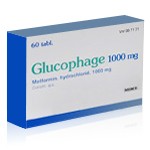
The first-line medication recommended worldwide for monotherapy is metformin. One of the most widely used formulations is Glucophage (Metformin), prescribed for the treatment of type II diabetes.
Glucophage (Metformin) for treatment of type II diabetes works by reducing glucose production in the liver and improving insulin sensitivity in muscle tissues. It does not overstimulate insulin release, which lowers the risk of hypoglycemia.
Additional metabolic benefits include improved lipid profiles and reduced inflammatory markers.
How Monotherapy Protects the Whole Body ❤️
Chronic hyperglycemia damages small and large blood vessels. By stabilizing glucose levels early, monotherapy:
- Reduces endothelial inflammation
- Protects kidney filtration units
- Preserves retinal microcirculation
- Lowers cardiovascular event risk
Long-term consistency is often more important than aggressive short-term lowering.
Long-Term Stability with Metformin 🌿
Many patients maintain stable HbA1c for years on monotherapy. Clinical data show that Glucophage (Metformin) for treatment of type II diabetes can delay the need for additional agents when combined with lifestyle measures.
The medication primarily acts on hepatic glucose production overnight, helping control fasting glucose — a major contributor to overall glycemic burden.
Doctor note 🩺
Dr. Anne L. Peters notes that metformin remains the anchor of therapy because of its durability and cardiovascular safety profile.
Lifestyle Synergy: Medication Is Not Alone 🥗🏃
Monotherapy performs best when supported by:
- Regular moderate physical activity
- Balanced carbohydrate intake
- Weight optimization
- Sleep regulation
- Stress management
Even a 5–7% reduction in body weight can significantly enhance insulin sensitivity.
Who Benefits Most from Glucophage Monotherapy 🎯
Glucophage (Metformin) for treatment of type II diabetes is particularly effective in newly diagnosed patients, individuals with insulin resistance, and those who are overweight.
It is often selected as initial therapy unless contraindications exist. Early use slows disease progression and supports long-term metabolic balance.
Doctor note 👨⚕️
Dr. Robert H. Eckel explains that combining pharmacologic therapy with structured lifestyle modification significantly improves durability of glucose control.
Monitoring During Monotherapy 📈
- HbA1c every 3–6 months
- Kidney function monitoring
- Fasting plasma glucose
- Weight and blood pressure tracking
Monitoring ensures therapy remains safe and effective. Adjustments can be made early if needed.
Bottom Line: Simplicity Can Be Powerful 💙
Monotherapy in type II diabetes is not “minimal” treatment — it is strategic treatment. When initiated early and combined with lifestyle adjustments, it protects organs, preserves pancreatic function, and reduces long-term risk.
For many patients, one carefully selected medication is enough to create lasting metabolic stability.
Drug Description Sources: U.S. National Library of Medicine, Drugs.com, WebMD, Mayo Clinic, RxList.
Reviewed and Referenced By:
Dr. Silvio E. Inzucchi – Endocrinologist: Professor of Medicine at Yale School of Medicine and contributor to major diabetes treatment guidelines worldwide.
Dr. Anne L. Peters – Clinical Diabetes Specialist: Professor at Keck School of Medicine of USC, recognized for patient-centered diabetes management research.
Dr. Robert H. Eckel – Cardiometabolic Expert: Endocrinologist at University of Colorado School of Medicine specializing in insulin resistance and cardiovascular risk.
(Updated at Feb 18 / 2026)
Glucophage Metformin articles: