The Busy-Brain Effect: Hyperactive Behavior Explained


Quick take ✅
Hyperactive behavior is a persistent pattern of restlessness, impulsive actions, and difficulty regulating attention and energy. It becomes clinically important when it disrupts learning, work performance, emotional balance, or relationships across weeks to months.
Hyperactivity is not “bad behavior” or “lack of discipline.” It often reflects differences in how the brain manages attention, inhibition, reward sensitivity, and stress reactivity. The right plan is rarely one single step—it is usually a combination of structure, skills, and (when needed) medical treatment.
🕒 When it becomes a medical issue
When symptoms are persistent, appear in more than one setting (home/school/work), and lead to real impairment—missed tasks, conflict, accidents, or chronic underperformance.
🧠 What is happening in the brain
Regulation circuits that support “pause, plan, and finish” may be underpowered, especially under boredom, stress, or high stimulation.
🎯 What treatment tries to achieve
The goal is functional stability: better follow-through, safer decisions, calmer emotions, and improved performance—without “flattening” personality.
Main contributors to hyperactive behavior 🔍
Hyperactivity can be driven by neurodevelopmental differences, but also by lifestyle and health factors that amplify restlessness. Clinicians look for patterns and triggers, because “hyperactivity” can be a final common pathway for multiple causes.
- Neurotransmitter regulation (attention/impulse control signaling)
- Genetic predisposition and family history
- Chronic stress, anxiety, or emotional overload
- Sleep disruption (short sleep, irregular sleep, sleep apnea)
- Excess stimulant intake (high caffeine/energy drinks)
- Comorbid learning difficulties or sensory processing strain
Doctor note 🧑⚕️
Clinicians often see that improving sleep regularity and reducing constant digital stimulation can lower baseline restlessness—making skill-building and treatment more effective.
How hyperactivity “builds up” in everyday life 🧠
Hyperactive behavior is often most visible when the brain is asked to do “slow focus work”: reading, homework, meetings, repetitive tasks, or quiet waiting. When stimulation is low, the brain may seek intensity through movement, interruptions, or rapid task-switching.
A helpful way to think about it: some people have a narrower “optimal arousal window.” Too little stimulation feels unbearable, too much becomes chaotic. The result can be fidgeting, impulsive decisions, fast speech, interrupting, and unfinished tasks.
Clinical patterns clinicians commonly see 🧾
Patterns help doctors decide what to evaluate first and which interventions are most likely to help. Two people can both look “hyperactive,” but need very different solutions.
| Pattern | What patients notice | Common contributors |
|---|---|---|
| Motor-dominant | Constant movement, fidgeting, pacing | Impulse-control strain, sensory seeking |
| Attention-dominant | Distractibility, unfinished tasks, procrastination | Focus regulation, working-memory overload |
| Emotion-linked | Irritability, frustration spikes, “short fuse” | Stress reactivity, anxiety overlap |
| Sleep-driven | Worse symptoms after poor sleep | Irregular schedule, insomnia, sleep apnea risk |
Doctor note 👩⚕️
A structured assessment focuses on impairment, duration, and context—because hyperactivity can look similar across different conditions.
Important “look-alikes” and red flags 🚩
Hyperactivity can coexist with other conditions—or be a sign that something else is driving the behavior. A careful evaluation helps avoid treating the wrong target.
Common look-alikes
- Anxiety (restlessness driven by worry)
- Sleep disorders (fatigue → agitation)
- Thyroid imbalance (overactivation symptoms)
- Substance/caffeine overuse
Red flags that deserve prompt care
- Sudden, dramatic behavior change
- Severe sleep loss with agitation
- Dangerous impulsivity or accidents
- Major mood swings affecting safety
Safety note ⚠️
If hyperactivity is paired with unsafe behavior, severe insomnia, or sudden confusion, professional evaluation should not be delayed.
Practical toolkit (simple changes that often help) 🧰
These steps are not “magic,” but they reduce friction. Many people notice meaningful improvement when they become consistent. Think of it as building a stable daily platform so the brain does not have to fight chaos all day.
Do ✅
- Use a short daily plan (3–5 priority tasks)
- Start with a 5-minute “warm-up task”
- Set one timer for focus + one for breaks
- Keep sleep/wake time consistent
Avoid 🚫
- Multi-tasking during learning or work
- “All-or-nothing” planning (too ambitious)
- Late caffeine and screen-heavy nights
- Changing routines daily without a reason
Best principle ✅
Build a routine you can repeat. Consistency reduces decision fatigue and makes symptoms easier to manage.
When medication becomes appropriate 💊
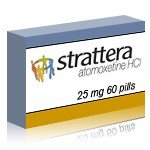
Medication is usually considered when symptoms remain persistent and impairing despite good routines, behavioral strategies, and support. For some patients, a clinician may recommend a non-stimulant treatment such as Strattera (Atomoxetine) for clinically significant hyperactivity and attention regulation difficulties.
Non-stimulant therapy is typically used as part of a broader plan—paired with skill-building and structured environments—because daily habits strongly affect outcomes. Many people benefit from setting realistic expectations: improvement is often gradual, with functional gains appearing step by step.
Doctor note 🩺
Clinicians often track not only “less hyperactivity,” but also improved follow-through, fewer conflicts, and more stable routines—because those changes reflect real-life benefit.
School and work: the hidden pressure points 🎒💼
Hyperactive behavior often becomes most visible where quiet focus and delayed rewards are required: classrooms, office tasks, long meetings, or exam preparation. The problem is not intelligence—it is often task initiation, sustained attention, and inhibition.
Helpful supports are practical, not dramatic: clear deadlines, short checklists, structured breaks, and predictable feedback. When teachers or supervisors understand the pattern, the person is more likely to receive effective accommodations rather than repeated punishment.
Quick clarity 💡
If performance improves in high-interest tasks but collapses in repetitive ones, that pattern often suggests a regulation issue—not a motivation failure.
What improvement may look like 📈
Improvement is often staged. Early gains may show up as better mornings, calmer evenings, or more stable emotions before attention becomes consistently reliable.
| Positive change | What it suggests | Practical next move |
|---|---|---|
| Fewer interruptions | Improved impulse “pause” | Reinforce cues (notes, prompts, timers) |
| More finished tasks | Better follow-through | Keep tasks smaller and specific |
| Calmer emotions | Lower stress reactivity | Protect sleep and recovery time |
| More stable daily routine | Less chaos-driven symptoms | Repeat what works; avoid constant changes |
Treatment goals that matter in real life 🎯
The best goals are measurable and functional. Instead of aiming for “perfect calm,” clinicians and patients often target: fewer conflicts, more completed tasks, safer decisions, and improved school or work consistency.
In properly selected cases, Strattera (Atomoxetine) may support day-to-day stability by strengthening attention regulation over time. This can make it easier to use learned coping skills and maintain routines—especially when the environment is structured.
Doctor note 👨⚕️
Clinicians often emphasize that the “best” plan is the one a person can sustain—because durable progress depends on repeatable habits and consistent follow-up.
Long-term management and monitoring 🛡️
Long-term success is built on stable routines, realistic goals, and periodic reassessment. Symptoms can change with life demands: exam periods, job transitions, relationship stress, and sleep disruption often amplify hyperactivity.
If medication is part of the plan, clinicians typically monitor response and tolerability over time. When Strattera (Atomoxetine) is used, follow-ups help confirm that functional benefits outweigh side effects and that the person’s daily structure supports ongoing improvement.
✅ Safer long-term plan
Regular check-ins, clear goals, and adjustments based on real-life function (school/work/home), not only symptom “scores.”
⚠️ Biggest risk
Self-adjusting routines or treatment without tracking what actually changes (sleep, caffeine, workload, screens).
🎯 Best strategy
Change one variable at a time so you can identify what truly helps and keep the improvement.
Mini FAQ (fast, practical answers) ❓
Can adults have hyperactive behavior?
Yes. Adults may show less visible movement but more inner restlessness, rapid task-switching, impulsive choices, and chronic disorganization.
Why do symptoms worsen with boredom?
Low stimulation can increase the brain’s drive to “create intensity,” which may appear as fidgeting, interruptions, or distraction.
Is hyperactivity always a disorder?
No. It becomes a clinical issue when it is persistent, present across settings, and causes measurable impairment or distress.
Reviewed and Referenced By 👩⚕️👨⚕️
Dr. Edward M. Hallowell – Psychiatrist known for clinical work and public education focused on attention regulation challenges across the lifespan.
Dr. Thomas E. Brown – Clinical psychologist recognized for work on executive function and attention-related impairment in adolescents and adults.
Dr. Stephen V. Faraone – Researcher in psychiatric genetics with extensive academic contributions to the understanding of attention and behavior disorders.
Drug Description Sources:
U.S. National Library of Medicine, Drugs.com, WebMD, Mayo Clinic, RxList.
(Updated at Feb 5 / 2026)
Strattera Atomoxetine articles: