Understanding Malignant Lymphomas

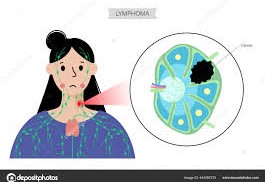
✔️ Malignant lymphomas are cancers of the lymphatic system originating from lymphocytes—B cells or T cells. These malignancies disrupt immune function and can spread to lymph nodes, spleen, thymus, and bone marrow. 🌍
⚪ Genetic mutations cause abnormal lymphocyte growth, leading to tumor formation and systemic illness.
⭐ Recognizing this complexity is essential because lymphoma is not a single disease but a spectrum of conditions requiring individualized diagnostic and therapeutic strategies.
Classification and Disease Types 🔬
Malignant lymphomas are divided into two main groups:
✔️ Hodgkin Lymphoma (HL) – Characterized by Reed–Sternberg cells and predictable patterns of spread.
✔️ Non-Hodgkin Lymphoma (NHL) – Highly heterogeneous with multiple subtypes and variable aggressiveness.
⚪ Subclassification based on molecular, immunophenotypic, and genetic features enables targeted treatment planning and prognosis estimation.
Epidemiology and Risk Factors 📈
The incidence of malignant lymphomas is increasing globally. Key risk factors include:
✔️ Immunosuppression (congenital or acquired)
✔️ Chronic infections or inflammatory conditions
⭐ Environmental exposures (chemicals, radiation)
⚠️ Family history of lymphoid malignancy increases susceptibility
Symptoms and Warning Signs ⚠️
Early symptoms can mimic benign conditions, causing delayed diagnosis:
✔️ Painless lymph node enlargement
✔️ Persistent fatigue and weakness
⚪ Fever, night sweats, weight loss
⚠️ Frequent infections due to immune dysfunction
Diagnosis and Staging 📊
Diagnosis combines clinical evaluation, imaging, and laboratory studies. A lymph node biopsy is the gold standard for subtype confirmation. Additional testing includes PET/CT imaging and bone marrow evaluation.
| Diagnostic Tool | Purpose | Clinical Value |
|---|---|---|
| Lymph Node Biopsy | Confirm malignancy | ✔️ Definitive subtype classification |
| PET/CT Scan | Determine disease spread | ⭐ Staging and treatment planning |
| Blood & Bone Marrow Tests | Assess systemic involvement | ⚪ Guide therapy intensity |
Treatment Strategies 🩺
Management is multimodal, including chemotherapy, immunotherapy, targeted therapy, radiation, and stem cell transplantation. Chemotherapy remains central, especially in aggressive cases:
✔️ Cytoxan (Cyclophosphamide) is commonly used in combination regimens, preventing DNA replication in lymphoma cells.
⭐ Helps achieve remission while managing toxicity
⚠️ Requires careful monitoring of blood counts and organ function
Quick Take Notes 📝
Essential lymphoma information at a glance:
| Aspect | Key Points | Notes |
|---|---|---|
| Definition | ✔️ Cancer of lymphocytes (B/T cells) | ⚪ Disrupts immune system; may spread to lymph nodes, spleen, marrow |
| Types |
✔️ HL ✔️ NHL |
⭐ HL: Reed–Sternberg cells; NHL: heterogeneous subtypes |
| Symptoms |
✔️ Swollen lymph nodes ⚪ Fatigue, fever, weight loss |
⚠️ Early detection critical |
| Treatment |
✔️ Chemotherapy (Cytoxan) ⭐ Immunotherapy, radiation |
⚪ Combination therapy improves remission |
| Prognosis | ✔️ Depends on subtype & stage | ⭐ Advances in therapy improve survival |
Combination Therapy and Outcomes 💊
Modern regimens use multiple drugs to attack lymphoma cells through complementary mechanisms:
✔️ Cytoxan (Cyclophosphamide) included with other agents to enhance tumor suppression
⚪ Multi-drug approach reduces resistance
⭐ Coordinated dosing minimizes toxicity
✔️ Improves remission durability
Prognosis and Survivorship 🌱
Prognosis depends on lymphoma subtype, stage, and treatment response:
✔️ Indolent lymphomas: long-term monitoring
⭐ Aggressive subtypes: intensive therapy may achieve cure
⚪ Advances in therapy significantly improve survival rates
Supportive Care and Monitoring 🤝
Managing side effects and maintaining patient wellbeing:
✔️ Monitor immune function and organ health
⚠️ Safe use of Cytoxan (Cyclophosphamide) requires blood count checks
⭐ Psychological support improves outcomes
Doctor Opinion 👨⚕️
Dr. Bruce D. Cheson – Hematologic Oncology Specialist: “The management of malignant lymphomas has evolved into a precision-driven discipline. Accurate classification, risk-adapted staging, and individualized treatment sequencing are essential to achieve remission while maintaining quality of life. Chemotherapy remains foundational, with established agents used judiciously to maximize efficacy and minimize toxicity. Supportive care, including monitoring immune function, organ health, and patient wellbeing, is equally important. Multidisciplinary collaboration ensures optimal outcomes, with careful monitoring for relapse and long-term side effects. Modern protocols integrating chemotherapy, immunotherapy, and targeted agents have transformed survival expectations and allow patients to live fulfilling lives post-treatment.”
Drug Description Sources 📚
Drug Description Sources: U.S. National Library of Medicine, Drugs.com, WebMD, Mayo Clinic, RxList.
Reviewed and Referenced By 🧾
Dr. Amanda Lewis – Clinical Pharmacologist: Carisoprodol is effective for short-term muscle relaxation, but requires careful use due to sedation and dependence potential.
Dr. Samuel Hart – Neuromuscular Function Specialist: Prosoma provides rapid relief of muscle tension, but its metabolite meprobamate prolongs CNS depression, so driving and alcohol must be avoided.
Dr. Caroline Hayes – Pharmaceutical Economics Specialist: Generic Carisoprodol offers the same therapeutic effect as branded versions and remains the most cost-efficient solution.
(Updated at Jan 10 / 2026)