When Cholesterol Gets Stuck: The Hidden Story of Type 3 Hyperlipidemia


If cholesterol and triglycerides had a travel plan, it would look like this: deliver energy, drop off building blocks, then go home to the liver for recycling. In Hyperlipidemia (Type III) — also known as familial dysbetalipoproteinemia — that “go home” step becomes messy. Certain fat-carrying particles called remnant lipoproteins hang around in the bloodstream longer than they should… and they are not polite guests.
These remnants are cholesterol-rich and sticky, and over time they can slip into artery walls, helping plaques grow faster. The result is a higher risk of premature atherosclerosis, meaning the “hardening and narrowing” process can start earlier than expected. The good news: Type III hyperlipidemia is manageable when you combine smart lifestyle moves, accurate diagnosis, and (when appropriate) the right medication strategy 😊.
Quick take 💡
Think of Type III as a “remnant clearance problem.” The goal is to reduce remnant particles, calm vascular inflammation, and lower long-term cardiovascular risk. Treatment works best when it targets both the lipid numbers and the triggers that push them higher.
🧬 What makes Type III special
It is not just “high cholesterol.” It is a pattern where cholesterol and triglycerides rise together because remnants stay in circulation.
⚠ Why it matters
Remnants are strongly linked to plaque buildup, so controlling them helps protect the heart, brain, and legs.
🎯 What “winning” looks like
Better labs, fewer vascular symptoms, and a steady plan that you can actually stick to (no heroic suffering required 😄).
What exactly is Hyperlipidemia Type III? 🧩
Type III hyperlipidemia is a genetic lipid disorder where the body struggles to clear triglyceride-rich remnant lipoproteins. Many cases are associated with a specific apolipoprotein E pattern (often ApoE2-related), which affects how remnants bind to liver receptors for clearance. Translation: the “remove and recycle” system runs slower than it should.
Here is the twist: not everyone with the genetic susceptibility develops full Type III. Symptoms often appear when additional factors “flip the switch,” such as insulin resistance, type 2 diabetes, hypothyroidism, obesity, kidney disease, or certain lifestyle patterns. That is why Type III can sometimes show up in adulthood after years of normal-looking labs.
Doctor note 👩⚕️
Dr. Christie M. Ballantyne (lipid disorders and cardiovascular prevention) highlights in his clinical work that complex lipid patterns often need both “numbers management” and “cause management” — addressing metabolic triggers makes medications work better and longer.
Why remnants build up: the short story + the real life story 🔄
The short story: remnant particles do not get cleared efficiently, so they accumulate. The real-life story: the body is a system, not a single switch. Genetics sets the stage, but daily biology decides the volume. When insulin resistance increases, triglyceride production rises. When thyroid hormones are low, lipid clearance slows. When weight increases, liver metabolism can become overwhelmed.
🧬 Genetic layer
ApoE-related clearance issues make remnant removal less efficient.
🍬 Metabolic layer
Insulin resistance and diabetes can push triglycerides up and worsen remnants.
🧠 Hormone layer
Hypothyroidism can slow lipid processing, making the pattern more visible.
Symptoms and signs: sometimes silent, sometimes loud 📣
Type III hyperlipidemia can be sneaky. Many people feel completely fine until cardiovascular disease develops. But there are clues — especially in advanced or long-standing cases — that can point clinicians toward the diagnosis.
- Palmar xanthomas (yellowish streaks on the palms) — a classic Type III clue
- Tuberous xanthomas (firm fatty bumps, often on elbows or knees)
- Early coronary artery disease symptoms (chest pressure, reduced exercise tolerance)
- Leg pain when walking (possible peripheral artery disease)
- Lab pattern with high total cholesterol + high triglycerides
If you see this pattern on labs, it is worth going beyond “diet advice.” Type III is about how lipids are transported, not just what was eaten last week. Getting the diagnosis right helps shape the most effective plan.
Quick clarity 💡
Symptoms may be absent, but the arteries can still be taking damage. That is why early detection is a big deal.
Diagnosis: turning “high lipids” into the right label 🧪🔎
Diagnosis often starts with a lipid panel, but Type III typically requires a deeper look. Clinicians may consider ApoE testing, remnant-focused markers, and the overall pattern (not only a single number). The goal is to confirm that remnants are the main issue — because that changes the strategy.
| What is checked | What it may show in Type III | Why it helps |
|---|---|---|
| Standard lipid panel | Both cholesterol and triglycerides elevated | Suggests a mixed disorder pattern |
| Apolipoprotein E (ApoE) status | Susceptibility pattern often present | Supports the “remnant clearance” diagnosis |
| Clinical exam | Possible palmar or tuberous xanthomas | Physical clues can be highly specific |
| Secondary triggers | Diabetes, hypothyroidism, kidney issues | Fixing triggers can dramatically improve labs |
Doctor note 🧑⚕️
Dr. Daniel J. Rader (human genetics and lipid metabolism) is known for emphasizing that lipid disorders often sit at the intersection of genes + environment, so a complete evaluation includes both inherited risk and reversible drivers.
Why the arteries care: cardiovascular risk in plain language ❤️🛣️
Remnant lipoproteins can carry a lot of cholesterol into the artery wall. Once there, they contribute to plaque growth and inflammation. Over time, plaques narrow vessels and can become unstable — the setup for heart attack or stroke. Type III is strongly associated with premature atherosclerosis, which is why treatment is not just cosmetic for lab values — it is protective.
🫀 Heart
Higher risk of coronary artery disease and earlier symptoms.
🧠 Brain
Stroke risk rises when vascular disease progresses.
🦵 Legs
Peripheral artery disease can cause pain with walking or poor circulation.
Doctor note 🩺
Dr. Peter Libby (cardiovascular specialist and atherosclerosis researcher) is widely recognized for explaining that atherosclerosis is not only “lipid storage” — it also involves ongoing inflammation. That is why consistent lipid control can have long-term protective effects.
Treatment: building a plan that actually works (and lasts) 🧱✅
Type III management usually combines three pillars: lifestyle foundations, treatment of secondary triggers, and targeted medication when needed. The approach is practical: reduce remnant particles, protect arteries, and make the plan sustainable.
The 3 pillars of treatment
- Nutrition strategy that lowers triglyceride load and supports weight stability
- Trigger control (glucose, thyroid, kidney health, alcohol patterns) because triggers can amplify the disorder
- Medication plan tailored to the lipid pattern and cardiovascular risk profile
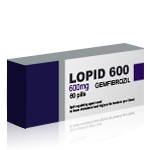
In many patients with Type III patterns, a fibrate medication can be considered to target triglyceride-rich remnants. One commonly used option is Lopid (Gemfibrozil), which is used to help lower triglycerides and improve the remnant-heavy lipid profile as part of a clinician-guided treatment plan.
Practical tip 🌿
Medication works best when the “fuel” is adjusted too: steady meals, fewer refined carbs, and consistent activity can noticeably improve triglyceride-driven patterns.
How fibrate therapy helps remnants behave 🧪🚀
Fibrates influence lipid metabolism in a way that is especially relevant when triglycerides are high. They support pathways that increase triglyceride breakdown and improve the handling of triglyceride-rich particles. In Type III, that can mean fewer remnants lingering in circulation.
| What the strategy targets | What may improve | Why it matters |
|---|---|---|
| Triglyceride-rich particles | Lower triglycerides | Less remnant “traffic” in the bloodstream |
| Remnant clearance support | Cleaner lipid pattern | Lower plaque-building potential |
| Overall cardiometabolic load | Better long-term risk control | Protection for heart, brain, and circulation |
This is where Lopid (Gemfibrozil) is often discussed: it is used to reduce triglycerides and improve lipid processing, helping bring a remnant-heavy profile closer to a safer range when chosen by a clinician. Monitoring is important, and medication choice should always match the patient’s full risk picture and other therapies.
Doctor note 🧑⚕️
Many lipid specialists stress “fit the tool to the pattern.” Type III is a remnant pattern, so treatment often focuses on triglyceride-rich lipoproteins and the drivers that keep them elevated.
Lifestyle upgrades that do not feel like punishment 😄🥗
Lifestyle changes are not about perfection — they are about reducing the conditions that help remnants pile up. For Type III, the biggest wins often come from improving insulin sensitivity, lowering refined carbohydrate load, and building a consistent movement rhythm.
✅ Do more of this
- Prioritize fiber (vegetables, legumes, whole grains) to support lipid balance
- Choose lean proteins and healthy fats in steady portions
- Move daily: walking, cycling, swimming — consistency beats intensity
- Sleep and stress care (yes, it affects glucose and triglycerides)
- Follow a plan for diabetes or thyroid disease if present
🚫 Do less of this
- Large refined-carb loads (sweet drinks, pastries, frequent fast carbs)
- Heavy alcohol patterns, which can push triglycerides up
- All-or-nothing dieting that leads to rebound eating
- Ignoring metabolic triggers (glucose, thyroid) while chasing “perfect cholesterol”
- Skipping follow-up labs (Type III needs tracking)
Micro-habit that helps ✅
Pick a “default breakfast” and “default snack” that are low in sugar and high in protein or fiber. Fewer glucose spikes often means calmer triglycerides.
Myth vs fact: Type III edition 🧠✨
Myth: It is only caused by eating fatty foods
Fact: Genetics and remnant clearance are central. Diet matters, but Type III is primarily a transport-and-clearance disorder.
Myth: If I feel fine, my arteries are fine
Fact: Atherosclerosis can progress silently. Lab patterns and risk factors guide prevention before symptoms appear.
Myth: One lab test tells the whole story
Fact: Type III evaluation often includes pattern recognition, secondary trigger review, and sometimes specialized testing.
Mini FAQ (quick answers, low drama) ❓🙂
Can Type III be “cured”?
It is typically a lifelong tendency, but it can be well controlled. Many patients achieve safer lipid levels and reduce cardiovascular risk with consistent management.
Why did my labs worsen suddenly?
Type III often becomes more visible when metabolic triggers shift: weight gain, insulin resistance, diabetes changes, hypothyroidism, kidney issues, or alcohol patterns.
How often should monitoring happen?
Your clinician typically sets the schedule based on severity and treatment changes. Monitoring matters because the goal is not only “lower numbers,” but stable risk control over time.
Bottom line: calm the remnants, protect the future 🌈🛡️
Hyperlipidemia Type III can feel confusing because it sits between genetics and everyday metabolism. But it is also one of those conditions where a well-structured plan pays off: the better you control remnants and triggers, the more you protect your arteries. Think of success as a steady combination of nutrition, movement, trigger management, and the right medication choice when needed.
For patients whose lipid profile is dominated by triglyceride-rich remnants, clinicians may consider fibrate therapy as part of treatment, including Lopid (Gemfibrozil) when appropriate, alongside lifestyle strategies and ongoing monitoring. The goal is simple: fewer harmful particles in circulation and a lower chance of cardiovascular events later.
Doctor note 🩺
Many cardiometabolic experts emphasize that prevention is not a one-time sprint. It is a calm routine — and routines are powerful.
Drug Description Sources:
U.S. National Library of Medicine, Drugs.com, WebMD, Mayo Clinic, RxList.
Reviewed and Referenced By 👩⚕️👨⚕️
Dr. Daniel J. Rader – Human Genetics and Lipid Metabolism Specialist:
Physician-scientist and professor known for research on genetic lipid disorders, lipoprotein biology, and cardiovascular risk reduction through precision lipid management.
Dr. Christie M. Ballantyne – Lipid Disorders and Cardiovascular Prevention:
Cardiologist and clinical researcher recognized for work in preventive cardiology, advanced lipid testing, and cardiometabolic risk control in complex dyslipidemias.
Dr. Peter Libby – Preventive Cardiology and Atherosclerosis Research:
Cardiologist and internationally cited researcher in atherosclerosis and vascular inflammation, widely known for explaining how lipids and inflammation interact in plaque formation.
(Updated at Feb 18 / 2026)
Lopid Gemfibrozil articles: