When the Intestine Signals Trouble: Understanding Inflammation and Recovery


Your intestine is not just a food-processing tunnel. It is a highly intelligent immune organ that constantly scans what enters your body. Most of the time, this system works silently in your favor. But when intestinal inflammation begins, the immune system becomes overactive and starts reacting as if normal tissue were a threat.
This creates a chain reaction: irritation, tissue damage, poor nutrient absorption, and uncomfortable symptoms. Conditions such as inflammatory bowel disease, infections, or immune imbalance can disrupt the delicate equilibrium that keeps digestion smooth and efficient.
The encouraging news is that intestinal inflammation is manageable with the right strategy. Modern medicine focuses on calming the immune response, protecting tissue, and restoring balance so the intestine can function normally again.
Doctor note 🧑⚕️
Dr. David T. Rubin explains that early control of inflammation helps preserve intestinal structure and prevents complications that become harder to reverse later.
What intestinal inflammation really means 🧬
Intestinal inflammation happens when immune cells activate inside the intestinal lining and begin producing inflammatory chemicals. These chemicals are useful when fighting infections, but when produced excessively, they damage healthy tissue instead.
The intestinal lining normally acts as a protective barrier and absorption surface. When inflammation disrupts this layer, digestion becomes less efficient, and symptoms begin to appear.
| Type | Where it occurs | What makes it unique |
|---|---|---|
| Ulcerative Colitis | Colon | Continuous inflammation affecting inner lining |
| Crohn disease | Anywhere in digestive tract | Deep inflammation affecting multiple layers |
| Infectious inflammation | Small or large intestine | Triggered by bacteria, viruses, or parasites |
| Microscopic inflammation | Colon | Invisible without microscopic examination |
Doctor note 👨⚕️
Dr. Edward V. Loftus Jr. notes that inflammatory bowel diseases are driven by immune imbalance rather than infection alone.
How your body signals intestinal inflammation 🚨
Symptoms often appear gradually and may vary depending on inflammation severity and location. The intestine becomes less efficient, and the immune system continues to generate irritation signals.
- Persistent diarrhea or loose stools
- Abdominal cramping or pressure
- Blood or mucus in stool
- Fatigue and low energy levels
- Unexpected weight loss
- Reduced appetite
- Periodic fever during flare-ups
These symptoms reflect the intestine struggling to perform its normal role while under immune attack.
Quick insight 💡
Fatigue often results from nutrient absorption problems and ongoing immune activity.
Why intestinal inflammation begins 🧩
Several interacting factors can trigger intestinal inflammation. Often, it is not a single cause, but a combination that disrupts immune balance.
Doctor note 🧑⚕️
Dr. Sunanda Kane emphasizes that microbiome health plays a central role in regulating intestinal immune responses.
The immune system: protector turned aggressor ⚖️
Normally, immune cells protect intestinal tissue from harmful microbes. However, in inflammatory disorders, the immune system mistakenly attacks healthy tissue, creating continuous irritation.
- Tissue damage and ulcer formation
- Narrowing of intestinal passages
- Reduced nutrient absorption
- Long-term structural changes
Controlling immune activity is essential for preventing disease progression and protecting intestinal health.
Doctor note 👨⚕️
Dr. Rubin explains that immune-targeted therapy allows intestinal tissue to heal and regain function.
How medications help calm intestinal inflammation 💊
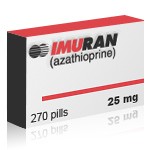
Treatment focuses on reducing immune overactivity and allowing intestinal tissue to recover. One well-established medication used for this purpose is Imuran (Azathioprine).
This medication works by slowing immune cell activity, preventing excessive inflammation and reducing damage to intestinal tissue. It is commonly used in chronic inflammatory bowel disease management.
- Reduces immune-driven inflammation
- Supports intestinal healing
- Helps maintain remission
- Protects against long-term complications
Doctor note 🩺
Dr. Kane highlights that azathioprine remains a reliable option for long-term immune regulation.
Maintaining remission and protecting your gut 🛡️
Long-term management helps stabilize immune activity and prevent flare-ups. Imuran (Azathioprine) plays an important role in helping patients remain symptom-free for extended periods.
Combined with medical monitoring and lifestyle adjustments, immune-modulating therapy allows patients to regain digestive stability and comfort.
Recovery tip ✅
Consistent treatment is more effective than stopping and restarting therapy repeatedly.
What happens if inflammation continues unchecked ⚠️
Without proper treatment, inflammation may worsen and lead to serious complications affecting digestive and overall health.
- Chronic intestinal damage
- Persistent bleeding
- Malnutrition
- Reduced immune resilience
Medications such as Imuran (Azathioprine) help prevent these complications by stabilizing immune function.
Doctor note 👨⚕️
Preventing inflammation early reduces long-term intestinal damage.
Daily habits that support intestinal health 🌿
Healthy habits help reduce inflammation risk and support recovery.
- Balanced nutrition
- Stress management
- Medical monitoring
- Proper hydration
- Following treatment plans consistently
Helpful mindset 💡
Stability comes from consistency, not quick fixes.
Outlook: restoring balance and digestive comfort 📈
With proper treatment and monitoring, intestinal inflammation can be effectively controlled. Many patients achieve long-term remission and regain normal digestive function.
Early diagnosis, immune regulation, and consistent care provide the best outcomes and allow patients to live full, healthy lives.
Doctor note 🧑⚕️
Modern treatment strategies allow most patients to maintain stable intestinal health.
Reviewed and Referenced By 👩⚕️👨⚕️
Dr. David T. Rubin – Gastroenterologist, University of Chicago Medicine:
Internationally recognized expert in inflammatory bowel disease treatment and immune therapy research.
Dr. Edward V. Loftus Jr. – Gastroenterologist, Mayo Clinic:
Specialist in chronic intestinal inflammation and long-term disease management strategies.
Dr. Sunanda Kane – Gastroenterologist, Mayo Clinic:
Expert focused on improving quality of life and therapeutic outcomes in inflammatory bowel diseases.
Drug Description Sources:
U.S. National Library of Medicine, Drugs.com, WebMD, Mayo Clinic, RxList.
(Updated at Feb 22 / 2026)
Imuran Azathioprine articles: