Acute Diarrhea: When your Digestive System Needs Fast Support


Acute diarrhea is one of the most common digestive conditions worldwide. It appears suddenly and is characterized by frequent loose or watery stools, often accompanied by urgency, abdominal discomfort, and fatigue. In many cases, it lasts only a few days — but during that time, it can disrupt daily life, weaken the body, and cause dehydration if not managed properly.
This condition is usually caused by infections, food contamination, sudden dietary changes, or digestive irritation. The body increases intestinal movement to remove harmful substances quickly. While this is a protective mechanism, excessive fluid loss can become dangerous without proper care and hydration.
Doctor note 👩⚕️
Dr. William D. Chey, Gastroenterologist, explains that acute diarrhea is usually self-limited, but the main priority is maintaining hydration and controlling excessive bowel activity to prevent complications.
⏱ Sudden onset
Symptoms usually begin quickly and may last from 1 to 7 days.
💧 Biggest risk
Fluid loss can lead to dehydration, weakness, and electrolyte imbalance.
✅ Treatment goal
Restore fluid balance and slow excessive intestinal movement safely.
Clinical overview of acute diarrhea 🧾
| Category | Description |
|---|---|
| Definition | Sudden onset of frequent loose or watery stools lasting less than 14 days |
| Common causes | Viral infection, bacteria, food poisoning, digestive irritation |
| Main symptoms | Loose stools, abdominal cramps, urgency, fatigue |
| Main risk | Dehydration and electrolyte imbalance |
| Primary treatment focus | Hydration, symptom control, intestinal stabilization |
| Medication option | Antidiarrheal therapy such as Imodium (Loperamide) |
What causes acute diarrhea 🔬
Acute diarrhea usually occurs when the digestive system reacts to harmful microorganisms or irritants. The intestines accelerate movement to expel unwanted substances quickly.
Common causes include:
- Viral infections (norovirus, rotavirus)
- Bacterial infections from contaminated food or water
- Food poisoning
- Sudden dietary changes
- Medication side effects
- Traveler exposure to unfamiliar bacteria
Doctor note 👨⚕️
Dr. David A. Johnson emphasizes that viral infections are the most common cause, especially in adults, and proper hydration is the foundation of recovery.
Common symptoms and how they affect the body ⚠️
Acute diarrhea affects not only digestion but also the entire body due to fluid and electrolyte loss.
- Frequent loose or watery stools
- Abdominal cramps
- Urgent need to use the bathroom
- Nausea
- Fatigue
- Weakness
Important warning 🚨
Severe dehydration symptoms include dizziness, dry mouth, and reduced urination. These require medical attention.
Why hydration is critical 💧
The greatest danger of acute diarrhea is dehydration. The body loses essential fluids, sodium, and potassium, which are needed for muscle and organ function.
Without replacement, dehydration can lead to weakness, low blood pressure, and serious complications.
Key hydration strategies include:
- Drinking water regularly
- Using oral rehydration solutions
- Avoiding alcohol and caffeine
- Eating easily digestible foods
Treatment options and symptom control 💊
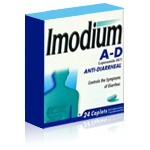
Treatment focuses on reducing symptoms while allowing the digestive system to recover. One commonly used medication is Imodium (Loperamide), which helps slow intestinal movement and reduce stool frequency.
By slowing bowel activity, Imodium (Loperamide) allows the body to absorb more fluid and regain normal balance.
Doctor note 🧑⚕️
Dr. William D. Chey explains that medications like Imodium help relieve symptoms and improve comfort while the body resolves the underlying cause.
How Imodium (Loperamide) works 🧬
Imodium (Loperamide) works by slowing intestinal contractions. This allows more time for water absorption and helps restore normal stool consistency.
Benefits include:
- Reduced stool frequency
- Improved stool consistency
- Faster symptom relief
- Improved comfort and daily function
Recovery timeline and what to expect 📈
Most cases resolve within a few days. Proper hydration, rest, and symptom control help accelerate recovery.
- Symptoms usually improve within 1 to 3 days
- Full recovery typically occurs within one week
- Energy levels gradually return to normal
Recovery tip ✅
Eat simple foods such as rice, bananas, and toast while avoiding heavy meals during recovery.
Prevention strategies 🛡️
- Wash hands regularly
- Avoid contaminated food and water
- Practice food safety
- Maintain proper hygiene
Dr. William D. Chey – Gastroenterology Specialist: Expert in digestive disorders and intestinal function.
Dr. David A. Johnson – Professor of Gastroenterology: Specialist in gastrointestinal health and treatment.
Dr. Brooks D. Cash – Gastroenterology Research Specialist: Focuses on digestive system disorders and treatment strategies.
(Updated at Feb 21 / 2026)