Asthma: Breathing Can Be Easy Again, but It Needs a Plan

Asthma is a chronic inflammatory condition of the airways. It can feel unpredictable: one day you walk fast or laugh hard and nothing happens, the next day your chest tightens, your breathing turns noisy, and you start counting seconds between breaths. The good news is that asthma is one of the most manageable long-term respiratory diseases when you combine smart routines, trigger awareness, and the right medications.
Asthma symptoms happen because the airways become over-sensitive. When they meet a trigger, they swell, produce extra mucus, and the surrounding muscles tighten. That combination narrows the “breathing tubes” and makes airflow harder. Treatment is built around two goals: rapid relief when symptoms flare, and strong prevention so flare-ups happen less often and feel less intense.
A helpful mindset: asthma control is not about being “perfect.” It is about making breathing stable enough that your day is not planned around your lungs.
Doctor note 🧑⚕️
Dr. Mario Castro is a physician-scientist known for clinical and translational work in asthma and airway disease, with leadership roles in pulmonary medicine and a long record of peer-reviewed publications.
🧭 What asthma really is
Not just “tight air.” Asthma is airway inflammation + muscle spasm, often with mucus, leading to reversible obstruction.
⏱ Why control matters
Better control means fewer attacks, better sleep, more exercise tolerance, and lower risk of urgent visits.
🎯 The goal
You should be able to live normally: minimal symptoms, rare rescue use, and confidence in your plan.
What happens in the lungs during asthma 🔬
Think of your airways as flexible tubes lined with sensitive tissue. In asthma, that lining is chronically primed for inflammation. When a trigger hits, the airway wall swells, mucus thickens, and muscles around the airway squeeze. The result is narrowed airflow and the classic feeling of “not enough air,” even when you try to inhale deeply.
This narrowing can be reversible, which is why quick-relief inhalers work so fast. But frequent symptoms are also a sign that inflammation is active and needs stronger prevention, not just rescue relief.
| Airway Feature | When Asthma Is Calm | During a Flare |
|---|---|---|
| Airway lining | Less reactive | Swollen and inflamed |
| Mucus | Normal amount | Thicker, increased production |
| Airway muscles | Relaxed | Tightened (bronchospasm) |
| Breathing | Comfortable | Wheeze, cough, tight chest |
How asthma typically feels (and what to take seriously) 👀
Asthma can look different from person to person. Some people mostly cough, others mostly wheeze, and some mainly feel chest tightness. Symptoms often worsen at night, early morning, or after exposure to triggers.
Common asthma signals ✅
- Wheezing (whistling sound)
- Shortness of breath with activity or at rest
- Chest tightness or pressure
- Cough that lingers, especially at night
- Symptoms that come and go in episodes
Red flags 🚩
- Breathing trouble that worsens rapidly
- Difficulty speaking full sentences
- Lips or fingertips turning bluish
- No relief after usual rescue steps
- Severe chest tightness with exhaustion
Quick clarity 💡
Asthma symptoms can be mild and annoying, or fast and frightening. If symptoms feel unusually intense or do not respond as expected, urgent assessment is the safer choice.
Triggers: find yours, reduce surprises 🧩
Asthma attacks often follow patterns. Many people have a main trigger (like cats, smoke, or exercise) plus a few smaller ones. When you identify patterns, control becomes easier because you can protect your airways before symptoms explode.
Doctor note 👩⚕️
Dr. Anne E. Dixon is an academic pulmonary physician-scientist whose work includes asthma and lung disease related to obesity and metabolism, with leadership roles in pulmonary and critical care medicine.
Asthma treatment: two lanes that must work together 🛣️
Asthma therapy is usually split into rescue and controller treatment. Rescue medicines open airways quickly during symptoms. Controller therapy reduces inflammation and makes symptoms less frequent. Relying only on rescue relief can leave inflammation untreated, which increases future risk.
| Medication Lane | Main Purpose | What it Changes |
|---|---|---|
| Rescue | Rapid symptom relief | Relaxes airway muscles quickly |
| Controller | Prevention over time | Reduces airway inflammation and sensitivity |
| Advanced options | Severe asthma support | Targets specific immune pathways |
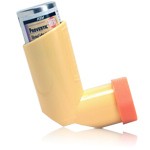
A classic rescue option is Proventil inhalers (Albuterol), which are used to treat sudden wheezing or shortness of breath by quickly relaxing airway muscles and improving airflow during an asthma flare.
Doctor note 🧑⚕️
Dr. Reynold A. Panettieri Jr. is a pulmonary and translational medicine leader known for research on airway biology and asthma therapeutics, with senior academic roles in translational medicine and science.
Why inhalers are so effective (delivery matters) 🎯
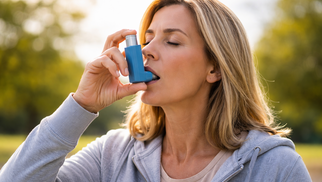
Inhalers deliver medication directly to the lungs, where the problem is happening. This direct route is one reason inhaled therapy can work quickly and efficiently: small doses can produce meaningful effects with fewer whole-body impacts than many oral medications.
Rescue inhalers are designed for fast relief. In many asthma action plans, patients keep a rescue inhaler available for sudden symptoms or before exercise if instructed by a clinician.
For example, Proventil inhalers (Albuterol) are commonly used as a quick-relief option to open the airways within minutes when bronchospasm starts, helping breathing feel easier and more stable.
Rescue inhaler strengths ⚡
- Fast opening of narrowed airways
- Useful for exercise-induced symptoms
- Portable and immediate
- Clear feedback: breathing feels easier quickly
What good prevention looks like 🧠
- Less nighttime cough and waking
- More activity with fewer symptoms
- Less need for rescue medication
- More stable week-to-week breathing
Living well with asthma: stability is built daily 🧩
Asthma control is often a combination of smart habits and consistent therapy. Many people do best with a simple system: recognize early symptoms, reduce trigger exposure, and follow a plan that matches symptom frequency and risk profile. When asthma is controlled, life feels normal again.
Everyday supports that often help ✅
- Reducing smoke exposure and strong fumes
- Managing allergies and indoor dust
- Tracking symptoms to spot patterns early
- Keeping a clear plan for exercise and cold air
- Reviewing technique and adherence regularly
Practical clarity 💡
Frequent rescue use often signals that underlying inflammation is not fully controlled, which may justify a structured review of daily prevention therapy.
Long-term outlook: modern asthma care is strong 📈
Over the past decades, asthma outcomes have improved significantly. Better inhalers, clearer treatment strategies, and advanced therapies for severe asthma have changed the story for many patients. Most people can achieve excellent control and keep severe attacks rare.
The most reliable long-term progress comes from aligning treatment with your real life: your triggers, your schedule, your activity level, and your symptom pattern.
For sudden symptoms, Proventil inhalers (Albuterol) are used as rescue treatment to quickly relieve bronchospasm and restore airflow during an asthma attack, supporting safer and faster symptom stabilization.
Mini FAQ: clear answers to common asthma questions ❓
Is asthma always lifelong?
Asthma is typically a chronic condition, but severity can change over time. Some people have long quiet periods, while others need continuous prevention. What matters most is consistent control so inflammation stays low and attacks remain rare.
Why do symptoms get worse at night?
Nighttime symptoms can be driven by airway rhythm changes, bedroom allergens, reflux, or post-nasal drip. Tracking when symptoms spike helps identify a likely driver, so prevention can be targeted rather than random.
Can exercise be safe with asthma?
Yes. Many people with asthma exercise safely and benefit from better fitness and endurance. A good approach is a warm-up, avoiding cold dry air when possible, and following a clinician-approved plan so symptoms stay predictable and manageable.
Contributors and Medical Review 👩⚕️👨⚕️
Main contributors 🔍
- Clinical Content Team — Health writers focused on patient-friendly explanations of respiratory disease mechanisms, symptom patterns, and treatment logic for everyday decision-making.
- Medical Editing Team — Editors who standardize terminology, ensure internal consistency, and align medication descriptions with widely accepted medical references.
Reviewed and Referenced By:
Dr. Mario Castro – Pulmonary Medicine Physician-Scientist
Known for clinical and translational work in asthma and airway disease, with extensive publication history and leadership roles in pulmonary, critical care, and sleep medicine.
Dr. Anne E. Dixon – Professor of Medicine, Pulmonary and Critical Care
Academic clinician-researcher recognized for work on asthma and lung disease related to obesity and metabolism, with leadership in pulmonary and critical care medicine.
Dr. Reynold A. Panettieri Jr. – Pulmonary and Translational Medicine Leader
Physician and research leader in airway biology and asthma therapeutics, with senior academic roles in translational medicine and science.
Drug Description Sources: U.S. National Library of Medicine, Drugs.com, WebMD, Mayo Clinic, RxList.
(Updated at Feb 15 / 2026)
Proventil Albuterol articles: