Chronic Obstructive Lung Diseases: When Air Needs a Wider Lane


Chronic obstructive lung diseases are long-term conditions where airflow becomes limited, especially during exhalation. The best-known example is chronic obstructive pulmonary disease (COPD), which includes two major “faces” of the same problem: chronic bronchitis (inflamed, mucus-producing airways) and emphysema (damaged air sacs that trap air). Many people also live with overlap patterns such as asthma-COPD features, chronic small-airway disease, or coexisting bronchiectasis.
The key idea is simple: lungs are built for smooth, fast airflow. When airway walls thicken, mucus becomes sticky, and the lung’s elastic “spring” weakens, the system turns into a bottleneck. That bottleneck shows up as shortness of breath, reduced stamina, cough, and a feeling that breathing is “work” rather than automatic.
These diseases are often progressive, but they are not hopeless. A practical plan can reduce flare-ups, improve daily function, and protect the heart and muscles that suffer when oxygen delivery drops. The goal is not just “better numbers” on a test — it is better mornings, fewer emergency episodes, and more control over daily life.
Doctor note 🧑⚕️
Obstructive lung disease is easiest to manage when it is treated as a system condition — lungs, heart, muscles, sleep, and mood influence symptoms together, so the plan must be bigger than an inhaler alone.
🧭 The real target
Improve airflow, reduce inflammation, and prevent exacerbations — sudden flare-ups that can accelerate decline and drive hospital visits.
⏱ Why timing matters
Early action protects lung function and reduces “silent” damage from ongoing smoke, dust, and untreated airway inflammation.
🎯 The win you can feel
Less breathlessness, better sleep, fewer infections, and more confidence with activity — especially when rehab and medication work together.
What “obstruction” really means (and why exhaling is harder) 🌬️
In obstructive disease, the problem is not only getting air in — it is getting air out. Inflamed airways narrow, mucus blocks the lumen, and the supporting tissue that keeps small airways open during exhalation becomes weaker. The result is air trapping: leftover air stays in the lungs, leaving less room for a fresh breath.
Over time, air trapping can flatten the diaphragm and increase the work of breathing, which is why people may feel tightness or fatigue even without a dramatic cough. This also explains why a simple walk can suddenly feel like “stairs,” and why controlled breathing techniques can reduce panic during breathlessness.
Clinically, obstruction is often confirmed by spirometry, where the ratio of forced exhaled volume in one second (FEV1) to forced vital capacity (FVC) is reduced. That test does more than label a disease — it helps map severity and track response to therapy.
How it typically feels (and what should raise alarms) 👀
Common symptoms include progressive shortness of breath, chronic cough, wheezing, chest tightness, and reduced exercise tolerance. Chronic bronchitis patterns often bring daily mucus, especially in the morning, while emphysema patterns can look like breathlessness that slowly expands into more moments of the day.
Symptoms often fluctuate. Cold air, smoke exposure, viral infections, and poor sleep can trigger worse days. Many patients learn they have an obstructive disease only after they start “avoiding effort” — taking elevators, walking slower, or resting more — because the changes creep in gradually.
Red flags include new confusion, bluish lips, severe chest pain, significant swelling in legs, coughing up blood, or breathlessness at rest that does not improve. These can suggest complications such as severe exacerbation, pneumonia, heart strain, or other urgent conditions that require medical assessment.
Quick clarity 💡
Obstructive disease can be “quiet” for years. If daily activity is shrinking, that is a symptom too — it is often the earliest functional clue.
Why chronic obstructive lung diseases develop (the big drivers) 🧩
The most common cause is tobacco smoke exposure, including long-term smoking and secondhand smoke. Smoke triggers chronic inflammation, increases mucus production, and accelerates structural damage in the airways and alveoli. However, many people with COPD worldwide have never smoked; for them, biomass smoke, urban air pollution, and workplace exposures (dust, fumes) can play a major role.
Genetics can contribute as well. For example, alpha-1 antitrypsin deficiency is a known inherited risk factor for early emphysema, especially when combined with smoke exposure. Even without rare genetic conditions, individuals differ in how strongly their lungs react to irritants, which is why some develop disease earlier than others.
Comorbidities matter. Chronic obstructive lung diseases often travel with cardiovascular disease, anxiety, depression, osteoporosis, reflux, and sleep disorders. These conditions can amplify breathlessness and fatigue, and they also influence which medications and activity plans are safest.
Doctor note 🧑⚕️
A useful clinical approach is to separate what is fixable today (smoke exposure, inhaler technique, activity pattern, sleep) from what is structural (airway remodeling, emphysema) — because both influence symptoms, but in different ways.
Diagnosis and monitoring: the “map” that guides treatment 🧪
Diagnosis typically starts with symptoms and exposure history, then moves to objective testing. Spirometry confirms airflow limitation and helps grade severity. Some people also benefit from bronchodilator response testing to identify asthma-like reversibility or overlap features that influence treatment choices.
Imaging can add context. A chest X-ray may exclude alternative causes, while CT imaging can reveal emphysema distribution, bronchiectasis, or other structural patterns that influence the plan. Oxygen saturation checks (and sometimes arterial blood gases) evaluate how well the lungs move oxygen into the blood, especially in advanced disease.
Monitoring is more than repeating spirometry. Tracking exacerbation frequency, activity tolerance, sleep quality, and rescue inhaler use often predicts risk better than a single number. A person who “looks stable” but has repeated flare-ups may need a different strategy than someone with steady symptoms and no exacerbations.
Treatment toolbox: building a plan that matches your pattern 🧰
Treatment usually combines medications, lifestyle support, and structured rehabilitation. In many cases, inhaled bronchodilators are the foundation: they relax airway smooth muscle, reduce air trapping, and improve breathing mechanics. Inhaled corticosteroids may be added for selected patients, especially those with frequent exacerbations or asthma-like inflammatory features.
Non-medication therapy is not optional — it is a core pillar. Pulmonary rehabilitation improves endurance, breathing efficiency, and confidence with activity. Vaccination, nutrition, and sleep optimization can reduce infection triggers and strengthen recovery capacity after flare-ups.
Oxygen therapy is used when chronic low oxygen is documented, because protecting organs from hypoxia is part of protecting long-term function. For advanced disease, specialized options (such as lung volume reduction approaches for specific emphysema patterns) may be considered by specialist teams.
| Approach | Main purpose | What it can improve |
|---|---|---|
| Bronchodilators (inhaled) | Open airways, reduce air trapping | Breathlessness, exercise tolerance |
| Anti-inflammatory therapy (selected cases) | Lower airway inflammation | Exacerbation risk, symptom variability |
| Pulmonary rehabilitation | Recondition muscles, teach breathing strategy | Stamina, daily function, confidence |
| Vaccination and infection prevention | Reduce respiratory infections | Fewer flare-ups, fewer complications |
| Oxygen therapy (when indicated) | Correct chronic hypoxemia | Organ protection, fatigue, sleep quality |
Theophylline: where an older medicine can still matter 📌
Theophylline is a methylxanthine bronchodilator with a long history in obstructive lung disease. Today it is generally considered an add-on option in selected patients, particularly when symptoms persist despite optimized inhaled therapy or when access to inhalers is limited. Extended-release formulations aim to provide steadier coverage across the day and night.
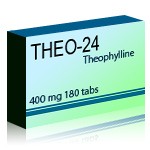
In practice, Theo-24 (Theophylline) may be used to support bronchodilation and improve breathing comfort in chronic obstructive patterns, but it requires careful dosing because blood levels can be influenced by age, liver function, smoking status, and drug interactions. That is why clinicians may use therapeutic monitoring when appropriate, especially when symptoms change or new medications are introduced.
Another reason this class remains relevant is that theophylline may have effects beyond airway relaxation, including anti-inflammatory actions at certain concentrations. Still, the modern approach is “right patient, right dose, right follow-up,” rather than routine use for everyone.
Doctor note 🧑⚕️
A medication with a narrow comfort range needs a precision mindset: stable dosing, awareness of interactions, and follow-up that matches the patient’s risk profile.
Exacerbations: the episodes that change the trajectory 🚨
Exacerbations are flare-ups where symptoms suddenly worsen — more breathlessness, increased cough, thicker sputum, and reduced ability to function. They are often triggered by viral infections, bacterial infections, or pollutant exposure. Even when someone “recovers,” repeated exacerbations can accelerate lung decline and increase cardiovascular strain.
A strong prevention plan targets the triggers you can control: smoke exposure, vaccinations, hand hygiene, inhaler technique, and early contact with a clinician when warning signs appear. Many patients benefit from having a written action plan so flare-ups are addressed promptly rather than after days of deterioration.
Medication choices may also shift based on exacerbation history. For some patients, clinicians might adjust inhaler classes, add anti-inflammatory strategies, or consider add-on oral therapy such as Theo-24 (Theophylline) when it fits the clinical picture and monitoring is feasible.
Daily life upgrades that feel small but add up 💧
Living better with chronic obstructive lung disease often means improving the “inputs” that shape symptoms: indoor air quality, sleep, activity pacing, and nutrition. Clean air matters because irritated airways react strongly to smoke, aerosols, cold air, and strong scents — sometimes more than people expect.
Physical activity is a therapeutic tool. Muscles that are trained use oxygen more efficiently, which reduces the ventilatory demand for the same task. That is why rehabilitation programs improve daily function even when spirometry numbers change only modestly.
Practical breathing techniques can reduce air trapping. Pursed-lip breathing, posture adjustments, and controlled exhalation timing can lower panic and improve the ability to “empty” the lungs. Over time, these skills make movement feel safer and more predictable.
Helpful daily anchors:
- Air hygiene: avoid smoke, dusty rooms, strong aerosol sprays; ventilate wisely.
- Inhaler technique: correct timing and device handling can change real-world benefit.
- Movement routine: short daily sessions beat rare “big” workouts.
- Sleep and reflux: poor sleep and reflux can worsen cough and breathing control.
- Nutrition: stable protein and calories support respiratory muscles during chronic load.
Complications: what to watch beyond the lungs 🧠❤️
Chronic obstructive lung diseases can affect the entire body. Low oxygen and chronic inflammation can strain the heart, increase the risk of rhythm problems, and worsen exercise intolerance. Some patients develop pulmonary hypertension or right-sided heart stress, especially when chronic hypoxemia is untreated.
Anxiety is common because breathlessness can feel threatening, and repeated flare-ups train the nervous system to expect danger. Addressing anxiety does not “invalidate” symptoms — it improves breathing control and reduces the spiral of hyperventilation, chest tightness, and panic that can mimic a flare-up.
Medication safety is part of complication prevention. Drugs with interaction risks require caution, and this is particularly relevant for therapies such as Theo-24 (Theophylline), where metabolism can shift with infections, smoking changes, and interacting medicines.
Myths vs facts (fast reality check) 💬
Myth: If you have COPD, exercise is dangerous
Fact: When guided and paced, exercise is one of the most effective symptom-reducing tools. Rehab teaches safe intensity, recovery breathing, and how to build endurance without triggering panic.
Myth: A “normal” day means the disease is stable
Fact: Stability is about patterns across weeks and months: flare-ups, rescue inhaler use, sleep, and activity range. Quiet symptoms can still hide progressive air trapping.
Myth: Only smokers get chronic obstructive lung disease
Fact: Biomass smoke, air pollution, and occupational exposure can drive the same airway inflammation and structural changes, especially with long-term exposure.
Long-term outlook: what “better” looks like in real life 📈
Progress is often measured by what you can do: walking distance, ability to climb stairs, fewer missed workdays, and fewer “rescue” moments. Even when lung function numbers change slowly, symptom control can improve significantly with optimized inhaler technique, rehabilitation, and trigger management.
Another realistic marker is exacerbation reduction. Each avoided flare-up is a win for lungs, heart, and recovery time. Many patients also notice better sleep and less morning fatigue once nighttime air trapping is reduced and oxygenation is stabilized when needed.
The strongest plans are personalized: they match medication intensity to exacerbation risk, treat comorbidities, and include a routine that builds capacity. That is the difference between living “around the disease” and living with a strategy.
Drug Description Sources:
U.S. National Library of Medicine, Drugs.com, WebMD, Mayo Clinic, RxList.
Reviewed and Referenced By 👩⚕️👨⚕️
Dr. E. Neil Schachter – Pulmonary Medicine and Sleep Medicine Physician
Pulmonologist affiliated with the Mount Sinai Health System, with clinical focus that includes obstructive lung disease and respiratory care, and extensive public education work related to COPD. :contentReference[oaicite:4]{index=4}
Dr. Albert Rizzo, MD, FACP – Pulmonary and Sleep Medicine Clinician, American Lung Association Medical Leader
Pulmonologist with longstanding involvement in the American Lung Association and professional focus that includes COPD, pulmonary rehabilitation, and sleep medicine. :contentReference[oaicite:5]{index=5}
Dr. MeiLan K. Han, MD, MS – Professor of Medicine, Pulmonary and Critical Care Specialist
University of Michigan pulmonary and critical care physician-leader and researcher known for COPD phenotyping work and involvement in large COPD cohort studies and quality improvement efforts. :contentReference[oaicite:6]{index=6}
(Updated at Feb 27 / 2026)
Theo-24 Theophylline articles: