Buy Theo-24 (Theophylline Extended Release 400mg) Online - Foundational Methylxanthine Bronchodilator for COPD and Asthma

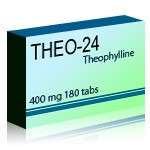
Theo-24 (Theophylline Extended Release 400mg) represents the foundational methylxanthine bronchodilator with multi-mechanism respiratory action distinctive from all other bronchodilator classes. Theophylline itself is one of the oldest respiratory medications with clinical use since the 1930s and chemical identification in 1888 — structurally related to caffeine and originally isolated from tea leaves. The Theo-24 24-hour extended release formulation was FDA-approved by UCB Pharma in 1988 providing convenient once-daily dosing suitable for chronic maintenance therapy. Manufactured by Sun Pharmaceutical Industries India as bioequivalent generic under WHO-GMP and US FDA-inspected quality standards, Theo-24 offers proven bronchodilator efficacy for chronic obstructive lung diseases, chronic bronchitis, emphysema, bronchial asthma, and obstructive sleep apnea. Available as 400 mg extended release tablets designed for once-daily maintenance dosing providing sustained therapeutic serum levels throughout 24-hour interval.
Theophylline works through multiple complementary mechanisms distinguishing it from other bronchodilators. Primary mechanisms include non-selective phosphodiesterase (PDE) inhibition increasing intracellular cAMP and cGMP levels producing bronchial smooth muscle relaxation; adenosine A1 and A2 receptor antagonism producing additional bronchodilation and respiratory drive stimulation; and histone deacetylase-2 (HDAC2) activation at low doses enhancing sensitivity to corticosteroids. Additional beneficial effects include improved diaphragm muscle strength reducing respiratory muscle fatigue in COPD patients, enhanced mucociliary clearance, anti-inflammatory action at serum levels of 5-10 mcg/mL, and respiratory center stimulation improving breathing pattern. This produces bronchodilation via airway muscle relaxation, reduced airway inflammation, improved respiratory function, and synergistic effects with other respiratory medications. Clinical response develops over days as steady-state serum levels achieved through consistent daily dosing.
Theo-24 serves multiple obstructive airway conditions particularly as add-on therapy. Primary uses include chronic obstructive lung diseases as third-line adjunctive therapy; chronic obstructive bronchitis; lung emphysema; bronchial asthma particularly difficult-to-control cases; and obstructive sleep apnea where respiratory drive stimulation valuable.
Theo-24 dosed once daily with narrow therapeutic index (5-15 mcg/mL target serum levels) requiring periodic monitoring. Peak at 6-10 hours ER, 3-13 hour half-life variable by metabolism. Sun Pharmaceutical Industries India under WHO-GMP, US FDA standards.
Free prescription
Discrete packaging
Have questions?
Quality Assurance

- COPD Add On Therapy: Third-line adjunctive therapy for patients inadequately controlled on LAMA/LABA/ICS combinations;
- Chronic Obstructive Bronchitis: Long-term bronchial inflammation with mucus hypersecretion and airflow obstruction;
- Lung Emphysema: Alveolar destruction with irreversible airspace enlargement causing airflow limitation;
- Bronchial Asthma: Chronic inflammatory airway disease with reversible bronchoconstriction requiring maintenance therapy;
- Difficult to Control Asthma: Severe asthma inadequately controlled on inhaled corticosteroids and LABA combinations;
- Obstructive Sleep Apnea: Sleep breathing disorder where respiratory drive stimulation provides adjunctive benefit;
- Bronchospasm Prophylaxis: Prevention of acute airway constriction episodes through sustained bronchodilation;
- Nocturnal Asthma: Night-time asthma exacerbations benefiting from 24-hour extended release coverage;
- Airway Inflammation: Chronic bronchial inflammation reducing with theophylline anti-inflammatory action;
- COPD Exacerbation Prevention: Reduction of acute worsening episodes when added to standard maintenance therapy;
- Respiratory Drive Stimulation: Central respiratory center stimulation improving breathing pattern and CO2 responsiveness;
- Diaphragm Muscle Fatigue: Improved diaphragm strength and endurance reducing respiratory muscle fatigue in COPD;
- Steroid Resistant Asthma: HDAC2 activation restores corticosteroid sensitivity in resistant severe asthma cases;
- Refractory COPD: COPD failing standard triple therapy benefiting from mechanistically distinct add-on;
- Once Daily Bronchodilator Convenience: Extended release Theo-24 provides sustained 24-hour therapeutic serum levels;
- Methylxanthine Bronchodilator Class: Distinctive drug class structurally related to caffeine with multi-mechanism action;
- Foundational Respiratory Therapy: Nearly 90 years of clinical experience since introduction in 1930s respiratory medicine;
- Adjunctive Bronchodilator: Combines effectively with inhaled bronchodilators and corticosteroids for enhanced response;
- Generic Theo-24 Therapy: Bioequivalent generic Sun Pharma alternative to brand-name Theo-24 at substantially lower cost.
- Less Airway Inflammation: Anti-inflammatory action at therapeutic serum concentrations reduces chronic bronchial inflammation;
- Better Diaphragm Strength: Improved diaphragm muscle contractility and endurance reduces respiratory muscle fatigue substantially;
- Better Respiratory Drive: Central respiratory center stimulation improves breathing pattern and CO2 responsiveness;
- Better Mucociliary Clearance: Enhanced mucociliary escalator function improves airway mucus transport and clearance;
- Better 24 Hour Coverage: Extended release formulation provides sustained therapeutic effect from once-daily dosing;
- Better Once Daily Convenience: Simple daily dosing improves medication adherence in chronic respiratory disease management;
- Better Corticosteroid Response: HDAC2 activation enhances sensitivity to inhaled corticosteroids particularly in severe asthma;
- Better Synergistic Combination Therapy: Complementary mechanism combines with LAMA LABA ICS for enhanced respiratory control;
- Better Nocturnal Symptom Control: Sustained overnight bronchodilation reduces night-time symptoms and improves sleep quality;
- Less Suffocation Episodes: Prevention of acute severe bronchospasm and airway obstruction crises;
- Better Exercise Tolerance: Improved diaphragm function and sustained bronchodilation enhance physical activity capacity;
- Better Sleep Apnea Support: Respiratory drive stimulation provides adjunctive benefit for obstructive sleep apnea management;
- Better Refractory Disease Option: Mechanistically distinct add-on when standard therapy inadequate;
- Better COPD Exacerbation Reduction: Reduced frequency of acute worsening episodes with regular maintenance therapy;
- Better Cost Effective Bronchodilator: Substantially lower cost than newer inhaled bronchodilator combinations for resource-limited settings;
- Better Multi Mechanism Coverage: Six distinct pharmacological actions provide broad respiratory support beyond simple bronchodilation;
- Better Established Clinical Track Record: Nearly 90 years experience with well-characterized efficacy and safety across broad populations;
- Better Generic Affordability: 85-95 percent lower cost than brand Theo-24 makes methylxanthine therapy accessible;
- Better Quality of Life: Daily wellbeing improves as respiratory function stabilizes and acute symptoms decrease.
Generic Theo-24 (Theophylline 400 mg) Medication guide:
💊 What Theo-24 Treats and How This 24-Hour Capsule Works
Theo-24 is the extended-release oral form of theophylline, a methylxanthine bronchodilator that has been in continuous clinical use since the 1930s. The 24-hour capsule was approved by the FDA in 1983 to turn a drug that once needed four daily doses into one that works from a single morning capsule. The strength on this page is 400 mg per capsule. Theophylline sits in the same chemical family as caffeine, which is why some of the effects (restlessness, a faster pulse, extra urine output) will feel familiar if you have ever had too much coffee on an empty stomach.
Doctors reach for Theo-24 in two situations. The first is chronic obstructive pulmonary disease (COPD), where oral theophylline remains a cost-conscious add-on when inhaled therapies have been fully tried. The second is chronic asthma that is not fully controlled by inhaled corticosteroids and long-acting beta-agonists. In both diseases theophylline opens the airways, strengthens the diaphragm, and at lower blood concentrations also calms airway inflammation through a mechanism that works alongside corticosteroids.
What sets Theo-24 apart from newer respiratory drugs is its narrow therapeutic index. The gap between a dose that helps and a dose that causes nausea, tremor, or a racing pulse is small. The gap between a toxic dose and a dangerous dose that can trigger seizures is smaller still. For that reason Theo-24 is dosed by blood level, not by symptoms alone. A serum theophylline measurement from a routine blood draw tells your prescriber whether the dose should go up, down, or stay the same.
🟢 Who Theo-24 suits well
Adults with COPD or chronic asthma who have fully tried inhaled therapy and still have morning symptoms, nocturnal wheeze, or persistent breathlessness on exertion. Patients who want a single daily dose rather than multiple inhalers, who can commit to blood level monitoring, and who do not take drugs that strongly change theophylline clearance.
Theo-24 is not a rescue medicine. It will not open your airways in minutes during an attack. For sudden breathlessness you need a short-acting bronchodilator such as a salbutamol or ipratropium inhaler. Theo-24 is a maintenance treatment that produces steady, round-the-clock bronchodilation and adds a quieter anti-inflammatory effect at low serum levels. Expect the first noticeable change in breathing to arrive within three to five days, with the full effect at steady state after about a week.
🎯 Why Theo-24 Still Has a Place in Modern Airway Care
Modern respiratory care is built around inhalers. A short-acting bronchodilator for rescue, a long-acting bronchodilator (LABA or LAMA) for maintenance, and an inhaled corticosteroid where inflammation needs to be reduced. Oral theophylline no longer sits in the first row of options. Still, there are patients and settings where Theo-24 earns its place.
The first group is patients who cannot use inhalers reliably. Severe hand arthritis, cognitive impairment, poor coordination after a stroke, children unable to master a dry powder inhaler, or elderly patients with low inspiratory flow all limit how much drug an inhaler actually delivers. For them, an oral capsule that is swallowed once a day guarantees that the full dose gets into the body.
Patients unable to use inhaled devices correctly.
Severe nocturnal symptoms despite inhaled triple therapy.
COPD in regions where triple inhaler cost is prohibitive.
Add-on in corticosteroid-resistant COPD (low-dose rationale).
New diagnosis of mild-to-moderate asthma or COPD.
Patients with history of cardiac arrhythmia or seizures.
Elderly patients on multiple interacting drugs.
Pregnancy, where inhaled routes are preferred.
The second group is patients whose breathlessness continues after full inhaled therapy. Oral theophylline adds a different kind of airway relaxation to what inhaled bronchodilators do, and a modest extra opening of the airways on top of a LABA plus LAMA is sometimes enough to improve morning function. Low-dose theophylline (serum 5 to 10 mcg/mL) also seems to boost the response to inhaled corticosteroids, which is why some respiratory teams add it in corticosteroid-resistant COPD even when the bronchodilator effect alone would be modest.
The third group is cost. In many health systems inhaled triple therapy is paid for by patients out of pocket, and the price of a modern combination can be ten to twenty times higher than a month of generic theophylline. For stable patients on tight budgets, Theo-24 can be the only maintenance therapy they can afford to stay on month after month. Staying on a controller consistently matters more than switching between pricier controllers that patients abandon.
None of this means Theo-24 is a first choice when inhalers are affordable and usable. It means the drug is a useful tool in specific hands. Your prescriber will have decided one of these situations applies to you before writing the prescription. If you are not sure which, ask directly: the answer will tell you what to expect from the drug.
🔬 How Theophylline Works - The Methylxanthine Mechanism
Theophylline is a nonselective inhibitor of phosphodiesterase (PDE) and a nonselective antagonist of adenosine receptors. Those two actions together open the airways, strengthen the diaphragm, and reduce inflammation at low serum levels. Understanding each one makes the dosing rules and side effects easier to anticipate.
PDE inhibition. Phosphodiesterases are enzymes that break down two internal signalling molecules called cAMP and cGMP. When those molecules build up, the smooth muscle wrapping each airway loosens its grip and the airway widens. Theophylline blocks several PDE subtypes nonselectively, which is why it opens airways but also acts on the heart (faster rate, occasional palpitations) and the kidneys (small diuretic effect). Newer drugs such as roflumilast target PDE4 only and avoid most of the side effects, but they also avoid much of the bronchodilation.
Adenosine antagonism. Adenosine is a signalling molecule that in the airways causes constriction, especially in asthma. Theophylline blocks the adenosine A1 and A2B receptors, which blunts that bronchoconstriction. The same block, however, is behind many side effects: adenosine signalling in the heart slows the pulse, so blocking it can produce a tachycardia; adenosine signalling in the brain promotes drowsiness, so blocking it causes restlessness and insomnia; adenosine signalling in blood vessels dampens seizure activity, so blocking it lowers the seizure threshold. All of this looks familiar because caffeine is the mild version of the same mechanism.
Airway smooth muscle relaxes. Dominant action at 10 to 20 mcg/mL serum level.
Diaphragm contracts more forcefully and tires less. Helpful in COPD with weak respiratory muscles.
HDAC2 enzyme activity is restored at 1 to 5 mcg/mL, improving steroid response in COPD.
The anti-inflammatory piece is the newest part of the story. Work from Prof. Peter Barnes at Imperial College London showed that at surprisingly low blood levels (1 to 5 mcg/mL, well below the bronchodilator range) theophylline reactivates an enzyme called HDAC2 that is suppressed in COPD lungs and in smokers. HDAC2 is what inhaled corticosteroids need to switch off inflammatory genes. In lungs where HDAC2 is low, corticosteroids work less well. Low-dose theophylline restores HDAC2 and makes the inhaled corticosteroid work the way it should. This is why some patients benefit from a small nightly dose of theophylline even when the full bronchodilator effect is not the goal.
⚖️ The Narrow Therapeutic Window You Need to Understand
Every drug has a dose below which nothing happens and a dose above which harm starts. For most drugs the gap between the two is comfortable. Theophylline is one of the exceptions. The useful serum concentration is 10 to 20 mcg/mL; nausea and tremor begin to appear above 20; serious toxicity (arrhythmia, seizures) above 25. The margin for error is about one coffee cup wide, and that is why Theo-24 is dosed by blood test rather than by feel.
Older practice aimed at the upper half of the window (serum 15 to 20 mcg/mL) because the bronchodilator benefit is largest there. Modern practice aims lower: 10 to 15 mcg/mL catches most of the bronchodilation with fewer side effects, and 5 to 10 mcg/mL is enough for the anti-inflammatory steroid-sensitising effect that matters in COPD. Many prescribers start low, measure a trough level in the second week, and then move slowly only if the clinical response is incomplete.
The trough level is the blood draw taken just before the next dose, usually in the morning before your Theo-24 capsule. It represents the lowest point in the daily cycle and is the number that regulators and guidelines quote. A peak level drawn a few hours after the dose will always be higher and should never be used as a stand-alone measurement.
👩⚕️ Doctor pearl — Sarah Mitchell, PharmD
"Theophylline toxicity does not announce itself gracefully. The first symptom patients usually feel is nausea, and by then the level is often already in the mid-twenties. Treat any new nausea on Theo-24 as a reason to measure a level the same day, not next week. A single serum theophylline value is cheap, fast, and saves hospital trips."
If you ever feel unwell on Theo-24 (new nausea, hand tremor you can see at rest, a racing or thumping pulse, insomnia that is new) treat it as a signal to measure a blood level before taking the next dose. Call your prescriber or your pharmacy. Do not double up because you feel a dose was too small, and do not stop abruptly because you feel a dose was too big: both decisions should rest on a number, not on a guess.
🔄 Theo-24 Compared to Inhalers and Oral COPD Options
Patients and families often ask how an oral capsule compares to the inhalers in their collection. The honest answer is that each tool has its own strengths. Theo-24 is not a replacement for inhaled therapy; it is a different lever that can be added when inhaled therapy alone is not enough, or when inhaled therapy is not practical.
| 🎯 Therapy class | Route | Main role | Compared with Theo-24 |
|---|---|---|---|
| SABA (salbutamol) | Inhaled | Rescue of acute symptoms | Faster relief in minutes; Theo-24 is maintenance, not rescue |
| LABA (salmeterol, formoterol, indacaterol) | Inhaled | 12 to 24 h bronchodilation | Stronger bronchodilation at airway, fewer systemic effects |
| LAMA (tiotropium, umeclidinium) | Inhaled | 24 h bronchodilation via anticholinergic | Different mechanism; often combined with Theo-24 when symptoms persist |
| ICS (fluticasone, budesonide, mometasone) | Inhaled | Reduce airway inflammation | Theo-24 at low dose can restore ICS response in COPD |
| PDE4 inhibitor (roflumilast) | Oral | Anti-inflammatory in severe COPD | Narrower target, fewer bronchodilation effects than Theo-24 |
| Montelukast | Oral | Leukotriene receptor antagonist for asthma | Different mechanism; may be combined in asthma |
The inhaled route delivers drug directly where it needs to work and keeps systemic exposure small. Side effects are mostly local (hoarse voice, oral thrush from inhaled corticosteroids). Theo-24 goes through the whole body, which is why its effects are not confined to the lungs. The upside is that you cannot miss an organ by poor inhaler technique; the downside is that the heart, nervous system, and kidneys all see the dose.
In practical terms, most patients who end up on Theo-24 are also on at least one inhaler. A typical COPD regimen might be a LABA-LAMA combination inhaler once daily plus Theo-24 once a day in the morning. In asthma, Theo-24 sits further down the ladder and comes in only after inhaled corticosteroid, LABA, and often leukotriene therapies have been fully tried.
Switching away from Theo-24 happens when newer options become affordable or when side effects force a change. Switching toward Theo-24 happens when inhalers do not control symptoms or when a patient cannot use them. Neither switch should be a one-step decision; expect your prescriber to want a two-week overlap period and a serum level measurement before and after.
🧪 Serum Theophylline Monitoring - What the Blood Test Shows
A serum theophylline measurement is the single most important safety tool for anyone taking Theo-24. The test uses a standard blood draw, costs modestly in most laboratories, and gives a number in mcg/mL that your prescriber can match against the target range. Most patients do not need frequent testing once they are stable, but timing of the first measurements and the reasons to repeat matter.
Theophylline reaches steady state after about 5 half-lives. In a typical adult non-smoker, the half-life is 8 to 9 hours, so steady state arrives after roughly 2 days. Levels measured earlier underestimate what the body is actually holding. Day 5 to 7 is a comfortable first point: new enough to catch an obvious dosing error, late enough to represent true steady state.
The trough level is drawn just before your next dose, which for once-daily Theo-24 means first thing in the morning before you take the capsule. Note on your lab request slip the time of the last dose and the time of the draw: without those two timestamps the number is hard to interpret.
🔵 When to repeat a level even without new symptoms
Dose change - Any upward or downward dose change needs a new trough level 5 to 7 days later.
You started or stopped smoking - Smoking induces liver enzymes; starting smoking cuts theophylline levels, stopping smoking raises them. Expect a check within 1 to 2 weeks of the change.
New fever or liver illness - Fever reduces clearance; a hepatitis or heart failure flare can double the level in days.
New interacting drug - Starting ciprofloxacin, fluvoxamine, cimetidine, erythromycin, or stopping phenytoin or rifampicin all shift the number.
Patients who have been stable on the same dose for over a year, who have not started a new medicine, and who have not changed their smoking status often need only an annual check as a safety baseline. Elderly patients and patients with heart or liver disease usually need a check every 3 to 6 months. Children on theophylline, where growth changes clearance quickly, need a check with every dose adjustment and at least every 6 months.
If you ever feel toxicity symptoms (new nausea, headache, racing pulse, hand tremor, insomnia) do not guess the number: have it measured. A theophylline level is one of the few blood tests where the answer the same day actually changes what you do that evening.
💊 How to Take Theo-24 Capsules Correctly Each Morning
Theo-24 is a slow-release capsule designed to let a controlled amount of theophylline out over 24 hours. That design is what lets a single morning dose cover the whole day. It is also what makes the capsule unforgiving if you break it, chew it, or combine it with the wrong meal.
Swallow the capsule whole. Chewing or crushing a 24-hour theophylline capsule turns it into an immediate-release dose: the entire daily amount hits the body within an hour, which pushes the serum level into toxic territory. This is called dose dumping, and theophylline is one of the drugs where it has caused seizures and hospital admissions. If swallowing a whole capsule is a problem, ask about an alternative form rather than opening the capsule.
Pick a single time and stick to it. Morning is the usual choice because it matches the sleep-wake rhythm and keeps theophylline levels highest during the day when breathing demand is greatest. Switching the daily time by more than one or two hours changes the trough point and can throw off a stable regimen. If your routine must change (shift work, travel), move the dose in 30-minute steps over several days rather than in one jump.
🟡 High-fat meal warning
A heavy fatty breakfast within an hour of Theo-24 can trigger dose dumping: the fat changes how the capsule releases theophylline and allows a burst that pushes the serum level dangerously high. If you want breakfast with your capsule, keep it low-fat (toast, fruit, oatmeal, egg white). A greasy fry-up, bacon-and-eggs, cheese omelette, or heavy pastries belong to a different hour of the day.
Fluids matter. Take Theo-24 with a full glass of plain water. Alcohol, grapefruit juice, and large amounts of coffee or energy drinks all affect either the capsule or your theophylline clearance. The grapefruit interaction is small for theophylline, but caffeine is in the same chemical family and large doses add their effects to the capsule.
Store the capsule properly. Theo-24 keeps best in its original container, below 25 Celsius, dry, and out of sunlight. Humidity softens the extended-release coating and can lead to dose dumping even without a fatty meal. Blister-pack doses tucked in a pillbox for a week are fine; capsules left loose in a steamy bathroom are not.
⏱️ First Dose, Steady State and the First Weeks of Theo-24
Theo-24 does not work on first dose the way a rescue inhaler does. The first capsule delivers a slow release of theophylline that peaks in the blood after about 6 to 10 hours. The second day the second dose starts on top of the residue from the first. By the fifth day the daily peak-to-trough pattern is stable, and that is called steady state. Everything your prescriber decides about serum levels, side effects, and dose changes rests on where that steady state sits.
What you feel in the first few days. Mild caffeine-like effects are common on day one: a slight headache in the afternoon, a feeling of being more alert than usual, a quicker pulse, perhaps a little nausea with the first capsule if taken on an empty stomach. These are almost always transient and settle in three to four days. A clear improvement in breathing arrives later, typically between day 3 and day 7, because the full airway effect requires steady state.
If side effects feel strong rather than mild, that is a signal rather than something to tolerate. New vomiting, a pulse that stays above 120 at rest, visible hand tremor, or disrupted sleep are not expected starting side effects. Call your prescriber and have a theophylline level measured. Starting doses are usually conservative precisely to avoid this situation, but body size, smoking status, and liver function all affect clearance in ways that cannot be predicted without a number.
| Day of therapy | What is happening | What to expect |
|---|---|---|
| Day 1 | First dose; drug slowly releasing from capsule | Mild caffeine-like feelings; little change in breathing yet |
| Day 2-3 | Drug accumulating toward steady state | First subtle improvement in exertional breathing |
| Day 5-7 | Steady state reached in most adults | Full daily effect; first trough blood test window |
| Week 2-4 | Clinical response is assessable | Dose may be fine-tuned based on serum level and symptoms |
| Month 2-3 | Long-term maintenance phase | Settled pattern; most patients continue indefinitely |
Starting Theo-24 is a slow conversation between dose and response. Have realistic expectations for the first week, keep your rescue inhaler nearby, write down any new symptoms with the time of day, and keep the appointment for your first serum level. Everything the drug does well, it does over weeks, not within hours.
🍽️ Food Timing and the Dose-Dumping Risk With Theo-24
Food matters more for Theo-24 than for almost any other common oral drug. The capsule contains an extended-release coating that holds theophylline back and lets it out over 24 hours. A high-fat meal taken within an hour of the capsule changes that coating and can allow a large amount of the daily dose to come out at once. The result is a serum peak that can double or triple what the design intended.
🚨 Dose dumping - the exact mechanism to avoid
- Fatty meal softens the extended-release coating
- Theophylline floods out over 1-2 hours instead of 24
- Serum peak can reach 25-40 mcg/mL (toxic range)
- Symptoms: severe nausea, tachycardia, tremor, seizure
The simplest rule: take Theo-24 on an empty stomach or with a light meal, and keep the heavy meal of the day at least two hours later. The light meal that is safe to have with the capsule is low in fat and modest in portion size. A full English breakfast, cheese omelette, bacon with eggs, pastries, cream-filled coffee drinks, or anything deep-fried belongs to a window well away from the capsule.
| 🍽️ Breakfast scenario | Fat content | Timing with Theo-24 |
|---|---|---|
| Fresh fruit, toast with jam, black coffee | Low | Safe with capsule |
| Plain oatmeal, berries, tea | Low | Safe with capsule |
| Egg white omelette, salad, water | Low-moderate | Safe with capsule |
| Bacon and fried eggs | High | Wait 2 h after capsule |
| Cheese omelette, buttered croissant | High | Wait 2 h after capsule |
| Full English or hash browns and sausage | Very high | Wait 2 h after capsule |
What about caffeine? Theophylline and caffeine are in the same chemical family. One or two cups of coffee or tea with the capsule do not change absorption, but they add to the stimulant and cardiac effects. Patients who feel their pulse is already fast on Theo-24 should cut back on caffeine first before the dose is adjusted. More on this in the diet and lifestyle section below.
What about alcohol with a meal? Alcohol has a separate effect on theophylline clearance (covered in the alcohol section). The relevant point for meal timing is that alcohol with a high-fat meal is a double hazard: the fat triggers dose dumping, and the alcohol can slow the breakdown of the extra theophylline that comes out. Keep alcohol separate from both the capsule and any heavy meal.
⏰ What To Do If You Miss a Theo-24 Dose
Theo-24 is a once-daily capsule, which makes missing a dose less likely but also more consequential when it does happen. The right action depends mostly on how late you are and whether taking the dose late will push you into double-dose territory the next morning.
Less than 4 hours late. Take the capsule as soon as you remember and keep the next dose at its usual morning time. The small shift forward is clinically insignificant for most adults.
4 to 12 hours late. Take the delayed dose, but push the next one 24 hours forward from this new time. For example, if your usual time is 8 AM and you take the missed dose at 2 PM, the next dose is at 2 PM the next day. Then slide it back toward 8 AM over 3-4 days in 2-hour steps.
More than 12 hours late. Skip the missed dose completely and take the next capsule at its usual morning time. Taking a late dose this close to the next scheduled one effectively doubles the daily amount for 24 hours, which is the exact situation that lands patients in a toxicity clinic. One missed day of Theo-24 does not undo weeks of maintenance; the drug has a long enough half-life that bronchodilation does not vanish overnight.
🔵 If you missed more than one day
Resume the capsule at the usual morning time and expect two to three days before the previous steady state returns. If symptoms were already poorly controlled, call your prescriber; this is a common point at which a rescue inhaler needs to carry more of the load for a few days.
Never double up. Taking two capsules together to make up for a missed dose is the single most common cause of theophylline hospital admission in outpatients. The serum level peak after a double dose can be in the toxic range even in people who have tolerated the drug for years. If you are not sure whether you took your capsule today, assume you did; one missed day is survivable, a doubled day may not be.
🌬️ Theo-24 in Asthma - Where It Fits on the GINA Ladder
Theo-24 in asthma sits several rungs up the GINA treatment ladder. It is not a first-choice controller because inhaled corticosteroids outperform it on symptom control, exacerbation prevention, and side-effect profile. It appears at step 3 to 5 as a second-line add-on for patients whose asthma remains poorly controlled on inhaled corticosteroid plus LABA, where biologic therapy is not accessible, and where macrolide add-on is not suitable.
Where Theo-24 shines in asthma. Nocturnal asthma is one of its stronger niches. The capsule produces a steady bronchodilator level overnight, which can reduce early-morning dips in lung function and nocturnal wheezing. For patients who wake at 4 AM with chest tightness, a morning Theo-24 that still has solid blood levels at that hour sometimes delivers more comfort than a daytime LABA alone.
Where Theo-24 is weaker in asthma. Exacerbation prevention is better with inhaled corticosteroid and biologics. Lung-function improvement is larger with LABA plus ICS. Side-effect burden is higher. If your asthma is uncontrolled on step 2 therapy, moving to combination inhaled therapy before adding Theo-24 is almost always the correct next step.
Severe asthma not responding to inhaled therapy. This is where theophylline shows one of its distinctive effects. At serum levels of 5 to 10 mcg/mL, below the bronchodilator window, theophylline restores the function of HDAC2, the enzyme that inhaled corticosteroids need to work. In patients where inhaled corticosteroids seem to have lost their power (often smokers or patients with severe neutrophilic asthma), a low Theo-24 dose can bring the steroid response back.
Discuss with your prescriber whether Theo-24 is being used as a bronchodilator in your case (serum target 10 to 15 mcg/mL) or as a steroid sensitiser (serum target 5 to 10 mcg/mL). The two intentions call for different doses and different monitoring targets.
🫁 Theo-24 in COPD - Position in Current GOLD Guidance
In COPD, Theo-24 sits further from the first row of therapy than it did two decades ago. GOLD guidelines position theophylline as a third-line option for symptomatic patients who are already on inhaled triple therapy (ICS plus LABA plus LAMA) and still have persistent symptoms. The guidelines are explicit about the caution with which it should be added, given the narrow therapeutic index and the modest benefit at currently accepted doses.
| GOLD group | Patient profile | Theo-24 position |
|---|---|---|
| Group A | Low symptoms, low exacerbation risk | Not indicated; short-acting bronchodilator as needed |
| Group B | More symptoms, low exacerbation risk | LABA plus LAMA first; Theo-24 only if combination not accessible |
| Group E | Frequent exacerbations (two or more per year, or one hospitalisation) | ICS plus LABA plus LAMA first; Theo-24 selective add-on if symptoms persist |
How the bronchodilator effect compares. On its own, Theo-24 at serum 10 to 15 mcg/mL produces an FEV1 improvement of roughly 100 to 150 mL in COPD, similar to a modest-strength LABA but through a different mechanism. Added on top of a LABA-LAMA combination, the extra bronchodilation is smaller (another 50 to 80 mL), and whether that translates to a noticeable change for the patient depends on how much reserve the lungs have.
What theophylline adds that inhalers do not. Diaphragmatic contractility is one. In patients with hyperinflated COPD lungs where the diaphragm is pushed flat and tires quickly, theophylline strengthens diaphragmatic contraction and reduces the sense of effort during exertion. This mechanism is independent of airway diameter and sometimes shows up as a benefit even when spirometry has not moved.
Exacerbation prevention. The expectation that low-dose theophylline would reduce COPD exacerbations was tested in the TWICS trial (covered in the next section). The result changed what prescribers tell patients about Theo-24 and exacerbations.
Smokers with COPD. This group has particularly reduced HDAC2 activity in airway cells and often responds poorly to inhaled corticosteroids. Low-dose theophylline (serum 5 to 10 mcg/mL) is a credible add-on in this specific group, where restoring the steroid response is the goal rather than extra bronchodilation.
🔵 Which COPD patients benefit most from Theo-24
Hyperinflated patients with weak diaphragmatic function on examination, patients with corticosteroid-resistant inflammation (often smokers), patients still symptomatic on full inhaled triple therapy, and patients who cannot use inhalers effectively. In these subgroups the modest benefit of the capsule can outweigh its side-effect burden.
📊 The TWICS Trial and What It Changed for Theo-24 Users
The TWICS trial (Theophylline With Inhaled Corticosteroids, Devereux and colleagues, JAMA 2018) was the definitive test of a long-held hypothesis: that adding low-dose theophylline to an inhaled corticosteroid in COPD would reduce exacerbations by restoring HDAC2 and bringing back steroid responsiveness. The trial randomised 1,567 COPD patients with a history of exacerbations and found no benefit on the primary outcome. The result was unexpected enough that it reshaped the practice of theophylline in COPD.
Rate ratio 1.01 (95% CI 0.91 to 1.12). No benefit on exacerbation prevention at low-dose theophylline levels.
What the trial did. Patients received oral theophylline dosed to a serum level of 1 to 5 mcg/mL (the HDAC2 range, deliberately below bronchodilator doses) added to their usual inhaled corticosteroid. The trial ran for one year and counted moderate-to-severe exacerbations.
What the trial did not do. It did not test standard-dose theophylline (serum 10 to 20 mcg/mL, the bronchodilator range). It did not test theophylline on top of triple inhaled therapy. It did not test subgroups where other data had suggested particular benefit (severe smokers, patients with specific inflammatory phenotypes).
How to read TWICS. It is strong evidence that very low-dose theophylline (1 to 5 mcg/mL) does not reduce exacerbations in an unselected COPD population already on inhaled corticosteroid. It is not evidence that bronchodilator-dose theophylline (10 to 15 mcg/mL) is useless; that question was outside the trial. It is also not evidence against theophylline in patients who cannot tolerate or afford inhaled triple therapy, where the comparison is to no maintenance drug at all.
What TWICS changed in daily practice
Prescribers stopped treating low-dose theophylline as a routine add-on for exacerbation prevention. The drug returned to its older roles: symptomatic bronchodilation in patients where inhalers are not enough, support for weak diaphragms in hyperinflated COPD, and treatment of severe asthma where biologics are inaccessible. Serum level targeting shifted toward 10 to 15 mcg/mL rather than the 5 to 10 mcg/mL that had been fashionable in the early 2010s.
If your prescriber is placing you on Theo-24 for a bronchodilator benefit, TWICS does not take away from that choice. If you were told the drug would prevent exacerbations by boosting your steroid, the evidence is now against that specific expectation at very low doses. Ask directly which effect your prescriber is targeting; the dose and serum range should match the answer.
☕ Caffeine, Diet and Theo-24 - Methylxanthine Chemistry at Home
Theophylline is a close cousin of caffeine and theobromine. Both share the methylxanthine chemical backbone and both show up on routine diets through coffee, tea, chocolate, cola, and energy drinks. For a patient on Theo-24, the daily caffeine intake is not a trivial detail: it adds to the stimulant and cardiac effects, and in large amounts it can push a stable patient toward side-effect territory.
| ☕ Beverage | Typical serving | Caffeine content | On Theo-24 |
|---|---|---|---|
| Brewed coffee | 240 mL | 95 mg | 1-2 cups per day acceptable for most patients |
| Espresso | 30 mL | 65 mg | 1-2 shots per day acceptable |
| Black tea | 240 mL | 40-50 mg | 3-4 cups per day acceptable |
| Green tea | 240 mL | 25-30 mg | 4-5 cups per day acceptable |
| Cola or dark cola drinks | 355 mL | 35-45 mg | Occasional only; sugar also an issue |
| Energy drink | 250 mL | 80-150 mg | Not recommended; avoid or strict limit |
| Dark chocolate (70 percent) | 50 g | 40 mg (plus theobromine) | Moderate portions acceptable |
Diet composition matters too. A high-protein diet accelerates theophylline clearance; patients who switch to a protein-heavy diet (keto, carnivore, bodybuilding) may see serum levels fall and symptoms return. A high-carbohydrate diet slows clearance slightly. Char-grilled meats (chargrilled or barbecued over an open flame) contain polycyclic aromatic hydrocarbons that induce the same liver enzyme that cigarette smoke does, which can lower theophylline levels by 15 to 20 percent.
Vegetables of the cruciferous family (broccoli, cabbage, Brussels sprouts) also mildly induce the metabolising enzyme. The practical effect is small for ordinary servings, but a sudden switch to a very high-cruciferous diet (several large portions daily) can shift levels modestly.
🟡 Signs that caffeine and Theo-24 are adding up too much
A pulse that stays above 100 at rest, a fine tremor you can see when you hold a sheet of paper, insomnia that is new, a jittery feeling after your usual coffee, or occasional palpitations. If this starts after a lifestyle change (new coffee machine, switch to energy drinks, kids give you a chocolate box), reduce caffeine first and give it three days before considering a dose change.
Patients who find they need caffeine for alertness and theophylline for their lungs are in a tight spot. The alertness demand often reflects daytime drowsiness that is caused by poorly controlled nocturnal breathing. If that is you, treating the sleep-disordered breathing (sometimes with CPAP) can reduce the daytime caffeine need and let your Theo-24 do its work without competition.
🚬 Smoking Changes How Your Body Clears Theo-24
Cigarette smoke is one of the strongest modifiers of theophylline clearance. The polycyclic aromatic hydrocarbons in tobacco smoke induce the CYP1A2 enzyme that breaks theophylline down in the liver, roughly doubling clearance in heavy smokers. This has two practical consequences: smokers need a higher Theo-24 dose than non-smokers to reach the same serum level, and anyone who stops smoking while on Theo-24 is at risk of toxicity within a week unless the dose is cut.
What this means for a smoker starting Theo-24. The starting dose is usually higher than it would be for a non-smoker, because clearance is faster and standard doses would produce under-therapeutic levels. Expect your prescriber to ask about pack-years and current daily smoke exposure before writing the prescription.
What this means for a smoker who stops smoking. Within a week of quitting, CYP1A2 activity begins to drop back toward non-smoker levels. The theophylline clearance that was fast slows down. The same daily Theo-24 dose that produced a serum level of 15 mcg/mL in a heavy smoker will often produce a level of 25 to 30 mcg/mL after four weeks of smoking cessation. That is the toxic range, and it has caused seizures in patients who did not have their dose adjusted.
👩⚕️ Doctor pearl — Dr. Emily Chen, MD, MPH
"Smoking cessation on Theo-24 is a prescribing event, not a lifestyle event. The moment the patient tells me the quit date is set, I plan a dose reduction of about 25 percent starting on the quit date, and a serum level at week 2 and week 4. Patients will often reach non-smoker clearance in six to eight weeks, by which point the dose may need to be cut by 40 to 50 percent from the pre-quit dose. Missing this is the single most common cause of avoidable theophylline toxicity in my clinic."
Second-hand smoke and vaping. Living with a heavy smoker does induce some CYP1A2 activity, enough to shift serum levels by 10 to 15 percent in regular passive exposure. Vaping without nicotine or without combustion probably does not induce the enzyme (the inducer is the smoke, not nicotine), but data are limited and prescribers often treat vaping with concern until better evidence arrives. Pipe smoking and cigars induce the enzyme in proportion to their smoke exposure.
Cannabis smoking. Marijuana smoke, like tobacco smoke, induces CYP1A2 and increases theophylline clearance. Regular cannabis use is relevant to Theo-24 dosing and should be mentioned to your prescriber. The same risk of toxicity on cessation applies.
🌡️ Fever and Illness Can Push Theo-24 Levels Dangerously High
Of all the day-to-day situations that can push a stable Theo-24 patient into toxicity, fever is the most dangerous. A fever of 39 Celsius or higher sustained for 24 hours or more cuts theophylline clearance by up to 50 percent. The daily Theo-24 dose that was producing a safe serum level the week before can push the level into the mid-twenties over a few days. The mechanism is partly a direct effect of body temperature on liver enzyme activity and partly the systemic inflammatory response that comes with viral and bacterial infection.
🚨 When fever and Theo-24 collide - what to do
- Fever >39 Celsius for more than 24 hours: call prescriber; consider dose reduction
- Fever >38 Celsius for more than 72 hours: measure a serum theophylline level
- Any new nausea, racing pulse, tremor or confusion during a febrile illness: stop capsule, measure level same day, call prescriber
- Hospital admission for an infection: tell admission team you are on Theo-24; a level should be drawn on arrival
Which illnesses are highest risk. Influenza is a classic trigger: high fever for several days, often with reduced oral intake. Pneumonia (including COPD exacerbation with pneumonia) carries the same risk, with the extra concern that worsening breathing may lead to extra puffs of a short-acting bronchodilator that compound the toxicity. Severe gastroenteritis with fever can be worse still because vomiting may push patients to take extra Theo-24 to replace a dose they are not sure stayed down. Any viral or bacterial sepsis demands an urgent serum level.
Liver inflammation is a separate issue. Acute hepatitis (A, B, autoimmune flare), alcohol-related acute hepatitis, and ischaemic liver injury all cut clearance drastically. The effect lasts as long as the inflammation does. Patients on Theo-24 with a new rise in liver enzymes should have a serum theophylline level measured within 48 hours.
Heart failure decompensation reduces clearance too, by cutting liver blood flow. A patient admitted with worsening heart failure who is on Theo-24 can see levels climb within three to four days even on the same dose. This situation is one reason why the drug is avoided in patients with advanced heart failure in the first place.
🔵 Practical sick-day rules for Theo-24
Mild cold without fever - Continue usual dose; no monitoring change.
Flu-like illness with fever 38-39 - Continue dose if no toxicity symptoms; drink fluid, rest; call prescriber if fever lasts more than 48 hours.
Fever above 39 for more than 24 hours - Call prescriber; expect dose cut of about 25 percent until fever settles.
Nausea or vomiting - Measure a serum level before taking the next dose; if vomiting prevents swallowing the capsule, do not replace it; wait for a level.
Hospital for infection or heart failure - Theo-24 is a drug the admission team needs to see on your medicine list on day one.
Fever and illness are not predictable, but Theo-24 reactions to them are. The simplest safety habit is to keep a thermometer and a pulse-oximeter at home and to measure both daily during any febrile illness. If either reading drifts far from your usual, that is the point at which a call to your prescriber is cheaper than a trip to the emergency department.
🔁 Combining Theo-24 With ICS and LABA Inhalers
Most patients on Theo-24 also use at least one inhaler. The question is how the oral capsule and the inhaled therapy fit together without overlap, double-dosing, or missed indications. Theo-24 is not a replacement for any inhaled drug; it is a different lever that works on the same disease from a different angle.
Theo-24 at low serum level (5 to 10 mcg/mL) restores HDAC2 and makes the inhaled corticosteroid more effective in COPD and in smokers.
Different bronchodilator mechanism. Modest extra airway opening on top of a LABA; watch combined effect on heart rate and tremor.
Anticholinergic bronchodilation. Theo-24 adds a separate relaxation pathway; often a useful stack in symptomatic COPD.
Theo-24 plus inhaled corticosteroid. This is the pairing with the clearest biological rationale beyond extra bronchodilation. Low-dose theophylline restores corticosteroid responsiveness in COPD lungs and in smokers. The TWICS trial did not show an exacerbation benefit at very low doses, but prescribers continue to use the combination in symptomatic patients where inhaled corticosteroid alone has not delivered.
Theo-24 plus LABA. Both relax airway smooth muscle but through different pathways. The additive bronchodilator effect is modest but real. The additive side-effect burden can also be real: both drugs can raise heart rate, cause fine tremor, and reduce potassium. Patients on a LABA plus Theo-24 who develop new palpitations or hand tremor often need a potassium check and a theophylline level.
Theo-24 plus LAMA. The anticholinergic mechanism of a LAMA (tiotropium, umeclidinium) does not overlap with theophylline, which is why this pairing is sometimes recommended in symptomatic COPD. The main shared concern is urinary retention in older men with prostate enlargement; theophylline has a mild diuretic action and the LAMA can slow bladder emptying, so new urinary symptoms deserve attention.
Theo-24 plus a short-acting rescue bronchodilator (SABA). This is almost always needed. Theo-24 is not a rescue drug. A salbutamol inhaler should remain within reach for sudden breathlessness; it will not interact dangerously with Theo-24 at ordinary rescue doses. If you find yourself using a rescue inhaler more than twice a week, your maintenance therapy is not controlling symptoms and the regimen needs review.
🟡 Dose stacking - signs that too many bronchodilators are on board
Resting pulse persistently above 100, a fine hand tremor that is new, cramps in the calves (low potassium), insomnia that followed starting the drug, or anxiety that feels drug-related rather than situational. These are not Theo-24 side effects alone; they are the combined effect of inhaled bronchodilators plus the oral capsule, and the fix is usually a dose cut on the capsule rather than removal of the inhaler.
📓 Monitoring Diary - Early Signs the Theo-24 Level Has Shifted
Blood tests measure theophylline levels accurately but infrequently. Between tests, the patient and the patient alone can tell when something has shifted. A short daily record of a few symptoms is the simplest early-warning system, and it does not need to look like a medical chart. Three or four lines in a notebook or a notes app is enough.
What to write down each day:
- Resting pulse (count for 30 seconds and double) first thing in the morning before coffee
- Any new nausea, headache, or tremor with the time of day
- Sleep quality: slept normally, took longer than usual to fall asleep, woke more than once
- Rescue inhaler puffs used that day
Patients who do this for the first two weeks after starting Theo-24, and then once a week after they are stable, catch most problems while they are still minor. A pulse that climbs from a usual 72 to 95 over three days is a signal worth a phone call; a theophylline level that comes back at 22 mcg/mL in a routine check without any symptoms the patient noticed is a missed early warning.
A sustained pulse of 85 to 95 is common and does not usually need action if the serum level is in range and you feel well. Pulses above 100 at rest, especially if new, warrant a level measurement.
A fine tremor in the fingers when you hold a sheet of paper is common and usually settles over the first two or three weeks. A visible tremor that is new several weeks into treatment, or that returns after being gone, is a reason to measure a level.
Mild headaches in the first week are common. Headaches that persist, or new headaches after months of therapy, deserve attention. Theophylline withdrawal headache looks almost identical to a tension headache and can appear after a missed dose.
Patients on Theo-24 for several years often notice that symptoms track with life events: a run of poor sleep, a stressful period, a new blood pressure medicine, a bout of flu. The diary is useful precisely because it anchors each symptom to a date. The call to your prescriber about "it has felt odd this week" is much easier when you can say "resting pulse jumped from 68 to 92 the day I started ciprofloxacin."
🔵 What a stable Theo-24 patient looks like
Resting pulse in the 70s to mid-80s, no new tremor, sleep pattern unchanged from baseline, rescue inhaler used fewer than twice a week, no new morning nausea. Serum theophylline level between 10 and 15 mcg/mL. Weight stable, no new drugs started, smoking status unchanged.
🚨 Common Theo-24 Side Effects and Toxicity Warning Signs
Side effects on Theo-24 follow a predictable gradient: at serum levels below 15 mcg/mL most patients feel almost nothing; between 15 and 20 mcg/mL mild caffeine-like effects are common; between 20 and 25 effects become unmistakable; above 25 the picture tips toward real toxicity. The side effects below are grouped by frequency and by the serum range at which they typically appear.
🔵 Common and usually manageable
Mild nausea with the first few doses, a feeling of being more alert than usual, slightly looser stools, mild tremor you notice when writing or holding a cup, occasional headache, slightly increased need to urinate. Most of these settle in the first two to three weeks as the body adjusts.
🟡 Serum levels approaching 20 mcg/mL
Persistent nausea, visible hand tremor, resting pulse above 100, occasional palpitations, insomnia that is new, mild irritability or feeling wired. These signal that the dose and the smoking status, the diet, or an interacting drug are no longer matched. Measure a level and expect a dose adjustment downward.
🔴 Serious - stop the capsule and seek help
Repeated vomiting, severe tremor involving the whole body, a pulse that will not settle below 120, chest pain, confusion, seeing or hearing things that are not there, a seizure. These are signs of a toxic serum level, usually above 25 mcg/mL. Do not take the next dose. Call emergency services or go to an emergency department. Bring the Theo-24 bottle and the time of your last dose with you.
Rare but recognised side effects include blood sugar changes (small rise), small reductions in serum potassium, mild rises in liver enzymes, and allergic skin reactions. None of these are common and all should prompt a conversation with your prescriber if they appear.
Children and the elderly tolerate toxicity differently. Children can go from feeling well to a seizure with little warning in between because the usual early symptoms (nausea, tremor) may not be reported. Elderly patients are at higher risk of arrhythmia with toxic levels because of underlying cardiac disease. Both groups need tighter serum level monitoring.
🕰️ Older Adults on Theo-24 - Slower Clearance Needs Lower Doses
Age changes how Theo-24 behaves in the body in two ways: liver clearance of theophylline slows, and the heart, nervous system, and gastrointestinal tract become more sensitive to its effects. Adults over 65 clear theophylline about 30 to 40 percent more slowly than younger adults, and the gap grows further in people over 80.
The practical consequences are:
- Starting doses in older adults are lower than the standard adult dose
- Target serum level is usually at the lower end of the range (10 to 12 mcg/mL)
- Monitoring is more frequent, especially after any change in medication or health status
- Side effects that are mild in a 40-year-old can be destabilising in an 80-year-old
| 🕰️ Age group | Starting dose consideration | Target serum level |
|---|---|---|
| 65 to 74 years | About 25 percent below adult standard | 10 to 15 mcg/mL |
| 75 to 84 years | About 40 percent below adult standard | 10 to 12 mcg/mL |
| 85 years and over | About 50 percent below adult standard; individualise | 8 to 12 mcg/mL |
Why cardiovascular side effects matter more in older adults. Many older patients have atrial fibrillation, coronary disease, or heart failure in the background. Theophylline raises heart rate, provokes atrial ectopy, and in toxic ranges can trigger arrhythmias. A patient with controlled atrial fibrillation on a beta-blocker and a modest Theo-24 level will usually tolerate the combination; the same patient at a serum level of 22 mcg/mL can develop uncontrolled rapid atrial fibrillation.
Why neurological side effects matter more in older adults. Confusion and agitation on toxic theophylline levels can be mistaken for delirium of other causes. In an older patient admitted with new confusion, a theophylline level is a cheap first test that catches a reversible cause. Older patients with background cognitive impairment are also at higher risk of mishaps around dosing (taking the capsule twice because the first dose was forgotten, chewing a capsule, mixing it with a fatty meal).
🔵 Practical safety steps in older patients
Simplify the regimen - One pillbox per week, one time per day, one dose. Avoid variable dosing schedules.
Review all medicines quarterly - New drugs (ciprofloxacin for a urinary infection, erythromycin for a chest infection) can shift levels in days.
Measure after every acute illness - Pneumonia, flu, urinary infection with fever all affect clearance.
Involve a family member - A second person who checks that the capsule was taken (not twice) and who notices unusual confusion catches toxicity earlier.
Older patients who do well on Theo-24 are those with simple regimens, few interacting drugs, stable health status, and a reliable prescription review. Many patients tolerate the drug for years in this configuration. The patients who get into trouble are those whose circumstances change (a new infection, a new drug, a hospital admission, a smoking cessation attempt) without corresponding monitoring.
🧒 Theo-24 in Children - Paediatric Asthma Considerations
Theophylline has a long history in paediatric asthma. Before inhaled corticosteroids and LABA inhalers were widely available, oral theophylline was a mainstay of chronic childhood asthma care. In 2024 that role has shrunk: inhaled therapy delivers more effect with fewer side effects, and children generally learn to use inhalers well by age six. Still, theophylline retains a place in paediatric asthma in two situations: severe uncontrolled asthma on full inhaled therapy, and settings where inhaled combinations are not available.
Theo-24 not recommended. Clearance is unpredictable and very low. If theophylline is used, specialist supervision only.
Clearance is faster than in adults; higher per-kg dose. Specialist asthma clinic supervision; frequent level monitoring.
Clearance approaches adult levels. Standard adolescent asthma care, with monitoring and interaction checks.
Theo-24 and Theo-24 Sprinkle in children. The 400 mg capsule is a large dose for most children and is not usually the starting form. Lower-strength theophylline preparations (100 or 200 mg) and syrups are standard. The Theo-24 Sprinkle version of the capsule allows the content to be sprinkled on a small amount of soft food (applesauce) without crushing the pellets, which keeps the extended-release behaviour and avoids dose dumping. If your child cannot swallow a whole capsule, ask specifically whether the sprinkle preparation is being used.
Why monitoring is more intensive in children. Clearance per kilogram is highest in young children (ages 1 to 9) and falls toward adult values through adolescence. Growth changes clearance quickly: a child whose dose was right at age 7 may be at serum levels of 20 mcg/mL by age 10 on the same dose, or may be sub-therapeutic by age 14. Routine level checks every three to six months during active treatment, and with every dose change, catch these shifts.
🟢 Where theophylline may still help a child with asthma
Children with severe asthma whose symptoms persist on high-dose inhaled corticosteroid plus LABA, where biologic therapy (omalizumab, mepolizumab) is not available or not funded. Children unable to use an inhaler device adequately despite spacer teaching, who are old enough to swallow a capsule or take sprinkle preparation. Children in settings where chronic maintenance inhalers are financially inaccessible.
Illness and children on Theo-24. Children get fevers more often than adults, and fever cuts theophylline clearance. A child on maintenance Theo-24 who develops influenza, varicella, bacterial pneumonia, or a severe viral upper respiratory infection should have a serum level measured within 24 to 48 hours of fever onset. Many paediatric asthma clinics have a sick-day protocol that includes a temporary dose reduction during febrile illness.
Vaccination and theophylline. There is a theoretical interaction with the live attenuated influenza vaccine, where induced interferon activity can reduce theophylline clearance for a few days. The effect is small, but a child on theophylline should receive the inactivated flu vaccine (injection) rather than the nasal spray version where possible.
🌱 Theo-24 During Pregnancy - Benefits and Monitoring
Pregnancy and theophylline is a situation in which the choice is rarely between the drug and no treatment. It is more often between well-controlled asthma or COPD using Theo-24 and uncontrolled respiratory disease, which carries clear risks to the pregnancy. Theophylline crosses the placenta freely and reaches fetal blood at concentrations similar to maternal levels. It is categorised in the lower-risk group for pregnancy exposure, with decades of use in asthmatic pregnant women.
The core principles for Theo-24 in pregnancy are:
- Uncontrolled asthma is more harmful to the pregnancy than theophylline exposure
- Inhaled therapy is still the preferred first line because systemic exposure is lower
- Theo-24 is reserved for women whose asthma or COPD cannot be controlled on inhaled therapy
- Serum level monitoring is more frequent in pregnancy because clearance changes
Clearance changes during pregnancy. In the second and third trimesters, theophylline clearance tends to fall, which means a dose that was fine before pregnancy can produce higher serum levels as the pregnancy progresses. The target range (10 to 15 mcg/mL) does not change, but the dose needed to achieve it may fall by 10 to 20 percent in late pregnancy. Expect your prescriber to request a serum level in each trimester, with closer monitoring in the third.
🔵 What to do if you discover you are pregnant on Theo-24
Do not stop the capsule suddenly. Call your prescriber as soon as practical. Expect a conversation about whether Theo-24 remains the best option, whether an inhaled regimen could replace it, and whether the dose needs adjustment. A theophylline level in the first trimester gives a baseline against which later measurements can be compared.
Neonatal effects at delivery. Infants born to mothers on theophylline near term may show mild signs of theophylline exposure for the first days of life: slight irritability, a faster heart rate, more wakefulness. These are transient and settle as the drug clears from the infant. The neonatal team should know the mother is on Theo-24 so routine infant observation covers it.
Pre-eclampsia and Theo-24. There is no specific worsening of pre-eclampsia from Theo-24, but any new fluid retention, blood pressure rise, or protein in the urine during pregnancy deserves attention regardless of the drug. The way prescribers approach it is to use the lowest serum level that controls symptoms and to add inhaled therapy where possible so systemic exposure stays small.
Pregnancy planning in a woman already on Theo-24. If you are planning a pregnancy and are stable on Theo-24, the conversation with your prescriber ideally happens before conception. Alternatives to review include switching to inhaled triple therapy, moving to a lower target serum level, or in asthma considering a biologic therapy that is pregnancy-compatible. None of these switches should be done last-minute; building the right regimen before conception reduces risk during the first trimester.
🍼 Theo-24 and Breastfeeding - Infant Exposure and Timing
Theophylline passes into breast milk. The amount is small, around 1 percent of the maternal dose per kilogram of the infant per day, but it is enough that some babies show detectable effects, especially irritability and poor sleep. For most mother-infant pairs, continuing Theo-24 while breastfeeding is acceptable with simple monitoring; the goal is to control maternal asthma or COPD without disrupting the baby.
The principles for Theo-24 and breastfeeding are:
- Continue breastfeeding when possible; the respiratory benefit to the mother matters
- Watch the infant for restlessness, poor feeding, or disrupted sleep
- Time doses to minimise peak concentration in milk if possible
- Infants under 6 months are more susceptible than older infants
Timing to reduce infant exposure. Peak theophylline levels in breast milk track the maternal peak. For Theo-24 taken in the morning, the peak is usually 6 to 10 hours later (afternoon). Feeding or expressing milk shortly before the morning capsule, when the maternal level is at its lowest, delivers the lowest theophylline dose to the baby. The strategy helps but does not eliminate exposure; a baby who is doing well does not need special timing changes.
Signs the baby may be absorbing significant amounts. Restlessness that does not settle with usual soothing, a faster-than-usual pulse, poor feeding, vomiting, or wakeful nights that started around the time the mother started Theo-24 are the signals. If any of these appear, speak with your paediatrician. In rare cases a serum theophylline level in the baby can confirm or exclude the drug as a cause.
🟢 Reassurances for mothers on Theo-24
Most infants are not noticeably affected by maternal Theo-24 at standard adult doses. Continuing to breastfeed while taking the capsule is acceptable in the great majority of cases. The mother who is breathing well and sleeping has more energy for feeding and for the baby than one struggling with uncontrolled asthma off medication.
Premature infants and newborns. Infants under 44 weeks post-conception have very low theophylline clearance and are more sensitive to maternal exposure. Mothers of premature infants or newborns in the first month who take Theo-24 should have a conversation with the paediatric team early. In some cases, formula supplementation or a brief pause of breastfeeding during critical windows is considered.
Caffeine intake while breastfeeding on Theo-24. The caffeine the mother drinks also passes into milk, and the combination with maternal theophylline can approach a level that affects infant sleep. Limiting coffee to one or two cups a day during the breastfeeding period, especially in the first six months, is sensible even if the mother tolerates more caffeine herself.
🫀 Kidney Function and Theo-24 Dose Decisions
Theophylline is cleared almost entirely by the liver, not the kidney. Less than 10 percent of a dose leaves the body unchanged in urine. For most patients, kidney function is not a direct determinant of Theo-24 dosing. That said, kidney disease often comes with other factors that affect theophylline, so the picture is not as simple as the liver story alone.
| eGFR (mL/min/1.73 m2) | Dose adjustment needed? | Why |
|---|---|---|
| Over 60 | No | Kidney clearance of theophylline is minor |
| 30 to 60 | Usually no, but consider lower target range | Co-morbidities often change clearance |
| 15 to 30 | Consider dose reduction and tighter monitoring | Theophylline metabolites may accumulate |
| Under 15 or dialysis | Specialist supervision; dialysis clears theophylline | Haemodialysis removes 25 to 50 percent per session |
eGFR stands for estimated glomerular filtration rate, a blood-test calculation of how well the kidneys filter waste. It is reported with every routine blood panel.
Why mild and moderate kidney disease rarely needs a Theo-24 dose change. The main route of theophylline elimination is liver metabolism to inactive metabolites, which are then excreted by the kidneys. In mild-to-moderate kidney disease the metabolites accumulate somewhat, but they are not pharmacologically active and do not add to the clinical effect. Serum theophylline levels remain the useful measurement.
Severe kidney disease and dialysis. In end-stage renal disease the metabolite accumulation becomes substantial. Haemodialysis itself removes theophylline because the drug is small, water-soluble, and only moderately bound to protein. A patient on dialysis who is taking Theo-24 will have a theophylline level that drops noticeably across each dialysis session. Dosing in this context should be managed in partnership with the renal team; the morning dose is often taken after dialysis rather than before.
🔵 Kidney and liver together
Many patients with advanced kidney disease also have altered liver blood flow and co-morbid congestive heart failure. Both of those situations reduce theophylline clearance, which is the opposite direction from the modest effect of kidney disease. In practice, patients with multi-organ chronic disease should start Theo-24 at a conservative dose, aim for the lower end of the therapeutic range, and have levels checked more often than otherwise.
Acute kidney injury during Theo-24 therapy. New acute kidney injury (from infection, dehydration, or a nephrotoxic drug) is not a direct emergency for theophylline levels, but it is often a signal that something else is wrong: sepsis, heart failure, severe illness. The context that caused the acute kidney injury almost always deserves a theophylline level in parallel, both for safety and to document the baseline during the acute event.
💛 Liver Function Changes How Fast Theo-24 Is Cleared
Theophylline is cleared almost entirely by the liver through two cytochrome P450 enzymes: CYP1A2 (predominant) and CYP3A4 (minor). Anything that reduces liver function, reduces liver blood flow, or affects these enzymes changes the serum theophylline concentration. The relationship is strong enough that liver status often matters more for Theo-24 dosing than kidney status, body weight, or age.
| 💛 Liver condition | Effect on clearance | Theo-24 approach |
|---|---|---|
| Healthy liver | Normal | Standard dosing, standard monitoring |
| Mild fatty liver | Slight reduction | Usually no change; monitor at usual intervals |
| Chronic hepatitis | 25-40 percent reduction | Lower starting dose; aim for lower end of range |
| Compensated cirrhosis | 40-60 percent reduction | Starting dose cut by half; close monitoring |
| Decompensated cirrhosis | Over 60 percent reduction | Theo-24 generally avoided; specialist decision only |
| Acute hepatitis flare | Dramatic reduction over days | Hold or reduce; measure level urgently |
Compensated vs decompensated cirrhosis. Compensated means the liver damage is present on biopsy and blood tests but the person has not yet developed the complications (ascites, variceal bleeding, hepatic encephalopathy). Decompensated means at least one of those complications has occurred. The dividing line matters for Theo-24 because the loss of clearance accelerates once decompensation begins.
Fatty liver (non-alcoholic steatohepatitis, NASH). Simple fatty liver (bright liver on ultrasound without inflammation) rarely changes theophylline clearance. Steatohepatitis with active inflammation reduces clearance meaningfully. The practical difference is whether liver enzymes (ALT, AST) are up: if they are stable in the normal range, no dose change is needed; if they are elevated, measure a theophylline level before adjusting Theo-24.
🚨 Acute liver stress - urgent action on Theo-24
- New jaundice (yellow eyes or skin)
- Dark urine with pale stools
- New right upper abdominal pain
- Liver enzymes doubling on a routine check
Each of these warrants an urgent serum theophylline level and a prescriber call before taking the next capsule.
Heart failure and liver clearance. Advanced heart failure cuts liver blood flow (hepatic congestion), which reduces theophylline clearance in parallel with how it would in cirrhosis. A patient admitted with decompensated heart failure who is on Theo-24 can see levels climb in days. In practice Theo-24 is often avoided in advanced heart failure, or the serum target is set at the lower end of the range with monthly monitoring.
🔗 Drug Interactions With Theo-24 - The CYP1A2 Hot Spots
Theo-24 interacts with a long list of common medicines. Most interactions go through CYP1A2, the liver enzyme responsible for the great majority of theophylline breakdown. Drugs that block CYP1A2 raise serum theophylline levels; drugs that induce it lower them. Both directions can be clinically significant.
Fluvoxamine can double or triple serum level in days. Ciprofloxacin raises level 40-60 percent. Erythromycin, clarithromycin raise 20-30 percent. Cimetidine raises 25-40 percent. Allopurinol, fluconazole, zafirlukast raise modestly.
Phenytoin, carbamazepine cut level 30-50 percent. Rifampicin cuts 25-40 percent. Phenobarbital cuts 25 percent. St John wort induces mildly. Smoking (covered separately) is a strong inducer.
| 💊 Interacting drug or class | Effect on Theo-24 level | What to do |
|---|---|---|
| Ciprofloxacin (and other fluoroquinolones) | Up 40 to 60 percent | Prefer alternative antibiotic; if essential, cut Theo-24 dose 30 percent and monitor |
| Erythromycin, clarithromycin | Up 20 to 30 percent | Azithromycin is a safer macrolide choice |
| Fluvoxamine | Up to triple | Avoid combination; choose different antidepressant |
| Cimetidine | Up 25 to 40 percent | Switch to famotidine or omeprazole |
| Allopurinol | Up 15 to 25 percent | Continue if needed; monitor theophylline level |
| Phenytoin, carbamazepine, phenobarbital | Down 30 to 50 percent | Theo-24 dose may need to rise; serum level needed |
| Rifampicin | Down 25 to 40 percent | Monitor; dose adjustment likely during TB treatment |
| Beta-blockers (non-selective) | Clearance unchanged; but can antagonise bronchodilation | Use cardioselective beta-blocker (bisoprolol, metoprolol) when possible |
| Lithium | Lithium clearance up; theophylline unchanged | Monitor lithium level if combination needed |
| St John wort | Down 15 to 20 percent | Avoid during Theo-24 therapy |
👩⚕️ Doctor pearl — Sarah Mitchell, PharmD
"The single most dangerous combination I check for on Theo-24 is a new fluoroquinolone prescription for an unrelated infection. Patients get ciprofloxacin for a urinary tract infection, finish the course, and never think of theophylline. Serum levels can be in the mid-twenties by day 4 of ciprofloxacin. If the antibiotic cannot be swapped for a non-fluoroquinolone, cut the Theo-24 dose by 30 percent on the first antibiotic day and measure a level on day 3."
Herbal and supplement interactions. St John wort induces CYP1A2 and reduces theophylline levels; echinacea has a minor inducing effect; grapefruit juice affects CYP3A4 only mildly, so the clinical effect on theophylline is small. Cannabidiol (CBD) inhibits several CYP enzymes and may modestly raise theophylline levels; data are limited and the direction is cautionary rather than confirmed.
Over-the-counter cold and flu remedies. Many combination cold preparations contain pseudoephedrine, phenylephrine, or caffeine. All three can add to the stimulant effects of Theo-24 without changing the serum level. A patient who feels jittery on a cold-and-flu tablet while on Theo-24 is usually feeling added stimulant effect, not toxicity. Switching to a plain decongestant-free formulation during cold symptoms is usually enough.
Keep a current medicine list with you and show it to any new prescriber. Theo-24 belongs on every list you ever hand to a pharmacist, a dentist, an emergency clinician, or a travel doctor. More interactions are missed because the drug was not mentioned than because the prescriber did not know the chemistry.
🍷 Theo-24 and Alcohol - What the Combination Does
Alcohol and theophylline have an uneven relationship. Occasional moderate drinking (a glass of wine with dinner, a beer once or twice a week) does not usually destabilise Theo-24 therapy. Heavier drinking, binge drinking, and chronic daily alcohol use all change theophylline clearance, modify its side effects, and in some patients unmask toxicity.
Three mechanisms are at play. First, acute alcohol intake temporarily slows theophylline metabolism in the liver; a single large drinking session can raise levels for 24 to 48 hours. Second, chronic alcohol use induces CYP enzymes over time, which in long-term heavy drinkers can speed clearance between drinking sessions and shorten the half-life. Third, alcohol itself irritates the stomach and adds to the mild nausea and reflux that Theo-24 can cause.
| 🍷 Drinking pattern | Effect on Theo-24 | Practical limit |
|---|---|---|
| Light social (1-3 drinks per week) | Minimal | No specific restriction; keep hydration up |
| Moderate (4-10 drinks per week) | Small shifts possible | Spread out; avoid binge pattern |
| Binge (5+ drinks in one session) | Acute level rise 20-30 percent for 1-2 days | Avoid; especially risky with high-fat late meal |
| Chronic daily heavy use | Variable; often faster clearance plus liver damage | Not compatible with safe Theo-24 use |
Alcohol withdrawal and theophylline. A chronic heavy drinker who stops suddenly can go through alcohol withdrawal with its own stimulant effects (tremor, tachycardia, anxiety, insomnia). All of those are also theophylline toxicity symptoms, and the two conditions can mask each other. Patients detoxing from alcohol who are on Theo-24 should have a theophylline level measured during the first days of withdrawal.
🔴 High-risk combinations with alcohol
Binge drinking plus heavy meal - Dose-dumping risk from fat combines with slowed clearance from alcohol.
Alcohol plus ciprofloxacin or erythromycin - Both the drug and the alcohol inhibit theophylline clearance.
Alcohol in a febrile illness - Fever already cuts clearance; alcohol adds further insult.
Alcohol plus a benzodiazepine - Respiratory depression from the combination can be severe in COPD.
Weekend binge pattern. This is one of the easiest hazards to miss. A patient who drinks modestly during the week and heavily on weekends can have a very different theophylline level on Monday morning than on Wednesday morning. Serum levels drawn mid-week will underestimate the weekend peaks. If your drinking pattern is weighted toward weekends, make sure your prescriber knows; a weekend-after level occasionally gives a clearer picture.
Zero alcohol on Theo-24 is not usually required. A glass of wine with dinner is almost always compatible. The question is the pattern and the context. If a drinking occasion is upcoming (a wedding, a holiday), eating normally with the drinks, keeping water alongside, and not combining with new medicines are the simple safety habits.
✈️ Travelling With Theo-24 - Time Zones, Heat and Altitude
Travelling on Theo-24 is manageable with a few preparations. The capsule itself is stable in standard travel conditions, interactions with common travel medicines are predictable, and time-zone shifts can be absorbed over a few days rather than in one jump. The hassles come from heat, altitude, customs regulations, and the occasional illness picked up en route.
Packing. Carry the full course in its original pharmacy container with the label intact. Many countries require the printed label to prove the drug is yours. Take a short typed note from your prescriber stating that you are prescribed Theo-24 (theophylline 400 mg) for chronic airway disease, in English; keep a photo of the prescription on your phone as a backup. Pack enough for the trip plus one week extra for delays. Keep the full supply in your hand luggage, not checked baggage.
Heat and the capsule. Theo-24 is sensitive to high temperature and humidity. The extended-release coating softens above 30 Celsius and may fail. Do not leave the bottle in a parked car in summer, on a windowsill in a hotel, or in a swim bag at a beach. The air-conditioned part of a hotel room is fine; a car boot in July is not.
| ✈️ Time-zone shift | How to handle Theo-24 |
|---|---|
| 1 to 3 hours | Shift gradually by 1 hour per day over the stay, or keep home time if trip is short |
| 4 to 6 hours | Shift by 2 hours per day on arrival; take at the new morning time by day 3 |
| 7 to 12 hours | Shift by 2-3 hours per day; aim for new morning by day 4-5; keep rescue inhaler nearby |
| Trip under 48 hours | Stay on home time; take at the same clock-time in local terms |
Altitude. At altitudes above 2,500 metres, oxygen is thinner and both COPD and asthma can flare. Theo-24 keeps working at altitude but does not compensate for low oxygen. Discuss with your prescriber before trips to La Paz, Lhasa, Cusco, high-altitude ski resorts, or trekking areas above 3,000 metres. A short course of acetazolamide for mountain sickness is compatible with Theo-24 but may slightly raise serum levels.
🔵 Travel first-aid kit for Theo-24 users
Full Theo-24 supply plus one week - In original bottle with label.
Rescue inhaler (salbutamol) - Multiple canisters; one in hand luggage, one in day bag.
Prescriber note in English - Diagnosis, drug list, allergies, emergency contact.
Travel insurance - Confirm Theo-24 and chronic airway disease are not excluded.
Peak flow meter - Small and sturdy; invaluable for early recognition of asthma deterioration.
Travel infections. If you develop fever, respiratory infection, or gastroenteritis while abroad, Theo-24 safety is the first consideration. Febrile illnesses cut clearance (see the fever section); vomiting can make dosing erratic. Contact details for your prescriber at home should be in your phone; many are willing to answer email during your trip. If local prescribers suggest ciprofloxacin for traveller diarrhoea, the Theo-24 interaction should be mentioned; azithromycin is a usually-safer alternative.
Scuba diving and Theo-24. Chronic COPD or poorly controlled asthma are usually contraindications to scuba diving regardless of Theo-24. If a dive medical has already cleared you to dive, the theophylline capsule does not add specific restrictions beyond those already in place. If you have never dived while taking Theo-24, discuss with a dive medicine specialist before your first dive.
🩺 Surgery, Anaesthesia and Theo-24 Peri-operative Handling
Theo-24 patients coming up for surgery need a clear plan for the capsule around the operation. The decisions involve whether to continue the drug, how to handle the fasting period, how to manage interactions with anaesthetic agents, and how to resume dosing afterwards.
Continuation versus pause. For most patients, Theo-24 is continued through surgery. The capsule itself does not increase surgical risk, and stopping it typically worsens asthma or COPD at a time when respiratory stability matters most. Anaesthesia teams are familiar with theophylline and plan around it. The exceptions are patients undergoing surgery for conditions where theophylline could complicate matters (certain cardiac operations, hepatic surgery).
Minor surgery under local or regional anaesthesia
Day-case surgery with no fasting disruption
Routine orthopaedic or dermatological procedures
Surgery where asthma or COPD control is itself a surgical risk factor
Major abdominal or thoracic surgery
Prolonged fasting more than 24 hours
Procedures with risk of significant blood loss
Cardiac surgery or any procedure likely to affect liver blood flow
The fasting period. Standard fasting before surgery is 6 hours for solids and 2 hours for clear fluids. For Theo-24, taking the morning capsule with a small sip of water at the usual time is almost always permitted even on the morning of surgery, and this is preferred to missing a dose. Confirm with your anaesthesia team in your pre-op appointment, not on the morning of surgery.
Anaesthetic interactions. General anaesthetic agents (halogenated inhalation agents such as sevoflurane and desflurane) are compatible with theophylline, but together with Theo-24 they may lower the seizure threshold slightly. The practical implication is a careful intraoperative anaesthetic depth, which the team manages routinely. Ketamine and halothane are more cautious choices in patients on Theo-24; alternatives are preferred when available.
Postoperative recovery. Most patients resume Theo-24 within 24 hours of surgery, often the morning after. If the postoperative course involves ileus, nausea, or inability to swallow, hold the capsule and discuss with the surgical team. Theophylline cannot be given through a nasogastric tube in extended-release form; if intravenous theophylline is required, the dose is managed by the inpatient team using aminophylline infusion.
🔴 Postoperative situations that need an urgent theophylline level
New postoperative fever lasting more than 24 hours
New liver enzyme rise (common after major surgery)
Starting ciprofloxacin or other interacting antibiotic for a surgical infection
Any new confusion, tremor, or arrhythmia in recovery
Dental and minor procedures. No Theo-24 adjustment is needed for routine dental work, cataract surgery, endoscopy without sedation, or similar minor procedures. For endoscopy with sedation, mention the drug to the sedation team; midazolam and propofol are compatible. For bronchoscopy, the team may want a recent serum level because the drug affects airway responsiveness.
🚬 Smoking Cessation on Theo-24 - The Dose Reduction Protocol
Stopping smoking on Theo-24 is one of the best health decisions a patient can make. It also requires one of the most careful dose adjustments. CYP1A2 induction from smoke falls off within days of quitting, and theophylline clearance can halve over the first six weeks. Without a dose cut, the serum level rises from a safe 12 to 15 mcg/mL to a toxic 25 to 30 mcg/mL during the time when the patient feels most virtuous about having quit.
Before the quit day. Share the quit plan with your prescriber, ideally two to four weeks ahead. The pre-quit theophylline level becomes the baseline. A plan for the first six weeks is agreed, including planned dose cuts and lab appointments.
Days 1 to 7 after quitting. Theo-24 dose is usually cut by about 25 percent on the quit day. Patients taking two capsules a day move to one and a half (if the formulation allows) or alternate day cuts. Patients taking one 400 mg capsule a day may move to a lower-strength preparation. Watch for toxicity symptoms (new nausea, tremor, insomnia, racing pulse). A serum theophylline level at the end of week 1 is useful but can wait until week 2 if the patient is tolerating well.
Weeks 2 to 4 after quitting. This is the window where levels can climb fast. Serum theophylline level at week 2 and again at week 4. Further dose reductions are typical; many patients end up on a dose 40 to 50 percent lower than their smoking-era dose by week 6.
Weeks 6 to 12 after quitting. Clearance stabilises at the non-smoker baseline. One more level at the end of week 8 confirms the final maintenance dose. From this point onward, the drug behaves as a non-smoker regimen and the usual monitoring intervals apply.
🟢 Smoking cessation aids and Theo-24
Nicotine replacement (patches, gum, lozenges) - Compatible with Theo-24; does not affect clearance because the inducer is combustion smoke, not nicotine.
Varenicline (Champix, Chantix) - No direct theophylline interaction; usually safe.
Bupropion (Zyban) - No direct theophylline interaction; bupropion itself lowers the seizure threshold slightly, so caution if theophylline level is high.
Vaping as a quit aid - Probably neutral for CYP1A2 induction, but data are limited; monitor as if quitting.
Relapse to smoking. If a patient resumes smoking after a quit attempt, CYP1A2 induction returns within a few days. The lower dose that was correct in the non-smoker state will now be sub-therapeutic. A level and dose review are needed within two weeks of relapse. The relapse itself is not a reason to shame; it is a reason to re-measure and re-plan.
Cessation during an acute illness. Hospital admissions for pneumonia, exacerbation, or any smoke-impossible context (ICU admission) cause involuntary smoking cessation. Patients discharged after a week-long admission may already have falling clearance by discharge. A theophylline level at discharge and again at week 2 catches this situation.
🏃 Daily Lifestyle on Theo-24 - Hydration, Sleep and Habits
Day-to-day lifestyle on Theo-24 does not need to be complicated. A few habits reduce the risk of toxicity and keep the drug working at the dose that was set at the clinic. These habits are not restrictions as much as awareness of what the body sees when the capsule meets a cup of coffee, a jog, a late night, or a steak dinner.
Hydration. Theophylline has a mild diuretic action, especially in the first weeks of therapy. Patients may notice slightly more trips to the bathroom. Drinking normally through the day is usually enough; the few patients who get mildly dehydrated often work outdoors or exercise heavily. Carry water in those settings. Severe dehydration is not caused by Theo-24, but if it occurs (gastroenteritis, prolonged heat exposure) the diuretic effect does not help.
Exercise. Theo-24 does not restrict exercise. Many patients find exertion is easier because airway resistance is lower. The caffeine-like stimulant effect may make exercise feel more vigorous than usual in the first weeks; this settles. If exercise is a new activity, mention it to your prescriber only so a resting pulse baseline makes sense in context (an active patient may have a lower baseline pulse than an inactive one).
Diet. The main dietary considerations are the high-fat meal timing (section 9), the caffeine load (section 14), and the protein content (section 14). A balanced ordinary diet works well. The specific diets to flag with your prescriber are: a sudden switch to a very low-carbohydrate or ketogenic diet, a very high-protein diet (bodybuilding), or a strict carnivore diet. Each of these can shift clearance meaningfully.
🔵 Simple everyday habits on Theo-24
Keep the capsule time consistent - Within 1 hour each day. Set a phone alarm if routines vary.
Light breakfast with the capsule - Heavy fat waits two hours.
Water through the day - Normal hydration, nothing extreme.
Caffeine kept moderate - Up to 1-2 cups of coffee a day is usually fine.
Smoking status unchanged - Any change needs a prescriber call before the quit date.
Interacting drugs flagged - Pharmacist and prescriber see the full medicine list.
Sleep. Insomnia in the first weeks is common and usually settles. Patients who find insomnia persistent should consider the following: the capsule time (morning is better than evening), the caffeine load (reduce afternoon coffee), the dose (if sub-maximal, a small dose cut may help), and the serum level (a level in the upper range may need adjustment). Rarely, the drug does not suit a particular sleep architecture and switching away from Theo-24 is the solution.
Night shifts and irregular schedules. Shift workers can take Theo-24 at the start of their main waking period rather than the clock morning. The key is consistency: the capsule is taken 24 hours apart within a 1-hour tolerance, whatever the clock says. Rotating shifts complicate this; one approach is to anchor the dose to the primary rest-days schedule and accept the irregularity on short shift blocks.
Mental health. Theophylline has a stimulant quality that can worsen anxiety and generalised nervousness. Patients with pre-existing anxiety disorders should mention this to the prescriber, and dose reductions help in many cases. For patients taking fluvoxamine or SSRIs for depression or OCD, the interaction with fluvoxamine specifically is a potential dealbreaker; a different SSRI (sertraline, escitalopram) is usually safer with Theo-24.
📦 Storing Theo-24 Capsules Correctly at Home and Away
Theo-24 is a sensitive capsule. The extended-release coating is engineered to behave in specific conditions; store it badly and the controlled release becomes unpredictable. Simple storage habits keep the drug reliable from the first capsule in the bottle to the last.
Original pharmacy bottle, cap tight
Room temperature below 25 Celsius
Dry, away from the bathroom
Out of direct sunlight
Out of children reach, locked where possible
Bathroom medicine cabinet (humid)
Car boot or glove box in summer
Kitchen cupboard near stove or oven
Windowsill in direct sun
Loose capsules in a bag or pocket
The pillbox question. Weekly or monthly pillboxes are a common storage solution for patients on multiple medicines. For Theo-24 they are acceptable with a few qualifications. Transfer only a week at a time, keep the pillbox in a cool dry place (bedroom drawer, kitchen cupboard away from heat), and keep the main bottle out of the loop until the next week. If the pillbox lives in a kitchen that gets steamy or in a bathroom, the capsules deteriorate faster than they would in the original bottle.
Travel storage. Covered in the travel section. The short version: hand luggage, original bottle, air-conditioned environment, never in a car in heat.
🟡 Signs that capsules have been stored badly
The capsule shell looks softened, sticky, or has lost its usual firmness. The gelatin colour has faded. The pellets inside are stuck together or discoloured. The bottle smells unusual. Any of these means the extended-release coating may have failed, and the capsule should not be taken. Return it to your pharmacy and ask for a replacement if the supply is still within its purchase window.
Expiry dates. Follow the printed expiry date on the bottle. Theophylline is reasonably stable, but the extended-release coating degrades more quickly than the drug itself. An expired capsule is more likely to dose-dump than a fresh one, which makes expired Theo-24 a particular hazard rather than just an ineffective one.
Disposal. Expired or unused Theo-24 should not go into regular household waste because of the toxicity hazard if a child, a pet, or someone else swallows the capsules. Return unwanted supplies to a pharmacy for disposal (most pharmacies accept returns at no cost), or follow local waste medicine guidance.
Children in the household. Theophylline is dangerously toxic in small children even at a single capsule dose. A 400 mg capsule swallowed by a 15 kg toddler can produce a seizure within hours. Keep Theo-24 in a locked cabinet in households with young children, visiting grandchildren, or curious pets. The child-resistant cap on the original pharmacy bottle is useful but not infallible.
⛔ Theo-24 Contraindications - When Theophylline Must Be Avoided
Contraindications sort into three tiers. Absolute contraindications are situations where Theo-24 should not be used at all. Relative contraindications are situations where the drug can be used only with extra caution and specialist supervision. The third tier is often misunderstood as a contraindication but is not one; these conditions do not block Theo-24 and sometimes are an indication for it.
🚫 Absolute contraindications - do not use Theo-24
Prior severe hypersensitivity to theophylline or any xanthine - Includes anaphylaxis, severe skin reactions. Rechallenge is not acceptable.
Active or poorly controlled seizure disorder - Theophylline lowers the seizure threshold; any history of recent seizures without full control blocks the drug.
Severe untreated cardiac arrhythmia - Uncontrolled atrial fibrillation with rapid ventricular rate, ventricular tachycardia history, or long QT not stabilised.
Thyrotoxic storm or severe untreated hyperthyroidism - Theophylline amplifies thyrotoxic symptoms including arrhythmia and tremor.
Acute myocardial infarction in the first 48 hours - Added adrenergic stimulation is undesirable in the acute phase.
Decompensated cirrhosis - Clearance is so reduced that safe dosing is not practical.
⚠️ Relative contraindications - specialist supervision required
Active peptic ulcer disease - Theophylline relaxes the oesophageal sphincter and can worsen reflux and ulcer symptoms.
Severe hypertension - Starts a conversation about whether blood pressure is well enough controlled to add a stimulant drug.
Stable hyperthyroidism - Treat the thyroid first; add Theo-24 only when thyroid status is settled.
Chronic heart failure - Possible with careful dosing and lower target serum range; avoid in NYHA class IV.
Previous theophylline toxicity - Consider another drug class first; if Theo-24 is used, start at reduced dose with early serum level.
Age over 85 or frailty - Clearance is slow and side-effect tolerance is low; alternative therapy often preferred.
✅ Not contraindications - common misunderstandings
Stable asthma or COPD - These are the indications for the drug, not reasons to avoid it.
Diabetes - No specific interaction; the small rise in blood glucose is clinically insignificant for most patients.
Pregnancy - Standard pregnancy caution applies; uncontrolled asthma is riskier than the drug.
Breastfeeding - Compatible with standard infant monitoring.
Mild to moderate kidney disease - No dose adjustment needed in most cases.
Age over 65 - Not a contraindication; dose is adjusted lower, monitoring more frequent.
🚨 When to seek urgent help on Theo-24
- Seizure, loss of consciousness, or convulsive movements
- Chest pain, rapid thumping heart that will not settle
- Severe vomiting that prevents taking any oral fluid
- Confusion, agitation, visual or auditory hallucination
- Fever above 39 Celsius for over 24 hours while on Theo-24
- Any new drug started and new symptoms within a week
Patients who do best on Theo-24 are those whose prescribers have made the contraindications check carefully at the first prescription and have revisited it with every change in health, every new drug, and every life event. The capsule is a useful tool in the right hands; it is a dangerous one when the context changes without being reviewed.
Theo-24 — Frequently Asked Questions
-
What is Theo-24 used for?
Theo-24 is used to treat symptoms of asthma and COPD, including wheezing, shortness of breath, and chronic bronchitis, by relaxing and opening air passages in the lungs. -
How does Theo-24 work?
It works by relaxing the smooth muscles of the bronchi in the lungs, reducing airway resistance and increasing airflow to the lungs, and it may have mild anti-inflammatory effects. -
How should I take Theo-24?
Take Theo-24 exactly as prescribed, typically once a day, without crushing or chewing the tablet, to maintain a steady level of medication in your blood. -
Can Theo-24 be taken with food?
Yes, Theo-24 can be taken with or without food, but consistency in taking it with respect to meals helps maintain steady absorption. -
What are the side effects of Theo-24?
Common side effects include nausea, headache, insomnia, and gastrointestinal discomfort. Serious side effects may include irregular heartbeat and seizures. -
How long does it take for Theo-24 to start working?
The effects of Theo-24 can start within a few hours, but it may take several days to achieve the full therapeutic effect. -
Is Theo-24 a steroid?
No, Theo-24 is not a steroid. It is a xanthine bronchodilator.
See all Theo-24 questions (32)
📚 Drug Description Sources:
The information in this Theo-24 (theophylline extended-release 400 mg) guide is compiled from authoritative pharmaceutical, medical, and regulatory sources covering the methylxanthine class, its narrow therapeutic range of 10 to 20 mcg/mL, serum level monitoring protocols, respiratory indications in asthma and COPD, and the modern role of low-dose theophylline add-on therapy.
🏛️ Regulatory and government agencies
- FDA NDA 018560 (Theo-24, approved 1983) - original approval of the 24-hour sustained-release theophylline capsule by G.D. Searle and Co., with subsequent generic approvals under ANDA pathway
- FDA Drug Safety Communication on theophylline toxicity - specific warnings on serum level monitoring, drug interactions with fluoroquinolones and macrolides, and fever-induced clearance reduction
- DailyMed Theo-24 label (United States National Library of Medicine) - current prescribing information with dose-dumping warnings when capsules are taken with a high-fat meal
- EMA theophylline monograph (European Medicines Agency) - European position on methylxanthines, including pediatric dosing and therapeutic drug monitoring requirements
📚 Professional societies and clinical guidelines
- GOLD 2024 Report (Global Initiative for Chronic Obstructive Lung Disease) - positions theophylline as a third-line add-on for symptomatic COPD after inhaled therapies, with explicit cautions on toxicity
- GINA 2024 Report (Global Initiative for Asthma) - recognises theophylline as a low-cost alternative controller in step 3 to 5 asthma care, with efficacy weaker than ICS and LABA
- ATS/ERS Standards for the Diagnosis and Management of Patients with COPD - clinical practice guidelines addressing methylxanthine use, including the role of low-dose theophylline (serum 5 to 10 mcg/mL)
- NICE Guideline NG115 (Chronic obstructive pulmonary disease in over 16s) - theophylline reserved for patients unable to use inhaled therapy or where symptoms persist on triple inhaled therapy
🔬 Landmark clinical research
- TWICS Trial (Devereux et al., JAMA 2018;320(15):1548-1559) - randomised 1,567 COPD patients to low-dose oral theophylline plus ICS versus placebo plus ICS for 1 year; did not reduce exacerbations, reshaping modern expectations
- Barnes PJ (American Journal of Respiratory and Critical Care Medicine 2013;188(8):901-906) - established the HDAC2 restoration mechanism at low serum concentrations (1 to 5 mcg/mL), explaining anti-inflammatory effects at non-bronchodilator doses
- Ito et al. (Proceedings of the National Academy of Sciences 2002;99(13):8921-8926) - demonstrated theophylline restores corticosteroid sensitivity in cells from smokers and COPD patients
- Cosio et al. (New England Journal of Medicine 2004;351(14):1392-1397) - documented reduced HDAC2 activity in COPD lungs, providing the rationale for low-dose theophylline as a steroid sensitiser
📖 Medical references and textbooks
- Goodman and Gilmans The Pharmacological Basis of Therapeutics (14th edition), Chapter on Drugs Used to Treat Asthma and COPD - detailed methylxanthine pharmacology, PDE and adenosine receptor pharmacology, serum level pharmacodynamics
- Fishmans Pulmonary Diseases and Disorders (5th edition), chapter on Pharmacotherapy of Airway Disease - clinical placement of theophylline in modern asthma and COPD algorithms, drug interaction tables
- Barnes PJ, Theophylline chapter in Rogers DF (editor), Pharmacology and Therapeutics of Airways Disease (2nd edition) - integrated review of bronchodilator and anti-inflammatory mechanisms by the field authority
- Lexicomp and Micromedex drug monographs - current dosing in renal impairment, hepatic impairment, smoking status, and CYP1A2 interaction tables
Note: This information is educational and does not replace consultation with qualified healthcare providers. Theo-24 is a narrow-therapeutic-index medicine requiring individualised dosing, serum theophylline measurement, and careful attention to interactions, smoking status, and intercurrent illness.
🩺 Medical Expert Review:
Content reviewed for accuracy against the published work of pulmonary medicine authorities with particular expertise in methylxanthine pharmacology, theophylline clinical trials, and the chronic airway diseases in which Theo-24 is used. The following experts represent authoritative research and clinical practice perspectives on theophylline.
Prof. Peter J. Barnes, FRS, FMedSci, DSc, FRCP
Professor of Thoracic Medicine, National Heart and Lung Institute, Imperial College London — London, United Kingdom
Prof. Barnes is the field authority on theophylline mechanism. His group established the HDAC2 restoration mechanism that explains why low serum concentrations of 1 to 5 mcg/mL carry anti-inflammatory and steroid-sensitising effects beyond simple bronchodilation. His work in AJRCCM 2013 and the seminal Ito et al. PNAS 2002 paper underpins current low-dose theophylline practice in corticosteroid-resistant COPD.
Prof. Jadwiga A. Wedzicha, MD, FMedSci, FRCP, FERS
Chair of Respiratory Medicine, National Heart and Lung Institute, Imperial College London — London, United Kingdom
Prof. Wedzicha leads the COPD Exacerbations research group at Imperial. Her studies on exacerbation biology, airway inflammation, and combination maintenance therapy frame where theophylline sits alongside LABA, LAMA and ICS. She co-authored the FLAME trial (NEJM 2016) on indacaterol-glycopyrronium versus salmeterol-fluticasone, which clarified the modern inhaled triple regimen into which oral theophylline is added only selectively.
Prof. Peter M. A. Calverley, CBE, MD, FRCP, FMedSci
Emeritus Professor of Respiratory Medicine, University of Liverpool — Liverpool, United Kingdom
Prof. Calverley co-led the TORCH trial (NEJM 2007; 6,112 patients) on salmeterol-fluticasone in COPD and the UPLIFT trial on tiotropium. His position papers for GOLD on bronchodilator selection and theophylline place describe when a methylxanthine is justified as a third-line add-on and when it is better replaced by an inhaled combination.
Prof. Monica Kraft, MD, ATSF
Murray M. Rosenberg Professor of Medicine and System Chair of Medicine, Icahn School of Medicine at Mount Sinai — New York, United States
Prof. Kraft has led numerous NIH-funded asthma trials under the AsthmaNet and SARP programmes. Her work on severe asthma phenotypes, inhaled corticosteroid responsiveness, and macrolide add-on therapy clarifies where theophylline retains a cost-effective place in asthma care, especially in settings where biologic therapies are not accessible.
Prof. Graeme Devereux, MD, PhD, FRCP
Professor of Respiratory Medicine, Liverpool School of Tropical Medicine — Liverpool, United Kingdom
Prof. Devereux was Chief Investigator of the TWICS trial (Theophylline With Inhaled Corticosteroids, JAMA 2018; 1,567 patients), the definitive study of low-dose theophylline added to inhaled corticosteroid in COPD. The negative result reshaped practice: it tempered expectations of a universal exacerbation benefit while leaving space for low-dose theophylline in selected patients where inhaled triple therapy is incomplete.
Disclosure: Expert names and credentials are cited for educational reference. This content is not endorsed by named experts. Content prepared by RXshop editorial team based on published literature, regulatory monographs, and current clinical guidelines.
More Respiratory Medications