Clear Skin Strategy: Understanding and Treating Acne Vulgaris
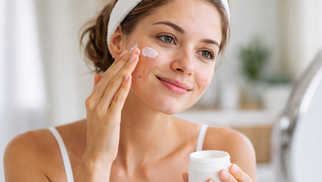

Acne vulgaris is one of the most common chronic inflammatory skin conditions worldwide. It affects teenagers, adults, and even people in their forties and fifties. Although often dismissed as a cosmetic issue, acne is a medical condition involving sebaceous gland activity, follicular blockage, bacterial growth, and immune response.
Acne develops when pores become clogged with excess oil and dead skin cells. This creates a closed environment where inflammation can begin. What appears to be a small pimple may actually represent a deeper inflammatory process under the skin.
Because acne frequently appears on visible areas such as the face, chest, and back, it can strongly influence self-esteem. Effective treatment therefore addresses not only lesions, but also long-term skin health and psychological well-being.
Doctor note 🧑⚕️
Acne management requires consistency. Gradual improvement over several weeks is expected, and sudden product changes often worsen irritation.
🧭 Core goal
Prevent clogged pores, calm inflammation, and reduce the risk of permanent scars.
⏱ Early action
Starting therapy at mild stages often prevents progression to cystic or nodular forms.
🎯 Long term result
Balanced oil production, smoother texture, and fewer recurring breakouts.
How acne vulgaris develops 🔬
The process begins with increased sebum production stimulated by hormones. When oil mixes with dead skin cells, it blocks the follicular opening. This obstruction forms a microcomedone — the earliest invisible stage of acne.
As the blockage enlarges, it becomes a visible blackhead or whitehead. If bacteria multiply within the blocked pore, inflammation intensifies and red papules or pustules appear.
In severe forms, deeper inflammation leads to nodules and cysts that may damage surrounding tissue. This is why early intervention is critical to reduce long-term consequences.
Severity levels and treatment approach 📊
| Stage | Lesion Type | Recommended Strategy |
|---|---|---|
| Mild | Comedones | Topical retinoids and gentle care |
| Moderate | Papules and pustules | Combination topical therapy |
| Severe | Nodules and cysts | Systemic medication under supervision |
Identifying severity allows dermatologists to choose targeted therapy rather than trial-and-error solutions.
Treatment foundations 💊
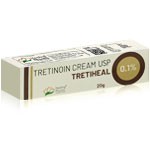
Topical retinoids remain a cornerstone of therapy. Tretiheal cream (Tretinoin) works by increasing cell turnover and preventing follicular blockage. It targets the underlying mechanism rather than only visible lesions.
Regular use of Tretiheal cream (Tretinoin) reduces microcomedones and helps smooth uneven texture. Improvement usually becomes noticeable after several weeks of consistent application.
Some temporary dryness or redness may occur during the adaptation phase. Using sunscreen and a gentle moisturizer helps minimize irritation.
Long term control and maintenance 🔄
Acne vulgaris often requires maintenance therapy even after visible improvement. Tretiheal cream (Tretinoin) can be continued under supervision to prevent relapse.
Combining retinoids with non-comedogenic skincare products enhances barrier stability and reduces sensitivity. Gradual adjustments are preferred over aggressive regimens.
Long-term management focuses on preventing new lesions while allowing the skin to heal and regenerate naturally.
Daily habits that support clear skin 🌿
Gentle cleansing twice daily, avoiding harsh scrubs, and using oil-free cosmetics support treatment effectiveness.
Balanced nutrition and stress management may reduce hormonal triggers that worsen acne.
Avoid squeezing lesions, as this increases inflammation and scar formation.
Prognosis and confidence 📈
With structured therapy, most patients achieve meaningful improvement. Early care reduces the likelihood of scarring.
Acne vulgaris is treatable. Consistent medical guidance combined with patience produces lasting results.
Drug Description Sources:
U.S. National Library of Medicine, Drugs.com, WebMD, Mayo Clinic, RxList.
Reviewed and Referenced By 👩⚕️👨⚕️
Dr. Whitney Bowe – Board Certified Dermatologist
Specialist in acne treatment and inflammatory skin conditions with focus on skin barrier science.
Dr. Doris Day – Clinical Associate Professor of Dermatology
Expert in acne therapy and cosmetic dermatology with emphasis on evidence-based skin care.
Dr. Zoe Diana Draelos – Dermatology Research Specialist
Research dermatologist known for work in topical therapies and acne management innovation.
(Updated at Feb 27 / 2026)
Tretiheal Tretinoin articles: